
RSS

Blog posts of '2026' 'May'

Your Guide to the Liberty Gold Coin 1 Dollar

When you hold a $1 Liberty Gold Coin, you’re holding a unique investment asset. While its gold content provides a solid foundation of value, its true worth is driven by numismatic demand. This is the key difference between owning a simple gold bar and a historic coin. Factors like rarity, mint mark, and physical condition can make one liberty gold coin 1 dollar worth a few hundred dollars, while another, seemingly identical coin, can command tens of thousands. This guide will walk you through what makes these coins a compelling addition to a diversified portfolio, explaining how their historical significance and scarcity create long-term appreciation potential.

Key Takeaways

  • Understand what creates value: A Liberty Gold Dollar's worth comes from its specific design type, physical condition, and rarity, which is determined by its date and mint mark, not just its gold content.
  • Insist on certified coins: To protect your investment, only purchase coins graded by trusted services like PCGS or NGC. This guarantees authenticity and provides a clear, marketable value for your collection.
  • Define your collecting strategy: Decide on your budget and goals before you start searching. A clear plan, such as focusing on a specific series or diversifying your portfolio, helps you make smarter and more satisfying purchases.

A Brief History of the $1 Liberty Gold Coin

Every coin tells a story, and the $1 Liberty Gold Coin has a fascinating one. Born from a historic gold rush and forged through a nation's most trying times, this small but mighty coin captures a pivotal era in American history. Let's walk through its journey from its creation to its status as a cherished collectible.

Its Connection to the California Gold Rush

The story of the $1 Liberty Gold Coin begins in 1849, right in the middle of the California Gold Rush. The massive influx of gold discovered on the West Coast created a practical problem: the country needed a way to turn this newfound wealth into usable currency. Congress authorized the creation of two new gold denominations, including the tiny gold dollar. These coins were not just for show; they were intended for everyday transactions, making it easier for people to carry and spend their wealth. This direct link to one of America's most legendary periods makes the coin a tangible piece of history for any collector.

How the Civil War Impacted Production

The Civil War brought significant disruption to the United States, and the production of its coinage was no exception. Before the war, mints in the Southern states, like those in Charlotte and Dahlonega, produced gold dollars. However, these facilities were closed as the conflict escalated. After 1862, the Philadelphia Mint became the primary producer of these coins. During this turbulent time, many older gold dollars were melted down, either to create new currency or for their bullion value. This wartime reality means that many pre-war issues are scarcer today, adding to the appeal for collectors searching for these rare coins for sale.

Lady Liberty as a Cultural Symbol

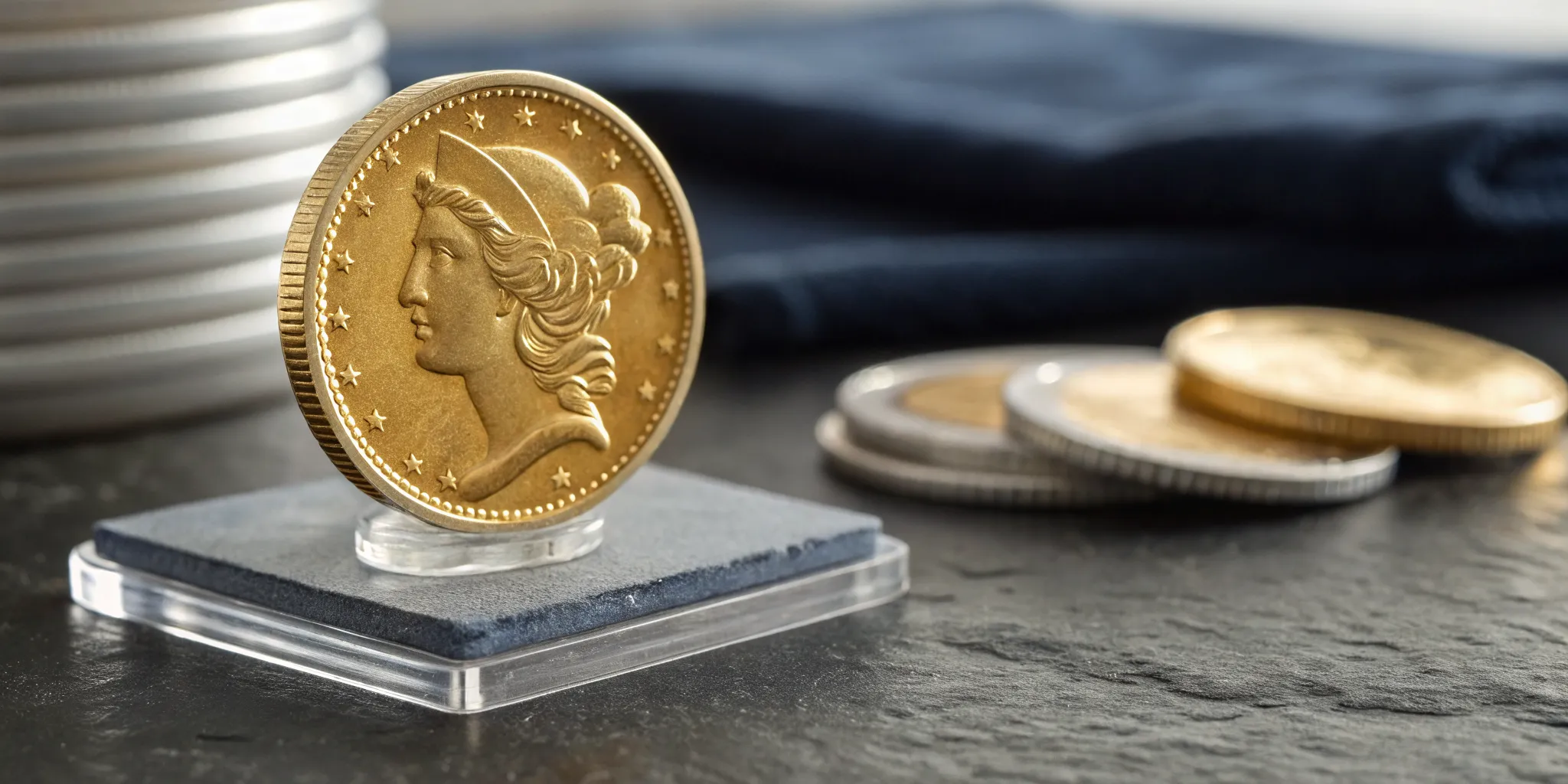
Beyond its economic role, the $1 Liberty Gold Coin is a beautiful piece of numismatic art. The coin’s obverse features a classic depiction of Lady Liberty, her profile facing left. She wears a coronet inscribed with the word "LIBERTY" and is encircled by 13 stars, a tribute to the original thirteen colonies. This iconic imagery wasn't just decorative; it was a powerful representation of American ideals and freedom during a period of rapid national expansion. Over time, this portrayal of Liberty has become a beloved cultural symbol, making the coin a favorite among those who appreciate artistry and history in their collections.

The Three Types of $1 Liberty Gold Dollars

The $1 Liberty Gold Dollar wasn't just one coin; it was a series that evolved over its 40-year lifespan. From 1849 to 1889, the U.S. Mint produced three distinct designs, each with its own unique story, artistic details, and collecting challenges. Understanding these variations is the first step for any collector interested in this fascinating piece of American history. Each type reflects the technical and artistic capabilities of the mint during its era, offering different opportunities for both new and seasoned collectors. Whether you're drawn to the classic simplicity of the first design or the intricate story of the later ones, there's a Liberty Gold Dollar that fits every collection.

Type 1: Liberty Head (1849–1854)

The first gold dollar, often called the Liberty Head or "Type 1," is the smallest coin in the series, measuring just 13mm in diameter. Minted from 1849 to 1854, its obverse features a classic portrait of Lady Liberty wearing a coronet, framed by 13 stars representing the original colonies. The reverse is simple, showing the "1 DOLLAR" denomination and date inside a wreath. These coins were struck at five different mints, so you'll find examples from Philadelphia, Charlotte (C), Dahlonega (D), New Orleans (O), and San Francisco (S). Collectors often seek out these rare coins for sale in the highest possible grades, with a special focus on the low-mintage issues from the Dahlonega mint, which are particularly scarce.

Type 2: Small Indian Princess (1854–1856)

In 1854, the U.S. Mint introduced a new design, the Type 2 gold dollar. This coin was larger at 15mm but also thinner, featuring a portrait of a figure in a feathered headdress, commonly known as the "Small Indian Princess." While the design was more intricate, it had a significant flaw. The portrait's high relief meant that the coins were often poorly struck, leaving the date and lettering on the reverse weak and prone to rapid wear. Because of this issue and its very short three-year production run, finding a well-preserved Type 2 coin is a real challenge for collectors. The 1855 coin from the Dahlonega mint is a famous rarity, with a tiny mintage of just 1,811 pieces.

Type 3: Large Indian Princess (1856–1889)

The third and final design, the Large Indian Princess, corrected the flaws of its predecessor. Introduced in 1856 and minted for 33 years, this coin features a modified, larger portrait with lower relief, which resulted in a much better strike and improved durability. This is the most common of the three types, making it an accessible entry point for new collectors. A popular collecting strategy is to assemble a "short set" of the final years of issue, from 1879 to 1889. These dates often had lower mintages but are more frequently found in excellent condition. Because of their history and gold content, these coins are a great way to diversify your portfolio with tangible gold bullion that holds both numismatic and intrinsic value.

Anatomy of a Liberty Gold Dollar

To truly appreciate the Liberty Gold Dollar, it helps to know its key features. From the artistic details on the coin's faces to its metallic composition, each element tells a part of its story and contributes to its value. Let's look at the specific designs, the gold content, and the mint marks that define these fascinating coins.

Key Obverse and Reverse Details

The Liberty Gold Dollar evolved through three distinct designs, each with its own unique character. The first, Type 1 (1849–1854), features a portrait of Miss Liberty wearing a small coronet, encircled by 13 stars representing the original colonies. The reverse simply states "1 DOLLAR" within a wreath. Next came the Type 2 (1854–1856), which introduced the "Indian Princess" design. This portrait, thought to be inspired by a Roman statue with a Native American headdress, is paired with a reverse wreath woven from corn, cotton, wheat, and tobacco. Finally, the Type 3 (1856–1889) refined this design. It features a larger, flatter version of the Indian Princess portrait, an adjustment made to improve the coin's strike and overall durability. You can find beautiful examples of these historic designs among our rare coins for sale.

Gold Content and Specifications

Beyond their beautiful designs, Liberty Gold Dollars hold significant intrinsic value due to their composition. Each coin is made from 90% gold and 10% copper, a standard alloy for U.S. gold coins of the era. The copper was added to make the coins more durable for circulation. Each one-dollar gold piece contains approximately 0.04837 troy ounces of pure gold. This gold content provides a solid baseline value for the coin, tied directly to the spot price of gold. For investors looking to add precious metals to their portfolio, understanding the gold content is crucial. It's a key reason why historic coins are a popular way to own gold bullion while also enjoying the potential for numismatic appreciation.

Understanding Mint Marks

The small letter stamped on a coin, known as the mint mark, tells you where it was produced and can dramatically influence its rarity and value. Liberty Gold Dollars were struck at five different U.S. Mint facilities. Coins made in Philadelphia have no mint mark. The others are marked with a "C" for Charlotte, "D" for Dahlonega, "O" for New Orleans, or "S" for San Francisco. The mint mark is typically found on the reverse, below the wreath. Coins from the southern branch mints of Charlotte and Dahlonega are especially sought after by collectors because they produced far fewer coins than Philadelphia. Identifying the mint mark is a critical step in determining a coin's place in history and its potential value in the market.

How Much Is a $1 Liberty Gold Coin Worth?

Determining the value of a $1 Liberty Gold Coin is more complex than simply checking the daily price of gold. While its gold content provides a baseline value, a coin's true worth is a blend of its history, rarity, and condition. A common-date Liberty Gold Dollar in worn condition might be worth a few hundred dollars, but a rare, pristine example can fetch tens of thousands. These tiny coins pack a significant historical and financial punch, making them a fascinating piece for any collection. It's this combination of factors that separates a simple piece of gold from a true numismatic treasure.

The final price tag depends on several key factors that we'll explore. First is the coin's physical condition, or grade. A coin that looks like it just left the mint will always be worth more than one that has seen heavy circulation. Next is its rarity, which is determined by the year it was minted, the mint location, and how many are known to still exist. Finally, the overall market demand from collectors and investors plays a huge role in setting the price. Understanding these elements is the first step to accurately valuing one of these beautiful rare coins for sale and making a smart addition to your portfolio.

How Condition Impacts Value

A coin's condition is one of the most critical factors in determining its value. Even minor imperfections like scratches, dings, or signs of wear can dramatically reduce its price. For this reason, the numismatic world relies on professional grading services like the Professional Coin Grading Service (PCGS) and the Numismatic Guaranty Company (NGC). These third-party experts authenticate each coin and assign it a grade on a 70-point scale, which provides a universal standard for its condition. When you see a coin graded by one of these trusted services, you can be confident that its quality has been professionally verified, removing guesswork and ensuring you are paying a fair price for its state of preservation.

Rare Dates and Valuable Varieties

Not all Liberty Gold Dollars were created equal. Some dates and mint marks are exceptionally rare, making them highly sought after by serious collectors. The Type 1 coins, minted for only a few years, are generally considered scarce. However, certain specific issues are true numismatic treasures. For example, the 1861 coin from the Dahlonega mint (1861-D) is incredibly rare, with fewer than 100 believed to exist. Similarly, the 1875 coin had a tiny mintage of just 400 pieces for circulation. Identifying these rare dates and varieties is essential, as they can turn a seemingly simple gold coin into a significant investment worth thousands, or even tens of thousands, of dollars.

Circulated vs. Uncirculated Values

When you hear collectors talk about coins, you’ll often hear the terms "circulated" and "uncirculated." A circulated coin is one that was used in everyday transactions, showing visible wear from being handled. An uncirculated coin, often called "Mint State" (MS), was preserved from the moment it was made and shows no signs of wear. As you can imagine, uncirculated coins are far more valuable because they retain their original luster and sharp details. Many of the finest Liberty Gold Dollars available on the market today are in excellent, uncirculated condition. These coins command premium prices and are the top choice for investors looking for the best quality.

The Role of Market Demand and Gold Prices

The value of a $1 Liberty Gold Coin is influenced by two distinct forces: the intrinsic value of its gold content and the external demand from collectors. The coin's base value is tied to the spot price of gold bullion, which provides a floor for its worth. However, for a historic and rare piece like the Liberty Gold Dollar, numismatic demand is the primary driver of its price. This is why some of these coins can sell for $17,000 to $80,000 or more, a value that far surpasses their simple melt value. This premium is a direct result of collectors competing for a limited supply of historically significant coins, making them a dynamic and exciting asset.

How Experts Grade Liberty Gold Dollars

When you’re looking at two seemingly identical Liberty Gold Dollars, why might one be worth a few hundred dollars and the other tens of thousands? The answer often comes down to condition. Grading is the systematic process of evaluating a coin's physical state, and it’s one of the most critical factors in determining its value. A coin’s grade tells a story about its journey, from the moment it was struck at the mint to its life in circulation.

For collectors and investors, understanding this process is essential. It allows you to accurately assess the quality of a coin, verify its authenticity, and make informed decisions when buying or selling. Experts use a standardized system to ensure consistency across the market, creating a universal language for a coin’s condition. This system removes guesswork and provides a solid foundation for valuation. When you browse rare coins for sale, you’ll see grades listed for each one, giving you a clear picture of its quality before you even hold it in your hand. Let’s walk through how this system works.

Understanding the 70-Point Grading Scale

The backbone of modern coin grading is the 70-point scale, often called the Sheldon scale. This system assigns a numerical grade from 1 (Poor) to 70 (Mint State Perfect), providing a detailed spectrum of a coin's condition. The scale creates a clear dividing line: coins graded from 1 to 59 are considered circulated, meaning they show some degree of wear from being used in commerce.

Coins graded 60 and above are "Uncirculated" or "Mint State" (MS). These coins never entered public circulation and show no signs of wear. The nuances between grades, especially at the higher end of the scale, can be subtle, often boiling down to the number and placement of tiny marks from the minting process. This standardized coin grading scale is the universal language that allows collectors everywhere to trade with confidence.

What MS, AU, and VF Grades Mean

To make the grading scale more practical, let's look at a few key grade categories you’ll frequently encounter. These abbreviations give you a quick snapshot of a coin's condition.

  • MS (Mint State): A Mint State coin is uncirculated and has no wear. It looks as fresh as it did the day it left the mint, though it may have small imperfections like contact marks from being stored in bags with other coins.
  • AU (About Uncirculated): These coins were on the verge of circulation or saw very brief handling. They show just a trace of wear on the highest points of the design, like the hair above Liberty’s eye or the high points of the wreath.
  • VF (Very Fine): A Very Fine coin has seen more time in circulation. It shows moderate wear on its highest points, but the major details remain clear and distinct.

The Importance of PCGS, NGC, and CACG Certification

While you can learn to spot the basics of grading, the final word for serious collectors comes from independent, third-party grading services. Companies like the Professional Coin Grading Service (PCGS), Numismatic Guaranty Corporation (NGC), and Certified Acceptance Corporation (CACG) are the industry's most trusted authorities. They provide an unbiased assessment of a coin's authenticity and grade, then seal it in a protective, tamper-evident holder with a label detailing its information.

This certification is crucial because it provides security and liquidity. When you buy a certified coin, you can be confident in its grade and authenticity, which makes it easier to value and sell later. As a company with over 35 years of experience, we at Park Avenue Numismatics rely on these services to ensure every coin we offer meets the highest standards of quality and trust.

How to Spot a Counterfeit Liberty Gold Dollar

As a collector, the thrill of finding a rare coin like a Liberty Gold Dollar is unmatched. But with high value comes the risk of counterfeits. Knowing how to spot a fake is a critical skill that protects your collection and your investment. While nothing replaces a professional appraisal, you can learn to identify some of the most common warning signs yourself. These initial checks can help you decide whether a coin is worth a closer, professional look.

Common Red Flags to Look For

Start with a few simple tests. First, use a strong magnet. Gold is not magnetic, so if the coin shows any attraction, it’s a fake. Next, check the coin’s specifications. A genuine Type 1 Liberty Head gold dollar weighs exactly 1.672 grams and has a diameter of 13 mm. Counterfeits made from other metals will often have an incorrect weight or size. Then, examine the coin’s features under magnification. Authentic coins have sharp, intricate details. Fakes often appear soft, greasy, or blurry, with weak lettering and mushy design elements. You can also try a sound test. Gently drop the coin onto a hard surface (from a very low height to avoid damage). Real gold produces a high-pitched, ringing sound, while many counterfeit metals will make a dull thud. Learning how to spot a fake gold coin is a skill that develops with experience.

Why Professional Authentication Is Essential

While at-home tests are useful for a first pass, they can’t guarantee authenticity. Counterfeiters have become increasingly sophisticated, sometimes using real gold plating over a base metal to mimic the correct weight and appearance. This is where professional authentication becomes non-negotiable for any serious investor. Experts use advanced equipment, like X-ray fluorescence (XRF) analyzers, to verify a coin’s exact metallic composition without damaging it. Submitting a coin to a top-tier grading service like PCGS or NGC protects your investment. A professionally graded and encapsulated coin has a certified authenticity and condition, which secures its market value and makes it easier to sell in the future. Understanding the importance of professional coin grading is key to building a valuable and legitimate collection. It provides the ultimate peace of mind.

Is a $1 Liberty Gold Coin a Good Investment?

Deciding whether to add a $1 Liberty Gold Coin to your portfolio is an exciting prospect. These coins are more than just small pieces of gold; they are tangible links to a fascinating period of American history. Their investment potential, however, isn't as straightforward as simply tracking the price of gold. Unlike modern bullion, the value of a Liberty Gold Dollar is tied to a combination of factors, including its rarity, historical significance, and physical condition. For many investors, this is precisely what makes them so appealing.

Investing in rare coins offers a different kind of opportunity compared to owning stocks or even gold bars. It's a chance to own a piece of the past that has its own unique story and market dynamics. While the gold content provides a baseline of intrinsic value, the real potential lies in the coin's numismatic qualities. For the right coin, this can lead to significant appreciation over time. Understanding what makes a specific Liberty Gold Dollar valuable is the first step toward making a smart investment decision that aligns with your financial goals and your passion for collecting.

Understanding Numismatic vs. Melt Value

When you evaluate a $1 Liberty Gold Coin, you're looking at two different types of value: its melt value and its numismatic value. The melt value is straightforward; it’s the worth of the actual gold the coin contains. However, for a historic piece like this, the melt value is just the starting point. The numismatic value is what the coin is worth to collectors, and it’s based on factors like rarity, condition, and historical demand.

Because Gold Dollars are the smallest coins ever produced in the U.S., they carry a unique historical appeal that goes far beyond their weight in gold bullion. A common-date, circulated coin will always be worth more than its gold content, but a rare, high-grade example can be worth thousands of times its melt value. For investors, the goal is to find coins where the numismatic value has strong potential to grow.

Potential for Long-Term Appreciation

The long-term investment potential of a $1 Liberty Gold Coin is directly tied to its scarcity. Simply put, the rarer the coin, the more desirable it becomes to collectors over time. Certain dates and mint marks are exceptionally hard to find, which drives their value. For example, coins minted in Dahlonega (D) during the 1850s are notoriously rare due to very low production numbers.

Condition also plays a massive role. A coin that has survived for over a century with minimal wear is a true treasure. Examples in high-grade condition, such as Mint State-65 or better, are incredibly scarce and command premium prices. As the years go by, well-preserved examples of these historic coins only become harder to find, creating a strong foundation for long-term appreciation in value.

The "Short Set" Collecting Strategy

If you're looking for a focused way to begin investing in Liberty Gold Dollars, the "short set" strategy is a popular approach. This involves collecting the Type 3 coins minted from 1879 to 1889. This particular run is appealing to collectors because many of these dates had lower mintages, meaning fewer coins were produced. At the same time, they are often found in excellent condition compared to earlier issues.

Building a short set provides a clear and achievable goal. Instead of trying to acquire one of every date and mint mark, you can focus on a specific, manageable series. As you assemble the set, you create a collection that is often more valuable and desirable than the sum of its individual parts. This strategy allows you to build a cohesive and historically significant collection with strong investment potential.

Diversify Your Portfolio with Rare Gold

Adding rare coins to your investment portfolio is a classic strategy for diversification. Tangible assets like Liberty Gold Dollars move independently of the stock and bond markets, providing a hedge against economic volatility. These coins act as a store of value, combining the security of precious metals with the growth potential of a rare collectible. The high values of top-tier examples, with prices sometimes reaching from $17,000 to over $80,000, show their status as serious assets.

Whether you're a seasoned investor or just starting, incorporating rare gold can add a unique dimension to your financial plan. It’s a way to preserve wealth in an asset that is both historically rich and globally recognized. For those looking to integrate physical gold into their retirement strategy, a Gold IRA can also be an effective option to explore with your financial advisor.

Tips for First-Time Buyers

Stepping into the world of rare coin collecting is an exciting move. To make sure your first purchase is a confident one, it helps to have a clear strategy. These tips will guide you through the process, from setting your goals to finding a coin you’ll treasure for years to come.

Prioritize Certified and Authenticated Coins

Before you fall in love with a specific coin, your first priority should be its certification. Think of it as a guarantee of quality and authenticity. Coins that have been professionally graded by trusted third-party services like the Professional Coin Grading Service (PCGS) or the Numismatic Guaranty Corporation (NGC) have been thoroughly vetted by experts. This certification confirms the coin’s grade, which directly impacts its value, and assures you that it’s genuine.

Insisting on certified coins protects your investment from the start. It not only gives you peace of mind but also simplifies things if you ever decide to sell, as certified coins have a clear and respected market value. When you browse rare coins for sale, you’ll find that reputable dealers always highlight these certifications.

Define Your Budget and Collecting Goals

Liberty Gold Dollars have a wide price range, with some rare examples selling for tens of thousands of dollars. Before you start your search, it’s important to establish a clear budget. Knowing your financial comfort zone helps you focus your search and prevents you from overspending. Once you have a number in mind, think about what you want to achieve. Are you drawn to the history of a specific mint? Are you building a "short set" of the three main types?

Or perhaps you're looking at gold as a way to diversify your financial portfolio. Understanding your personal collecting goals will help you make purposeful decisions. It determines whether you should focus on a specific historical piece or consider other assets like gold bullion to round out your holdings.

Key Questions to Ask Your Coin Dealer

A great coin dealer is a partner in your collecting journey, and they should be ready and willing to answer your questions. Don’t hesitate to start a conversation. It shows you’re a serious buyer and helps you gather the information you need to make a sound decision.

Here are a few key questions to ask:

  • Can you tell me more about this coin's certification and grade?
  • Are there any unique characteristics or historical points of interest for this coin?
  • What is your policy on returns or exchanges?

A trustworthy expert will appreciate your diligence and provide transparent answers. Learning more about a dealer’s background and expertise can also build confidence; our team’s story is something we’re proud to share with our clients as we guide them. You can learn more about our company's long history and commitment to our clients.

How to Choose a Reputable Dealer

Your choice of dealer is just as important as your choice of coin. A reputable dealer provides the expertise and security you need for a successful purchase. Look for dealers with a long track record of experience and positive client feedback. An established presence in the numismatic community, like our 35+ years of experience, is a strong indicator of reliability and knowledge.

The best dealers are transparent and prioritize education. They exclusively handle coins graded by top-tier services like PCGS and NGC and are happy to explain the nuances of each piece. They should also offer secure, insured shipping and provide guidance on building a collection or investment portfolio. Working with a trusted dealer ensures you’re not just buying a coin; you’re making a smart, well-informed investment.

Find Your $1 Liberty Gold Dollar

Finding the right Liberty Gold Dollar for your collection is an exciting process, and the dealer you choose to work with makes all the difference. You want a partner who not only has access to high-quality coins but also possesses the expertise to guide you. The goal is to find a piece that fits your collection and budget, backed by a team you can trust for the long haul. This final step is about more than just a transaction; it's about building a relationship with experts who are as passionate about numismatics as you are and who can provide the support you need to grow your collection with confidence.

Partner with Park Avenue Numismatics

When you're ready to add a Liberty Gold Dollar to your collection, working with a trusted dealer is the most important step. At Park Avenue Numismatics, we've spent over 35 years building a reputation for expertise and integrity in the rare coin market. Our team is passionate about helping collectors find the perfect piece, whether you're searching for a specific date or a high-grade example of a Type 1, 2, or 3 gold dollar. We offer a wide selection of rare coins for sale, all professionally authenticated and graded. You can learn more about our commitment to quality and client satisfaction by reading about us and our long history in the industry.

Enjoy Secure Shipping, Expert Appraisals, and Portfolio Guidance

Acquiring a rare coin is just the beginning of the journey. We ensure your investment is protected from the moment you purchase it with fully insured, secure shipping. If you have existing coins, our expert appraisal services can help you understand their current market value. Beyond individual coins, we offer personalized portfolio guidance to help you build a collection that aligns with your long-term goals. Whether you're looking to focus on numismatics or diversify with precious metals like gold bullion, our team provides the insights you need to make confident decisions. We're committed to helping you build a valuable and meaningful collection.

Related Articles

Frequently Asked Questions

Which type of Liberty Gold Dollar is best for a new collector? If you're just starting your collection, the Type 3 "Large Indian Princess" (1856–1889) is an excellent choice. Because it was minted for over 30 years, it's the most common of the three types, making it easier to find beautiful examples at an accessible price point. This allows you to own a genuine piece of American history without immediately searching for the much scarcer and more expensive Type 1 or Type 2 coins.

Is the value of a Liberty Gold Dollar just based on its gold content? Not at all. While the gold content provides a baseline value, it's really just the starting point. The coin's true market worth comes from its numismatic value, which is determined by its rarity, condition, and historical significance. A rare date in pristine condition can be worth thousands of times its simple melt value because you are acquiring a scarce historical artifact, not just a small amount of gold.

What is the single most important step to take before buying a Liberty Gold Dollar? Your top priority should be to buy a coin that has been professionally certified by a leading third-party grading service like PCGS or NGC. This certification guarantees the coin's authenticity and its grade, which is a professional assessment of its condition. It removes all the guesswork and provides you with the confidence that you are paying a fair price for a genuine, accurately described coin.

Are all Liberty Gold Dollars rare and valuable? Value can vary dramatically from one coin to another. A common-date coin in a lower, circulated grade might be relatively affordable, while a coin from a low-mintage year like 1875 or from a southern mint like Dahlonega can be exceptionally rare and valuable. Condition is also a major factor, as an uncirculated coin will always command a much higher price than one showing significant wear.

How does owning a Liberty Gold Dollar compare to owning modern gold bullion? Owning modern gold bullion is a direct investment in the price of gold. Owning a Liberty Gold Dollar, however, is a dual-purpose investment. You get the security of its intrinsic gold content, but you also own a collectible asset with numismatic value. This value is driven by collector demand and can appreciate independently of the gold market, offering a unique way to diversify your portfolio with a tangible piece of history.

Is an In-Home Coin Appraisal Right for You?

Finding a coin collection you’ve inherited can feel like discovering a hidden treasure, but it also comes with a big question: what is it actually worth? Taking on the task of figuring that out can be overwhelming. You need a trustworthy expert to help you understand what you have, but the idea of hauling the collection to a shop is daunting. An in home coin appraisal is the perfect first step. It provides a comfortable, pressure-free way to get answers. An expert comes to you, carefully explains the value of each piece, and gives you the clarity you need to make an informed decision about your newfound assets.

Key Takeaways

  • Keep Your Collection Safe at Home: An in-home appraisal eliminates the risk and hassle of transporting your valuable coins, offering a secure and private way to understand their worth without them ever leaving your sight.
  • Preparation Is Simple, So Let the Expert Work: Your only job is to have your collection accessible; do not clean or organize your coins beforehand. A professional will handle the sorting and grading, explain their valuation, and present a clear, no-obligation offer.
  • Partner with a Trusted Professional: The right appraiser has years of numismatic experience, a transparent process, and a strong reputation. Always check credentials and reviews, and walk away from any high-pressure sales tactics to ensure you get a fair assessment.

What Is an In-Home Coin Appraisal?

An in-home coin appraisal is exactly what it sounds like: a professional service where an expert numismatist comes directly to your home to evaluate your coin collection. Think of it as bringing the coin shop's expertise to your living room. This service removes the stress and security risks of transporting a potentially heavy and valuable collection. For many collectors, especially those with extensive or inherited collections, the thought of packing up and moving their coins can be daunting. An in-home appraisal provides a secure, convenient, and private way to understand the true market value of your assets without them ever leaving your sight.

This personalized approach allows for a comfortable, one-on-one conversation about your coins. You can ask questions, learn about the history and significance of your pieces, and get a clear valuation without any pressure. It’s a white-glove service designed for serious collectors and individuals who have come into possession of a collection and aren't sure where to begin. Our team at Park Avenue Numismatics brings over three decades of experience to your doorstep, ensuring you receive a trustworthy and transparent assessment. We believe the process of understanding your collection's worth should be as secure and pleasant as the hobby of collecting itself. It’s about giving you peace of mind and clear, actionable information from an expert you can trust, right where you are.

How It Works

The process is straightforward and designed with your comfort in mind. It starts with an initial conversation where you tell us about your collection. From there, we schedule a convenient time for one of our expert appraisers to visit you. During the visit, our specialist will carefully organize and examine your coins, identifying key pieces and assessing their condition. They will research current market values for your rare coins to determine an accurate, up-to-the-minute valuation. Finally, the appraiser will walk you through their findings, explaining the value of your collection and, if you're interested in selling, presenting you with a fair, no-obligation offer.

Who It's For

An in-home appraisal is ideal for anyone with a substantial collection that would be difficult or risky to transport. This includes collectors who have spent years curating their sets, as well as individuals who have inherited coins and need expert guidance on their value. If privacy is a major concern for you, this service provides the discretion you need. It’s also a perfect solution for those who simply prefer the convenience of an expert coming to them. Whether you're considering selling, need a valuation for insurance purposes, or want to explore diversifying your assets into something like a Gold IRA, an in-home appraisal gives you the professional insight you need to make informed decisions.

In-Home vs. Traditional: Which Appraisal Is Right for You?

Deciding how to get your coin collection appraised is a big step. The right choice often comes down to the size of your collection, your comfort level, and what you hope to learn from the process. A traditional appraisal, where you bring your coins to a dealer’s shop, has been the standard for years. It’s a straightforward way to get a valuation. However, for many collectors, this method can be inconvenient and even risky.

An in-home appraisal offers a modern alternative that prioritizes your convenience, privacy, and the security of your assets. An expert comes directly to you, allowing you to have your collection evaluated in the comfort of your own home. This personalized service eliminates the need to transport valuable items, providing peace of mind and a dedicated, one-on-one experience. Understanding the key differences will help you choose the path that best suits your needs.

The Appeal of Convenience, Privacy, and Security

Let’s be honest: packing and transporting a valuable coin collection is stressful. There’s the hassle of organizing everything, the risk of loss or damage in transit, and the concern of carrying high-value assets in public. An in-home appraisal removes all of that. Your collection never leaves your sight, providing unmatched convenience and security, especially for larger or more significant collections. This method also offers a level of privacy that a public coin shop can't match. You can discuss your collection and financial goals in a secure, confidential setting, ensuring the entire process is handled with the discretion you deserve.

Getting Personalized Attention and Expert Insight

One of the greatest benefits of an in-home appraisal is the focused, one-on-one time you get with a numismatic specialist. Instead of a potentially rushed interaction at a busy shop counter, you have the expert’s undivided attention. This creates a perfect opportunity for a detailed conversation about your collection. Our team of experts explains their process as they go, giving you insight into how they grade each coin and determine its value. You can ask questions, learn about the history behind your pieces, and gain a deeper understanding of what makes your collection special. It’s an educational experience, not just a transaction.

Common Misconceptions, Debunked

It’s natural to have questions about letting an appraiser into your home. A common concern is feeling pressured to sell, but a professional appraisal is a zero-pressure situation. You are under no obligation to accept an offer. The goal is to provide you with an accurate, transparent valuation so you can make an informed decision. Many people also underestimate the skill involved in grading. It’s very difficult to accurately judge a coin's condition yourself, and that grade is a major factor in its value. Our experts have trained for years to master this skill, ensuring you receive a truly fair assessment.

What Determines a Coin's Value?

Figuring out what a coin is worth can feel like solving a puzzle. It’s not just about its age or what it’s made of; several key factors work together to create its final value. Whether you've inherited a collection or are a seasoned collector, understanding these elements is the first step toward a confident appraisal. Let's break down the three main pillars of a coin's value: its physical condition, its rarity, and its material composition. Getting familiar with these will help you see your collection through the eyes of an expert and appreciate the story each piece has to tell.

Condition and Grade

A coin’s condition, or "grade," is one of the most critical factors in its valuation. Think of it like a report card for the coin's physical state. A coin that looks brand new, with no signs of wear, is considered "Mint State" and will command a much higher price than one that is worn, scratched, or damaged. Even tiny, almost invisible marks can make a huge difference in value. Professional appraisers use a detailed grading scale to assess every aspect of a coin's surface, luster, and strike. Examining high-quality rare coins for sale can give you a great visual reference for what top-tier grades look like.

Rarity, Date, and Mint Mark

The simple rule of supply and demand applies perfectly to coin collecting. A coin's rarity is a huge driver of its value. Rarity is determined by a few key identifiers you can find right on the coin: its date and its mint mark. The mint mark is a small letter that indicates where the coin was produced. Some mints produced far fewer coins than others in certain years, making those specific combinations highly sought after. A coin from a year with a low mintage, or one with a known error, is often much scarcer and therefore more valuable to collectors than a more common version.

Metal Content and Market Trends

Beyond its collectible status, a coin has an intrinsic value based on the metal it contains. For example, many US dimes, quarters, and half-dollars minted before 1965 were made of 90% silver, making them worth more than their face value. The same principle applies to gold bullion coins, whose value is tied directly to the spot price of gold. Finally, market trends and collector demand play a significant role. A coin is ultimately worth what someone is willing to pay for it, and a surge in popularity for a specific type of coin can drive its price up significantly, independent of its metal content or initial rarity.

What to Expect During Your In-Home Appraisal

Knowing what happens during an in-home appraisal can make the entire process feel more comfortable and straightforward. When you work with a reputable appraiser, the experience is designed to be professional, transparent, and respectful of your time and property. The main goal is to give you a clear understanding of what your collection is worth and provide you with a fair, market-based offer, all without you having to pack up and transport your valuable items.

From the moment you schedule your appointment, you should feel like you're in capable hands. A professional will arrive on time, ready to work methodically and answer any questions you have along the way. Think of it as bringing the expertise of a top-tier coin dealership directly to your living room. Our team at Park Avenue Numismatics has over 35 years of experience, and we bring that deep knowledge to every appraisal. The process is broken down into a few simple steps, ensuring you are informed and in control from start to finish. It’s all about providing you with clarity and confidence in the value of your collection.

Step 1: The Initial Consultation

The first step is a simple conversation. You’ll connect with an expert to discuss your collection and schedule a convenient time for the appraisal. During this initial chat, you can share a bit about what you have, whether it’s a handful of inherited coins or an extensive collection of gold bullion you’ve built over years. Don’t worry about organizing or cleaning anything beforehand. In fact, it’s best to leave the collection exactly as you found it. Polishing or cleaning coins can sometimes damage their surface and reduce their numismatic value, so it’s a task best left to professionals or, more often, not done at all. Our appraiser will know exactly how to handle everything with care.

Step 2: Grading and Valuation

This is where the real work begins. Once our specialist arrives, they will carefully sort and examine your collection. They’ll group items, identify key pieces, and assess their condition, or "grade." This is a critical part of the process, as a coin’s grade has a significant impact on its value. The appraiser will look for important details like dates, mint marks, and overall rarity. Using real-time market data and extensive knowledge, they will research the current value for each significant item. Everything is documented clearly, so you have a complete record of the assessment. This transparent approach ensures you see exactly how we determine the worth of your rare coins.

Step 3: Receiving Your Offer

After the grading and valuation are complete, the appraiser will walk you through their findings. They will explain what your collection is worth in the current market and make you a no-obligation offer to purchase it. This is your opportunity to ask any final questions and understand the value behind the numbers. A trustworthy appraiser will never pressure you into a decision. If you choose to accept the offer, the process is seamless. You can receive payment on the spot, completing the transaction in a single visit. The entire experience is built on transparency and fairness, giving you the freedom to make the best choice for your financial goals.

How Long Does the Appraisal Take?

The time required for an appraisal depends entirely on the size and complexity of your collection. For most collections, the entire process, from sorting to making an offer, can be completed in just a few hours or less than a day. You can expect a thorough yet efficient evaluation. If you have a very large or diverse collection, it might take a bit longer, potentially spanning two to three days to ensure every piece receives the attention it deserves. Your appraiser will give you a clear time estimate upfront, so you’ll know exactly what to expect before they even begin.

How to Prepare for Your In-Home Appraisal

Getting ready for an in-home appraisal is less about intensive prep work and more about making your collection available for the expert. The process is designed to be simple and stress-free for you. By having a professional come to your home, you remove the risks associated with transporting a potentially valuable collection. Your main job is to have your coins ready for viewing and to let the appraiser handle the rest. With a few simple steps, you can ensure the visit is smooth, efficient, and productive for everyone involved.

What to Have Ready

When the appraiser arrives, simply have your collection accessible. There’s no need to organize, sort, or categorize your coins beforehand. In fact, it’s better if you don’t. Experts prefer to see the collection in its original state, as this can sometimes provide context and clues about its history. Resist the urge to clean your coins, as improper cleaning can permanently damage a coin’s surface and significantly reduce its value. Our appraisers have the experience to identify the key pieces, sort them by condition, and research their current market value right there with you.

What Not to Do Before an Appraisal

The most important thing to avoid before an in-home appraisal is moving your collection. Packing and transporting coins, especially if they are loose, can cause scratches, dings, and other forms of damage that diminish their grade and worth. The primary benefit of an in-home appraisal is that it eliminates this risk entirely. You don’t have to worry about securing your coins for a trip or the potential for accidents along the way. Keeping your rare coins safely at home until the expert arrives is the best way to preserve their condition and value.

A Note on Privacy and Insurance

Your comfort and security are top priorities during an in-home appraisal. The entire process is low-pressure, which means you will receive a fair offer without any obligation to sell. It’s an opportunity for you to learn what your collection is worth from a trusted professional. It's also helpful to know the difference between an appraisal for sale and one for legal purposes. While a valuation with an offer to purchase is typically complimentary, a formal written appraisal for insurance or probate purposes is a different service that usually involves a fee.

How Much Does an In-Home Appraisal Cost?

One of the first questions people have about in-home appraisals is, "What's the catch?" It’s natural to wonder about the cost, especially when someone is coming to your home to evaluate valuable assets. The good news is that the cost structure is usually straightforward and depends entirely on the purpose of your appraisal. For those looking to sell a collection, the appraisal is often a complimentary service. However, if you need a formal valuation for legal or insurance reasons, there is typically a fee involved. Understanding the difference will help you know exactly what to expect.

Free vs. Fee-Based Appraisals

Many reputable dealers, including our team at Park Avenue Numismatics, offer complimentary in-home appraisals for individuals interested in selling their collections. This service is designed to assess the value of your coins with the goal of making you a purchase offer. For qualifying large or particularly significant collections, this expert evaluation comes at no cost to you. It’s our way of making the selling process as smooth as possible.

On the other hand, appraisals conducted for specific purposes like estate probate, tax planning, or insurance coverage typically require a fee. These formal valuations involve creating detailed documentation for third parties and are not tied to a potential sale. Our expert team is equipped to handle both types of appraisals, ensuring you get the right valuation for your needs.

Understanding Your No-Obligation Offer

A key feature of a trustworthy in-home appraisal is the no-obligation offer. After the expert evaluates your collection, they will present you with a fair, top-of-market offer to purchase your items. The "no-obligation" part is crucial: you are under zero pressure to accept. You can take the time you need to consider the offer, ask questions, or simply decline it without any cost or consequence.

This zero-pressure environment ensures you remain in complete control of your assets. If you do decide to accept the offer, another major benefit is immediate payment. You won’t have to wait weeks to receive your funds; the transaction is completed right then and there. This convenience and respect for your decision-making process are hallmarks of a professional and client-focused service.

How to Know You're Getting a Fair Offer

Transparency is the best indicator of a fair offer. A reputable appraiser won’t just give you a number; they will explain how they arrived at it. They should walk you through the valuation of your rare coins, pointing out the specific factors that determine their worth, such as condition, grade, rarity, and current market demand. This educational approach empowers you to understand your collection’s true value.

Feel free to ask as many questions as you need. A professional will be happy to clarify their methodology and provide a clear justification for their offer. Getting an expert opinion is always a smart move before selling any valuable asset, and a transparent valuation process is the best way to feel confident that you are being treated fairly and receiving a price that reflects the true market value of your coins.

How to Find a Reputable In-Home Appraiser

Inviting someone into your home to evaluate a collection you’ve spent years building requires a great deal of trust. The right appraiser will not only give you an accurate valuation but also make the experience feel professional, respectful, and secure. Finding that person means doing a little homework, but it’s the most important step you can take to protect your investment and get a fair offer. Knowing what to look for, and what to avoid, will give you the confidence you need to move forward.

Check Credentials and Experience

When you’re vetting an appraiser, their background is the first thing you should examine. You want to work with a true numismatic expert, not just a general antiques dealer. Look for professionals with years of dedicated experience in coins and precious metals. A company’s history can tell you a lot; for instance, our team at Park Avenue Numismatics brings over 35 years of expertise to every appraisal. An experienced appraiser can quickly identify key characteristics, understand market nuances, and accurately value everything from common bullion to exceptionally rare coins for sale. Don’t hesitate to ask about their qualifications and the types of collections they typically handle.

Look for Reviews and Transparency

Trust is built on transparency. A reputable appraiser will be an open book, happy to explain their process and answer your questions without hesitation. Before booking an appointment, search for online reviews and testimonials from past clients. A long-standing positive reputation is a strong signal of reliability. During the appraisal, the expert should walk you through how they determine a coin’s grade and value, pointing out specific details. This educational approach shows they respect you as a collector and are confident in their assessment. A professional service should make you feel informed and comfortable, never in the dark about what’s happening with your collection.

Red Flags to Watch For

Your gut feeling is a powerful tool, so pay attention to it. One of the biggest red flags is a high-pressure environment. You should never feel rushed or pushed into a decision to sell on the spot. A professional appraisal comes with a zero-pressure, no-obligation offer. Be wary of anyone who makes you feel like you have to decide immediately. Another warning sign is an appraiser who makes grand claims about a coin’s value without providing clear evidence or a market comparison. If an offer seems too good to be true or an explanation feels off, it’s always wise to get a second opinion before proceeding.

Related Articles

Frequently Asked Questions

Do I have to sell my coins if you appraise them? Absolutely not. An in-home appraisal is primarily an informational service to help you understand the current market value of your collection. You will receive a clear, no-pressure offer, but you are under no obligation to accept it. The decision to sell, hold, or simply learn more is completely up to you.

Should I clean or organize my coins before the appraiser arrives? Please don't. It is always best to leave your collection exactly as it is. Our experts are trained to sort and organize everything efficiently during the visit. More importantly, attempting to clean coins can cause irreversible damage to their surfaces, which can significantly reduce their numismatic value.

How do I know I'm getting a fair offer for my collection? A trustworthy appraiser ensures the process is transparent from start to finish. They will explain how they determine a coin's grade and value, using factors like condition, rarity, and real-time market data. You should feel comfortable asking questions and expect clear answers that justify the offer, giving you confidence in the valuation.

What's the difference between an appraisal for selling and one for insurance? An appraisal with an offer to purchase is typically a complimentary service for qualifying collections, as the goal is a potential transaction. A formal written appraisal for insurance, estate, or tax purposes is a different service that involves creating detailed legal documentation. This type of valuation usually requires a fee due to its specific documentation requirements.

What happens after the appraisal if I decide to sell? If you choose to accept the offer, the process is designed to be simple and immediate. The transaction can be completed right there during the same visit. You will receive payment on the spot, providing a secure and convenient way to finalize the sale without any delay or follow-up appointments.

Gold IRA vs. Physical Gold: Which Is Best for You?

There is a unique sense of security that comes from holding a tangible asset. For many, owning physical gold is the ultimate expression of financial independence; it’s real, it’s in your possession, and it’s yours to control. However, a modern investment strategy offers another powerful way to own gold, leading to the important question of gold IRA vs physical gold. While physical ownership provides direct control, a Gold IRA offers significant tax advantages and professional security for your retirement savings. This isn't a choice between right and wrong, but a decision based on your personal priorities: tangible control now versus tax-efficient growth for the future. Let's explore the pros and cons of each.


Key Takeaways

  • Decide if you prefer tax advantages or direct control: A Gold IRA provides tax-deferred growth for retirement, while physical gold gives you complete personal control and immediate access, though profits are taxed differently.
  • Compare the associated costs and fees: A Gold IRA involves annual fees for account management and storage, whereas physical gold has an upfront premium and storage costs that you manage yourself, such as buying a safe or renting a vault.
  • Consider your investment timeline and need for liquidity: A Gold IRA is a long-term retirement tool with penalties for early withdrawals, while physical gold is a liquid asset you can sell at any time, offering flexibility for more immediate financial needs.

What Is a Gold IRA and How Does It Work?

If you're looking for a way to diversify your retirement savings with precious metals, a Gold IRA might be the right fit. Think of it as a specialized retirement account that allows you to hold physical gold and other precious metals while still getting the tax advantages of a traditional or Roth IRA. Instead of holding only paper assets like stocks or bonds, you're holding tangible assets that have historically maintained their value. This approach lets you combine the long-term stability of precious metals with a smart retirement strategy. To get a detailed overview of the process, you can request a free Gold IRA starter kit to see how it all comes together. It’s a practical way to protect your portfolio against market volatility and inflation, giving you a sense of security that paper assets alone might not provide.

How is a Gold IRA structured?

A Gold IRA is a type of self-directed Individual Retirement Account (SDIRA). The "self-directed" part is key; it means you have more control over your investment choices compared to a conventional IRA. Instead of being limited to stocks, bonds, and mutual funds, you can include alternative assets like precious metals. The account is structured to hold physical metals on your behalf, offering a direct investment in the asset itself. This structure provides the same tax benefits you'd expect from a retirement account, allowing your investments to grow tax-deferred or tax-free, depending on whether you choose a Traditional or Roth Gold IRA.

What metals qualify for a Gold IRA?

The IRS has specific rules about the types of metals you can hold in a Gold IRA. The main requirement is purity. For example, gold bullion must be at least 99.5% pure. The same high standards apply to other approved metals like silver, which must be 99.9% pure, and platinum or palladium, which must be 99.95% pure. This means that not all coins are eligible. Popular qualifying coins include American Gold Eagles and Canadian Gold Maple Leafs. Collectible or numismatic coins are generally not permitted unless they meet these strict purity standards. Working with a trusted dealer ensures you select metals that are fully compliant.

Who holds your gold? Understanding custodians and depositories

One of the most important things to understand about a Gold IRA is that you cannot personally store the metals. The IRS requires a two-part system for security and compliance: a custodian and a depository. The custodian is a financial institution that manages your IRA account, handles all the transactions, and makes sure everything follows IRS rules. You'll work with them to fund your account, often by rolling over funds from an existing 401(k) or IRA. Once you've selected your metals, the custodian arranges for them to be shipped to an IRS-approved depository. This is a high-security vault that stores, insures, and protects your physical gold until you're ready to take a distribution.

What Is Owning Physical Gold?

Owning physical gold means you have direct possession of a tangible asset. Unlike a Gold IRA, where your metals are held by a custodian, you are in complete control. This hands-on approach involves making key decisions about the form your gold takes, where you store it, and how you protect it. It’s a straightforward way to invest in precious metals, giving you direct ownership and the responsibilities that come with it. Let’s look at what this entails.

Coins, bars, or bullion: What form will your gold take?

When you decide to buy physical gold, you have several options. You can purchase gold in the form of coins, bars, or general bullion. Popular choices for investors include government-minted coins like the American Eagle or Canadian Maple Leaf, which are easily recognizable and trusted. For larger investments, many people prefer gold bullion bars, as they often carry a lower premium over the spot price of gold. You can also explore the world of numismatics by acquiring rare coins for sale, which have value both as precious metal and as a collectible item. The right choice depends on your personal investment strategy and goals.

Where will you store your gold? Home vs. vault

Once you own physical gold, you have to decide where to keep it. The primary options are storing it at home, in a bank’s safe deposit box, or within a private, third-party vault. Storing gold at home in a high-quality safe gives you immediate access, but it also places the full responsibility for security on your shoulders. A safe deposit box at a bank offers another layer of security, though access is limited to banking hours. For very large holdings, a specialized private depository provides top-tier security and insurance, giving you peace of mind.

How to keep your investment safe and insured

Protecting your investment is one of the most critical parts of owning physical gold. You are solely responsible for its security and insurance. If you store it at home, you’ll want to invest in a robust safe and consider adding a rider to your homeowner’s insurance policy to cover its value, as standard policies often have limits. If you use a bank’s safe deposit box, be sure to clarify their insurance policy, as they often do not automatically insure the contents. Private vaults typically include insurance as part of their service, but it’s always wise to confirm the coverage details.

Gold IRA vs. Physical Gold: A Side-by-Side Comparison

Deciding between a Gold IRA and owning physical gold comes down to your personal financial goals, particularly your timeline and how much control you want. Both are valid ways to invest in precious metals, but they serve different purposes and come with different rules. Let's break down the key differences to help you see which path aligns with your investment style.

Who has control over the gold?

When you buy physical gold, you are in the driver's seat. You have direct possession and control over your assets, whether you choose to store them in a home safe, a bank's safe deposit box, or a private vault. You decide when to move, sell, or admire your collection. A Gold IRA operates differently. While you own the gold in your account, you don't have direct physical control over it. Instead, the metals are held by a custodian in a secure, IRS-approved depository. This structure is a key part of how a Gold IRA Starter Kit provides its tax advantages, but it means your investment is managed by third parties.

How quickly can you access your investment?

One of the biggest distinctions is how quickly you can turn your gold into cash. With physical gold, you have complete freedom to sell your assets whenever you see fit, without age restrictions or early withdrawal penalties. This liquidity makes it a flexible option if you might need to access your funds unexpectedly. A Gold IRA, on the other hand, is a retirement account, and the rules reflect that long-term focus. Accessing your funds is more structured. If you decide to take a distribution before you reach age 59½, you will likely face a 10% penalty from the IRS on top of regular income taxes. This makes it less liquid for short-term needs.

Accessing your gold: Now vs. later

Beyond selling your investment, think about whether you want the ability to physically hold your gold. If you purchase physical gold, you can interact with it directly. You are responsible for its security and insurance, but the trade-off is immediate access and the tangible satisfaction of holding a real asset. Many investors find this peace of mind invaluable. With a Gold IRA, your precious metals are stored in a high-security depository you may never visit. You can't just stop by and pick up a coin for the weekend. Access is a formal process managed through your custodian. This hands-off approach is ideal for those who prefer a professional, secure storage solution and are investing for the long term with a trusted partner like Park Avenue Numismatics.

Meeting IRS rules and purity standards

The type of gold you can own also differs significantly between these two options. The IRS has specific purity requirements for metals held in a Gold IRA. For example, gold bullion must be at least 99.5% pure, which limits you to certain government-minted coins and approved bars. When you buy gold directly, you're free from these constraints. This opens the door to a wider world of collecting, including historic and rare coins for sale that may not meet IRA purity standards but possess significant numismatic value. This freedom allows you to build a diverse collection based on historical significance, rarity, and personal interest, not just metal content.

How Are Gold IRAs and Physical Gold Taxed?

The way your gold investment is taxed is one of the most significant differences between a Gold IRA and owning physical gold outright. Understanding these tax implications is crucial for making an informed decision that aligns with your financial strategy. Each path has its own set of rules, benefits, and potential liabilities that can affect your returns over time. Let's break down what you need to know.

The tax benefits of a Gold IRA

A Gold IRA offers powerful tax advantages, much like a traditional IRA. The primary benefit is tax-deferred growth. This means the value of the gold within your account can grow over the years without you having to pay taxes on the gains annually. You only pay income tax when you take distributions in retirement. Depending on your account, contributions may also be tax-deductible. You can also move funds from an existing retirement account, like a 401(k), into a Gold IRA through a rollover without triggering an immediate tax event. This makes it a seamless way to diversify your retirement savings, and our Gold IRA starter kit can help you get started.

Understanding capital gains tax on physical gold

When you sell physical gold for a profit, the tax rules are quite different. The IRS classifies physical precious metals as "collectibles." This special designation means that if you hold the gold for more than a year, your profits are subject to a long-term capital gains tax rate of up to 28%. This is notably higher than the 15% or 20% long-term capital gains rates that apply to most other investments, such as stocks and bonds. This higher tax rate can significantly impact your net returns, so it's a critical factor to consider when planning to sell your rare coins or bullion.

What to know about withdrawals and penalties

Because a Gold IRA is a retirement account, it comes with rules designed to encourage long-term saving. If you need to withdraw funds before you reach age 59½, you will typically face a 10% early withdrawal penalty from the IRS. On top of that, the amount you withdraw will be treated as ordinary income and taxed accordingly. These rules are in place to ensure the account is used for its intended purpose: funding your retirement. This structure makes a Gold IRA less suitable for those who might need quick access to their funds before retirement age.

Which option gives you a better tax advantage?

The answer really depends on your personal financial goals. If your primary objective is to save for retirement in a tax-advantaged way, a Gold IRA is often the superior choice. It allows your investment to grow without the drag of annual taxes and avoids the high 28% collectibles tax when you eventually sell. However, if you prioritize direct ownership, immediate access, and personal control over your assets, physical gold might be more appealing, even with the less favorable tax treatment. The right choice is the one that best fits your timeline and investment philosophy, a decision our expert team can help you with.

How Do the Fees and Costs Compare?

When you’re deciding between a Gold IRA and physical gold, the costs involved are a major factor. It’s not just about the price of gold itself; it’s also about the fees that come with buying, holding, and managing your investment. Let’s break down what you can expect to pay for each option so you can see how they stack up for your financial situation. Understanding these costs upfront helps you make a clear-eyed decision that aligns with your long-term goals, without any surprise expenses down the road.

A breakdown of Gold IRA fees

A Gold IRA comes with a set of specific, recurring fees because you’re working with a custodian and a secure depository to manage the account. Think of these as the operational costs for maintaining a tax-advantaged retirement account that holds precious metals. You’ll typically see a one-time setup fee, which can range from $50 to $150, to open the account. After that, you can expect annual administrative or maintenance fees, usually between $75 and $300, to cover account management and statements. Finally, there are storage fees for vaulting your gold, which are often calculated as a percentage of your holdings, around 0.5% to 1% per year. While these costs add up, they cover the secure and compliant management of your retirement funds, and you can get a Gold IRA starter kit to see a full breakdown.

The costs of holding physical gold

The costs of holding physical gold are a bit different and can be more variable. When you first purchase physical gold, you’ll pay a premium, which is a small percentage (often 3% to 10%) above the current market or "spot" price. This premium covers the costs of minting, distribution, and the dealer's profit. Depending on where you live, you might also have to pay sales tax on your purchase. After you own the gold, the main cost is storage. If you store it at home, your primary expense might be a high-quality safe. If you opt for a private vault or bank safe deposit box for added security, you’ll have an annual rental fee. Many of these are one-time or choice-dependent costs rather than the recurring, fixed fees of a Gold IRA.

Which is more cost-effective in the long run?

So, which option will save you more money over time? The honest answer is: it depends. There isn't a single winner for everyone because the most cost-effective choice is tied to your personal investment strategy. If you plan to hold a smaller amount of gold for a very long time, the one-time costs of physical gold might be more appealing than the annual fees of a Gold IRA. However, if you are investing a large sum and want the tax advantages, the benefits of a Gold IRA might outweigh its recurring fees. Your timeline, the amount of gold you plan to own, and your specific tax situation all play a role. The best approach is to weigh these factors against your own financial goals.

Gold IRA vs. Physical Gold: The Pros and Cons

Deciding between a Gold IRA and holding physical gold yourself is a big step. Both are excellent ways to add gold to your portfolio, but they serve different needs and come with their own set of rules. To help you figure out the best fit for your financial goals, let's walk through the advantages and disadvantages of each approach. Think of this as your personal guide to understanding what each option truly offers, so you can make a choice with confidence.

Gold IRA pros

One of the biggest draws of a Gold IRA is the tax advantage. Just like with a traditional IRA, your investment can grow tax-deferred. This means you won't pay taxes on the gains your gold makes until you begin taking distributions in retirement, which allows your investment to compound more effectively over time. Another major plus is security. Your gold is stored in a professional, IRS-approved depository, so you don't have to worry about safekeeping it yourself. This setup provides peace of mind, knowing your assets are protected in a secure, insured vault. If you're focused on long-term retirement planning, a Gold IRA starter kit can be an excellent, hands-off way to invest.

Gold IRA cons

While a Gold IRA offers great benefits, it's important to be aware of the downsides. The primary one is the associated fees. You'll have costs for account setup, annual custodian fees to manage the IRA, and storage fees for the depository. These can add up over time. Another factor is accessibility. Since your gold is held by a custodian, you can't just access it whenever you want. Taking physical possession before retirement age (59½) typically results in taxes and penalties. This lack of direct control and immediate liquidity is a key trade-off for the tax benefits and security that an IRA provides. It's a structured investment vehicle, not a personal stash you can dip into.

Physical gold pros

There's a powerful sense of security that comes with holding a tangible asset in your own hands. The main advantage of owning physical gold is complete control. You decide where to store it, whether in a safe at home or a private bank vault, and you can access it anytime. This direct ownership means your gold is always within reach, offering liquidity without needing a third party's approval. For many investors, the ability to physically hold their wealth is the ultimate form of financial security. When you purchase gold bullion, you have a real, tangible asset that is entirely yours to manage as you see fit, free from the restrictions of a retirement account.

Physical gold cons

With the total control of physical gold comes total responsibility. You are solely in charge of its security and insurance, which can be both costly and stressful. If it's lost or stolen, you have little recourse without proper insurance. Another consideration is taxation. When you sell physical gold for a profit, those gains are taxed as "collectibles" at a rate that can be higher than long-term capital gains on other investments like stocks. Finally, liquidity can be a challenge. While gold is valuable, finding a reputable buyer who will offer a fair market price quickly can take some effort. Working with a trusted dealer helps, but it's not as simple as selling a stock online.

Common Myths About Investing in Gold

When you're considering an investment as significant as gold, clarity is everything. Unfortunately, the path is often clouded by persistent myths and misunderstandings. It’s easy to get tangled in half-truths about how Gold IRAs work or what it really means to own physical gold. Let's clear the air. By breaking down these common misconceptions one by one, you can make decisions based on facts, not fiction. This will help you build a strategy that truly aligns with your financial goals.

Myth #1: "You can keep your Gold IRA metals at home."

This is one of the most common and critical misunderstandings. The idea of keeping your retirement gold in a home safe is appealing, but it’s not compliant with IRS regulations. For a Gold IRA, the IRS requires that the physical metals be held by an approved custodian in a secure, third-party depository. This rule is in place to ensure the assets are protected and properly accounted for within the retirement plan structure. While you own the gold, you don't get to personally store it. This is a key distinction from owning physical gold outside of an IRA.

Myth #2: "Physical gold has no market risk."

Gold is often called a "safe-haven" asset, and for good reason. It tends to hold its value during economic uncertainty or stock market downturns. However, "safe haven" doesn't mean "no risk." The price of gold fluctuates based on market supply and demand, geopolitical events, and currency values. While it provides a hedge against inflation, it's not immune to price drops. Furthermore, liquidity can be a concern. If you need to sell your gold bullion quickly, finding a buyer willing to pay a fair market price instantly isn't always guaranteed. It’s a stable long-term asset, but it’s still part of the market.

Myth #3: "A Gold IRA is the same as a regular IRA."

While they share a name and tax-advantaged status, a Gold IRA is a very different vehicle from a regular IRA. A standard IRA typically holds paper assets like stocks, bonds, and mutual funds. A Gold IRA, on the other hand, is a self-directed IRA specifically designed to hold physical precious metals like gold, silver, platinum, and palladium. This specialization means it comes with its own set of rules regarding qualified metals, storage, and custodians. Think of it as a specialized retirement account for investors who want to include tangible assets in their long-term portfolio.

Myth #4: "Both are equally easy to sell."

The process of selling your gold differs significantly between a Gold IRA and physical holdings. Selling physical gold you own directly can be quite fast; you can sell it to a dealer for cash, often on the same day. When you sell gold from an IRA, the process is more structured. You must instruct your custodian to sell the metal, and the transaction must follow retirement account procedures. This can take more time and involves more paperwork. The trade-off is that the proceeds from an IRA sale remain within the tax-advantaged account, whereas selling physical gold is a taxable event.

Which Path Is Right for Your Financial Goals?

Choosing between a Gold IRA and physical gold isn’t about finding a single "best" option. It’s about understanding your own financial landscape and deciding which path aligns with your goals. Your timeline, your desire for control, and your retirement strategy all play a role in this decision. Think of it as choosing the right tool for the right job. Both are valuable, but they serve different purposes. Let's break down the scenarios where each one shines, so you can make a choice that feels right for you.

When a Gold IRA makes sense

A Gold IRA is designed for the long-term planner. If your primary goal is to build a stable, tax-advantaged retirement fund, this is an excellent path. Because it’s a retirement account, a Gold IRA offers significant tax benefits. Your investment can grow tax-deferred, meaning you won’t pay taxes on the gains until you begin taking distributions in retirement. This structure is ideal for anyone who wants to incorporate the stability of gold into their retirement portfolio but doesn’t need immediate access to the metal itself. If you're looking for a hands-off way to save for the future, our Gold IRA Starter Kit can help you get started.

When physical gold is the better choice

If you value direct control and liquidity, holding physical gold is likely the better fit. When you own physical gold, you have complete autonomy over it. You decide whether to store it in a home safe, a bank’s safe deposit box, or a private vault. This direct ownership means you can access, hold, or sell your gold whenever you choose, without the age restrictions or potential penalties associated with retirement accounts. This flexibility is perfect for investors who want a tangible asset that’s independent of the traditional financial system and can be liquidated on their own terms. You can explore a wide selection of gold bullion to begin building your personal holdings.

How each option impacts your long-term plan

Your choice will directly shape your financial strategy for years to come. A Gold IRA integrates gold into a formal retirement plan, complete with IRS rules and tax incentives. It’s a disciplined approach that earmarks your precious metals specifically for your post-career years. This is a powerful tool for diversifying your retirement savings beyond stocks and bonds. In contrast, physical gold offers more versatility within your overall financial plan. It acts as a liquid store of value that you can use for any purpose, whether it's an emergency fund, a major purchase, or simply a hedge against economic uncertainty that you can access at any time.

Why not both? The hybrid approach

You don’t have to limit yourself to just one option. In fact, many experienced investors adopt a hybrid strategy to get the best of both worlds. By allocating a portion of their funds to a Gold IRA, they secure a tax-advantaged foundation for their retirement. At the same time, they maintain a separate holding of physical gold for immediate liquidity and personal control. This balanced approach provides a safety net for the long term while offering flexibility for the here and now. It’s a sophisticated way to diversify your assets and protect your wealth from multiple angles. Our team has decades of experience helping investors build these kinds of comprehensive strategies.

Start Your Gold Investment with Park Avenue Numismatics

When you decide to invest in gold, one of the first questions you'll face is how you want to own it. Your two main paths are investing through a Gold IRA or holding the physical metal yourself. Each option comes with its own structure and benefits, and the right choice depends entirely on your personal financial goals. Understanding the difference is the first step toward making a smart investment.

A Gold IRA is a specialized retirement account that lets you hold tangible precious metals, like gold or silver, while still getting the tax advantages of a traditional IRA. Instead of holding stocks or bonds, your account holds physical assets stored securely in an IRS-approved depository. This is a popular strategy for diversifying a retirement portfolio and protecting it with a hard asset. You can learn more about setting one up with our Gold IRA Starter Kit.

On the other hand, you can choose to own physical gold directly. This means you purchase gold bullion or coins and take personal possession of them. Many investors appreciate the direct control and immediate access this provides, allowing them to store their assets in a home safe or a private vault. This approach gives you a tangible connection to your investment that you can see and hold.

Deciding between these two paths can feel complicated, but you don't have to do it alone. At Park Avenue Numismatics, we specialize in helping investors make sense of their options. Whether you're drawn to the structured, tax-advantaged approach of a Gold IRA or the tangible control of physical ownership, our team has the expertise to guide you. We'll work with you to understand your objectives and help you build a strategy that secures your financial future.

Frequently Asked Questions

What happens when I want to take distributions from my Gold IRA in retirement? When you reach retirement age and are ready to take distributions, you have two main choices. You can instruct your custodian to sell some or all of the gold in your account, and you will receive the cash value. Alternatively, you can take an "in-kind" distribution, which means the custodian will ship the physical gold bars or coins directly to you. In either case, the distribution is treated as taxable income for that year, just like with a traditional IRA.

Can I put the rare coins I already own into a Gold IRA? This is a common question, especially for collectors. The answer is usually no. The IRS has very strict purity requirements for metals held in an IRA, such as 99.5% for gold. Most historic or rare coins do not meet these standards because they were made with other metals to improve durability for circulation. These numismatic coins are best kept as part of a personal collection, while a Gold IRA is funded with specific, approved bullion coins and bars.

Is there a minimum amount I need to invest to get started? The minimums can differ quite a bit between the two options. If you're buying physical gold to hold yourself, there's really no set minimum. You can start by purchasing a single gold coin. For a Gold IRA, the custodian you work with will typically have a minimum investment requirement to open an account. This is often in the range of $10,000 to $25,000, as the annual fees make smaller accounts less cost-effective.

Which option is better if I'm worried about economic instability? Both options are excellent for hedging against economic uncertainty, but they serve different functions in a crisis. Physical gold gives you a tangible asset that is completely outside the financial system and immediately accessible to you, which can provide peace of mind. A Gold IRA provides a stable foundation for your long-term retirement fund, protecting a portion of your nest egg from market volatility without you being tempted to sell in a panic.

Is it a good idea to have both a Gold IRA and a separate collection of physical gold? Absolutely. In fact, many savvy investors use this exact hybrid strategy. It allows you to get the best of both worlds. You can use the Gold IRA for its tax advantages and long-term, hands-off security for your retirement savings. At the same time, you can maintain a personal holding of physical gold for immediate liquidity, personal control, and the simple satisfaction of owning a tangible asset.

How Much Are Shipwreck Coins Worth? A Realistic Look
Curious how much are shipwreck coins worth? Learn what affects their value, from metal and rarity to provenance, and get tips for buying authentic pieces.
How to Tell if a Morgan Silver Dollar is Real: Pro Tips
Learn how to tell if a Morgan Silver Dollar is real with easy at-home tests, expert tips, and visual clues to spot fakes before you buy or sell.
How to Organize Coin Collection for Appraisal: A Pro Guide
Learn how to organize coin collection for appraisal with practical steps to protect, sort, and document your coins for a smooth, accurate valuation.
Double Eagle Coin Value Today: A Price Guide
Get the facts on double eagle coin value today, including price guides, key factors that affect worth, and tips for collectors and investors.
Your 2026 American Silver Eagle MS70 Investor Guide
Get expert tips on buying, grading, and valuing the 2025 American Silver Eagle MS70. Learn how to build a smart coin investment strategy.
What Drives the Engelhard 100 oz Silver Bar Price?
Learn what impacts the Engelhard 100 oz silver bar price, from silver spot rates to collector demand, rarity, and key features that affect resale value.
Gold Double Eagle for Sale: The Smart Buyer's Guide
Find out what makes a gold double eagle for sale valuable, how to spot authentic coins, and tips for buying from trusted dealers and building your collection.