
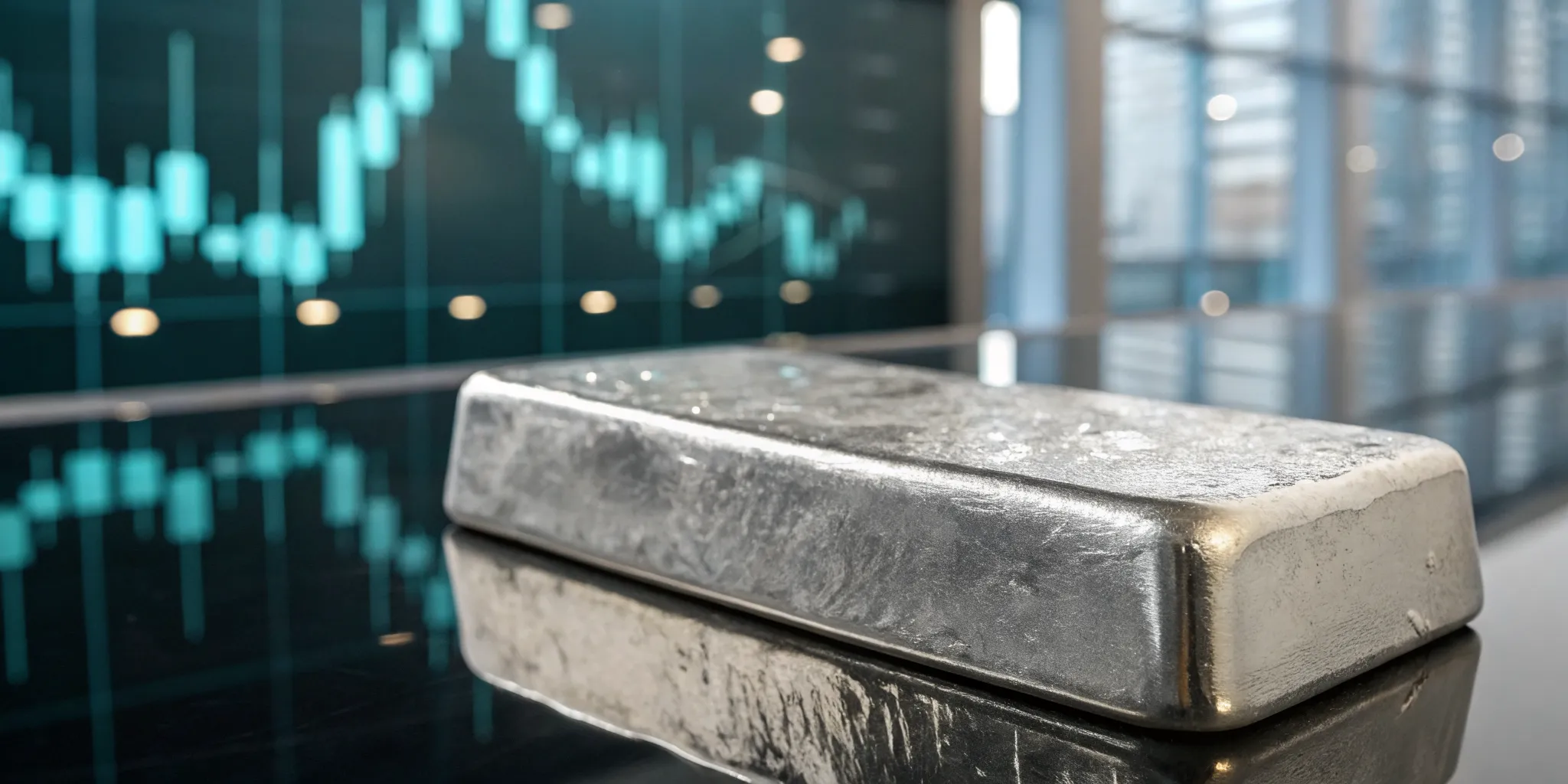
For savvy investors, the concept of scarcity is a powerful driver of value. This is precisely what makes Engelhard silver bars so compelling. Unlike modern bullion that is continuously minted, the supply of these iconic 100 oz bars is finite; Engelhard stopped making them in the mid-1980s. This simple fact transforms them from a simple commodity into a sought-after collectible. This fixed supply, combined with intense market demand from both collectors and investors, is a primary factor that influences the Engelhard 100 oz silver bar price, often pushing it well beyond the base value of the silver itself.
Key Takeaways
- Value Beyond the Metal: An Engelhard bar's price is a combination of its silver content and a significant collector's premium. This added value is driven by its rarity, brand history, and specific features like the serial number and bar style.
- Prioritize Authenticity Over Perfection: Guarantee you are buying a genuine bar by working with a reputable dealer who can verify its hallmarks. Remember that minor, honest wear is a normal part of a vintage bar's character and is widely accepted by investors.
- A Liquid and Hybrid Investment: Engelhard bars offer the security of physical silver plus the potential for appreciation as a collectible. Their powerful brand recognition ensures they are highly liquid, making them a straightforward asset to sell when you choose.
What Is an Engelhard 100 oz Silver Bar?
An Engelhard 100 oz silver bar is more than just a hefty piece of precious metal; it's a piece of financial history. Produced by Engelhard Industries, a legendary name in the refining world, these bars are highly respected by both investors and collectors. Their appeal comes from a unique combination of factors: the substantial weight and purity of the silver bullion, the trustworthiness of the Engelhard brand, and a finite supply that makes them increasingly rare. Understanding what makes these bars special is key to appreciating their true value in today's market.
The Enduring Legacy of Engelhard
For decades, Engelhard Industries was a global leader in precious metals, known for its exacting standards and quality products. However, the company stopped producing its iconic silver bars between 1982 and 1987. This cessation of production is precisely what fuels their enduring legacy. Unlike modern bullion that is continuously minted, the supply of Engelhard bars is fixed. Each bar is a tangible link to a bygone era of metal refining. As experts with decades of experience, we at Park Avenue Numismatics recognize that this scarcity transforms a simple commodity into a collectible asset with a story to tell.
How to Read an Engelhard Bar: Markings and Hallmarks
Authenticating an Engelhard bar begins with understanding its markings. The front of each bar is stamped with essential information that guarantees its quality and origin. You will find the "Engelhard" name prominently displayed, along with the bar's weight (100 troy ounces) and purity (typically .999 fine silver). Most importantly, each bar features a unique serial number. This number is crucial for verifying its authenticity and tracking its history, providing a layer of security for investors. The reverse side of the bar is typically smooth and blank, a characteristic feature of these vintage pieces.
Exploring Vintage Bars and the P-Series Premium
Because they are no longer in production, Engelhard bars carry a value that often exceeds their simple silver content. This additional value is known as a numismatic or collector premium. Collectors appreciate these bars for their history, quality, and brand heritage, similar to how they value rare coins for sale. Certain production runs are even rarer than others, creating a tiered market for collectors. For instance, the "P-series" bars are known to command a significantly higher premium. While the silver market dictates the base price, it's the bar's rarity and desirability that can make it a prized collectible.
How Much Is an Engelhard 100 oz Silver Bar Worth?
Figuring out the value of an Engelhard 100 oz silver bar isn't as simple as checking a single price tag. Its worth is a blend of two key components: the intrinsic value of the silver itself and the additional premium prized by collectors and investors. Because Engelhard stopped producing these bars decades ago, they carry a historical and numismatic weight that goes beyond their raw metal content. To get a clear picture of what your bar might be worth, you need to understand how both the live silver market and the unique characteristics of the bar itself play into the final price. This combination of bullion value and collectible appeal is what makes these bars a fascinating asset for any portfolio.
The Role of Silver Spot Price
The foundation of any silver bar's value is the spot price. Think of the spot price as the live market rate for one troy ounce of silver, which changes constantly based on global trading activity in markets from New York to London. To find the baseline value of your Engelhard bar, you simply multiply its weight, 100 troy ounces, by the current silver spot price. This calculation gives you the bar's "melt value." While this number is the foundation of its worth, it's important to remember that for a collectible like an Engelhard bar, this is just the beginning. The final price will almost always be higher, reflecting its status as a sought-after piece of silver bullion with a story to tell.
Understanding Price Ranges and Collector Premiums
The difference between an Engelhard bar's melt value and its final sale price is the "premium." This premium is what makes these bars so interesting to investors and collectors. It’s driven by the legendary Engelhard brand reputation, the fact that they are no longer in production, and high market demand. Premiums aren't one-size-fits-all; they can vary widely based on the bar's specific attributes. Factors like the bar’s condition, its serial number, and whether it's a vintage poured or a more uniform pressed bar all contribute to its collectibility. This is why you'll see a price range for these bars rather than a single fixed cost. Each bar has a unique story that influences what a buyer is willing to pay beyond its raw precious metals value.
What Drives the Price of an Engelhard 100 oz Bar?
The value of an Engelhard 100 oz silver bar goes far beyond the daily spot price of silver. While the metal content provides a solid baseline, several key factors contribute to its final market price. These elements are what transform a simple stack of bullion into a sought-after collectible with its own unique market dynamics. Understanding what drives the price will help you make more informed decisions, whether you're looking to buy your first bar or sell a piece from your collection. From dealer premiums to the bar’s specific history and condition, let’s break down what truly determines its worth.
Dealer Premiums and Market Demand
Dealer premiums are the amount charged over the silver spot price, and for Engelhard bars, they are significant, often $6 to $8 per ounce. This isn't an arbitrary markup; it reflects intense collector and investor demand for a limited supply of these vintage bars. Engelhard's reputation for quality and history creates a robust secondary market where high demand allows dealers to command higher premiums. This is a classic supply-and-demand scenario playing out in the world of silver bullion.
Condition, Serial Numbers, and Consecutive Sets
Like any collectible, an Engelhard bar's physical condition plays a huge role in its value. Deep scratches, dents, or unattractive toning can lower its appeal and price. Beyond condition, the serial number is a key feature, with some collectors hunting for specific sequences. The real prize, however, is a set of bars with consecutive serial numbers. This indicates the bars were likely kept together since their purchase and tells a story of preservation that is highly prized by serious collectors. A consecutive set is far more valuable than the sum of its individual parts.
Bar Style: Poured vs. Pressed
Engelhard produced 100 oz bars in several styles, primarily poured (cast) and pressed (struck). Poured bars have a rustic, organic look with unique variations, while pressed bars are machine-struck for a uniform, clean appearance. Though both styles contain the same .999 fine silver, collector preference can influence the price. Many collectors are drawn to the classic feel of poured bars, which often carry a higher premium due to their character and perceived rarity. This style difference adds another layer of collectibility to these desirable assets.
Rarity and Discontinued Production
A major factor driving the price of Engelhard bars is their rarity. Engelhard ceased production in the mid-1980s, meaning the supply is finite. No new bars are being made. This simple fact distinguishes them from modern bullion, which is produced continuously. As bars are held in private collections, the available supply dwindles, increasing the rarity of the remaining pieces. This transforms the bar from simple silver into a tangible piece of financial history. For investors who value scarcity, this makes Engelhard bars a compelling asset, and it's a core reason our team at Park Avenue Numismatics values them so highly. You can learn more about our history and expertise in handling such items.
How Market Trends Affect Engelhard Bar Prices
The price of an Engelhard 100 oz silver bar is influenced by more than just its rarity and condition. Broader market trends play a significant role, affecting the underlying value of the silver itself. Understanding these forces can help you make more informed decisions as an investor or collector. The price you see today is a reflection of global demand, supply chain stability, and even the economic policies set by central banks. Let's look at the three main drivers that can impact the value of your silver.
Industrial and Investment Demand
Silver has a dual personality in the market. It's both an investment asset and an essential industrial metal. A huge portion of the world's silver supply is used in manufacturing everything from electronics and solar panels to medical equipment. This consistent industrial demand creates a strong price floor. When global manufacturing is humming along, the need for silver increases, which can push prices higher.
On the other side, you have investment demand for physical assets like silver bullion. This demand is often driven by investor sentiment and the desire for a tangible store of value. While industrial demand provides a steady baseline, investment demand can cause more rapid price swings, especially during times of economic uncertainty.
Supply Chain and Geopolitical Factors
The journey of silver from a mine to a secure vault is a long one, and it's vulnerable to disruption. Political instability in major silver-producing nations, new mining regulations, or labor strikes can all slow down production. When supply tightens, prices tend to rise. We saw a clear example of this during past global events, when logistical hurdles created bottlenecks in the supply chain.
These events highlight the value of holding a physical asset. Geopolitical tensions can make markets feel unpredictable, but owning a tangible bar of silver from a trusted name like Engelhard provides a sense of security. With over 35 years of experience, our team has helped clients manage these kinds of market shifts, and you can learn more about our history and commitment to our clients.
Monetary Policy and Hedging Against Inflation
When central banks adjust their monetary policies, investors pay close attention. Actions like lowering interest rates or increasing the money supply can lead to currency devaluation and inflation, which erodes the purchasing power of your cash. During these periods, many people turn to precious metals as a hedge. Silver and gold have historically served as reliable stores of value when paper currencies weaken.
This is why demand for Engelhard bars often climbs when inflation fears are on the rise. Investors seek to protect their wealth in assets that are not tied to the decisions of any single government or bank. Diversifying a portion of your portfolio into precious metals can be a smart long-term strategy, which is a core reason people explore options like a Gold IRA Starter Kit.
How Engelhard Compares to Other Silver Bars
When you’re looking to invest in silver, the market presents you with a wide array of choices. You'll find bars from various private and sovereign mints, each with its own characteristics. So, what makes an Engelhard bar stand out from, say, a brand-new bar from a modern refiner? While many refiners produce excellent, high-quality silver, Engelhard bars occupy a unique space where pure bullion value and collectible appeal intersect. The comparison isn't just about the weight and purity stamped on the surface; it's about the history, brand power, and scarcity that come with the Engelhard name.
Choosing an Engelhard bar is often a deliberate decision to own a piece of precious metals history, not just a stack of silver. Other bars might perfectly serve the purpose of pure metal exposure, and there's nothing wrong with that. However, Engelhard offers that same tangible value plus a story and a legacy that has captivated investors for decades. This unique combination of factors is why these bars are in a class of their own within the world of silver bullion. Understanding these differences is the first step to appreciating why they remain a favorite among seasoned collectors and investors alike, and why they might be the right choice for your own portfolio.
Purity and Quality Standards
One of the first things investors check is purity, and Engelhard bars deliver. Each bar was minted with .999 fine silver, meaning it is 99.9% pure. This meets the industry standard for investment-grade bullion, so in terms of purity, it stands shoulder-to-shoulder with bars produced by other top-tier refiners today. What set Engelhard apart during its time was its reputation for rigorous quality control and consistency. When you bought an Engelhard product, you knew you were getting exactly what was stamped on the bar. This reliability helped build the foundation of the brand’s enduring legacy and trust in the market.
Brand Reputation and Resale Value
The Engelhard name is one of the most recognized and respected in the history of precious metals. This powerful brand reputation directly translates into tangible benefits for investors, primarily strong liquidity and resale value. Because they are so well-known and trusted, Engelhard bars are easy to sell. Most dealers are eager to purchase them, ensuring you can liquidate your asset when needed. As these are secondary market items, it’s common to see bars with minor scratches or natural toning from age. This is an expected part of their character and is widely accepted by the investment community, rarely affecting their core value.
Why Engelhard Commands a Higher Premium
The simple reason Engelhard bars command a higher premium is scarcity. Engelhard stopped producing these silver bars decades ago, which means the total number in existence is finite. Unlike modern bars that are continuously minted to meet demand, no new Engelhard bars are being made. This fixed supply, combined with the brand's iconic status and historical significance, creates a distinct collectible value. You aren't just buying 100 ounces of silver; you're acquiring a tangible piece of financial history. This collector appeal, much like the value found in rare coins, adds a premium on top of the bar's base silver price.
Debunking Myths About Engelhard Bar Prices
When you’re dealing with an asset as storied as an Engelhard silver bar, a few misconceptions are bound to pop up. It’s easy to get tangled in misinformation, especially when trying to determine a fair price. Let’s clear the air and tackle some of the most common myths I hear from both new and seasoned investors. Understanding these points will help you approach your next purchase or sale with confidence, ensuring you know exactly what contributes to the value of these iconic silver bars.
Myth: All 100 oz Silver Bars Cost the Same
It’s a logical assumption: 100 ounces of silver is 100 ounces of silver, right? Not quite. While the silver spot price is the foundation, an Engelhard bar’s final price includes a significant premium. Because Engelhard stopped producing these bars decades ago, they carry a collectible status that generic bars simply don't have. This premium can add several dollars per ounce over the spot price. The specific variety, like a poured versus a pressed bar, and its individual rarity also play a huge role. Think of it less like buying a simple commodity and more like acquiring a piece of financial history, where the story and scarcity are part of its total worth.
Myth: Minor Wear Doesn't Affect Value
This one is mostly true, and it’s an important distinction for vintage assets. Since these bars have been around for a while, it's completely normal for them to show some signs of their journey. You can expect to see minor scratches, small dings, or a natural patina called toning. Most collectors and dealers see this as part of the bar's character and history, not as damage that detracts from its value. Of course, significant gouges or deliberate alterations are a different story. But the typical, honest wear from handling and storage over the years is generally accepted and doesn't impact the price you’ll pay for the underlying silver bullion.
Myth: Engelhard Bars Are Just for Collectors
While collectors certainly love Engelhard bars for their history and brand recognition, they are far from being just a niche collectible. These bars are a fantastic hybrid asset. They hold their intrinsic value based on their .999 fine silver content, making them a solid choice for anyone looking to invest in precious metals. At the same time, their collectibility provides an additional layer of value that can help them outperform generic bullion over time. This dual appeal makes them highly liquid and sought after by a wide range of people, from those who appreciate rare coins to investors focused purely on diversifying with hard assets.
Is an Engelhard 100 oz Silver Bar a Good Investment?
Deciding whether an Engelhard 100 oz silver bar fits into your investment strategy is a common question for both new and seasoned precious metals buyers. The short answer is yes, it can be an excellent investment, but the reasons why go beyond just its weight in silver. Unlike generic bullion, Engelhard bars carry a unique blend of intrinsic metal value and collectible appeal that sets them apart. Their reputation for quality and the fact that they are no longer in production have cemented their status as a favorite among investors and collectors alike.
When you acquire an Engelhard bar, you're not just buying silver; you're owning a piece of refining history. This dual identity is key to understanding its potential. For some, it’s a straightforward way to add a substantial amount of physical silver to their portfolio. For others, it’s a collectible asset with the potential for appreciation that outpaces the spot price of silver. Understanding how these factors work together will help you determine if this iconic bar aligns with your personal financial goals and diversification plans. Let's look at what makes these bars a compelling choice.
Weighing Collectible Value vs. Bullion Value
Every Engelhard bar has a foundational value based on its silver content, which is tied directly to the daily spot price of silver. However, its full story doesn't end there. Since Engelhard stopped producing these bars decades ago, they have acquired a collectible status that adds a premium on top of their melt value. Collectors and investors appreciate the brand's legacy of quality and history, making these bars more desirable than many generic silver bullion products. This numismatic premium means you're holding an asset that has two sources of potential value, offering a unique position in the precious metals market.
Liquidity and Portfolio Diversification
One of the strongest arguments for investing in Engelhard bars is their excellent liquidity. The Engelhard name is recognized and trusted worldwide, which makes these bars easy to sell when you decide the time is right. This high level of recognition ensures a ready market of buyers. Furthermore, holding physical assets like silver bars is a classic strategy for diversifying an investment portfolio. They can act as a reliable hedge against inflation and stock market volatility. Including precious metals in your long-term plan is a sound way to protect your wealth, similar to how many investors use a Gold IRA to secure their retirement savings.
Long-Term Value as a Collectible Asset
Beyond its immediate bullion value and liquidity, an Engelhard bar holds potential for significant long-term appreciation as a collectible. Because they are finite and no longer made, their rarity can increase over time. Certain variations, older bars, or those with consecutive serial numbers are particularly sought after by collectors. This scarcity can drive their value up independently of the silver market, much like how rare coins appreciate due to their history and limited mintage. For the patient investor, an Engelhard bar isn't just a store of wealth; it's a collectible asset that may become more valuable as its historical significance grows.
How to Verify Authenticity Before You Buy
When you're ready to add an Engelhard 100 oz silver bar to your portfolio, making sure it's authentic is the most important step. The market for precious metals, unfortunately, has its share of counterfeits, and a fake bar is a costly mistake. Protecting your investment starts with knowing what to look for and who to trust. A few simple verification steps can give you the confidence that you're purchasing a genuine piece of silver history, not just a convincing fake. Let's walk through exactly how to do that.
What to Check: Serial Numbers and Hallmarks
Every genuine Engelhard silver bar has a few key identifiers that act like its fingerprint. First, look for the unique serial number stamped on the bar. This number is a crucial part of its identity and can sometimes be checked against records to confirm its legitimacy. Next, you'll want to examine the hallmarks. An authentic bar will always display the iconic Engelhard logo, which is a stylized 'E'. Alongside the logo, you should clearly see the bar's weight and its purity, which is typically marked as .999 fine silver. These markings are a testament to the bar's quality and origin, and knowing what to look for is your first line of defense against fakes.
The Importance of a Reputable Dealer
While inspecting the bar yourself is important, the single most effective way to guarantee authenticity is to purchase from a reputable dealer. A trusted seller does the verification work for you and provides a guarantee of authenticity, which is invaluable for your peace of mind. Reputable dealers with a long-standing history and a reputation to protect stake their name on the quality of their inventory. When you buy from a trusted source, you also get access to expert support and a secure transaction process. Before making a purchase, always research a dealer’s reputation through reviews and industry standing to ensure you’re working with a reliable partner.
Selling Your Engelhard Bar: What to Expect
Deciding to sell your Engelhard 100 oz silver bar is a significant step. Whether you're looking to liquidate an asset or refine your collection, you want to feel confident in the process and the price you receive. The key is understanding that you’re not just selling silver; you're selling a piece of precious metals history. An Engelhard bar’s value is a blend of its intrinsic metal content and its collectible appeal. Getting a fair price means working with someone who understands both. Let’s walk through what determines your bar’s value and how you can ensure you get the best possible offer.
Factors That Determine Your Buyback Price
The offer you receive for your Engelhard bar is based on more than just its weight. The foundation of its value is the current spot price of silver, which sets the baseline. However, Engelhard bars are famous for carrying a premium over their simple melt value. This added value comes from the brand's legacy, the bar's specific series, its rarity, and its overall condition. A bar with a low or interesting serial number, a unique hallmark, or from a less common production run will often command a higher price. A professional appraisal will consider all these factors, not just the daily silver bullion rate, to determine its true market worth.
How to Get the Best Resale Value
To get the best return on your investment, your first step is to partner with a reputable dealer. A true specialist will recognize the nuances that make your Engelhard bar unique and valuable as a collectible, not just as a lump of silver. They have the expertise to accurately assess its condition, verify its authenticity, and understand its place in the market. While you can’t control market fluctuations, you can control who you sell to. Choosing an established firm with decades of experience ensures you receive a fair appraisal and a competitive offer. Our team has over 35 years of experience helping collectors and investors with these exact transactions, ensuring transparency and trust every step of the way.
Where to Buy Engelhard 100 oz Silver Bars
Finding an authentic Engelhard 100 oz silver bar is an exciting prospect for any investor or collector. Because these bars are so highly sought after for their history and quality, knowing where to buy them is just as critical as the purchase itself. The right source ensures you receive a genuine product at a fair price, while the wrong one can lead to disappointment and financial loss. To make a confident purchase, you need to partner with a dealer who is both reputable and knowledgeable.
What to Look for in a Trusted Dealer
When you're ready to buy, focus your search on dealers who specialize in precious metals and have a proven track record. A trustworthy dealer will be transparent about their pricing and have a long, verifiable history in the industry. Look for signs of credibility, like a high Better Business Bureau rating and positive client testimonials. They should also provide secure, fully insured shipping to protect your investment from the moment you buy it until it arrives at your door. A dealer's expertise is also key; they should be able to confidently answer any questions you have about the specific Engelhard bar you're considering.
Why Choose Park Avenue Numismatics
Engelhard is one of the most respected names in the silver market, and purchasing from an established dealer provides essential peace of mind. With over 35 years of experience and an A+ rating from the BBB, Park Avenue Numismatics has built a reputation on trust and expertise. We understand the value and history behind every Engelhard bar. Our commitment is to provide clients with authentic, high-quality silver bullion that meets rigorous standards. When you work with us, you're not just making a transaction; you're partnering with a team of experts dedicated to helping you acquire genuine assets for your collection or portfolio, ensuring your investment is sound and secure.
Related Articles
- Silver Bars 100 oz Silver Bar Engelhard | Precious Metals & Rare Coins Dealer | Antique Coins - Park Ave Numismatics
- Silver Bars 100 oz Silver Bar Johnson Matthey | Precious Metals & Rare Coins Dealer | Antique Coins - Park Ave Numismatics
- Silver Bars 10 oz Silver Bar Walking Liberty | Precious Metals & Rare Coins Dealer | Antique Coins - Park Ave Numismatics
- Blog | Rare Coins, Gold & Silver for Discerning Collectors
- Precious Metals Glossary | Precious Metals & Rare Coins Dealer | Antique Coins - Park Ave Numismatics
Frequently Asked Questions
Why does an Engelhard bar cost more than its weight in silver? The price of an Engelhard bar starts with the value of its 100 ounces of silver, but it doesn't end there. Because these bars are no longer produced, they have a collectible status that adds a premium to their price. You are paying for the bar's history, brand reputation, and scarcity, which makes it more valuable than a generic silver bar of the same weight.
Will minor scratches or toning on my bar reduce its resale value? Generally, no. These bars are vintage items, so signs of age like minor scratches, small dings, and natural toning are expected. Most experienced buyers and dealers see this as part of the bar's character and history. Significant damage is a different story, but the typical wear from decades of handling is widely accepted and shouldn't negatively impact its core value.
Are Engelhard bars only for serious collectors? Not at all. While collectors certainly appreciate their history, Engelhard bars are also a great choice for investors who simply want to own physical silver. They offer the security of holding a tangible asset with the added benefit of having a strong brand reputation and high liquidity. This makes them a hybrid asset that appeals to a wide range of people, not just numismatic specialists.
What is the single most important thing I can do to avoid buying a fake? The most effective way to ensure you are buying a genuine Engelhard bar is to purchase it from a highly reputable and established precious metals dealer. A trusted dealer guarantees the authenticity of their products, which removes the guesswork and risk for you. Their reputation depends on selling authentic items, providing you with essential security for your investment.
Is a poured bar worth more than a pressed bar? Not necessarily, as the value often comes down to collector preference and market demand at a given time. Poured bars have a rustic, unique appearance that many collectors find appealing, which can sometimes drive their premiums higher. Pressed bars, with their clean and uniform finish, are also highly desirable. Both are excellent investments, and the "better" bar is simply the one that you prefer for your own collection.





