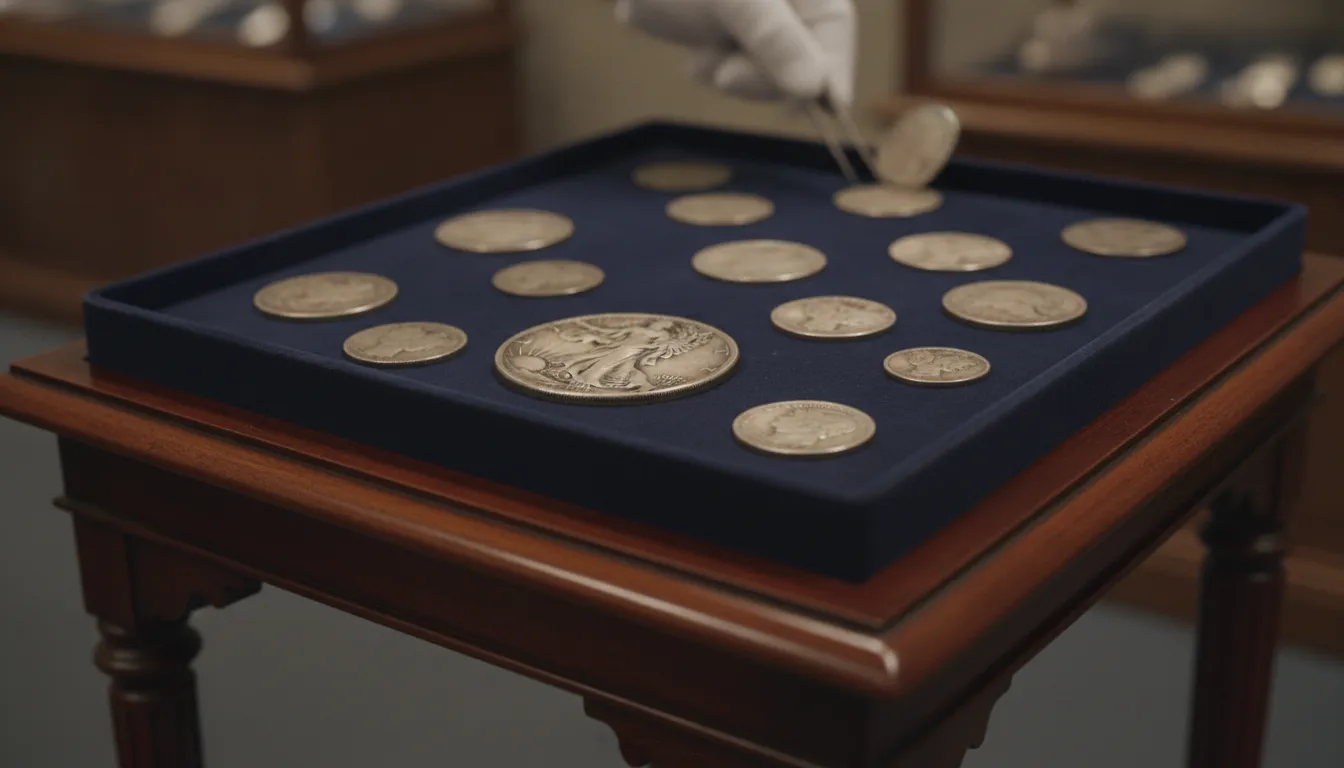
A Peace dollar can look ordinary in a dealer's case until its date, strike, and surface quality reveal why collectors have pursued it for generations. The series spans 1921 through 1935, but a small group of first-year issues, low-mintage dates, and exceptional-condition coins commands the closest attention. If you are sorting through a family collection, adding to a set, or researching a coin you inherited. The difference between a common Peace dollar and a genuinely valuable one usually comes down to a handful of specific dates and the way each example was struck and preserved.
The most valuable peace silver dollars are typically distinguished by genuine rarity, a desirable date or variety, and strong preservation. The 1921 High Relief stands apart as the only coin struck that year and had an initial mintage of 1,006,473. While the 1928 is a key date with the series' lowest mintage at 360,649. Professional authentication and grading from PCGS or NGC can further clarify a coin's collector significance.
Before you judge a Peace dollar by age or appearance alone, examine the factors that separate scarcity from common availability. Date, mintage, strike quality, and grade each tell part of the story. And knowing which issues collectors chase makes it easier to spot a coin worth a closer look. The sections below walk through the key dates, the errors and varieties that add interest. And why independent grading matters before you place a value on any Peace dollar.
Call 1-888-419-7136 to speak with a Park Avenue Account Specialist.
What Makes a Peace Dollar Valuable?
When you evaluate a Peace Dollar, begin with the coin itself rather than a headline price. Collectors weigh how difficult the issue is to find, how well the coin survived, and how strongly the date appeals to the market. Those factors work together, so two Peace Dollars with the same design can have very different numismatic value.
Rarity: Mintage provides an important starting point. The 1928 Peace Dollar is considered a key date in any grade because only 360,649 were struck, the lowest mintage in the series, according to PCGS research. At the other end of the production scale, 51,737,000 Peace Dollars were struck in 1922, making it the largest mintage year for the series, as documented by NGC. A larger mintage does not automatically make every 1922 common in every grade, but it does change the rarity question you should ask.
The 1921 issue adds another layer. It was the first Peace Dollar and the only High Relief issue in the series, making it a distinctive one-year type. NGC records a mintage of 1,006,473 for the 1921 Peace Dollar. Its unusual design and production history give collectors a reason to study examples closely, not simply count surviving coins.
Condition and certified grade: Wear, surface marks, strike quality, luster, and eye appeal all influence how collectors judge a coin. A coin with the same date and mintmark may appeal to a very different buyer if it has fewer distractions and stronger detail. Independent certification from PCGS or NGC can document the grade and help you compare an example with other coins in the same series. Certification does not guarantee a result or eliminate market risk, but it gives you a clearer basis for evaluating condition.
Historical and collector demand: Peace Dollars are collected as a complete series. And NGC describes them as an attractive option because there are no six-figure "stoppers" that prevent a collector from completing the set. That broad collecting appeal supports interest across many dates, while especially scarce or distinctive issues attract more focused demand. You can review our Peace Silver Dollar inventory to compare dates, mintmarks, and certified examples.
For a balanced appraisal, consider rarity and condition together. Avoid treating any coin as a guaranteed investment, and ask for an expert review when a date, strike, or grade appears unusual.
The Most Valuable Peace Silver Dollars: Key Dates, Errors, and Rarities
When you assess a Peace dollar, begin with the date and mintmark before focusing on surface appeal. The series includes several issues that collectors consistently separate from more available dates, but rarity alone does not determine the outcome. Preservation, strike quality, and originality can make a substantial difference within the same date.
The dates below give collectors a useful starting point, ranked roughly by how difficult they are to source:
- 1928 - the series key date by mintage, with only 360,649 struck.
- 1921 High Relief - the one-year High Relief type and first issue in the series.
- 1927 - the second-lowest-mintage date, with 848,000 struck.
- 1934-S - a key San Francisco date that is scarce in superior grades.
- 1926-S - a condition-sensitive San Francisco issue worth close comparison.
1921: The one-year High Relief type
The 1921 Peace dollar deserves special attention because it is the only High Relief issue in the series. That makes it a one-year type coin, not simply an early example of the standard design. NGC records a mintage of 1,006,473 pieces. The elevated design created production difficulties, and sharp detail at the highest points is an important consideration when you compare examples. A well-preserved 1921 with a strong strike has a different collector profile from a heavily worn or weakly struck coin. NGC's series overview provides the relevant background on the issue.
1928 and 1927: Low-mintage Philadelphia dates
The 1928 Peace dollar is the clearest key date by mintage. Only 360,649 were struck, the lowest mintage of the series, and PCGS identifies it as a key date in any grade. The 1927 follows as the second-lowest-mintage issue, with 848,000 struck. Those figures explain why collectors examine both dates closely, but they do not turn every example into an equivalent rarity. You still need to evaluate wear, marks, luster, color, and whether the coin has been cleaned or otherwise altered. For the mintage data and historical context, see PCGS's discussion of the rare 1928 Peace dollar.
San Francisco rarities: 1934-S and 1926-S
San Francisco issues add another layer to the series. The 1934-S is widely treated as a key or rarer date, while the 1926-S is also closely watched by collectors seeking a scarcer San Francisco example. With these coins, condition and strike are especially important. San Francisco Peace dollars can show softness on the high points because of the minting pressure used to extend die life. A weakly defined feature is therefore not automatically an error, and you should compare the strike with the date and mintmark before drawing conclusions.
If you are reviewing a group of Peace dollars, separate the dates first, then inspect each coin under consistent lighting. A professional opinion can help distinguish genuine rarity from ordinary wear, cleaning, or an attractive but common example. You can also explore our Peace Silver Dollars to compare the series by date and type.
What Is the Rarest Peace Silver Dollar?
The answer depends on whether you mean a unique design, a low-mintage date, or a coin that becomes difficult to find in exceptional condition. For many collectors, the 1921 High Relief stands apart because it is the only Peace Dollar struck in High Relief. The 1928 is the series key date by mintage, while the 1934-S, 1926-S, and 1927 issues deserve close attention when you are building a date-and-mintmark collection.
Use the dates below as a starting point, not as a substitute for authentication and grading. Surface preservation, strike quality, eye appeal, and original toning can separate otherwise similar examples. Independent certification from PCGS or NGC can help you evaluate those distinctions.
Key Peace Dollar dates and collector considerations
| Date | What Makes It Scarce | Collector Consideration |
|---|
| 1921 High Relief |
It is the one-year High Relief type and the first issue in the series. NGC records a mintage of 1,006,473. The design created production difficulties at the Mint. |
Look closely at the strike, especially the high points. Sharp, high-grade examples are strongly sought after, while weakly struck pieces may not show the design detail you want. |
|---|
| 1928 |
Only 360,649 were struck, the lowest mintage of the Peace Dollar series. It is widely treated as a key date in any grade. |
Numismatic lore calls it the "cornerstone dollar," suggesting ceremonial use. That colorful story should not replace documentation: the coin was minted in sufficient quantity to help meet Pittman Act replacement requirements. There is no 1928-S Peace Dollar. |
|---|
| 1934-S |
San Francisco issues from the series can be scarce in superior grades, making this date especially relevant to condition-focused collectors. |
Do not judge the coin by date alone. Compare strike sharpness, surfaces, and certification grade, because the jump in desirability can be significant at the top of the grading scale. |
|---|
| 1926-S |
The San Francisco mintmark places this issue among the condition-sensitive Peace Dollars that require careful comparison beyond mintage figures. |
Pay attention to softness on the high points, a characteristic associated with early San Francisco production. A technically high-grade coin still needs attractive detail and surfaces. |
|---|
| 1927 |
With 848,000 struck, it has the second-lowest mintage in the series and is a meaningful key date for a complete collection. |
Its place in the series makes originality and grade important. Ask for a clear assessment of cleaning, wear, toning, and certification before you compare examples. |
|---|
These dates show why the most valuable peace silver dollars are not identified by one statistic alone. A rare date with distracting surfaces may be less compelling than a well-preserved, sharply struck example. If you are comparing a suspected key date, consult the original references from NGC and PCGS, then have the coin evaluated on its own merits.
Peace Dollar Errors and Varieties That Add Value
Not every unusual-looking Peace Dollar is a valuable error. Collectors first ask whether the feature is documented, scarce, and visible without harming the coin's original surfaces. A recognized variety or mint-made production issue can lift collector interest, but rarity and condition still matter more than a dramatic description alone.
- 1922 water spots: Many 1922 Peace Dollars, including high-grade examples, show water spots caused by poorly rinsed planchets during production. These marks are a known issue for the date, but they do not automatically make a coin rare or desirable. Their size, location, and effect on the overall appearance remain important. NGC's series review discusses the water-spot problem in its date-by-date analysis.
- 1922-D die breaks: The Denver Mint used increased pressure when striking the 1922-D, and many examples are seen with die breaks. A die break is a feature created by a damaged die, not post-mint damage applied to an individual coin. Collectors examine the location and progression of the break, then weigh it against the coin's strike, wear, luster, and surfaces.
- San Francisco soft strikes: Early San Francisco Peace Dollars, including the 1922-S, were struck with lower pressure to extend die life. The result is often weakness at the high points, such as Liberty's hair. You should not mistake a soft strike for wear, but you also should not assume every weak detail is a premium variety. Mint of origin, overall preservation, and the degree of weakness all affect the assessment.
- Toning: Original toning can influence eye appeal, while unattractive or distracting toning can reduce it. Many Peace Dollars are found with undesirable toning, so color alone is not a substitute for quality. Look for natural-looking surfaces and avoid coins with signs of harsh cleaning, artificial color, or damage.
These features help explain why two coins with the same date and mintmark can attract different levels of collector attention. A documented die break, an attractive example with a known strike characteristic, or a well-preserved coin without distracting spots may stand out. Still, no error or variety guarantees a particular result. If you are evaluating a candidate for the most valuable Peace silver dollars, compare the feature with references from recognized specialists and consider independent authentication and grading through services such as NGC or PCGS.
How Coin Grading Lifts Peace Dollar Collector Value
Two Peace Dollars can share the same date and mintmark yet appeal to collectors very differently. The difference often comes down to preservation, strike quality, and whether an independent grading service has examined the coin. A certified grade from PCGS or NGC gives you a consistent reference for condition, while the holder and certification record make the coin easier to identify, compare, and evaluate.
That distinction matters because grade scarcity can be more important than the total number originally struck. A date may be readily found in circulated condition but genuinely difficult to locate with sharp details, attractive surfaces, and minimal marks. As a result, the collector value of a certified high-grade example can separate dramatically from the value of an ordinary example of the same issue. You should treat the grade as evidence of condition, not as a guarantee of a particular return.
Why San Francisco issues can rise sharply in higher grades
San Francisco Peace Dollars deserve especially careful inspection. Many issues from that mint were struck with lower pressure to extend die life, leaving softness on the coin's high points. This can make fully detailed examples harder to find. NGC notes that the price jump for many San Francisco Peace Dollars is dramatic in higher grades because top-condition pieces are relatively scarce. The effect is strongest when the coin combines a strong strike with clean surfaces and appealing eye appeal.
Scarcity within the 1922-D and 1921 issues
Gem 1922-D Peace Dollars are scarce, and superb examples are rarely seen. Denver's striking characteristics can produce coins with frosty surfaces, but condition still determines how strongly a particular piece stands out. A certified grade helps separate an attractive gem from a coin that merely looks bright under casual viewing.
The 1921 Peace Dollar presents a different opportunity. It is the series' one-year High Relief issue, and high-grade examples with a sharp strike command significant premiums because collectors actively seek the design's full detail. A weakly struck 1921 should not be treated as equivalent to a sharply defined example simply because the date is the same.
By contrast, many lower-grade 1922 Peace Dollars trade close to their intrinsic silver bullion value. That does not make them uninteresting. It shows why you need to distinguish bullion content from numismatic scarcity when building a rare silver dollar collection. A PCGS or NGC certification can clarify that distinction before you buy, sell, or compare a Peace Dollar with other holdings.
How Does the 1928 Peace Dollar Compare to Other Key Dates?
The 1928 Peace Dollar earns its key-date status for a straightforward reason: only 360,649 were struck, the lowest mintage of any regular issue in the series. That makes the date important in any grade, not only when you find a sharply struck Mint State example. For collectors building a date-and-mintmark set, the 1928 is often one of the first issues that demands careful authentication and grading.
Its story also includes the long-standing "cornerstone dollar" lore. Numismatic accounts once suggested that the coins were produced primarily for cornerstone layings, dedications, and other ceremonial purposes. The historical record gives that story useful context, but it does not mean every surviving 1928 Peace Dollar came from a ceremonial event. The issue was struck in quantities sufficient to help meet the replacement obligations created by the Pittman Act. Which authorized new silver dollars after earlier dollars had been melted for bullion. PCGS outlines the history of the 1928 Peace Dollar.
That combination of low production, historical interest, and survivorship separates 1928 from more common dates. Most known examples survive in upper circulated grades and Mint State, so you can encounter the date without assuming that every coin is a condition rarity. Surface quality, strike sharpness, contact marks, luster, and an independent grade from PCGS or NGC still determine how one example compares with another.
How the 1928 compares with the 1921 High Relief
The 1921 High Relief is scarce for a different reason. It is the only High Relief issue in the Peace Dollar series and the first year of the design, with a mintage of 1,006,473. Its appeal centers on its one-year design type and the difficulty of producing a sharp strike. A high-grade 1921 with strong detail can therefore attract collector attention even though its mintage is higher than the 1928. NGC discusses the 1921 High Relief issue.
How San Francisco key dates differ
San Francisco issues, including the 1928-S and other sought-after S-mint dates, add a mintmark and strike-quality dimension to the comparison. Many San Francisco Peace Dollars were struck with lower pressure to extend die life, leaving softness on the high points. In practice, a scarce S-mint date in an especially well-preserved, well-struck grade can be more challenging to locate than a typical circulated example. When you compare candidates among the most valuable Peace silver dollars, evaluate the date, mintmark, grade, and actual preservation together rather than relying on mintage alone.
How to Buy and Sell Valuable Peace Dollars in Miami
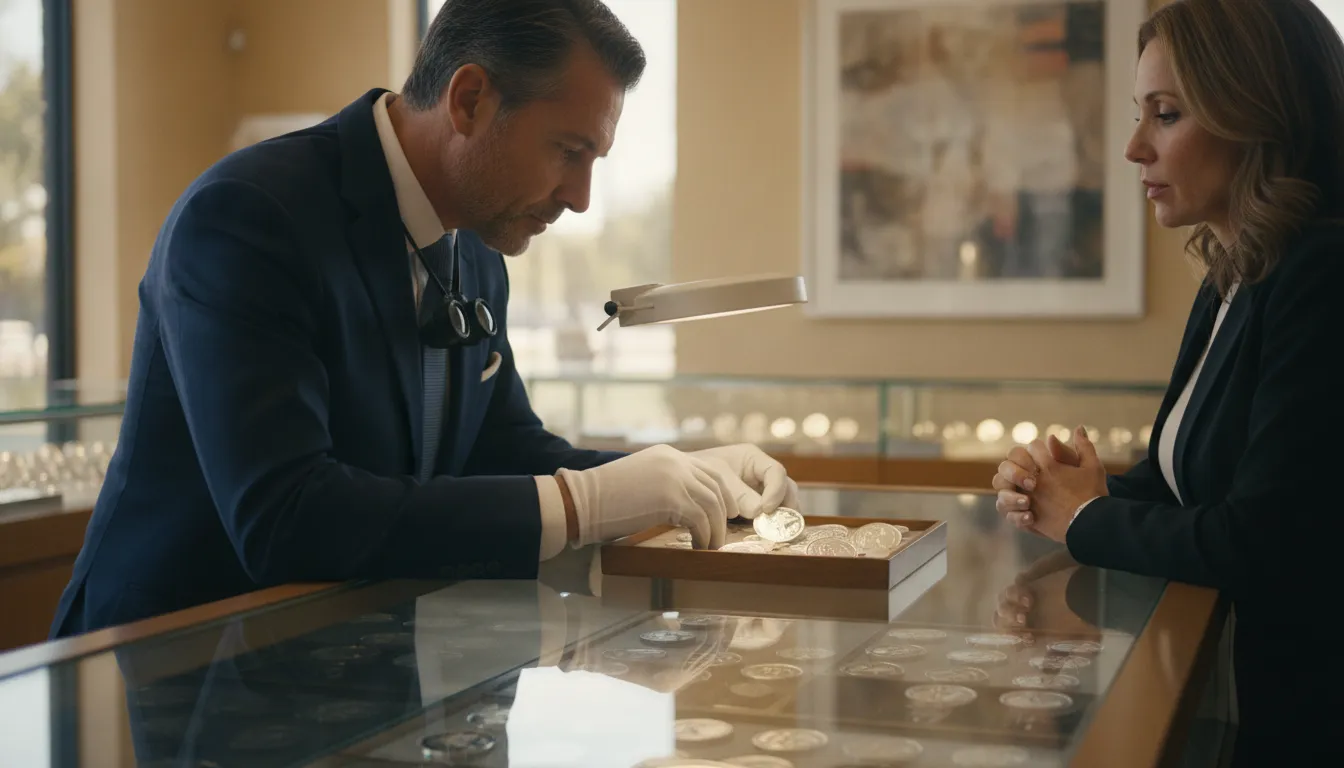
Whether you are building a complete set or sorting through inherited coins. The safest way to buy or sell a Peace Dollar is to have the date, mint mark, condition, and originality evaluated together. A coin that appears similar to another may have a very different collector market because rarity and preservation matter more than silver content alone. Start by comparing the coin with a trusted dealer's Peace Silver Dollar inventory, then ask for a clear explanation of how the coin's attributes affect its assessment.
When you buy, look beyond the year printed on the coin. Ask whether the piece is an important key date, whether the strike is sharp, and whether cleaning, damage, distracting toning, or other alterations affect its desirability. Independent certification from PCGS or NGC can help establish a consistent description of condition, particularly when you are comparing higher-grade examples. It should not replace your own questions, however. You deserve to know what you are buying, how the coin was evaluated, and whether the asking price reflects its numismatic qualities rather than a vague rarity claim.
When you sell, bring every relevant piece of information you have, including old receipts, certificates, collection notes, or inherited paperwork. Do not clean the coins before an appraisal. Cleaning can leave hairlines or other permanent evidence that changes how collectors view the piece. A professional review can separate collectible dates and varieties from common examples that may trade primarily according to their silver content.
Local sellers can visit Park Avenue Numismatics on Biscayne Blvd in Miami for an in-person conversation with the Park Avenue Account Specialists. The company has served collectors and precious-metals customers for more than 38 years, maintains an A+ BBB rating, and has experience working with PCGS- and NGC-certified coins. Those signals do not guarantee a particular result, but they give you a stronger basis for an informed transaction.
If you are comparing a single inherited coin with a broader collection, you can also review the rare silver dollar collection category to see how related pieces are presented. Bring your questions, and expect the dealer to explain the reasoning behind the recommendation in plain language.
CALL 1-888-419-7136
Before you accept an offer or commit to a purchase, request a direct assessment of authenticity, grade, marketability, and any visible defects. That process helps you make a decision based on the coin in front of you, not on an unsupported list of the most valuable Peace silver dollars.
Frequently Asked Questions
What is the hardest Peace Dollar to find?
The 1928 Peace Dollar is widely treated as the series key date because only 360,649 were struck, the lowest mintage of any regular issue. The 1921 High Relief is also highly sought after because it is the series' only one-year High Relief type. Sources: PCGS and NGC.
Are Peace Dollar errors worth more than regular coins?
They can be, but the premium depends on whether the feature is a recognized mint-made variety, its visibility, and the coin's condition. For example, 1922 Peace Dollars may show water spots from poorly rinsed planchets, while 1922-D pieces are known for die breaks. A grading service can help distinguish an interesting variety from post-mint damage.
Does grading make a Peace Dollar more valuable?
Professional certification can document authenticity, grade, and eye appeal, making a coin easier to evaluate against comparable examples. Condition matters especially for San Francisco issues, where high-grade examples are relatively scarce and premiums can rise sharply. PCGS and NGC are the independent grading references collectors commonly consult.
How should you estimate the value of a Peace Dollar?
Start with the date, mintmark, visible variety, strike quality, surface condition, and certification status. Do not rely on the silver content alone for a scarce or unusually well-preserved coin. A specialist should compare your piece with current market evidence rather than promise a fixed price or future return.
Ready to Discuss Your Peace Silver Dollars?
If you have a key date, possible variety, or well-preserved Peace Silver Dollar. A specialist can help you understand what details deserve closer review before you buy or sell. At Park Avenue Numismatics, our Account Specialists have spent more than 38 years helping collectors build and refine their sets. Our buyers and sellers work with coins every day, and we are comfortable with everything from a single inherited Peace dollar to an entire curated collection.
Whether you want an opinion on a coin you already own, help sourcing a specific key date. Or a straightforward quote for a sale, the process starts with a conversation. Speak with a Park Avenue Account Specialist about your coin and your goals. Call 1-888-419-7136 to get started, or visit the Park Avenue location on Biscayne Blvd in Miami for experienced, face-to-face guidance.
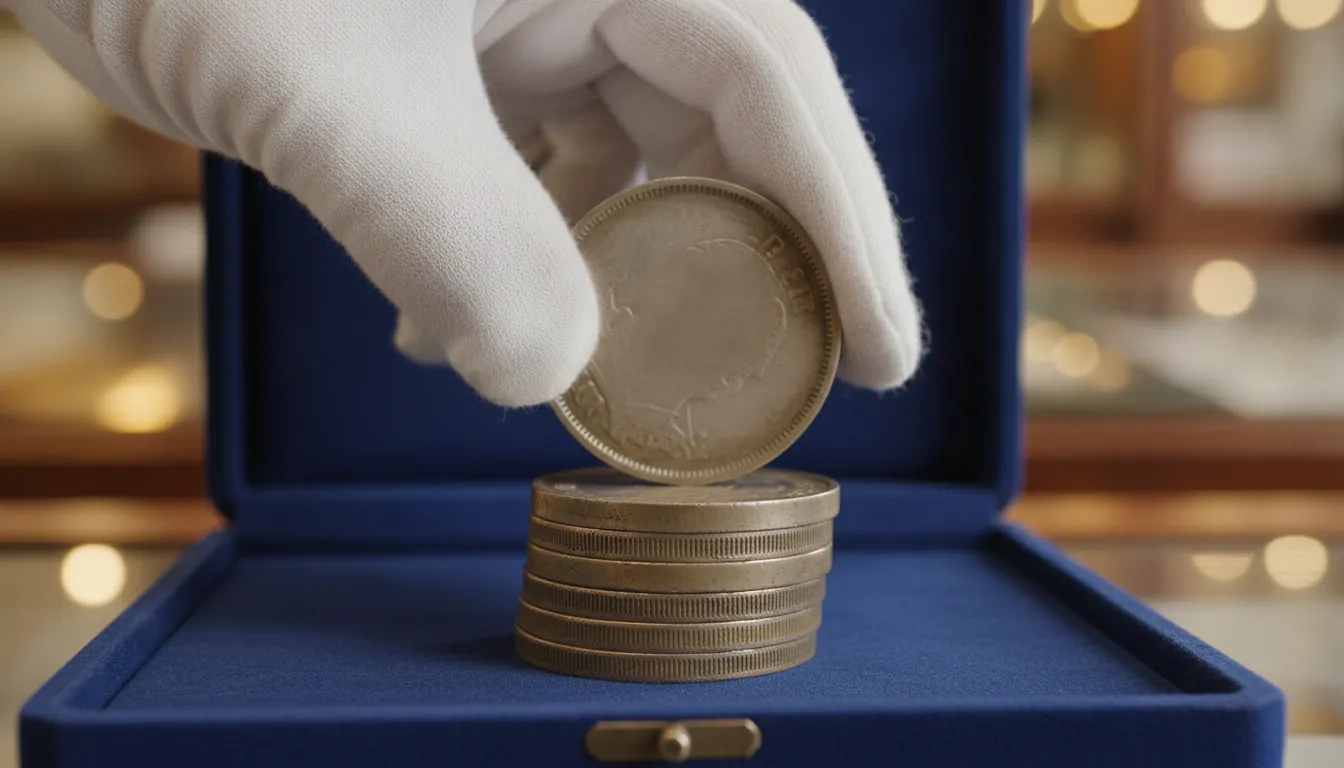 A silver coin should not cost double its raw metal value. Buyers often pay high markups for these popular bullion pieces without knowing why. Finding the real math behind the coin protects you from bad deals.