
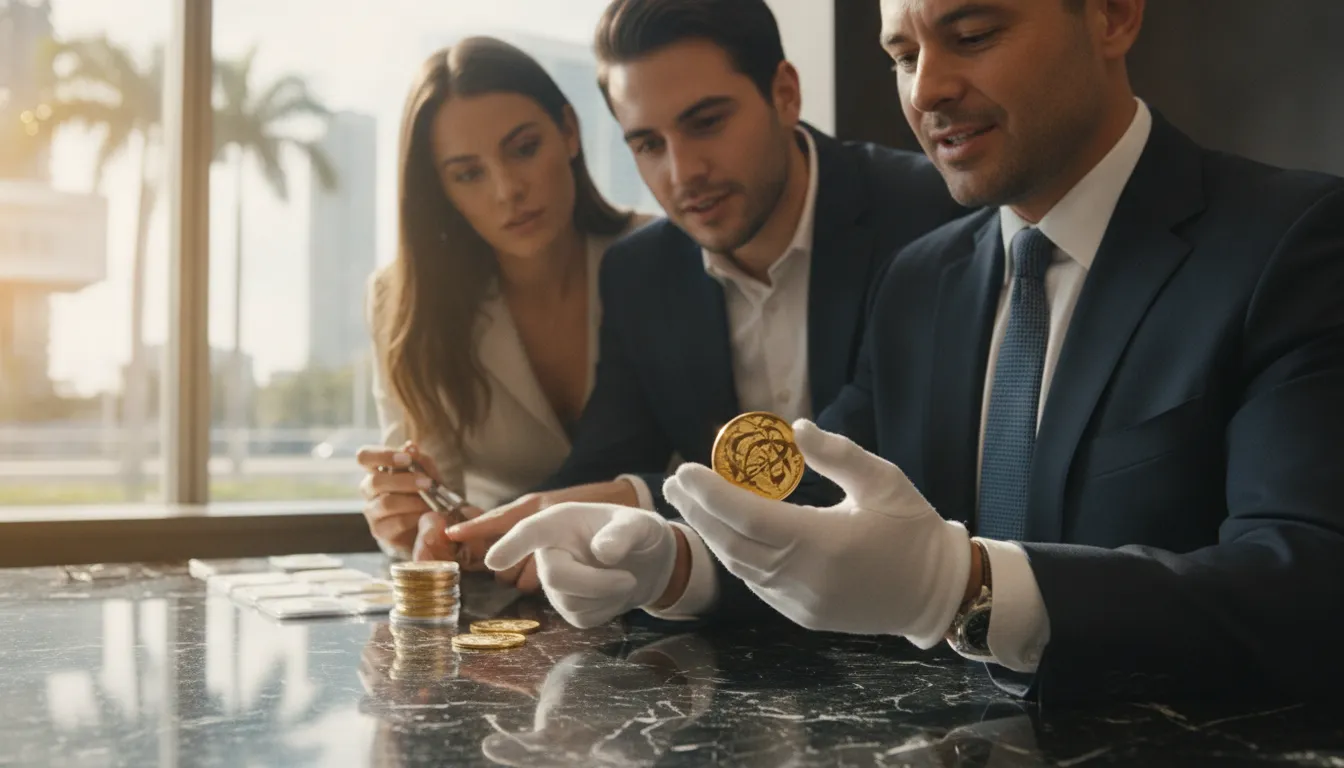
A low online price can be appealing. To buy gold bullion coins online safely, verify the dealer, product specifications, total cost, and delivery protections before you pay. A careful process cannot eliminate market risk, yet it can reduce avoidable counterfeit, billing, and fulfillment problems.
Call 1-888-419-7136 to speak with a Park Avenue Account Specialist about your purchase.
Safe online buying means checking the seller and the coin separately. Confirm a verifiable business address and operating history. Identify the coin's weight and purity. Then separate spot price from the premium, review payment and return terms, and inspect the shipment when it arrives. Treat any claim of guaranteed profit as a warning sign.
This guide gives you a practical seven-step review. It covers dealer due diligence, coin selection, pricing, authenticity checks, shipping, records, and realistic resale expectations. You can compare Park Avenue's gold bullion information while you work through the checklist.
What Makes an Online Gold Bullion Purchase Safe?
A safe transaction has a verifiable seller, clearly identified coin, transparent price, documented terms, and a receiving process. Online convenience is useful only when you can identify who stands behind the sale and what you will receive. These checks apply whether you are buying a single coin or building a larger collection.
Gold bullion is valued mainly for its gold content and market value rather than for age, rarity, or unusual condition. A bullion coin generally has a stated weight, fineness, and issuing authority. Its purchase price usually combines metal value with a premium for minting, distribution, dealer operations, and market demand. A product described as collectible may involve additional factors that require more specialized evaluation.
Use a five-part safety test
- Seller: Can you verify the business name, physical address, operating history, and customer-service contact?
- Product: Does the listing identify the coin type, weight, purity, mint, and condition accurately?
- Price: Can the dealer explain the relationship between spot price, premium, shipping, insurance, taxes, and payment costs?
- Protection: Are shipping, inspection, return, cancellation, and buyback policies written clearly?
- Proof: Will you receive an invoice, order confirmation, product description, and certification information when applicable?
The U.S. Mint's bullion coin program information can help you understand official bullion programs. It does not replace a dealer invoice or an independent review of the exact coin. If a seller avoids basic questions, pressures you to pay immediately, or presents a price that does not make sense for the stated metal content, pause before ordering.
How Should You Vet a Dealer Before You Buy Gold Bullion Coins Online?
Vet the dealer before comparing the coin's price, because a low quote is not useful if the seller, terms, or fulfillment process cannot be verified. The Commodity Futures Trading Commission advises consumers to investigate precious-metal dealers and salespeople before making a purchase.
- Confirm a real business. Look for a complete physical address, working phone number, customer-service channel, and a history that can be checked outside the seller's own website. For local buyers, a physical Miami location on Biscayne Blvd offers an additional way to ask questions in person.
- Review ownership and reputation. Read the company's About Us information and independent customer feedback. Look for repeated complaints involving delivery, billing, refunds, grading, or pressure sales. One negative review does not prove misconduct, but a pattern deserves attention.
- Check industry involvement. Established numismatic organizations and recognized business credentials can be useful credibility signals. They are not substitutes for your own review, but they can help distinguish a transparent business from an anonymous marketplace account.
- Read policies before paying. Review shipping timelines, insurance, payment methods, order cancellation, returns, damaged-package procedures, and buyback terms. Confirm when the quoted price becomes fixed and whether any order minimum applies.
- Reject urgency and guarantees. Be cautious with unsolicited calls, social-media offers, late-night sales pitches, and claims that gold will reach a specific future price. Precious metals prices fluctuate, and past performance is no guarantee of future results.
- Get answers in writing. Save the listing, invoice, policy pages, and messages that identify the exact coin, price, delivery terms, and payment method. If the seller will not provide clear answers, compare another established source.
The CFTC's consumer guidance on buying precious metals is a neutral reference for questions about dealer due diligence and common sales risks. A transparent seller should be willing to explain the transaction without promising a guaranteed result.
Which Gold Bullion Coins Fit Your Buying Goal?
Choose a bullion-oriented coin when clear gold content and broad recognition are your priorities. Choose a numismatic coin only when you are prepared to evaluate rarity, grade, and collector demand. The right choice depends on your purpose, budget, time horizon, storage plan, and tolerance for market fluctuation.
Before you shop, decide whether you want straightforward exposure to physical gold or a coin with additional collectible characteristics. Bullion purchases are usually compared by metal content, fineness, weight, mint, recognition, premium, and ease of resale. Numismatic purchases may also depend on date, mint mark, scarcity, variety, condition, provenance, and eye appeal.
| Consideration | Bullion-oriented purchase | Collector or numismatic purchase |
|---|---|---|
| Primary value | Gold content plus market recognition. | Gold content plus rarity, condition, and collector demand. |
| Specifications | Confirm weight, fineness, coin type, and issuing mint. | Confirm specifications, date, mint mark, variety, and provenance. |
| Premium | Compare the premium over the metal value. | Ask what documented features support the added premium. |
| Liquidity | Recognition and clear specifications may simplify a later sale. | Sale timing and price may depend more on specialist demand and grade. |
| Certification | Useful when authenticity and condition records need additional support. | Often important because grade can materially affect collector value. |
Independent grading services such as PCGS and NGC can provide a certification record for eligible coins. Certification can support authentication and help another market participant evaluate the item, but it does not guarantee a profit, remove market risk, or guarantee a particular resale price. For a plain-language comparison of categories, review Park Avenue's guide to numismatic versus bullion coins.
Reviewing American Gold Eagle coins can help you compare a recognized bullion product with other options. If you are unsure whether a listing is bullion or numismatic, ask for the exact specifications and the reason for any premium before you order.
How Do Spot Price and Premiums Change Your Total Cost?
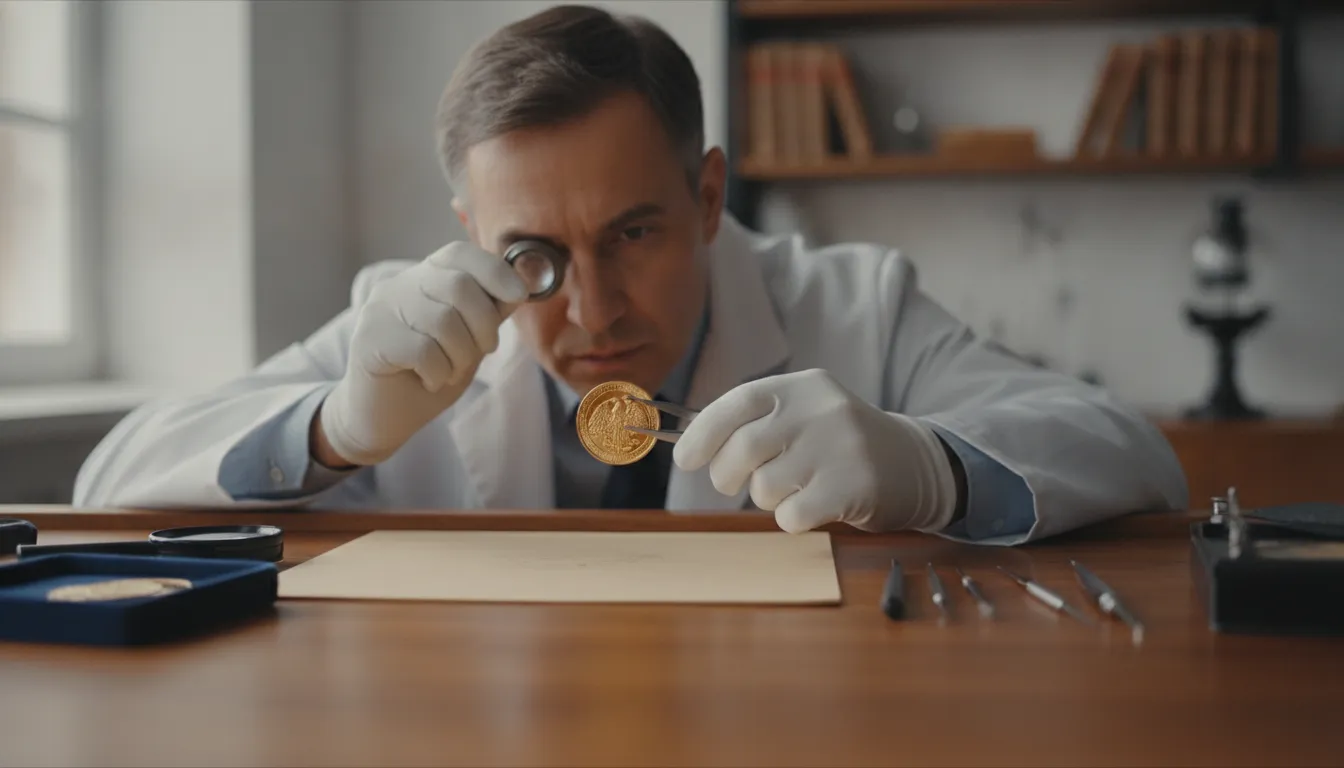
Your total cost is the metal value plus the dealer premium and transaction charges, so compare identical products and every fee rather than relying on a headline price. Spot price is a market reference for a quantity of gold at a particular time. The premium is the additional amount associated with the coin and transaction.
Premiums can reflect minting, fabrication, distribution, dealer overhead, availability, product recognition, and demand. A higher premium is not automatically evidence of a better purchase. A lower quoted price is not automatically a better deal if it applies to a different weight, purity, year, condition, payment method, or shipping arrangement.
Compare the complete transaction
- Match the product: Compare the same coin type, weight, fineness, year when relevant, and certification status.
- Separate the charges: Identify the spot reference, premium, taxes, payment costs, shipping, insurance, and order minimums.
- Check the price lock: Ask when the price becomes fixed and what happens if payment is delayed or an order is canceled.
- Review the exit: Understand the dealer's buyback process and the difference between the purchase price and a possible later buy price.
- Save the comparison: Keep written quotes and the final invoice so you can confirm what you agreed to purchase.
Compare several established dealers only after you normalize the details. The purchase policy and buyback policy are separate questions. A seller may explain how it accepts payment without explaining how it evaluates a future sale. Ask both questions, and avoid any salesperson who promises a specific future gold price or risk-free return.
For broader context, review Park Avenue's gold bullion resources and silver bullion information. The invoice and terms for the specific order still control your decision.
How Can You Check Authenticity, Grading, and Counterfeit Risk?
Use layered verification: start with a vetted dealer, compare the received coin with published specifications, verify certification details when applicable, and seek professional review when evidence conflicts. A product photo and an unusually low price do not prove authenticity.
- Screen the seller first. Buying from an established dealer with a verifiable business presence is a primary defense against counterfeit risk. It is not an absolute guarantee, so retain your documentation and inspect the shipment.
- Compare published specifications. Check the denomination, year, mint mark when applicable, weight, diameter, thickness, fineness, and stated metal content against information from the issuing mint or another authoritative numismatic reference. A scale and caliper can identify obvious mismatches, but home measurements are screening tools, not a final opinion.
- Review certification information. If the coin is represented as certified, compare the certification number, label details, denomination, date, and appearance with the grading service's available records. A mismatched label, altered holder, or duplicate listing deserves further review.
- Do not damage the coin. Avoid scratching, drilling, acid testing, or any other test that could reduce the coin's condition or marketability. Ask a qualified numismatic professional when the evidence is unclear.
- Keep the chain of evidence. Save the listing, invoice, payment record, certification details, package photographs, and messages with the dealer. This record helps you explain the issue if the item does not match the order.
The U.S. Mint's bullion consumer awareness guidance is another neutral resource for evaluating bullion purchases. No online checklist can provide an absolute authenticity guarantee. Layered checks can, however, reduce avoidable risk before you accept the coin as genuine or consider reselling it.
If you want to discuss a questionable item before taking further action, use Park Avenue's contact page to reach the business. Keep the coin, holder, packaging, and paperwork together until the review is complete.
What Should You Do When Your Gold Coins Arrive?
Inspect and document the shipment before storing, handling, or reselling the coin. A prompt receiving process creates evidence of the package condition and gives you time to follow the dealer's written inspection or return procedure.
Inspect the package before opening
Photograph the outer box, shipping label, seals, crushed corners, tears, and any evidence of opening before discarding packing materials. Compare the shipment with your order confirmation. If the package is damaged or the contents appear incomplete, document the condition and contact the dealer promptly using the written procedure.
Record the coin and its paperwork
Save the invoice, order confirmation, payment record, product description, stated weight and purity, certification information, and correspondence. If the coin is certified, record the certification number. Documentation does not guarantee a resale price, but it gives you a clear record of what you purchased and supports a later insurance, estate, or dealer conversation.
Store the item securely
Choose storage that limits theft, loss, moisture, and unnecessary handling. Depending on the size and nature of your collection, a home safe, bank safe-deposit box, or professional storage service may be appropriate. Follow your insurer's requirements and avoid publicizing the location of your holdings. Handle the coin by its edges when inspection is necessary.
You can also keep a separate inventory with the purchase date, dealer, coin details, certification number, amount paid, and photographs. Store a backup away from the coins. A clear inventory separates your cost basis from later market opinions and helps your family understand what you own.
What Are Realistic Expectations After You Buy?
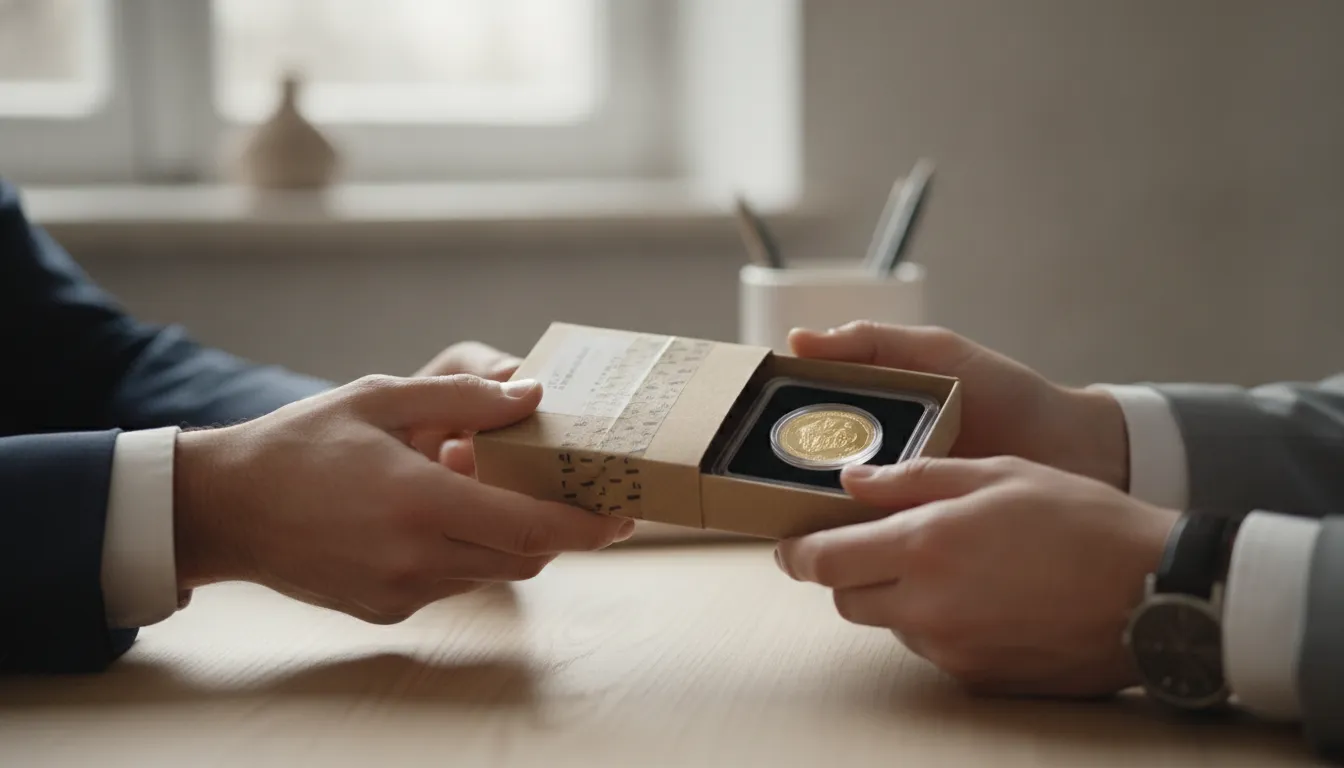
Buying safely improves the quality of the transaction, but it does not guarantee a profit, instant liquidity, or a sale at your original purchase price. Gold prices fluctuate, and your eventual outcome may depend on market conditions, dealer spreads, the coin's condition, certification, premiums, and the buyer available at that time.
Physical gold can play a role in portfolio diversification or a hedge against inflation, but it remains subject to market risk. Past performance is no guarantee of future results. Decide how the purchase fits your broader financial situation, storage capacity, time horizon, and need for access to cash. This educational guide is not financial advice or a promise about future prices.
When you later evaluate a sale, ask how the buyer determines its offer and which documents it needs. Ask whether the coin will be examined, and how the quoted amount relates to the market and the item's condition. A transparent conversation is more useful than a guaranteed-price claim.
If you are in South Florida, the Park Avenue team can discuss bullion questions at its Miami location on Biscayne Blvd. You can review the Park Avenue blog for related numismatic education before speaking with a specialist.
Call 1-888-419-7136 to review a gold bullion purchase with a Park Avenue Account Specialist.
Frequently Asked Questions
Is it safe to buy gold bullion coins online?
It can be safe when you verify the dealer, verify the listed coin's weight, purity, and specifications. Then compare the full transaction cost, review shipping and return terms, and inspect the package when it arrives. Online buying does not eliminate counterfeit risk or market risk. Use the CFTC's consumer guidance and keep written records of your order.
How do I verify the authenticity of a gold bullion coin?
Start with a vetted dealer, then compare the received coin with its stated denomination, weight, diameter, thickness, fineness, and mint information. If the coin is certified, verify the certification details when records are available. Do not scratch or damage the coin. If the evidence conflicts, preserve the packaging and seek a qualified numismatic review.
What should I look for in a reputable online gold dealer?
Look for a verifiable physical address, operating history, responsive customer service, clear product specifications and transparent pricing. With written shipping and return policies that are easy to find, and answers that do not rely on pressure or guaranteed-profit claims. Industry membership may be a useful credibility check, but it should supplement your own research rather than replace it.
What is the difference between spot price and a gold coin premium?
Spot price is a market reference for a quantity of gold at a particular time. The premium is the additional amount associated with minting, distribution, dealer operations, product recognition, availability, and demand. Compare the same coin type and every transaction fee before deciding whether one quoted price is genuinely lower.
What should I do if my online gold coin seems wrong when it arrives?
Photograph the package and contents, save all paperwork, avoid altering or damaging the coin, and contact the dealer promptly under its written inspection or return policy. If the specifications, holder, certification information, or delivered item do not match the order, keep the evidence together and seek an independent professional opinion before reselling it.
Get Started With a Safer Online Gold Purchase
You do not have to evaluate a dealer, coin specifications, premiums, and delivery terms alone. Park Avenue Numismatics has served collectors and precious-metals buyers for more than 38 years. Speak with the Park Avenue Account Specialists online or visit the Miami location on Biscayne Blvd for practical guidance. Contact Park Avenue to get started.
Call 1-888-419-7136 for assistance with your gold bullion questions.





