The Double Eagle is more than just a coin; it's a tangible piece of American ambition, born from the California Gold Rush and perfected by one of the nation's greatest sculptors. These coins circulated during a period of immense growth and change, and their story ended abruptly with the Gold Recall of 1933. This rich history is precisely what makes them so valuable to collectors today. Understanding their past is the first step to understanding their price. This double eagle price guide will explore the history behind both the Liberty Head and Saint-Gaudens designs, showing you how key historical events created the rarities that command top dollar in today's market.
Key Takeaways
- Look beyond the gold content: A Double Eagle's price is determined by two key factors: its intrinsic gold value and its numismatic premium. This collector value, driven by rarity, condition, and history, is why some coins are worth far more than their weight in gold.
- Professional grading is non-negotiable: A coin's physical condition directly impacts its price. Certification from a top grading service like PCGS or NGC verifies its authenticity and grade, providing a clear and trusted foundation for its market value.
- Consult an expert for an accurate valuation: While price guides are helpful, a reputable dealer provides the most precise assessment. They can analyze subtle details and understand current market trends, ensuring you get a fair price whether you are buying or selling.
What Is a Double Eagle Coin?
Before we get into pricing, let's start with the basics. The Double Eagle is a $20 gold coin that the United States minted for circulation from 1850 to 1933. More than just currency, these coins are tangible pieces of American history, representing a period of incredible economic growth and national identity. For collectors and investors, they are among the most sought-after rare coins for sale due to their beauty, historical significance, and precious metal content. The story of the Double Eagle is a fascinating one, tied directly to the country's expansion and evolving artistic vision. Understanding this background is the first step in appreciating why their values can vary so dramatically.
The Story Behind the Coin
The creation of the first Double Eagle, known as the Liberty Head, was a direct result of the California Gold Rush. As vast quantities of gold poured out of the West, Congress authorized the creation of this new, larger denomination to convert the raw gold into coinage more efficiently. These coins quickly became a symbol of America's growing economic power on the world stage. The series came to an abrupt end in 1933 when President Franklin D. Roosevelt took the U.S. off the gold standard and recalled most gold coins from circulation to stabilize the economy during the Great Depression. This historic act made the final issues, especially the 1933 Double Eagle, exceptionally rare.
A Closer Look at the Artistry
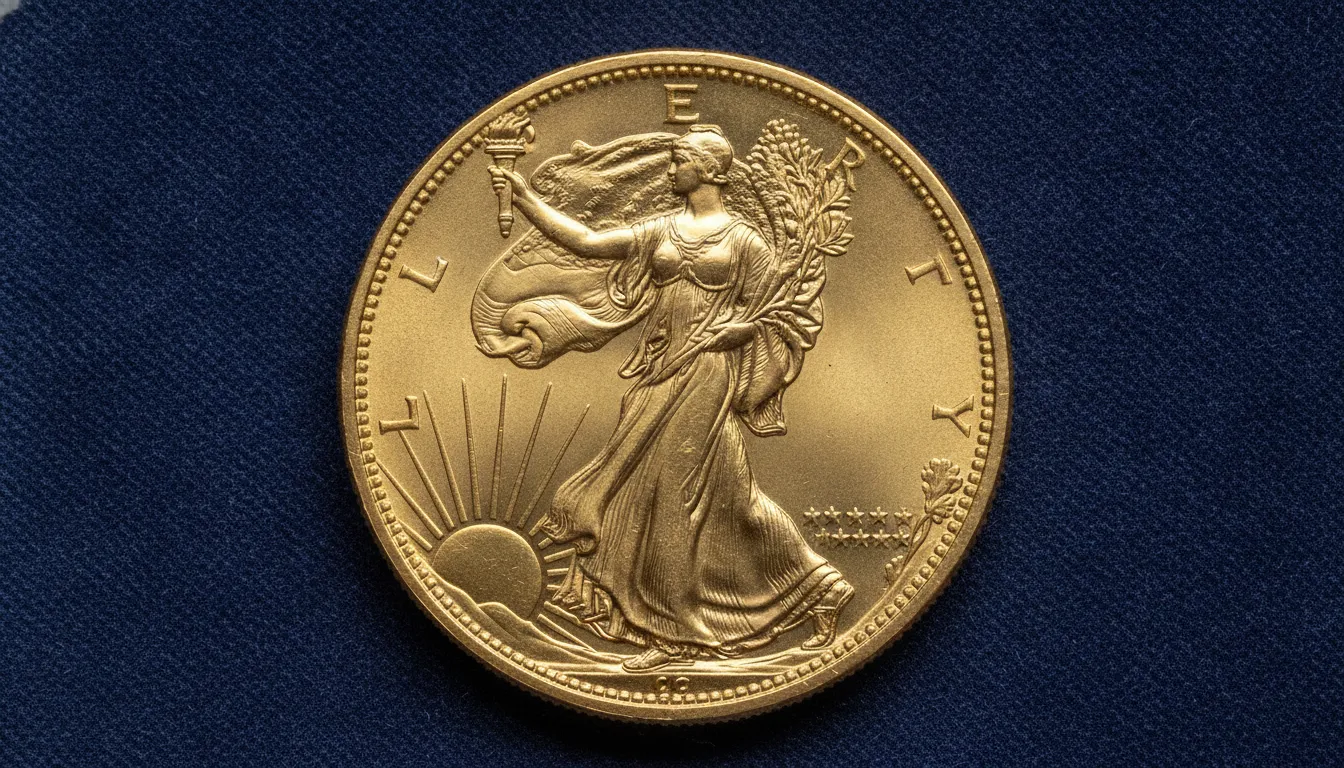
The Double Eagle features two major designs, each a masterpiece in its own right. The first, the Liberty Head design by James B. Longacre, was minted from 1849 to 1907. It features a classic Greco-Roman profile of Lady Liberty on the front and a heraldic eagle on the back. In 1907, President Theodore Roosevelt commissioned renowned sculptor Augustus Saint-Gaudens to create a new, more artistic design. The result is often considered the most beautiful coin in American history. The Saint-Gaudens design shows a powerful image of Lady Liberty striding forward with a torch and olive branch, with a majestic eagle in flight on the reverse. This design embodies the nation's ideals of freedom, strength, and peace.
What Determines a Double Eagle's Value?
Figuring out the value of a Double Eagle isn't as simple as checking the daily price of gold. While the precious metal content provides a solid baseline, the coin's true market value is a blend of four key factors: its rarity, condition, collector demand, and intrinsic metal worth. A common-date, heavily circulated coin might trade for a price close to its gold value, while a rare, pristine example can be worth millions. Understanding how these elements work together is the first step in assessing your coin's potential.
Rarity and Mintage
The first question to ask is: how many were made, and how many are left? A coin's mintage tells you how many were originally struck at a specific mint in a given year. Generally, a lower mintage means a rarer coin. However, the survival rate is just as important. Many Double Eagles were melted down over the years, especially after the Gold Recall of 1933. This means a coin with a high original mintage could still be incredibly rare today. The value of a rare coin is heavily influenced by how few are still known to exist, making this a critical factor for collectors.
Condition and Grade
A coinâs state of preservation, or grade, has a massive impact on its value. The better the condition, the more it's worth. Numismatists use a 70-point scale to grade coins, where a 1 is poor condition and a 70 is a perfect, mint-state coin. Even a small difference in grade can mean a huge difference in price, especially for rare dates. Coins that never entered circulation and show no signs of wear are the most valuable. This is why professional grading is so important; it provides an objective assessment of a coin's condition, which directly supports its market value and gives buyers confidence.
Collector Demand
Like any collectible, the value of a Double Eagle is driven by supply and demand. These coins are highly sought after by collectors and investors for their rich history, stunning designs, and gold content. Certain dates, mint marks, or design varieties are more popular than others, creating higher demand and pushing prices up. For example, the 1933 Saint-Gaudens Double Eagle is the ultimate prize for many collectors due to its unique story. This collector interest adds a numismatic premium on top of the coin's base gold value, turning a piece of precious metal into a coveted historical artifact.
Precious Metal Value
At its core, a Double Eagle is made of nearly one troy ounce of gold. This gives it an intrinsic value based on the current spot price of gold. For common-date Double Eagles that are heavily worn or damaged, their value may not be much more than their "melt value." This provides a solid price floor for the coin; its value will generally not fall below what the gold inside is worth. This connection to the gold bullion market makes Double Eagles a popular choice for investors looking to hold physical gold with the added potential for numismatic appreciation.
Liberty Head vs. Saint-Gaudens: What's the Difference?
When you explore the world of Double Eagles, you'll quickly find the conversation centers on two legendary designs: the Liberty Head and the Saint-Gaudens. While both are $20 gold pieces, they come from different eras and represent distinct moments in American history and artistry. Understanding their unique characteristics is the first step for any collector looking to add one of these iconic coins to their portfolio. Each has its own story, aesthetic appeal, and set of key dates that make it a fascinating piece of numismatic history. Let's look at what sets them apart.
The Classic Liberty Head (1849-1907)
The Liberty Head, often called the "Coronet," was the first $20 Double Eagle, minted from 1849 to 1907. This coin was born from the California Gold Rush, created to convert the massive amounts of newly discovered gold into coinage. Its design is a classic representation of its era. The obverse features a Greco-Roman-inspired profile of Lady Liberty, her hair in a coronet inscribed with "LIBERTY." The reverse displays a powerful heraldic eagle, clutching an olive branch and arrows. These historic gold coins are more than just currency; they are tangible pieces of America's westward expansion and growing economic strength during the 19th century, making them a favorite for collectors who appreciate deep historical roots.
The Iconic Saint-Gaudens (1907-1933)
Often hailed as the most beautiful coin ever minted in the United States, the Saint-Gaudens Double Eagle replaced the Liberty Head in 1907. President Theodore Roosevelt commissioned renowned sculptor Augustus Saint-Gaudens to redesign American coinage, and the result was breathtaking. The obverse features a full-length figure of Lady Liberty striding forward, holding a torch and an olive branch, with the U.S. Capitol in the background. The reverse depicts a majestic eagle in flight against the rays of the sun. The original high-relief version is particularly sought after for its incredible detail and artistic depth. These rare coins for sale represent a high point in American minting artistry and are a cornerstone of many advanced collections.
Key Dates and Varieties to Know
For both series, certain dates and variations can dramatically influence a coin's value. The Liberty Head series is broken into three main types. Type 1 (1849â1866) has no motto on the reverse. Type 2 (1866â1876) adds the motto "IN GOD WE TRUST," and Type 3 (1877â1907) features a redesigned reverse with "TWENTY DOLLARS" spelled out. For the Saint-Gaudens, the 1907 High Relief and Ultra High Relief varieties are legendary rarities. Other key dates, like the 1927-D and the 1933 issue (most of which were melted), are exceptionally valuable. Understanding these key varieties is crucial for any serious investor or collector looking to acquire a truly significant piece for their portfolio.
How to Authenticate and Grade Double Eagles
When you're dealing with coins as valuable as Double Eagles, knowing exactly what you have is everything. A slight difference in condition or a question about authenticity can mean a difference of thousands, or even millions, of dollars. Thatâs why professional authentication and grading are non-negotiable for serious collectors and investors. This process verifies that a coin is genuine and assesses its physical condition against a standardized scale. This step removes subjectivity and provides a clear, universally accepted measure of quality, which is the foundation for determining a coinâs true market value. Let's get into the specifics of how this works and what you need to look for.
The Role of Professional Grading Services
Think of professional grading services as the ultimate authority on a coin's authenticity and condition. Companies like the Professional Coin Grading Service (PCGS) and the Numismatic Guaranty Company (NGC) provide unbiased, expert opinions. After a thorough examination, they encase the coin in a sealed, protective holder, often called a "slab," with a label detailing its grade and authenticity. This process adds a layer of trust and security to every transaction. When you browse rare coins for sale, you'll find that the most desirable pieces are almost always certified by these top-tier companies. This certification makes it easier to establish a fair market price, ensuring youâre paying for or selling a coin of verified quality.
How to Spot Fakes and Red Flags
While professional grading is the final word, it helps to know some basic red flags yourself. Counterfeit coins often have mushy or weak details, incorrect weight or diameter, or a strange color that doesn't look right for gold. Beyond the coin itself, be aware of behavioral red flags from sellers. For instance, a seller making grand claims about a coin being "confiscation-proof" is often using a high-pressure sales tactic rather than stating a verifiable fact. Another major warning sign is a coin that looks unnaturally shiny. Many new collectors mistakenly believe that cleaning their coins will increase their value, but this almost always causes microscopic scratches and permanent damage, drastically lowering their numismatic worth.
Why Certification Is Crucial for Value
Certification is what brings all the key value factorsârarity, condition, and demandâinto a single, verifiable package. A coin's grade, assigned on a 70-point scale, is one of the most significant drivers of its price. An uncirculated coin can be worth exponentially more than one with even the slightest wear, and a professional grade is the only way to definitively establish this condition. This official certification provides the confidence and transparency needed for a liquid market, allowing you to buy and sell with a clear understanding of the asset's quality. Itâs a fundamental part of building a strong collection or investment portfolio with a trusted numismatic expert.
What Are the Most Valuable Double Eagles?
Some Double Eagles have transcended their status as mere currency to become legendary artifacts, commanding prices that can reach into the millions. These aren't just any gold coins; they are specific issues whose rarity and history have made them the pinnacle of numismatic collecting. Understanding what makes these particular coins so valuable involves looking at a combination of low mintage numbers, historical significance, and exceptional condition. For serious collectors and investors, acquiring one of these top-tier coins is often the crowning achievement of their portfolio. Let's explore the specific coins that break records and the factors that place them in a class of their own.
Record-Breaking Coins and Rare Dates
The most valuable Double Eagles are often defined by their "key dates," which are years with exceptionally low mintages or survival rates. For example, an 1856-O Liberty Head Double Eagle in high grade sold for an astounding $2.2 million, while an 1870-CC specimen fetched $825,000. These prices reflect extreme rarity. Coins from branch mints like Carson City (CC), New Orleans (O), and Denver (D) can be particularly scarce. Other coveted dates include the 1927-D Saint-Gaudens, of which only about a dozen are known to exist, and the unique 1861 Paquet Reverse Liberty Head. The hunt for these specific rare coins for sale is what drives the high-end market, as each one represents a unique piece of American history.
What Makes a Coin "Investment-Grade"?
An investment-grade coin possesses value far beyond its weight in gold. Its worth comes from two key components: bullion value and numismatic value. Bullion value is the baseline worth of the precious metal itself. Numismatic value, or collector premium, is the additional amount collectors are willing to pay based on rarity, condition, and demand. For a Double Eagle to be considered "investment-grade," its numismatic value must significantly outweigh its melt value. This premium is what gives the coin its potential for long-term appreciation, insulating it from the daily fluctuations of the gold market. These coins are tangible assets that combine the security of gold bullion with the added growth potential of a sought-after collectible.
How History Created Today's Rarest Coins
The story of the Double Eagle is deeply tied to American history. The coin was first minted in 1850 to handle the massive amounts of gold flowing from the California Gold Rush, quickly becoming a staple in large-scale commerce. However, the event that cemented the rarity of many Double Eagles was President Franklin D. Roosevelt's Executive Order 6102 in 1933. This order recalled gold coins from the public to be melted down, effectively ending the era of gold currency in the U.S. Because of this recall, most pre-1933 gold coins were destroyed, making the surviving examples incredibly scarce. The legendary 1933 Saint-Gaudens Double Eagle, which was struck but never officially issued, is the most famous example of how this historical event created one of the world's rarest coins.
How to Find Current Double Eagle Prices
Figuring out the current price of a Double Eagle isn't as simple as checking the daily spot price of gold. While the gold content provides a baseline value, the coin's numismatic worth, which is its value to collectors, can add hundreds or even thousands of dollars to its price. This premium is based on factors like rarity, condition, and historical significance. To get an accurate picture of what your coin is worth, you need to look at a combination of resources that track both the precious metal market and the ever-changing world of coin collecting.
Think of it as a two-part equation: the intrinsic value of the gold plus the extrinsic value assigned by collectors. The key is understanding how to research both parts of that equation. Whether you're looking to buy, sell, or simply insure your collection, knowing how to find a reliable price is essential. It helps you make informed decisions and ensures you get a fair deal. Let's walk through the best methods for determining the current market value of a Double Eagle.
Using Price Guides and Auction Data
A great starting point for your research is online price guides and recent auction results. Reputable grading services like PCGS and NGC publish price guides that provide estimated retail values for Double Eagles in various grades. These guides are compiled from extensive market data and can give you a solid ballpark figure. You can also look at the results from major auction houses that specialize in rare coins. This shows you what collectors have actually paid for specific coins recently, which is powerful, real-time information. Keep in mind that these are guides, not guarantees. The final price of any coin can vary based on the specific seller and buyer.
Consulting with Professional Dealers
For the most accurate and actionable valuation, nothing beats consulting with a professional dealer. An experienced numismatist can assess your coin in person, taking into account subtle details of its condition, strike, and eye appeal that price guides simply can't capture. They have their finger on the pulse of the market and know what collectors are currently seeking. A reputable dealer can provide a precise appraisal and often a firm offer to purchase your coin. This is where their deep expertise, like the kind we've built over 35 years, becomes invaluable. They can also identify coins with a special history or provenance that might significantly increase their value.
Tools for Tracking the Market
Staying informed about broader market trends is also a smart move. While a Double Eagle's value is more stable than that of simple bullion, it's still anchored to the price of gold. You should keep an eye on the spot price of gold bullion to understand the general direction of the market. Beyond that, following major coin auctions and dealer inventories of rare coins for sale can give you a sense of collector demand. When you see certain dates or grades consistently selling for high prices, itâs a good indicator of a strong market for those specific coins.
Common Myths About Double Eagle Pricing
When you're investing in something as significant as a Double Eagle, you want to operate with the best information. Unfortunately, the world of coin collecting is full of myths that can lead to costly mistakes. Let's clear up a few of the most common misconceptions about Double Eagle pricing so you can approach your collection with confidence.
The Cleaning Myth: Why It Destroys Value
Itâs tempting to think a shiny coin is a valuable coin, but please, put down the polish. One of the most damaging myths is that cleaning a Double Eagle will improve its value. The opposite is true. Any abrasive cleaning, no matter how gentle, can create tiny scratches and strip away the coin's original surface and natural patina. This patina is the subtle toning the coin acquires over time, and experienced collectors prize it as a sign of originality. Professional grading services will label a cleaned coin as damaged, which drastically reduces its market value and appeal among serious buyers.
Why Older Doesn't Always Mean More Valuable
While it seems logical that an older coin would be worth more, age is only one piece of the puzzle. A coin's value is primarily driven by its rarity and condition. Think of it this way: a common-date Double Eagle from the 1880s that is heavily worn might be worth a fraction of a pristine, uncirculated coin from the 1920s. The number of surviving examples in high grades is what truly creates value. Thatâs why focusing on a coinâs grade and mintage figures is a much better strategy than simply looking at its date when building a collection of rare coins for sale.
The Truth About Gold Confiscation
You may have heard that certain pre-1933 gold coins, like Double Eagles, are exempt from government confiscation. This idea often stems from a misunderstanding of the 1933 Executive Order that recalled gold. While collectible coins were exempt at that time, there is no standing law that guarantees any specific type of gold coin is "confiscation-proof" in the future. Instead of relying on this myth, it's more practical to focus on building a diversified portfolio and understanding the legal framework of precious metals ownership. A well-structured asset plan provides more security than any single type of coin.
Face Value vs. Market Value
A Double Eagle has "$20" stamped on it, but that's just its face value, the monetary worth assigned when it was legal tender. Its real value is much higher. The market value, or numismatic value, is determined by several factors, including its intrinsic gold content, rarity, historical significance, and condition. For example, the gold bullion in a Double Eagle alone is worth many times its $20 face value. For rare dates in top condition, the collector premium can push the price into the thousands, or even millions, making the face value a historical footnote rather than a pricing guide.
How Do Market Trends Affect Double Eagle Value?
The value of a Double Eagle isn't set in stone. Itâs a dynamic figure influenced by several market forces working together. Understanding these trends is key to making smart decisions as a collector or investor. Itâs not just about the gold inside the coin; itâs also about the story it tells and who wants to hear it. Let's look at the three main market factors that shape a Double Eagle's price: the fluctuating price of gold, the changing tastes of collectors, and the coin's unique numismatic premium.
The Link Between Gold Prices and Coin Value
At its core, a Double Eagle is a gold coin, and its base value will always be tied to the current spot price of gold. When gold prices rise, the intrinsic or "melt" value of the coin increases with it. This provides a solid floor for the coin's worth; it will never be valued at less than its weight in gold. For investors, this connection to the gold bullion market offers a layer of security. However, the story doesn't end there. The metal content is just the starting point for determining the full value of these historic pieces.
Following Shifts in Collector Demand
Beyond its weight in gold, a Double Eagle's value is heavily influenced by collector interest. Think of it like any other collectible market: when a particular item becomes highly sought after, its price goes up. For Double Eagles, demand can surge for specific dates, mint marks, or exceptionally well-preserved examples. A common-date coin in average condition might trade close to its gold value, while a rare variety in pristine condition can command prices in the hundreds of thousands. Keeping an eye on auction results helps you understand which rare coins for sale are currently capturing the attention of the collecting community.
Understanding Numismatic Premiums
The "numismatic premium" is the amount a coin is worth above its base metal value. This premium is what separates a simple piece of gold from a prized historical artifact. Itâs determined by a combination of factors, including rarity, condition, historical significance, and collector demand. This added value is what makes Double Eagles such a fascinating asset. The numismatic premium can act as a buffer against volatility in the gold market, helping the coin hold its value even when gold prices dip. An expert appraisal is the best way to understand a specific coin's premium, as it requires the deep knowledge of market history and trends that comes from decades of experience.
How to Safely Buy and Sell Double Eagles
Buying or selling a Double Eagle is a significant transaction. These coins are valuable historical artifacts, so approaching the process with care is essential to protect your investment. Whether you're adding a prized piece to your collection or liquidating an asset, following a few key steps can make all the difference. Itâs about being smart, cautious, and confident in every move you make.
Choosing a Reputable Dealer
Double Eagles are rooted in a key period of American history, making them fascinating for collectors and history buffs alike. This deep context is why your choice of dealer is so important. You need an expert who understands the nuances of each coin, not just a seller. Look for a dealer with a long track record, transparent practices, and a solid reputation. An established firm will have the experience to guide you honestly. When you find a dealer you can trust, they become a valuable partner in building your collection. You can learn more about our commitment to collectors on our About Us page.
Verifying Your Coin's Authenticity
When dealing with high-value coins, authenticity is everything. The best way to ensure you're buying a genuine Double Eagle is to purchase one certified by a top-tier grading service. The two most respected companies are the Professional Coin Grading Service (PCGS) and the Numismatic Guaranty Corporation (NGC). These services authenticate, grade, and encapsulate coins in secure, tamper-evident holders. This certification guarantees the coin's authenticity and condition, which is crucial for its value. A reputable dealer will primarily offer certified rare coins, giving you peace of mind with your purchase.
Tips for Timing Your Transaction
The price of a Gold Double Eagle changes based on its rarity, condition, and mint year. Its value is a blend of its intrinsic gold content and its numismatic premium, which is what collectors will pay above the metal value. To make an informed decision, keep an eye on both the spot price of gold bullion and current rare coin market trends. While no one can perfectly time the market, understanding these value drivers will help you feel more confident. A knowledgeable dealer can also provide insight into market conditions, helping you decide if it's the right moment to buy or sell.
Related Articles
Frequently Asked Questions
What's the first step I should take if I think I have a valuable Double Eagle? The first and most important step is to resist the urge to clean it. Handling the coin as little as possible is best to preserve its original surface. Your next move should be to consult with a professional numismatist for an expert opinion. They can help you identify the coin's date and mint mark and give you an initial assessment of its condition, which are the first clues to its potential value.
Do I really need to get my Double Eagle professionally graded? While it isn't a requirement, professional grading is the industry standard for establishing a coin's authenticity and condition. If you plan to sell the coin or want it insured for its full value, a grade from a top-tier service like PCGS or NGC is essential. This certification removes any guesswork, giving both you and a potential buyer a shared, objective understanding of the coin's quality and market worth.
Which is a better investment, a Liberty Head or a Saint-Gaudens? This really depends on your personal collecting and investment goals. Neither series is universally "better" than the other. The Liberty Head series offers a deep dive into 19th-century American history, while the Saint-Gaudens is often collected for its stunning artistic merit. Both designs have common dates that trade near their gold value and key rare dates that are highly sought after. The value is found in the specific coin's rarity and condition, not just its design type.
Why is a common Double Eagle from 1880 worth less than a rare one from 1925? Itâs a common misconception that older always means more valuable. A coin's price is driven by rarity and condition, not just its age. Many Double Eagles from the 1880s were minted in large quantities and survive today in worn condition, making them relatively common. In contrast, a 1925 coin from a specific mint might have a very low survival rate in high grades, making it far rarer and more desirable to collectors.
How much of a Double Eagle's price is tied to the spot price of gold? The spot price of gold provides a solid price floor for any Double Eagle; its value will not drop below its intrinsic metal worth. For a common-date, heavily circulated coin, the price might be just slightly above this gold value. However, for a rare or high-grade coin, the gold value is only a small part of its total price. The majority of its worth comes from the numismatic premium, which is what collectors are willing to pay for its rarity and condition.