
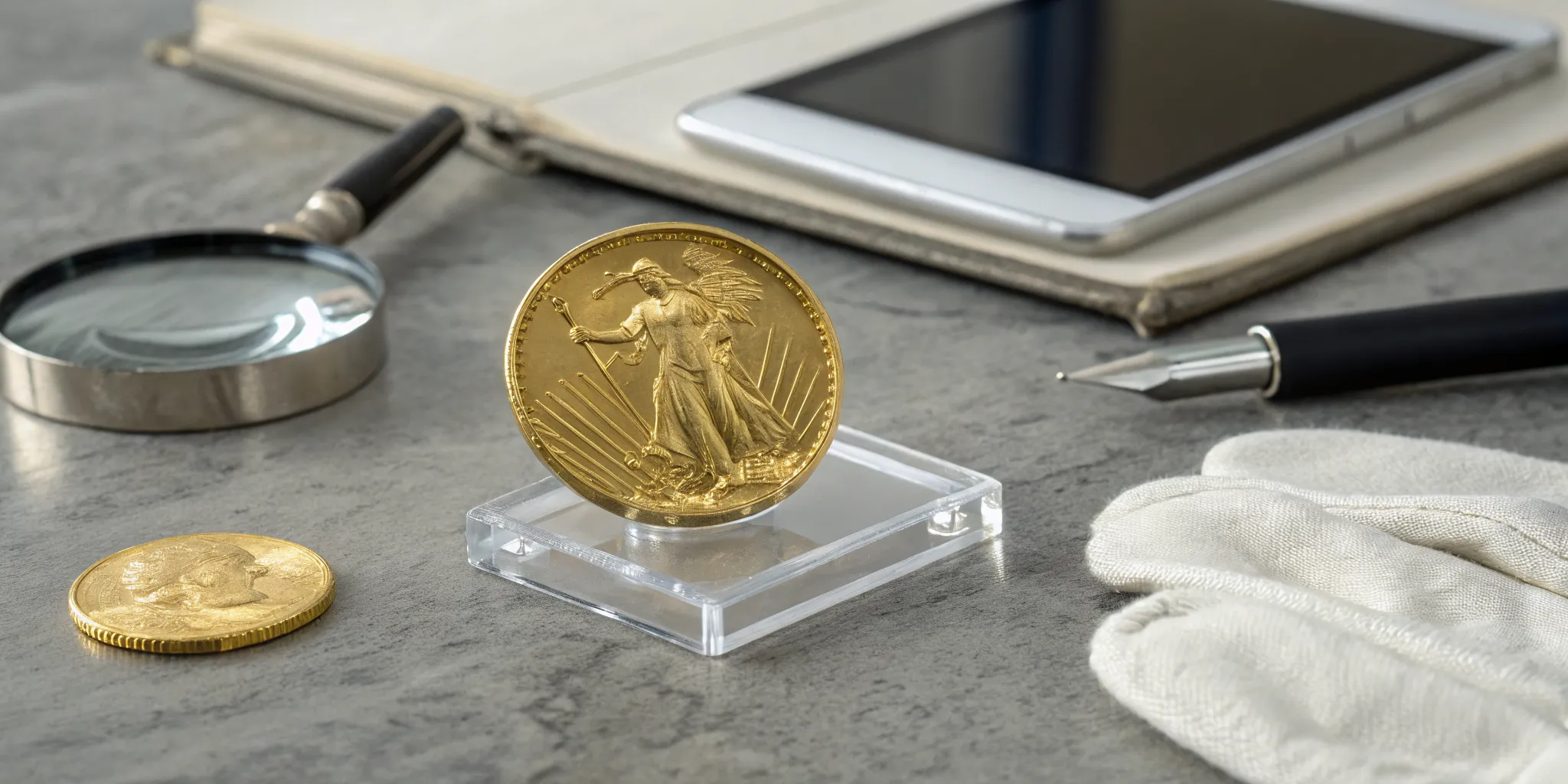
 Every Gold Double Eagle tells a story. Born from the massive influx of wealth during the California Gold Rush, these coins were the workhorses of American commerce for over 80 years. Their story ends just as dramatically, with a presidential order that recalled them from circulation to be melted down during the Great Depression. Owning one is like holding a physical piece of that history. This guide explores the fascinating journey of these coins, from their creation to their near-extinction. Understanding this history is the key to appreciating their true value, helping you see why a gold double eagle for sale is so much more than just its weight in gold.
Key Takeaways
- Understand their dual value: A Gold Double Eagle's price comes from two sources: its intrinsic worth as nearly an ounce of gold and its numismatic premium. This collector value is based on rarity, historical importance, and certified condition, making it a unique asset.
- Insist on professional certification: To guarantee a coin's authenticity and quality, always choose one graded and sealed by a top service like PCGS or NGC. This certification removes the risk of fakes or misrepresented coins, giving you complete confidence in your purchase.
- Work with a trusted dealer: A smart purchase requires more than just finding a coin you like. Building a relationship with an experienced dealer gives you expert guidance on fair pricing, key dates, and market trends, helping you build your collection wisely and securely.
What Is a Gold Double Eagle Coin?
If you're interested in American coinage, the Gold Double Eagle is a name you'll hear often. Simply put, it's a U.S. twenty-dollar gold coin that was minted from 1849 to 1933. These coins are more than just currency; they are tangible pieces of American history, born from the California Gold Rush and ending with the Great Depression. They represent a pivotal era in the nation's economic story.
Gold Double Eagles come in two major designs, each with its own unique history and aesthetic appeal. Understanding the difference between them is the first step for any collector or investor looking to add these beautiful coins to their portfolio. Both types are highly sought after, but for slightly different reasons.
The Liberty Head Double Eagle (1849–1907)
The first Gold Double Eagle, often called the "$20 Liberty Head," is a true classic. Minted for over 50 years, its design features a stately, Greco-Roman profile of Lady Liberty on the front, with a heraldic eagle on the back. This coin was a direct result of the massive influx of gold from the California Gold Rush, created to convert that newfound wealth into coinage. Its long production run means there are many dates and variations available, making it an accessible starting point for new collectors. These historic pieces are a cornerstone of American numismatics and a fantastic way to own a piece of 19th-century financial history.
The Saint-Gaudens Double Eagle (1907–1933)
Often hailed as the most beautiful coin ever produced by the U.S. Mint, the Saint-Gaudens Double Eagle is a masterpiece of numismatic art. President Theodore Roosevelt commissioned renowned sculptor Augustus Saint-Gaudens to redesign the nation's coinage, and this coin was the stunning result. It features a powerful image of Lady Liberty striding forward with a torch and olive branch, while the reverse shows a majestic eagle in flight. This design was so beloved that it was brought back for modern American Eagle gold bullion coins. For many, the Saint-Gaudens represents the peak of American coin design and is a must-have for any serious collection.
Key Specs: Gold Content and Face Value
While a Double Eagle has a face value of $20, its true worth is much higher. Each coin contains 0.9675 troy ounces of pure gold, making it a substantial store of value. Composed of 90% gold and 10% copper for durability, these coins were built to last. Their market price is determined by two key factors: their intrinsic bullion value (based on the current spot price of gold) and their numismatic value, which is driven by rarity, condition, and collector demand. Because of this dual value, Gold Double Eagles are prized by both precious metals investors and numismatists. As you build your collection, working with a team of experts you trust is key to making informed decisions.
Why Are Gold Double Eagles So Valuable?
A Gold Double Eagle’s value is a fascinating story that goes far beyond its gold content. While these coins contain nearly an ounce of precious metal, their true worth is a powerful mix of American history, artistry, and rarity. Unlike a simple gold bar, a Double Eagle is a tangible piece of the past whose price is shaped by its unique story. Understanding these factors is the key to appreciating why these coins are so prized by collectors and investors alike.
The Impact of Rarity and Key Dates
Many Gold Double Eagles were workhorses of commerce, meaning they were heavily circulated, damaged, or melted down over the decades. Finding a well-preserved, certified coin today is special. The value of a Double Eagle can change dramatically based on how many are still around, its condition, and specific features like its mintage year. Certain years and mint marks are known as "key dates" because very few were produced or survived, making them exceptionally scarce. These are the rare coins for sale that serious collectors eagerly seek, as their low survival rates create intense demand.
The Story of the 1933 Executive Order
The story of the 1933 Saint-Gaudens Double Eagle is the stuff of legend. In the depths of the Great Depression, President Franklin D. Roosevelt issued an executive order making it illegal for citizens to own most forms of gold, recalling coins to be melted down. Although 445,500 Double Eagles were struck in 1933, they were minted after the order took effect and were never officially released. Nearly all were melted down, but a few escaped the furnace. This historical event transformed the 1933 Double Eagle into one of the rarest and most famous coins in the world.
Numismatic vs. Bullion Value: What's the Difference?
It’s crucial to understand that Gold Double Eagles are numismatic, or collectible, coins, not simple bullion. Their price is not just tied to the daily spot price of gold. Bullion value refers to the intrinsic worth of the coin’s metal content. Numismatic value, on the other hand, is the premium collectors will pay based on rarity, condition, and historical significance. While standard gold bullion is an excellent way to invest directly in the precious metal, Double Eagles offer a unique mix of intrinsic gold value and collectible appeal, which can lead to appreciation potential independent of the gold market.
How Are Gold Double Eagles Graded?
How do you know a Gold Double Eagle's true quality and value? The answer is grading, a standardized process that assesses a coin's physical condition. This is one of the most important factors in determining its price. For serious collectors, understanding this process is essential for making smart purchasing decisions. It turns a subjective opinion about a coin's beauty into an objective, market-accepted measure of its quality.
Understanding the 70-Point Grading Scale
The coin industry uses a 70-point scale to define a coin's condition. This scale ranges from 1 (Poor) to 70 (a perfect, flawless coin). Coins graded 1 to 59 are 'circulated,' showing wear from use. Those graded 60 and above are 'Uncirculated' or 'Mint State' (MS), with no signs of wear. For Gold Double Eagles, a higher grade means a more pristine coin and higher value. A grade of MS-65 or above is particularly sought after, indicating a superb coin with only minor imperfections. You can get a deeper sense of the nuances by understanding coin grading standards.
Certified vs. Raw Coins: Why It Matters
You'll see Gold Double Eagles sold as either 'certified' or 'raw.' A raw coin is ungraded. A certified coin has been authenticated, graded, and sealed in a protective holder by a third-party service. This process guarantees the coin's authenticity and grade, giving you confidence in your purchase. The importance of coin certification can't be overstated; it removes guesswork and reduces the risk of buying a counterfeit or a coin with misrepresented condition. For this reason, we almost always recommend certified coins for serious buyers.
PCGS vs. NGC: Choosing a Grading Service
In coin certification, two names stand out: the Professional Coin Grading Service (PCGS) and the Numismatic Guaranty Company (NGC). Both are highly respected for their consistency and strict standards. A Gold Double Eagle graded by either PCGS or NGC has strong market credibility. While some collectors develop a preference, you can't go wrong with either. PCGS is often noted for the high resale values its coins command, while NGC is praised for its detailed grading. The choice between PCGS vs. NGC often comes down to your personal strategy, but a certification from either is a seal of quality.
What to Look for When Buying a Gold Double Eagle
Buying a Gold Double Eagle isn't like picking up a standard gold coin. These pieces are packed with history, and their value goes far beyond their weight in gold. To make a smart purchase, you need to look at a few key factors that separate a common coin from a true numismatic treasure. Think of it as becoming a detective for a day. Here’s what you need to focus on to ensure you’re getting a quality coin at a fair price.
Evaluate the Coin's Condition and Grade
The physical condition of a Gold Double Eagle is one of the biggest factors in its value. You’ll often see coins described with terms like "Extra Fine" (XF), which means it has seen some circulation but still retains sharp details. To get an objective assessment, look for coins that have been professionally graded by a third-party service like the Professional Coin Grading Service (PCGS) or Numismatic Guaranty Company (NGC). These experts seal the coin in a protective holder with a label that assigns a specific grade on a 70-point scale. This certification confirms the coin's authenticity and condition, giving you confidence in what you're buying. You can see many examples of these graded rare coins for sale to get familiar with the labels.
Know the Key Dates and Mint Marks
Not all Double Eagles are created equal. Their value can change dramatically based on the year they were made and the mint that produced them. Double Eagles were struck at five different U.S. Mints: Philadelphia (no mint mark), San Francisco (S), New Orleans (O), Denver (D), and Carson City (CC). Some combinations of dates and mint marks are incredibly rare due to low production numbers or high rates of melting over the years. For example, an 1870-CC or an 1861-P with the rare Paquet Reverse design are highly sought-after by collectors. Understanding these key dates helps you spot a valuable find. Our team has the expertise to help you identify these important distinctions, which is part of our commitment to our clients. You can learn more about us and our decades of experience.
Balance Spot Price with Numismatic Value
It’s easy to check the daily spot price of gold, but that’s only part of a Double Eagle’s story. Unlike modern gold bullion, whose value is tied almost exclusively to its metal content, a Double Eagle has numismatic value. This "collector premium" is based on its rarity, historical significance, condition, and demand from other collectors. A common-date Double Eagle in average condition might trade for a small premium over its gold value. However, a high-grade coin from a rare year could be worth many times its weight in gold. When you buy a Double Eagle, you're investing in both a precious metal and a piece of history, so it's important to appreciate both sides of its value.
Legal Factors of the 1933 Double Eagle
Here’s a critical piece of information every buyer needs to know: it is illegal for a private citizen to own a 1933 Saint-Gaudens Double Eagle. Although nearly half a million were minted, they were never officially released to the public before President Roosevelt recalled gold. All but a handful were melted down, and those that escaped the Mint are considered stolen government property. There is only one exception, the "Weitzman Specimen," which was specially legalized for private ownership. If someone offers you a 1933 Double Eagle, you should walk away immediately. Instead, focus on legally obtainable coins for your collection or consider secure investment options like a Gold IRA starter kit.
How Much Do Gold Double Eagles Cost?
Figuring out the price of a Gold Double Eagle isn't as simple as checking the daily price of gold. Because these are historic, collectible coins, their cost is influenced by a mix of factors, including their specific type, rarity, and condition. The price can range from just over the gold melt value for a common, circulated coin to well into the six figures for a top-tier rarity. Understanding what determines a coin's price tag is the first step to making a smart purchase.
Price Ranges by Type and Grade
The cost of a Gold Double Eagle can vary dramatically. A common-date, circulated Liberty Head or Saint-Gaudens might trade for a modest premium over its gold content, often in the $2,500 to $3,000 range, depending on the market. However, the price climbs steeply with rarity and grade. For example, a high-grade, uncirculated Saint-Gaudens from a common year could be worth several thousand dollars. For truly rare dates or mint marks in pristine condition, prices can soar into the tens or even hundreds of thousands. You can see this wide spectrum when you browse rare coins for sale and notice how a few points on the grading scale can change the value significantly.
Pricing for Bullion vs. Collector Coins
Every Gold Double Eagle has a base value determined by its nearly one ounce of gold content. This is its bullion value. However, these coins are not simple bullion; they are numismatic items. This means they carry an additional premium based on their collectibility. For investors primarily interested in precious metals, a common-date Double Eagle offers a great way to own historic gold bullion with a story. For serious collectors, the bullion value is just the starting point. The real prize is the numismatic premium, which is driven by rarity, condition, and historical demand, making the coin's value far more dependent on collector interest than the daily fluctuations of the gold market.
What Drives Premiums Above the Spot Price?
The premium you pay over a Double Eagle's gold value is tied directly to its rarity and desirability. A major factor is the coin's survival rate. After President Franklin D. Roosevelt’s 1933 Executive Order recalled gold coins from circulation, the government melted down millions of Double Eagles. This event drastically reduced the number of surviving examples, especially for certain dates, making them incredibly scarce today. This historical significance, combined with a coin's certified grade and overall eye appeal, creates the numismatic value that collectors are willing to pay for. You aren't just buying gold; you are acquiring a tangible piece of American history whose supply is permanently limited.
Where to Buy Gold Double Eagles
Finding the right place to purchase a Gold Double Eagle is just as important as choosing the right coin. Because these pieces carry significant historical and monetary value, you want to be sure you’re buying from a source that is knowledgeable, transparent, and reputable. Your purchase experience should give you confidence, not cause for concern. Whether you prefer a personal consultation, the energy of a coin show, or the convenience of online shopping, there are several avenues to explore. Each has its own benefits and potential pitfalls, so knowing where to look and what to watch out for is key to making a smart acquisition.
Find a Trusted, Expert Dealer
When you’re ready to add a Gold Double Eagle to your portfolio, your first step should be finding a dealer you can trust. This isn't like buying standard bullion; you're purchasing a piece of history, and the nuances of grade, rarity, and authenticity are everything. A reputable dealer does more than just sell you a coin. They offer expertise built over decades, provide transparent information, and guide you to a piece that fits your collection's goals. Look for dealers with a long-standing reputation and affiliations with top grading services like PCGS and NGC. A great dealer acts as your partner, helping you find authentic, high-quality rare coins for sale and building a relationship that lasts for years.
Reputable Online Marketplaces
You'll find Gold Double Eagles listed on large online marketplaces, which can be a good way to browse a wide variety of coins from different sellers at once. Platforms like APMEX offer a vast selection, showing you coins in various conditions and grades. However, the experience can be impersonal, and navigating the sheer volume of listings can be overwhelming if you're not an expert. You're often buying from the marketplace itself or a third-party seller, not a dedicated numismatist who can answer your specific questions. While these sites offer convenience, they may not provide the same level of curated guidance and assurance you get from a specialized rare coin dealer.
Coin Shows and Auctions
Coin shows are a fantastic way to immerse yourself in the world of numismatics. You can see a wide array of coins in person, speak directly with dealers, and get a feel for the market. Auctions, both live and online, are another exciting venue where rare and exceptional Gold Double Eagles often appear. These events can be a great place to find a specific coin you've been searching for. The downside? The fast-paced environment can lead to impulsive buys, and it's easy to get caught in a bidding war. It’s always best to go with a clear budget and a specific goal in mind, or even better, have a trusted dealer advise you or bid on your behalf.
Buyer Beware: Red Flags to Watch For
Protecting your investment starts with knowing what to avoid. The biggest red flag is a price that seems too good to be true, because it almost always is. Be cautious of any seller who can't provide clear documentation for a coin's grade or provenance. High-pressure tactics are another warning sign; a reputable dealer will give you the time and information you need to make a confident decision. Finally, be aware of the legalities. For instance, it is illegal for a private citizen to own a 1933 Double Eagle, as they were never officially issued. Any offer to sell you one is not legitimate. Your best defense is to work with an expert who values transparency and can confidently authenticate their inventory.
How to Verify a Gold Double Eagle's Authenticity
When you're considering a coin as significant as a Gold Double Eagle, confirming its authenticity is the most important step. Counterfeits exist, and a fake coin is not just a disappointment; it's a complete loss of your investment. Fortunately, you don't have to be a seasoned numismatist to protect yourself. By inspecting a few key features, prioritizing certified coins, and asking the right questions, you can buy with confidence.
Key Physical Traits to Inspect
Start by getting familiar with the coin's design. The iconic Saint-Gaudens Double Eagle features Lady Liberty holding a torch and an olive branch, with an eagle in flight on the reverse. Compare the coin you're considering to high-resolution photos of genuine examples, focusing on fine details like the eagle's feathers and the sun's rays. Genuine coins have a specific weight (33.436 grams) and diameter (34 mm), so any deviation is a major red flag. While these are old coins, fakes often have a soft, soapy appearance that lacks the sharp, crisp details of a genuine mint-struck piece. Examining these physical traits is your first line of defense against counterfeits.
Why Certified Coins Provide Peace of Mind
The best way to guarantee a coin is genuine is to buy one that has been professionally certified. Leading third-party services like PCGS and NGC authenticate, grade, and seal coins in secure, tamper-evident holders called "slabs." Each slab includes a label with the coin's grade and a unique certification number that you can verify online. This process removes all guesswork about the coin's authenticity and condition, giving you a solid guarantee. As an authorized dealer for both PCGS and NGC, we prioritize certified rare coins for sale because it provides you with complete confidence and security in your purchase.
Questions to Ask Any Dealer Before Buying
A reputable dealer will always welcome your questions and provide transparent answers. Before you buy, ask if they are an authorized dealer for PCGS or NGC and inquire about their return policy. A trustworthy seller should make you feel comfortable with the entire process. You can also request the coin's certification number to verify it on the grading service's website yourself. Building a relationship with an expert you can rely on is one of the smartest moves a collector can make. Our specialists have been helping clients for over 35 years and are always available to provide guidance and support your collecting goals.
Are Gold Double Eagles a Good Investment?
Deciding where to place your money is a big decision, and Gold Double Eagles present a compelling case for serious collectors and investors alike. Their value is tied to more than just the daily price of gold; it’s rooted in history, rarity, and artistry. This unique combination offers several advantages for building a resilient and diversified portfolio. Whether you're looking to protect your wealth from economic shifts or acquire a piece of American history that appreciates over time, these coins have a proven track record. Let's look at the key reasons why they are considered a smart addition to an investment strategy.
Diversify Your Portfolio with Rare Gold
A core principle of smart investing is diversification, which means not putting all your eggs in one basket. Gold Double Eagles are an excellent tool for this. Their value comes from two distinct sources: their intrinsic gold content and their numismatic, or collectible, value. Because these coins are old and their numbers are limited, they behave differently than stocks or bonds. This means that when one part of your portfolio might be down, your rare coins can hold steady or even increase in value, providing balance and stability. Adding a tangible asset with historical significance introduces a layer of security that paper assets simply can't match.
Hedge Against Inflation and Aim for Long-Term Growth
During times of economic uncertainty, many people turn to gold. It has long been seen as a safe investment that can protect your purchasing power against inflation. When the value of the dollar weakens, gold prices often rise. Gold Double Eagles offer this same benefit, but with an added dimension. Their rarity and desirability among collectors can provide an additional buffer against market volatility. For those focused on long-term growth, holding these coins can be a strategic move. You can even include certain gold coins in a self-directed IRA, creating a tax-advantaged way to prepare for retirement with a hard asset.
Gold Double Eagles vs. Standard Gold Bullion
It's important to understand that a Gold Double Eagle is not the same as a standard gold bullion coin. Unlike simple gold bullion like bars or modern coins, whose value is tied almost exclusively to the daily spot price of gold, Gold Double Eagles are collectible numismatic items. Their price is determined by a combination of factors including their rarity, historical importance, condition (or grade), and mint mark, in addition to their gold content. This means their value isn't just based on the daily price of gold. This distinction is what gives them the potential for appreciation far beyond their melt value, making them a favorite among discerning investors.
Understanding Liquidity: How Easy Are They to Sell?
A common question for any investment is, "How easily can I sell it?" With Gold Double Eagles, the answer is quite reassuring. There is a robust and active market of collectors and investors constantly looking to buy these historic coins. Because they are collectibles, their price tends to be more stable and less volatile than the spot price of gold. This stability can make them easier to sell at a predictable price. The key to a smooth and profitable sale is working with a reputable dealer. A trusted expert not only helps you get a fair price but also makes the entire process straightforward and secure, ensuring your investment is as liquid as possible when you decide it's time to sell.
Understand the Risks Before You Buy
Investing in a piece of history like a Gold Double Eagle is an exciting step, but a smart purchase is an informed one. Like any significant investment, these coins come with their own set of risks. Knowing what to look for will protect your investment and ensure you’re adding a genuine, valuable asset to your collection. Let’s walk through the key risks so you can buy with confidence.
Dealing with Market and Gold Price Fluctuations
The value of a Gold Double Eagle is tied to the price of gold, which can be volatile. Economic news, inflation rates, and global events can cause the market to swing. While gold is often seen as a stable long-term asset, it’s important to be prepared for short-term price changes. Staying informed about market trends helps you make strategic decisions instead of reactive ones. A solid gold investment strategy acknowledges these fluctuations and focuses on the coin's long-term potential for appreciation, both as a precious metal and a numismatic treasure.
How to Spot Counterfeit Coins
Unfortunately, the high value of Gold Double Eagles makes them a target for counterfeiters. Your best defense is knowledge. Genuine coins have a specific weight, diameter, and thickness, so using a precise jeweler’s scale and calipers is a great first step. Pay close attention to the details of the design, the texture of the surface, and the quality of the mint mark. The American Numismatic Association offers excellent resources for detecting counterfeit coins by comparing a potential purchase against known specifications. Buying certified coins from a reputable dealer is the most effective way to avoid this risk altogether.
Common Mistakes for New Buyers to Avoid
One of the most common mistakes new buyers make is rushing into a purchase without enough research. It’s easy to get caught up in the excitement, but you should take time to understand what you’re buying. Many new collectors overlook the importance of understanding the coin's grading and condition, which have a massive impact on its value. Another pitfall is buying from an unverified seller online or at a show without getting proper documentation. Always work with a trusted dealer who can provide certification and answer your questions transparently.
How to Start Your Gold Double Eagle Collection
Ready to add these iconic pieces of American history to your portfolio? Starting a Gold Double Eagle collection is a rewarding pursuit. To make sure you get started on the right foot, focus on three key areas: your budget, your dealer, and your storage plan. Let's walk through each one.
Set Your Budget and Define Your Goals
Before you buy your first coin, it’s important to know what you’re willing to spend and what you hope to achieve. The price for a Gold Double Eagle can vary dramatically, from around $5,500 for a common date in a circulated grade to hundreds of thousands for a rare, high-grade proof. Defining your budget first will help you focus your search. Next, think about your goals. Are you drawn to the history and want to own a single, beautiful example? Or are you an investor aiming to acquire a specific series or key date for its long-term potential? Your goals will shape which rare coins for sale are the right fit for you.
Build a Relationship with a Trusted Dealer
You don't have to become an expert overnight. The single best thing you can do as a new collector is to find an experienced dealer to guide you. A reputable dealer does more than just sell coins; they act as your partner, helping you understand grading, identify fair prices, and find authentic pieces. They can also alert you when a coin on your wish list becomes available. Look for dealers with decades of experience and a strong reputation for integrity and customer service. When you work with a trusted expert, you gain the confidence to build your collection wisely, knowing you have a knowledgeable resource on your side.
Properly Store and Insure Your Collection
Once you’ve acquired your Gold Double Eagle, protecting it is your top priority. These are tangible assets that require secure storage to prevent theft, damage, or loss. Many collectors use a high-quality, fireproof home safe or a bank's safe deposit box. Proper storage also means keeping the coin in its protective holder to preserve its condition and grade. Just as important is insurance. Your standard homeowner's policy may not fully cover the value of rare coins, so talk to your insurance agent about adding a special rider or a separate policy for your collection. This ensures your valuable investment is protected for years to come.
Related Articles
- Buy $20 St. Gaudens | Buy $20 Liberty Double Eagle
- Liberty Gold Double Eagle | Buy $20 Liberty Double Eagle
- St. Gaudens Gold Double Eagle (With Motto)
- Saint-Gaudens Gold Double Eagle
- Gold American Eagle
Frequently Asked Questions
What's the difference between a Double Eagle's gold value and its actual price? Think of the gold content as the starting point. Every Gold Double Eagle contains nearly an ounce of gold, which gives it a base value tied to the daily gold market. However, its final price also includes a numismatic premium. This is the additional value collectors will pay based on the coin's rarity, historical importance, and physical condition. A common, circulated coin might sell for a price close to its gold value, while a rare, pristine example could be worth many times more.
I'm new to this. What's the most important first step to buying a Gold Double Eagle? Before you even look at a coin, your most important first step is to find an experienced dealer you can trust. A great dealer acts as your guide, helping you understand the nuances of grading, rarity, and fair pricing. They can help you define your collecting goals and find a beautiful, authentic coin that fits your budget. Building this relationship removes the pressure of having to know everything yourself and ensures you start your collection with confidence.
How can I be absolutely sure the coin I'm buying is real? The single best way to guarantee authenticity is to buy a "certified" coin. This means a respected third-party company, like PCGS or NGC, has already verified the coin is genuine, graded its condition, and sealed it in a secure, tamper-evident holder. This process provides a professional guarantee of the coin's authenticity and quality. When you buy a certified coin from a reputable source, you can be completely confident in your purchase.
Are these coins just for serious collectors, or can they be a good investment for someone focused on gold? They are fantastic for both. If you're an investor, Gold Double Eagles offer a way to own physical gold that also has appreciation potential beyond the daily gold price, thanks to their rarity and historical demand. If you're a collector, they are tangible pieces of American art and history. Many people find these coins are the perfect blend of both worlds, offering the security of a precious metal with the unique appeal of a rare collectible.
I've heard about a 1933 Double Eagle. Can I buy one? The short and simple answer is no. With only one specific, legally-transferred exception, it is illegal for a private citizen to own a 1933 Saint-Gaudens Double Eagle. These coins were struck but never officially issued before the government recalled gold, so they are considered stolen property. Any offer to sell you one is not legitimate and is a major red flag you should walk away from immediately.





