
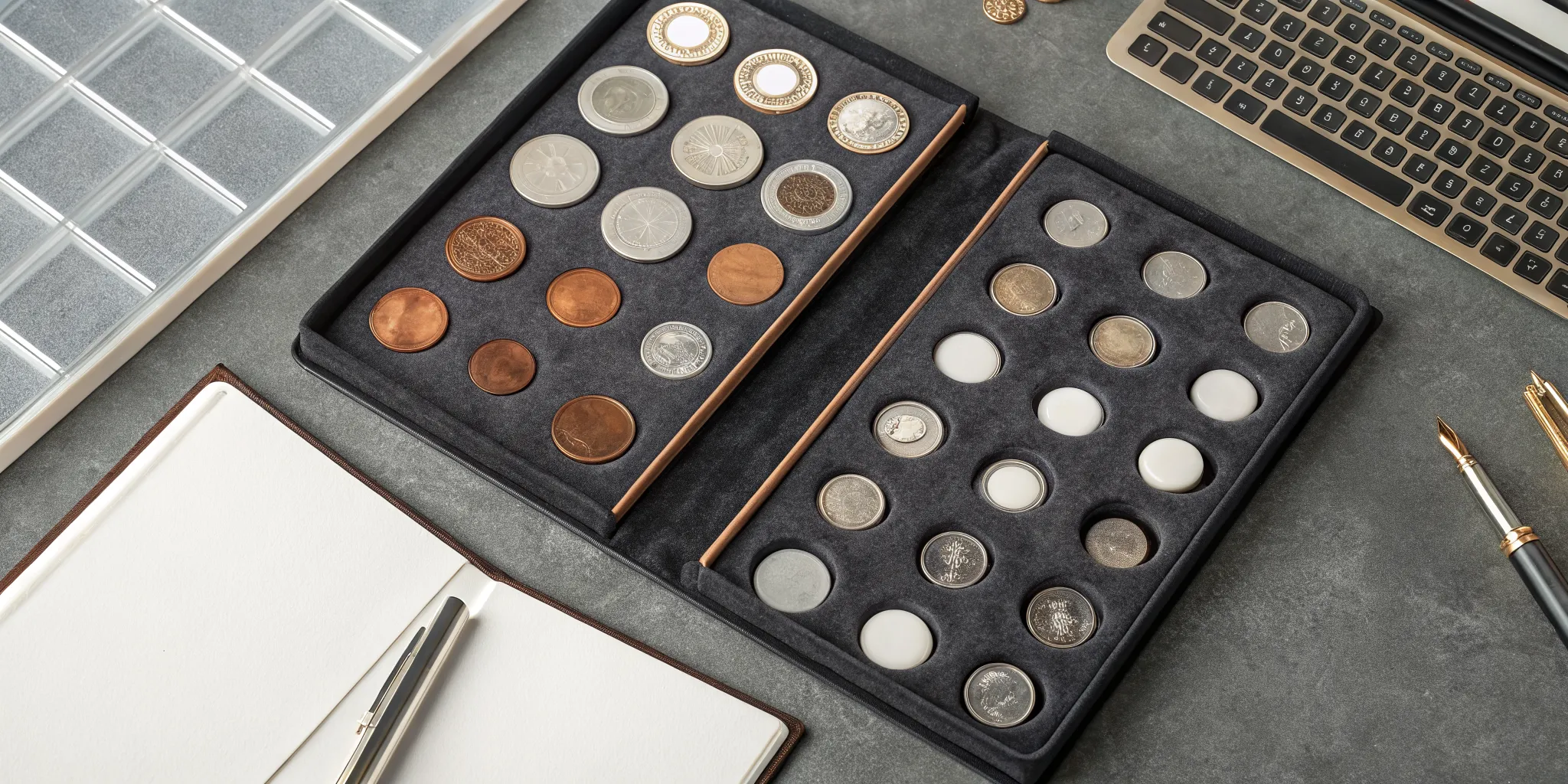
You only get one chance to make a first impression, and the same is true for your coin collection. When you present your coins to an appraiser, their initial assessment begins the moment they see how your collection is stored. A messy, disorganized pile suggests a lack of care, which can unintentionally devalue the items in an expert’s mind. Conversely, a neatly sorted and cataloged collection demonstrates that you are a serious, knowledgeable owner who respects your assets. This professional presentation streamlines the entire process, allowing the appraiser to focus on the nuances of each coin. Understanding how to organize coin collection for appraisal is about more than just tidiness; it’s about controlling the narrative and ensuring your collection is seen in its best possible light.
Key Takeaways
- Protect your coins by preserving their condition: Your first priority is to maintain the original state of your coins. This means resisting the urge to clean them and always handling them by their edges, preferably with cotton gloves, to avoid irreversible damage.
- Organize your collection for an accurate valuation: A well-sorted collection accompanied by a detailed inventory log makes the appraisal process more efficient. This preparation allows an expert to focus on the nuances of each coin, leading to a more precise and thorough assessment.
- Use the appraisal to inform your next steps: An appraisal is a powerful tool for making strategic decisions. Use the valuation to update your records, secure proper insurance, and determine your plan, whether that involves selling, holding, or working with a dealer to grow your portfolio.
Get More for Your Coins: Why Organization Is Key
Walking into an appraisal with a jumble of loose coins is like handing an accountant a shoebox full of receipts. You might get the job done, but you're likely leaving money on the table. Taking the time to organize your collection before an appraisal isn't just about being tidy; it's a strategic move that can directly impact the value you receive. It shows you're a serious collector who understands their assets, and it makes the entire process smoother for everyone involved.
A well-sorted collection allows an appraiser to work more efficiently and accurately. When coins are grouped logically, an expert can assess them faster, dedicating more time to the nuances of each piece rather than basic sorting. This streamlined process ensures a more thorough evaluation. Think of it as preparing your home for a real estate appraisal; a clean, organized space allows the appraiser to see its true potential without distractions. Presenting your collection with care signals that it has been well-maintained, which is a positive first impression.
Beyond the appraisal itself, organization is fundamental to managing your collection as an investment. Keeping a detailed inventory helps you track the history and performance of your holdings. You'll have a clear record of what you own, what you paid, and how its value has changed over time. This information is critical if you decide to sell your rare coins or simply want to understand the scope of your portfolio. It transforms a hobby into a well-managed asset class, giving you the clarity needed to make smart decisions for the future. Proper organization also helps you avoid common pitfalls, like accidentally cleaning a coin, which can strip its patina and significantly lower its numismatic value.
Step 1: Preserve Your Coins' Original Condition
Before you do anything else, your primary goal is to protect the current state of your coins. An appraiser needs to see them in their most authentic condition, as any alteration, even with the best intentions, can significantly decrease their value. This means resisting the powerful urge to clean, polish, or re-package them. The originality of a coin’s surface, toning, and even its housing are all part of its story and contribute to its final appraisal value. Think of yourself as a preservationist first and an organizer second. This initial step is less about what you should do and more about what you should not do. By maintaining their current state, you provide a clear and unaltered picture for the appraiser, ensuring you receive the most accurate valuation for your collection.
The Value of Original Packaging
If you’ve acquired coins that are already in plastic holders, capsules, paper rolls, or sealed slabs from a grading service, your job is simple: leave them exactly where they are. These holders were chosen to protect the coins from environmental damage, fingerprints, and scratches. Removing them not only exposes the coin to potential harm but can also disrupt a pre-existing organizational system. An experienced collector or dealer may have packaged them that way for a specific reason. Trust their judgment and present the coins to your appraiser as you found them. This shows that the coins have been cared for and helps maintain their integrity and value.
What If Your Coins Are Loose?
For that shoebox, jar, or bag of loose coins, a bit of simple sorting will make the appraisal process much smoother. Start by grouping similar coins together. A great first step is to separate US coins from foreign coins. From there, you can sort the US coins by denomination, putting all the pennies in one pile and all the dimes in another. For an even more organized approach, you can group them by type, such as separating Lincoln Cents from Indian Head Cents. You can see many examples of these different rare coins for sale to help you identify them. Place each group into a separate soft cloth bag or plastic bag and label it with the coin type and quantity.
Step 2: Sort and Categorize Your Collection
Once you’ve ensured your coins are safe, it’s time to bring some order to the collection. Think of this as staging a house before you sell it; a well-organized collection not only looks impressive but also makes the appraiser's job much easier and more efficient. When an expert can clearly see what you have, they can give you a more thorough and accurate valuation. It also helps you get a better handle on your own inventory, which is empowering in itself.
There’s no single "right" way to organize, and you might even use a combination of methods. The goal is to create logical groups that make sense for your specific coins. You can start with broad categories and then drill down into more specific groupings. This systematic approach prevents you from feeling overwhelmed and ensures no coin gets overlooked. It shows an appraiser that you are a serious collector who understands the value of what you hold. This simple preparation can make a significant difference in the appraisal process, making it smoother for everyone involved and helping you feel confident you're getting a fair assessment. Let’s walk through the most effective ways to sort your coins before an appraisal.
By Country of Origin
The simplest first step is to separate your U.S. coins from any foreign coins. This initial sort is a huge help because many appraisers specialize in either U.S. or world numismatics. Once you have your pile of foreign coins, take the next step and group them by their country of origin. You don’t need to be an expert geographer; just do your best to group coins that look similar in language and design. This simple division allows an appraiser to quickly assess large portions of your collection and apply their specific expertise where it’s most relevant, ensuring nothing gets undervalued due to a lack of specialized knowledge.
By Coin Type and Series
After separating by country, it’s helpful to group similar items together. Put all your pennies in one pile, all your nickels in another, and so on. This gives you a clear overview of the denominations you hold. From there, you can get even more specific by sorting by series. For example, you can separate your Lincoln Cents from your Indian Head Pennies, or your Morgan Dollars from your Peace Dollars. This level of organization is fantastic because it helps you and the appraiser quickly identify any valuable runs, complete sets, or notable key-date rare coins for sale. Spotting these patterns is often where significant value is found.
By Denomination and Metal
Sorting by denomination and metal content is especially useful for collections that include bullion or coins valued for their intrinsic worth. You can organize your coins by their face value, but also pay attention to what they’re made of. Group your 90% silver coins together, separate from your copper coins. If you have any gold bullion, it should be kept separate from items made of other metals. This method is critical because the spot price of precious metals directly impacts the base value of these coins, and having them pre-sorted makes calculating this component of their value much more straightforward for an appraiser.
By Date or Era
A chronological arrangement is another excellent strategy, particularly for specific types of coins. If you have proof sets, mint sets, or special commemorative coins, you should always keep them in their original government packaging. These sets often come with certificates or other paperwork, which should stay with them. Organizing these sets by year makes them easy to review. Sorting your other coins by date or era can also reveal historical patterns or highlight coins from a particularly significant time period, adding another layer of context to your collection’s story and value. This method is especially rewarding for those who appreciate the history behind their holdings.
Step 3: Gather the Right Tools
Once your coins are sorted, the next step is to house and examine them properly. Using the right tools is not just about staying organized; it’s about protecting your investment and preparing it for a successful appraisal. Having the correct supplies on hand ensures you can handle your coins safely and document them accurately, which will make the entire appraisal process smoother for you and your appraiser.
Archival-Quality Holders, Flips, and Albums
The first rule of coin storage is to protect your collection from the elements. Standard plastic or paper can contain acids and chemicals like PVC that will damage your coins over time, causing discoloration or corrosion. Instead, you should always use archival-quality supplies specifically designed for numismatics. These acid-free holders, flips, and albums create a safe environment for your coins. They not only preserve their condition but also present them in a clean, professional way that makes them easy for an appraiser to review without excessive handling.
Soft Cotton Gloves
Your hands contain natural oils and dirt that can easily transfer to a coin's surface, leaving fingerprints that can lead to permanent toning or even corrosion. To prevent this, always wear soft, lint-free cotton gloves when handling your raw coins. This simple precaution is a professional standard and shows an appraiser that you understand how to care for your collection. Even with gloves on, remember to hold coins by their edges to minimize contact with the obverse and reverse faces. This habit is one of the easiest ways to preserve your coins' value.
A Quality Magnifying Glass or Loupe
Some of a coin's most important and valuable features are nearly invisible to the naked eye. A quality magnifying glass or, even better, a jeweler's loupe is an essential tool for any serious collector. It allows you to closely inspect for key details like mint marks, die varieties, errors, and subtle signs of wear. Being able to identify these characteristics yourself gives you a much better understanding of what you have in your collection. This knowledge prepares you for an informed conversation with your appraiser and helps you appreciate the finer points that determine a coin's grade and value.
Labels and an Inventory Log
An organized collection is an accessible collection. As you place each coin into its holder, create a label with its key information: year, mint mark, denomination, and any other notable features. More importantly, create a detailed inventory log. A simple spreadsheet will work perfectly. For each coin, record its details, where you acquired it (its provenance), what you paid, and its current condition. This log is an invaluable tool for tracking the value of your rare coins, managing your portfolio for insurance purposes, and providing an appraiser with a comprehensive overview of your holdings.
Step 4: Handle Your Coins with Care
How you handle your coins is just as important as how you store them. The slightest mishandling can leave behind permanent marks, scratches, or residues that can drastically lower a coin's grade and, consequently, its appraisal value. Think of it this way: every time you touch a coin, you have the potential to alter its condition. The goal is to preserve the state it's in, whether it's a brilliant uncirculated piece or a coin with a century of history. Adopting a few simple, professional habits will protect your investment and ensure you present your collection in the best possible light for appraisal.
These practices are second nature to experienced numismatists and are essential for anyone serious about collecting. Before you even think about sorting or inventorying, mastering these handling techniques is your first priority. It’s a discipline that separates casual accumulators from serious collectors. The value of a coin is a delicate balance of rarity, demand, and condition. While you can't change a coin's rarity, you have direct control over its condition from the moment it enters your possession. Following these steps shows an appraiser that you understand and respect the value of your collection, which can set a positive tone for the entire appraisal process.
Hold Coins by Their Edges
This is the golden rule of coin handling. Always, without exception, hold a coin by its edges. Use your thumb and forefinger to gently grip the rim. Why is this so critical? The surfaces of a coin, known as the obverse (front) and reverse (back), are the most important areas for grading. The natural oils, acids, and dirt on your fingertips can etch into the metal, leaving behind fingerprints that can lead to permanent toning or corrosion. This kind of damage is irreversible and can significantly reduce a coin's value. Even if you think your hands are clean, it's a risk not worth taking. This simple technique protects the delicate fields and design elements that make your rare coins so valuable.
Use a Soft, Padded Surface
Accidents happen, but you can easily prepare for them. Whenever you are examining your coins, always do so over a soft, padded surface. A hard tabletop, whether it's wood, glass, or metal, is a coin's worst enemy. A single accidental drop from even a few inches can cause rim dings, scratches, or dents that will immediately impact its grade. You don't need anything fancy; a simple piece of velvet, a thick felt pad, or even a neatly folded, soft towel will do the trick. This creates a cushioned landing zone that absorbs the impact if a coin slips from your grasp. Think of it as a small, inexpensive insurance policy that protects the value of your collection during sorting and inspection.
Work in a Secure, Well-Lit Area
Your environment matters. Choose a dedicated space for handling your coins that is both well-lit and secure. Good lighting is non-negotiable. You need bright, preferably natural or full-spectrum light to accurately see the details, luster, and any potential imperfections on your coins without straining your eyes. A secure area means working on a stable, flat surface like a desk or table, away from the hustle and bustle of household traffic where items could be accidentally knocked over. Professional appraisers work in controlled environments for a reason. By creating your own mini-appraisal station, you not only protect your coins from physical harm but also demonstrate the care and respect for the collection that reflects your seriousness as a collector. Our team at Park Avenue Numismatics has built its reputation on this kind of meticulous care, a standard we've upheld for over 35 years.
Step 5: Create a Detailed Inventory
This is where all your careful sorting pays off. Creating a detailed inventory transforms your collection from a box of coins into a well-documented asset. Think of it as your collection’s master file. It’s not just for you; a thorough inventory is exactly what a professional appraiser needs to see. It demonstrates that you’re a serious collector and provides the crucial information they need to assess your coins accurately. This step is vital for appraisals, insurance, and your own peace of mind.
A comprehensive log makes the appraisal process smoother and more transparent. When an appraiser can see a clear, organized list of what you have, they can work more efficiently and provide a more precise valuation. It also serves as a critical document for insurance purposes, ensuring you have a complete record in case of loss or damage. Beyond the practicalities, building this inventory allows you to connect with your collection on a deeper level. You’ll review each piece, note its unique characteristics, and create a lasting record of the assets you’ve worked so hard to acquire. This process solidifies the value of your holdings, both financially and personally, and prepares you for any future decisions, whether you plan to sell, hold, or pass your collection on.
Record Key Details for Each Coin
For every coin, you’ll want to create a detailed entry. This helps you manage your collection like the investment it is. Be sure to record the essentials: the coin's date and mint mark, its type and denomination, and the metal it’s made from, like gold or silver. If a coin has been professionally graded by a service like PCGS or NGC, note its condition and grade. It’s also smart to document how much you paid for it and when you acquired it. Keeping this log, whether in a spreadsheet or a dedicated notebook, gives an appraiser a clear, organized overview of your holdings. You can see how we present our rare coins for sale to get an idea of what details matter most.
Document Each Coin's History (Provenance)
A coin’s story, or its provenance, can be just as important as its physical condition, especially for rare pieces. Provenance is the documented history of a coin's ownership. A strong provenance can significantly increase a coin's value and appeal to other collectors. Did you inherit it? Buy it from a famous collection at auction? Keep every receipt, certificate, and note that traces its journey. This narrative adds a layer of authenticity and historical significance that appraisers look for. It proves your coin is more than just a piece of metal; it’s a piece of history, and that’s something we deeply appreciate in our work.
Take Clear Photographs
A picture is worth a thousand words, particularly when it comes to your coin collection. Take clear, high-resolution photographs of both the front (obverse) and back (reverse) of each significant coin. You don’t need to be a professional photographer; just use a plain, neutral background and good, even lighting to capture the details. These images are invaluable for insurance purposes and serve as a visual record if a coin is ever lost or stolen. They also complement your written inventory, creating a comprehensive digital backup of your entire collection. This visual log makes discussing your collection with an appraiser, even remotely, much more effective.
Organize All Supporting Paperwork
Finally, gather all the paperwork that came with your coins. For proof sets, mint sets, and special commemorative issues, the original government packaging and certificates of authenticity are part of the item's value. Don’t separate them. Organize these documents in archival-safe sleeves or folders, keeping them with their corresponding coins. This includes any grading certificates from third-party services. When an appraiser can easily review a coin alongside its official documentation, it streamlines the process and reinforces its authenticity. It shows you’ve partnered with trusted experts and have maintained the collection’s integrity, a principle we stand by in our own business practices.
Common Mistakes That Can Lower Your Appraisal Value
After putting so much care into organizing your collection, the last thing you want to do is make an unforced error that reduces its value. Certain well-intentioned actions can unfortunately cause irreversible damage, significantly lowering what an appraiser can offer. Avoiding these common mistakes is just as crucial as sorting your coins correctly. Before you meet with an expert, take a moment to review these pitfalls to ensure your collection is presented in its best, most valuable state.
The Urge to Clean Your Coins
This is the number one rule in coin collecting: do not clean your coins. It might be tempting to polish a tarnished silver dollar or scrub dirt off an old copper cent, but doing so will almost certainly lower its value. Cleaning removes the coin’s natural patina, which is the thin layer of toning that develops over decades. This patina is part of the coin's history and is highly prized by collectors. Furthermore, any form of rubbing, polishing, or chemical use creates tiny, hairline scratches on the coin's surface that are immediately visible to a professional appraiser. Experts want to see coins in their original, unaltered condition to make an accurate assessment.
Using the Wrong Storage Materials
Where you store your coins matters immensely. Many older coin albums and soft plastic flips contain PVC (polyvinyl chloride), which releases harmful acids over time. This chemical reaction can leave a sticky green residue on your coins that eats into the metal, causing permanent damage. Always opt for archival-quality storage solutions made from inert materials like Mylar. If you inherited a collection in old, flimsy holders, it’s best to leave them as-is for the appraiser to evaluate. They can offer the best advice on whether to transfer them to new holders. Investing in proper storage protects your rare coins for sale and ensures they don’t lose value due to environmental damage.
Tossing Out "Unknown" Coins
If you come across coins, tokens, or medals you can't identify, don't assume they're worthless and toss them aside. What might look like a foreign trinket or a simple game token could be a rare territorial gold piece, a Civil War token, or a scarce error coin. Collectors often have a few oddities in their collection, and these can sometimes be hidden gems. Place any unknown items in a separate, clearly labeled bag or flip and bring them to your appraisal. An expert has the knowledge and resources to identify these pieces and determine if they hold any numismatic value. It’s always better to let a professional make the final call.
Storing Graded and Raw Coins Together
Mixing your graded (slabbed) and raw (ungraded) coins in the same box is a recipe for damage. Raw coins, especially larger, heavier ones, can slide around and scratch or scuff the plastic holders of your graded coins. While the coin inside the slab is protected, a heavily damaged holder is unattractive to buyers and can lower the overall appeal. In a worst-case scenario, a significant impact could even crack a slab, compromising the coin’s protection. As our team of experts can attest, it’s best practice to keep your raw coins in separate trays or albums from your slabbed coins to maintain the pristine condition of both the coins and their protective cases.
Should You Grade Your Coins Before an Appraisal?
One of the biggest questions collectors face before an appraisal is whether to get their coins professionally graded first. It’s a great question, and the answer isn’t always a simple yes or no. Think of it as a strategic investment. While there is an upfront cost to grading, the process provides a standardized, objective assessment of your coin's condition, which can be a game-changer for its final value. For certain coins, having that plastic slab from a top-tier service like the Professional Coin Grading Service (PCGS) or Numismatic Guaranty Corporation (NGC) is non-negotiable for maximizing your return. Let’s break down when it’s a smart move and how it truly affects your coin’s worth.
When Professional Grading Is a Smart Move
Professional grading is your best bet when you suspect a coin has significant value. For rare dates, key varieties, or exceptionally well-preserved pieces, an official grade removes any guesswork for both you and a potential buyer. The American Numismatic Association explains that the process of determining a coin's condition is what ultimately affects its value. Grading also serves as a crucial authentication step, protecting you from counterfeits. Furthermore, coins graded by respected services gain instant market recognition. As PCGS notes, a professionally graded coin is more likely to attract buyers and command higher prices, making your collection far more liquid and easier to sell when the time is right.
How Grading Impacts Value and Marketability
The grade a coin receives has a direct and often dramatic impact on its market value. A single point on the 70-point grading scale can mean the difference of hundreds or even thousands of dollars. As noted by experts at Coin World, higher-graded coins consistently sell for much more than their ungraded counterparts. Beyond just the price tag, grading significantly improves marketability. A professionally graded coin instills confidence in buyers, reducing their perceived risk and making them more willing to pay a premium. This established trust means your rare coins for sale will appeal to a much broader audience of serious collectors and investors, leading to a faster and more profitable transaction.
What to Expect During a Professional Coin Appraisal
Walking into an appraisal can feel a bit intimidating, especially if it's your first time. But knowing what to expect can make all the difference. A professional appraisal isn't a quick glance; it's a methodical evaluation performed by an expert who understands the nuances of the numismatic market. They are there to determine the fair market value of your collection based on a specific set of criteria. The goal is to give you a clear, objective assessment of what your coins are worth.
At Park Avenue Numismatics, our expert appraisal services are designed to be transparent and educational. We want you to walk away with a clear understanding of your coins' worth and potential. An organized collection, as we've discussed, makes this process smoother and more efficient for everyone involved. When you arrive prepared, the appraiser can focus entirely on the fine details of your coins, ensuring a thorough and accurate evaluation. This preparation shows you're a serious collector and helps build a strong, professional relationship from the start.
What an Appraiser Evaluates
An appraiser’s job is to look at your coins with a trained eye, considering several key factors that together determine value. First is the coin's condition. They will meticulously examine its physical state for any wear, scratches, or imperfections, using a standardized system for understanding coin grading. Next, they assess rarity and demand. A coin that is one of only a few known to exist will naturally command more interest than a common one. Finally, a skilled appraiser considers current market trends by looking at recent auction results and sales data for similar pieces. This complete picture helps them determine an accurate value for your rare coins.
Appraisal Value vs. Buyout Price: Understanding the Difference
It’s important to understand two key terms you’ll hear during the process: appraisal value and buyout price. The appraisal value is the estimated price your coin could sell for in a retail setting or at auction. Think of it as the full market value under ideal conditions, which is useful for insurance or estate purposes. The buyout price, however, is the amount a dealer offers to purchase the coin from you on the spot. This offer is typically lower than the appraisal value because it reflects a wholesale price. The difference between appraisal value and buy price exists because the dealer assumes the risk, cost, and time involved in finding an end buyer.
You Have Your Appraisal—Now What?
An appraisal gives you a clear, expert opinion on your collection's value. It’s a powerful piece of information, but it’s only the first step. What you do next determines whether you maximize that value. With your appraisal report in hand, you can now make informed, strategic decisions about the future of your collection. It’s time to put that knowledge to work, whether your goal is to sell for a profit, secure your assets for the long term, or continue building your portfolio. Let's walk through the next steps together.
Update Your Inventory with the Results
Your first move should be to carefully document the appraiser’s findings. If the appraiser organized your coins into specific groups or added temporary labels, leave them as they are for now. This professional sorting provides valuable context for your next decisions. Now, open up that inventory log you created and add the new data. Record the appraised value, condition, and any specific notes for each coin. This transforms your personal inventory from a simple list into a powerful management tool. Having this updated record makes it much easier to track value over time, identify your most important pieces, and prepare for insurance or a potential sale.
Decide Your Next Move: Sell, Hold, or Insure
With a clear valuation, you can now decide what to do with your collection. If your goal is to liquidate, you have a strong baseline for negotiating a sale. If you plan to hold your coins as a long-term investment, the appraisal confirms their place in your portfolio. Regardless of your choice, insuring your collection is a critical step. A standard homeowner's policy often won't cover the full value of rare coins. You’ll want a separate policy that reflects the appraisal, protecting your assets against theft or damage. This is especially important for high-value pieces that contribute significantly to your portfolio diversification.
Partner with a Trusted Coin Dealer
Whether you decide to sell, hold, or even acquire new pieces, building a relationship with a reputable dealer is essential. A trusted expert can offer more than just a one-time purchase. They can provide ongoing market insights, help you find specific coins to complete a series, and offer fair prices when you’re ready to sell. When you approach a dealer, it’s perfectly fine to state that you are exploring your options, not necessarily selling today. A true partner will respect your process and work to earn your trust for the long term. Look for dealers with decades of experience and a solid reputation for helping collectors buy and sell rare coins.
Plan for Future Collection Appraisals
The market for rare coins and precious metals is always changing, so an appraisal is a snapshot in time, not a permanent price tag. To stay current on your collection’s value, plan to have it reappraised periodically, perhaps every few years or after you make significant additions. Staying informed about market trends for assets like gold bullion and key date coins will also help you understand your collection’s performance. Regular appraisals ensure your insurance coverage remains adequate and empower you to act decisively when market conditions are in your favor. This proactive approach turns your collection into a well-managed and dynamic asset.
Related Articles
- Glossary of Terms | Precious Metals & Rare Coins Dealer | Antique Coins - Park Ave Numismatics
- Encyclopedia of US Coins | Precious Metals & Rare Coins Dealer | Antique Coins - Park Ave Numismatics
- Blog | Rare Coins, Gold & Silver for Discerning Collectors
Frequently Asked Questions
If I only have time for one thing, what's the most critical mistake to avoid before an appraisal? Without a doubt, you should resist any urge to clean your coins. It might seem like a good idea to make them shiny, but cleaning strips away the natural toning (patina) that collectors value. It also creates tiny scratches on the coin's surface. An expert appraiser wants to see a coin in its original, unaltered state to judge its history and condition accurately, so leaving them as they are is the best way to preserve their true value.
Is creating a detailed inventory really necessary if the appraiser is just going to look at the coins anyway? Yes, it's absolutely worth the effort. A detailed inventory shows the appraiser that you are an organized and serious collector, which sets a professional tone for the meeting. It also makes their job much faster, allowing them to focus on valuation instead of basic sorting. For you, that inventory becomes an essential tool for insurance purposes and for tracking the long-term performance of your collection as an asset.
How can I tell if a coin is worth the cost of professional grading before I pay for an appraisal? A good rule of thumb is to consider grading for coins that are known to be rare, have key dates or mint marks, or appear to be in exceptionally good condition. You can do some initial research online to see what similar coins sell for when they are professionally graded. If you see a significant price jump for graded examples of a coin you own, it's likely a strong candidate for grading. An appraiser can also give you expert advice on which specific coins in your collection would benefit most from it.
My collection is a mix of coins, and some are in old, brittle-looking plastic holders. Should I try to move them to new ones? It's best to leave them in their current holders for the appraisal. While old holders, especially those containing PVC, can be harmful in the long run, trying to remove a coin yourself can cause accidental damage like scratches or dings. An experienced appraiser can assess the situation, identify the type of holder, and advise you on the safest way to transfer the coins to archival-quality storage if needed.
Why is a dealer's buyout offer lower than the appraisal value? This is a great question. The appraisal value reflects the coin's estimated retail price, or what it might sell for to another collector in a perfect market. A dealer's buyout offer is a wholesale price. The difference accounts for the dealer's business costs, the time it will take them to find a final buyer, and the market risk they assume by purchasing your coin. Think of it as the difference between a home's appraised value and the cash offer an investor might make for a quick sale.





