
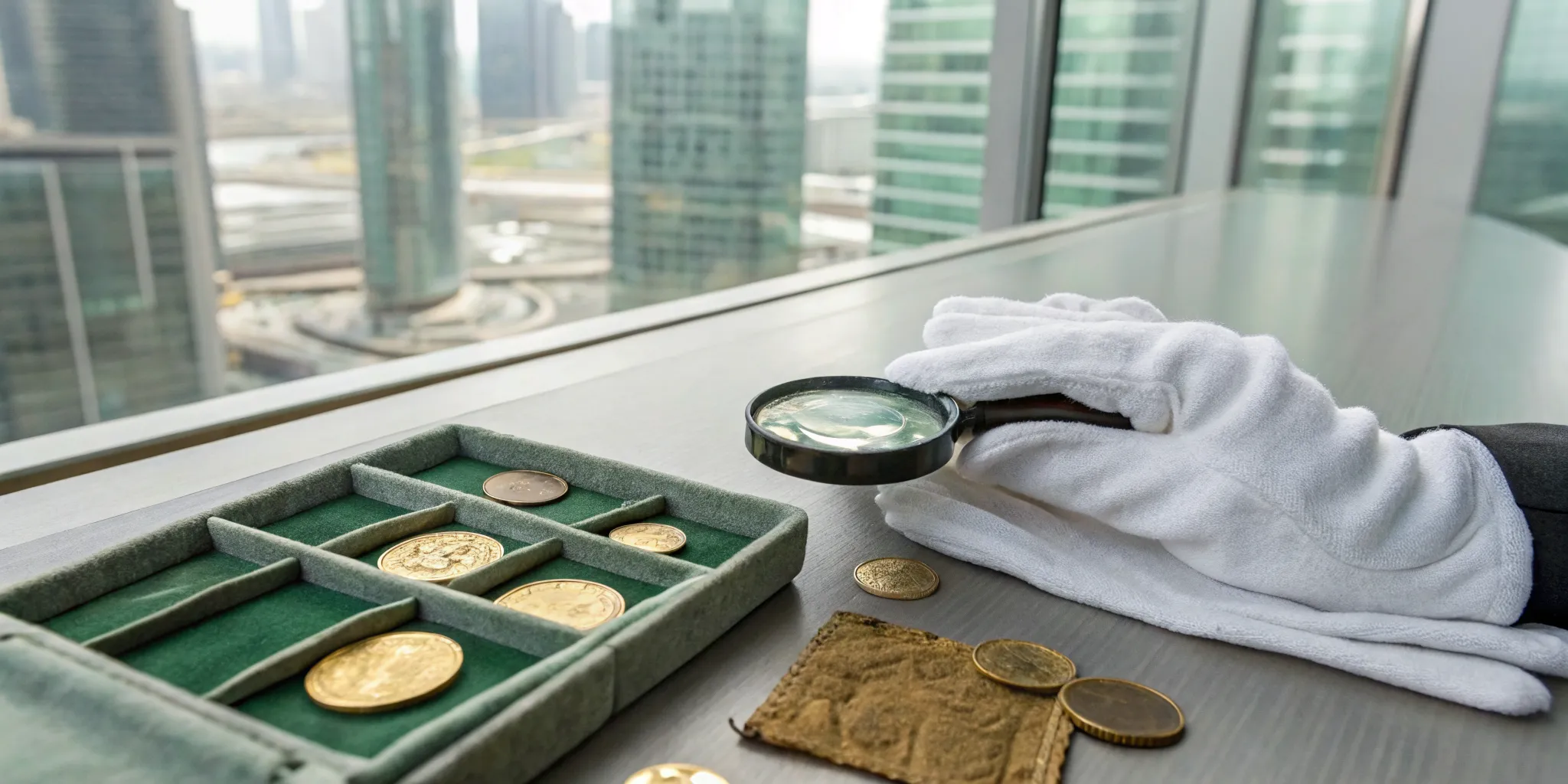
 A piece of gold pulled from the ocean floor is more than just a coin; it’s a time capsule. Each one holds a story of maritime trade, a sudden storm, or a naval battle that ended with treasure sinking into the abyss. For collectors, the appeal is undeniable. You’re not just buying a piece of precious metal, you’re acquiring a tangible link to a dramatic moment in history. But this unique history creates a complex market. The very journey that makes these coins so special also affects their condition. This leads to the central question for any interested collector: how much are shipwreck coins worth? This guide will walk you through the key factors, from historical significance to physical condition, that determine their true value.
Key Takeaways
- Value is more than metal: A shipwreck coin's price combines its precious metal content with its historical story, rarity, and the fame of the wreck. A verifiable certificate of authenticity is essential to prove its origin and secure its value.
- Condition can be complex: The "shipwreck effect," or damage from saltwater, often makes standard grading difficult. While this can lower a coin's price, the unique corrosion can also add to the appeal and value if the coin is from a famous wreck and properly certified.
- Collect for the story first: Think of shipwreck coins as historical artifacts for a passion-driven collection, not as a primary financial investment. They are best added to a portfolio that already has a solid foundation of graded rare coins and bullion.
What Is a Shipwreck Coin?
A shipwreck coin is exactly what it sounds like: a genuine coin recovered from the site of a sunken ship. These aren't just pieces of old money; they are tangible artifacts from a specific moment in history, each with a dramatic story of maritime trade, exploration, and, ultimately, disaster. When you hold one, you're connecting with a piece of the past that was lost to the sea for centuries. The journey these coins take under the ocean fundamentally changes them. Long-term exposure to saltwater often results in corrosion and surface damage, creating a unique patina that you won't find on other coins.
This "shipwreck effect" is a double-edged sword for collectors. On one hand, the story and unique appearance are captivating. On the other, the damage can make professional grading a real challenge. Major grading services may assign a "details" grade rather than a numerical one, or they might not be able to grade the coin at all. This uncertainty can influence a coin's market price, as buyers often rely on a clear grade to assess condition. For this reason, many collectors who focus on pristine, high-grade rare coins for sale may view shipwreck coins differently. The value here is tied just as much to the provenance and the incredible story as it is to the coin's original condition.
Common Coins Found in Shipwrecks
The most frequently discovered shipwreck coins come from the Spanish colonial era, a time of bustling trade between the New World and Europe. You'll often hear about "cobs," which were crudely made coins produced quickly to be shipped back to Spain. These weren't the perfectly round, machine-struck coins we know today; they were often irregularly shaped chunks of metal, hand-stamped with a design.
These treasures are primarily composed of precious metals. Silver cobs, known as reales (including the famous "Pieces of Eight"), and gold bullion cobs, known as escudos (or doubloons), were the main currency transported across the Atlantic for over 200 years. Their raw, unrefined appearance is part of their charm, telling a story of colonial mints working to meet the demands of an empire.
Famous Shipwrecks and Their Sunken Treasure
The stories behind some shipwrecks are as legendary as the treasures they hold. Take the Spanish galleon San José, often called the "Holy Grail of Shipwrecks." It sank in 1708 during a battle with British ships off the coast of Colombia, taking a vast fortune in gold, silver, and emeralds with it. The treasure, estimated to be worth billions, remains on the seabed and is the subject of an international custody battle.
Another famous example is the Nuestra Señora de Atocha, a Spanish treasure galleon that sank in a hurricane in 1622. Its discovery in 1985 by Mel Fisher yielded an incredible hoard of gold and silver bullion, rare coins, and artifacts. Coins from famous wrecks like these carry immense historical weight, making them highly sought after by collectors.
What Determines a Shipwreck Coin's Value?
The allure of a shipwreck coin is undeniable. It's a tangible piece of history, a story of adventure and loss pulled from the ocean floor. But what makes one coin a priceless treasure while another is worth little more than its metal content? The answer isn't simple. A coin's value is a complex blend of its physical properties, its unique story, and the market's desire to own it.
Several key factors work together to determine the final price. These include the coin's metal composition, its rarity and connection to a significant historical event, the verifiable paperwork that proves its origin, and the overall demand from collectors. Understanding these elements is the first step in assessing a shipwreck coin's true worth and making a smart addition to your collection. It’s about looking beyond the saltwater corrosion to see the complete picture of what you're holding.
Metal and Composition
The foundational value of any shipwreck coin starts with its metal. Most historic coins recovered from the sea are made of gold or silver, giving them an intrinsic value based on the current spot price of the precious metal. For example, a Spanish gold doubloon contains a specific amount of gold, which provides a baseline for its worth. While the "shipwreck effect" can alter a coin's appearance, the precious metal itself endures. Many of the world's most sought-after shipwreck treasures are essentially historic forms of gold bullion and silver, making them appealing to both numismatists and precious metals investors. This tangible value is the floor upon which all other factors build.
Rarity and Historical Significance
A coin's story is often its most valuable asset. A piece recovered from a famous vessel, like one from the legendary Spanish galleon Nuestra Señora de Atocha, carries immense historical weight. The more significant the wreck and the fewer coins recovered, the higher the value. Think of the San Jose, often called the "Holy Grail of Shipwrecks," which was carrying an estimated 200 tons of treasure. A coin from a wreck like that is more than just currency; it's an artifact from a specific, dramatic moment in time. This connection to a unique story is what transforms a simple piece of metal into one of the most coveted rare coins for sale on the market.
Provenance and Paperwork
How can you be sure a coin actually came from a specific shipwreck? The answer lies in its provenance and accompanying documentation. Reputable dealers will provide a certificate of authenticity (COA) that details the coin's origin, including the shipwreck's name and the salvage operation that recovered it. This paperwork is non-negotiable. It's the official record that traces the coin's journey from the ocean floor to your collection. Without this verifiable history, a coin is just a piece of old metal with a good story. Strong provenance assures you that the coin is genuine and its historical context is accurate, securing its long-term value and legitimacy as a collectible.
Collector Demand
Like any collectible, the value of a shipwreck coin is heavily influenced by supply and demand. Certain shipwrecks capture the public imagination more than others, creating a dedicated base of collectors eager to own a piece of that specific history. The treasure from the S.S. Central America, for instance, is highly sought after due to its link to the California Gold Rush. When a limited supply of coins from a famous wreck meets a high number of interested buyers, prices naturally increase. You can see this demand in action when dealers list coins that sell out quickly or have "alert me" notifications, signaling their popularity and scarcity in the market.
The "Shipwreck Effect": How Does It Affect Value?
The term "shipwreck effect" sounds romantic, but for a coin, it’s a transformative and often destructive experience. When a coin spends decades or centuries on the ocean floor, it doesn't just sit there waiting to be found. It interacts with its environment in dramatic ways. This process can have a fascinating, dual impact on a coin's value. Depending on the coin, the wreck it came from, and the story it tells, the shipwreck effect can either diminish its worth or make it a priceless piece of history. Let's look at both sides of this unique numismatic coin.
How Saltwater Exposure Changes a Coin
When a coin is submerged in saltwater, it’s subjected to a harsh chemical process. Gold is incredibly resilient and can emerge from the sea looking almost as it did the day it was lost. Silver and copper, however, are far more reactive. Saltwater corrodes these metals, causing pitting, surface loss, and encrustation as sand and sea life bond to the coin. This alteration is why major grading services often cannot assign a standard grade. Their evaluation depends on seeing the coin's original surfaces to judge its strike and wear. The shipwreck effect obscures these details, which can make it difficult to establish a market price compared to the many graded rare coins for sale and may lower its value.
When the "Shipwreck Effect" Can Increase Value
On the other hand, the very same corrosion and story can make a coin exceptionally valuable. For many collectors, owning a piece of a famous shipwreck is about holding history in their hands. A coin from the S.S. Central America or the Nuestra Señora de Atocha isn't just a piece of metal; it's a tangible link to a dramatic past. In these cases, the provenance is everything. Instead of a standard grade, the coin comes with certification from the salvors, detailing the wreck and its recovery. This story and documented authenticity, especially for recovered gold bullion, can make a sea-salvaged coin far more desirable than a similar, land-found specimen. The "damage" becomes part of its unique character and a testament to its incredible journey.
How Professional Grading Impacts a Coin's Worth
For any collectible coin, professional grading is the gold standard for establishing its condition and authenticity. When it comes to shipwreck coins, this process becomes even more critical, but also more complex. A grade from a trusted third-party service like the Professional Coin Grading Service (PCGS) or the Numismatic Guaranty Company (NGC) provides a universal language for a coin's quality. This certification gives you, the collector, confidence in what you're buying. However, the unique journey of a shipwreck coin, resting for centuries on the ocean floor, presents special challenges for graders and adds a fascinating layer to how its value is determined.
How NGC and PCGS Grade Shipwreck Coins
Grading a coin that has been submerged in saltwater is not a straightforward task. Shipwreck coins are often damaged by saltwater, and this environmental exposure makes it very hard for experts to give them a clear "grade" in the traditional sense. Instead of a standard numerical grade (from 1 to 70), a shipwreck coin might receive a "details" grade. This indicates that the coin is authentic but has surface problems, like corrosion. The grading service will often encapsulate the coin with a special label that verifies its shipwreck provenance, noting the name of the wreck if it's known. This official certification confirms the coin’s incredible story, which is a major part of its appeal for many collectors who purchase rare coins.
The Impact of Certified Grading on Price
A certified grade has a direct and significant impact on a shipwreck coin's market value. Many coins have been checked and graded by experts like PCGS and NGC, which means their quality and authenticity are confirmed. This certification removes guesswork and provides a solid foundation for its price. An ungraded, or "raw," shipwreck coin carries more risk for the buyer. Is it authentic? How extensive is the damage? Without an expert opinion, these questions can create uncertainty and lower the coin's value. A certified coin from a reputable dealer, on the other hand, comes with the assurance of a professional assessment, making it a more secure and often more valuable addition to your collection. This commitment to quality is something we've stood by for over 35 years.
What It Means When a Coin Can't Be Graded
Sometimes, the "shipwreck effect" is so severe that a coin cannot be graded at all. Because of the damage, major grading companies like NGC might not grade these coins. This usually happens when corrosion is so extensive that it's impossible to identify the coin's original details or even confirm its authenticity with certainty. Without a grade, it's harder for buyers to know what they're getting, which usually lowers the price people are willing to pay. While an ungraded coin with clear shipwreck origins still has historical and intrinsic value, its market price becomes far more subjective. It will appeal more to a history enthusiast than a serious numismatist who prioritizes condition and official certification.
How Much Are Shipwreck Coins Worth?
The allure of a coin pulled from a centuries-old shipwreck is undeniable. But what is that piece of history actually worth? The answer isn't simple. A shipwreck coin's value can range from less than a hundred dollars to hundreds of thousands, depending on its metal, rarity, the fame of its wreck, and its condition. The story behind the coin is captivating, but several concrete factors determine its market price. Let's break down what you can expect to pay for different types of sunken treasure.
Spanish Silver: Cobs and Pieces of Eight
When you picture pirate treasure, you're likely thinking of Spanish silver. For over 200 years, the primary currency in the Americas was crudely made silver coins called "cobs." Struck by hand, these coins are often irregularly shaped, but they are authentic pieces of colonial history. Their value depends heavily on the clarity of the markings, like the mint and date, and the wreck they came from. A lower-quality silver cob might sell for a few hundred dollars, while a well-preserved piece from a famous wreck can command thousands. The legendary "Piece of Eight," or 8 Reales coin, is another popular find. As a globally recognized currency of its time, these coins connect directly to the age of exploration and trade, making them a favorite among collectors who want to buy rare coins.
Gold Doubloons and Atocha Treasure
Gold coins represent the pinnacle of shipwreck treasure. Spanish gold "doubloons," or escudos, are far rarer than their silver counterparts and carry immense value. Coins recovered from the famed Nuestra Señora de Atocha, a Spanish galleon that sank in 1622, are among the most sought-after shipwreck artifacts in the world. Owning an Atocha coin is like owning a tangible piece of a legendary story. Because of their incredible provenance, even a lower-grade silver coin from the Atocha can be worth thousands. A gold escudo from the same wreck can easily reach tens or even hundreds of thousands of dollars at auction. These historical treasures are a testament to the enduring value and appeal of gold bullion across centuries.
Copper Coins and More Common Finds
While gold and silver grab the headlines, many shipwrecks contain large quantities of copper coins. These coins, known as maravedis, were the everyday small change used for minor transactions. Because they are much more common and made of a less precious metal, their monetary value is significantly lower. You can often find authentic copper shipwreck coins for under $100, making them a fantastic entry point for new collectors. While saltwater is particularly harsh on copper, causing heavy corrosion, these coins still serve as fascinating historical artifacts. An expert can help you understand the history and potential of any coin, no matter its composition. The team at Park Avenue Numismatics has over 35 years of experience, which you can learn more about on our About Us page.
A Realistic Look at What Shipwreck Coins Sell For
It's important to approach shipwreck coins with realistic expectations. While blockbuster auction results are exciting, most recovered coins sell for more modest sums. A common silver shipwreck coin with saltwater damage might be valued between $200 and $500. The "shipwreck effect," or the corrosion and wear from centuries underwater, often makes it impossible for grading services to assign a traditional grade. This can limit a coin's value compared to a pristine, land-found counterpart. The story is a huge part of the appeal, but the physical condition still matters. For this reason, it's critical to work with a trusted dealer who provides complete documentation on the coin's recovery and certified authenticity. This ensures you know exactly what you are adding to your collection of rare coins for sale.
Where to Buy Authentic Shipwreck Coins
Finding a genuine shipwreck coin is an exciting prospect, but it’s a field where you absolutely need to know your sources. The best place to purchase authentic shipwreck coins is from dealers who specialize in numismatics and have a proven track record. While general online marketplaces might seem tempting, they carry a significant risk of encountering fakes or coins with questionable histories. Instead, focus your search on established coin companies.
Specialized dealers, like Sedwick & Associates, often focus exclusively on shipwreck and treasure-related artifacts, ensuring every coin they sell comes with a certificate and a known history. Other major retailers also carry a selection of shipwreck coins, many of which have been professionally graded. The key is to work with a company that values transparency and authenticity above all else. A dealer with decades of experience and a solid reputation, like our team at Park Avenue Numismatics, understands the nuances of sourcing and verifying rare coins, giving you confidence in your purchase. These experts are your best resource for acquiring a legitimate piece of maritime history.
How to Find a Reputable Dealer
When you're ready to buy, finding a reputable dealer is your most important task. Look for companies with a long-standing presence in the industry and strong guarantees of authenticity. A trustworthy dealer will be transparent about their business history, professional affiliations, and the provenance of their coins. They should be able to provide a well-documented history for each item they sell. As the experts at Sedwick & Associates note, a wide variety of historical coins backed by a promise of authenticity is a hallmark of a reliable source. Don't hesitate to ask questions; a good dealer will be happy to share their knowledge and help you feel confident in your purchase.
Spotting Red Flags: Certification and Documentation
The biggest red flag when buying a shipwreck coin is a lack of professional certification and documentation. Every genuine piece should come with paperwork that verifies its authenticity and origin. If a seller is vague about a coin's history or can't provide a certificate, it's best to walk away. Furthermore, professional grading is critical. As one collector noted, a coin without a grade from a service like NGC or PCGS is much harder to value, which often means you could be overpaying. Reputable dealers ensure their rare coins for sale are properly certified, confirming their quality and authenticity. An uncertified coin is a gamble you don't need to take.
Are Shipwreck Coins a Good Investment?
Shipwreck Coins vs. Other Rare Coins and Bullion
Shipwreck coins hold a unique allure, but when it comes to investment, they occupy a different category than traditional rare coins or bullion. The primary challenge is condition. Years spent in saltwater often cause significant corrosion and damage, making it difficult for services like NGC and PCGS to assign a standard grade. Without a clear grade, a coin’s value becomes subjective and its liquidity can suffer. Buyers are often hesitant to pay top dollar for an item whose condition is debatable.
This uncertainty creates a very different market dynamic compared to that for high-quality rare coins for sale. An ungradable shipwreck coin purchased for its story might be worth far less than its initial price. In contrast, the value of investment-grade coins and precious metals like gold bullion is tied to transparent factors: established collector demand, certified rarity, and spot price. While shipwreck coins offer a tangible piece of history, they generally carry more risk and less predictable returns than their land-found counterparts.
When to Add Shipwreck Coins to Your Portfolio
So, when does it make sense to buy a shipwreck coin? Think of it as a "story asset" rather than a core financial holding. These coins are for the collector who is passionate about maritime history and the adventure of sunken treasure. The primary return on your purchase is the joy of owning a direct link to a specific historical event. If you’re captivated by the tale of the Spanish galleon Atocha or another famous wreck, owning one of its coins can be incredibly rewarding.
Consider adding shipwreck coins to your collection after you have built a solid foundation of graded rare coins and bullion. They are best suited for a diversified portfolio that can accommodate more speculative, passion-driven acquisitions. When you decide to buy a piece of history, do it for the story first and any potential appreciation second. This approach allows you to enjoy the unique character of your coin without relying on it for financial performance.
Related Articles
- Shipwreck Coins | Park Ave Numismatics
- Buy & Sell Rare Silver Coins Online | Park Ave Numismatics
- Featured Rare Coins | Park Ave Numismatics
- Blog | Rare Coins, Gold & Silver for Discerning Collectors
Frequently Asked Questions
Is the damage from saltwater always a bad thing for a coin's value? Not necessarily. While damage from saltwater can make a coin ungradable in the traditional sense, the story behind it can create a different kind of value. For coins recovered from a legendary wreck, like the Nuestra Señora de Atocha, the corrosion and sea-worn texture are part of its unique identity. Collectors often seek these coins specifically for that "shipwreck effect," as it serves as physical proof of the coin's incredible journey. In these cases, the documented history can be more important than the coin's original surface condition.
How can I be sure a shipwreck coin is actually from a famous wreck? The only way to be certain is through its paperwork. A genuine shipwreck coin will always come with a certificate of authenticity (COA) from the salvage company or a reputable numismatic dealer. This documentation is the coin's passport, tracing its journey from the ocean floor to the market. Without this verifiable provenance, you are simply buying a story, not a certified artifact. Always insist on seeing the documentation before you purchase.
Why are some shipwreck coins so expensive while others are affordable? The price range is huge and depends on a few key factors. The most valuable coins are typically gold pieces recovered from a world-famous wreck. Rarity, historical significance, and the coin's metal content are the primary drivers of price. A common copper coin from a lesser-known wreck might be very affordable, making it a great entry point. A silver "Piece of Eight" from a well-documented Spanish galleon will be worth more, while a gold escudo from the same wreck could be worth tens of thousands.
Are shipwreck coins a good financial investment compared to regular gold or silver coins? It's best to think of shipwreck coins as "story assets" rather than a primary financial investment. Their value is often tied to subjective factors like the fame of the wreck, which can make them less liquid than traditional investments. For a portfolio focused on predictable returns, certified investment-grade rare coins or bullion are often a more straightforward choice. You should add a shipwreck coin to your collection for the love of its history first and its potential for appreciation second.
What does it mean if a shipwreck coin has a "details" grade instead of a number? A "details" grade from a service like PCGS or NGC confirms that the coin is authentic but has surface issues that prevent a standard numerical grade. For shipwreck coins, this issue is almost always environmental damage from saltwater corrosion. The grading service will encapsulate the coin with a special label that often identifies the specific shipwreck it came from. This certifies the coin's important historical context, even though its condition isn't pristine.





