RSS

Blog

Current Silver Price in USA: A Complete Guide

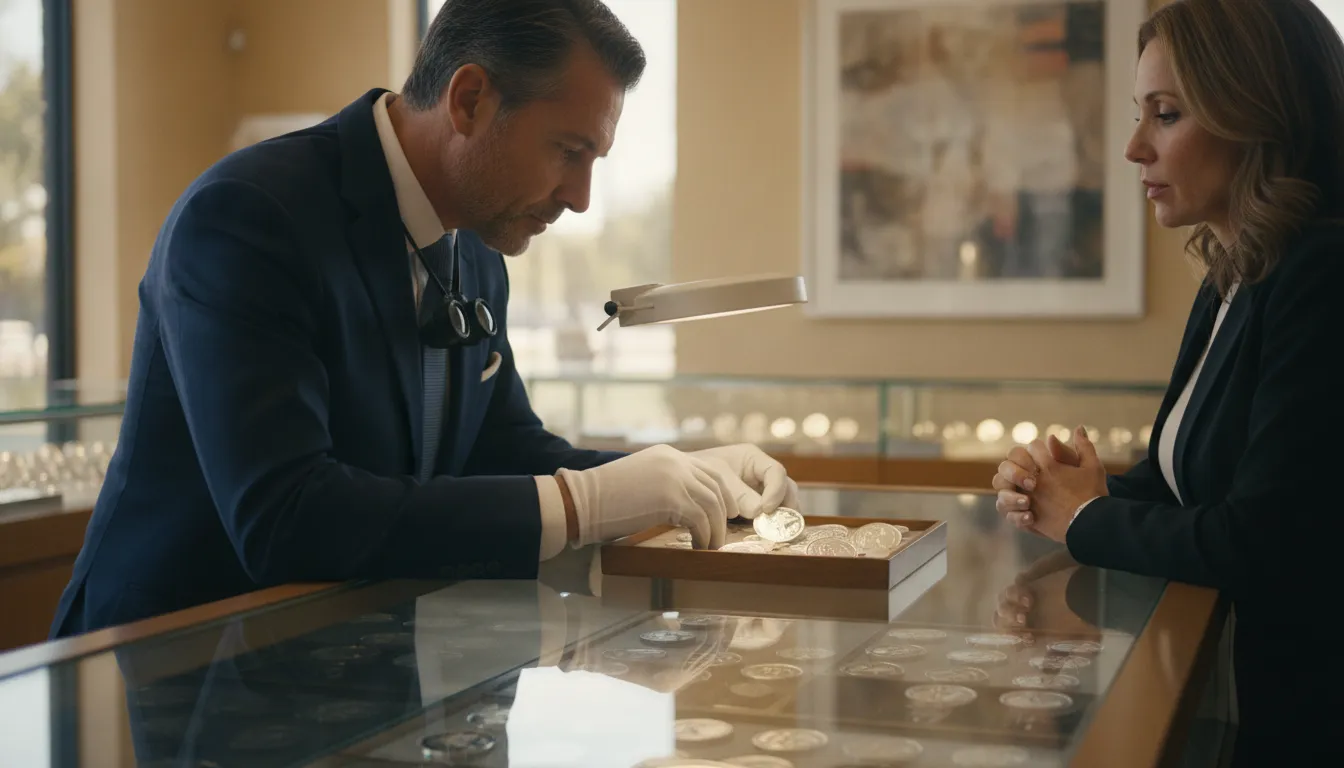
A chart showing the current silver price in the USA with physical silver bars and coins.

Silver has been a trusted store of value for centuries, a constant in a world of ever-changing currencies. Today, its role is twofold: it remains a safe-haven asset while also being a critical component in modern technology, from solar panels to smartphones. This dual identity makes its market fascinatingly complex. The current silver price in USA is a snapshot of this dynamic interplay between ancient appeal and industrial demand. To truly grasp its value, you need to look at its historical performance, its relationship to gold, and the economic forces that shape its future, all of which we will cover here.

Key Takeaways

  • Understand the drivers behind silver's price: Silver's value is influenced by more than just market trading; it's also shaped by industrial demand for technology, investor behavior during economic shifts, and global supply levels.
  • Invest with a clear plan: A successful silver investment includes practical considerations beyond the initial purchase, such as arranging for secure storage, knowing the tax rules in your area, and working with a trusted dealer.
  • Use silver to strengthen your portfolio: Silver serves as a powerful tool for hedging against inflation and economic uncertainty. Its unique role as both a tangible asset and an industrial metal makes it a strategic choice for long-term diversification and wealth preservation.

What Is Today's Silver Price?

The price of silver is always on the move. Unlike a price tag on a shelf, it changes constantly, reacting to trading activity across global markets from New York to Hong Kong. When investors and collectors talk about the "price of silver," they are referring to its spot price. Think of the spot price as the live market rate for one troy ounce of silver that's available for immediate purchase and delivery. It’s the baseline that dealers use to price their silver bullion products, from coins to bars. This price is determined by the nearest-month futures contract with the most trading volume, which essentially reflects the current supply and demand balance in the market.

While the price is most commonly quoted per troy ounce, you can also find it listed by the gram or kilogram, which is helpful for different scales of investment. On any given day, you might see the spot price at $81.72 per ounce, reflecting a change of a few dollars from the previous day's close. This constant motion is what makes silver such a dynamic asset. Understanding that the price you see is just a snapshot in time is key. Before you buy or sell, it's important to check the live market data and have a grasp on why these prices fluctuate so frequently. It ensures you're making decisions based on the most current information available, which is a cornerstone of smart investing.

Checking Real-Time Market Prices

To get the most accurate, up-to-the-minute silver price, you’ll want to look at a live price chart. These charts are essential tools for any serious investor. They pull data from major international exchanges and often refresh every few seconds, giving you a true real-time view of the market. This live data reflects the spot price, which is the benchmark used for pricing physical silver products you might be looking to purchase. Reputable precious metals dealers, including our team here at Park Avenue Numismatics, rely on this data to ensure fair and transparent pricing for all our silver coins and bars.

Understanding Daily Price Swings

Silver is known for being one of the more volatile precious metals, so seeing its price move throughout the day is completely normal. These daily price swings are a natural part of the market. For example, it’s not unusual for silver to trade within a range of several dollars in a single 24-hour period, perhaps moving from a low of $78 to a high near $85. This activity is driven by high trading volumes and shifting investor sentiment. While bullion prices follow these swings closely, the value of rare coins is also influenced by factors like condition and scarcity, which can add a different layer of stability.

What Moves the Price of Silver?

The price of silver is constantly in motion, reflecting a dynamic interplay of global forces. It’s not just random fluctuation; every shift in price is a reaction to real-world events and economic conditions. Understanding these key drivers is essential for any serious investor looking to make informed decisions. Silver’s unique position as both a precious metal and a critical industrial commodity means its value is influenced by a fascinating mix of factors. From the basic principles of supply and demand to the latest tech innovations and global economic news, several elements work together to determine its daily market price. By getting a handle on these core drivers, you can better interpret market movements and identify potential opportunities for your portfolio.

The Push and Pull of Supply and Demand

At its core, the price of silver follows the fundamental economic rule of supply and demand. When demand for silver is higher than the available supply, prices tend to rise. Conversely, if the market has more silver than buyers want, prices will likely fall. Supply comes from two main sources: new silver from mining operations and recycled silver from old jewelry and electronics. Demand is more varied, coming from investors who buy physical silver bullion, industrial sectors that need it for manufacturing, and the jewelry and silverware industries. This constant tug-of-war between availability and appetite is the primary force behind silver's day-to-day price.

How Industrial and Tech Needs Impact Value

Unlike gold, a significant portion of silver's demand comes from its industrial applications. Silver is one of the most conductive and reflective metals, making it indispensable in modern technology. You’ll find it in everything from solar panels and electric vehicles to smartphones and medical devices. As green energy initiatives and technological advancements accelerate, the industrial need for silver is expected to grow. This consistent demand from industries creates a strong foundation for silver's value. It also means that tracking trends in manufacturing and technology can give you valuable insight into where silver prices might be headed in the future.

The Role of Economic News and Inflation

Silver has been used as money for centuries, and it continues to play a role as a trusted store of value. During times of economic uncertainty, many investors turn to precious metals to protect their wealth. When inflation rises, the purchasing power of currencies like the U.S. dollar decreases, making tangible assets like silver more attractive. For this reason, silver is often considered a hedge against inflation. Watching key macroeconomic factors, such as inflation rates and real interest rates, can help you anticipate shifts in investor sentiment. Many people even use precious metals to secure their retirement through a self-directed IRA.

Global Events and Market Stability

The global economic and political landscape has a major impact on silver prices. Geopolitical tensions, trade disputes, and major policy decisions from central banks, like the U.S. Federal Reserve, can create market volatility. During periods of instability, investors often seek refuge in safe-haven assets, and silver is a popular choice. Because it is more affordable than gold, it is accessible to a broader range of investors looking to secure their assets. Paying attention to world events and financial news can provide important context for understanding why the silver market is moving in a particular direction.

How Does Today's Silver Price Stack Up Historically?

To make sense of today's silver price, it helps to look at its past performance. Like any asset, silver has seen its share of peaks and valleys, driven by economic shifts, industrial demand, and investor sentiment. Understanding these historical trends gives you a clearer picture of silver's long-term value and its role in a diversified portfolio. By examining its journey, you can better appreciate its current position and future potential. This historical context is key for anyone looking to buy or sell precious metals with confidence.

A Look at Silver's Performance Over Time

Silver has a reputation for being volatile, and its history includes some truly dramatic price movements. The market saw a significant peak in early 1980 and another major surge in 2011, when the price neared $50 per ounce. These moments show just how quickly market conditions can change and highlight the potential for growth that attracts so many investors. While past performance is never a guarantee of future results, these historical highs demonstrate silver's capacity for substantial gains. This dynamic history is part of what makes silver bullion such a compelling asset for both new and experienced investors.

Major Price Milestones and Market Cycles

Zooming in on annual prices reveals the cyclical nature of the silver market. For example, the average price of silver was around $14.97 in 2008 before climbing to $20.21 in 2010 and peaking at an average of $35.29 in 2011. These milestones aren't random; they reflect broader economic events and shifts in supply and demand. Recognizing these cycles can help you identify patterns and make more strategic decisions. Navigating these market shifts is where experience matters, and our team has been guiding clients for over 35 years. You can learn more about our deep expertise on our About Us page.

Analyzing the Gold-to-Silver Ratio

One of the most useful tools for evaluating silver's price is the gold-to-silver ratio. This simple metric tells you how many ounces of silver it takes to buy one ounce of gold. When the ratio is high, it suggests that silver may be undervalued compared to gold, potentially signaling a good buying opportunity. Conversely, a low ratio might indicate that silver is overvalued. Investors watch this ratio closely to gauge market sentiment and decide whether to invest in silver, gold bullion, or a combination of both. It’s a practical way to assess relative value beyond looking at the dollar price alone.

Why Does the Price of Silver Change So Often?

If you follow the precious metals market, you’ve noticed that silver’s price can seem like it’s on a rollercoaster. It’s not your imagination. Silver is known for its price volatility, meaning its value can shift significantly and quickly. These frequent changes are driven by a combination of factors, from daily trading activity to large-scale economic policies. Understanding what makes silver’s price move is key to making informed decisions as an investor. Let's look at the main reasons behind these constant fluctuations.

The Impact of Market Trading and Volatility

Of all the precious metals, silver is the most volatile. Its price is in constant motion because it’s traded actively on global markets, much like stocks. Every minute of the trading day, buyers and sellers react to new information, causing the price to tick up or down. This high volume of trading activity amplifies price swings. This volatility presents opportunities for investors but also requires a steady strategy. Unlike less-traded assets, silver’s value is a direct reflection of real-time market sentiment. You can explore a variety of silver bullion options to get started.

How Global Currencies Affect Silver's Value

The value of the U.S. dollar has a major impact on silver prices. Since silver is priced in dollars globally, a weaker dollar often means a higher silver price, and a stronger dollar can push it lower. When the dollar loses purchasing power, it takes more dollars to buy the same ounce of silver. Inflation also plays a huge role. During times of rising inflation, investors often turn to tangible assets like silver and gold bullion to protect their wealth. This increased demand can drive prices up.

The Influence of Central Bank Decisions

Decisions made by central banks, especially the U.S. Federal Reserve, send ripples through the silver market. When the Fed adjusts interest rates, it directly affects the appeal of holding silver. Higher interest rates can make interest-bearing assets like bonds more attractive, potentially drawing money away from non-yielding assets like silver. Conversely, lower rates can make silver a more appealing investment. Central bank policies shape the entire economic landscape, influencing investor confidence and inflation expectations. These policy shifts are why planning for the long term with a Gold IRA Starter Kit can be a smart move.

How Can You Invest in Silver Today?

Once you understand what drives silver's value, you can explore different ways to add it to your portfolio. From holding physical metal to planning for retirement, there are several straightforward strategies to consider for acquiring this precious metal.

Buying Physical Silver: Coins and Bars

For many, the appeal of silver lies in its tangible nature. You can buy physical silver in several forms, including government-minted coins, privately minted rounds, and bars of various sizes. Popular choices include the American Silver Eagle and the Canadian Silver Maple Leaf, which are recognized and trusted worldwide. If you prefer bullion, you can find silver bullion in weights ranging from a few ounces to large 1,000-ounce bars, allowing you to choose an option that fits your investment goals and storage capacity. Owning the physical metal gives you direct control over your asset, free from third-party risk.

Securing Your Future with a Silver IRA

You can also incorporate silver into your long-term retirement strategy with a self-directed IRA. A Silver IRA allows you to hold approved physical silver products, like specific coins and bars, within a tax-advantaged account. This is a powerful way to diversify your retirement savings beyond traditional stocks and bonds, offering a hedge against inflation and economic uncertainty. By including precious metals, you add a layer of stability to your portfolio that can help protect your wealth over the long run. You can learn more about how these accounts work by exploring a precious metals IRA kit to see if this path is right for you.

Smart Investing with Dollar-Cost Averaging

Market timing is notoriously difficult, which is why many seasoned investors use dollar-cost averaging. This strategy involves investing a fixed dollar amount in silver at regular intervals, regardless of the price. For example, you might decide to buy $500 worth of silver on the first of every month. When the price is low, your fixed investment buys more silver; when the price is high, it buys less. This approach smooths out your average cost per ounce over time and removes the emotion from your buying decisions. It’s a disciplined way to gradually build your holdings and focus on long-term value instead of short-term market swings.

Where to Buy Silver with Confidence

Once you decide to add silver to your portfolio, the next big question is where to buy it. This step is critical because your choice of dealer affects the price you pay, the quality of the silver you receive, and the security of your transaction. You have several options, from large online dealers and local coin shops to private sellers at trade shows. The most important factor is confidence. You need to trust that you're getting authentic silver at a fair market price, without hidden fees or complications. A reliable dealer provides transparency, expertise, and a solid reputation. They can guide you through your options, whether you're interested in bullion bars for straightforward investing or collectible coins with numismatic value. Here’s how to find the right source for your silver investment.

Explore Our Curated Silver Collection

The easiest way to start is by exploring a collection vetted by experts. At Park Avenue Numismatics, we take the guesswork out of buying. Our inventory of silver bullion includes some of the most sought-after coins and bars in the world, from the iconic American Silver Eagle to privately minted rounds and bars in various weights. Each piece is selected for its quality and authenticity, so you can be sure you're adding a valuable asset to your portfolio. We provide clear pricing and detailed information for every item, making it simple to find the perfect silver investment that aligns with your goals. When you buy from a curated collection, you're not just buying metal; you're investing with confidence.

Finding a Reputable Precious Metals Dealer

A reputable dealer is your most important partner in precious metals investing. Look for a company with a long, established history and positive industry standing, like an A+ rating from the Better Business Bureau. A trustworthy dealer is always transparent about pricing. You should expect to pay the current spot price plus a small premium, which covers the costs of sourcing and verifying the metal. They should also have knowledgeable specialists on staff who can answer your questions without pressure. Learning about us and our decades of experience can give you the peace of mind that you're working with seasoned professionals dedicated to your success.

Tips for Buying from Local Coin Shops

Visiting a local coin shop can be a great experience, especially if you enjoy handling items before you buy. To make the most of it, do your homework first. Check their online reviews and have an idea of the current silver spot price before you walk in. Don't be afraid to ask questions about their inventory and pricing. A good local dealer will be happy to share their knowledge. One advantage of a national dealer, however, is a larger selection. You can browse a vast inventory of rare coins for sale online to see what's available beyond your local market, ensuring you find the exact piece you're looking for at a competitive price.

How to Track Silver Prices Like a Pro

Staying informed about silver's price movements is the key to making confident investment decisions. Instead of guessing, you can use professional-grade tools and strategies to monitor the market. This proactive approach helps you spot trends, identify buying opportunities, and manage your portfolio with greater precision. By developing these habits, you can move from being a passive observer to a strategic investor.

Must-Have Tools for Price Tracking

To track silver effectively, you need access to live, reliable data. Several online platforms provide up-to-the-minute spot prices, often updating every few seconds during trading hours. Reputable sources like Kitco and Monex offer real-time charts that show the price of silver per ounce, gram, and kilogram. Using these tools gives you a clear view of market activity as it happens. This allows you to see how your holdings are performing at any given moment and make decisions based on the most current information available. Keeping an eye on these live prices is the first step to understanding the rhythm of the silver bullion market.

Set Price Alerts to Find Buying Opportunities

You don’t have to watch the market all day to catch the perfect moment to buy or sell. Many financial platforms and apps allow you to set price alerts. Simply choose a target price for silver, and you’ll receive an email or push notification when the market hits that number. This simple tool is incredibly powerful for executing your investment strategy. For example, you can set an alert for a price dip to signal a potential buying opportunity or a price peak if you’re considering selling. Using alerts helps you act decisively without letting emotion or constant screen-watching dictate your choices.

Learn to Read Market Charts and Indicators

Beyond the live price, understanding market charts gives you a deeper insight into silver’s performance. Historical data can reveal long-term trends, patterns, and key price levels. It’s also wise to watch related markets. For instance, silver prices often move in relation to gold, so keeping an eye on the gold-to-silver ratio can provide valuable context. Furthermore, major economic news and geopolitical events can cause significant price swings. Staying informed about these factors will help you better understand why the market is moving and what might happen next, strengthening your overall investment strategy.

Key Considerations Before You Buy Silver

Thinking about adding silver to your portfolio is an exciting step. But before you make a purchase, it’s smart to look beyond the spot price and consider the practical side of owning a physical asset. A little planning goes a long way in making sure your investment is secure and successful. Thinking through details like storage, taxes, and your overall strategy helps you invest with confidence and avoid common hurdles that can trip up new buyers.

Plan for Secure Storage and Insurance

Once you purchase physical silver, the next question is: where will you keep it? You have a couple of solid options. Storing it at home in a high-quality, fireproof safe is a popular choice for those who want direct access to their assets. However, make sure your homeowner's insurance policy covers precious metals, as many standard policies have limits. For larger collections or for those who prefer off-site security, a specialized third-party depository is an excellent alternative. These facilities offer high-security environments and are fully insured, giving you complete peace of mind that your silver bullion is protected.

Understand the Tax Implications

Taxes are an important, though often overlooked, part of buying precious metals. Depending on where you live, your silver purchase could be subject to state and local sales tax. These laws vary significantly from one state to another, and sometimes even by city or county. Some states exempt bullion from sales tax altogether, while others have specific rules based on the purchase amount. Before you buy, take a moment to research the tax regulations in your area. Understanding these potential costs upfront helps you budget accurately and ensures there are no surprises when you finalize your investment.

Avoid These Common Investor Mistakes

One of the biggest mistakes new investors make is treating silver like a short-term gamble instead of a long-term store of value. It’s easy to get caught up in market excitement or fear, leading to impulsive decisions. A successful strategy involves patience and a clear plan. Another common oversight is forgetting the practical details, like factoring in storage costs or understanding how you’ll liquidate your assets when the time comes. By working with a trusted dealer, you can build a strategy that aligns with your financial goals and sidestep these preventable errors.

Is Now a Good Time to Invest in Silver?

Deciding on the perfect moment to invest can feel like trying to catch a moving train, but certain economic signals can point to a great opportunity. Silver has long been valued for its stability and potential for growth, especially when other markets seem unpredictable. Rather than trying to time the market perfectly, it’s more helpful to understand the conditions where silver typically performs well. By looking at factors like inflation, economic stability, and your own long-term goals, you can make an informed decision that aligns with your financial strategy.

Using Silver as a Hedge Against Inflation

One of silver’s most powerful roles is as a hedge against inflation. When the cost of living rises, the value of each dollar you hold decreases. This is where tangible assets come in. Unlike paper currency, which can be printed and devalued, the finite supply of silver helps it retain its purchasing power over time. As inflation climbs, investors often move toward precious metals to protect their wealth from erosion.

This effect is often amplified when interest rates are low. If savings accounts and bonds are offering minimal returns, holding cash becomes less appealing. In these environments, assets like silver bullion become an attractive alternative for preserving and growing capital, offering a reliable store of value when traditional financial instruments fall short.

Why Silver Shines During Economic Uncertainty

During periods of economic or geopolitical turmoil, investors instinctively seek out safe-haven assets. Silver, much like gold, has a reputation for being a dependable store of value when stock markets are volatile or confidence in the economy wavers. It acts as a form of financial insurance, providing stability when other investments may be declining. Because silver is a global commodity, its value is less dependent on the economic health of any single country.

What makes silver particularly appealing is its accessibility. With a lower price point than gold, it allows a wider range of investors to secure a position in precious metals. This makes it a practical choice for both new and seasoned investors looking to safeguard their assets. With over 35 years of experience, our team at Park Avenue Numismatics has helped countless clients find stability through precious metals during uncertain times.

Building Long-Term Wealth with Precious Metals

Beyond reacting to short-term market changes, silver plays a key role in building a resilient, long-term investment portfolio. Diversification is a fundamental principle of sound investing, and adding physical assets like silver can balance out the volatility of stocks and bonds. Its price often moves independently of other financial markets, which can help cushion your portfolio during downturns.

Silver’s unique position as both an investment asset and a critical industrial metal adds another layer to its long-term appeal. Its use in everything from solar panels and electric vehicles to medical technology creates a consistent and growing demand. This dual identity helps support its value over the long run, making it a strategic component for anyone looking to build lasting wealth. Including precious metals in a self-directed IRA is one effective way to formalize this strategy for your retirement.

Related Articles

Frequently Asked Questions

Why is the price I pay for a silver coin higher than the spot price? The spot price you see on charts is the base price for one troy ounce of raw, unfabricated silver. The price you actually pay for a coin or bar includes a small additional amount called a premium. This premium covers the costs involved in transforming that raw silver into a finished product, including manufacturing, minting, and distribution, as well as the dealer's business costs. It’s a standard part of buying any physical precious metal.

With all the daily price swings, how can I decide on the right time to buy? Trying to perfectly time the market's highs and lows is nearly impossible and can be very stressful. A more effective approach is to focus on a long-term strategy. Many investors find success with dollar-cost averaging, which involves buying a fixed dollar amount of silver at regular intervals. This method helps smooth out your average cost per ounce over time and keeps you from making reactive decisions based on short-term market volatility.

Is it better to invest in silver coins or silver bars? The best choice really depends on your personal goals. Government-minted coins, like the American Silver Eagle, are highly recognizable and easy to buy or sell anywhere in the world, which provides great flexibility. Silver bars, especially in larger sizes, often have slightly lower premiums over the spot price, meaning you can get more physical silver for your money. Both are excellent ways to own silver, so the decision often comes down to whether you prioritize liquidity or cost-effectiveness.

How does silver's industrial use affect its value as an investment? Silver's vital role in technology and manufacturing creates a strong and consistent source of demand that is separate from investment trends. Because it is essential for producing everything from solar panels to smartphones, there is a constant global need for it. This industrial demand provides a solid foundation for its value, which can help support its price even when investment interest ebbs and flows.

What's the first step I should take if I'm serious about buying silver? The best first step is to define your personal investment goals. Are you looking to hedge against inflation, add a tangible asset to your retirement account, or simply diversify your portfolio? Once you have a clear objective, you can find a reputable dealer to work with. An experienced professional can help you understand your options and select the specific silver products that best align with your strategy.

Why the 1933 Double Eagle Auction Fetched $18.9M

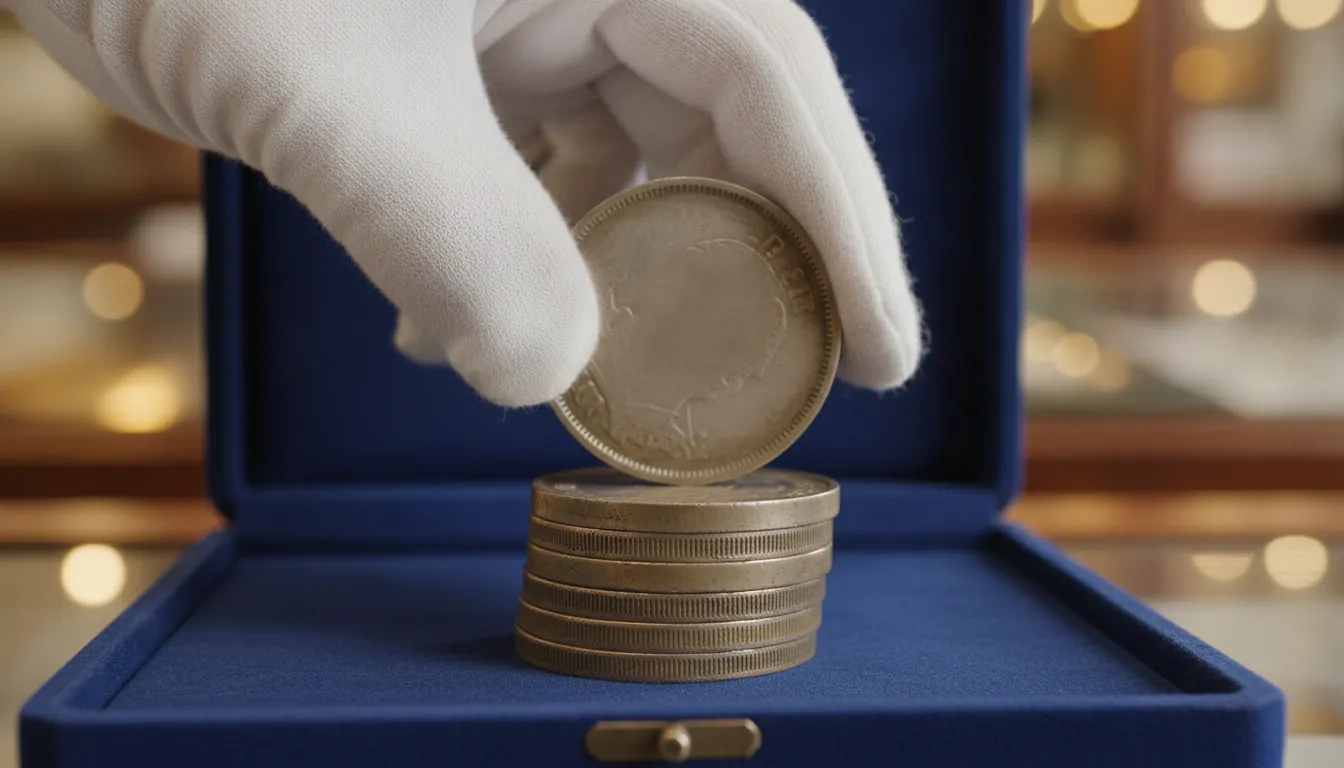
The rare 1933 Double Eagle gold coin from the record-breaking auction.

The atmosphere at Sotheby’s was electric. When the world’s most enigmatic coin finally came to the block, the numismatic community held its breath. The 1933 double eagle auction was more than just a sale; it was a historic event decades in the making, the culmination of a story involving presidents, kings, and federal agents. The final gavel strike at $18.9 million shattered every existing record, reaffirming the power of provenance and rarity. This sale wasn't just a transaction; it was a landmark moment that sent ripples through the market, reshaping perceptions of what is possible for the world’s most sought-after tangible assets.

Key Takeaways

  • A Coin's Story Is Its Greatest Asset: The 1933 Double Eagle's value is driven by its incredible history. Its journey from a presidential gold recall to becoming a forbidden, hunted treasure is what elevates it from a piece of gold to a multi-million dollar artifact.
  • True Rarity Is a Combination of Factors: The record-breaking price comes from a perfect formula: its one-of-a-kind legal status as the only privately ownable specimen, its near-perfect MS-65 grade, and its celebrated artistic design. This combination creates a level of exclusivity that is unmatched.
  • Landmark Sales Signal a Strong Market: This historic auction reaffirms that top-tier rare coins are a serious asset class. For investors, it demonstrates the powerful potential of tangible assets and injects confidence and excitement into the entire numismatic market.

The 1933 Double Eagle: The Story of America's Forbidden Coin

The 1933 Saint-Gaudens Double Eagle is more than just a coin; it's the stuff of legend. It’s a numismatic outlaw, a piece of history that was never supposed to see the light of day. When one sold for a breathtaking $18.9 million in 2021, it cemented its status as the most valuable coin in the world. But its story isn't just about money. It’s a thrilling tale of presidential orders, a government manhunt, and a legal battle that spanned decades, all centered on a gold coin that technically shouldn't exist. For collectors, it represents the ultimate treasure, a forbidden piece of American history you can hold in your hand.

A Coin That Shouldn't Exist

Imagine a coin so rare that the U.S. government once declared it illegal to own. That’s the 1933 Double Eagle. Nearly half a million of these coins were struck at the U.S. Mint, but they were never officially issued. A presidential order pulled the nation off the gold standard, and the entire mintage was ordered to be melted down. A few pieces, however, mysteriously escaped the Mint’s vaults. For decades, the Secret Service hunted down these escapees, deeming them stolen government property. The fact that any survived makes each one a numismatic miracle, a ghost from the U.S. Mint that defied its own destruction.

A Closer Look at Its Masterpiece Design

The 1933 Double Eagle is famous for its story, but it’s revered for its beauty. The coin is the culmination of President Theodore Roosevelt’s quest to create American coinage with artistic merit comparable to that of ancient Greece and Rome. He hand-picked renowned sculptor Augustus Saint-Gaudens for the task. The result is widely considered the most beautiful coin ever produced in the United States. The obverse features a powerful image of Lady Liberty striding forward, torch in one hand and an olive branch in the other. The reverse shows a majestic eagle in full flight, soaring above the sun. It’s a masterpiece of design, making it one of the most sought-after rare coins for sale in the world.

Why Collectors Covet This Coin

For collectors, the 1933 Double Eagle is the ultimate prize. Its appeal comes from a perfect storm of factors: an incredible backstory, a breathtaking design, and extreme rarity. Owning one is about more than just possessing a valuable object; it’s about holding a tangible piece of a fascinating American story. This coin’s journey from the U.S. Mint’s melting pots to the world’s most exclusive auction blocks gives it a mystique no other coin can match. It represents the pinnacle of collecting, a testament to the enduring allure of gold bullion and the powerful stories that transform a simple metal disc into a priceless artifact.

What Makes the 1933 Double Eagle So Rare?

The story behind the 1933 Double Eagle’s rarity is a perfect storm of economic crisis, government intervention, and a few coins that slipped through the cracks. Unlike other rare coins that are scarce simply due to age or low mintage numbers, this coin was never meant to reach the public. Its existence is an accident of history, born at the very moment America’s relationship with gold was changing forever.

Nearly half a million of these coins were struck, yet almost all of them were destroyed before they could ever leave the U.S. Mint. The government’s decision to melt them down turned a standard issue coin into a legendary treasure. Understanding what makes it so special starts with a look back at one of the most turbulent times in American financial history.

FDR's Gold Recall Order

The 1933 Saint-Gaudens Double Eagle is not just a rare coin; it represents a pivotal moment in U.S. economic history. In the spring of 1933, at the height of the Great Depression, President Franklin D. Roosevelt signed Executive Order 6102. This order forbade the private ownership of gold coins, bullion, and certificates, requiring citizens to turn in their gold to the Federal Reserve. The goal was to stabilize the economy and stop the public from hoarding gold.

This action effectively ended the gold standard in the United States. Because the 1933 Double Eagles were minted right before this order took effect, they were never officially released into circulation. They became relics of a bygone era before they even had a chance to be used as money, making them a direct link to the country’s departure from the gold standard.

From Mint to Melting Pot

With the gold recall in full effect, the U.S. Mint’s entire production run of 445,500 1933 Double Eagles was ordered to be melted down into gold bars. The government’s swift action was meant to erase the coins from existence, and for the most part, it succeeded. The decision to destroy the majority of the coins transformed them from currency into an almost mythical artifact.

However, a small number of the coins managed to escape the melting pot. It’s believed that around 20 were illicitly taken from the Mint before the rest were destroyed. These smuggled pieces became illegal to own, as they were considered stolen government property. This act of defiance set the stage for decades of mystery and legal battles, cementing the 1933 Double Eagle’s status as a forbidden treasure.

The Journey of the Sole Survivor

While a few other 1933 Double Eagles have surfaced over the years, they have been systematically seized by the Secret Service. What makes the coin that sold for $18.9 million unique is its legal status. Only one surviving specimen was ever monetized and made legal for a private citizen to own, which adds immensely to its mystique and value.

This specific coin, known as the Weitzman specimen, was originally part of King Farouk of Egypt’s collection. It had been granted an export license by the U.S. Treasury Department before the coins were deemed illegal. After a long and complicated legal journey, the U.S. government agreed to issue a certificate of monetization for this single coin, officially making it a piece of legal tender. This one-of-a-kind document makes it the only 1933 Double Eagle anyone can own without breaking the law.

A Decades-Long Battle for Ownership

The story of the 1933 Double Eagle is more than just a tale of a rare coin; it's a high-stakes drama of clandestine sales, government pursuits, and protracted legal fights. Because the coins were never officially released as legal tender, the U.S. government considered every specimen that surfaced to be stolen federal property. This set the stage for a decades-long effort to track down and reclaim these forbidden treasures, turning collectors and dealers into subjects of federal investigations. The few coins that escaped the melting pot became the focus of an intense and fascinating struggle over ownership that would play out in courtrooms and government vaults for nearly a century, cementing the coin's legendary status.

Chasing the Coins: Secret Service Investigations

The 1933 Saint-Gaudens Double Eagle is not just a rare coin; it represents a pivotal moment in U.S. economic history, marking the country’s departure from the gold standard and the government’s intervention in private gold ownership. This historical weight is precisely why the government took the coin’s unauthorized release so seriously. By the 1940s, the Secret Service was actively investigating how several of these coins had made their way into private hands. Their investigation traced the source to a Philadelphia jeweler, Israel Switt. The government successfully recovered several specimens over the years, arguing that since they were never officially issued, they remained government property and were illegal to own.

From Courtrooms to Government Vaults

As the Secret Service tracked down the coins, a series of legal challenges began. The U.S. government seized these coins, and a legal battle ensued over their ownership. One of the most famous cases involved the family of Israel Switt, who discovered ten 1933 Double Eagles in a safe deposit box in 2003. The family, the Langbords, argued the coins were legally obtained, but after a lengthy court battle, a federal appeals court ultimately sided with the government. The coins were sent to the U.S. Bullion Depository at Fort Knox, a secure facility that also holds a large portion of the nation's gold bullion. These cases affirmed the government's position: with one notable exception, all 1933 Double Eagles were considered contraband.

The Breakthrough: A Certificate of Monetization

So how did one coin become legal to own and sell? The answer lies with King Farouk of Egypt, a famous collector who legally obtained an export license for his 1933 Double Eagle in 1944, before the Secret Service had realized its stolen status. After Farouk was deposed, the coin vanished, only to reappear in 1996. After a legal settlement, the U.S. government agreed to issue a unique Certificate of Monetization. This specific coin, along with a few others now owned by the government (like two at the Smithsonian museum), managed to avoid being melted. By paying the U.S. Treasury its $20 face value, the coin was officially monetized, making it the only 1933 Double Eagle that could ever be legally owned by a private individual.

What Happened at the Record-Breaking Auction?

When the world’s most enigmatic coin finally came to auction, the numismatic community held its breath. The sale of the 1933 Double Eagle was more than just a transaction; it was a historic event decades in the making. The atmosphere at Sotheby’s was electric as collectors and investors gathered to witness a piece of American history find a new home and shatter every existing record. The story of what unfolded is a testament to the power of rarity, provenance, and the enduring appeal of tangible assets.

Inside the Historic Sotheby's Sale

On June 8 in New York City, the sole 1933 Saint-Gaudens Double Eagle available for private ownership crossed the auction block at Sotheby’s. The tension in the room was palpable as bidders competed for this legendary coin. After a spirited bidding war, the gavel finally fell, and a new world record was set. The coin sold for an astonishing $18,872,250, making it the most valuable coin ever sold at auction. This sale wasn't just a win for the seller; it was a landmark moment that sent ripples through the entire market, reaffirming the incredible value placed on the world's most sought-after rare coins for sale.

The Allure of Its Famous Owners

A significant part of the 1933 Double Eagle’s appeal is its incredible story and the hands it has passed through. Its most recent owner, luxury shoe designer Stuart Weitzman, acquired the coin in 2002. Instead of hiding it away, Weitzman generously lent the coin to institutions like the New-York Historical Society, allowing the public to see and appreciate this forbidden treasure. This act of stewardship, combined with its mysterious early history involving King Farouk of Egypt, added layers of romance and prestige to the coin. An object’s provenance, or its history of ownership, can dramatically influence its value, transforming it from a simple collectible into a world-renowned artifact. Our team's deep experience, detailed on our About Us page, helps investors understand these crucial nuances.

The $18.9 Million Gavel Strike

The final price of $18,872,250 is a figure that commands attention. It’s more than double the previous record for a coin, held by a 1794 Flowing Hair Silver Dollar that sold for $10 million in 2013. This unprecedented price reflects the perfect storm of factors: extreme rarity, a captivating backstory, and its unique legal status as the only 1933 Double Eagle the U.S. government has ever monetized for private ownership. For investors, this sale underscores the immense potential of tangible assets. While the stock market fluctuates, a one-of-a-kind piece of history like this holds a different kind of value, rooted in its physical existence and irreplaceable story, much like investment-grade gold bullion.

Why Did It Sell for $18.9 Million?

A coin’s value is rarely just about its age or metal content. For the 1933 Double Eagle, the record-breaking price tag comes from a perfect storm of rarity, history, and unparalleled quality. It’s a story where every chapter adds another million to its value, making it one of the most sought-after objects in the world. Four key factors work together to create its monumental price.

Pristine Condition: The MS-65 Grade

First, the coin is in spectacular shape. It holds an MS-65 grade from the Professional Coin Grading Service (PCGS), which means it’s a brilliant, uncirculated piece with strong luster and only minor contact marks. It was never meant to be spent, and it shows. To add another layer of prestige, it also has a sticker from the Certified Acceptance Corporation (CAC), confirming it’s a premium quality coin for its grade. For collectors, this combination of top-tier grading and verification is a powerful signal of quality and authenticity, ensuring the coin is one of the finest examples in existence.

Its One-of-a-Kind Legal Status

This is perhaps the most important factor driving its price. The 1933 Double Eagle is effectively unique because it is the only one the U.S. government has ever legally permitted a private individual to own. While other 1933 Double Eagles exist, they are considered stolen government property and are subject to seizure. This singular legal status creates a market of one. For any collector who wants to own this legendary coin without legal risk, this specific, monetized specimen is their only option. This absolute exclusivity makes it an object of desire unlike any other in the numismatic world.

A Tangible Piece of American History

The 1933 Double Eagle is more than just a coin; it’s a physical artifact from a turning point in American economic history. It represents the moment the country left the gold standard and the government took control of private gold bullion ownership. Holding this coin is like holding the story of the Great Depression and the radical financial policies enacted to combat it. Each detail, from its date to its Saint-Gaudens design, is tied to a dramatic chapter of the nation’s past. This deep historical significance gives it a cultural weight that far exceeds its identity as a simple piece of currency.

The Ultimate Trophy for Collectors

When you combine its flawless condition, unique legal standing, and profound historical narrative, you get the ultimate prize. For the world’s most serious numismatists, owning the 1933 Double Eagle is the crowning achievement of a lifetime of collecting. It’s a legend, an outlaw, and a masterpiece all in one. Its story is filled with international intrigue, legal battles, and famous owners, adding to its mystique. Acquiring this coin isn't just an investment; it's about owning the most famous of all rare coins for sale and securing a permanent place in numismatic history.

Putting the Price in Perspective

An $18.9 million price tag can be hard to wrap your head around, even for a seasoned collector. It’s a figure that places the 1933 Double Eagle in a class of its own, far beyond most other numismatic treasures. This wasn't just a high price; it was a statement about what makes an object truly priceless. To understand how the gavel fell at such a staggering number, we need to look at its place in auction history and break down the unique combination of factors that create a multi-million dollar coin. It’s more than just gold and more than just age. The value is tied to a story, a legal status, and an artistic vision that can never be replicated. This coin represents the absolute peak of the market, a benchmark against which all other great rarities are now measured.

A Look at Past Auction Records

When the 1933 Double Eagle sold for $18.9 million, it didn't just break the previous world record for a coin sale; it completely shattered it. The sale, held at Sotheby’s in June 2021, nearly doubled the price of the former record holder, the 1794 Flowing Hair Silver Dollar, which sold for just over $10 million in 2013. This massive leap in value highlights just how special this particular coin is. It wasn't an incremental increase but a fundamental reset of what the market thought was possible. This sale cemented the 1933 Double Eagle’s status as the undisputed king of all coins, demonstrating the extraordinary value collectors place on one-of-a-kind rare coins for sale with an unbeatable story.

What Makes a Coin Worth Millions?

So, what transforms a piece of metal into a multi-million dollar asset? It’s a perfect storm of rarity, history, and beauty, and the 1933 Double Eagle has all three in spades. Its rarity is absolute; it’s the only one legally available for private ownership. Its historical significance is tied directly to a major turning point in U.S. economic policy: FDR’s decision to take the nation off the gold standard. While its composition is gold bullion, its value far exceeds its metallic content. Finally, its breathtaking design by Augustus Saint-Gaudens is widely considered the pinnacle of American coinage art. When you combine this with its dramatic backstory of seizure, legal battles, and survival, you get more than a coin. You get a legend.

The Ripple Effect: What This Sale Means for Coin Collecting

When a single coin sells for nearly $19 million, it does more than just make headlines; it sends waves through the entire numismatic community. This historic auction was a powerful statement about the enduring value of rare coins. For both seasoned collectors and serious investors, this sale offers a fascinating glimpse into the market's potential and reaffirms the unique position that tangible assets hold. The event has reshaped perceptions of what's possible and sparked new interest in the hobby. Let's look at the key takeaways from this landmark sale and what it signals for the future of coin collecting.

A New Benchmark for High-Value Coins

The sale of the 1933 Double Eagle for a staggering $18,872,250 didn't just break the previous record; it completely shattered it. This price is now the auction record for any coin, establishing a new gold standard for ultra-rare numismatics. This result will likely cause a re-evaluation of other "trophy" coins, potentially lifting the entire high-end market. When a sale of this magnitude occurs, it gives owners of world-class rarities confidence that demand at the top is stronger than ever. It validates the idea that for one-of-a-kind items with incredible stories, the sky is the limit.

Why Rare Coins Belong in Your Portfolio

The 1933 Double Eagle is a perfect example of why collectors and investors are so drawn to numismatics, embodying rarity, historical significance, and beauty. These are the qualities that make rare coins for sale such a compelling asset class. Unlike stocks or bonds, a rare coin is a tangible piece of history you can hold. It offers a unique way to diversify a portfolio with an asset that has intrinsic value and a long track record of appreciation. This sale is a powerful reminder that the world's most sought-after coins are seen as more than just collectibles; they are blue-chip investments with global appeal.

What to Expect from the Market Next

An event like this captures the public's imagination far beyond the usual collecting circles. The news coverage of the 1933 Double Eagle auction has given numismatics significant mainstream publicity, which is fantastic for the market's health. This attention often attracts new collectors and investors, bringing fresh energy and capital. We can expect this "trickle-down" effect to generate more interest across all levels of the market. It reinforces the stability and long-term potential of collecting, encouraging people to explore how assets like gold bullion and historic coins can fit into their own financial strategies.

Could You Own a Hidden Treasure? How to Spot Valuable Coins

The story of the 1933 Double Eagle reminds us that incredible numismatic treasures can be hiding in plain sight. While finding a multi-million dollar coin is a long shot, you might have something valuable in an old collection or inheritance. Knowing what to look for is the first step. Here’s how you can start identifying coins that might be worth more than their face value.

Check for Key Rarity and Condition Markers

Rarity is the single most important factor in a coin's value. A coin can be rare for several reasons: low initial mintage, a high melt rate, or a famous error. The 1933 Double Eagle became a "highly sought-after treasure" precisely because the United States Mint’s decision to melt down the majority of the coins made it nearly extinct. When you examine a coin, look for key dates, mint marks (the small letter indicating where it was made), and any unusual features. Condition is just as crucial. A coin that never entered circulation will have sharp details and original luster, making it far more valuable than a worn, scratched one. You can browse collections of rare US and world coins to see what high-quality examples look like.

Why Professional Grading Is Essential

Assessing a coin's condition can be subjective, which is why professional grading is the industry standard. Companies like PCGS (Professional Coin Grading Service) and NGC (Numismatic Guaranty Corporation) provide an objective evaluation of a coin's physical state on a 70-point scale. For instance, the auctioned 1933 Double Eagle was graded "MS 65," meaning it's a high-quality coin that was never used in circulation. This grade, or "Mint State," tells collectors and investors that the coin is in near-perfect condition. A professional grade removes guesswork, provides a universal standard for value, and is essential for any serious transaction. It’s a step our team of experts relies on to ensure quality and authenticity.

When to Call in an Expert Appraiser

If you suspect you have a rare coin, the next step is to get a professional opinion. An expert appraiser can confirm authenticity, evaluate its condition, and give you an accurate market valuation based on current trends. Events like the 1933 Double Eagle auction give numismatics "helpful publicity," inspiring people to look closer at the coins they own. An appraiser has the specialized knowledge to spot subtle details that can make a huge difference in value, from die varieties to historical significance. Before you decide to sell or insure a potentially valuable coin, an expert appraisal is a critical step to protect your investment and understand exactly what you have.

Related Articles

Frequently Asked Questions

What would happen if I found another 1933 Double Eagle today? If another 1933 Double Eagle were to surface, it would immediately be considered stolen property by the U.S. government. Because these coins were never officially issued as legal tender, any specimen found is subject to seizure by the Secret Service. The only exception is the single coin that was legally monetized after a unique settlement, which is what makes its story and value so extraordinary.

Why is only one of these coins legal for a private citizen to own? The legality of the one famous specimen comes down to a unique historical circumstance. It was originally part of King Farouk of Egypt’s collection and received a U.S. export license in 1944, before the government had fully realized the coins were stolen. After a long legal journey, the U.S. government agreed to "monetize" this specific coin by accepting its $20 face value, officially making it legal tender. This one-time agreement has never been extended to any other 1933 Double Eagle.

Is the 1933 Double Eagle valuable just because it's made of gold? Not at all. While it is a gold coin, its value has very little to do with its metal content. Its nearly $19 million price tag comes from its incredible story, its absolute rarity as a one-of-a-kind legal specimen, and its beautiful design. This is the key difference between a numismatic treasure and a standard gold bullion coin; one is valued for its story and rarity, while the other is valued primarily for its weight in precious metal.

How can I be sure a rare coin I'm buying is authentic and properly graded? The best way to ensure authenticity and quality is to work with a reputable dealer and rely on third-party professional grading services like PCGS or NGC. These companies encapsulate coins in secure holders with a specific grade that certifies their condition. This professional verification removes guesswork and is the industry standard for buying and selling valuable coins, giving you confidence in your purchase.

What makes a coin valuable, besides being old? Age is just one small factor. A coin's value is primarily driven by a combination of rarity, condition, historical significance, and demand. A coin can be rare because few were minted, most were melted down (like the 1933 Double Eagle), or it has a unique error. A coin in pristine, uncirculated condition will always be worth more than a worn one. When these factors come together, you get a truly valuable piece of history.

Double Eagle Price Guide: How to Determine Value

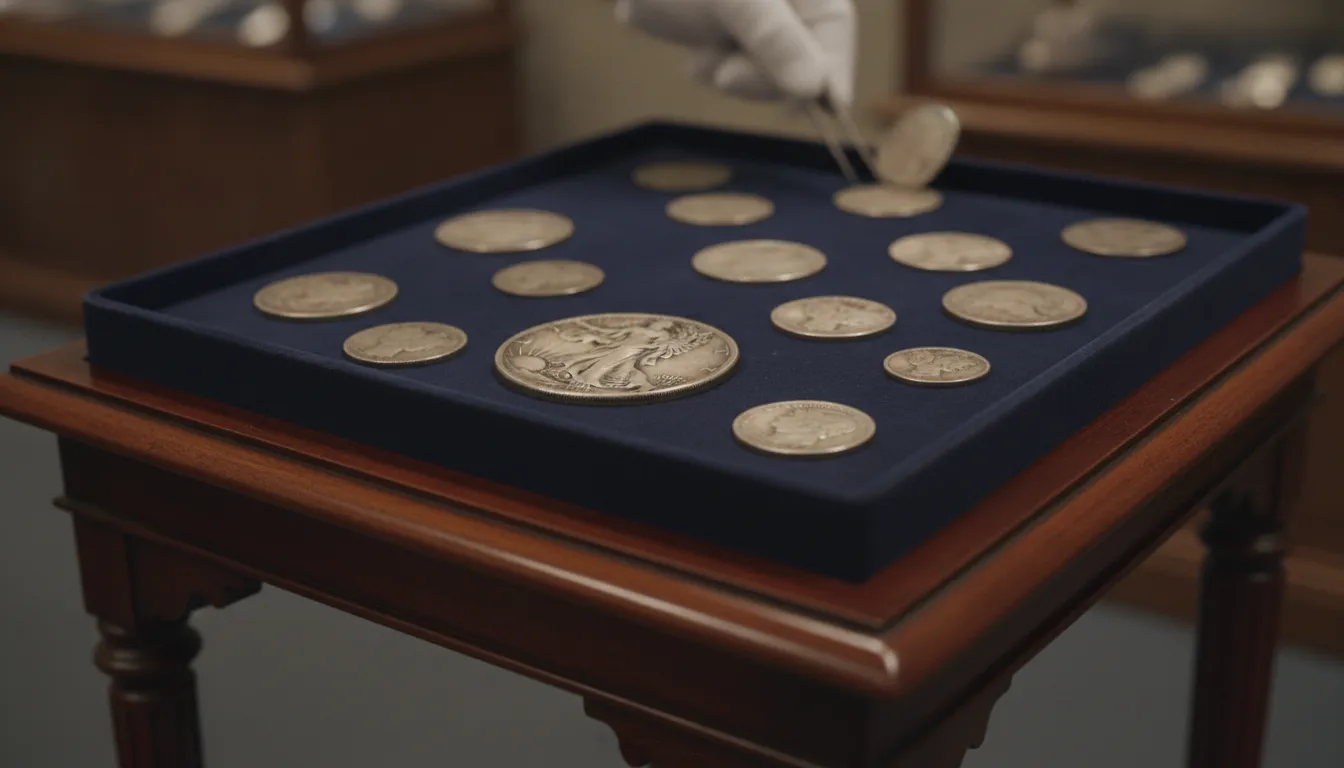
Saint-Gaudens Double Eagle $20 Gold Coin

The Double Eagle is more than just a coin; it's a tangible piece of American ambition, born from the California Gold Rush and perfected by one of the nation's greatest sculptors. These coins circulated during a period of immense growth and change, and their story ended abruptly with the Gold Recall of 1933. This rich history is precisely what makes them so valuable to collectors today. Understanding their past is the first step to understanding their price. This double eagle price guide will explore the history behind both the Liberty Head and Saint-Gaudens designs, showing you how key historical events created the rarities that command top dollar in today's market.

Key Takeaways

  • Look beyond the gold content: A Double Eagle's price is determined by two key factors: its intrinsic gold value and its numismatic premium. This collector value, driven by rarity, condition, and history, is why some coins are worth far more than their weight in gold.
  • Professional grading is non-negotiable: A coin's physical condition directly impacts its price. Certification from a top grading service like PCGS or NGC verifies its authenticity and grade, providing a clear and trusted foundation for its market value.
  • Consult an expert for an accurate valuation: While price guides are helpful, a reputable dealer provides the most precise assessment. They can analyze subtle details and understand current market trends, ensuring you get a fair price whether you are buying or selling.

What Is a Double Eagle Coin?

Before we get into pricing, let's start with the basics. The Double Eagle is a $20 gold coin that the United States minted for circulation from 1850 to 1933. More than just currency, these coins are tangible pieces of American history, representing a period of incredible economic growth and national identity. For collectors and investors, they are among the most sought-after rare coins for sale due to their beauty, historical significance, and precious metal content. The story of the Double Eagle is a fascinating one, tied directly to the country's expansion and evolving artistic vision. Understanding this background is the first step in appreciating why their values can vary so dramatically.

The Story Behind the Coin

The creation of the first Double Eagle, known as the Liberty Head, was a direct result of the California Gold Rush. As vast quantities of gold poured out of the West, Congress authorized the creation of this new, larger denomination to convert the raw gold into coinage more efficiently. These coins quickly became a symbol of America's growing economic power on the world stage. The series came to an abrupt end in 1933 when President Franklin D. Roosevelt took the U.S. off the gold standard and recalled most gold coins from circulation to stabilize the economy during the Great Depression. This historic act made the final issues, especially the 1933 Double Eagle, exceptionally rare.

A Closer Look at the Artistry

The Double Eagle features two major designs, each a masterpiece in its own right. The first, the Liberty Head design by James B. Longacre, was minted from 1849 to 1907. It features a classic Greco-Roman profile of Lady Liberty on the front and a heraldic eagle on the back. In 1907, President Theodore Roosevelt commissioned renowned sculptor Augustus Saint-Gaudens to create a new, more artistic design. The result is often considered the most beautiful coin in American history. The Saint-Gaudens design shows a powerful image of Lady Liberty striding forward with a torch and olive branch, with a majestic eagle in flight on the reverse. This design embodies the nation's ideals of freedom, strength, and peace.

What Determines a Double Eagle's Value?

Figuring out the value of a Double Eagle isn't as simple as checking the daily price of gold. While the precious metal content provides a solid baseline, the coin's true market value is a blend of four key factors: its rarity, condition, collector demand, and intrinsic metal worth. A common-date, heavily circulated coin might trade for a price close to its gold value, while a rare, pristine example can be worth millions. Understanding how these elements work together is the first step in assessing your coin's potential.

Rarity and Mintage

The first question to ask is: how many were made, and how many are left? A coin's mintage tells you how many were originally struck at a specific mint in a given year. Generally, a lower mintage means a rarer coin. However, the survival rate is just as important. Many Double Eagles were melted down over the years, especially after the Gold Recall of 1933. This means a coin with a high original mintage could still be incredibly rare today. The value of a rare coin is heavily influenced by how few are still known to exist, making this a critical factor for collectors.

Condition and Grade

A coin’s state of preservation, or grade, has a massive impact on its value. The better the condition, the more it's worth. Numismatists use a 70-point scale to grade coins, where a 1 is poor condition and a 70 is a perfect, mint-state coin. Even a small difference in grade can mean a huge difference in price, especially for rare dates. Coins that never entered circulation and show no signs of wear are the most valuable. This is why professional grading is so important; it provides an objective assessment of a coin's condition, which directly supports its market value and gives buyers confidence.

Collector Demand

Like any collectible, the value of a Double Eagle is driven by supply and demand. These coins are highly sought after by collectors and investors for their rich history, stunning designs, and gold content. Certain dates, mint marks, or design varieties are more popular than others, creating higher demand and pushing prices up. For example, the 1933 Saint-Gaudens Double Eagle is the ultimate prize for many collectors due to its unique story. This collector interest adds a numismatic premium on top of the coin's base gold value, turning a piece of precious metal into a coveted historical artifact.

Precious Metal Value

At its core, a Double Eagle is made of nearly one troy ounce of gold. This gives it an intrinsic value based on the current spot price of gold. For common-date Double Eagles that are heavily worn or damaged, their value may not be much more than their "melt value." This provides a solid price floor for the coin; its value will generally not fall below what the gold inside is worth. This connection to the gold bullion market makes Double Eagles a popular choice for investors looking to hold physical gold with the added potential for numismatic appreciation.

Liberty Head vs. Saint-Gaudens: What's the Difference?

When you explore the world of Double Eagles, you'll quickly find the conversation centers on two legendary designs: the Liberty Head and the Saint-Gaudens. While both are $20 gold pieces, they come from different eras and represent distinct moments in American history and artistry. Understanding their unique characteristics is the first step for any collector looking to add one of these iconic coins to their portfolio. Each has its own story, aesthetic appeal, and set of key dates that make it a fascinating piece of numismatic history. Let's look at what sets them apart.

The Classic Liberty Head (1849-1907)

The Liberty Head, often called the "Coronet," was the first $20 Double Eagle, minted from 1849 to 1907. This coin was born from the California Gold Rush, created to convert the massive amounts of newly discovered gold into coinage. Its design is a classic representation of its era. The obverse features a Greco-Roman-inspired profile of Lady Liberty, her hair in a coronet inscribed with "LIBERTY." The reverse displays a powerful heraldic eagle, clutching an olive branch and arrows. These historic gold coins are more than just currency; they are tangible pieces of America's westward expansion and growing economic strength during the 19th century, making them a favorite for collectors who appreciate deep historical roots.

The Iconic Saint-Gaudens (1907-1933)

Often hailed as the most beautiful coin ever minted in the United States, the Saint-Gaudens Double Eagle replaced the Liberty Head in 1907. President Theodore Roosevelt commissioned renowned sculptor Augustus Saint-Gaudens to redesign American coinage, and the result was breathtaking. The obverse features a full-length figure of Lady Liberty striding forward, holding a torch and an olive branch, with the U.S. Capitol in the background. The reverse depicts a majestic eagle in flight against the rays of the sun. The original high-relief version is particularly sought after for its incredible detail and artistic depth. These rare coins for sale represent a high point in American minting artistry and are a cornerstone of many advanced collections.

Key Dates and Varieties to Know

For both series, certain dates and variations can dramatically influence a coin's value. The Liberty Head series is broken into three main types. Type 1 (1849–1866) has no motto on the reverse. Type 2 (1866–1876) adds the motto "IN GOD WE TRUST," and Type 3 (1877–1907) features a redesigned reverse with "TWENTY DOLLARS" spelled out. For the Saint-Gaudens, the 1907 High Relief and Ultra High Relief varieties are legendary rarities. Other key dates, like the 1927-D and the 1933 issue (most of which were melted), are exceptionally valuable. Understanding these key varieties is crucial for any serious investor or collector looking to acquire a truly significant piece for their portfolio.

How to Authenticate and Grade Double Eagles

When you're dealing with coins as valuable as Double Eagles, knowing exactly what you have is everything. A slight difference in condition or a question about authenticity can mean a difference of thousands, or even millions, of dollars. That’s why professional authentication and grading are non-negotiable for serious collectors and investors. This process verifies that a coin is genuine and assesses its physical condition against a standardized scale. This step removes subjectivity and provides a clear, universally accepted measure of quality, which is the foundation for determining a coin’s true market value. Let's get into the specifics of how this works and what you need to look for.

The Role of Professional Grading Services

Think of professional grading services as the ultimate authority on a coin's authenticity and condition. Companies like the Professional Coin Grading Service (PCGS) and the Numismatic Guaranty Company (NGC) provide unbiased, expert opinions. After a thorough examination, they encase the coin in a sealed, protective holder, often called a "slab," with a label detailing its grade and authenticity. This process adds a layer of trust and security to every transaction. When you browse rare coins for sale, you'll find that the most desirable pieces are almost always certified by these top-tier companies. This certification makes it easier to establish a fair market price, ensuring you’re paying for or selling a coin of verified quality.

How to Spot Fakes and Red Flags

While professional grading is the final word, it helps to know some basic red flags yourself. Counterfeit coins often have mushy or weak details, incorrect weight or diameter, or a strange color that doesn't look right for gold. Beyond the coin itself, be aware of behavioral red flags from sellers. For instance, a seller making grand claims about a coin being "confiscation-proof" is often using a high-pressure sales tactic rather than stating a verifiable fact. Another major warning sign is a coin that looks unnaturally shiny. Many new collectors mistakenly believe that cleaning their coins will increase their value, but this almost always causes microscopic scratches and permanent damage, drastically lowering their numismatic worth.

Why Certification Is Crucial for Value

Certification is what brings all the key value factors—rarity, condition, and demand—into a single, verifiable package. A coin's grade, assigned on a 70-point scale, is one of the most significant drivers of its price. An uncirculated coin can be worth exponentially more than one with even the slightest wear, and a professional grade is the only way to definitively establish this condition. This official certification provides the confidence and transparency needed for a liquid market, allowing you to buy and sell with a clear understanding of the asset's quality. It’s a fundamental part of building a strong collection or investment portfolio with a trusted numismatic expert.

What Are the Most Valuable Double Eagles?

Some Double Eagles have transcended their status as mere currency to become legendary artifacts, commanding prices that can reach into the millions. These aren't just any gold coins; they are specific issues whose rarity and history have made them the pinnacle of numismatic collecting. Understanding what makes these particular coins so valuable involves looking at a combination of low mintage numbers, historical significance, and exceptional condition. For serious collectors and investors, acquiring one of these top-tier coins is often the crowning achievement of their portfolio. Let's explore the specific coins that break records and the factors that place them in a class of their own.

Record-Breaking Coins and Rare Dates

The most valuable Double Eagles are often defined by their "key dates," which are years with exceptionally low mintages or survival rates. For example, an 1856-O Liberty Head Double Eagle in high grade sold for an astounding $2.2 million, while an 1870-CC specimen fetched $825,000. These prices reflect extreme rarity. Coins from branch mints like Carson City (CC), New Orleans (O), and Denver (D) can be particularly scarce. Other coveted dates include the 1927-D Saint-Gaudens, of which only about a dozen are known to exist, and the unique 1861 Paquet Reverse Liberty Head. The hunt for these specific rare coins for sale is what drives the high-end market, as each one represents a unique piece of American history.

What Makes a Coin "Investment-Grade"?

An investment-grade coin possesses value far beyond its weight in gold. Its worth comes from two key components: bullion value and numismatic value. Bullion value is the baseline worth of the precious metal itself. Numismatic value, or collector premium, is the additional amount collectors are willing to pay based on rarity, condition, and demand. For a Double Eagle to be considered "investment-grade," its numismatic value must significantly outweigh its melt value. This premium is what gives the coin its potential for long-term appreciation, insulating it from the daily fluctuations of the gold market. These coins are tangible assets that combine the security of gold bullion with the added growth potential of a sought-after collectible.

How History Created Today's Rarest Coins

The story of the Double Eagle is deeply tied to American history. The coin was first minted in 1850 to handle the massive amounts of gold flowing from the California Gold Rush, quickly becoming a staple in large-scale commerce. However, the event that cemented the rarity of many Double Eagles was President Franklin D. Roosevelt's Executive Order 6102 in 1933. This order recalled gold coins from the public to be melted down, effectively ending the era of gold currency in the U.S. Because of this recall, most pre-1933 gold coins were destroyed, making the surviving examples incredibly scarce. The legendary 1933 Saint-Gaudens Double Eagle, which was struck but never officially issued, is the most famous example of how this historical event created one of the world's rarest coins.

How to Find Current Double Eagle Prices

Figuring out the current price of a Double Eagle isn't as simple as checking the daily spot price of gold. While the gold content provides a baseline value, the coin's numismatic worth, which is its value to collectors, can add hundreds or even thousands of dollars to its price. This premium is based on factors like rarity, condition, and historical significance. To get an accurate picture of what your coin is worth, you need to look at a combination of resources that track both the precious metal market and the ever-changing world of coin collecting.

Think of it as a two-part equation: the intrinsic value of the gold plus the extrinsic value assigned by collectors. The key is understanding how to research both parts of that equation. Whether you're looking to buy, sell, or simply insure your collection, knowing how to find a reliable price is essential. It helps you make informed decisions and ensures you get a fair deal. Let's walk through the best methods for determining the current market value of a Double Eagle.

Using Price Guides and Auction Data

A great starting point for your research is online price guides and recent auction results. Reputable grading services like PCGS and NGC publish price guides that provide estimated retail values for Double Eagles in various grades. These guides are compiled from extensive market data and can give you a solid ballpark figure. You can also look at the results from major auction houses that specialize in rare coins. This shows you what collectors have actually paid for specific coins recently, which is powerful, real-time information. Keep in mind that these are guides, not guarantees. The final price of any coin can vary based on the specific seller and buyer.

Consulting with Professional Dealers

For the most accurate and actionable valuation, nothing beats consulting with a professional dealer. An experienced numismatist can assess your coin in person, taking into account subtle details of its condition, strike, and eye appeal that price guides simply can't capture. They have their finger on the pulse of the market and know what collectors are currently seeking. A reputable dealer can provide a precise appraisal and often a firm offer to purchase your coin. This is where their deep expertise, like the kind we've built over 35 years, becomes invaluable. They can also identify coins with a special history or provenance that might significantly increase their value.

Tools for Tracking the Market

Staying informed about broader market trends is also a smart move. While a Double Eagle's value is more stable than that of simple bullion, it's still anchored to the price of gold. You should keep an eye on the spot price of gold bullion to understand the general direction of the market. Beyond that, following major coin auctions and dealer inventories of rare coins for sale can give you a sense of collector demand. When you see certain dates or grades consistently selling for high prices, it’s a good indicator of a strong market for those specific coins.

Common Myths About Double Eagle Pricing

When you're investing in something as significant as a Double Eagle, you want to operate with the best information. Unfortunately, the world of coin collecting is full of myths that can lead to costly mistakes. Let's clear up a few of the most common misconceptions about Double Eagle pricing so you can approach your collection with confidence.

The Cleaning Myth: Why It Destroys Value

It’s tempting to think a shiny coin is a valuable coin, but please, put down the polish. One of the most damaging myths is that cleaning a Double Eagle will improve its value. The opposite is true. Any abrasive cleaning, no matter how gentle, can create tiny scratches and strip away the coin's original surface and natural patina. This patina is the subtle toning the coin acquires over time, and experienced collectors prize it as a sign of originality. Professional grading services will label a cleaned coin as damaged, which drastically reduces its market value and appeal among serious buyers.

Why Older Doesn't Always Mean More Valuable

While it seems logical that an older coin would be worth more, age is only one piece of the puzzle. A coin's value is primarily driven by its rarity and condition. Think of it this way: a common-date Double Eagle from the 1880s that is heavily worn might be worth a fraction of a pristine, uncirculated coin from the 1920s. The number of surviving examples in high grades is what truly creates value. That’s why focusing on a coin’s grade and mintage figures is a much better strategy than simply looking at its date when building a collection of rare coins for sale.

The Truth About Gold Confiscation

You may have heard that certain pre-1933 gold coins, like Double Eagles, are exempt from government confiscation. This idea often stems from a misunderstanding of the 1933 Executive Order that recalled gold. While collectible coins were exempt at that time, there is no standing law that guarantees any specific type of gold coin is "confiscation-proof" in the future. Instead of relying on this myth, it's more practical to focus on building a diversified portfolio and understanding the legal framework of precious metals ownership. A well-structured asset plan provides more security than any single type of coin.

Face Value vs. Market Value

A Double Eagle has "$20" stamped on it, but that's just its face value, the monetary worth assigned when it was legal tender. Its real value is much higher. The market value, or numismatic value, is determined by several factors, including its intrinsic gold content, rarity, historical significance, and condition. For example, the gold bullion in a Double Eagle alone is worth many times its $20 face value. For rare dates in top condition, the collector premium can push the price into the thousands, or even millions, making the face value a historical footnote rather than a pricing guide.

How Do Market Trends Affect Double Eagle Value?

The value of a Double Eagle isn't set in stone. It’s a dynamic figure influenced by several market forces working together. Understanding these trends is key to making smart decisions as a collector or investor. It’s not just about the gold inside the coin; it’s also about the story it tells and who wants to hear it. Let's look at the three main market factors that shape a Double Eagle's price: the fluctuating price of gold, the changing tastes of collectors, and the coin's unique numismatic premium.

The Link Between Gold Prices and Coin Value

At its core, a Double Eagle is a gold coin, and its base value will always be tied to the current spot price of gold. When gold prices rise, the intrinsic or "melt" value of the coin increases with it. This provides a solid floor for the coin's worth; it will never be valued at less than its weight in gold. For investors, this connection to the gold bullion market offers a layer of security. However, the story doesn't end there. The metal content is just the starting point for determining the full value of these historic pieces.

Following Shifts in Collector Demand

Beyond its weight in gold, a Double Eagle's value is heavily influenced by collector interest. Think of it like any other collectible market: when a particular item becomes highly sought after, its price goes up. For Double Eagles, demand can surge for specific dates, mint marks, or exceptionally well-preserved examples. A common-date coin in average condition might trade close to its gold value, while a rare variety in pristine condition can command prices in the hundreds of thousands. Keeping an eye on auction results helps you understand which rare coins for sale are currently capturing the attention of the collecting community.

Understanding Numismatic Premiums

The "numismatic premium" is the amount a coin is worth above its base metal value. This premium is what separates a simple piece of gold from a prized historical artifact. It’s determined by a combination of factors, including rarity, condition, historical significance, and collector demand. This added value is what makes Double Eagles such a fascinating asset. The numismatic premium can act as a buffer against volatility in the gold market, helping the coin hold its value even when gold prices dip. An expert appraisal is the best way to understand a specific coin's premium, as it requires the deep knowledge of market history and trends that comes from decades of experience.

How to Safely Buy and Sell Double Eagles

Buying or selling a Double Eagle is a significant transaction. These coins are valuable historical artifacts, so approaching the process with care is essential to protect your investment. Whether you're adding a prized piece to your collection or liquidating an asset, following a few key steps can make all the difference. It’s about being smart, cautious, and confident in every move you make.

Choosing a Reputable Dealer

Double Eagles are rooted in a key period of American history, making them fascinating for collectors and history buffs alike. This deep context is why your choice of dealer is so important. You need an expert who understands the nuances of each coin, not just a seller. Look for a dealer with a long track record, transparent practices, and a solid reputation. An established firm will have the experience to guide you honestly. When you find a dealer you can trust, they become a valuable partner in building your collection. You can learn more about our commitment to collectors on our About Us page.

Verifying Your Coin's Authenticity

When dealing with high-value coins, authenticity is everything. The best way to ensure you're buying a genuine Double Eagle is to purchase one certified by a top-tier grading service. The two most respected companies are the Professional Coin Grading Service (PCGS) and the Numismatic Guaranty Corporation (NGC). These services authenticate, grade, and encapsulate coins in secure, tamper-evident holders. This certification guarantees the coin's authenticity and condition, which is crucial for its value. A reputable dealer will primarily offer certified rare coins, giving you peace of mind with your purchase.

Tips for Timing Your Transaction

The price of a Gold Double Eagle changes based on its rarity, condition, and mint year. Its value is a blend of its intrinsic gold content and its numismatic premium, which is what collectors will pay above the metal value. To make an informed decision, keep an eye on both the spot price of gold bullion and current rare coin market trends. While no one can perfectly time the market, understanding these value drivers will help you feel more confident. A knowledgeable dealer can also provide insight into market conditions, helping you decide if it's the right moment to buy or sell.

Related Articles

Frequently Asked Questions

What's the first step I should take if I think I have a valuable Double Eagle? The first and most important step is to resist the urge to clean it. Handling the coin as little as possible is best to preserve its original surface. Your next move should be to consult with a professional numismatist for an expert opinion. They can help you identify the coin's date and mint mark and give you an initial assessment of its condition, which are the first clues to its potential value.

Do I really need to get my Double Eagle professionally graded? While it isn't a requirement, professional grading is the industry standard for establishing a coin's authenticity and condition. If you plan to sell the coin or want it insured for its full value, a grade from a top-tier service like PCGS or NGC is essential. This certification removes any guesswork, giving both you and a potential buyer a shared, objective understanding of the coin's quality and market worth.

Which is a better investment, a Liberty Head or a Saint-Gaudens? This really depends on your personal collecting and investment goals. Neither series is universally "better" than the other. The Liberty Head series offers a deep dive into 19th-century American history, while the Saint-Gaudens is often collected for its stunning artistic merit. Both designs have common dates that trade near their gold value and key rare dates that are highly sought after. The value is found in the specific coin's rarity and condition, not just its design type.

Why is a common Double Eagle from 1880 worth less than a rare one from 1925? It’s a common misconception that older always means more valuable. A coin's price is driven by rarity and condition, not just its age. Many Double Eagles from the 1880s were minted in large quantities and survive today in worn condition, making them relatively common. In contrast, a 1925 coin from a specific mint might have a very low survival rate in high grades, making it far rarer and more desirable to collectors.

How much of a Double Eagle's price is tied to the spot price of gold? The spot price of gold provides a solid price floor for any Double Eagle; its value will not drop below its intrinsic metal worth. For a common-date, heavily circulated coin, the price might be just slightly above this gold value. However, for a rare or high-grade coin, the gold value is only a small part of its total price. The majority of its worth comes from the numismatic premium, which is what collectors are willing to pay for its rarity and condition.

How to Buy American Silver Eagle Coins: A Smart Guide

American Silver Eagle coins stacked on a dark wood surface There’s a unique sense of security that comes from owning a physical asset. Unlike stocks or bonds, a silver coin is a tangible piece of wealth that you can hold in your hand. The American Silver Eagle is the world’s most popular silver bullion coin for exactly this reason. It combines one troy ounce of pure, precious metal with the full guarantee of the U.S. government, creating an asset that is both beautiful and reliable. If you’re ready to **buy American Silver Eagle coins**, you’re making a move toward a more diversified and resilient portfolio. In this guide, we’ll cover the essential information you need to get started, from storing your collection safely to understanding its long-term value. ## Key Takeaways * **Know What You're Buying**: [American Silver Eagles](https://www.parkavenumis.com/gold-american-eagle) have value as both an investment and a collectible. The U.S. government guarantees each coin contains one troy ounce of 99.9% pure silver, making it a trusted asset, while its iconic design appeals to collectors worldwide. * **Price is More Than Just Silver**: The cost of a Silver Eagle always includes a premium above the spot price of silver. Understanding this premium, along with the differences between uncirculated, proof, and rare key-date coins, is crucial for making a smart purchase from a reputable dealer. * **Protect Your Collection After Purchase**: Your responsibility doesn't end at checkout. Secure your investment with proper storage like a safe or depository, get specific insurance coverage for collectibles, and always handle coins carefully to preserve their condition and value. ## What is an American Silver Eagle? If you’re interested in precious metals, you’ve almost certainly heard of the American Silver Eagle. It’s one of the most recognizable and trusted silver coins in the world, serving as a perfect entry point for new buyers and a staple for seasoned collectors. Since its introduction, it has become the cornerstone of countless portfolios, blending pure silver content with iconic American artistry. Understanding what makes this coin special is the first step toward making a smart purchase. ### The Official Silver Bullion Coin of the U.S. The American Silver Eagle holds the unique distinction of being the official [silver bullion](https://www.parkavenumis.com/silver-bullion) coin of the United States. First released by the U.S. Mint in 1986, its creation was authorized by the Liberty Coin Act of 1985. This act mandated that the Mint produce a one-ounce silver coin and sell it at a price based on the market value of the silver it contains. This government backing guarantees the coin's weight, content, and purity, giving it a level of trust and security that few other silver products can match. It’s a reliable asset recognized and accepted by dealers and investors worldwide. ### Key Designs and Specifications Each American Silver Eagle contains one troy ounce of 99.9% pure silver, making it a straightforward way to own physical silver. The coin’s design is a tribute to American heritage. The front, or obverse, features Adolph A. Weinman’s classic "Walking Liberty" design, originally used on the half-dollar from 1916 to 1947. It shows Lady Liberty striding toward the sunrise, draped in an American flag. The back, or reverse, originally featured a heraldic eagle design by John Mercanti. In mid-2021, the U.S. Mint introduced a new reverse design by Emily Damstra, depicting an eagle landing on a branch, to mark the coin's 35th anniversary. ### Why They're a Favorite for Collectors and Investors The American Silver Eagle appeals to two distinct groups for very different reasons, which is part of its charm. For investors, the coin is a simple and liquid way to add physical silver to a portfolio. Its value is primarily tied to the spot price of silver, and its U.S. government guarantee makes it easy to buy and sell. For collectors, the appeal lies in the beautiful design and the challenge of acquiring different versions. Many people seek out rare coins for sale, including Silver Eagles from specific years, with unique mint marks, or in special proof and burnished finishes. This dual demand helps support its long-term value. ## Why Invest in American Silver Eagles? When you’re looking to add physical assets to your portfolio, American Silver Eagles stand out for a few key reasons. They blend the tangible security of precious metals with the backing of a sovereign government, making them a popular choice for both seasoned collectors and new investors. Their global recognition and straightforward value make them a solid foundation for anyone interested in owning silver. Let’s walk through the specific benefits you can expect when you invest in these iconic coins. ### Guaranteed by the U.S. Government One of the biggest reasons investors trust American Silver Eagles is their official status. As the official silver bullion coin of the United States, each one is guaranteed by the U.S. Mint for its weight, content, and purity. First minted in 1986, every coin contains one troy ounce of 99.9% pure silver. This government backing provides a level of security and confidence that you won’t find in other silver products. When you hold a Silver Eagle, you know you have an asset that is recognized and respected worldwide, making it a reliable addition to your [silver bullion](https://www.parkavenumis.com/silver-bullion) holdings. ### Easy to Buy, Sell, and Trade American Silver Eagles are the most popular and widely traded silver bullion coins on the planet. This immense popularity creates a highly liquid market, which is a huge advantage for investors. Liquidity simply means you can easily buy or sell your coins at fair market prices without a long wait. Dealers and collectors across the globe instantly recognize them, so converting your silver back into cash is a straightforward process. Whether you’re looking to purchase rare coins or sell a few from your collection, you’ll find a ready and willing market for Silver Eagles. ### A Smart Way to Diversify Your Portfolio Adding Silver Eagles to your portfolio is a classic strategy for diversification. Precious metals often perform differently than stocks and bonds, which means they can help protect your wealth during times of economic uncertainty or inflation. The American Silver Eagle is especially sought-after because it holds both investment and collectible value. While its base value is tied to the spot price of silver, certain years or special editions can carry an additional numismatic premium. This dual appeal makes it a versatile asset that can strengthen your financial position and help you build a more resilient portfolio. ### Add Them to Your Precious Metals IRA If you’re planning for retirement, American Silver Eagles offer a unique advantage. They are one of the few silver coins approved by the IRS for inclusion in a self-directed Individual Retirement Account (IRA). This allows you to hold physical silver as part of your long-term savings strategy, combining the growth potential of precious metals with the tax benefits of an IRA. Holding tangible assets in your retirement account can provide peace of mind and a powerful hedge against currency devaluation over the long run. You can learn more about this process with a [precious metals IRA starter kit](https://www.parkavenumis.com/gold-ira-starter-kit) to see how it fits into your financial goals. ## What Types of Silver Eagles Can You Buy? When you decide to buy American Silver Eagles, you’ll find they come in a few different varieties. The U.S. Mint produces these coins in several finishes, each designed to appeal to different buyers. Your choice will really depend on your goals. Are you primarily interested in owning physical silver, or are you a collector drawn to the artistry and rarity of a beautifully crafted coin? Understanding the main types of Silver Eagles will help you build a collection or investment portfolio that’s right for you. The most common type is the uncirculated version, which is perfect for those focused on the coin's silver content. For collectors, the Mint also produces special proof and burnished versions with unique finishes that highlight the coin's stunning design. Beyond these standard issues, certain years and mint marks are considered rare, carrying a numismatic value that can far exceed their weight in silver. Let's look at each of these options so you can decide which Silver Eagles are the best fit for your collection. ### Uncirculated Coins Uncirculated Silver Eagles are the standard bullion version of the coin and the most popular choice for investors. These coins are struck for investment purposes and are not intended for general circulation, so they don't have the wear and tear you'd see on pocket change. They maintain their original mint luster, a brilliant shine that makes them beautiful to own. Because they are produced in large quantities, their price is closely tied to the current spot price of silver. If your main goal is to add high-quality, government-guaranteed [silver bullion](https://www.parkavenumis.com/silver-bullion) to your portfolio, uncirculated American Silver Eagles are an excellent and straightforward option. ### Proof Coins Proof Silver Eagles are the supermodels of the coin world. The U.S. Mint creates these coins specifically for collectors using a special minting process. Each coin is struck multiple times with highly polished dies, which creates a stunning contrast between a frosted, detailed design and a mirror-like background. This distinctive finish makes them highly sought after by numismatists who appreciate their beauty and craftsmanship. Proof coins are issued in smaller quantities than their uncirculated counterparts and come with a certificate of authenticity. They are a fantastic way to appreciate the Silver Eagle design as a work of art and are a cornerstone of many fine collections. ### Burnished Coins Burnished Silver Eagles offer a unique and elegant alternative for collectors. Like proof coins, these are not made for circulation but have a very different look. Before being struck, the coin blanks are polished, or "burnished," giving the finished product a soft, matte-like finish. This process creates a smooth, non-reflective surface that sets them apart from the brilliant shine of uncirculated coins and the mirrored fields of proof coins. Burnished Silver Eagles are also handled carefully by the Mint to prevent any blemishes and are produced in lower mintages, adding to their appeal for collectors who want something a little different. ### Rare and Key-Date Coins For some collectors and investors, the real prize lies in finding rare and key-date Silver Eagles. The value of these coins goes far beyond their silver content, driven instead by scarcity and demand. A coin might be considered a "key date" if it was produced in a particularly low mintage year, making it harder to find. Others are valuable because they are in perfect, professionally graded condition. For example, the 1995-W Proof Silver Eagle is a famous key date due to its extremely low mintage. Hunting for these rare coins for sale can be a thrilling part of building a collection with significant long-term growth potential. ## Where to Buy American Silver Eagles Once you’re ready to add American Silver Eagles to your collection or portfolio, the next step is finding a trustworthy place to buy them. You have several great options, from established online dealers to local shops. The right choice often comes down to your personal preference for convenience, price, and hands-on service. ### Find Them at Park Avenue Numismatics We’re proud to offer a carefully curated selection of American Silver Eagles. With over 35 years in the business, we’ve built our reputation on expertise and a commitment to our clients. You can browse our inventory of rare coins for sale online or speak directly with one of our specialists who can help you find the exact coin you’re looking for, whether it’s a brilliant uncirculated piece or a specific key-date coin. We focus on providing a secure and straightforward purchasing experience, so you can feel confident in your investment. Our goal is to build long-term relationships with collectors and investors who trust our guidance. ### Other Online Dealers The internet gives you access to a wide range of coin dealers across the country. Shopping online is convenient and allows you to easily compare prices and inventory from multiple sources. Some online dealers specialize in selling coins in bulk, offering "monster boxes" of 500 Silver Eagles, which can be a good option for serious investors looking for volume. Others focus on certified coins graded by services like PCGS or NGC. When exploring online dealers, look for clear, high-quality photos of the actual coins for sale and detailed descriptions of their condition and grade. ### Local Coin Shops and Shows For those who prefer a more personal touch, local coin shops are an excellent resource. Visiting a shop allows you to inspect the coins up close before you buy and build a relationship with a dealer in your community. Coin shows are another fantastic option. These events bring numerous dealers together under one roof, creating a competitive market where you can browse a massive selection and often find great prices. It’s also a wonderful way to connect with other collectors and learn more about the hobby in a hands-on environment. ### How to Choose a Reputable Dealer No matter where you decide to buy, choosing a reputable dealer is the most important step. A trustworthy dealer will have a long-standing, positive reputation in the numismatic community. Check for affiliations with professional organizations like the Professional Numismatists Guild (PNG) or the American Numismatic Association (ANA). A dealer’s [company history](https://www.parkavenumis.com/about-us) and client testimonials can also tell you a lot. Always confirm that they provide transparent pricing, secure payment options, and fully insured shipping to protect your purchase from the moment you complete the transaction until it arrives safely at your door. ## How Are Silver Eagles Priced? Understanding how American Silver Eagles are priced is the first step to making a smart purchase. The price you see isn’t just based on the day’s silver value; it includes several other factors that are important for every investor to know. The final cost reflects not only the metal content but also the coin's production, demand, and distribution. Let's break down the key components of a Silver Eagle's price tag, from the premium you'll pay to common myths you should ignore. Knowing these details will help you feel confident in every purchase you make. ### What is the "Premium Over Spot Price"? The "spot price" is the current market price for one ounce of raw silver. However, you'll never buy a Silver Eagle at spot price. Instead, you'll pay a "premium," which is the additional cost covering minting, distribution, dealer overhead, and profit. Because American Silver Eagles are the world's most popular [silver bullion](https://www.parkavenumis.com/silver-bullion) coins, their high demand also contributes to this premium. Premiums can fluctuate based on market conditions and can sometimes be significant. This means the value of silver itself would need to rise by that same percentage for you to break even on the raw metal value alone, which is why it's crucial to factor premiums into your investment strategy. ### Save Money with Bulk Purchases One of the most effective ways to lower your average cost per coin is to buy in larger quantities. Dealers often reduce the premium for bulk purchases, allowing you to get more silver for your money. For serious investors, the best example of this is the "Monster Box." These sealed green boxes come directly from the U.S. Mint and contain 500 one-ounce Silver Eagles, packaged in 25 individual tubes of 20 coins each. Buying a Monster Box almost always secures a lower per-coin premium than purchasing individual coins or tubes. This approach not only saves you money but also simplifies storage and ensures the coins are in brilliant, uncirculated condition. ### Common Pricing Myths, Debunked When you start investing, it's easy to run into some common misconceptions about pricing and value. One myth is that you can sell your silver instantly at top dollar. While Silver Eagles are highly liquid, turning a large collection into cash requires finding the right buyer and may not happen overnight. Another misconception is that you need a massive initial investment to make a difference in your portfolio. The truth is, consistently adding even a few high-quality rare coins for sale over time can build a substantial and valuable holding. Starting small is a perfectly valid strategy for long-term growth. ## What to Look For When You Buy When you're ready to add American Silver Eagles to your portfolio, knowing what to look for is the key to making a smart purchase. It’s not just about buying silver; it’s about acquiring an asset with specific qualities that determine its current and future value. From the coin's physical condition and grade to its production year and mint mark, every detail matters. Taking the time to understand these factors will help you build a collection you can be proud of and ensure you’re paying a fair price for a genuine coin. Let's walk through the essential elements to check before you buy, so you can invest with total confidence. ### Check the Coin's Condition and Grade The physical condition of a coin, or its grade, is one of the most significant factors in its valuation. A flawless, uncirculated coin will always be worth more than one with scratches or wear. For serious collectors, coins are professionally graded on a 70-point scale by services like PCGS and NGC. A reputable dealer will be transparent about a coin's grade and can provide official certification. When you buy rare coins, especially key-date Silver Eagles, always confirm the grade. A higher grade means a more beautiful coin and a more valuable asset for your collection. ### Know the Key Design Features and Mint Marks Familiarize yourself with the American Silver Eagle’s iconic details. The front features Adolph A. Weinman’s classic "Walking Liberty" design, while the back has traditionally shown a heraldic eagle. Each coin contains one troy ounce of 99.9% pure silver and is backed by the U.S. government. Also, look for the mint mark, a small letter indicating where it was produced (e.g., "W" for West Point). This mark can impact rarity, as some mints produced fewer coins than others. Understanding these features helps you verify the authenticity of your [silver bullion](https://www.parkavenumis.com/silver-bullion) investment. ### Identify Important Mintage Years Not all Silver Eagles are created equal. Some years have much lower mintage figures, making them rarer and more sought-after. These are known as "key dates." For example, the 1996 American Silver Eagle is particularly notable for its low production numbers. A coin from a key-date year, especially in pristine condition (like a perfect MS70 grade), can be worth many times its base silver value. Before buying, research mintage populations for different years. Focusing on these important dates is a great strategy for building a collection with strong potential for long-term appreciation. ### Common Buying Mistakes to Avoid The biggest mistake new buyers make is jumping in without enough research. A common pitfall is failing to investigate a dealer's reputation. Always work with an established company with a history of positive reviews and transparent practices. Another error is overlooking premiums and other fees that can inflate the final price. Be sure you understand the full cost before committing. By partnering with a trusted expert, you can avoid these issues and build your collection with confidence. Our team has [over 35 years of experience](https://www.parkavenumis.com/about-us) guiding collectors and investors through every step of the process. ## How to Buy Silver Eagles Safely Adding a Silver Eagle to your collection is an exciting moment, but it’s important to approach every purchase with a clear strategy. Protecting your investment starts long before the coin arrives at your door. A safe transaction depends on four key factors: the dealer you choose, the payment method you use, the shipping arrangements, and your ability to verify the coin itself. By being diligent in each of these areas, you can confidently build your collection and ensure you’re getting the authentic, high-quality coins you’re paying for. Think of these steps not as hurdles, but as the essential framework for smart, secure investing. A little bit of research and caution upfront can save you from major headaches later and give you the peace of mind that your growing collection is built on a solid foundation of trust and authenticity. ### Verify Your Dealer's Reputation Your dealer is your most important partner in the world of coin collecting. Before you make a purchase, take the time to verify their reputation. A trustworthy dealer will have a long, established history and plenty of positive customer reviews. Look for affiliations with respected industry organizations like the Professional Numismatists Guild (PNG) or the American Numismatic Association (ANA). These memberships show a commitment to ethical practices. For example, a dealer with an A+ rating from the Better Business Bureau and decades of experience demonstrates a proven track record. You can learn a lot about a company’s history and values by reviewing their [About Us](https://www.parkavenumis.com/about-us) page. ### Use Secure Payment Methods How you pay for your Silver Eagles is a critical part of a secure transaction. Always opt for secure payment methods that offer you a layer of protection. Services like credit cards and PayPal often include buyer protection policies, which can be invaluable if you encounter any issues with your order. A reputable dealer will always provide transparent and secure payment options and will never pressure you into using a risky or untraceable method. If a deal seems too good to be true and requires an unusual form of payment, consider it a major red flag. Your financial security should always be a top priority. ### Insist on Insured Shipping Your investment isn't truly secure until it is safely in your possession. That’s why you should always insist on fully insured shipping. This protects your purchase from the moment it leaves the dealer’s hands until it arrives at your doorstep. A professional dealer will use discreet packaging and reliable carriers to safeguard your delivery against loss, theft, or damage. While it might seem like a small detail, insured shipping provides essential peace of mind. It confirms that the dealer is just as invested in the coin’s safe arrival as you are, making it a non-negotiable part of any transaction. ### How to Spot Fakes and Red Flags While the U.S. Mint has sophisticated anti-counterfeiting measures, fakes can still appear on the market. Your best defense is knowledge. Familiarize yourself with the characteristics of genuine American Silver Eagles so you can spot potential red flags. Pay close attention to the coin’s weight, dimensions, and the quality of the strike; counterfeits are often incorrect in these areas. The details on a fake may appear soft or poorly defined compared to an authentic coin. Studying high-resolution images of genuine [silver bullion](https://www.parkavenumis.com/silver-bullion) can help you train your eye to recognize the fine details that signify authenticity. ## Understand the Benefits and Risks Like any investment, buying American Silver Eagles comes with its own set of potential rewards and risks. A smart investor takes the time to understand both sides of the coin before building a collection. Thinking through the market dynamics and your personal financial goals will help you make decisions with confidence. ### The Potential for Long-Term Growth Since their introduction in 1986, American Silver Eagles have held a special place in the hearts of collectors and investors. Their value has shown a resilient appeal over the decades, making them a popular choice for those with a long-term strategy. Unlike digital assets, these coins are tangible items you can hold in your hand, offering a sense of security and permanence. Their consistent demand and historical performance suggest a strong potential for appreciation over time. If your goal is to steadily build wealth, adding [silver bullion](https://www.parkavenumis.com/silver-bullion) to your portfolio can be a very sound move. ### How Market Volatility Affects Value The value of a Silver Eagle is tied to the fluctuating spot price of silver, but that’s not the whole story. The price you pay will also include a premium, which covers minting, distribution, and dealer costs. This means the market price of silver might need to rise a fair amount before you can break even on a sale. It’s easy to get caught up in daily price swings, but focusing on short-term gains can be a distraction. The precious metals market will always have its ups and downs, so it’s important to maintain a long-term perspective and not panic during temporary dips. ### Using Silver to Hedge Against Uncertainty One of the most compelling reasons to own physical silver is its role as a hedge against economic turbulence. When inflation rises or the stock market is volatile, precious metals often hold their value or even increase. American Silver Eagles are particularly attractive because they are more than just silver; they are government-backed assets recognized for their purity and liquidity. Few investments combine this level of security with historical beauty and intrinsic value. For this reason, many people use precious metals to diversify their retirement savings, creating a more stable financial future with a [Precious Metals IRA](https://www.parkavenumis.com/gold-ira-starter-kit). ## How to Store and Protect Your Collection Once you’ve acquired your American Silver Eagles, your job isn’t quite done. Protecting your investment is just as important as making a smart purchase. Proper storage and care ensure your coins retain their beauty and value for years to come, whether you plan to pass them down as a family heirloom or sell them in the future. Think of it as the final, crucial step in securing your assets. Without a solid plan, your collection is vulnerable to everything from theft and fire to environmental damage like humidity, which can tarnish silver and reduce its appeal. Protecting your collection comes down to three key areas: where you keep them, how you insure them, and how you handle them. A high-quality safe at home might seem sufficient, but for a growing or particularly valuable collection, you may want to consider more secure options. Likewise, assuming your standard homeowner's policy will cover your coins is a common and costly mistake. Taking a few proactive steps now will give you peace of mind and safeguard the long-term potential of your silver investment. With over 35 years of experience, we've seen firsthand how crucial proper care is, and we're here to guide you through it. ### Choose the Right Storage Solution Where you store your coins can make all the difference. While keeping them at home is an option, it requires a high-quality, fireproof safe that is securely bolted down. For many collectors, a more secure choice is a bank's safe deposit box. This keeps your collection off-site and protected by the bank's robust security systems. For larger collections or precious metals held within an IRA, a third-party depository is the standard. These specialized facilities offer climate-controlled, insured, and highly secure storage. When you first [buy silver bullion](https://www.parkavenumis.com/silver-bullion), also confirm your dealer uses secure, insured shipping to protect your coins from the moment they leave their hands until they safely arrive in yours. ### Get Proper Insurance Coverage Your collection is a significant asset, and it needs to be insured like one. Don't assume your homeowner's or renter's insurance will cover the full value of your Silver Eagles. Most standard policies have surprisingly low limits for valuables like coins and bullion, often capping coverage at just a few thousand dollars. To properly protect your investment, speak with your insurance agent about adding a special rider or a separate policy specifically for collectibles. This will ensure you are covered for the full market value in case of theft, loss, or damage. Make sure your policy covers your coins both at home and when they are stored off-site. ### Maintain Your Coins' Condition The condition, or grade, of your American Silver Eagles is a primary driver of their value. The most important rule of coin care is simple: never clean your coins. Cleaning can leave microscopic scratches and strip away the natural patina, which can drastically lower a coin's numismatic value. Always handle your coins by their edges, preferably while wearing soft cotton gloves, to avoid transferring oils from your skin. Storing them in inert, archival-quality holders, flips, or albums will protect them from environmental damage. When you purchase professionally graded coins, they arrive in a sealed, protective slab, which is the ideal way to preserve their pristine condition. ## Start Your Silver Eagle Collection Today Deciding to start an American Silver Eagle collection is an exciting step, whether you're focused on building a tangible investment or curating a set of beautiful coins. As the official [silver bullion](https://www.parkavenumis.com/silver-bullion) coin of the United States, the Silver Eagle is recognized worldwide for its one troy ounce of .999 fine silver and iconic design. This government guarantee makes it one of the most trusted and liquid assets you can own, providing a solid foundation for any collection. When you begin, you'll find a few different finishes to choose from, including brilliant Uncirculated, mirror-like Proof, and satin-finished Burnished coins. Each offers a unique aesthetic, allowing you to tailor your collection to your personal taste. Exploring the different years and finishes is part of the fun, and it gives you a clear path for growing your collection over time. Beyond their beauty, these coins are a smart way to diversify your portfolio. They are eligible for inclusion in a [precious metals IRA](https://www.parkavenumis.com/gold-ira-starter-kit) and offer the thrill of the hunt for key dates and rare varieties that appeal to seasoned numismatists. When you're ready to find your first coin or add a new piece to your set, our experts can help you find a high-quality specimen that fits your goals. ## Related Articles * [2022 American Silver Eagle MS69 NGC ER](https://www.parkavenumis.com/2022-american-silver-eagle-ms69-ngc-er--5) * [2022 American Silver Eagle MS70 NGC ER](https://www.parkavenumis.com/2022-american-silver-eagle-ms70-ngc-er--5) * [2022 American Silver Eagle MS70 PCGS FDI Flag Label](https://www.parkavenumis.com/2022-american-silver-eagle-ms70-pcgs-fdi-flag-label--3) * [2022 American Silver Eagle MS69 PCGS FDI Flag Label](https://www.parkavenumis.com/2022-american-silver-eagle-ms69-pcgs-fdi-flag-label--3) * [2022 American Silver Eagle MS70 NGC ER Silver Label](https://www.parkavenumis.com/2022-american-silver-eagle-ms70-ngc-er-silver-label--2) ## Frequently Asked Questions **What's the real difference between an uncirculated and a proof Silver Eagle?** Think of it in terms of your goal. Uncirculated coins are the standard version, perfect for investors whose main objective is to own one-ounce increments of pure, government-backed silver. Proof coins, on the other hand, are created for collectors. They are struck multiple times to create a beautiful, mirror-like finish and are valued for their artistry and rarity, not just their silver content. **Are older Silver Eagles always more valuable than new ones?** Not necessarily. A coin's value is driven more by its rarity and condition than its age. Some years had very low production numbers, making them "key dates" that are highly sought after by collectors. For example, a common-date coin from 1990 in average condition will be worth far less than a perfectly graded, low-mintage coin from a more recent year. **How much of a premium over the spot price is reasonable for a Silver Eagle?** Premiums fluctuate daily based on supply, demand, and market conditions, so there isn't a single fixed number. This additional cost covers everything from the U.S. Mint's production and distribution to the dealer's overhead. A reputable dealer will have transparent pricing. You can often secure a lower per-coin premium by purchasing in larger quantities, such as in sealed tubes or a full "Monster Box." **Can I actually hold Silver Eagles in my retirement account?** Yes, you can. American Silver Eagles are one of the few silver coins approved by the IRS for inclusion in a self-directed Precious Metals IRA. This allows you to hold a physical, tangible asset as part of your long-term retirement strategy, which can be a great way to diversify your portfolio and protect against economic uncertainty. **What's the single biggest mistake people make when buying Silver Eagles?** The most common mistake is choosing a dealer without doing proper research. A fantastic coin from a questionable source is still a risky purchase. Always verify a dealer's reputation, check for professional affiliations, and read client reviews. Working with an established expert with a long history of integrity is the best way to ensure you get authentic coins at a fair price.

The Essential Guide to the Indian Head Gold Eagle
Learn the history, value, and key features of the Indian Head Gold Eagle, plus tips for collecting, investing, and spotting authentic coins. A guide from Park Avenue Numismatics.
How to Buy Palladium Bars: A Step-by-Step Guide
Learn how to buy palladium bars with confidence. Get practical tips on choosing a dealer, comparing prices, and protecting your investment.
Sell Coins Online Instantly USA: A 4-Step Guide

Rare U.S. coins and gold bullion collection arranged for sale Your coin collection represents a significant investment of time, passion, and money. When the moment comes to sell, your primary goal is to get a return that reflects its true worth. The challenge is that the coin market is complex, and knowing how to secure the best price requires a bit of strategy. It’s about more than just finding a buyer; it’s about finding the right buyer who understands the value of your holdings. This article will provide a clear, actionable plan to help you achieve that. We’ll cover how to research your coins, what to look for in a dealer, and the steps to sell coins online instantly USA for a fair market price. ## Key Takeaways * **Match your selling method to your needs**: [Selling directly to a dealer is often the fastest and most secure option](https://www.parkavenumis.com/blog), while auction houses can bring higher prices for rare coins if you have time, and marketplaces give you full control but require more effort. * **Prioritize buyers who offer transparency and security**: A reputable partner will always provide a clear quoting process, offer fully insured shipping to protect your assets, and have a strong public reputation backed by positive reviews. * **Do your homework to get the best price**: Before you sell, research your coins' current market value to establish a fair baseline. Documenting your collection with photos and an inventory list also ensures a smooth and protected transaction. ## Where to Sell Your Coins Online When you decide to sell your coins, you’ll find several different venues online, each with its own process and benefits. The right choice for you depends on what you’re selling, how quickly you need the cash, and how much hands-on work you’re willing to do. Understanding these options is the first step toward a successful sale. Let's look at the three main paths you can take: working with a dealer, using an auction house, or selling on a peer-to-peer marketplace. ### Why a Trusted Dealer is Your Best Bet Selling directly to a reputable coin dealer is often the fastest and most secure way to turn your collection into cash. Established dealers provide a streamlined process that removes the guesswork. You get an expert appraisal, a fair market offer, and a clear path to payment. Companies with a long history and positive industry standing offer peace of mind, handling everything from insured shipping to prompt payment. This route is ideal if you value convenience and want to work with seasoned professionals who understand the true value of rare coins and bullion. It’s a straightforward transaction built on expertise and trust. ### Exploring Online Auction Houses If you have particularly high-value or rare coins, an online auction house can be an excellent choice. Platforms like Heritage Auctions or GreatCollections connect you with a global network of serious collectors who are ready to bid competitively. This can sometimes drive the final price higher than a direct sale. The trade-off is time; the auction process takes longer than selling to a dealer. Auction houses also charge seller fees, though some may waive them for items over a certain value. This path works best for sellers who aren't in a hurry and want to maximize the return on a premium coin. ### Understanding Peer-to-Peer Marketplaces Peer-to-peer marketplaces like eBay put you in the driver's seat, giving you direct access to a massive audience of potential buyers. This can be a great way to sell, but it requires more effort. You are responsible for taking high-quality photos, writing compelling descriptions, managing listings, and handling shipping yourself. You’ll also need to factor in seller fees, which can be around 9% for coins. Many sellers find the platform’s reach to be worth the cost, but it’s important to [calculate your profit margins](https://www.facebook.com/groups/693053128556030/posts/1233233104538027/) carefully. This option is best for those who enjoy the selling process and feel confident managing their own sales from start to finish. ## How the Online Coin Selling Process Works Selling your coins online might feel like a big step, but when you work with a trusted dealer, the process is surprisingly straightforward and secure. It’s designed to give you a clear understanding of your coins' value and ensure you feel confident from the initial quote to the final payment. Think of it as a simple, four-part journey. Let's walk through exactly what you can expect when you decide to sell your collection to a professional online buyer. ### Step 1: Get an Initial Quote The first thing you’ll do is get a preliminary valuation for your coins. You can start by contacting a dealer with a detailed list of what you have, whether it's [gold bullion](https://www.parkavenumis.com/gold-bullion), silver bars, or certified rare coins. For bullion, the quote will be based on the current market spot price. For numismatic items, the dealer’s experts will assess the information you provide, like the coin’s type, date, and grade, to give you an initial estimate. This quote is a no-obligation starting point that helps you gauge the potential return on your items. It’s an essential first conversation to see if selling at the current time aligns with your financial goals. ### Step 2: Ship Your Coins Securely Once you agree to the initial quote, it’s time to send your coins for an in-person evaluation. This is often the most nerve-wracking part for sellers, but a reputable dealer will make it completely secure. You will receive detailed instructions on how to package your items safely. More importantly, the buyer will provide a prepaid, fully insured shipping label. This insurance is key, as it protects your collection against loss or damage while it's in transit. Using the dealer’s provided shipping method ensures your assets are covered from the moment they leave your hands until they arrive safely for inspection. ### Step 3: Receive a Final Offer After Inspection After your package arrives, the dealer’s numismatic experts will carefully inspect each coin. They will verify authenticity, confirm the grade and condition, and assess the overall quality of your items. This hands-on evaluation allows them to finalize their offer. A trustworthy buyer with decades of experience, like the team at [Park Avenue Numismatics](https://www.parkavenumis.com/about-us), will base this final offer on their expert assessment and real-time market values. You will then receive a firm, official offer to purchase your collection. This transparent process ensures the price you’re offered is a fair reflection of your coins' true worth in the current market. ### Step 4: Get Paid This is the final and most rewarding step. Once you formally accept the dealer's offer, they will process your payment right away. Professional buyers pride themselves on fast and secure transactions, so you can expect to receive your funds promptly. You can typically choose your preferred payment method, such as a bank wire, ACH transfer, or company check. If for any reason you decide not to accept the offer, the dealer will securely ship your coins back to you, fully insured. The entire process is built on trust and transparency, ending with a successful and satisfying sale. ## What Fees to Expect When Selling Coins Online Selling your coins online is convenient, but it’s important to understand the associated costs to know what your final payment will be. Different platforms and buyers have different fee structures, and these costs can affect your bottom line. From commissions to shipping, being aware of these expenses from the start helps you set realistic expectations and choose the best partner for your sale. Let’s break down the common fees you’re likely to encounter so you can accurately calculate your net profit and make an informed decision. ### Commission and Service Fees The most significant cost is typically the commission or service fee, which is what the platform or dealer charges for facilitating the sale. On peer-to-peer marketplaces, sellers often pay a percentage of the final sale price. These seller fees can vary by category, with different rates for rare coins versus bullion, so always read the terms carefully. In contrast, when you sell directly to a trusted dealer like Park Avenue Numismatics, our commission is built directly into the transparent offer we provide. This approach gives you a clear, all-in price without worrying about hidden charges later on. ### Shipping and Insurance Costs You can’t just drop a valuable coin in the mail. Secure shipping and full insurance are essential to protect your asset while it’s in transit. Many established online buyers simplify this process by providing a prepaid, [insured shipping label](https://www.apmex.com/sell-gold-sell-silver-overview) that ensures your collection arrives safely at their facility. This service not only saves you money but also gives you peace of mind. If you are responsible for shipping yourself, be sure to factor in the cost of services like USPS Registered Mail and any additional insurance needed to cover the full value of your coins. These costs are critical for a secure transaction. ### Payment Processing Charges In addition to platform commissions, you should also account for payment processing charges. These are the fees collected by financial services like Stripe or PayPal for securely handling the transaction. These charges are typically a percentage of the total sale amount, often ranging from 2% to 3%. It’s a small but important detail, as the fee is usually calculated on the entire transaction value, including the item’s price, shipping costs, and any applicable taxes. This fee is standard across most online sales and is the cost of ensuring the payment is processed safely and efficiently. ### How to Calculate Your Final Payout With all these potential costs, how do you figure out what you’ll actually take home? The calculation is straightforward. Start with the final sale price of your coin. From there, subtract the platform’s commission, your shipping and insurance costs (if you paid for them), and the payment processing fee. The remaining amount is your net profit. A simple formula to use is: Final Payout = Sale Price – (Commission + Shipping/Insurance + Payment Processing Fees). Using a [selling price calculator](https://www.calculatorsoup.com/calculators/financial/selling-price-calculator.php) can also help you track these costs and see which selling method offers you the best return. ## Which Coins Are in High Demand Right Now? The coin market is always moving, with certain pieces gaining more attention than others based on economic trends, collector interest, and metal prices. Staying informed about what’s currently in demand is the first step toward getting the best possible price for your collection. Whether you’re holding modern bullion or classic American currency, knowing which coins are catching the eyes of buyers can make a significant difference in your final payout. Here’s a look at the coins and series that are highly sought-after right now, along with some practical advice for maximizing their value. ### The Most Sought-After Bullion Coins Bullion coins are a cornerstone for both investors and collectors because their value is tied to the spot price of their precious metal content. Perennial favorites like the American Gold Eagle and American Silver Eagle remain top sellers due to their recognizability, government backing, and high liquidity. You can almost always find a ready buyer for these iconic coins. Similarly, the South African Krugerrand, one of the world's most famous [gold bullion](https://www.parkavenumis.com/gold-bullion) coins, continues to see strong demand for both its gold and silver versions. Its long history and global reputation make it a trusted asset. These coins are popular because they are easy to buy, sell, and trade, making them a reliable choice in any market. ### How Grading Impacts a Rare Coin's Value For rare coins, condition is everything. A professional grade from a reputable service like PCGS or NGC can dramatically alter a coin's value. The difference between a coin graded MS65 (Gem Uncirculated) and a flawless MS70 (Perfect Uncirculated) can translate to thousands, or even tens of thousands, of dollars. This is because higher-grade coins are significantly scarcer. Even a single point drop on the grading scale can have a major impact on price. When you decide to sell, having your rare coins for sale professionally graded provides buyers with the confidence they need to pay top dollar, as it removes any subjectivity about the coin's condition. ### Popular Collectible Series to Watch Beyond individual coins, certain series are generating a lot of excitement. The American Women Quarters program has captured the interest of modern collectors with its fresh designs celebrating influential women in American history. These are accessible and fun to collect, driving steady demand. At the same time, classic series never go out of style. Morgan and Peace Silver Dollars remain incredibly popular due to their beautiful designs, historical significance, and connection to the Old West. Collectors are always looking to fill gaps in their sets or acquire high-grade examples of these iconic American coins, ensuring they remain a hot commodity in the numismatic world. ### Simple Ways to Maximize Your Coin's Value Getting the best price for your coins involves a bit of strategy. First, proper preservation is key. Store your coins in a cool, dry place using acid-free holders to prevent damage that could lower their grade and value. Second, consider the timing. Precious metal prices and collector demand fluctuate, so paying attention to market trends can help you choose the best moment to sell. Finally, work with experts you can trust. An experienced dealer can provide an accurate appraisal and guide you through the selling process. Our team has [over 35 years of experience](https://www.parkavenumis.com/about-us) helping collectors and investors get the most for their holdings. ## What to Look For in an Online Coin Buyer Choosing the right online buyer is the most critical step in the selling process. The partner you select determines not only the price you get but also how smooth and secure the entire experience is. With so many options available, it can feel overwhelming to know who to trust with your valuable assets. The good news is that reputable dealers share a few key characteristics. By focusing on transparency, security, and a proven track record, you can confidently identify a buyer who will treat you and your collection with the respect you deserve. Look for these four non-negotiable qualities before you commit to a sale. ### A Transparent Quoting Process A trustworthy buyer will be upfront and clear about how they determine their offer. You should look for a company that provides a straightforward quoting process, ideally one that allows you to lock in a price based on real-time market rates. Avoid any buyer who is vague about their pricing or pressures you to ship your coins before providing a preliminary quote. The initial offer should be a firm starting point, subject only to a final inspection to verify the coin's authenticity and condition. This transparency ensures there are no surprises and that you have a clear understanding of your potential payout from the very beginning. ### Secure, Fully Insured Shipping Once you agree to a quote, the next step is getting your coins to the buyer. This is often the most nerve-wracking part of the process, which is why working with a dealer who prioritizes security is essential. A reputable online buyer will provide clear instructions and offer a secure, fully insured shipping method. Many top-tier dealers provide prepaid shipping labels that include insurance coverage, protecting your assets against loss or damage during transit. Never send your coins through a standard, uninsured mail service. A professional buyer understands the value of your collection and will have a [secure logistics process](https://www.parkavenumis.com/about-us) in place to give you complete peace of mind. ### A Strong Reputation and Positive Reviews Before you send anything, take a moment to research the buyer’s reputation. How long have they been in business? Are they members of respected industry organizations? A long history and positive customer reviews are strong indicators of a reliable partner. Look for testimonials on their website and check independent review platforms. A company with an established presence, like an A+ rating from the Better Business Bureau, demonstrates a long-term commitment to customer satisfaction. This due diligence helps you feel confident that you’re working with a respected expert in the numismatic community. ### Fast, Secure Payment Options After your coins have been received and verified, the final step is getting paid. A professional online coin buyer should make this part of the process just as seamless and secure as the rest. They should offer clear payment terms and provide your funds promptly. Look for buyers who offer multiple secure payment methods, such as a bank wire transfer or a company check, allowing you to choose the option that works best for you. Vague payment timelines or limited, insecure options are red flags. A trustworthy dealer will ensure you receive your payment quickly and safely, completing the transaction on a positive note. ## How to Sell Your Coins Safely Online Selling valuable coins online can feel a bit nerve-wracking, but it doesn't have to be. The key is knowing what to look for and how to protect yourself every step of the way. When you partner with a reputable buyer, you can feel confident that your assets are secure from the moment they leave your hands to the moment you get paid. A trustworthy dealer will have a transparent, professional process designed to protect both you and your collection. The most important thing is to trust your instincts. If a deal feels too good to be true or a buyer’s behavior seems off, it’s always better to be cautious. By learning to spot common red flags and following a few best practices, you can ensure your online selling experience is both profitable and secure. Let’s walk through the essential steps for keeping your transaction safe. ### Spotting Common Scams and Red Flags Your first line of defense is knowing how to identify a potential scam. Be wary of any buyer who pressures you to make a quick decision without giving you time to consider the offer. High-pressure sales tactics are a major red flag. You should also be skeptical of anyone who offers a price that is significantly above the current market value without a clear explanation; this is often a tactic to lure you into a fraudulent transaction. Always reject buyers who refuse to provide verifiable business information or who request unusual payment methods like gift cards or wire transfers to personal accounts. A legitimate business will always operate through professional, secure channels. ### Avoiding Shipping and Insurance Pitfalls One of the biggest challenges with selling online is sending your valuable coins to a buyer for an appraisal. Once you ship your collection, you lose direct control over it. This is why it’s absolutely critical to work with a buyer who provides a secure, fully insured shipping process. Before sending anything, confirm that the buyer’s insurance policy covers the full value of your coins against loss or damage during transit. Reputable dealers, like [Park Avenue Numismatics](https://www.parkavenumis.com/about-us), have established protocols with trusted carriers to ensure your assets are protected from door to door, giving you complete peace of mind. ### Ensuring You Get a Fair Appraisal Rushing into a sale is one of the easiest ways to get an unfair price. Before you even contact a buyer, take some time to research the approximate value of your coins. Understanding the market gives you a baseline for what a fair offer looks like. A trustworthy buyer will have a transparent evaluation process and will be happy to explain how they arrived at their offer. They should be able to point to specific factors like a coin’s condition, rarity, and current market demand. If a buyer isn’t willing to discuss their appraisal methodology, consider it a red flag and find someone who will. ### Protecting Yourself During the Sale Before you finalize any transaction, take a few final steps to protect yourself. Always verify the buyer’s identity and credentials. Look for a long-standing business with a physical address, a professional website, and positive third-party reviews. Confirm the payment method is secure and that the funds are verified before you transfer ownership of the coins. A professional dealer will provide a clear bill of sale or purchase order that documents the entire transaction. By following these steps and working with an established company, you can ensure you never hand over your coins until the payment is fully complete and verified. ## Your 4-Step Guide to Getting the Best Price Selling your coins online doesn't have to be complicated, but a little preparation can make a huge difference in the final price you receive. By following a clear, structured process, you can approach the sale with confidence and ensure you’re getting a fair deal for your valuables. These four steps will walk you through everything from initial research to final payment, helping you make the most of your collection. ### 1. Research Market Value and Get Quotes Before you even think about selling, you need a solid understanding of what your coins are worth. Acting without researching current market values is one of the quickest ways to accept an unfair offer. A great starting point is to look up recent "sold" listings on platforms like eBay for comparable coins. This shows you what people are actually paying, not just what sellers are asking. For a more accurate picture, especially for high-value items, get quotes from several reputable dealers. This helps you establish a realistic price range and gives you a strong negotiating position. Having this knowledge empowers you to confidently evaluate any rare coins for sale you might own. ### 2. Choose the Right Buyer for Your Coins The right buyer depends on your priorities, whether it's speed, price, or security. While marketplaces offer a wide audience, selling to a trusted dealer is often the most secure and efficient path. A professional dealer has the expertise to accurately value your collection and the capital to pay you quickly. Be wary of buyers who pressure you for a quick decision, refuse to provide verifiable business information, or make offers that seem too good to be true. A credible buyer will be transparent and professional. Take a moment to review a company’s history and credentials; our [About Us](https://www.parkavenumis.com/about-us) page, for example, details our 35 years of experience and A+ BBB rating, so you know you're working with established experts. ### 3. Document and Insure Your Shipment Once you’ve agreed on a preliminary offer, the next step is to ship your coins securely. This is a critical part of the process, so don't cut corners. Before you pack anything, take clear photos of your coins and create a detailed inventory list. This documentation protects both you and the buyer. Reputable online dealers will almost always provide a prepaid, insured, and trackable shipping label. This removes the guesswork and risk on your end, ensuring your valuables are protected from the moment they leave your hands. Properly documenting your collection, whether it's rare numismatics or [gold bullion](https://www.parkavenumis.com/gold-bullion), is a non-negotiable step for a secure transaction. ### 4. Finalize the Sale and Secure Your Payment After the buyer receives and inspects your shipment, they will confirm the final offer. With a professional dealer, this process is typically fast, and you can often receive payment within one or two business days. Before you finalize the sale, confirm the payment method and its reliability. Whether you’re being paid by check, wire transfer, or another method, make sure you understand the timeline and any potential holds. Never release full ownership or additional items until you have verified that the funds are secure and fully available in your account. Once the sale is complete, you can use the proceeds to pursue other investment goals, like setting up a [Gold IRA](https://www.parkavenumis.com/gold-ira-starter-kit). ## Related Articles * [Sell Gold Coins in Miami, FL | Park Avenue Numismatics](https://www.parkavenumis.com/sell-gold-coins-in-miami) * [Sell Rare Coins in Miami, FL | Park Avenue Numismatics](https://www.parkavenumis.com/sell-rare-coins-in-miami) * [Buy & Sell Rare Silver Coins Online | Park Avenue Numismatics](https://www.parkavenumis.com/Silver-Coins) * [Sell Silver Dollars in Miami, FL | Park Avenue Numismatics](https://www.parkavenumis.com/sell-silver-dollars-in-miami) * [Buy & Sell Rare Coins and Precious Metals Online | Park Avenue Numismatics](https://www.parkavenumis.com/rarecoins) ## Frequently Asked Questions **What's the fastest and safest way to sell my coin collection?** Selling directly to an established coin dealer is usually the most efficient and secure method. While online auctions can sometimes bring a higher price, they take much longer and involve seller fees. Peer-to-peer marketplaces require you to manage the entire sale yourself. A [trusted dealer](https://www.parkavenumis.com/blog) provides a streamlined experience with an expert appraisal, a direct offer, and a secure, insured process from start to finish. **How can I be sure I'm getting a fair price for my coins?** The best way to feel confident in an offer is to do a little homework first. Before contacting a buyer, look up recent sales of similar coins to get a general idea of their market value. A reputable dealer will always be transparent about how they arrive at their offer, explaining the factors that influence the price, such as the coin's condition, rarity, and current market demand. **Is it really safe to mail my valuable coins to an online buyer?** Yes, it is completely safe, provided you work with a professional buyer who has a secure process. A trustworthy dealer will never ask you to ship your coins without protection. Instead, they will provide you with a prepaid shipping label that includes full insurance coverage. This ensures your collection is protected against loss or damage from the moment it leaves your possession until it arrives for evaluation. **What happens if I send my coins for an appraisal but don't accept the final offer?** You are never obligated to sell. If you decide not to accept the final offer for any reason, a professional dealer will simply return your collection to you. They will package your coins securely and ship them back using the same fully insured method they used to bring them in, ensuring they get back to you safely. **Are there hidden fees when selling to a dealer?** When you sell directly to a reputable dealer, the offer they make is the amount you receive. Unlike marketplaces that deduct commissions and payment processing fees from the final sale price, a dealer's costs are already factored into the transparent quote they provide. This means you don't have to worry about surprise charges reducing your final payout.

St. Gaudens Double Eagle For Sale: A Buyer's Guide
Find out how to choose an authentic St Gaudens Double Eagle for sale, with tips on value, grading, and safe buying from a trusted rare coin dealer.
6 Best Gold IRA Companies: An Honest Review

In a world of digital transactions and intangible assets, there is a unique security in owning something real. While stocks and bonds represent ownership on paper, physical gold is a tangible asset with a history of value that spans millennia. A Gold IRA is the IRS-approved vehicle that allows you to hold this solid asset within your retirement plan, combining the tax advantages of an IRA with the enduring stability of precious metals. For investors seeking to build a more robust and diversified portfolio, it offers a powerful foundation. We’ll cover everything you need to know to get started, including how to select the best gold ira provider for a secure future.

Gold bars in a secure vault, part of an investment with one of the best gold IRA companies.

Key Takeaways

  • Protect Your Portfolio with a Physical Hedge: A Gold IRA allows you to add tangible assets like gold and silver to your retirement savings, providing a stable store of value that can help offset market volatility and guard against inflation.
  • Adhere to Specific IRS Requirements: Your IRA's precious metals must meet strict purity standards and be stored in an approved third-party depository, not at home. Working with a knowledgeable custodian is essential to keep your account compliant.
  • Select Your Custodian Carefully: The company you choose is a long-term partner, so prioritize firms with a strong reputation, transparent fee structures, and excellent educational support to guide you through the process.

How Does a Gold IRA Work?

A Gold IRA is a self-directed individual retirement account that holds physical precious metals, like gold or silver, instead of traditional paper assets like stocks and bonds. Think of it as a specialized retirement plan that lets you own tangible assets as part of your long-term financial strategy. It operates under many of the same rules as a standard IRA, including contribution limits and regulations around early withdrawals. The primary goal is to give you a way to diversify your retirement savings with assets that have historically held their value.

Setting one up involves a few key steps. First, you open a self-directed IRA with a company that specializes in precious metals. Next, you fund the account, which can be done by transferring funds from an existing IRA, 401(k), or other qualified retirement plan. Once the account is funded, you can choose which IRS-approved precious metals you want to purchase. These metals are then securely stored in an approved depository on your behalf. If you're curious about the process, our Gold IRA Starter Kit walks you through every step.

Traditional vs. Roth: What's the Difference?

When you set up a Gold IRA, you’ll need to choose between a Traditional or a Roth account. The main difference comes down to when you pay taxes. With a Traditional Gold IRA, your contributions may be tax-deductible, your assets grow tax-deferred, and you pay income taxes on your withdrawals in retirement. This can be a good choice if you expect to be in a lower tax bracket when you retire.

A Roth Gold IRA works the other way around. You fund it with money you’ve already paid taxes on, so your contributions aren’t tax-deductible. However, your assets grow completely tax-free, and your qualified withdrawals in retirement are also tax-free. This option is often appealing if you believe you’ll be in a higher tax bracket later in life.

What Precious Metals Can You Include?

The IRS has specific rules about the types and purity of precious metals you can hold in an IRA. You can’t just add any gold coin from your personal collection. The metals must meet minimum fineness requirements to qualify. For example, gold must be 99.5% pure, silver must be 99.9% pure, and both platinum and palladium must be 99.95% pure.

This means that popular investment-grade products like American Gold Eagles, Canadian Maple Leafs, and various approved bars and rounds are eligible. Our selection of gold bullion includes many IRA-approved options. Working with a knowledgeable dealer is essential to ensure the products you select meet these strict IRS guidelines and are suitable for your retirement account.

Understanding Your Storage Options

A common question is whether you can store your IRA’s gold at home. The short answer is no. IRS regulations require that all precious metals held within an IRA be stored in a secure, third-party depository. This rule is in place to ensure the assets are protected, insured, and properly accounted for as part of your retirement plan. You, as the account owner, can’t take physical possession of the metals until you take a distribution.

These depositories are highly secure facilities that specialize in safeguarding precious metals. While this service comes with annual storage and insurance fees, it provides peace of mind knowing your investment is protected against theft or damage. When you set up your account, your Gold IRA company will help you select an approved depository.

Why Add a Gold IRA to Your Portfolio?

If you're looking for ways to strengthen your retirement savings, a Gold IRA presents a compelling option. It’s a specialized individual retirement account that allows you to hold physical precious metals, like gold and silver, instead of just traditional stocks and bonds. This unique approach offers several key benefits that can help protect and grow your wealth over the long term. By incorporating tangible assets into your retirement strategy, you can build a more resilient and well-rounded portfolio prepared for whatever the market brings.

Find Stability in a Volatile Market

Financial markets can be unpredictable, with stock values often swinging based on economic news and global events. Gold, on the other hand, has long been considered a safe-haven asset. Because it has intrinsic value, its worth isn't tied to the performance of a specific company or government. During times of economic uncertainty or market turbulence, investors often turn to gold, which can help stabilize a portfolio when other assets are declining. While a Gold IRA can have higher fees than a standard IRA, experienced investors often find the cost is a worthwhile trade-off for the security and peace of mind that a tangible asset provides. It's a strategic way to ground your retirement savings in something solid.

Hedge Against Inflation

One of the biggest silent threats to your retirement savings is inflation, which slowly erodes the purchasing power of your money. As the value of the dollar decreases over time, the cost of goods and services rises. Gold has historically served as a powerful hedge against this effect. Because its supply is finite, gold tends to hold its value when the dollar’s buying power weakens. When inflation is on the rise, the price of gold often increases as well, helping to preserve the real value of your nest egg. This makes it an essential tool for ensuring your retirement funds can support your lifestyle for years to come.

Diversify Your Investments

A fundamental rule of smart investing is diversification. Relying solely on stocks and bonds means your entire portfolio is vulnerable to the same market forces. Adding precious metals to the mix introduces an asset class that often moves independently of the stock market. This lack of correlation can help smooth out your portfolio’s overall returns and reduce volatility. Putting some of your retirement funds into a Gold IRA can help spread out your investments and make your savings safer. You can get started by exploring a Gold IRA starter kit to see how physical assets can complement your existing financial strategy.

Enjoy Potential Tax Advantages

Just like a standard IRA, a Gold IRA offers significant tax benefits that can help your retirement savings grow more efficiently. You can choose between a Traditional or a Roth structure. With a Traditional Gold IRA, your contributions may be tax-deductible, and your investments grow tax-deferred until you make withdrawals in retirement. A Roth Gold IRA is funded with after-tax dollars, meaning your qualified withdrawals in retirement are completely tax-free. This flexibility allows you to choose the tax strategy that best aligns with your financial goals and your expectations for future income.

Comparing the Top Gold IRA Companies

Choosing a Gold IRA company is a significant decision, and the right partner for you will depend on your specific financial goals, investment level, and personal preferences. Some companies are geared toward beginners, offering extensive educational resources and low entry points. Others cater to seasoned, high-net-worth investors who prioritize premium service and access to exclusive assets. As you review your options, think about what matters most to you. Is it transparent pricing, a high-buyback guarantee, or the ability to include rare, numismatic coins in your portfolio? Getting clear on your priorities is the first step to finding the right fit.

Each company has its own unique strengths. Some excel in customer service, walking you through every step of the process, while others are known for their competitive pricing and low fees. You’ll also find differences in their product offerings, storage solutions, and minimum investment requirements. For example, some providers focus exclusively on bullion, while others offer a curated selection of rare coins. This comparison is designed to give you a clear overview of the leading names in the industry, helping you identify the provider that best aligns with your retirement strategy. By understanding what each company brings to the table, you can make a confident and informed choice for your financial future. Our free Gold IRA starter kit can also help you get organized.

Park Avenue Numismatics

Park Avenue Numismatics stands out for investors and serious collectors who want to go beyond standard bullion. With over 35 years of experience, we specialize in providing access to a vast inventory of rare US and world coins. We offer personalized Want List services and expert auction representation, helping you acquire highly sought-after coins that can add unique value to your IRA. Our team works closely with private investors, institutions, and other precious metals companies, providing a level of expertise and curation that is ideal for those looking to build a distinguished and diversified portfolio.

Augusta Precious Metals

Augusta Precious Metals has built a strong reputation for its commitment to transparency and investor education. They are often recommended for larger, long-term investors who value a high-touch service model. The company focuses on helping clients understand the economy and the role precious metals can play in a retirement portfolio. Their educational resources are extensive, and they are known for providing one-on-one support to ensure clients feel confident in their decisions. If you are looking for a partner to guide you through the process with detailed information, Augusta is a solid choice.

Goldco

Goldco is frequently highlighted as a great option for those new to precious metals investing. They are recognized for excellent customer service and a straightforward setup process that makes it easy for beginners to get started. One of their most popular features is a high-buyback guarantee, where they promise to buy back your metals at the highest price with no additional fees. This policy can provide peace of mind for investors who want a clear and simple exit strategy if they decide to liquidate their assets in the future.

Birch Gold Group

If fee transparency is your top priority, Birch Gold Group is a company worth considering. They are known for providing clear and easy-to-find information about all their costs, so you know exactly what to expect without any surprises. Birch Gold Group deals in gold, silver, and platinum that meet high standards for quality and purity, ensuring your IRA is funded with investment-grade metals. Their straightforward approach to pricing makes them a trusted option for investors who want to avoid hidden fees and understand the total cost of ownership from the start.

American Hartford Gold

American Hartford Gold is a top choice for investors seeking competitive pricing and a low barrier to entry. They offer a low minimum investment of $10,000 for rollovers, making a Gold IRA accessible to a wider range of people. The company claims it will match or beat competitor prices and provides a free buyback program, which adds another layer of convenience and value. For those who want to start with a smaller investment without sacrificing service or competitive rates, American Hartford Gold presents a compelling option.

Noble Gold Investments

Noble Gold Investments is recognized for its strong educational resources and a specialized, secure, and fast setup process. They aim to make opening a Gold IRA as seamless as possible. A unique feature they offer is a secure storage facility in Texas, which may appeal to investors looking for depository options within the United States. The company also maintains an informative blog about coins and bars, making it a good resource for anyone wanting to learn more about the precious metals market while setting up their account.

Breaking Down Gold IRA Costs and Fees

Investing in a Gold IRA comes with specific costs, but understanding them upfront makes the process straightforward. These fees cover essential services to manage and securely store your physical assets, ensuring your investment is both compliant and protected. A reputable company will always be transparent about these costs. Let’s walk through the typical expenses you can expect so you can plan your investment with confidence.

Account Setup Fees

Most Gold IRA custodians charge a one-time setup fee to establish your new self-directed IRA. This covers the initial paperwork and processing needed to create your account. It’s generally a modest, one-off expense, typically ranging from $50 to $100. This simple payment gets the foundation in place for you to start funding your account and purchasing precious metals.

Annual Storage and Insurance

The IRS mandates that your IRA-held precious metals be stored in an approved depository, so you can’t keep them at home. This means you’ll have annual fees for secure vaulting and full insurance on your assets, protecting your investment against theft or damage. Costs can be a flat annual rate, often around $180, or a percentage of your account’s value, usually between 0.5% and 1%. Our free Gold IRA Starter Kit can help you get a clearer picture of these ongoing costs.

Management and Transaction Costs

In addition to storage, your custodian will charge an annual fee for account administration. This covers services like managing your account, issuing statements, and handling required reporting. It's often a flat fee and may be bundled with your storage costs. You should also be aware of any transaction fees for buying or selling metals within your IRA. A trustworthy partner will always be upfront about these costs, so you know what to expect.

Minimum Investment Requirements

The minimum amount to open a Gold IRA varies significantly between companies. Instead of focusing on a company’s minimum, it’s more helpful to consider what allocation makes sense for your financial goals. As a general guideline, many experts suggest dedicating 10-20% of your portfolio to precious metals. This allows you to benefit from diversification with assets like gold bullion without over-concentrating your investments.

How to Choose the Right Gold IRA Partner

Choosing a company to manage your Gold IRA is one of the most important decisions you’ll make in this process. This isn’t just a transaction; it’s a long-term partnership built on trust. The right partner will provide expert guidance, transparent processes, and dedicated support, ensuring your investment is handled with the care it deserves. As you evaluate your options, focus on a few key areas that separate the premier firms from the rest. Taking the time to vet potential partners thoroughly will give you confidence as you move forward with diversifying your retirement savings.

Look for a Proven Reputation

A company’s history speaks volumes. When you’re entrusting a firm with your retirement funds, you need to see a long-standing, positive track record. Look for companies with high ratings from independent organizations like the Better Business Bureau. A strong public reputation is a clear indicator of reliability and consistent customer satisfaction. Reading through reviews and testimonials can give you a sense of how they treat their clients, but an established presence in the industry demonstrates stability and expertise. A company with decades of experience has built its business on trust and has a verifiable history of success.

Prioritize Customer Support and Education

A Gold IRA involves specific rules and processes, so you want a partner who is committed to educating you, not just selling to you. Excellent customer support is essential. The best companies take a consultative approach, answering your questions and making sure you understand every step. They should offer resources to help you learn about your investment options without pressure. Look for firms that provide comprehensive guides and one-on-one support. A partner who invests in your education is a partner who is invested in your long-term success. You can often get a feel for this by requesting a free guide, like a Gold IRA starter kit, to see how they present information.

Verify Secure Storage Options

The IRS has strict rules about storing precious metals held in an IRA. You cannot keep them in a safe at home. Instead, your gold, silver, or other metals must be held in an IRS-approved depository. This is a critical point to confirm with any potential Gold IRA partner. Ask them about their storage options, the security measures at the facilities they use, and how your assets are insured. While these services come with annual fees, they are a necessary part of keeping your investment compliant and secure. A reputable company will be upfront about these arrangements and facilitate the entire process for you.

Demand Transparent Fees and Buyback Policies

Hidden costs can eat into your returns, so transparency is key. A trustworthy Gold IRA company will provide a clear and complete schedule of all fees associated with your account. Be sure to ask for a full breakdown, including setup fees, annual administrative costs, and storage fees. Beyond the initial investment, you should also understand the company’s buyback policy. If you decide to liquidate some of your assets, what is the process? A reputable dealer will offer a straightforward, fair process for buying back the gold bullion or other metals they sold you, giving you a clear exit strategy when you need it.

Understanding the Risks and Drawbacks

A Gold IRA can be a powerful tool for diversifying your retirement savings, but it’s not a magic bullet. Like any investment, it comes with its own set of considerations. Being aware of the potential drawbacks is just as important as understanding the benefits. A smart investment strategy is a well-informed one, so let's walk through the key risks to ensure you have a complete picture before you commit. This isn't about discouraging you; it's about empowering you to make the best possible decision for your financial future. By looking at these factors head-on, you can build a more resilient and realistic retirement plan.

Price Volatility

While gold is often seen as a stable asset, its market price does fluctuate. The value of your gold bullion can go down as well as up, influenced by economic shifts, geopolitical events, and investor sentiment. Some well-known investors argue that gold isn't a productive asset in the long run because it doesn't generate dividends or interest like stocks or bonds. For this reason, it’s best viewed as a long-term holding and a hedge against economic uncertainty, rather than a vehicle for rapid growth. A balanced portfolio approach helps smooth out these market waves over time.

Higher Fees Than Traditional IRAs

Setting up and maintaining a Gold IRA typically costs more than a standard IRA. This isn't surprising when you consider what's involved. You're not just buying a number on a screen; you're purchasing, insuring, and securely storing physical precious metals. Most companies charge a one-time setup fee, which can range from $50 to over $100. You’ll also have annual fees for account administration and insured storage at an IRS-approved depository. These costs are necessary to protect your assets, but they can impact your overall returns, so it's vital to get a clear breakdown of all fees upfront.

Liquidity Considerations

Physical assets are inherently less liquid than stocks or mutual funds. You can’t sell your gold holdings with a single click. The process involves coordinating with your custodian and dealer, which takes time. This makes a Gold IRA better suited for investors with a long-term outlook who don't anticipate needing to access the funds quickly. When you are ready to sell, working with a reputable company that offers a transparent buyback program is essential for a smooth and fair transaction. This is a key reason why choosing the right partner from the start is so important.

Tax Rules and Required Distributions

The tax rules for Gold IRAs mirror those of conventional IRAs. With a traditional Gold IRA, your contributions may be tax-deductible, and you’ll pay income tax on withdrawals in retirement. With a Roth Gold IRA, you contribute post-tax dollars, and your qualified withdrawals are tax-free. It's also important to remember that traditional IRAs, including those holding gold, are subject to Required Minimum Distributions (RMDs) once you reach a certain age. Understanding these tax implications is crucial for effective retirement planning and avoiding potential penalties from the IRS.

Common Gold IRA Myths, Debunked

When you're considering a Gold IRA, it's easy to get tangled up in conflicting information. The world of precious metals investing is full of nuances, and unfortunately, that means myths and misunderstandings are common. Let's clear the air and tackle some of the most persistent myths head-on. Getting the facts straight is the first step toward making a confident and informed decision about your retirement portfolio. By understanding what a Gold IRA is, and what it isn't, you can better see how it might fit into your financial future.

Myth #1: You Can Store the Gold at Home

One of the biggest points of confusion is where your physical gold is stored. Many investors assume they can keep their gold bars or coins in a personal safe at home, but this is a significant misconception. The IRS has strict rules requiring that your IRA-held precious metals be stored in an approved third-party depository. This regulation is in place to ensure the assets are secure, properly accounted for, and remain within the IRA structure until you take a distribution. Think of it as a necessary layer of protection for your retirement savings, ensuring everything is handled by the book.

Myth #2: It's a Tax-Free Investment

The word "IRA" often brings taxes to mind, and there's a common myth that a Gold IRA lets you avoid them entirely. The reality is a bit more nuanced and depends on the type of account you choose. A Traditional Gold IRA offers tax-deferred growth, meaning you contribute pre-tax dollars and pay income tax on withdrawals in retirement. A Roth Gold IRA works the other way around: you contribute with money you've already paid taxes on, allowing for tax-free withdrawals later. Understanding this distinction is key to aligning your Gold IRA with your long-term financial strategy and avoiding surprises down the road.

Myth #3: Returns Are Guaranteed

Gold has a well-earned reputation as a safe-haven asset, but that doesn't mean its returns are guaranteed. While gold often performs well during economic downturns and acts as a hedge against inflation, its value can still fluctuate with the market. It's important to view gold not as a get-rich-quick scheme but as a long-term store of value that adds stability to a diversified portfolio. Unlike stocks, which can see rapid growth, gold bullion is typically less volatile. It’s a strategic move for preservation and balance, not a guaranteed path to high returns.

Myth #4: Any Gold Product Qualifies

It would be simple if you could add any gold coin or bar to your IRA, but the IRS has specific standards for what qualifies. To be included in a self-directed IRA, gold products must meet a minimum purity level of 99.5%. This means that many beautiful and historic coins, like the South African Krugerrand, aren't eligible because they don't meet this fineness requirement. The metals must also be produced by an approved mint or refiner. This ensures your investment consists of high-quality, recognized assets like American Gold Eagles or Canadian Gold Maple Leafs, protecting the integrity of your retirement account.

How to Roll Over Funds into a Gold IRA

Moving funds from an existing retirement account, like a 401(k) or another IRA, is a common way to fund a new Gold IRA. This process, known as a rollover, lets you transfer your savings without triggering early withdrawal penalties or taxes. While it might sound complicated, understanding the steps can make the transition smooth and straightforward. Our Gold IRA Starter Kit can also help you get organized before you begin.

Direct vs. Indirect Rollovers

You have two main paths for moving your money: a direct rollover or an indirect one. With a direct rollover, your current retirement plan administrator sends the funds straight to your new Gold IRA custodian. This is the most popular and recommended method because it’s simple and you never personally handle the money, which helps you avoid any potential tax mishaps.

An indirect rollover is more hands-on. Your current administrator will send you a check for the funds, and you have 60 days to deposit that money into your new Gold IRA. If you miss this deadline, the IRS will treat the money as a taxable distribution, and you could face early withdrawal penalties. Because of this risk, most investors prefer the security of a direct rollover.

Your Timeline and Paperwork Checklist

A successful rollover starts with good organization. First, contact your current plan administrator to let them know you intend to perform a rollover. They will provide you with the necessary distribution and transfer forms. You’ll need to complete this paperwork and submit it to them to get the process started.

Be prepared for the transfer to take a few weeks. The exact timeline depends on how quickly your current administrator processes the request. It’s a good idea to follow up with them after submitting your forms to confirm they have everything they need. Planning ahead and staying on top of the paperwork will ensure your funds are transferred as efficiently as possible.

Coordinating with Your Current Plan Administrator

Clear communication with your current plan administrator is essential. Every financial institution has its own specific procedures for rollovers, so make sure you understand their exact requirements from the start. Ask them about their timeline, what forms are needed, and how they will confirm once the transfer is complete.

Don’t hesitate to check in on the status of your request. A quick phone call or email can help keep the process moving and prevent unnecessary delays. By staying in touch with both your old and new custodians, you can act as the central point of contact to ensure a seamless and successful rollover of your funds.

Is a Gold IRA the Right Move for You?

Deciding whether to open a Gold IRA is a significant step in planning for your retirement. While it offers unique benefits, it’s not the right choice for every investor. The best way to figure out if it aligns with your financial goals is to honestly assess your current situation and long-term strategy.

A Gold IRA can be an excellent tool if you’re looking to add stability to your portfolio. Precious metals often act as a safe haven during economic downturns, helping to hedge against inflation and market volatility. If you're concerned about the performance of traditional stocks and bonds and want to diversify your investments, holding physical assets like gold and silver can provide valuable peace of mind. It’s a strategy many seasoned investors use to balance their holdings.

However, it’s important to go in with your eyes open. Gold IRAs are typically more complex and have higher fees than standard retirement accounts. You have to account for costs like storage, insurance, and account setup, which you don't encounter with a typical 401(k) or Roth IRA. Because of this, they are often best suited for those who already have some experience with investing and are looking for specific ways to round out an established portfolio. If you're just starting your retirement savings journey, a traditional IRA might be a more straightforward path.

Ultimately, the decision comes down to your personal risk tolerance and financial objectives. Ask yourself: Is my current portfolio well-diversified? Am I comfortable with the unique costs and regulations of holding physical assets? If you believe that tangible assets have a place in your retirement plan, exploring a Gold IRA could be a smart move. For a clear, step-by-step guide, you can request our free Gold IRA Starter Kit to learn more.

Related Articles

Frequently Asked Questions

How much of my portfolio should I allocate to a Gold IRA? There isn't a one-size-fits-all answer, as your allocation should align with your personal financial goals and risk tolerance. However, many financial advisors suggest dedicating about 10-20% of your retirement portfolio to alternative assets like precious metals. This level is often seen as enough to provide meaningful diversification and a hedge against inflation without overexposing your portfolio to the movements of a single asset class.

Can I add my existing coin collection to my Gold IRA? Unfortunately, you cannot add precious metals you already personally own to a Gold IRA. The IRS has strict rules that require all assets for an IRA to be purchased directly by the IRA custodian. This ensures a clear chain of custody and guarantees that the metals meet the specific purity and type requirements set by the IRS. You will need to purchase new, IRA-eligible metals through your chosen company to fund the account.

What happens when I retire and want to take money out? When you're ready to take a distribution, you have a couple of options. You can instruct your custodian to sell the precious metals in your account, and the cash value will be sent to you. Alternatively, you can take an "in-kind" distribution, where the actual gold or silver bars and coins are shipped directly to you. Keep in mind that for a Traditional Gold IRA, either option is considered a taxable event.

Why should I use a Gold IRA instead of just buying gold myself? The primary advantage of using a Gold IRA comes down to taxes. When you buy and hold gold personally, any profit you make when you sell is subject to capital gains taxes. By holding precious metals within an IRA, your investment can grow tax-deferred or, in the case of a Roth Gold IRA, completely tax-free. This structure allows your investment to grow more efficiently over the long term.

How long does the whole process of setting up and funding a Gold IRA take? Opening the new self-directed IRA account itself is usually quite fast and can often be done in a day or two. The part of the process that takes the most time is the rollover, which involves moving funds from your existing 401(k) or IRA. Depending on how quickly your current plan administrator processes the request, a rollover can take anywhere from one to several weeks to complete.

The Guide to Authentic Shipwreck Coins for Sale
Find out how to identify genuine shipwreck coins for sale, spot trusted sellers, and choose rare coins with real historical significance for your collection.