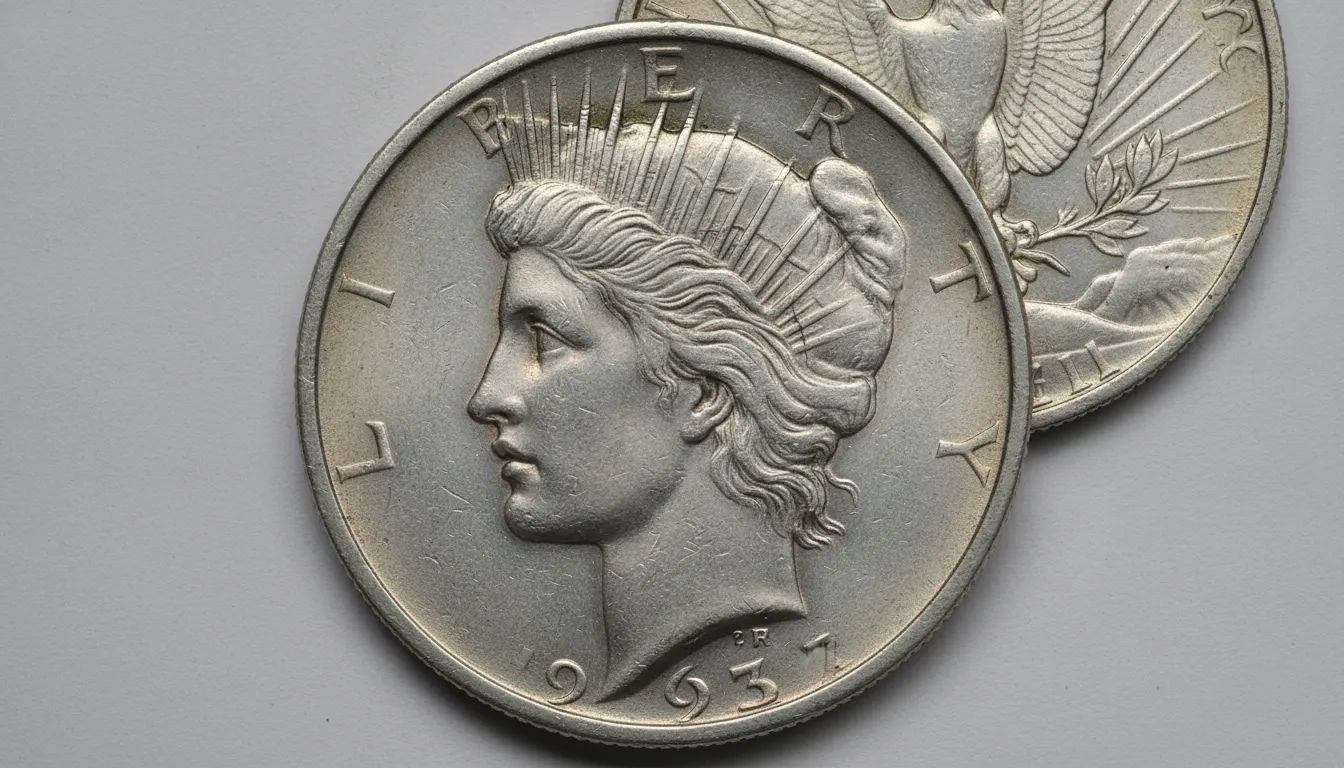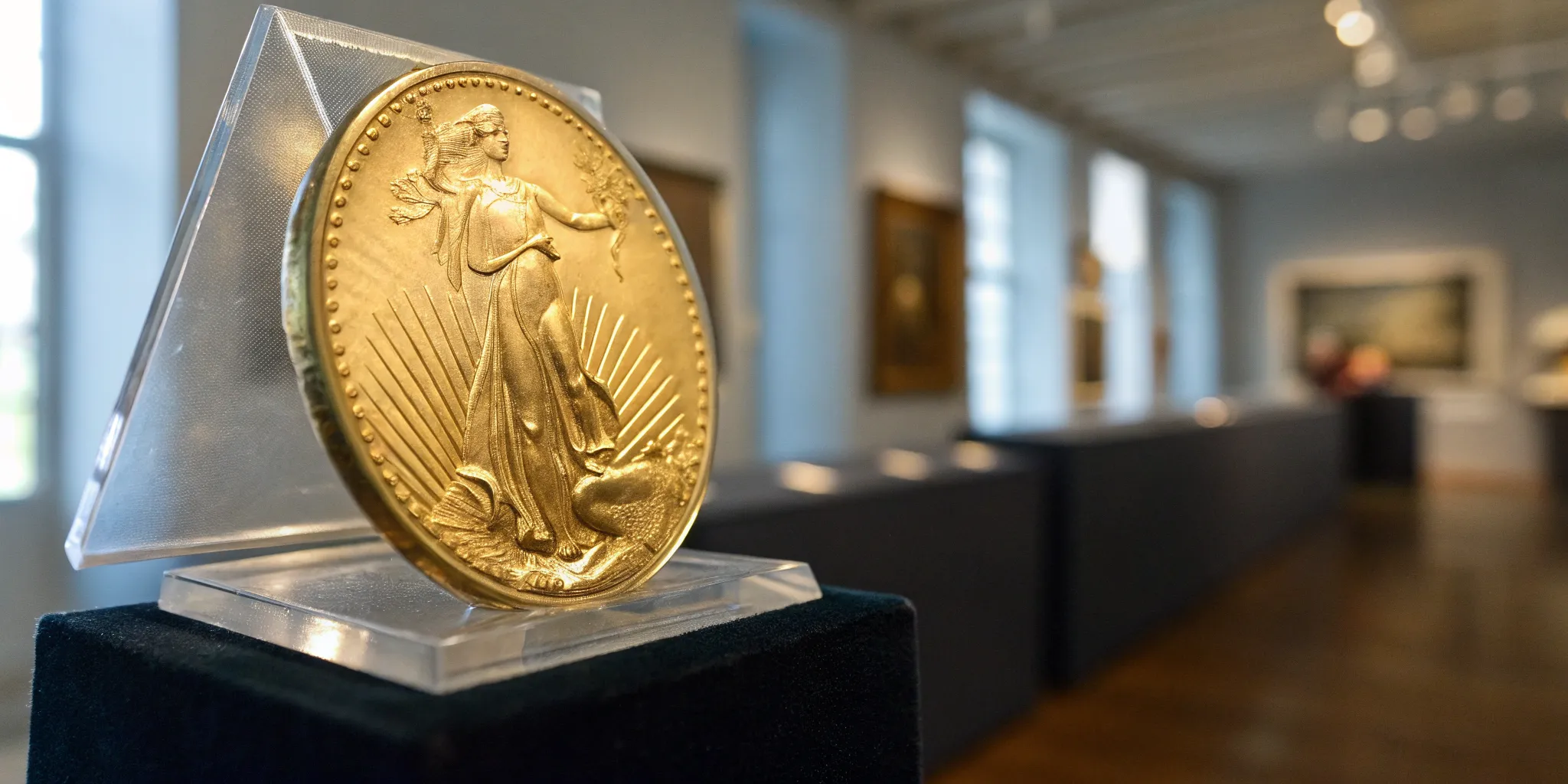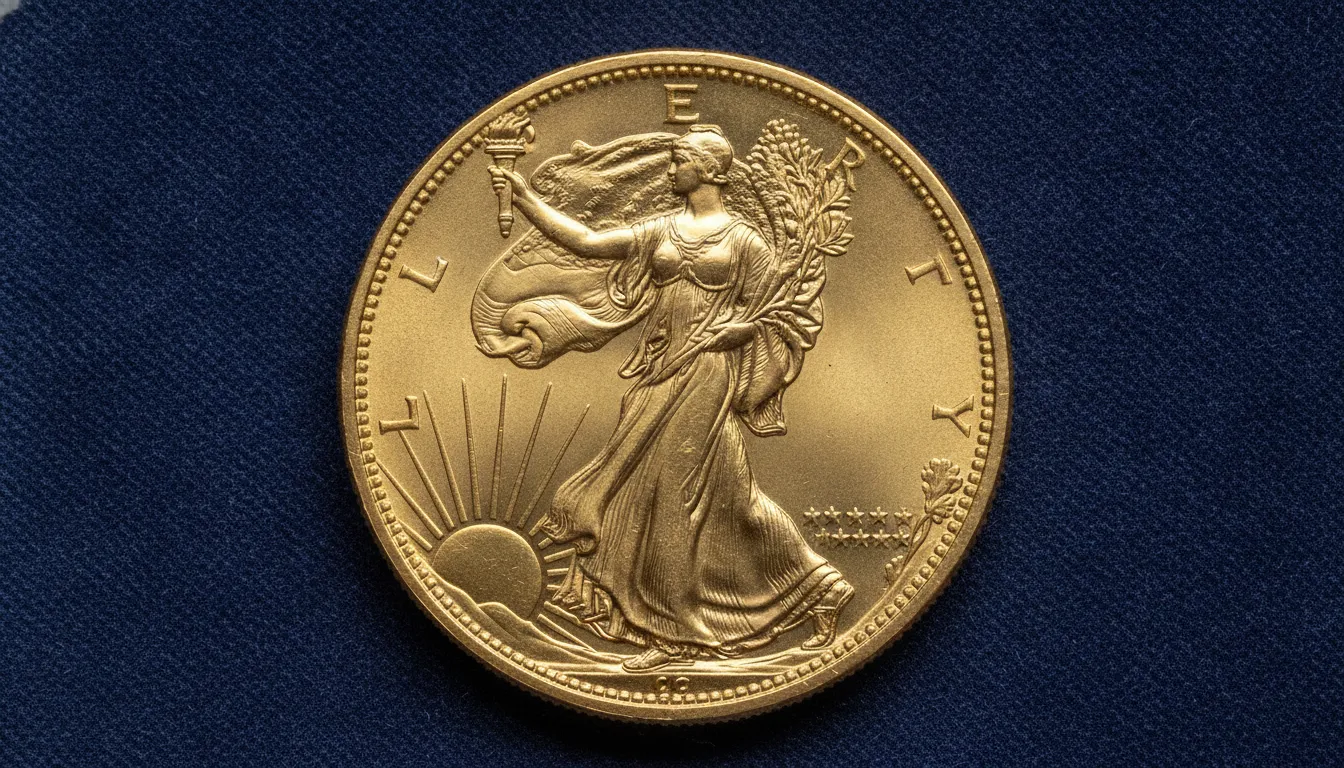
Not all gold coins are created equal, and this is especially true for the $5 Liberty Head Gold Coin. While every one of these coins contains a significant amount of gold, some are true treasures hiding in plain sight. The difference between a common coin and a rare collectible often comes down to a tiny letter, the mint mark, or a specific date of issue. Finding a coin from the Carson City or Dahlonega mint, or stumbling upon a key low-mintage year, can feel like a genuine discovery. This article will teach you exactly what to look for, turning your search into a calculated treasure hunt for a valuable piece of American history.
Key Takeaways
- Understand the three pillars of value: A coin's price isn't just about its gold content; it's a combination of its metal value, its rarity based on the year and mint mark, and its physical condition or grade.
- Insist on professional grading: Protect your investment by purchasing coins certified by trusted services like PCGS or NGC. This is the best way to verify a coin's authenticity and condition, helping you avoid fakes or improperly cleaned coins.
- Learn the key dates and mint marks: Certain years and mint marks, like those from Carson City (CC) or Dahlonega (D), are significantly rarer and more valuable. Knowing which combinations to look for is essential for identifying a truly special coin.
What's the Story Behind the $5 Liberty Head Gold Coin?
Every rare coin tells a story, and the $5 Liberty Head Gold Coin, also known as the Half Eagle, has one of the most compelling narratives in American numismatics. Minted for nearly 70 years, from 1839 to 1908, this coin was a workhorse of the U.S. economy. It witnessed westward expansion, the turmoil of the Civil War, and the dawn of a new century. Its journey from a common circulation coin to a prized collector's item is a direct reflection of America's own history. Understanding its background is the first step to appreciating its true value, both as a piece of gold and as a tangible link to the past. These coins are more than just currency; they are artifacts from a transformative period in the nation's development.
Gobrecht's Timeless Design
The classic and enduring design of the $5 Liberty Head was created by Christian Gobrecht, the third Chief Engraver of the U.S. Mint. The obverse (the "heads" side) features a portrait of Lady Liberty in the Greco-Roman style, her hair in a coronet inscribed with the word "LIBERTY." On the reverse, a proud bald eagle stands with its wings spread, clutching an olive branch and arrows, symbolizing peace and strength. This powerful imagery was a staple of American coinage for decades, representing the nation's core ideals. Gobrecht's work set a standard for beauty and craftsmanship, making these rare coins for sale a favorite among collectors who appreciate classic artistry.
A Coin Forged in the Gold Rush
The $5 Liberty Head tells a story of a nation in motion. It was produced at all seven U.S. Mint branches that operated during its run: Philadelphia, Dahlonega, Charlotte, New Orleans, San Francisco, Carson City, and Denver. This wide production footprint traces the path of the American gold rushes. However, a pivotal moment for gold owners came in 1933 when President Franklin D. Roosevelt issued Executive Order 6102. This order recalled most gold coins from circulation, leading to the melting of millions of pieces. This act dramatically reduced the number of surviving Liberty Heads, transforming them from everyday money into the historical rarities we seek out today.
Why "In God We Trust" Was Added
If you look closely at Liberty Heads minted after 1865, you'll notice a significant change. In 1866, a ribbon with the motto "IN GOD WE TRUST" was added to the reverse, above the eagle. This addition was a direct result of the increased religious sentiment that swept the country during and after the Civil War. In 1865, Congress passed legislation requiring the motto to be placed on all gold and silver coins large enough to accommodate it. This change created two distinct varieties of the $5 Liberty Head: the "No Motto" type (1839-1866) and the "With Motto" type (1866-1908), giving collectors another fascinating layer to explore.
What Makes the $5 Liberty Head So Special?
The $5 Liberty Head Gold Coin, often called the Half Eagle, is more than just a piece of precious metal; it’s a tangible piece of American history. Minted for an impressive 70 years, from 1839 to 1908, this coin was a workhorse of American commerce, passing through the hands of everyone from Gold Rush prospectors to Gilded Age industrialists. Its longevity and iconic design have made it a favorite among both new and seasoned collectors. But what exactly gives this coin its lasting appeal? It’s a perfect storm of its physical composition, the powerful symbolism etched into its design, and a key historical change that created two distinct varieties for collectors to pursue.
This coin tells the story of a nation in transition, from the antebellum years through the Civil War and into the dawn of the 20th century. Understanding its specifications, design elements, and historical varieties is the first step to appreciating its place in a collection. Let's look at the details that make these rare coins for sale a cornerstone for any serious numismatist. It's a coin that offers multiple entry points for collectors, whether you're drawn to its gold content, its beautiful design, or the specific historical period it represents.
Breaking Down the Specs: Size and Gold Content
First, let's talk numbers. Each $5 Liberty Head Half Eagle contains 0.2419 troy ounces of pure gold, making it a substantial piece for any portfolio. The coin itself weighs about 8.36 grams and is composed of 90% gold and 10% copper. This alloy wasn't just for show; the copper was added to harden the coin, making it durable enough to withstand daily circulation. This blend of intrinsic value and historical resilience is what makes pre-1933 gold bullion so sought after. Its size and weight feel significant in your hand, connecting you directly to the era in which it was used as everyday currency.
Decoding the Symbols on the Coin
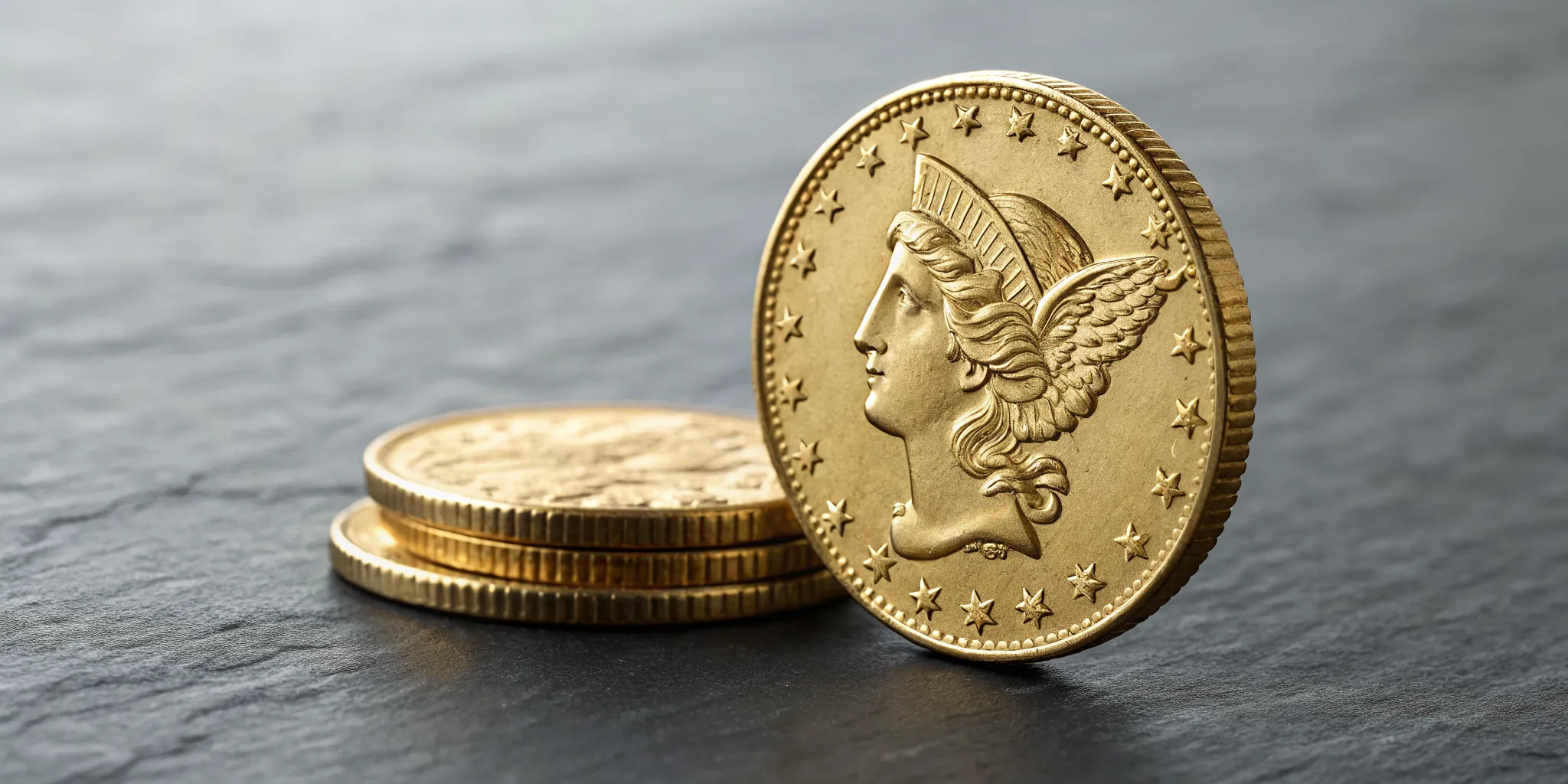
Every detail on the Liberty Head Half Eagle has a story. The front, or obverse, features a classic portrait of Lady Liberty in profile, facing left. She wears a coronet inscribed with the word "LIBERTY," and her hair is neatly tied in a bun. Encircling her are 13 stars, representing the original colonies, with the minting date displayed below. The reverse side showcases a proud heraldic eagle with a shield on its chest. In its talons, the eagle clutches an olive branch, symbolizing peace, and a bundle of arrows, representing military strength. This powerful imagery reflects the nation's identity and values during the 19th century.
The Two Varieties: With and Without the Motto
One of the most fascinating aspects for collectors is that the $5 Liberty Head comes in two distinct types. The original design, minted from 1839 to 1865, is known as the "No Motto" variety. Following the Civil War, a wave of religious sentiment led Congress to pass a law in 1865 mandating the inclusion of "IN GOD WE TRUST" on coinage. Starting in 1866, this motto was added to a ribbon above the eagle on the reverse. This created the "With Motto" variety, which was produced until 1908. This simple change offers a clear dividing line for collectors, with the earlier "No Motto" coins often being scarcer and more difficult to find in high-grade condition.
How Much Is Your $5 Liberty Head Gold Coin Worth?
Figuring out the value of your $5 Liberty Head gold coin is a bit like solving a puzzle. It’s not just about its age or the fact that it’s made of gold. The final price tag comes from a combination of its intrinsic metal value, its rarity, and its physical condition. A common date coin that saw heavy circulation might be worth a little more than its gold content, while a pristine example from a rare year could be worth thousands, or even tens of thousands, of dollars. This is where the real excitement for collectors and investors comes in: uncovering a piece of history that also holds significant monetary value.
Think of it in three main parts. First, there's the base value from the gold itself, which fluctuates with the market. This provides a solid floor for the coin's price. Second, there's the numismatic or collector value, which is driven by how many were made and how many are still around. This is all about supply and demand. Finally, the coin's grade, or state of preservation, acts as a multiplier. A coin that looks like it just left the mint will always command a higher price than one with visible wear and tear. Understanding how these three elements work together is the key to accurately assessing your coin's worth and its place in your collection.
What Determines Its Value?
The value of a $5 Liberty Head gold coin is a blend of its gold content and its collector appeal. Every coin has a base value tied to the spot price of gold, as it contains nearly a quarter-ounce of the precious metal. You can always track the current market for gold bullion to get a sense of this melt value. However, for most of these coins, the real value lies in their numismatic significance. This is determined by factors like rarity, which is tied to the specific year and mint mark, and the coin’s overall condition. A high-grade coin from a low-mintage year will be worth significantly more than its weight in gold because collectors are willing to pay a premium for it.
How to Understand Coin Grades
Coin grading is a standardized way to describe a coin's condition, and it has a huge impact on value. The industry uses a 70-point scale, where a grade of 1 means the coin is barely identifiable, and a 70 represents a perfect specimen. Coins graded 60 and above are considered "Mint State," meaning they show no signs of circulation. To ensure objectivity, it's best to have your coin graded by a reputable third-party service like PCGS or NGC. These services authenticate your coin and seal it in a protective holder with its official grade. This certification removes guesswork and gives both buyers and sellers confidence in the coin's quality and market value.
Key Dates and Mint Marks to Look For
Some $5 Liberty Heads are far more valuable than others simply because of when and where they were minted. The mint mark, a small letter on the reverse of the coin, tells you which U.S. Mint facility produced it. Coins from the Charlotte (C) and Dahlonega (D) mints are especially sought after because these mints produced fewer coins and were only operational before the Civil War. The Carson City (CC) mint mark is also a collector favorite. Certain dates are exceptionally rare, like the 1854-S, of which only three are known to exist. Checking your coin for these specific dates and mint marks is the first step in discovering if you have one of these valuable rare coins for sale.
Ready to Buy? Here's What to Look For
When you're ready to add a $5 Liberty Head Gold Coin to your collection, doing your homework is the most important step. These coins are beautiful pieces of history, but their value also makes them a target for counterfeiting and alteration. Protecting your investment means knowing what to look for and who to trust. Before making a purchase, focus on three key areas: verifying the coin's authenticity, spotting common issues that can lower its value, and understanding the role of professional grading services. Taking the time to get this right will give you confidence in your purchase and the quality of your collection.
How to Spot an Authentic Coin
The single best way to ensure you're buying a genuine $5 Liberty Head is to purchase coins that have been professionally certified. Look for examples graded by trusted third-party services like the Professional Coin Grading Service (PCGS) or the Numismatic Guaranty Corporation (NGC). These organizations are the industry standard for authentication. When a coin is graded by PCGS or NGC, it's examined by multiple experts who verify its authenticity before sealing it in a protective, tamper-evident holder, often called a "slab." This slab contains all the key information about the coin, including its grade and a unique certification number. Buying certified rare coins for sale removes the guesswork and provides a solid guarantee of authenticity.
Common Fakes and How to Avoid Them
Beyond outright counterfeits, a common issue collectors face is altered coins. Many historical coins have been improperly cleaned or polished over the years by well-meaning owners who didn't realize they were damaging the coin's value. Harsh cleaning strips away the original mint luster and the delicate patina that develops over time. Collectors prize coins with original surfaces, so any signs of cleaning, polishing, or other alterations can significantly reduce a coin's worth. To avoid this, look for coins that show honest, natural wear. A genuine, unaltered coin will have a consistent surface texture. Be wary of coins that look unusually shiny or have fine, parallel scratches, as these are telltale signs of cleaning.
The Importance of Third-Party Grading
Investing in professionally graded coins is a critical step for any serious collector. As mentioned, services like PCGS and NGC confirm a coin's authenticity, but they also provide an expert, objective assessment of its condition. This is known as the coin's grade. The grade has a direct impact on market value, ensuring you pay a fair price based on a standardized scale. A coin that has been graded and encapsulated by a reputable service not only offers peace of mind but also tends to have better liquidity. This means it will be easier to sell in the future because its quality and authenticity are already verified, making it a more secure piece of gold bullion for your portfolio.
Where Can You Find Authentic $5 Liberty Head Gold Coins?
When you're ready to add a $5 Liberty Head to your collection, the next question is where to find one. The market is full of options, but not all are created equal. Finding a genuine coin means knowing where to look and who to trust. This involves understanding the role of a reputable dealer, weighing the pros and cons of different sellers, and insisting on proper documentation for any coin you consider.
Why Work With a Trusted Dealer?
Partnering with a reputable dealer is one of the smartest moves you can make. An experienced numismatist offers more than just a coin; they provide expertise, guidance, and a layer of security for your purchase. They can help you find a coin that fits your collection's goals and budget, all while steering you clear of the surprisingly common counterfeits. It is strongly advised to buy certified examples from services like NGC or PCGS, and a trusted dealer will have a solid inventory of these graded coins. This relationship gives you confidence that you're acquiring a genuine piece of history, not a clever fake.
Online vs. Local Shops: What's the Difference?
You can find $5 Liberty Heads both online and in local brick-and-mortar shops, and each has its advantages. Online dealers often provide a wider selection, allowing you to browse extensive inventories of rare coins for sale from the comfort of your home. Local shops, on the other hand, give you the chance to hold and examine a coin before you buy it. Regardless of which you choose, the dealer's reputation is what matters most. High-quality coins, especially those graded between 60 and 70 (known as "Mint State"), are typically sold by established experts who can verify their perfect condition and justify their higher prices.
Always Ask for Proper Documentation
Proper documentation is non-negotiable when buying a valuable coin. This usually comes in the form of certification from a third-party grading service. Professional services like PCGS and NGC grade coins to confirm their condition and authenticity, sealing them in a protective holder with a unique serial number. This process, often called "slabbing," makes the coin more valuable and secure for collectors. Think of it as the coin's official report card and proof of identity rolled into one. An authenticated coin is not only a safer investment but also much easier to sell in the future, as its quality and legitimacy are already verified.
How Does a Coin's Condition Affect Its Value?
When it comes to rare coins, condition is everything. You could have two $5 Liberty Head coins from the same year and mint, but one might be worth thousands more than the other. Why the huge difference? It all comes down to how well the coin has been preserved over the last century or more.
The journey a coin takes after leaving the mint determines its fate and its value. Was it stored carefully in a collection, or did it spend decades in circulation, passing through countless hands? Every scratch, ding, and bit of wear tells a story and directly impacts its price. Understanding the basics of coin condition and grading is the first step toward making a smart purchase. It helps you know exactly what you're buying and ensures you're paying a fair price for the quality you receive. For collectors, a coin in pristine condition is the ultimate prize, representing a perfect snapshot of history.
How Grading Affects Price
A coin’s condition is formally assessed through a process called grading, which assigns a numerical score from 1 to 70. A grade of 1 means the coin is barely identifiable, while a 70 represents a flawless specimen. For $5 Liberty Heads, many surviving examples are found in lower grades from being used in daily commerce. Because of this, higher-grade Mint State (MS) coins are much scarcer and command significant premiums. A small jump in grade, especially at the higher end of the scale, can mean a massive leap in value. This is why professional grading by a reputable third-party service is so important; it provides a standardized, objective assessment of a coin's quality that collectors and investors trust.
Mint State vs. Circulated: What It Means for Value
Coins are generally categorized as either "circulated" or "Mint State." Circulated coins are those that have been used as money and show signs of wear. Mint State coins, on the other hand, were never circulated and remain in the same condition as when they left the mint. These are the coins that receive grades between 60 and 70 and almost always sell for higher prices. An uncirculated or Mint State $5 Liberty Head will have sharp details, original luster, and a clean surface free from the marks of handling. When you browse rare coins for sale, you'll see this distinction clearly reflected in the pricing.
Identifying Common Wear and Tear
When you examine a $5 Liberty Head, pay close attention to the high points of the design, like the strands of Liberty’s hair, the coronet, and the eagle’s feathers. These are the first areas to show wear. Beyond simple friction, look for distracting scratches, rim dings, or other marks. Most importantly, you should avoid cleaned or polished examples. While it might seem like a good idea to make a coin shiny, cleaning actually strips away the original mint luster and leaves microscopic scratches, drastically reducing its value. An experienced eye can spot the tell-tale signs of a cleaned coin, so it's always best to seek pieces with original, untouched surfaces.
Which Mint Marks and Years Are Most Valuable?
When you're evaluating a $5 Liberty Head, its date and mint mark are two of the most important factors in determining its value. Think of them as the coin's birth certificate. Certain combinations are incredibly rare, making them top prizes for collectors. A coin from a common year might be worth a little over its gold content, while a key date from a rare mint can be worth thousands more. Understanding which ones to look for is the first step in spotting a truly exceptional piece for your collection.
The Prized Mints: Carson City and Dahlonega
If you find a $5 Liberty Head with a "CC" (Carson City) or "D" (Dahlonega) mint mark, you've found something special. These mints operated for shorter periods and produced far fewer coins than their counterparts in Philadelphia or San Francisco. The Carson City Mint has a fascinating Old West history, and the Dahlonega Mint was born from the Georgia Gold Rush. Because of their limited production, coins from these mints are scarce and highly sought after. Their rarity makes them a cornerstone for many serious collections of rare coins for sale.
A Closer Look at Key Dates
Beyond the mint mark, specific years, known as "key dates," can make a coin exceptionally valuable due to extremely low mintage. For the "no motto" variety, the 1854-S is the champion of rarity. The San Francisco Mint produced only 268 of them, and today, only three are known to exist. For the later "with motto" variety, the 1875 coin from the Philadelphia Mint is the one to watch. Only 200 were ever struck, and experts believe fewer than five have survived. Finding one of these is a collector's dream, as their tiny original production numbers make them incredibly scarce.
Why Low Mintage Means High Value
The simple rule of supply and demand drives the value of low-mintage coins. When very few of a particular coin were made, there aren't enough to go around for all the collectors who want one. This scarcity was intensified by historical events. In 1933, President Franklin D. Roosevelt's Executive Order 6102 required citizens to turn in most of their gold coins, leading to the melting of countless pieces. This is why pre-1933 gold bullion coins are so prized today. Their value is a combination of their rarity, condition, and the intrinsic value of their gold content.
What's the Market for Liberty Heads Like Today?
The market for $5 Liberty Head gold coins is active and multifaceted, attracting both seasoned numismatists and precious metals investors. Their value is a dynamic blend of intrinsic worth, historical significance, and collector demand. Because these coins contain a substantial amount of gold, their base price is directly tied to the daily fluctuations of the gold market. This gives them a solid footing as a tangible asset.
However, the story doesn't end with the spot price of gold. The numismatic or collector value can add a significant premium, especially for coins that are rare or in exceptional condition. Factors like the mint mark, the year of issue, and the coin's grade all play a crucial role in its final valuation. Understanding these different layers is key to appreciating the coin's place in the market and making an informed decision as a buyer or seller.
Tracking Price Against the Gold Market
At its core, the value of a $5 Liberty Head is anchored by its gold content. Each coin contains nearly a quarter-ounce of pure gold, giving it a tangible, intrinsic value that moves in step with the global gold bullion market. When gold prices rise, the base value of your Liberty Head coin increases, and when they fall, it follows suit. This connection to a physical commodity makes it a popular choice for those looking to hold a piece of history that also serves as a hedge. Think of the gold content as the coin's price floor; it will generally not be worth less than its melt value.
What Are Collectors Looking For Now?
Beyond the gold, the real excitement for numismatists lies in a coin's rarity and condition. Collectors are actively seeking high-grade, Mint State (MS) examples that have been well-preserved over the last century. Since many of these coins saw heavy circulation, uncirculated specimens command significant premiums. Certain mint marks are also in high demand. Coins from the Charlotte (C) and Dahlonega (D) mints, for instance, are particularly scarce and prized by collectors. These details are what can turn a beautiful gold coin into one of the truly great rare coins for sale on the market.
Is It a Good Fit for Your Portfolio?
Deciding whether to add a $5 Liberty Head to your portfolio depends on your goals. As a gold coin, it offers the stability and long-term growth potential associated with precious metals. It's a tangible asset you can hold, providing a sense of security that paper assets sometimes lack. For those looking to diversify, it can be an excellent addition. If you're considering precious metals for long-term wealth preservation, exploring options like a Gold IRA Starter Kit can provide a structured way to incorporate assets like the Liberty Head. Remember, its value is tied to the gold market, so it's wise to stay informed about price trends.
How to Protect Your $5 Liberty Head Investment
Owning a beautiful $5 Liberty Head is a fantastic achievement, but the work doesn't stop once you've made the purchase. Protecting your investment is just as important as acquiring it. Proper care and documentation ensure your coin retains its condition and value for years to come, safeguarding this tangible piece of American history. A few simple steps can make all the difference in preserving its legacy and its worth, whether you plan to pass it down through generations or eventually sell it. Taking these protective measures gives you peace of mind and helps your collection flourish.
The Right Way to Store and Handle Your Coins
The best way to protect your coin starts with the purchase itself. I always recommend buying certified examples from trusted grading services like the Numismatic Guaranty Corporation (NGC) or the Professional Coin Grading Service (PCGS). These organizations authenticate and grade each coin, sealing it in a protective holder, which is the ideal way to store it. This slab not only guards against physical damage and environmental exposure but also serves as a guarantee of its authenticity and condition. When you buy rare coins that are professionally graded, you get a valuable asset and the confidence that comes with expert verification. This simple step helps you avoid counterfeits and secures the foundation of your coin's long-term value.
Keeping Records and Getting Insured
Once you have your coin, meticulous record-keeping is your next best friend. Create a detailed inventory of your collection, noting the purchase price, date, grading certificates, and any appraisal documents. This isn't just for organizational purposes; it helps you track your investment's value over time. Furthermore, this documentation is crucial if you decide to insure your collection, which is a wise move to protect against theft, loss, or damage. The grading certificate from PCGS or NGC provides the documented proof of value that insurers need. As experts with over 35 years of experience, we've seen firsthand how proper records and insurance provide essential security for serious collectors.
Related Articles
- $5 LIBERTY | Precious Metals & Rare Coins Dealer | Antique Coins - Park Ave Numismatics (MS-63)
- $5 LIBERTY | Precious Metals & Rare Coins Dealer | Antique Coins - Park Ave Numismatics (MS-62)
- $5 LIBERTY | Precious Metals & Rare Coins Dealer | Antique Coins - Park Ave Numismatics (MS-65)
- $5 LIBERTY | Precious Metals & Rare Coins Dealer | Antique Coins - Park Ave Numismatics (XF)
- Liberty Head $5 (1839-1908) | Park Ave Numismatics
Frequently Asked Questions
What's the difference between the "No Motto" and "With Motto" varieties? The key difference is a small but historically significant detail on the back of the coin. In 1866, following the Civil War, the U.S. Mint added the motto "IN GOD WE TRUST" on a ribbon above the eagle. Coins minted before this change (from 1839 to 1866) are known as the "No Motto" type. Because they are older and fewer have survived in good condition, these earlier coins are often scarcer and more sought after by collectors.
Is it really worth paying more for a professionally graded coin? Absolutely. When you buy a coin graded by a top-tier service like PCGS or NGC, you are paying for certainty. These experts verify the coin's authenticity and provide an objective assessment of its condition, which directly impacts its market value. This protects you from accidentally buying a counterfeit or an altered coin and gives you a clear advantage when it's time to sell, as other collectors will trust the certified grade.
How can I tell if my coin is rare without being an expert? A great place to start is by looking for the mint mark, which is a small letter on the reverse side of the coin, just below the eagle. Coins with a "C" (from the Charlotte mint), a "D" (Dahlonega), or a "CC" (Carson City) are instantly interesting because those mints produced far fewer coins than others. After checking the mint mark, you can research the date to see if it's a known low-mintage year.
I inherited a coin that looks a bit dull. Is it safe to clean it? Please don't. Any kind of cleaning, even a gentle wipe with a cloth, can permanently damage a coin's original surface and significantly lower its value. Collectors prize coins that have their natural, original patina that has developed over time. Polishing or using chemicals leaves microscopic scratches and creates an unnatural shine that experts can spot immediately, so it's always best to leave the coin as it is.
How much does the price of gold affect a common Liberty Head coin's value? The gold content provides a solid price floor for the coin. A common-date $5 Liberty Head in circulated condition will always be worth at least its melt value, which fluctuates daily with the gold market. For rarer dates or coins in pristine, uncirculated condition, the collector (or numismatic) value is a premium added on top of the gold price. In those cases, the coin's rarity and condition are much more important drivers of its final price.