
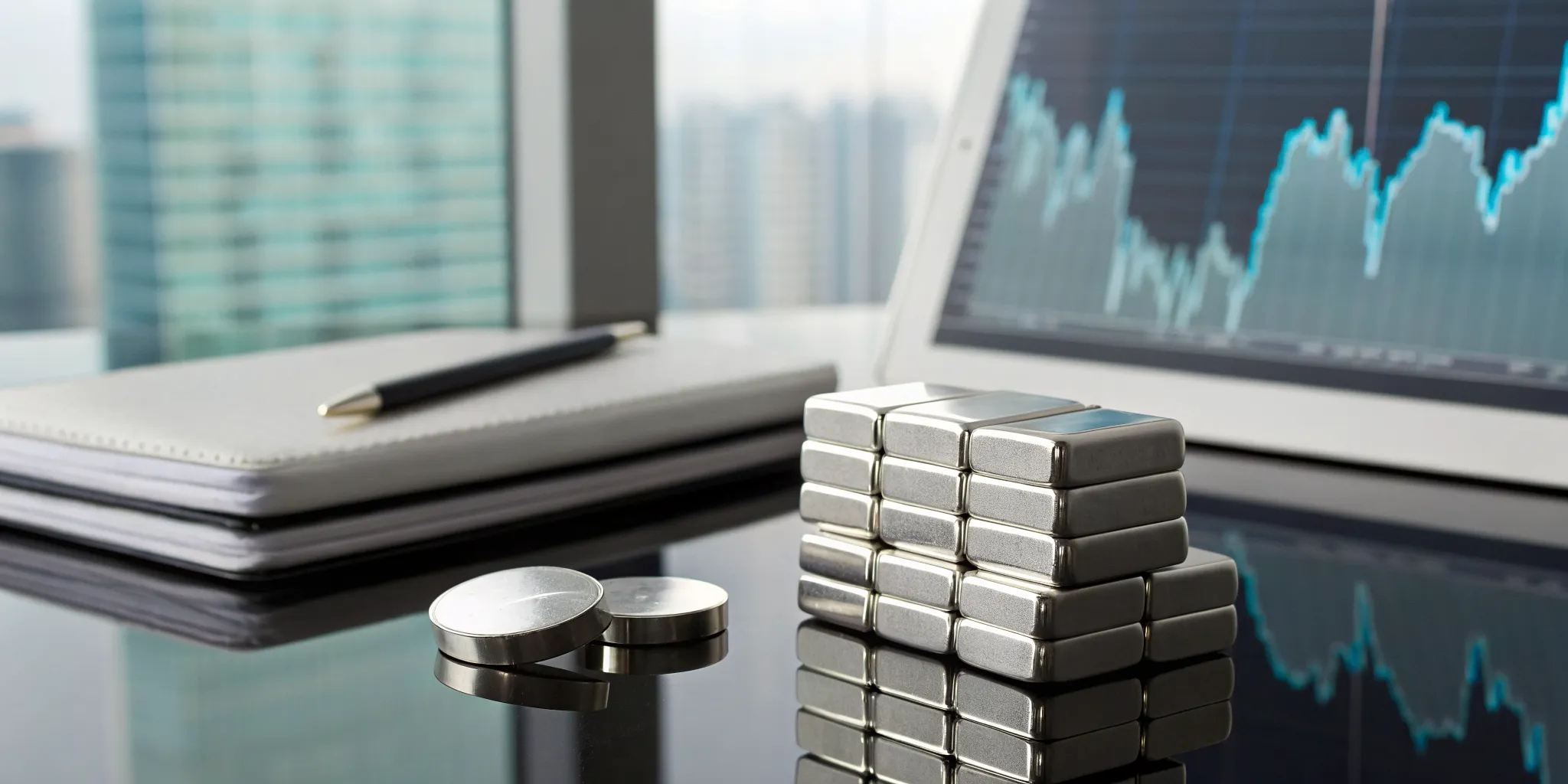
Silver has been a trusted store of value for centuries, a constant in a world of ever-changing currencies. Today, its role is twofold: it remains a safe-haven asset while also being a critical component in modern technology, from solar panels to smartphones. This dual identity makes its market fascinatingly complex. The current silver price in USA is a snapshot of this dynamic interplay between ancient appeal and industrial demand. To truly grasp its value, you need to look at its historical performance, its relationship to gold, and the economic forces that shape its future, all of which we will cover here.
Key Takeaways
- Understand the drivers behind silver's price: Silver's value is influenced by more than just market trading; it's also shaped by industrial demand for technology, investor behavior during economic shifts, and global supply levels.
- Invest with a clear plan: A successful silver investment includes practical considerations beyond the initial purchase, such as arranging for secure storage, knowing the tax rules in your area, and working with a trusted dealer.
- Use silver to strengthen your portfolio: Silver serves as a powerful tool for hedging against inflation and economic uncertainty. Its unique role as both a tangible asset and an industrial metal makes it a strategic choice for long-term diversification and wealth preservation.
What Is Today's Silver Price?
The price of silver is always on the move. Unlike a price tag on a shelf, it changes constantly, reacting to trading activity across global markets from New York to Hong Kong. When investors and collectors talk about the "price of silver," they are referring to its spot price. Think of the spot price as the live market rate for one troy ounce of silver that's available for immediate purchase and delivery. It’s the baseline that dealers use to price their silver bullion products, from coins to bars. This price is determined by the nearest-month futures contract with the most trading volume, which essentially reflects the current supply and demand balance in the market.
While the price is most commonly quoted per troy ounce, you can also find it listed by the gram or kilogram, which is helpful for different scales of investment. On any given day, you might see the spot price at $81.72 per ounce, reflecting a change of a few dollars from the previous day's close. This constant motion is what makes silver such a dynamic asset. Understanding that the price you see is just a snapshot in time is key. Before you buy or sell, it's important to check the live market data and have a grasp on why these prices fluctuate so frequently. It ensures you're making decisions based on the most current information available, which is a cornerstone of smart investing.
Checking Real-Time Market Prices
To get the most accurate, up-to-the-minute silver price, you’ll want to look at a live price chart. These charts are essential tools for any serious investor. They pull data from major international exchanges and often refresh every few seconds, giving you a true real-time view of the market. This live data reflects the spot price, which is the benchmark used for pricing physical silver products you might be looking to purchase. Reputable precious metals dealers, including our team here at Park Avenue Numismatics, rely on this data to ensure fair and transparent pricing for all our silver coins and bars.
Understanding Daily Price Swings
Silver is known for being one of the more volatile precious metals, so seeing its price move throughout the day is completely normal. These daily price swings are a natural part of the market. For example, it’s not unusual for silver to trade within a range of several dollars in a single 24-hour period, perhaps moving from a low of $78 to a high near $85. This activity is driven by high trading volumes and shifting investor sentiment. While bullion prices follow these swings closely, the value of rare coins is also influenced by factors like condition and scarcity, which can add a different layer of stability.
What Moves the Price of Silver?
The price of silver is constantly in motion, reflecting a dynamic interplay of global forces. It’s not just random fluctuation; every shift in price is a reaction to real-world events and economic conditions. Understanding these key drivers is essential for any serious investor looking to make informed decisions. Silver’s unique position as both a precious metal and a critical industrial commodity means its value is influenced by a fascinating mix of factors. From the basic principles of supply and demand to the latest tech innovations and global economic news, several elements work together to determine its daily market price. By getting a handle on these core drivers, you can better interpret market movements and identify potential opportunities for your portfolio.
The Push and Pull of Supply and Demand
At its core, the price of silver follows the fundamental economic rule of supply and demand. When demand for silver is higher than the available supply, prices tend to rise. Conversely, if the market has more silver than buyers want, prices will likely fall. Supply comes from two main sources: new silver from mining operations and recycled silver from old jewelry and electronics. Demand is more varied, coming from investors who buy physical silver bullion, industrial sectors that need it for manufacturing, and the jewelry and silverware industries. This constant tug-of-war between availability and appetite is the primary force behind silver's day-to-day price.
How Industrial and Tech Needs Impact Value
Unlike gold, a significant portion of silver's demand comes from its industrial applications. Silver is one of the most conductive and reflective metals, making it indispensable in modern technology. You’ll find it in everything from solar panels and electric vehicles to smartphones and medical devices. As green energy initiatives and technological advancements accelerate, the industrial need for silver is expected to grow. This consistent demand from industries creates a strong foundation for silver's value. It also means that tracking trends in manufacturing and technology can give you valuable insight into where silver prices might be headed in the future.
The Role of Economic News and Inflation
Silver has been used as money for centuries, and it continues to play a role as a trusted store of value. During times of economic uncertainty, many investors turn to precious metals to protect their wealth. When inflation rises, the purchasing power of currencies like the U.S. dollar decreases, making tangible assets like silver more attractive. For this reason, silver is often considered a hedge against inflation. Watching key macroeconomic factors, such as inflation rates and real interest rates, can help you anticipate shifts in investor sentiment. Many people even use precious metals to secure their retirement through a self-directed IRA.
Global Events and Market Stability
The global economic and political landscape has a major impact on silver prices. Geopolitical tensions, trade disputes, and major policy decisions from central banks, like the U.S. Federal Reserve, can create market volatility. During periods of instability, investors often seek refuge in safe-haven assets, and silver is a popular choice. Because it is more affordable than gold, it is accessible to a broader range of investors looking to secure their assets. Paying attention to world events and financial news can provide important context for understanding why the silver market is moving in a particular direction.
How Does Today's Silver Price Stack Up Historically?
To make sense of today's silver price, it helps to look at its past performance. Like any asset, silver has seen its share of peaks and valleys, driven by economic shifts, industrial demand, and investor sentiment. Understanding these historical trends gives you a clearer picture of silver's long-term value and its role in a diversified portfolio. By examining its journey, you can better appreciate its current position and future potential. This historical context is key for anyone looking to buy or sell precious metals with confidence.
A Look at Silver's Performance Over Time
Silver has a reputation for being volatile, and its history includes some truly dramatic price movements. The market saw a significant peak in early 1980 and another major surge in 2011, when the price neared $50 per ounce. These moments show just how quickly market conditions can change and highlight the potential for growth that attracts so many investors. While past performance is never a guarantee of future results, these historical highs demonstrate silver's capacity for substantial gains. This dynamic history is part of what makes silver bullion such a compelling asset for both new and experienced investors.
Major Price Milestones and Market Cycles
Zooming in on annual prices reveals the cyclical nature of the silver market. For example, the average price of silver was around $14.97 in 2008 before climbing to $20.21 in 2010 and peaking at an average of $35.29 in 2011. These milestones aren't random; they reflect broader economic events and shifts in supply and demand. Recognizing these cycles can help you identify patterns and make more strategic decisions. Navigating these market shifts is where experience matters, and our team has been guiding clients for over 35 years. You can learn more about our deep expertise on our About Us page.
Analyzing the Gold-to-Silver Ratio
One of the most useful tools for evaluating silver's price is the gold-to-silver ratio. This simple metric tells you how many ounces of silver it takes to buy one ounce of gold. When the ratio is high, it suggests that silver may be undervalued compared to gold, potentially signaling a good buying opportunity. Conversely, a low ratio might indicate that silver is overvalued. Investors watch this ratio closely to gauge market sentiment and decide whether to invest in silver, gold bullion, or a combination of both. It’s a practical way to assess relative value beyond looking at the dollar price alone.
Why Does the Price of Silver Change So Often?
If you follow the precious metals market, you’ve noticed that silver’s price can seem like it’s on a rollercoaster. It’s not your imagination. Silver is known for its price volatility, meaning its value can shift significantly and quickly. These frequent changes are driven by a combination of factors, from daily trading activity to large-scale economic policies. Understanding what makes silver’s price move is key to making informed decisions as an investor. Let's look at the main reasons behind these constant fluctuations.
The Impact of Market Trading and Volatility
Of all the precious metals, silver is the most volatile. Its price is in constant motion because it’s traded actively on global markets, much like stocks. Every minute of the trading day, buyers and sellers react to new information, causing the price to tick up or down. This high volume of trading activity amplifies price swings. This volatility presents opportunities for investors but also requires a steady strategy. Unlike less-traded assets, silver’s value is a direct reflection of real-time market sentiment. You can explore a variety of silver bullion options to get started.
How Global Currencies Affect Silver's Value
The value of the U.S. dollar has a major impact on silver prices. Since silver is priced in dollars globally, a weaker dollar often means a higher silver price, and a stronger dollar can push it lower. When the dollar loses purchasing power, it takes more dollars to buy the same ounce of silver. Inflation also plays a huge role. During times of rising inflation, investors often turn to tangible assets like silver and gold bullion to protect their wealth. This increased demand can drive prices up.
The Influence of Central Bank Decisions
Decisions made by central banks, especially the U.S. Federal Reserve, send ripples through the silver market. When the Fed adjusts interest rates, it directly affects the appeal of holding silver. Higher interest rates can make interest-bearing assets like bonds more attractive, potentially drawing money away from non-yielding assets like silver. Conversely, lower rates can make silver a more appealing investment. Central bank policies shape the entire economic landscape, influencing investor confidence and inflation expectations. These policy shifts are why planning for the long term with a Gold IRA Starter Kit can be a smart move.
How Can You Invest in Silver Today?
Once you understand what drives silver's value, you can explore different ways to add it to your portfolio. From holding physical metal to planning for retirement, there are several straightforward strategies to consider for acquiring this precious metal.
Buying Physical Silver: Coins and Bars
For many, the appeal of silver lies in its tangible nature. You can buy physical silver in several forms, including government-minted coins, privately minted rounds, and bars of various sizes. Popular choices include the American Silver Eagle and the Canadian Silver Maple Leaf, which are recognized and trusted worldwide. If you prefer bullion, you can find silver bullion in weights ranging from a few ounces to large 1,000-ounce bars, allowing you to choose an option that fits your investment goals and storage capacity. Owning the physical metal gives you direct control over your asset, free from third-party risk.
Securing Your Future with a Silver IRA
You can also incorporate silver into your long-term retirement strategy with a self-directed IRA. A Silver IRA allows you to hold approved physical silver products, like specific coins and bars, within a tax-advantaged account. This is a powerful way to diversify your retirement savings beyond traditional stocks and bonds, offering a hedge against inflation and economic uncertainty. By including precious metals, you add a layer of stability to your portfolio that can help protect your wealth over the long run. You can learn more about how these accounts work by exploring a precious metals IRA kit to see if this path is right for you.
Smart Investing with Dollar-Cost Averaging
Market timing is notoriously difficult, which is why many seasoned investors use dollar-cost averaging. This strategy involves investing a fixed dollar amount in silver at regular intervals, regardless of the price. For example, you might decide to buy $500 worth of silver on the first of every month. When the price is low, your fixed investment buys more silver; when the price is high, it buys less. This approach smooths out your average cost per ounce over time and removes the emotion from your buying decisions. It’s a disciplined way to gradually build your holdings and focus on long-term value instead of short-term market swings.
Where to Buy Silver with Confidence
Once you decide to add silver to your portfolio, the next big question is where to buy it. This step is critical because your choice of dealer affects the price you pay, the quality of the silver you receive, and the security of your transaction. You have several options, from large online dealers and local coin shops to private sellers at trade shows. The most important factor is confidence. You need to trust that you're getting authentic silver at a fair market price, without hidden fees or complications. A reliable dealer provides transparency, expertise, and a solid reputation. They can guide you through your options, whether you're interested in bullion bars for straightforward investing or collectible coins with numismatic value. Here’s how to find the right source for your silver investment.
Explore Our Curated Silver Collection
The easiest way to start is by exploring a collection vetted by experts. At Park Avenue Numismatics, we take the guesswork out of buying. Our inventory of silver bullion includes some of the most sought-after coins and bars in the world, from the iconic American Silver Eagle to privately minted rounds and bars in various weights. Each piece is selected for its quality and authenticity, so you can be sure you're adding a valuable asset to your portfolio. We provide clear pricing and detailed information for every item, making it simple to find the perfect silver investment that aligns with your goals. When you buy from a curated collection, you're not just buying metal; you're investing with confidence.
Finding a Reputable Precious Metals Dealer
A reputable dealer is your most important partner in precious metals investing. Look for a company with a long, established history and positive industry standing, like an A+ rating from the Better Business Bureau. A trustworthy dealer is always transparent about pricing. You should expect to pay the current spot price plus a small premium, which covers the costs of sourcing and verifying the metal. They should also have knowledgeable specialists on staff who can answer your questions without pressure. Learning about us and our decades of experience can give you the peace of mind that you're working with seasoned professionals dedicated to your success.
Tips for Buying from Local Coin Shops
Visiting a local coin shop can be a great experience, especially if you enjoy handling items before you buy. To make the most of it, do your homework first. Check their online reviews and have an idea of the current silver spot price before you walk in. Don't be afraid to ask questions about their inventory and pricing. A good local dealer will be happy to share their knowledge. One advantage of a national dealer, however, is a larger selection. You can browse a vast inventory of rare coins for sale online to see what's available beyond your local market, ensuring you find the exact piece you're looking for at a competitive price.
How to Track Silver Prices Like a Pro
Staying informed about silver's price movements is the key to making confident investment decisions. Instead of guessing, you can use professional-grade tools and strategies to monitor the market. This proactive approach helps you spot trends, identify buying opportunities, and manage your portfolio with greater precision. By developing these habits, you can move from being a passive observer to a strategic investor.
Must-Have Tools for Price Tracking
To track silver effectively, you need access to live, reliable data. Several online platforms provide up-to-the-minute spot prices, often updating every few seconds during trading hours. Reputable sources like Kitco and Monex offer real-time charts that show the price of silver per ounce, gram, and kilogram. Using these tools gives you a clear view of market activity as it happens. This allows you to see how your holdings are performing at any given moment and make decisions based on the most current information available. Keeping an eye on these live prices is the first step to understanding the rhythm of the silver bullion market.
Set Price Alerts to Find Buying Opportunities
You don’t have to watch the market all day to catch the perfect moment to buy or sell. Many financial platforms and apps allow you to set price alerts. Simply choose a target price for silver, and you’ll receive an email or push notification when the market hits that number. This simple tool is incredibly powerful for executing your investment strategy. For example, you can set an alert for a price dip to signal a potential buying opportunity or a price peak if you’re considering selling. Using alerts helps you act decisively without letting emotion or constant screen-watching dictate your choices.
Learn to Read Market Charts and Indicators
Beyond the live price, understanding market charts gives you a deeper insight into silver’s performance. Historical data can reveal long-term trends, patterns, and key price levels. It’s also wise to watch related markets. For instance, silver prices often move in relation to gold, so keeping an eye on the gold-to-silver ratio can provide valuable context. Furthermore, major economic news and geopolitical events can cause significant price swings. Staying informed about these factors will help you better understand why the market is moving and what might happen next, strengthening your overall investment strategy.
Key Considerations Before You Buy Silver
Thinking about adding silver to your portfolio is an exciting step. But before you make a purchase, it’s smart to look beyond the spot price and consider the practical side of owning a physical asset. A little planning goes a long way in making sure your investment is secure and successful. Thinking through details like storage, taxes, and your overall strategy helps you invest with confidence and avoid common hurdles that can trip up new buyers.
Plan for Secure Storage and Insurance
Once you purchase physical silver, the next question is: where will you keep it? You have a couple of solid options. Storing it at home in a high-quality, fireproof safe is a popular choice for those who want direct access to their assets. However, make sure your homeowner's insurance policy covers precious metals, as many standard policies have limits. For larger collections or for those who prefer off-site security, a specialized third-party depository is an excellent alternative. These facilities offer high-security environments and are fully insured, giving you complete peace of mind that your silver bullion is protected.
Understand the Tax Implications
Taxes are an important, though often overlooked, part of buying precious metals. Depending on where you live, your silver purchase could be subject to state and local sales tax. These laws vary significantly from one state to another, and sometimes even by city or county. Some states exempt bullion from sales tax altogether, while others have specific rules based on the purchase amount. Before you buy, take a moment to research the tax regulations in your area. Understanding these potential costs upfront helps you budget accurately and ensures there are no surprises when you finalize your investment.
Avoid These Common Investor Mistakes
One of the biggest mistakes new investors make is treating silver like a short-term gamble instead of a long-term store of value. It’s easy to get caught up in market excitement or fear, leading to impulsive decisions. A successful strategy involves patience and a clear plan. Another common oversight is forgetting the practical details, like factoring in storage costs or understanding how you’ll liquidate your assets when the time comes. By working with a trusted dealer, you can build a strategy that aligns with your financial goals and sidestep these preventable errors.
Is Now a Good Time to Invest in Silver?
Deciding on the perfect moment to invest can feel like trying to catch a moving train, but certain economic signals can point to a great opportunity. Silver has long been valued for its stability and potential for growth, especially when other markets seem unpredictable. Rather than trying to time the market perfectly, it’s more helpful to understand the conditions where silver typically performs well. By looking at factors like inflation, economic stability, and your own long-term goals, you can make an informed decision that aligns with your financial strategy.
Using Silver as a Hedge Against Inflation
One of silver’s most powerful roles is as a hedge against inflation. When the cost of living rises, the value of each dollar you hold decreases. This is where tangible assets come in. Unlike paper currency, which can be printed and devalued, the finite supply of silver helps it retain its purchasing power over time. As inflation climbs, investors often move toward precious metals to protect their wealth from erosion.
This effect is often amplified when interest rates are low. If savings accounts and bonds are offering minimal returns, holding cash becomes less appealing. In these environments, assets like silver bullion become an attractive alternative for preserving and growing capital, offering a reliable store of value when traditional financial instruments fall short.
Why Silver Shines During Economic Uncertainty
During periods of economic or geopolitical turmoil, investors instinctively seek out safe-haven assets. Silver, much like gold, has a reputation for being a dependable store of value when stock markets are volatile or confidence in the economy wavers. It acts as a form of financial insurance, providing stability when other investments may be declining. Because silver is a global commodity, its value is less dependent on the economic health of any single country.
What makes silver particularly appealing is its accessibility. With a lower price point than gold, it allows a wider range of investors to secure a position in precious metals. This makes it a practical choice for both new and seasoned investors looking to safeguard their assets. With over 35 years of experience, our team at Park Avenue Numismatics has helped countless clients find stability through precious metals during uncertain times.
Building Long-Term Wealth with Precious Metals
Beyond reacting to short-term market changes, silver plays a key role in building a resilient, long-term investment portfolio. Diversification is a fundamental principle of sound investing, and adding physical assets like silver can balance out the volatility of stocks and bonds. Its price often moves independently of other financial markets, which can help cushion your portfolio during downturns.
Silver’s unique position as both an investment asset and a critical industrial metal adds another layer to its long-term appeal. Its use in everything from solar panels and electric vehicles to medical technology creates a consistent and growing demand. This dual identity helps support its value over the long run, making it a strategic component for anyone looking to build lasting wealth. Including precious metals in a self-directed IRA is one effective way to formalize this strategy for your retirement.
Related Articles
- Blog | Precious Metals & Rare Coins Dealer | Antique Coins - Park Ave Numismatics
- Precious Metals Glossary | Precious Metals & Rare Coins Dealer | Antique Coins - Park Ave Numismatics
- Buy Silver in Miami, FL | Park Avenue Numismatics | Precious Metals & Rare Coins Dealer | Antique Coins - Park Ave Numismatics
Frequently Asked Questions
Why is the price I pay for a silver coin higher than the spot price? The spot price you see on charts is the base price for one troy ounce of raw, unfabricated silver. The price you actually pay for a coin or bar includes a small additional amount called a premium. This premium covers the costs involved in transforming that raw silver into a finished product, including manufacturing, minting, and distribution, as well as the dealer's business costs. It’s a standard part of buying any physical precious metal.
With all the daily price swings, how can I decide on the right time to buy? Trying to perfectly time the market's highs and lows is nearly impossible and can be very stressful. A more effective approach is to focus on a long-term strategy. Many investors find success with dollar-cost averaging, which involves buying a fixed dollar amount of silver at regular intervals. This method helps smooth out your average cost per ounce over time and keeps you from making reactive decisions based on short-term market volatility.
Is it better to invest in silver coins or silver bars? The best choice really depends on your personal goals. Government-minted coins, like the American Silver Eagle, are highly recognizable and easy to buy or sell anywhere in the world, which provides great flexibility. Silver bars, especially in larger sizes, often have slightly lower premiums over the spot price, meaning you can get more physical silver for your money. Both are excellent ways to own silver, so the decision often comes down to whether you prioritize liquidity or cost-effectiveness.
How does silver's industrial use affect its value as an investment? Silver's vital role in technology and manufacturing creates a strong and consistent source of demand that is separate from investment trends. Because it is essential for producing everything from solar panels to smartphones, there is a constant global need for it. This industrial demand provides a solid foundation for its value, which can help support its price even when investment interest ebbs and flows.
What's the first step I should take if I'm serious about buying silver? The best first step is to define your personal investment goals. Are you looking to hedge against inflation, add a tangible asset to your retirement account, or simply diversify your portfolio? Once you have a clear objective, you can find a reputable dealer to work with. An experienced professional can help you understand your options and select the specific silver products that best align with your strategy.





