
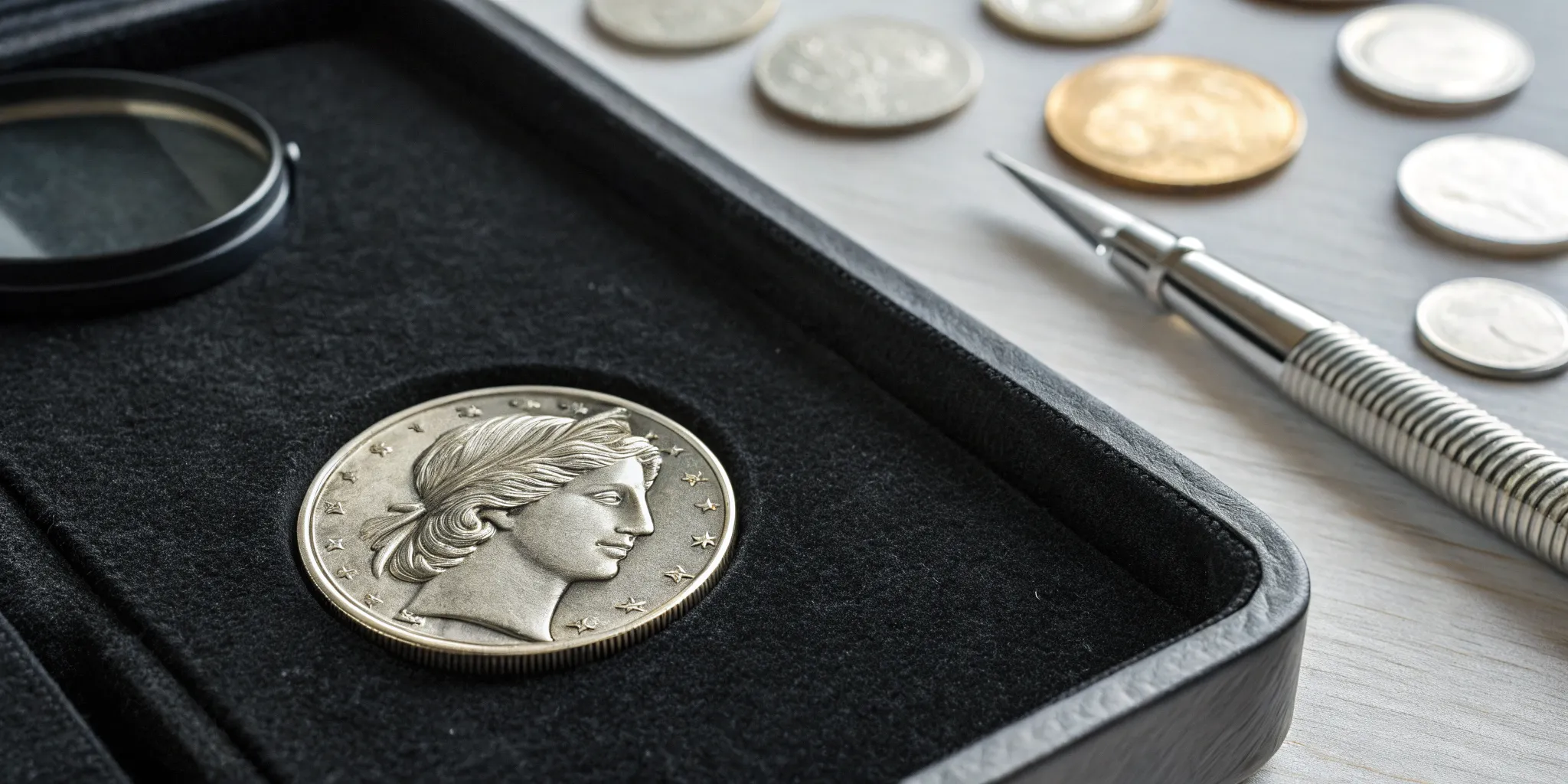
 Every great coin has a story, and the Liberty Head series is full of them. When the nickel was first released in 1883 without the word "CENTS," clever fraudsters gold-plated them and passed them off as $5 gold pieces, creating a national scandal. This tale of the "Racketeer Nickel" is just one of the many fascinating histories that bring this series to life. These stories aren't just trivia; they directly impact a coin's desirability and value among collectors. Owning a Liberty Head coin is like holding a tangible piece of that history. In this guide, we’ll explore the rich backstories and key variations that make these coins so compelling for both seasoned numismatists and new collectors alike.
Key Takeaways
- Know Your Liberty Heads: The iconic design appears on two distinct coin types, the everyday "V" nickel and a family of valuable gold coins. Identifying the coin's metal and denomination is the first step in understanding its history and potential worth.
- Condition and Rarity Drive Value: A coin's price depends on its physical condition (grade) and its scarcity, not just its age or metal content. Key dates, low mintage numbers, and high-grade examples are what create significant numismatic value for collectors.
- Protect Your Asset Through Proper Care and Verification: Preserve your coin's value by handling it by the edges and using proper storage. For significant purchases, always work with a reputable dealer and insist on third-party grading from services like PCGS or NGC to guarantee authenticity and condition.
What Is a Liberty Head Coin?
The Liberty Head design is one of the most iconic images in American coinage, a classic that captures a pivotal era in the nation's history. While many people think of the nickel, this design actually graced several denominations, making it a fascinating category for collectors. These pieces are more than just currency; they are tangible links to the past, each with a unique story to tell. Understanding the history and design of these rare coins for sale is the first step in appreciating their true value.
The Story Behind the Coin
The most famous Liberty Head coin is the five-cent piece, often called the "V nickel" because of the large Roman numeral "V" on its back. The U.S. Mint produced these coins for circulation from 1883 to 1912. The story doesn't end there, though. In a legendary numismatic tale, at least five more were secretly struck with the 1913 date, creating one of the most sought-after rarities in American coin collecting. This blend of mass production and extreme rarity makes the Liberty Head nickel a favorite for both new and experienced collectors.
Decoding the Design and Its Symbols
Designed by the U.S. Mint's Chief Engraver, Charles E. Barber, the coin's design is a beautiful example of neoclassical art. The front, or obverse, features a stately portrait of Lady Liberty facing left. She is adorned with a coronet inscribed with the word "LIBERTY" and surrounded by thirteen stars representing the original colonies. The back, or reverse, is defined by a large Roman numeral "V" (for 5) inside a wreath of wheat, cotton, and corn. This simple yet elegant design has made it a timeless classic.
The History That Shaped the Design
The Liberty Head nickel had a rather scandalous start. When it was first released in 1883, the design did not include the word "CENTS." Mint officials assumed the "V" and the coin's size were enough to indicate its five-cent value. However, resourceful fraudsters quickly realized the coin was the same size as the $5 gold piece. They began gold-plating the nickels and passing them off as "Racketeer Nickels." To stop the fraud, the Mint hastily added the word "CENTS" to the reverse later that year, creating two distinct varieties for collectors to hunt for today.
Nickel vs. Gold: What's the Difference in Liberty Head Coins?
When collectors talk about the Liberty Head, they could be referring to several different coins. The iconic design wasn't limited to a single denomination or metal. It graced both the humble five-cent piece and a prestigious family of gold coins, each with its own unique history and collector appeal. Understanding the key differences between the nickel and gold versions is the first step to appreciating their place in American numismatics and building a thoughtful collection.
The Liberty Head "V" Nickel
The Liberty Head nickel, also known as the "V" nickel for the Roman numeral on its reverse, was the everyday five-cent piece from 1883 to 1912. When it was first released, the design caused quite a stir. Mint officials left the word "CENTS" off the coin, thinking its size and composition were enough to identify its value. This oversight led to a famous scam where fraudsters gold-plated the nickels and passed them off as new five-dollar gold pieces. The Mint quickly corrected the error, but the story adds a fascinating layer to this coin's history.
The Liberty Head Gold Coin Family
The Liberty Head design is also the face of an entire family of classic American gold coins. Spanning denominations of $1, $2.50, $5, $10, and $20, these coins are a cornerstone of numismatic collecting. The first coins in this series appeared as early as 1795, though production was inconsistent until it resumed in earnest in 1838. Prized for their beautiful design, historical importance, and precious metal content, these gold pieces represent a significant era in the nation's coinage. They are highly sought after by both serious collectors and those looking to diversify their portfolios with tangible assets.
"No Motto" vs. "With Motto" Designs
Within the Liberty Head gold coin series, you'll find two major design categories: "No Motto" and "With Motto." The distinction is simple but significant. Coins minted from 1838 to 1866 are "No Motto" types, as they do not have the inscription "IN GOD WE TRUST." This phrase was added to the design in 1866, creating the "With Motto" variety that continued until 1907. This change reflects a pivotal moment in American history, and for collectors, it creates a clear dividing line in the series. This variation is a key factor that can influence the rarity and value of these rare coins for sale.
Key Dates and Rarities for Collectors
For any collector, certain coins stand out not just for their age or beauty, but for the stories they tell. These are the "key dates" and rarities, the pieces with low mintage numbers, fascinating histories, or unique errors that make them the cornerstones of a serious collection. Understanding which Liberty Head coins are particularly scarce or special is the first step toward building a truly remarkable portfolio. These are the coins that generate excitement at auctions and are prized by numismatists for their unique place in history.
The Infamous 1883 "No CENTS" Nickel
The 1883 Liberty Head nickel holds a special place in numismatic lore due to a curious omission. When it was first released, the coin's reverse side simply featured the Roman numeral "V" to denote its five-cent value, but it was missing the word "CENTS." Because the nickel was similar in size to the $5 gold piece, some crafty individuals gold-plated them and passed them off as gold coins. The Mint quickly corrected this by adding "CENTS" to the design later that year. This backstory makes the original "No CENTS" variety a fascinating piece for collectors and a classic example of how a coin's history can drive its appeal.
The Legendary 1913 Liberty Head Nickel
Talk about a holy grail. The 1913 Liberty Head nickel is one of the most famous and sought-after rarities in American coinage. Only five of these coins are known to exist, and their origin is a complete mystery. Production of the Liberty Head nickel officially ended in 1912, and it’s widely believed these five coins were struck illicitly by a Mint employee. Their extreme rarity and mysterious backstory have made them legendary. Whenever one of these coins appears at auction, it commands millions of dollars, cementing its status as a top-tier collectible. These are the kinds of rare US coins that dreams are made of.
Why the 1912-S Is a Key Date
While the 1913 nickel is virtually unattainable, the 1912-S is a key date that serious collectors can realistically aspire to own. The "S" mint mark indicates it was struck at the San Francisco Mint, which produced only 238,000 Liberty Head nickels that year. This is the lowest mintage of any circulation issue in the entire series, making it the rarest one you could have found in your pocket change back in the day. For anyone looking to complete a full set of Liberty Head nickels, acquiring a 1912-S is a major milestone. Its scarcity makes it a prized possession that can significantly enhance a collection.
Mint Errors to Look For
Beyond key dates, collectors should always keep an eye out for mint errors and be mindful of a coin's post-mint history. For example, it's common to find older coins that have been improperly or abrasively cleaned. This often results in a loss of the original mint luster, especially on the high points of the design like Liberty's hair and the stars. Even if a coin shows very little wear, it cannot be considered uncirculated if it has been harshly cleaned. It can be difficult to determine a coin's true condition, which is why working with trusted experts is so important for protecting your investment and ensuring you're paying a fair price.
What Makes a Liberty Head Coin Valuable?
Understanding what drives a coin’s value is key to building a great collection. For Liberty Head coins, it’s a combination of four main factors: its physical condition, its rarity, collector interest, and its value as a historical object versus its raw metal content. A single coin can be common in one grade but incredibly rare and valuable in another. Let's look at what you should pay attention to when evaluating a Liberty Head coin for your own collection.
Grade and Condition
A coin’s grade is a professional assessment of its physical condition, and it’s one of the most important factors in determining its price. Even tiny imperfections like microscopic scratches or a bit of wear can dramatically change the value. For collectors, high-grade coins are always the goal. A pristine, uncirculated Liberty Head gold coin can be worth many times more than the exact same coin that shows even light circulation. This is why a standardized system for coin grading is so foundational; it creates a common language for buyers and sellers to accurately assess value.
Rarity and Mintage
Rarity is about simple supply and demand. The fewer coins that were originally minted, the more valuable they tend to be today. This is known as "mintage." Some Liberty Head coins were produced in the millions and are relatively common, while others had very small production runs. For example, the 1913 Liberty Head Nickel is one of the most famous rare coins in the world, with only five known specimens. Beyond initial mintage, you also have to consider survival rates. Over the decades, many coins were lost, damaged, or melted down, making the surviving examples even scarcer and more desirable to collectors.
Collector Demand
A coin is only worth what someone is willing to pay for it. The Liberty Head series has long been a favorite, which keeps demand consistently strong. Certain dates, mint marks, or design variations can become particularly popular, creating competition among collectors that drives prices up. This interest is often fueled by a coin's history or a unique story. The intrigue surrounding the "No Cents" V-Nickel or the mystery of the 1913 issue adds a layer of excitement that makes people want to own a piece of that story, which directly translates into higher demand and value.
Numismatic vs. Melt Value
Every precious metal coin has two potential values. The first is its "melt value," which is the intrinsic worth of the gold or silver it contains. For a common, heavily worn Liberty Head gold coin, its price might not be much higher than its gold bullion value. The second, and more important for collectors, is its "numismatic value." This is the value it holds as a collectible object, based on its rarity, condition, and demand. For a top-quality or rare-date Liberty Head, the numismatic value can be thousands of dollars more than its melt value, making it a true collector's piece.
How Much Are Liberty Head Coins Worth?
Determining the value of a Liberty Head coin isn’t always straightforward. The final price depends on a combination of its composition, condition, and rarity. A common-date, circulated nickel might be an affordable entry point for a new collector, while a rare, high-grade gold coin can be a significant investment piece. Understanding the key differences between the coin types and how to track their market value is essential for making informed decisions as a collector.
Liberty Head Nickel Price Guide
The value of a Liberty Head Nickel can range from just a few dollars to several million. Most circulated nickels minted between 1883 and 1912 are quite common and accessible. However, the coin’s condition, or grade, plays a huge role in its price. An uncirculated piece will always command a higher value than one that shows wear. The ultimate prize is the legendary 1913 Liberty Head Nickel; with only five known to exist, it is one of the most valuable rare coins in the world, fetching millions at auction.
Liberty Head Gold Coin Price Guide
Liberty Head gold coins have a dual source of value: their collectibility (numismatic value) and their precious metal content (melt value). Denominations like the $10 Eagle and $20 Double Eagle are popular among both collectors and investors. For example, an 1869 $20 Liberty Head coin in circulated condition can be valued from $4,500 to over $11,000, depending on its specific grade. Because their value is tied to the spot price of gold, these coins are a tangible way to own gold bullion while also holding a piece of American history.
How to Track Market Prices
Staying current with market prices is key to buying or selling wisely. Reputable online resources, like the PCGS and NGC price guides, offer detailed value charts based on a coin’s year, mint mark, and grade. These guides are excellent tools for getting a baseline understanding of what your coins may be worth. However, the market is always moving. For the most accurate and timely valuations, it’s helpful to consult with seasoned professionals who have decades of market experience. Our team at Park Avenue Numismatics has built a reputation on providing transparent and expert guidance, which you can learn more about on our About Us page.
How to Grade and Authenticate Your Liberty Head Coin
Figuring out the grade and authenticity of your Liberty Head coin is the first step in understanding its true market value. Whether you’ve inherited a single coin or are looking to invest in one, knowing its condition is everything. Coin grading isn't just about spotting a few scratches; it's a detailed assessment of the coin's overall preservation, from its original mint luster to the sharpness of its design. For serious collectors, an accurate grade provides a universal language for a coin's quality, ensuring you know exactly what you have and what it’s worth. Before you can confidently buy or sell, it helps to get familiar with the standards professionals use to evaluate these beautiful pieces of American history.
A Quick Guide to the 70-Point Grading Scale
The coin world operates on a standardized system called the Sheldon scale. This 70-point scale assigns a numerical grade from 1 (Poor) to 70 (Mint State) to define a coin's physical condition, with higher numbers indicating better preservation. This system creates a solid foundation for evaluation by looking at specific criteria. Graders assess key factors like the amount of wear from circulation, the quality of the original luster, the presence of any surface marks, and the overall eye appeal. For a Liberty Head coin, this means closely examining the highest points of the design, like the strands of Liberty’s hair and the tips of the eagle’s feathers, for any signs of friction.
What to Look for on the Coin's Front and Back
When you’re examining a Liberty Head coin, you need to know where to focus your attention. The front, or obverse, features the iconic bust of Lady Liberty. This side is often considered the most important for grading because its key features are so prominent. You'll want to check the highest points of Liberty's hair, her ear, and the letters in her coronet for any signs of wear. On the back, or reverse, you’ll typically find a heraldic eagle. Here, the points to inspect are the eagle’s head, claws, and the tips of its wings. Any damage or weakness in these areas, especially around the mintmark, can significantly affect the coin's final grade and value.
How to Spot a Fake
Unfortunately, counterfeits and altered coins are a reality in the market. One of the most common alterations is improper cleaning. If a coin has been harshly scrubbed or abraded, the original mint luster will be rubbed off the high points of the design. This kind of damage makes it impossible to tell if the coin was in mint state condition before the alteration, so it won't qualify as uncirculated. You should also look for unnatural toning or surfaces that appear too shiny or dull. Learning to spot these red flags is a crucial skill, and it’s why purchasing authentic coins from a reputable dealer is so important for protecting your investment.
Why Professional Grading Matters (PCGS & NGC)
While learning to grade on your own is a valuable skill, professional grading is essential for any serious collector or investor. When a coin is potentially worth thousands of dollars, an expert, third-party opinion is non-negotiable. Services like the Professional Coin Grading Service (PCGS) and the Numismatic Guaranty Company (NGC) provide a standardized, unbiased assessment of a coin's authenticity and condition. Getting a coin "slabbed" by one of these companies encapsulates it in a protective holder with its certified grade. This process ensures authenticity and gives you and any future buyer complete confidence in the coin's quality. Our 35-plus years of experience have shown us this certification is critical for maximizing a coin's liquidity and value.
Should You Invest in Liberty Head Coins?
Deciding whether to add Liberty Head coins to your collection or investment portfolio is a significant choice. These coins carry a rich history and appeal to a wide range of people, from seasoned numismatists to those looking to diversify their assets. The right answer for you depends on your personal goals. Are you drawn to the story and rarity of a specific coin, or are you focused on its precious metal content as a long-term store of value? Understanding the different facets of their value is the first step in making a confident decision.
Their Potential for Long-Term Growth
The investment potential of Liberty Head coins varies dramatically, which is part of their appeal. While common-date nickels in circulated condition are accessible to almost any collector, rare examples can see incredible long-term growth. The value is driven by scarcity and condition. For instance, Liberty Head Nickels can range from very common to extremely rare, with the legendary 1913 nickel fetching several million dollars at auction. This shows the incredible heights these coins can reach. For investors, focusing on key dates and high-grade specimens offers the strongest potential for appreciation over time. You can explore a curated selection of investment-grade rare coins for sale to find pieces with proven historical significance and value.
How They Fit into a Precious Metals Portfolio
Liberty Head gold coins hold a special place in a diversified portfolio because they offer two layers of value. Their worth is tied to their history and rarity, but also to their intrinsic gold content. This dual nature makes them a compelling asset. Unlike modern bullion, which tracks the spot price of gold, historic coins like the Liberty Head series have a numismatic premium that can grow independently of the metals market. This allows them to serve as both a hedge against economic uncertainty and a unique growth asset. Adding these coins can bring historical depth and a different kind of potential to a portfolio that already includes modern gold bullion.
Protect Your Investment from Fakes
With high value comes the risk of counterfeits. Because these coins are so sought-after, fake and altered versions are a real concern for buyers. Authentication is absolutely key. Before you purchase any high-value coin, it's critical to have it verified by a trusted third-party grading service like PCGS or NGC. Your first and best line of defense, however, is to work with a dealer who has a long-standing reputation for integrity and expertise. An established dealer will only offer coins that have been properly authenticated, giving you peace of mind. Learning more about us and our commitment to quality can help you feel secure in your acquisitions.
Where to Buy Authentic Liberty Head Coins
When you're ready to add a Liberty Head coin to your collection, the most important step is finding a source you can trust. The market is vast, and working with a reputable dealer ensures you're getting an authentic coin at a fair price. It’s about more than just the transaction; it’s about building a relationship with experts who are as passionate about numismatics as you are. A great dealer provides personalized service, expert guidance, and a deep inventory, making your search for the perfect coin both successful and enjoyable.
Finding a Dealer You Can Trust
A trustworthy dealer operates with complete transparency. They should be open about their evaluation process and have a long-standing reputation for integrity and professionalism. While large auction sites can be useful for observing market trends, a dedicated dealer provides personalized service and expert guidance you can rely on. Look for a company with a proven history and a commitment to helping collectors make informed decisions. The best dealers are proud of their industry standing and are always willing to share their expertise to help you build a collection you're proud of.
Your Trusted Source for Rare Coins
For collectors and investors looking to buy or sell Liberty Head coins, partnering with an established firm is essential. With over 35 years of experience, Park Avenue Numismatics offers the expertise and selection needed to acquire genuine, high-quality pieces. Our team is dedicated to helping you find the specific coin you’re searching for, whether it’s a common date in pristine condition or a rare key date. We provide one-on-one consultations to understand your goals and help you navigate our extensive inventory of rare coins for sale. We're here to be your trusted partner in the world of numismatics.
How to Care for Your Liberty Head Coins
Once you've added a beautiful Liberty Head coin to your collection, the next step is ensuring it stays that way. Proper care is about more than just keeping your coins shiny; it's about preserving their history, condition, and ultimately, their value. Think of it as being a custodian for a small piece of history. A single fingerprint or a humid storage spot can cause irreversible damage, potentially lowering a coin's grade and market appeal in an instant. This isn't just about aesthetics, it's about protecting your financial investment. Taking a few simple precautions is the best way to honor the legacy of these classic American coins. Whether you're just starting out or managing a seasoned portfolio, these handling and storage tips are fundamental for every collector. The same care you take in selecting your pieces should extend to how you maintain them. Following these guidelines will help you protect the integrity and beauty of your collection for generations, ensuring the rare coins for sale today remain valuable artifacts for tomorrow.
The Right Way to Handle Your Coins
The first rule of coin collecting is to handle your coins as little as possible. When you do need to move or inspect a piece, it is essential to hold it by its edges between your thumb and forefinger. Never touch the obverse (front) or reverse (back) surfaces. The natural oils, acids, and dirt on your skin can etch into the coin's metal, leaving permanent fingerprints and smudges that diminish its grade. For best practice, always use clean, dry hands before handling, or better yet, wear soft, lint-free cotton gloves. This simple habit is one of the easiest ways to prevent accidental damage and maintain your coin's pristine finish for years to come.
Smart Storage to Preserve Value
Where your coins live is just as important as how you handle them. The ideal storage environment is a cool, dry place with a stable temperature, away from direct sunlight. Humidity is a coin's worst enemy, as it can accelerate tarnishing and cause corrosion that eats away at the metal. To protect your Liberty Head coins from both physical and environmental harm, use archival-quality holders. Individual hard plastic capsules, multi-coin slabs, or albums made from inert materials are excellent choices. Be sure to avoid any holders containing PVC (polyvinyl chloride), a soft plastic that can leach harmful chemicals over time and leave a damaging green residue on your coins. Proper storage is a non-negotiable part of protecting your investment's long-term value, a principle we've stood by for over 35 years. You can learn more about our commitment to quality and expertise on our About Us page.
Related Articles
- THE LIBERTY HEAD NICKELS "WITH CENTS" (1883-1912)
- LIBERTY STANDING QUARTERS, STARS BELOW EAGLE (1917-30)
- LIBERTY SEATED DIMES, LEGEND ON OBVERSE (1860-91)
- LIBERTY SEATED QUARTERS WITHOUT MOTTO (1838-65)
Frequently Asked Questions
What’s the main difference between a Liberty Head nickel and a Liberty Head gold coin? The primary differences are their metal content and their purpose. The Liberty Head nickel was an everyday five-cent coin made of a copper-nickel alloy. The Liberty Head gold coins, which came in several denominations from $1 to $20, were made of gold and served as a significant store of wealth. While they share a similar design theme, the gold coins are valued for both their precious metal content and their numismatic rarity, whereas the nickels are almost exclusively valued for their collectible status.
I have an old Liberty Head nickel. How do I know if it’s valuable? While most circulated Liberty Head nickels are quite common, its value really depends on three factors: its date, its mint mark, and its physical condition. Certain dates are much rarer than others, like the 1912-S (for San Francisco), which had a very low mintage. The 1883 "No CENTS" variety is also a popular collectible. A coin in pristine, uncirculated condition will always be worth significantly more than one that is heavily worn, regardless of the year.
Are Liberty Head gold coins a good investment? They can be a fantastic addition to a diversified portfolio because they possess two layers of value. First, they have an intrinsic worth based on their gold content, which acts as a hedge against economic shifts. Second, they have numismatic value as historical collectibles, which can appreciate based on rarity and collector demand, independent of the gold market. This dual nature makes them a unique asset compared to standard gold bullion.
Why is it so important to get a coin professionally graded? Professional grading from a trusted service like PCGS or NGC provides an objective, third-party guarantee of a coin's authenticity and condition. This removes all guesswork and subjectivity, giving you a clear understanding of its market value. For any significant purchase or sale, a certified grade ensures you are paying a fair price or getting the full value for your coin. It also makes the coin much easier to sell later, as buyers have complete confidence in its quality.
What is the biggest mistake new collectors make when handling old coins? The most common and damaging mistake is attempting to clean them. Trying to polish a coin or scrub away tarnish can permanently destroy its original surface and luster, which drastically reduces its grade and value. The second biggest mistake is improper handling. Always hold a coin by its edges, never touching the front or back surfaces, as the oils from your skin can cause irreversible damage over time.





