
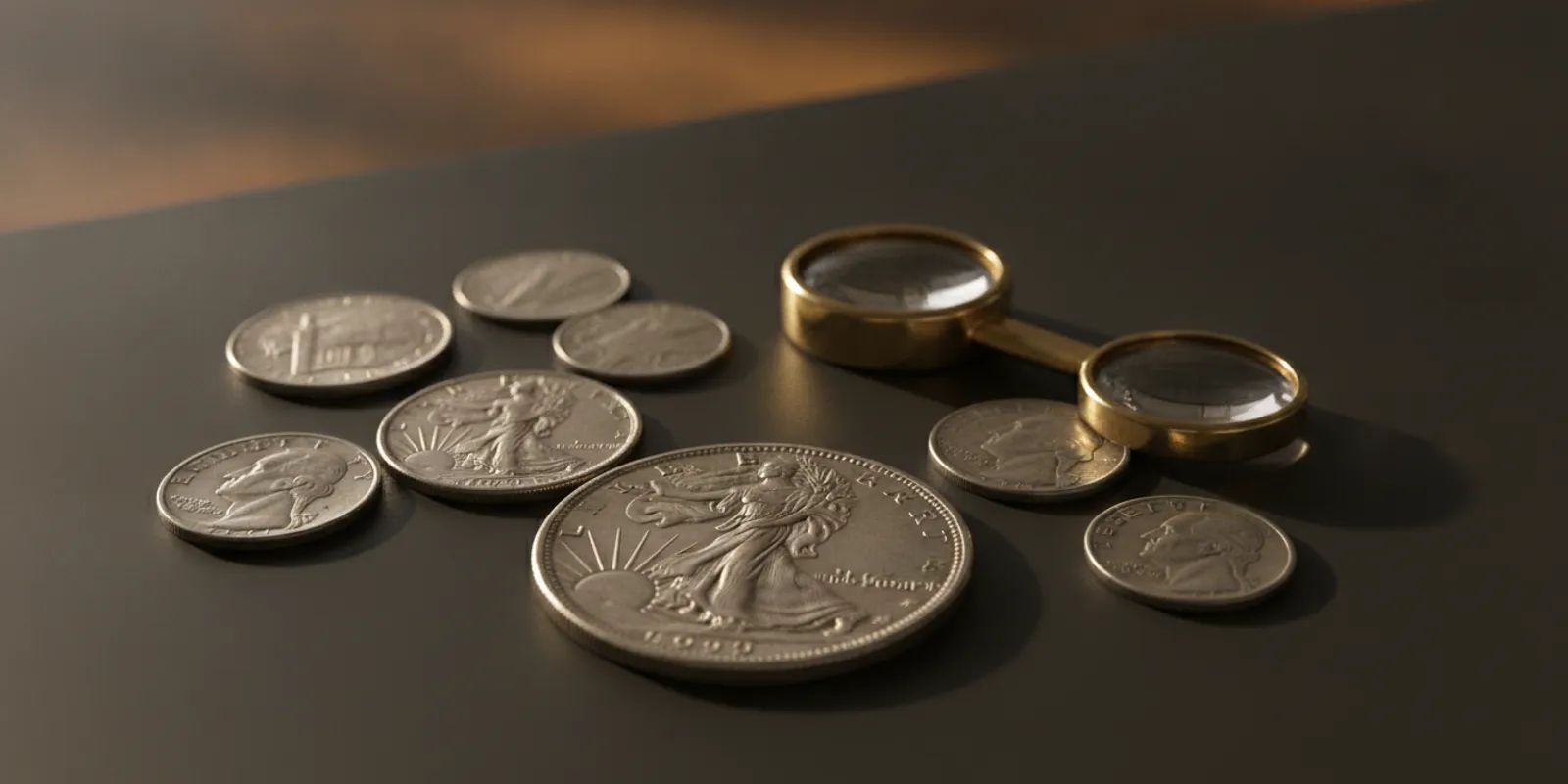
If you are asking where to buy silver coins, begin with the kind of coin you want and the information you need to judge it. Official coin programs, coin dealers, shows, auctions, and online marketplaces can all be useful, but they differ in selection, inspection, guidance, and purchase terms. Compare the specific coin and full transaction rather than choosing on one headline price.
Call to discuss a U.S. silver coin
Which places sell silver coins?
Most buyers encounter silver coins through one of five routes: an official U.S. Mint program, a coin dealer, a coin show, an auction house, or an online marketplace. Each route can suit a different task. A new issue, a common bullion coin, and a date-specific collectible do not call for exactly the same questions. First decide whether you are seeking a particular product, comparing several examples, or looking for help understanding a coin.
- Official U.S. Mint programs: The Mint is a primary source for information about its coin programs and official products. Product ranges and availability can change, so check the Mint directly for current information. Its official U.S. Mint website is a starting point for understanding official offerings. A Mint product page does not answer every question about secondary-market collectible coins.
- Coin dealers: Dealers may offer bullion-oriented coins as well as collectible U.S. coins. A conversation can help you understand the item being offered, its description, and the transaction terms. Ask whether an image shows the exact coin, what documentation comes with it, and how the seller describes condition.
- Coin shows: A show gives you the opportunity to compare items and ask different sellers questions in person. The selection depends on the event and participating dealers. Take notes as you compare, and give yourself time to read descriptions instead of making a decision based only on a quick look.
- Auction houses: Auctions can provide access to specific collectible coins and detailed lot descriptions. Review the bidding terms before placing a bid. A buyer’s premium, shipping, insurance, taxes, or other stated charges can affect the amount due beyond the winning bid.
- Online marketplaces: Online listings make it convenient to browse many items, but descriptions, image quality, seller policies, and item-specific detail vary. Read the complete listing, confirm the seller's terms, and ask specific questions before purchase if an important point is unclear.
There is no single best place for every buyer. Someone seeking a familiar silver coin may value a clear product description and a straightforward purchase process. A collector seeking a particular date, mint mark, or grade may place greater importance on exact identification, certification, and images tied to the specific coin. The right route is the one that gives you enough information and a transaction process you understand.
What should you decide before comparing sellers?
Write down your priorities before browsing. This small step helps you compare equivalent items and makes your questions more useful. You do not need to know every numismatic term at the outset. A short description of what you want is enough to guide the search.
- Name the broad coin type. Are you looking for a bullion-focused U.S. coin, a classic silver coin, or a collectible with a particular date or mint mark?
- List the identifying details that matter. For a specific collectible, note denomination, date, mint mark, grade or condition, and whether certification is important to you.
- Decide how you want to review it. You may prefer to inspect a coin in person, study detailed photographs, or speak with a seller who can explain the listing.
- Set a practical comparison method. Compare the total amount due and terms for like-for-like items. Do not treat two coins as identical just because both contain silver.
- Keep questions open. If you are unsure which details matter, ask the seller to explain the differences between the options you are considering.
For instance, a buyer who wants a familiar coin and is not pursuing a particular date can focus on product identity, silver-related details, packaging, and transaction terms. A collector who wants a specific Morgan dollar should also confirm the date, mint mark, grade, and whether the pictures show the exact piece. Those are different shopping tasks, so the same listing checklist will not carry the same weight for both.
How can you compare the main buying routes?
Use the same comparison points for each route. That keeps the decision grounded in what you will receive and what the purchase involves, rather than in the format of the sales channel.
| Buying route | Useful when | What to verify | Possible trade-off |
|---|---|---|---|
| U.S. Mint | You want to learn about official coin programs and products | Current product details, availability, and ordering terms | Official offerings may not match a search for an older collectible coin |
| Coin dealer | You want to discuss a specific coin or compare collectible options | Exact identity, condition description, documentation, total cost, and policies | Selection and approach differ by dealer |
| Coin show | You want to look at several items and talk with sellers in person | Event details, seller information, coin descriptions, and payment terms | Available items depend on the event and may change during it |
| Auction house | You are seeking a particular lot or want to review an auction description | Lot details, bidding rules, buyer’s premium, payment, shipping, and returns | The final total can include charges beyond the winning bid |
| Online marketplace | You want to browse remotely and compare listings | Seller terms, item-specific images, full description, delivery, and recourse | Listing detail and image quality vary |
The table is a starting point, not a scorecard. A strong fit depends on your coin and your preferred way of reviewing it. If a route gives you a convenient way to browse but leaves a key question unanswered, pause to ask for clarification. If an in-person option is important, confirm that the item or category you want can be reviewed before you travel.
What details should you compare in a coin listing?
Read the complete listing, not only its title, thumbnail, or promotional description. A useful listing should help you identify the coin and understand what the seller is representing. Look for the denomination, date, mint mark where applicable, grade or condition description, and certification information if the coin is certified. Check whether the photographs show the exact coin or a representative example.
- Match the identifiers: Check that the date, mint mark, and denomination in the description agree with the images and any grading label.
- Review all available views: Look at both sides of the coin and, where provided, the edge or holder. A photograph can help with comparison, but its limits depend on lighting and image quality.
- Read certification details carefully: Note the grading service and grade as stated. Confirm that the holder and the listed coin correspond. Certification information is one part of your review, not a reason to skip the rest of the listing.
- Separate attributes from opinions: A date or denomination is an identifying detail. Words such as “rare” or “investment grade” are descriptions that may need explanation. Ask what specific feature supports a claim that matters to your decision.
- Read the policies: Find payment, shipping, insurance, tax, return, cancellation, and delivery details before ordering.
Specific questions are easier for a seller to answer than a general request for reassurance. You might ask, “Does this listing show the exact coin I would receive?” or “Can you confirm the date and mint mark?” If a detail is important and the answer remains unclear, compare another listing with more complete information.
How do bullion-focused and collectible coins differ?
A silver coin can interest a buyer for its silver content, its numismatic characteristics, or both. The categories are not always separate. A coin that attracts attention as a precious-metal product can also have collector interest, while a collectible coin also contains material. State your main priority so the seller can explain the relevant attributes.
What should a bullion-focused buyer ask?
Ask the seller to identify the precise coin and explain the details relevant to its silver content, condition, packaging, and delivery. Confirm whether it is new or previously owned and whether the photographs show the actual item or an example. Ask for the complete amount due, including any stated shipping or other charges. If you are comparing two products, make sure you understand the differences in the coins and in the terms.
A shared silver description alone does not make two coins equivalent. Year, mint mark, condition, and collector interest can distinguish one from another. If a particular numismatic detail is not part of your goal, say so and ask the seller to explain the product in plain language. That lets you focus the conversation on the points that matter to you.
What deserves closer review for a collectible?
If you are pursuing a particular date, mint mark, or condition, seek details tied to the exact coin. Review the full certification label when present and confirm that the listing, holder, images, and coin correspond. Ask about visible marks, toning, prior handling, or other features if they affect your choice. Read the seller’s policies so you understand what happens if the item received does not match the description.
Catalog examples can help you see how coin descriptions present different identifiers. For example, compare this certified 1882-S Morgan dollar listing with a 1943 U.S. half dollar or a 1950-D Franklin half dollar. These are examples of individual coins, not a statement that a particular item will remain available. Use the listing details to frame questions about the specific coin you are considering.
How should you compare the total purchase cost?
Ask for the total amount due and identify what is included. An advertised amount may not show every cost of completing a purchase. For an online order, review the checkout details for shipping, insurance, taxes, and any stated service charges. For an auction, include the buyer’s premium and other listed charges. For an in-person purchase, confirm the quoted amount, accepted payment methods, and any applicable terms before you agree.
Silver coin prices and values are variable. They may reflect silver content, condition, date, mint mark, scarcity, demand, and other coin-specific characteristics. Premiums, fees, and market conditions can also affect a transaction. One number on its own does not explain why two offers differ. Compare like with like and ask the seller to explain the basis for a quoted amount in relation to the particular coin.
A price guide, a past sale, or another seller’s asking price may help you formulate questions, but it does not establish the value of a specific coin or determine a future price. When comparing a certified coin with an uncertified example, note what information is represented for each. Certification may document an identification and grade; an uncertified coin relies on the seller’s description and your review. Consider the documentation, price, and terms together rather than treating one feature as a complete answer.
What changes when you buy in person?
An in-person visit lets you review the coin and discuss the description directly. It still helps to prepare. Before traveling, confirm the seller’s location, whether an appointment is useful, and whether the coin or category you want can be shown. Bring your comparison notes and a short list of questions. If you are comparing several examples, note each coin’s identifiers so that you do not confuse details between listings.
Handle a coin only as the seller permits. Ask before removing it from a holder or touching its surfaces. Avoid cleaning or polishing it to change its appearance; surface changes can affect how collectors assess a coin. If you are new to evaluating coins, ask the seller to point out the features that distinguish the specific examples. Do not rely on shine alone as a guide to a coin’s identity or condition.
Park Avenue Numismatics is a Miami-based rare coin and precious-metals dealer. Its address is 5084 Biscayne Blvd, Suite 105, Miami, FL 33137. Local buyers can contact the business to discuss a coin and ask about the best way to review current information before visiting. Coin availability and details can change, so confirm them directly.
What questions should you ask before placing an order?
Keep your questions tied to the actual item and the purchase terms. A short checklist can make a phone call, email, or in-person conversation more productive.
- Is this the exact coin shown in the photographs?
- What date, mint mark, denomination, and grade or condition are represented?
- If it is certified, which service certified it, and what does the label state?
- What is included in the total amount I will pay?
- How will the coin be packaged, shipped, and insured?
- What are the payment, return, cancellation, and delivery terms?
- Can you explain the difference between this coin and the similar example I am comparing?
- What documentation or holder will accompany the coin?
Keep the answers with the listing or receipt for your records. If two sellers describe similar coins differently, ask each to clarify the attribute in question. A calm, specific conversation can help you understand your options without relying on broad claims or a single advertised figure.
Where can Miami buyers start?
For a Miami buyer, a local dealer can offer a direct way to ask about a U.S. coin and review available information. Park Avenue Numismatics has served Miami since 1988 and purchases rare coins and precious metals from the public. If you are exploring a purchase, review the available coin listings and ask whether a particular item or category fits what you are seeking. Confirm current availability and terms directly rather than assuming an older listing is still current.
Before contacting a seller, decide whether your main interest is a silver-focused product or a collectible with specific identifiers. Share those priorities, then ask what information is available for the particular coin. If you are local and would like to discuss a coin or purchase, use the contact page to send Park Avenue Numismatics a message.
Contact the team about silver coins
Frequently asked questions
Where can I buy U.S. silver coins in person?
You can look for coin dealers and coin shows where you can ask questions and review items directly. Before visiting, check the location, appointment process, and whether the coin or category you want is available to view. Bring a few focused questions about identification, condition, and total cost.
Should I buy silver coins online or from a local dealer?
Either route may suit your needs. Online shopping can make browsing convenient, while a local seller can provide a direct conversation and an in-person review. In either case, compare coin identity, condition, images or inspection, full cost, delivery arrangements, and return terms. Choose the format that gives you enough information to make a considered decision.
Are bullion-focused and collectible silver coins the same?
They can share silver content, but buyers may value them for different reasons. A bullion-focused buyer may emphasize the coin’s silver-related characteristics. A collector may also focus on date, mint mark, condition, scarcity, or certification. Ask which attributes are reflected in the seller’s description and quoted amount.
What should I check before buying a certified silver coin?
Read the coin identification and grade on the certification label, confirm that the listing corresponds to the coin shown, and review the seller’s policies. Note the grading service and ask what documentation or holder comes with the coin. Certification information should be considered alongside the listing, images, price, and transaction terms.
Key takeaway
The best place to buy silver coins depends on the coin you want and how you prefer to review it. Compare exact identifiers, condition, documentation, full transaction terms, and variable pricing before deciding. A few focused questions can turn a broad search into a clear comparison.





