
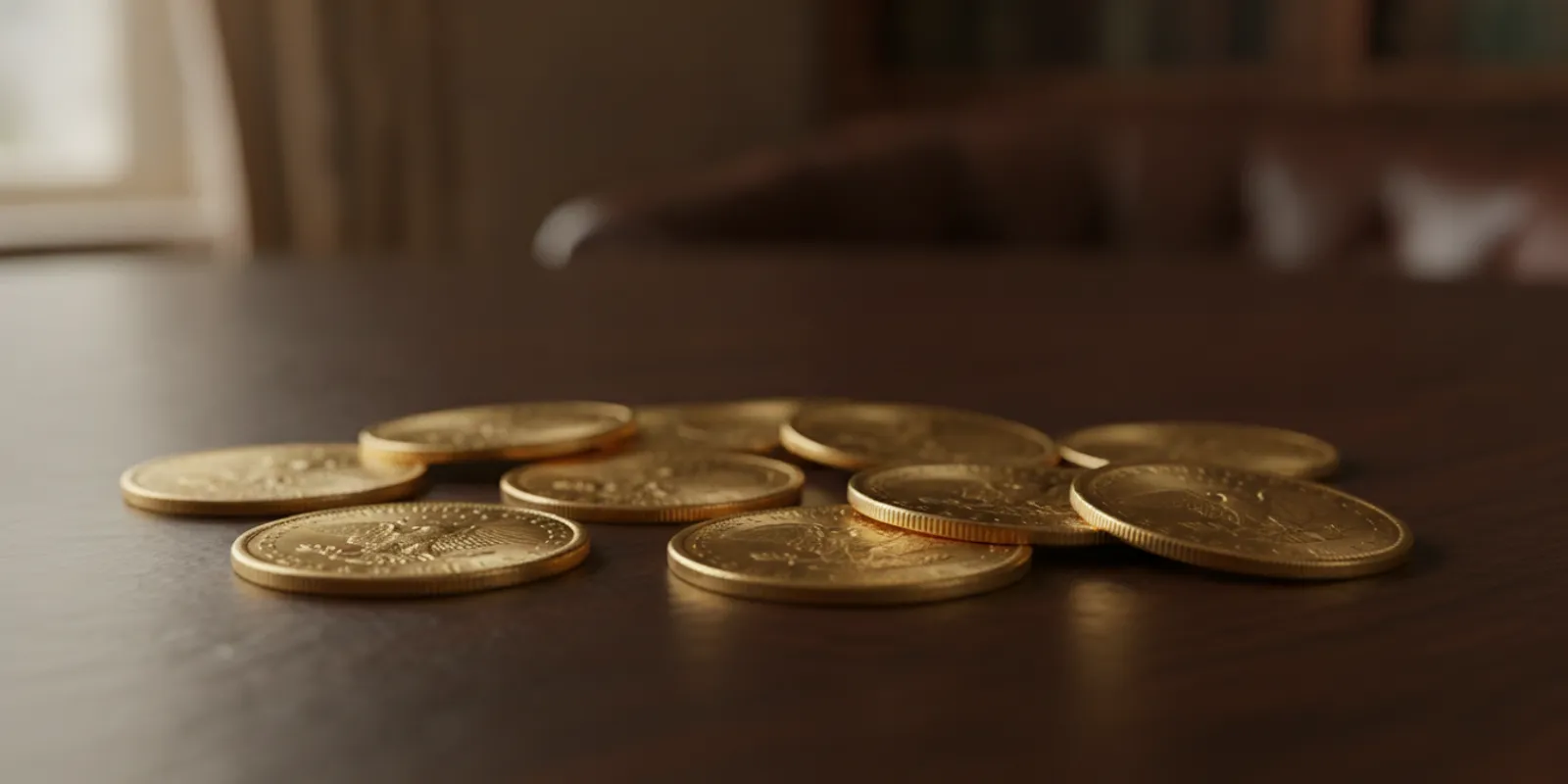
If you are deciding where to buy gold coins, start by matching the seller and coin to your purpose: collecting, buying a current Mint issue, or owning gold bullion. A local coin dealer, the U.S. Mint, an online dealer, and an auction can each suit a different purchase. Compare the exact coin, its condition and documentation, seller policies, and total cost before you commit.
Explore U.S. gold coin options
Where should you buy gold coins?
For a collector who wants to examine a coin and ask questions, an established local coin dealer can be a practical first stop. For current U.S. Mint issues, the Mint’s official site explains products it offers. An online dealer may provide a broad catalog and convenient ordering, while an auction can offer access to particular collectible coins. In every channel, review the specific listing and terms rather than assuming that the seller type alone guarantees a good fit.
There is no single best channel for every purchase. Date, mint mark, denomination, grade, certification, availability, and market demand all affect what counts as a comparable offer. Decide what you want to own first, then compare sellers offering the same coin or a genuinely similar one. This keeps a comparison focused on the coin, not just a headline price or a seller’s general reputation.
How do the main buying options compare?
| Option | Useful for | Questions to resolve |
|---|---|---|
| Local coin dealer | In-person questions and examination | Is the specific coin available? Can you inspect it? What do the grade and written terms mean? |
| U.S. Mint | Products currently offered directly by the Mint | What are the specifications, finish, size, availability, and purchase terms? |
| Online coin dealer | Browsing listings and ordering from home | Are photos and descriptions specific? What are shipping, insurance, payment, and return terms? |
| Auction | Access to a particular collectible or bidding format | What is the buyer’s premium, condition report, authentication information, and payment deadline? |
Use this comparison as a starting point, not a quality rating. Practices vary among sellers, and policies can change. Read the actual listing and current terms before placing an order. If a key detail is unclear, ask before paying; an answer after checkout may not resolve a mismatch in expectations.
What kind of gold coin are you looking for?
“Gold coin” can mean a modern U.S. bullion coin, a historic U.S. issue, or a graded collectible. These categories are not interchangeable. A bullion buyer may focus on weight, purity, and how the quoted price relates to the gold market. A collector may care more about date, mint mark, grade, rarity, provenance, eye appeal, and certification. A gift buyer may prioritize design, presentation, and a clear explanation of what the recipient is receiving.
For example, a modern American Gold Eagle and a nineteenth-century U.S. gold coin differ in design, issue history, and collector considerations. Park Avenue’s catalog includes examples such as a 1910 $20 gold coin and an 1893 $20 gold coin. These listings illustrate the kinds of identifying details buyers may encounter. A coin of the same date and denomination can have different attributes, and a listing does not establish what another example is worth.
Before browsing, write down the features that matter to you. A collector might specify a date range, denomination, mint mark, grade range, or grading service. A buyer focused on current bullion products might identify the coin type, size, and finish. A gift buyer can consider whether a historic coin with a particular story or a current issue better suits the occasion. A short list prevents an appealing photograph from replacing your original criteria.
How can you assess a gold coin listing?
Read the full description and identify the coin in concrete terms. Look for denomination, date, mint mark when applicable, stated grade, grading service, and whether the seller describes it as bullion or a collectible. Check that the images and text appear to refer to the same item. If the listing shows a stock or representative image rather than the exact coin, ask how the delivered coin will be selected and what attributes are guaranteed by the description.
For a certified coin, compare the certification information in the listing with the holder and coin details. A grade is a standardized description of condition, not a promise that every buyer will value the coin identically. Certification also does not remove the need to understand the coin, verify that the listing is accurate, and decide whether its appearance suits your collecting goals. If you have doubts about the label, holder, or identification, pause and request clarification.
Consider the coin’s physical condition as well as its assigned grade. Wear, marks, toning, luster, and surface appearance may matter to a collector, and photographs cannot always show every feature clearly. Ask whether additional images or an in-person examination are possible. Do not clean or alter a collectible coin to make it look brighter; changes to the surface can affect how it is evaluated.
How can you evaluate a seller?
Look for clear contact information, specific coin descriptions, transparent terms, and answers that address your questions. A seller should be able to explain what is included in the transaction and how the coin is represented. Notice whether the response names the coin’s actual attributes or simply repeats broad claims. You should understand what you are buying before you provide payment information.
With online sellers, review shipping, insurance, delivery, payment, and return policies before checkout. Confirm the expected shipping method and whether insurance is included, who is responsible for any stated charges, how delivery is documented, and what conditions govern a return. Save the order confirmation, listing description, and relevant communications. The precise written policy matters more than assumptions about how online purchases usually work.
For a local purchase, ask whether you can inspect the coin and whether the displayed coin is the one you will receive. Seeing an example in person can help you ask about details that are hard to judge in a photograph, especially when surface characteristics and eye appeal matter. Clarify the payment and return terms before completing the transaction. If the coin is not on hand, find out whether the seller can confirm its availability and expected delivery.
For an auction, read the sale terms before bidding. The hammer price is not necessarily the full amount due: include any buyer’s premium and other stated charges in your comparison. Check the condition report, authentication information, payment deadline, shipping arrangements, and any limits on returns. Decide your maximum total cost before the bidding starts, so competitive momentum does not substitute for a considered budget.
How should you compare price and total cost?
Gold-coin prices can vary with gold-market conditions and coin-specific features. Weight and purity are relevant for bullion. For collectible U.S. coins, condition, rarity, provenance, certification, and current market demand can also shape the conversation. No date, grade, or label alone guarantees a particular price. Treat a quoted amount as current to the seller’s stated terms, and confirm it again if you are purchasing later.
Compare like with like. A circulated coin should not be treated as equivalent to a certified mint-state example simply because date and denomination match. A current bullion issue and a historic collectible are also different products, even if both contain gold. When listings are not directly comparable, write down the differences rather than forcing them into a simple price ranking.
Build a total-cost comparison by recording the listed price, shipping, insurance, applicable taxes or fees, and—in an auction—the buyer’s premium. Then note the terms and the coin attributes beside each amount. For example, if one offer is for a different grade or does not identify whether the pictured coin is the exact item, the lower number alone does not settle which purchase better fits your goal. Resolve those uncertainties before comparing.
The U.S. Mint’s gold coin information describes Mint offerings in proof and uncirculated finishes and in a range of sizes. It can help you understand official product options. It is not a pricing guide for every collectible gold coin, so use it for product information rather than as a substitute for comparing an individual coin and its seller’s current terms.
What is a practical way to compare two offers?
Imagine you are comparing two listings for the same broad type of historic U.S. gold coin. One description names the date, mint mark, grade, and grading service, and states that the pictured item is the coin being offered. The other gives a lower headline amount but leaves the certification and image details unclear. The responsible next step is not to conclude that either is automatically the better buy. Ask the second seller to identify the item and clarify the terms, then compare the verified details and full costs.
A simple worksheet can make this comparison repeatable:
- Identity: Record denomination, date, mint mark, coin type, and whether the listing describes the exact item.
- Condition information: Note the stated grade, grading service if any, visible surface details, and whether you can inspect more images or the coin itself.
- Seller terms: Write down payment, shipping, insurance, delivery, return conditions, and any deadline.
- Total amount: Add all stated charges to the price or bid. Mark any amounts that are not yet confirmed.
- Fit: State why this coin meets your collecting, bullion, or gifting purpose, and list the remaining questions.
This method helps separate facts from assumptions. If two offers still cannot be compared because essential details are missing, request the information or continue looking. A short delay to understand the listing is more useful than making a decision based solely on a photograph or headline figure.
What should you check before you buy?
- Set your purpose. Decide whether your priority is collecting, bullion, or a gift. That choice guides the coin type and details you should compare.
- Write down the specifics. Note denomination, date, mint mark, grade or finish, and certification preference where relevant.
- Confirm the actual item. Determine whether photos show the exact coin and whether the description matches its holder and identifying attributes.
- Compare equivalent offers. Use the full description and total charges, not a headline price alone. Separate clearly different grades or coin types.
- Read the terms. Confirm payment, shipping, insurance, returns, and auction premiums before agreeing to buy.
- Ask focused questions. Request clarification about condition, certification, provenance, availability, and what is included.
- Keep records. Save the listing, receipt, and supporting documentation with your coin after purchase.
When does buying in person make sense?
An in-person visit can be helpful when you want to discuss a particular U.S. coin, compare examples, or ask about grading and certification face to face. It gives you a chance to confirm which coin is being offered and to clarify terms before completing a purchase. Prepare by saving the listing or writing down the date, denomination, grade, and other attributes you are seeking.
Park Avenue Numismatics is a Miami-based rare coin and precious metals dealership. Its catalog provides a place to review examples, including a 1906 $20 gold coin and a 1852 $20 gold coin. A catalog listing is an example, not a promise of current availability or identical attributes in another coin. Confirm current details directly before planning around a specific item.
If you are comparing historic coins, these 1912 $5 gold coin details can also show the identifying information included in an individual listing. Use such examples to learn what to check, not to infer that coins sharing a denomination or date have the same condition or market value.
Call 1-888-419-7136 to talk with Park Avenue Numismatics about a specific gold coin before you buy.
Frequently asked questions
Is it better to buy gold coins online or from a local dealer?
It depends on what matters most to you. Online shopping can make browsing convenient, while a local dealer may allow an in-person conversation and examination. Compare the exact coin, seller terms, and total cost in either case. If seeing the coin matters, ask about examination before purchase.
Should I buy a graded gold coin?
A coin graded and encapsulated by a recognized service may provide standardized condition information, but grading does not remove the need to verify the listing and understand the coin. Consider your collecting goals and ask the seller to explain the certification details. A graded coin should still be assessed in light of its specific attributes and terms.
Are U.S. Mint gold coins the same as rare gold coins?
No. The U.S. Mint offers specific current products and finishes, while “rare coin” generally refers to collectible issues whose desirability may depend on attributes such as date, condition, and scarcity. A modern Mint product and a historic collectible should be compared on their own terms.
Can the price of a gold coin change?
Yes. Prices are variable and may reflect gold-market conditions, availability, condition, rarity, provenance, certification, and current demand. Confirm current pricing and terms with the seller before purchasing, and compare the full cost rather than relying on an earlier quote.
What should I do if a listing does not answer my questions?
Ask the seller to clarify the coin’s identity, condition description, what the images show, and all purchase terms before paying. If important details remain unclear, you can compare another listing or seller instead. Keep the response with the listing and order records.
Choose a seller whose terms you understand, verify the coin’s details, and compare the full purchase cost before deciding where to buy gold coins.