
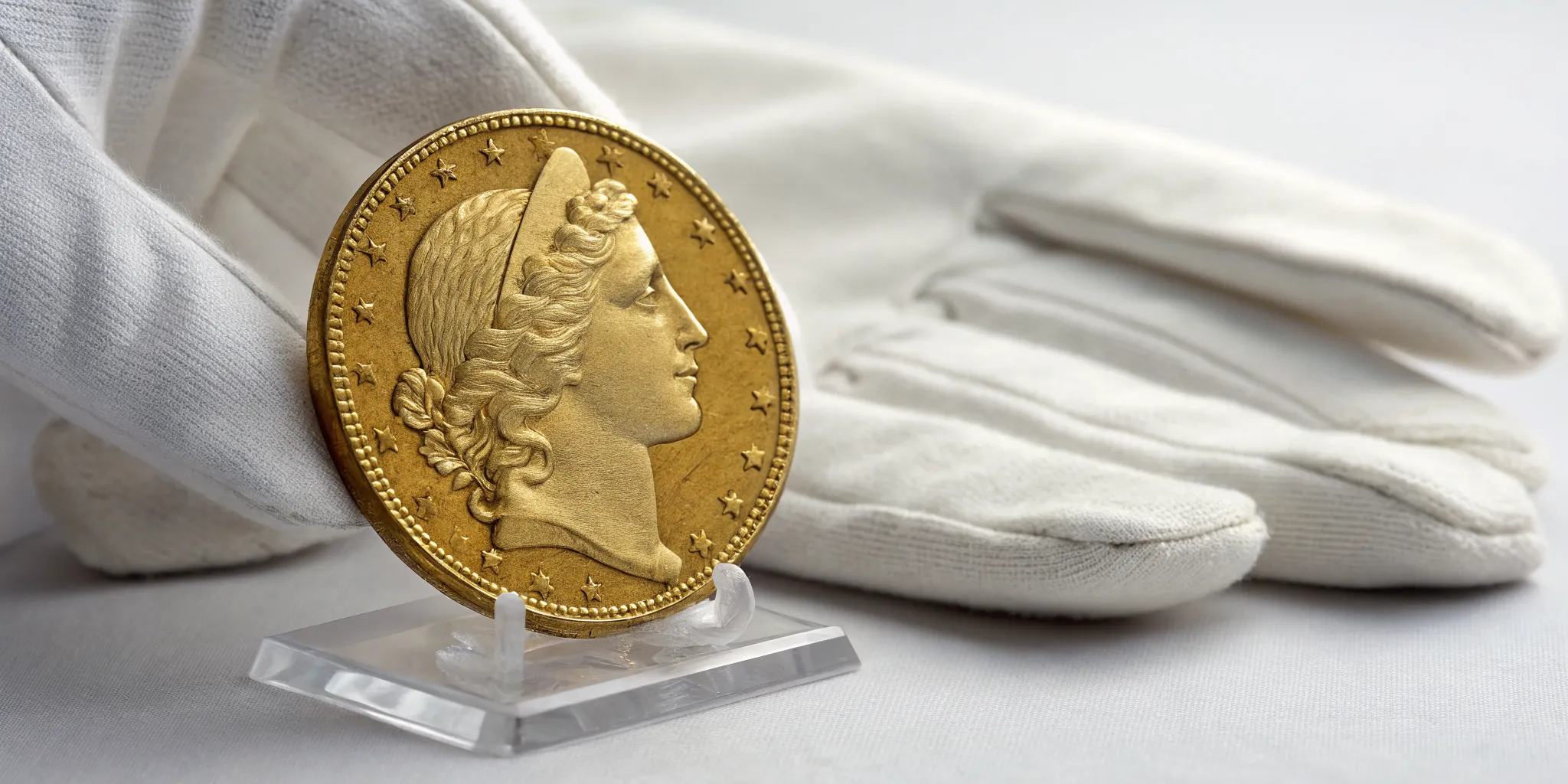
 When you look at a Liberty Head Double Eagle, you’re seeing more than just a coin; you’re seeing a unique financial asset. Unlike modern bullion, its value isn’t tied only to the daily spot price of gold. Instead, it has a dual identity. Its foundation is nearly a full ounce of gold, making it a powerful hedge against inflation. On top of that is its numismatic premium, a value driven by rarity, condition, and collector demand. This combination makes it an excellent tool for diversifying a portfolio. When you find a Liberty Head Double Eagle for sale, you are considering an investment with layers of value that modern assets simply can’t replicate.
Key Takeaways
- Look Beyond the Gold Content: A Liberty Head Double Eagle's price combines its gold melt value with a numismatic premium. This extra value is determined by the coin's physical condition, rarity, and historical significance.
- Prioritize Certified Coins: The safest way to purchase is to choose coins professionally graded by PCGS or NGC. This process guarantees authenticity and provides an objective assessment of condition, protecting you from counterfeits and helping you pay a fair price.
- Diversify with a Historical Asset: These pre-1933 gold coins offer unique investment advantages, including privacy and a value that is not tied solely to the gold market. They act as a tangible hedge against inflation while also having potential for numismatic appreciation.
What Is the Liberty Head Double Eagle?
The Liberty Head double eagle, also known as the Coronet double eagle, is one of the most iconic gold coins in American history. First produced for circulation in 1850, this twenty-dollar gold piece was a direct result of the California Gold Rush, which created a need for a larger denomination coin to handle the massive influx of gold. For over half a century, until 1907, it was a workhorse of American commerce.
The design is a true classic. The front features a portrait of Lady Liberty wearing a coronet inscribed with her name, while the back displays a powerful heraldic eagle. For anyone interested in numismatics, this coin is a cornerstone piece. It represents a perfect blend of historical significance, beautiful 19th-century artistry, and substantial gold content. It’s a tangible link to America’s Gilded Age and a fantastic starting point for anyone looking through rare coins for sale.
A Closer Look: Design and Gold Content
Beyond its beautiful design, the Liberty Head double eagle is a substantial piece of precious metal. Each coin contains 0.9675 troy ounces of pure gold, struck from a composition of 90% gold and 10% copper for durability. This high gold content gives the coin a significant intrinsic value, making it a popular choice for those who want to invest in physical gold but also appreciate numismatic history. Its impressive weight and purity made it a trusted coin for large transactions and international trade during its time. For modern investors, it serves as a reliable store of value and an excellent way to diversify a portfolio with gold bullion.
Its Place in American History
Owning a Liberty Head double eagle is like holding a piece of American history in your hand. These coins circulated during some of the most formative decades in the nation’s story. The earliest versions were struck with gold from the California Gold Rush, funded westward expansion, and were used on both sides of the Civil War. Later issues saw the country through Reconstruction and the industrial boom of the late 19th century. Because they were minted for over 50 years, they tell a story of a nation growing and establishing itself on the world stage. This rich context is what separates a simple investment from a true collection, and it's where expert guidance can make all the difference.
The Three Types of Liberty Head Double Eagles
The long history of the Liberty Head Double Eagle is neatly organized into three distinct types. While the core design of Lady Liberty and the heraldic eagle remained, subtle but important changes were made over its 57-year mintage. These modifications tell a story about America's changing values and the evolution of the U.S. Mint itself. For collectors, knowing the difference between these types is the first step in understanding a coin's rarity, historical context, and overall value. The journey from the "No Motto" design of the 1850s to the final version of the early 1900s is a fascinating one, reflecting a nation growing and changing.
The primary differences you'll learn to spot involve the addition of a motto and a change in how the denomination is displayed on the reverse. Each type represents a specific era, from the pre-Civil War "No Motto" coins to the final, modernized version that circulated until 1907. As you build your collection, you'll find that each type has its own unique characteristics, key dates, and collecting challenges. Let's walk through what defines each of the three types so you can identify them with confidence. Exploring our inventory of rare coins for sale can also help you see these differences firsthand and appreciate the subtle artistry involved in each design phase.
Type 1 (1850–1866): The Original "No Motto" Design
The Type 1 Liberty Head Double Eagle is the original, classic design that launched this iconic series. Struck from 1850 to 1866, its most defining feature is what’s missing: the motto "In God We Trust." This detail gives it the popular collector nickname, the "No Motto" Double Eagle. These coins were a direct product of the California Gold Rush, created to convert the massive amounts of newly discovered gold into coinage. Because they were workhorse coins of their day, many saw heavy circulation, making it a fun challenge to find examples in higher grades. Their connection to the Gold Rush and the pre-Civil War era gives them a special historical weight.
Type 2 (1866–1876): Adding the "In God We Trust" Motto
Produced for just a decade, from 1866 to 1876, the Type 2 Double Eagle marks a significant shift in American sentiment. Following the immense turmoil of the Civil War, Congress passed legislation requiring the motto "In God We Trust" to be added to coinage. On the Liberty Head double eagle, this motto was placed on the reverse, inside the circle of stars above the eagle. This simple addition makes the Type 2 coin easy to distinguish from its predecessor. These coins bridge the gap between the original design and the final version, representing a pivotal, reflective period in the nation's history. Their relatively short production run also adds to their appeal for collectors.
Type 3 (1877–1907): A Modernized Final Version
The Type 3 is the final and longest-running version of the Liberty Head Double Eagle, minted from 1877 to 1907. The most obvious update is on the reverse, where the denomination is explicitly spelled out as "TWENTY DOLLARS" instead of the previous "TWENTY D." abbreviation. The portrait of Liberty on the obverse was also slightly refined for a sharper, more modern look. Because they were minted for three decades and in large quantities, Type 3 coins are often the most accessible for those just starting a collection. They represent the Gilded Age of American history and were the last of their kind before the celebrated Saint-Gaudens design was introduced.
Key Dates and Mint Marks to Look For
While knowing the three types is essential, the real thrill for many collectors is hunting for key dates and mint marks. Within each type, certain issues are significantly rarer due to low mintage numbers or high melt rates. For example, many Type 1 coins show heavy wear, so a collector's guide can help you understand what is typical for a specific issue. Coins from the Carson City (CC) mint are almost always in high demand across all three types. Other key dates, like the 1883, 1884, and 1887 issues, are prized for their rarity. Learning to spot these valuable dates and mint marks is a crucial skill that separates a casual accumulator from a serious numismatist.
What Determines a Liberty Head Double Eagle's Value?
Figuring out the value of a Liberty Head Double Eagle isn't as simple as checking the price of gold. While its gold content provides a solid price floor, the final value is a blend of four key factors: its physical condition, its rarity, its numismatic premium, and the current market demand from collectors and investors. Understanding how these elements work together is the first step to making a smart purchase.
Grading and Condition
A coin’s state of preservation is one of the most important drivers of its value. Even a tiny scratch can make a big difference. This is where professional grading comes in. Reputable third-party services like PCGS and NGC evaluate a coin’s physical condition on a numeric scale from 1 to 70 and encapsulate it in a protective holder. This grade offers a standardized, objective measure of its quality. A coin that never circulated and remains in pristine "Mint State" condition is far more valuable than one that shows signs of wear. Professional grading also verifies the coin's authenticity, giving you confidence that you are buying a genuine piece of history.
Rarity by Year and Mint Mark
Not all Double Eagles are created equal. The coin’s year of issue and the mint where it was produced (indicated by a small mint mark) are critical to its rarity. Some dates had very low mintage numbers, making them scarce from the start. For example, the 1859 Double Eagle is one of the rarest Philadelphia Type I issues in higher grades due to its limited production. Other coins became rare over time after being heavily circulated or melted down. Coins with the "CC" mint mark from the legendary Carson City Mint are especially sought after by collectors. When you browse rare coins for sale, you’ll see how these factors create a wide range of values.
Melt Value vs. Numismatic Premium
Every Liberty Head Double Eagle has two layers of value. The first is its intrinsic or "melt" value, which is the worth of its gold content (0.9675 troy ounces). This means its price will always be anchored to the live spot price of gold. The second layer is its "numismatic premium," which is the value added on top of the melt price. This premium is determined by the coin's rarity, condition, and historical importance. A common-date, circulated coin might trade for a small amount over its melt value, similar to modern gold bullion. A rare, high-grade specimen, however, can have a numismatic premium that is many times its gold value.
Current Market Demand
Like any other valuable asset, the price of a Liberty Head Double Eagle is influenced by supply and demand. These coins have long been prized by collectors for their beautiful, classic design and their connection to a dynamic era of American history. This consistent interest creates a stable market. At the same time, these coins have a dual appeal as both gold and a collectible, attracting investors who want to diversify their portfolios with a tangible asset. When demand for pre-1933 gold coins rises, so do their prices. Staying aware of market trends helps you understand the current environment and identify what makes a coin a great addition to your collection.
How Much Does a Liberty Head Double Eagle Cost?
Determining the cost of a Liberty Head Double Eagle is less about a single price tag and more about understanding a spectrum of value. The price for one of these historic gold coins can range from just over its gold value to tens of thousands, or even more for exceptionally rare pieces. This wide variation comes down to a few key factors: the coin's specific date, its mint mark, and, most importantly, its physical condition or grade. A coin that saw heavy circulation will naturally be more affordable than one that was carefully preserved for over a century.
Think of it like this: you aren't just buying nearly an ounce of gold; you're acquiring a tangible piece of American history. The coin's story, its scarcity, and the quality of its preservation all contribute to its final market price. For collectors and investors, this means there are entry points at various levels. You can find common-date coins that are more accessible, or you can pursue museum-quality specimens that represent the pinnacle of numismatics. Understanding where a specific coin falls on this spectrum is the key to knowing its true worth. Let's break down what you can expect to pay across these different tiers.
Price Range for Common-Date Coins
For collectors just starting with this series or investors focused on acquiring pre-1933 gold, common-date Liberty Head Double Eagles are a great entry point. These coins typically start at around $4,300. A "common-date" coin is one from a year with a high mintage, making it more readily available than its rarer counterparts. While more accessible, their price is still heavily influenced by condition. A circulated coin will be closer to the entry-level price, while a pristine, uncirculated example will command a significantly higher premium. These coins offer a fantastic way to own a piece of the California Gold Rush era without the price tag of a key-date issue.
Price Range for Mid-Range Collectibles
Once you move into certified, higher-grade coins, the price range expands dramatically. Mid-range collectible Liberty Head Double Eagles can trade for anywhere from about $5,400 to well over $400,000. This vast difference is tied directly to the coin's certified grade and rarity. A coin graded in a higher Mint State (MS) condition by a service like PCGS or NGC will be worth much more than a circulated one. This category also includes scarcer dates and mint marks that are highly sought after by serious collectors. For those looking to build a distinguished collection, exploring these mid-range rare coins for sale allows you to acquire pieces with proven quality and historical significance.
Price Range for High-Grade and Rare Examples
At the top of the market are the high-grade and exceptionally rare Liberty Head Double Eagles. These are the coins that numismatists dream of owning. This tier includes key-date coins from low-mintage years, unique error coins, and special 'Proof' issues struck for presentation purposes rather than circulation. These coins are incredibly scarce and can fetch prices well into the six figures or higher at auction. Their value is driven almost entirely by numismatic demand rather than their underlying gold bullion value. Acquiring one of these pieces is a significant investment in one of the most storied series in American coinage.
What to Look for When Buying
Purchasing a Liberty Head Double Eagle is an exciting step, whether you're a seasoned collector or a new investor. These coins are tangible pieces of American history, and making a smart purchase requires a bit of knowledge and a careful eye. It’s not just about finding a coin you like; it’s about verifying its authenticity, understanding its condition, and paying a fair price.
Before you add one of these classic gold coins to your collection, you need to know what separates a great find from a costly mistake. Focusing on a few key areas will help you feel confident in your decision. From professional certification to spotting fakes and setting a realistic budget, here’s what you should pay close attention to during your search. By doing your homework, you can ensure your new acquisition is a source of pride for years to come.
Why NGC and PCGS Certification Matters
When you’re looking at high-value coins, professional certification is your best friend. Grading services like the Numismatic Guaranty Corporation (NGC) and the Professional Coin Grading Service (PCGS) are the industry standard for a reason. Their experts authenticate and grade coins, then seal them in a protective holder, often called a "slab." This process confirms the coin is genuine and not a counterfeit, which is the most important first step.
A certified grade also provides a universal language for a coin's condition. Instead of relying on a seller's subjective opinion, you get an impartial, expert assessment. This makes it much easier to determine a fair market value and compare different coins. When you browse rare coins for sale, you’ll notice that most reputable dealers primarily offer certified coins because it gives buyers complete peace of mind.
Raw vs. Graded Coins: What to Know
You might come across "raw" coins, which are coins that have not been certified by a third-party grader. While they can sometimes seem like a bargain, buying raw Liberty Head Double Eagles comes with significant risks. It’s extremely difficult for anyone but a seasoned expert to accurately judge a coin's grade and spot subtle imperfections or signs of cleaning.
Even common-date Double Eagles can fetch high prices if they are in pristine, uncirculated condition, as their large size makes them prone to acquiring marks over time. A raw coin advertised as "uncirculated" might actually grade much lower once sent to PCGS or NGC, meaning you overpaid. Unless you are a grading expert yourself, sticking to professionally graded coins is the safest and most reliable way to build your collection.
Spotting Authenticity Red Flags
While certification is key, it’s still wise to know some basic signs of a counterfeit. Fake coins often have an odd, unnatural luster on their surfaces, and important design details may appear flat or mushy. For example, on a fake Liberty Head Double Eagle, "Liberty's hair appears flat" and lacks the fine, intricate lines of a genuine coin.
Other red flags include incorrect weight, a diameter that is slightly off, or a reeded edge that looks poorly made. The best defense against fakes is to work with a trusted source. A dealer with decades of experience, like Park Avenue Numismatics, has a trained eye for authenticity and a reputation to uphold. Our commitment to quality ensures every coin we sell is genuine.
How to Set Your Budget
The price for a Liberty Head Double Eagle can range from a few thousand dollars to hundreds of thousands, so it’s important to set a budget. The final cost depends on three main factors: condition (the grade), rarity (the year and mint mark), and type. A common-date Type 3 coin in a circulated grade will be the most accessible option for many buyers.
In contrast, a rare date in high-grade condition can be extremely valuable; some unique examples are even considered priceless. Before you start shopping, research recent auction prices for coins of a similar type and grade to get a feel for the current market. Deciding whether you want a representative example for your type set or a specific key date will help you establish a realistic budget for your search.
Avoid These Common Buying Mistakes
Acquiring a piece of history like the Liberty Head Double Eagle is exciting, but it's also a significant financial decision. A few common missteps can turn a great find into a costly mistake. By being aware of these pitfalls, you can approach your purchase with confidence and ensure you're adding a quality asset to your collection. Think of this as your friendly checklist for making a smart, informed choice.
Forgetting to Check the Grade and Condition
The difference between a coin graded MS-63 and one graded MS-64 might seem small, but it can translate to thousands of dollars in value. A coin's grade is a professional assessment of its physical state, and it's one of the most important factors in determining its price. Pay close attention to the details. For example, many collectors find that Type 3 Liberty Heads in an MS-63 grade offer a great balance of quality and value. Beyond the numerical grade, consider the coin's "eye appeal." Look for strong luster, minimal distracting marks, and a clean strike. A coin that looks beautiful to you often looks beautiful to other collectors, too.
Ignoring Rarity and Key Dates
Not all Double Eagles are created equal. While many were minted, certain years and mint mark combinations are significantly rarer than others. These are known as "key dates." A common-date coin might be valued closer to its gold content, but a rare date can be worth many times more. For instance, the 1859 Double Eagle is a great example of an overlooked treasure. High-grade examples are incredibly scarce, making them a standout for serious collectors seeking lasting value. Before you buy, research which dates are common and which are rare for the specific type you're interested in. This knowledge will help you spot true opportunities.
Skipping Professional Certification
Buying a "raw" or ungraded coin is a risk, especially for a novice collector. Professional certification from a top-tier service like PCGS or NGC is your first line of defense. First and foremost, it verifies the coin's authenticity, protecting you from increasingly sophisticated counterfeits. Second, it provides an objective, third-party opinion on the coin's grade. This removes the guesswork and potential bias of a seller's assessment. Think of the sealed, graded holder as a certificate of authenticity and quality assurance. It makes the coin easier to value, easier to sell later, and gives you peace of mind about your purchase.
Failing to Research Market Prices
It's easy to get caught up in the excitement of a potential purchase and overpay. Market prices for Liberty Head Double Eagles are dynamic, influenced by the current price of gold, collector demand, and recent auction results. Before making an offer, do your homework. Look up recent sales of similarly graded coins from reputable auction houses and dealers. Even for common dates, uncirculated coins can command significant premiums due to their condition. Using online price guides and reviewing dealer inventories of gold bullion and rare coins will give you a solid baseline for what a fair price looks like, ensuring you invest wisely.
Buying from a Non-Reputable Seller
Who you buy from is just as important as what you buy. The world of rare coins requires patience, a discerning eye, and a trusted partner to guide you. A reputable dealer will have a deep understanding of the market, offer transparent pricing, and stand behind the authenticity and quality of their coins. Look for dealers with a long history, a strong public rating, and a commitment to educating their clients. Building a relationship with a specialist dealer is one of the best ways to build a collection you can be proud of. With over 35 years of experience, we've helped countless collectors make informed and confident decisions.
Where to Buy a Liberty Head Double Eagle
Finding the right Liberty Head Double Eagle is only half the battle; finding a trustworthy place to buy it is just as important. The seller you choose can make all the difference in ensuring your coin is authentic, fairly priced, and accurately graded. Whether you're a seasoned collector or a new investor, it’s essential to purchase from a source with a proven track record of quality and integrity. Let's explore some of the best places to find these historic gold coins.
Park Avenue Numismatics
When you’re ready to add a Liberty Head Double Eagle to your portfolio, working with a specialized dealer provides peace of mind. At Park Avenue Numismatics, we offer a curated selection of high-quality rare coins for sale, including these iconic Double Eagles. Our team has over 35 years of experience, so you can feel confident that every coin we offer is authentic and has been evaluated with an expert eye. We help collectors find pieces that meet their specific goals, whether you're looking for a common date in great condition or a rarer mint mark to complete a set.
Reputable Auction Houses
Major auction houses are another excellent venue for acquiring Liberty Head Double Eagles, especially for high-grade or particularly rare specimens. These events often feature coins that have been professionally graded by leading services like PCGS and NGC, which removes any guesswork about authenticity and condition. This third-party verification ensures the coin is genuine and not a counterfeit, giving you a solid basis for its value. Bidding at auction can be an exciting way to acquire a top-tier coin, but be sure to familiarize yourself with the auction house’s reputation and buyer’s premiums before you participate.
Online Marketplaces (and How to Be Careful)
While online marketplaces offer a vast selection, they also require a cautious and informed approach. It's crucial to stick to reputable platforms and, more importantly, to vet individual sellers carefully. Look for dealers with established histories, strong customer feedback, and clear, high-resolution images of the exact coin for sale. When evaluating a listing, pay close attention to details like strike quality, luster, and surface condition. A trustworthy seller will provide comprehensive information. Buying from a trusted online source like a dedicated gold bullion dealer can be convenient, but always do your due diligence to ensure you’re making a wise investment.
Is a Liberty Head Double Eagle a Good Investment?
When you’re considering adding a Liberty Head Double Eagle to your portfolio, you’re looking at an asset that sits at the crossroads of precious metals and historical artifacts. It’s not just a piece of gold; it’s a piece of American history. This dual identity is what makes it such a fascinating investment. Unlike modern bullion, its value isn’t tied solely to the daily spot price of gold. Instead, its worth is a blend of its intrinsic metal content, its rarity, its condition, and the steady demand from collectors. Evaluating whether it’s the right fit for you means looking at it from a few different angles: as a hedge against economic shifts, a tool for diversification, and a long-term store of value.
Hedging Against Inflation
One of the most reliable attributes of gold is its ability to act as a safeguard against inflation. When the purchasing power of the dollar weakens, gold often holds its value or even appreciates, protecting your wealth. The Liberty Head Double Eagle is an excellent tool for this purpose, as each coin contains nearly a full ounce (0.9675 troy ounces) of pure gold. This substantial gold content provides a solid price floor, meaning the coin will always have significant intrinsic worth. While its numismatic premium can add value, you can feel confident knowing its base value is anchored by the gold bullion it contains, making it a tangible defense against economic uncertainty.
Diversifying with Pre-1933 Gold
For investors looking to diversify their holdings, pre-1933 gold coins like the Liberty Head Double Eagle offer unique advantages. One of the most notable benefits is privacy. Unlike many modern bullion purchases, transactions involving these historic coins are not typically reportable to the IRS. This makes them a discreet way to own physical gold. Adding pre-1933 U.S. gold to your portfolio introduces an asset class that is different from stocks, bonds, and even modern bullion. You are holding a finite, historic resource that can’t be replicated, which adds a layer of security and distinction to your investment strategy. This is a key reason why many serious collectors buy rare coins for their long-term plans.
Comparing Double Eagles to Gold Bullion
It’s important to understand how a Liberty Head Double Eagle differs from a standard one-ounce gold bullion coin. The value of a modern bullion coin, like a Gold American Eagle, is almost entirely based on the spot price of gold. A Double Eagle’s value, however, comes from two sources: its gold content and its numismatic premium. This premium is the additional value collectors are willing to pay based on the coin’s rarity, historical significance, and condition. Because of this, a Double Eagle’s price can move differently than the spot price of gold. It offers a unique potential for appreciation that is tied to collector demand, not just the commodities market.
Understanding Its Long-Term Value
The long-term investment potential of the Liberty Head Double Eagle is rooted in its fixed supply and enduring demand. No more of these coins will ever be minted, and many have been lost or melted down over the last century. This scarcity, combined with a passionate base of collectors who value their history and beauty, creates a strong foundation for appreciation. When the price of gold rises, the value of Double Eagles tends to rise with it, but their numismatic premium can cause them to appreciate even faster. As a tangible piece of American financial history, they are seen by many as a premier asset for long-term growth and wealth preservation.
How to Verify a Coin's Authenticity
When you’re ready to add a Liberty Head Double Eagle to your collection, your final step is to confirm you’re buying the real thing. Counterfeits exist, and knowing how to verify a coin’s authenticity is essential for protecting your investment. These simple checks will give you confidence in your purchase and help you secure a genuine piece of American history.
Look for PCGS and NGC Grading
The most reliable way to verify a coin is to purchase one that has already been professionally graded. Third-party grading services like the Professional Coin Grading Service (PCGS) and the Numismatic Guaranty Corporation (NGC) are the industry standard for authentication. When you buy a certified coin, it arrives in a sealed, tamper-evident holder that displays its grade and a unique certification number. This service guarantees the coin is genuine and its condition has been professionally assessed, removing any guesswork on your part.
Use Price Guides and Market Tools
Familiarizing yourself with the market is another key step. While price guides don't authenticate a specific coin, they give you a strong sense of its current value. If you find a Liberty Head Double Eagle for sale at a price that seems too good to be true, it probably is. A suspiciously low price is a major red flag for a counterfeit or a coin with hidden damage. Use market tools to understand the typical price range for the coin’s year, mint mark, and grade. This knowledge helps you spot deals that are unrealistic and potentially fraudulent.
Consult a Reputable Coin Dealer
Nothing beats an expert eye. A reputable coin dealer can offer invaluable insight, drawing on years of experience handling rare coins. They can spot subtle inconsistencies in weight, design, and metal content that an untrained collector might miss. Building a relationship with a trusted expert provides a safety net for your purchases. The specialists at Park Avenue Numismatics have the knowledge to authenticate coins and can guide you through the entire buying process, ensuring you find the perfect, genuine coin for your collection. You can learn more about our team’s extensive experience on our About Us page.
How to Store and Protect Your Collection
Bringing a historic coin like the Liberty Head Double Eagle into your collection is an exciting moment. But the work doesn't stop there. Protecting your coin is just as important as acquiring it. Proper storage and insurance are the two pillars of safeguarding your asset, ensuring its condition and value are preserved for years to come. Taking these steps protects not just a piece of gold, but a piece of history.
Choose the Right Storage
When you own a high-quality coin, every detail matters, from its strike quality and luster to its surface condition. As one guide notes, "Proper storage is essential to maintain these qualities and protect your investment." The biggest enemies of a coin's preservation are air, moisture, and improper handling. To protect your Double Eagle, keep it in an inert, acid-free holder, such as a PCGS or NGC slab if it's graded. For raw coins, individual hard plastic capsules are a great choice. Store these holders in a cool, dry, and dark environment, like a home safe or a bank's safe deposit box. This prevents environmental damage and preserves the coin’s original beauty, which is a key part of its numismatic value.
Insure Your Investment
A Liberty Head Double Eagle is a significant asset. It has "intrinsic worth as bullion while also benefiting from numismatic appreciation," making it a dual-value collectible that deserves protection. Don't assume your standard homeowner's insurance will cover it; most policies have very low limits for valuables like rare coins. You'll likely need to add a special rider to your policy or purchase a separate collection insurance plan. These specialized policies offer better coverage for risks like theft, loss, or damage. Before you get insurance, create a detailed inventory of your collection with photos, purchase records, and grading certificates. This documentation is crucial for a smooth claims process and proves the value of your holdings to a trusted expert dealer.
Related Articles
- Liberty Gold Double Eagle | Buy $20 Liberty Double Eagle | Precious Metals & Rare Coins Dealer | Antique Coins - Park Ave Numismatics
- LIBERTY HEAD DOUBLE EAGLES WITH MOTTO AND TWENTY D. (1866-1876) | Precious Metals & Rare Coins Dealer | Antique Coins - Park Ave Numismatics
- Buy $20 St. Gaudens | Buy $20 Liberty Double Eagle | Precious Metals & Rare Coins Dealer | Antique Coins - Park Ave Numismatics
- LIBERTY HEAD DOUBLE EAGLES, NO MOTTO (1849-1865) | Precious Metals & Rare Coins Dealer | Antique Coins - Park Ave Numismatics
- Blog | Rare Coins, Gold & Silver for Discerning Collectors
Frequently Asked Questions
What's the best type of Liberty Head Double Eagle to start with? For anyone just starting a collection, a common-date Type 3 Double Eagle is a fantastic choice. These were minted in large numbers from 1877 to 1907, so they are generally the most accessible and affordable. They allow you to own a beautiful, historic gold coin without the high premium of a rare date. I often suggest finding a nice, certified example in a circulated grade or a lower Mint State grade, as it offers a great balance of quality and value.
Why is professional grading so important for these coins? Think of professional grading from a service like PCGS or NGC as your quality and authenticity guarantee. Their experts verify that the coin is genuine, which protects you from counterfeits. They also assign a specific grade that tells you the coin's exact condition. This is crucial because a tiny difference in condition can mean a huge difference in price. Buying a graded coin removes the guesswork and ensures you are paying a fair price for a certified, authentic piece of history.
How can a coin be worth more than the gold it contains? Every Liberty Head Double Eagle has a base value from its gold content, which is nearly a full ounce. The extra value on top of that is called its numismatic premium. This premium comes from its rarity, historical significance, and condition. A coin from a year with a low mintage, or one that is in nearly perfect condition, is much scarcer than a common, circulated one. Collectors are willing to pay more for these desirable attributes, pushing the coin's market price well beyond the value of its gold.
Besides its condition, what makes one Double Eagle rarer than another? A coin's rarity is determined by its specific year and the mint where it was made, which is shown by a small mint mark. Some years had very low production numbers, making them scarce from the very beginning. Others became rare because most of the coins were heavily used in commerce or were melted down over time. Coins from certain mints, like the legendary Carson City (CC) mint, are almost always in high demand because of their connection to the Old West and their relatively low mintages.
What's the single biggest mistake to avoid when buying my first one? The most common mistake is buying from a non-reputable source. Who you buy from is just as important as what you buy. A trustworthy dealer provides expert guidance, ensures the coin's authenticity, and offers transparent pricing. It's easy to get drawn in by a seemingly low price from an unknown seller online, but that's often a red flag for a counterfeit or an overgraded coin. Building a relationship with an experienced dealer is the best way to protect your investment and build a collection you can be proud of.





