
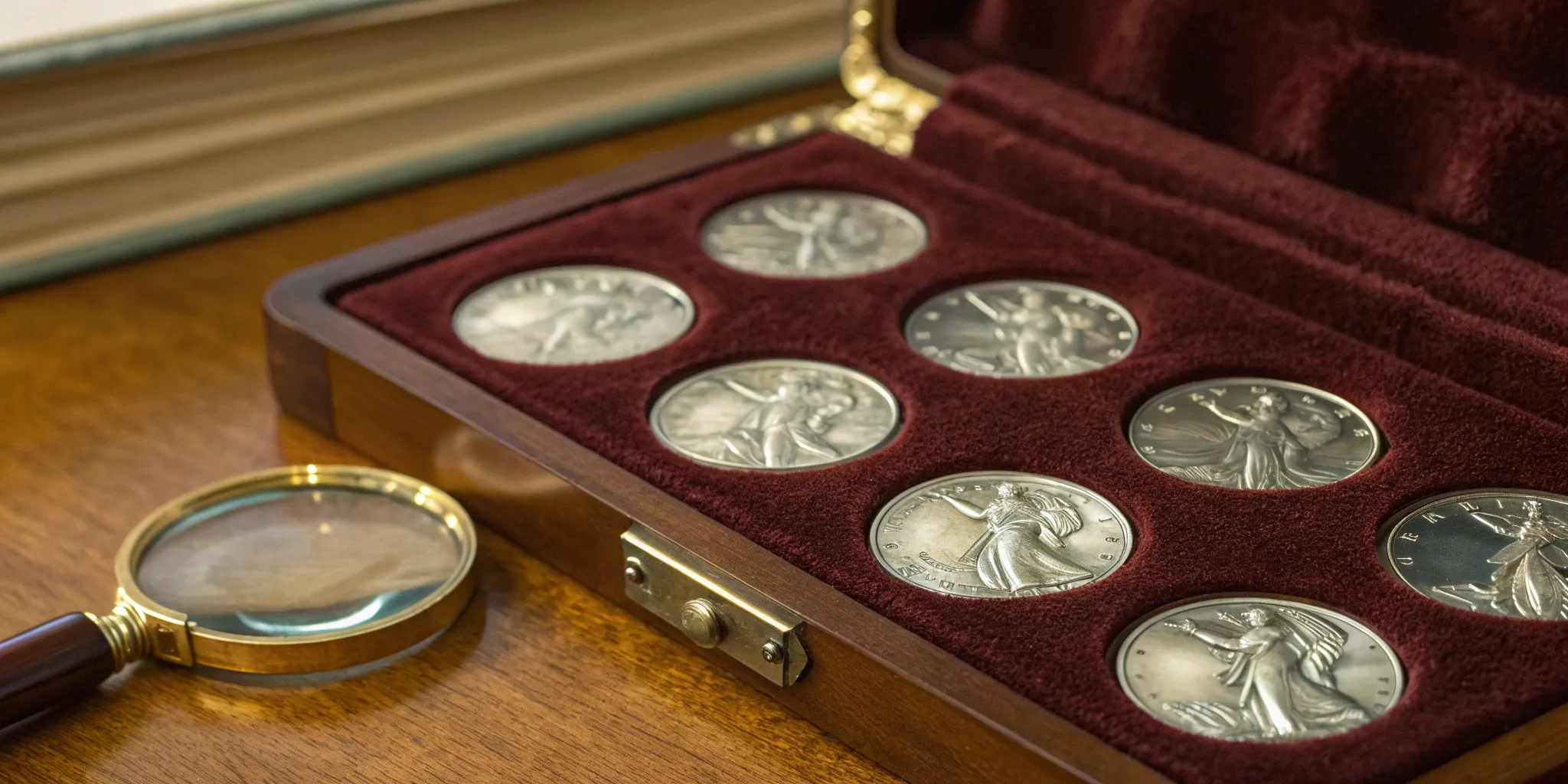
Building a collection of Walking Liberty Half Dollars is an exciting process, but a few common missteps can be costly. Knowing what to watch out for is just as important as knowing what to look for. A coin that looks like a bargain might have been improperly cleaned, permanently damaging its value, while another might be a common date priced like a rarity. This guide is designed to help you avoid those pitfalls. Weâll cover how to spot fakes, identify key dates, and understand the importance of professional certification, giving you the confidence you need to evaluate Walking Liberty half dollars for sale like an expert.
Key Takeaways
- Understand Its Dual Value: Every Walking Liberty Half Dollar has a base value from its 90% silver content, plus a numismatic value based on its condition, rarity, and historical significance. This combination makes it both a collectible and a tangible asset.
- Prioritize Condition and Certification: A coin's grade is the single most important factor in its price. Protect your investment by choosing professionally certified coins to guarantee authenticity and avoid the common pitfall of buying cleaned or damaged pieces.
- Build Your Collection Strategically: Start by acquiring high-quality, common-date coins to learn the series, then target rarer key dates as your budget allows. Always work with a reputable dealer to ensure you pay a fair price for a genuine coin.
What Is a Walking Liberty Half Dollar?
If you're drawn to classic American coinage, the Walking Liberty Half Dollar is a piece you absolutely need to know. Often called the Liberty Walking Half Dollar, this silver coin was minted from 1916 to 1947 and is widely celebrated for its stunning artistic merit and deep historical roots. It represents a pivotal era in American history, struck during a period that spanned two World Wars and the Great Depression. Its breathtaking design and significant silver content combine to create a coin that is both beautiful to look at and a solid tangible asset, making it a favorite among new and seasoned collectors alike.
The Story Behind the Iconic Design
Many enthusiasts agree that the Walking Liberty Half Dollar is one of the most beautiful coins ever produced by the U.S. Mint. The front, or obverse, features a full-length figure of Lady Liberty walking gracefully toward a rising sun, her arm outstretched. She carries branches of laurel and oak, symbolizing civil and military glory. This powerful image was created by sculptor Adolph A. Weinman to evoke a sense of hope and a new dawn for the nation. The reverse side depicts a majestic bald eagle perched on a mountain crag, wings unfolded in a display of power, representing the country's strength and unwavering freedom. Itâs a design that truly captures the American spirit of the time.
What Are They Made Of?
Each Walking Liberty Half Dollar is struck from a composition of 90% silver and 10% copper. This high silver content is a major reason for its lasting appeal and is a key factor in its base value. For collectors, itâs a tangible piece of precious metal, while for investors, it offers intrinsic value based on its weight in silver. The coinâs metal composition makes it a dual-purpose asset, holding both numismatic value for its rarity and condition, and bullion value for its precious metal content. This blend of collectibility and tangible worth makes it a cornerstone for many diversified portfolios that include silver bullion.
Why Collectors Love This Coin
The Walking Liberty Half Dollar is incredibly popular in the numismatic community, having replaced the earlier Barber half dollar with a design that was instantly iconic. These aren't just old pieces of currency; they are miniature works of art that tell a story of American resilience and optimism. Collectors appreciate the challenge of assembling a complete set, which includes coins from the Philadelphia, Denver, and San Francisco mints across all years of issue. Because they are so widely sought after, these beautiful pieces are a staple among the rare coins for sale and are a fantastic addition to any serious collection of U.S. coinage.
What Makes a Walking Liberty Half Dollar Valuable?
The value of a Walking Liberty Half Dollar isn't tied to a single factor. Itâs a compelling blend of artistic merit, historical weight, and precious metal content that makes the coin a favorite among both collectors and investors. Understanding these layers of value is key to making a strategic acquisition. This combination of beauty, history, and intrinsic worth gives the Walking Liberty Half Dollar a unique story and a solid foundation of value.
Artistry and Historical Significance
Often called one of the most beautiful designs in American coinage, the Walking Liberty Half Dollar is a true work of art. Created by sculptor Adolph A. Weinman, the obverse features a stunning image of Lady Liberty striding toward the sunrise. This powerful imagery resonated deeply with the public when the coin was minted from 1916 to 1947, a period spanning two World Wars and the Great Depression. Each coin is a small piece of that history, representing American resilience. This rich backstory gives the coin a numismatic value that goes far beyond its metal, attracting collectors who appreciate its cultural importance.
The Value of Their Silver
Beyond its design, every Walking Liberty Half Dollar has a solid intrinsic value from its composition. Each coin was struck from 90% silver and 10% copper, containing about 0.36 troy ounces of pure silver. This high silver content provides a tangible price floor, meaning its value will always be at least what the silver is worth. For investors, this makes the coin a relatively low-risk entry into precious metals. You can track the current silver bullion spot price to understand this base value, which provides security for your investment regardless of its collectible status.
Why Investors Seek Them Out
Investors are drawn to Walking Liberty Half Dollars because they offer both precious metal content and numismatic potential. The supply of these historic coins is finite. As time goes on, this fixed supply and steady collector demand create strong potential for long-term appreciation. Unlike simple bullion, these rare coins for sale have a value that can grow based on their condition, rarity, and historical appeal. Holding physical assets like these half dollars is also a smart way to diversify a portfolio, offering a tangible store of value that isn't tied directly to stock market fluctuations.
Where Can You Find Walking Liberty Half Dollars?
Once youâve decided to add Walking Liberty Half Dollars to your collection, the next step is knowing where to look. Finding authentic, high-quality coins means sourcing them from reputable places, which is the most important step in building a collection you can be proud of. Whether you prefer the convenience of browsing online from home or the hands-on experience of a bustling coin show, there are several excellent avenues to explore. Each option offers its own unique benefits. Online dealers provide vast inventories and competitive pricing, while local shops offer personalized service and the chance to inspect coins firsthand. Auctions can present opportunities to acquire truly rare pieces that seldom appear for sale.
The key, regardless of where you shop, is to work with trusted sources who can guarantee the authenticity and quality of your purchase. A reputable seller will provide clear information about a coin's grade, history, and certification. This transparency is crucial because it ensures youâre not just buying a piece of silver, but a genuine piece of American history with verifiable value. Your goal is to build a collection with confidence, knowing each coin is exactly what it's purported to be. Letâs walk through the best places to find these beautiful coins and what to look for in a seller.
Your Trusted Source: Park Avenue Numismatics
When youâre looking for a seamless and secure way to acquire Walking Liberty Half Dollars, starting with a trusted dealer is your best bet. At Park Avenue Numismatics, we pride ourselves on our expertise and our carefully curated selection. We offer a vast inventory of rare coins, including a variety of Walking Liberty Half Dollars, each one authenticated and graded by leading services like PCGS and NGC. Our team has over 35 years of experience helping collectors and investors find the perfect pieces for their portfolios. We make the process straightforward, providing you with all the information you need to make a confident purchase, knowing youâre getting a coin of certified quality and value.
Reputable Online Dealers
Beyond our own inventory, the digital world offers access to numerous reputable coin dealers. Exploring different online platforms can be a great way to compare prices, grades, and availability for specific dates or mintmarks you might be searching for. When browsing online, always prioritize dealers who are transparent about their grading process and have a solid history of positive customer reviews. A great way to verify a dealer's credibility is to see if they are a member of the Professional Numismatists Guild (PNG), which holds its members to strict ethical standards. This gives you an extra layer of confidence when buying online.
Local Coin Shops and Shows
For those who enjoy the tangible experience of collecting, nothing beats visiting local coin shops and shows. This approach allows you to hold a coin and inspect it up close before you buy. Building a relationship with a local dealer can also be incredibly valuable; they can get to know your collectionâs goals and notify you when a piece youâre looking for comes in. Coin shows are fantastic events where dozens of dealers gather under one roof, creating a competitive market that can lead to great prices. The American Numismatic Association maintains a calendar of events, making it easy to find a show near you.
Auctions and Estate Sales
Auctions and estate sales can be exciting places to hunt for Walking Liberty Half Dollars, especially if youâre searching for rare dates or high-grade specimens. Major auction houses like Heritage Auctions regularly feature impressive numismatic collections, giving you a chance to bid on coins that rarely appear on the open market. Estate sales can also be a source of unexpected finds, sometimes offering entire collections for sale. While the thrill of the chase is part of the fun, itâs important to do your research beforehand. Always review the auction catalog, understand the buyerâs premium, and set a firm budget for yourself before you start bidding.
What to Look for When You Buy
When youâre ready to add a Walking Liberty Half Dollar to your collection, knowing what to look for is the key to making a smart purchase. Beyond the beautiful design, a few critical factors determine a coin's quality and value. Paying close attention to the coin's condition, its specific date and mintmark, and whether it has been professionally certified will help you choose a piece youâll be proud to own. These details separate a common coin from a true collector's item.
How to Judge a Coin's Condition
A coin's condition, or grade, is one of the most significant factors in its value. A pristine, uncirculated coin can be worth dramatically more than one that shows even minor wear. When you examine a Walking Liberty Half Dollar, pay close attention to the high points of the design. On the obverse, look for wear on Lady Libertyâs head, her forward-striding leg, and her chest. On the reverse, check the eagleâs breast and leg feathers for signs of friction. The more detail that remains in these areas, the higher the grade and the greater the coin's value. When you browse professionally graded rare coins for sale, you can see clear examples of how these conditions are rated.
Identifying Key Dates and Mintmarks
Not all Walking Liberty Half Dollars are created equal. The year it was made and the mint that produced it play a huge role in its rarity. You can find the mintmark on the reverse of the coin, just below the branch in the lower-left area. A "D" indicates it was minted in Denver, an "S" in San Francisco, and no mintmark means it came from Philadelphia. Generally, coins from the Philadelphia mint are the most common, while some from Denver and San Francisco are much scarcer. Key dates, like the 1921-D and 1919-S, had very low mintages, making them highly sought after by serious collectors.
The Importance of Certification
To protect your investment and guarantee you're buying an authentic coin, always prioritize certified coins. Reputable third-party grading services like PCGS and NGC authenticate, grade, and encapsulate coins in secure, tamper-evident holders. This service removes any guesswork about the coin's condition and protects you from increasingly sophisticated counterfeits. For collectors, this certification provides essential peace of mind. At Park Avenue Numismatics, our commitment to quality means we stand behind the authenticity and grade of every coin we offer, ensuring you can build your collection with confidence.
How Much Can You Expect to Pay?
The price of a Walking Liberty Half Dollar can range from just over its silver melt value to tens of thousands of dollars for a top-tier rarity. This wide spectrum can seem intimidating, but the value is determined by a few key factors. Understanding what drives the price will help you make informed decisions, whether you're buying your first coin or adding a key date to a seasoned collection. The three main elements that determine a coin's price are its condition (or grade), its rarity, and the current market for both silver and collectible coins. By looking at each of these components, you can get a clear picture of what a specific Walking Liberty Half Dollar is worth and why.
How Grade Affects Price
A coinâs condition, known as its grade, is one of the most significant factors in its valuation. Simply put, a well-preserved coin is worth more than one thatâs heavily worn. The numismatic grading scale runs from Poor (P-1) to a perfect Mint State (MS-70). For Walking Liberty Half Dollars, the difference in price between grades can be dramatic. A common date in a lower, circulated grade might trade for a small premium over its silver content. However, that exact same coin in a high-end, uncirculated grade like MS-65 or above can be worth hundreds or even thousands of dollars. This is because pristine examples are much scarcer, making them highly desirable among serious collectors of rare coins.
Pricing for Common vs. Rare Coins
Beyond the grade, a coinâs date and mintmark determine its rarity. While many Walking Liberty Half Dollars were produced in large numbers and are considered common, certain issues are notoriously difficult to find. Generally, coins minted before 1934 are scarcer, and collectors will pay a premium for them, especially in higher grades. Key dates like the 1921-D or the 1919-S are highly sought after and carry a significant premium over more common dates, even in lower conditions. When youâre starting out, common-date coins are an affordable way to appreciate the design. As you build your collection, you can focus on acquiring these rarer key dates, which are often the cornerstones of a valuable portfolio.
How Market Trends and Silver Prices Affect Value
The value of a Walking Liberty Half Dollar is tied to two distinct markets. First, its 90% silver content gives it an intrinsic bullion value that fluctuates with the daily price of silver. This provides a solid price floorâthe coin will always be worth at least its weight in silver. You can always check the current silver bullion market to get a sense of this base value. Second, its numismatic or collectible value is driven by supply and demand. Because the supply of these historic coins is finite, ongoing collector interest helps support their long-term appreciation potential. This dual nature makes them appealing to both collectors who love the history and investors who appreciate the tangible asset.
How to Spot Fakes and Ensure Authenticity
The beauty and popularity of the Walking Liberty Half Dollar unfortunately make it a prime target for counterfeiters. As fakes become more sophisticated, knowing how to verify a coin's authenticity is a crucial skill for any collector. Protecting your investment starts with a healthy dose of skepticism and a keen eye. Fortunately, you donât have to be a seasoned numismatist to learn the basics of spotting a fake. By combining professional guidance with a few simple at-home tests, you can build your collection with confidence and peace of mind.
Why Professional Grading Matters
The single most reliable way to ensure a coin is genuine is to buy one that has been professionally graded. Third-party grading services like PCGS and NGC authenticate, grade, and encapsulate coins in secure, sonically sealed holders. If you feel unsure in your own authentication ability, you should buy coins that are already certified. This not only guarantees authenticity but also provides an objective assessment of the coin's condition, which is essential for determining its market value. An encapsulated coin is also easier to sell later on, as buyers have confidence in its legitimacy and grade, making it a more liquid asset for your portfolio.
Telltale Signs of a Counterfeit Coin
Developing an eye for detail is your first line of defense. Start by examining the coinâs design elements. On a genuine Walking Liberty Half Dollar, the flowing lines of Liberty's gown and the eagle's feathers should be sharp and distinct. Counterfeits often display blurriness, a lack of fine detail, or a generally "mushy" appearance. Pay close attention to the mintmark and date, as these are often poorly replicated. You should also check the coin's weight and diameter with a precise digital scale and calipers. Any deviation from the standard specifications is a major red flag. Finally, inspect the reeded edge; it should be uniform and well-defined, not sloppy or showing a seam.
Simple Tests to Verify Authenticity
Beyond a visual inspection, a few simple tests can help confirm your coin's authenticity. One effective method is the ping test. Gently balance the coin on your fingertip and tap it with another coin. A genuine 90% silver coin will produce a clear, high-pitched ringing sound that sustains for a second or two. A counterfeit made from base metals will sound dull and flat. Another easy test is to use a strong magnet. Since the silver bullion in these coins is not magnetic, any attraction to the magnet means you have a fake. These non-destructive tests are great initial checks you can perform on any raw coin you consider adding to your collection.
Common Buying Mistakes to Avoid
Building a collection of Walking Liberty Half Dollars is an exciting process, but a few common missteps can be costly. Knowing what to watch out for is just as important as knowing what to look for. When youâre investing in these beautiful pieces of American history, avoiding simple errors can protect your investment and ensure your collection grows in value and significance. The most frequent mistakes fall into three categories: buying coins with condition issues, paying too much for common dates, and improper handling after the purchase. It's tempting to grab the first coin that catches your eye, but a little patience and knowledge go a long way. A coin that looks like a bargain might be cleaned or damaged, while another might be a common date priced like a rarity. Even after you've made a great purchase, the way you care for your coins can make or break their long-term value. By being mindful of these potential pitfalls, you can acquire coins with confidence and build a collection youâre truly proud of. Letâs walk through what to avoid so you can make smart, informed decisions every time.
Steer Clear of Cleaned or Damaged Coins
One of the most critical mistakes to avoid is purchasing coins that have been improperly cleaned. While a shiny coin might seem appealing, cleaning strips away the natural patina and leaves microscopic scratches, permanently altering the coinâs surface. This drastically reduces its numismatic value. As experts often note, buying coins that have undergone cleaning can lead to regrettable purchases that do not hold their value. Beyond cleaning, look for other forms of damage like deep scratches, rim dings, or signs of corrosion. The best way to avoid these issues is to buy coins that have been professionally graded by a reputable service, which provides an objective assessment of a coinâs authenticity and condition.
Don't Overpay for Common Coins
Itâs easy to get caught up in the beauty of a Walking Liberty Half Dollar and pay more than itâs worth, especially for a common date. While every Walking Liberty is a work of art, many dates were minted in large quantities and are readily available. The key to their value lies almost entirely in their condition. For common dates, you should only expect to pay a significant premium for coins in almost uncirculated (AU) condition or higher. Before making a purchase, take some time to research the coinâs mintage numbers and check current market prices. Comparing prices from a trusted dealer like Park Avenue Numismatics will give you a solid baseline for what you should be paying for your rare coins for sale.
The Right Way to Handle and Store Your Coins
Your responsibility as a collector doesnât end once youâve made the purchase. Improper handling and storage can quickly diminish a coin's condition and value. The oils, acids, and dirt on your skin can cause irreversible damage to a coin's delicate surface over time. Handling coins with bare hands can lead to unwanted wear and tear, which diminishes their value. Always hold a coin by its edges and consider wearing soft cotton gloves for an extra layer of protection. For storage, use materials that are designed for archival purposes, such as inert plastic holders, flips, or slabs. Proper coin care ensures that your investment remains in pristine condition for years to come.
Which Walking Liberty Half Dollar Is Right for You?
Choosing the right Walking Liberty Half Dollar comes down to your personal goals. Are you just starting your numismatic journey, looking for a tangible asset for your investment portfolio, or aiming to build a complete set? Each path has its own rewards, and this iconic American coin offers something for everyone. By clarifying your objectives, you can select the coins that best align with your budget and passion. Letâs explore which approach makes the most sense for you.
Great Starting Coins for New Collectors
If youâre new to coin collecting, the Walking Liberty Half Dollar is a fantastic place to start. These beautiful rare coins for sale are popular for a reason: their stunning design and rich history make them instantly appealing. Minted from 1916 to 1947, they replaced the older Barber coinage and captured a patriotic spirit. Because they are made of 90% silver, they have an intrinsic value that makes them a solid first purchase. I recommend beginning with common-date coins in circulated but attractive condition. This allows you to acquire a piece of history and appreciate the design without a significant financial commitment.
Top Picks for Serious Investors
For those focused on long-term growth, certain Walking Liberty Half Dollars are prime investment pieces. The key is to target rarity and quality. Coins from specific years and mints, known as "key dates," are in finite supply and high demand, which drives their value. An uncirculated 1921-S, for example, is exponentially more valuable than a common 1943-S. Serious investors should focus on high-grade, certified coins, as professional grading authenticates their condition and rarity. With sustained collector interest and a limited supply, these top-tier coins have excellent potential for appreciation, making them a smart addition to a diversified portfolio.
How to Build a Complete Collection
Assembling a full set of Walking Liberty Half Dollars is a rewarding challenge for the dedicated collector. A complete collection includes one coin from every year and mintmark combination from 1916 to 1947. A practical strategy is to break the series down into smaller date ranges, such as 1916â1929 or 1940â1947, and tackle them one by one. You can start by acquiring the more affordable, common-date coins before pursuing the rarer, more expensive pieces. This methodical approach makes the goal more manageable and allows you to enjoy the thrill of the hunt while building a comprehensive collection of this beloved American coin.
How to Get the Best Value
Getting the most for your money isnât about finding the cheapest coinsâitâs about making smart, strategic purchases that add quality and potential to your collection. Whether youâre buying one key-date coin or acquiring silver for its intrinsic value, a few simple tactics can help you maximize your investment. By paying attention to how and when you buy, you can build a more impressive collection while keeping your budget in check. It all comes down to knowing what to look for beyond the coin itself, from dealer incentives to bulk pricing opportunities.
Opportunities for Volume Discounts
If your goal is to acquire a significant amount of silver or build a large set of common-date coins, buying in bulk is one of the most effective ways to get a better price per coin. Many dealers offer volume discounts when you purchase rolls or bags of Walking Liberty Half Dollars. This approach is especially popular with investors who appreciate the coin's 90% silver content but also want items with numismatic appeal. When you purchase bullion or common coins in quantity, you can often lower your average cost, which makes a real difference over time. Always ask your dealer if they have special pricing for larger orders.
Look for Shipping Incentives
Shipping and insurance costs can add a surprising amount to your final purchase price, especially for valuable coins. Before you commit to a purchase, always check the dealerâs shipping policies. Many established dealers offer free, fully insured shipping on orders that meet a certain value threshold. This isn't just a discount; it's a sign of a professional operation that values its clients. Finding a dealer with a transparent and fair shipping policy ensures there are no hidden costs and that your investment is protected from the moment it leaves their vault. This commitment to service is a key part of what builds trust between a collector and a dealer.
Special Offers for New Collectors
If you're just starting your collection, keep an eye out for special promotions aimed at new clients. Many dealers run introductory offers or provide special pricing on starter sets to welcome people to the hobby. The best way to hear about these opportunities is to join the mailing list of a few reputable dealers you trust. While these promotions can be a great way to get your first few Walking Liberty Half Dollars at a good price, remember to prioritize quality and authenticity. A good offer is only valuable if the coin itself is a worthy addition to your collection. You can start by browsing a curated selection of rare coins for sale to get a feel for quality inventory.
How to Start and Grow Your Collection
Starting or expanding a coin collection is an exciting process. With a strategic approach, you can build a set of Walking Liberty Half Dollars that is both personally rewarding and a sound asset. The key is to focus on quality, proper care, and smart acquisition.
Build Your Collection the Smart Way
When it comes to collecting, a coin's conditionâor gradeâis one of the most significant factors driving its value. A smart strategy is to always acquire coins in the best condition you can afford. A higher-grade coin will almost always be a better long-term asset than several lower-grade examples. Be wary of coins that have been cleaned, as this can strip away the original surface and drastically reduce their numismatic value. Always look for pieces that have their original patina and luster, as these are the most desirable among serious collectors who are looking for rare coins for sale.
Properly Store and Preserve Your Coins
Protecting your investment is just as important as making a smart purchase. The oils and dirt from your skin can cause irreversible damage to a coin's surface over time, so you should avoid handling them with bare hands. Always hold coins by their edges, preferably while wearing soft cotton gloves. For ultimate protection and peace of mind, consider buying coins that have already been professionally graded and encapsulated by a reputable service. These sealed holders, or "slabs," not only protect the coin from environmental damage but also guarantee its authenticity and grade, which is a cornerstone of our company's philosophy.
When Is the Best Time to Buy?
Many collectors wonder about the perfect time to buy. Rather than trying to time the market, it's better to focus on acquiring the right coins when they become available. Walking Liberty Half Dollars have a finite supply and consistent demand from collectors, which supports their long-term appreciation potential. Prices can range from around ten dollars for common, circulated coins to thousands for rare, high-grade examples. Because their value is tied to both their silver content and numismatic rarity, they can be a stable addition to a diversified portfolio that might also include assets like gold bullion.
Related Articles
- WEINMAN'S WALKING LIBERTY HALF DOLLAR (1916-47)
- Walking Liberty Half Dollars
- Walking Liberty Half Dollar 1916-1947
- LIBERTY SEATED HALF DOLLARS WITH MOTTO AND ARROWS (1873-74)
- LIBERTY SEATED HALVES WITH MOTTO (1866-91)
Frequently Asked Questions
Should I only buy coins that are professionally graded? For any coin you consider a serious investment, especially a rarer date, the answer is yes. Professional grading from a trusted service like PCGS or NGC confirms a coin's authenticity and provides an objective assessment of its condition. This removes any guesswork and protects you from counterfeits or overpaying for a lower-quality piece. If you're just buying common coins for their silver content, it's less critical, but for building a valuable collection, certification is essential.
What's the difference between a coin's 'melt value' and its 'numismatic value'? Think of melt value as the coin's price floor. Itâs the base value of the 0.36 troy ounces of silver contained in the coin, which fluctuates with the daily market price of the metal. Numismatic value is the additional premium collectors are willing to pay for the coin's rarity, condition, and historical appeal. A heavily worn, common-date coin might only be worth its melt value, while a rare, pristine example can have a numismatic value that is thousands of times higher.
What are the most important 'key dates' to know for this series? While several dates are tough to find, a few stand out as the cornerstones of a serious collection. The 1921 and 1921-D (Denver mint) coins had exceptionally low mintages and are highly sought after in any condition. The 1916-S (San Francisco) is another key issue, especially in higher grades. From the later years of the series, the 1938-D is a well-known rarity that commands a significant premium. Acquiring any of these is a major milestone for a collector.
How can I tell if a coin has been cleaned? A cleaned coin often has an unnatural, dull shine instead of the vibrant luster you'd see on an original piece. You should look for tiny, parallel scratches across the surface, known as hairlines, which are telltale signs of abrasive polishing. Sometimes, you can also spot a buildup of residue around the lettering and date. An uncleaned coin will have an honest, even toning that has developed naturally over decades, which is far more desirable to collectors.
Is it better to buy one expensive, high-grade coin or several cheaper, circulated ones? This really comes down to your personal collecting goals. If you are focused on long-term appreciation and building a top-tier collection, the classic advice is to always buy the highest quality you can afford. One exceptional, key-date coin will almost always be a better asset than a handful of common, lower-grade examples. However, if you're new to the hobby and want to learn the series, acquiring several affordable coins is a fantastic way to appreciate the design and history without a major financial commitment.





