
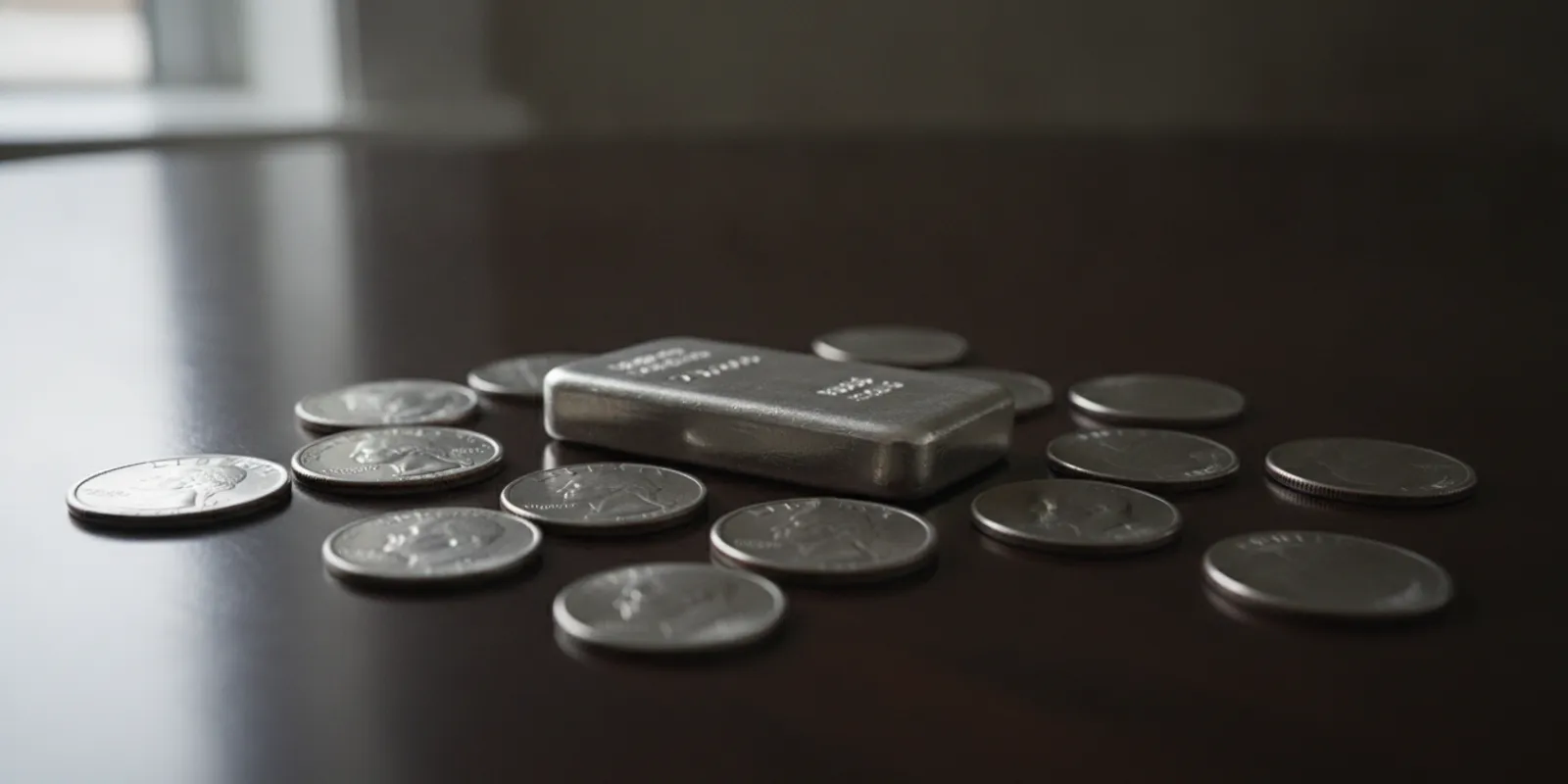
The best place to buy silver is a reputable dealer who can clearly identify what is being sold, explain its condition and total cost, and provide a sensible way to verify and receive it. For common bullion, compare established online and local coin dealers; for collectible coins, look for a numismatic dealer with relevant expertise and transparent listings. The right choice depends on whether you value convenience, in-person inspection, a particular coin, or specialist guidance.
Discuss silver and coin options
What should you decide before choosing where to buy?
Start with the kind of silver you want. A buyer comparing standard bullion has different priorities from a collector searching for a particular date, mint mark, grade, or historical issue. Decide what matters before comparing sellers, so a low headline price does not distract from a poor fit.
- Bullion: Silver bars and commonly traded coins bought mainly for their silver content. Compare the product, weight, stated purity, total cost, and how the seller handles delivery or collection.
- Collectible coins: Coins whose appeal may depend on scarcity, condition, certification, provenance, and collector demand as well as metal content. Review the exact coin and its grading details.
- Both: Some buyers want a mix. Set a separate purpose and budget for each type rather than treating a collectible coin and a bullion product as interchangeable.
Also choose your preferred buying method. Are you comfortable ordering online, or do you want to inspect an item in person? Do you need help comparing a specific coin, or are you already familiar with the product? Write down your priorities, including how you will pay, collect or receive the silver, and address any questions after the sale.
How do the main places to buy silver compare?
Several types of sellers can be suitable, but they offer different trade-offs. The table is a starting point; verify each seller’s actual terms and inventory before placing an order.
| Buying route | Often a good fit for | What to compare | Possible trade-off |
|---|---|---|---|
| Local coin and bullion dealer | In-person questions, local collection, and seeing a product before purchase | Product knowledge, item description, final price, payment terms, and return or exchange policy | Selection may vary by location and current inventory |
| Established online dealer | Comparing a broad catalog from home | Shipping, insurance, payment fees, delivery timing, security, and return terms | You may not inspect the exact item before ordering |
| Numismatic specialist | Rare or certified coins that need detailed evaluation | Coin identity, grade, certification details, images, provenance where relevant, and expertise in the series | Specialist collectibles require more research than standard bullion |
| Auction | Seeking an unusual or scarce coin through competitive bidding | Buyer’s premium, other fees, lot description, bidding rules, and condition information | The final amount can exceed the bid, and the item may be difficult to assess before bidding |
| Private marketplace | Buyers who already know how to authenticate and assess the item | Seller identity, payment protections, authenticity, delivery, and recourse if a problem arises | Verification and dispute resolution may be less straightforward |
A local dealer can make it easier to ask questions and examine an item, but a nearby storefront alone is not proof of a seller’s expertise or fair terms. An online dealer may offer a convenient catalog and clear product details, but the buyer should account for delivery and payment terms. A specialist or auction can open access to collectible coins while requiring more careful review. Choose the route that allows you to verify the details that matter to you.
How can you assess the seller before buying?
Look for clear, checkable information rather than relying on a polished website or a single claim. The seller should identify the business, describe the product precisely, state how the transaction works, and answer reasonable questions without pressure. Compare these points before sharing payment details:
- Business identity: Check the seller’s name, contact options, location where applicable, and how long it has operated. Make sure the site or listing gives you a way to reach the business if questions come up.
- Product knowledge: Ask whether the seller can explain the difference between bullion and numismatic value, and provide details relevant to the particular item.
- Clear policies: Review payment methods, shipping or pickup, insurance, expected dispatch, returns, cancellations, and what happens if a package is delayed or damaged.
- Independent checks: Look for a consistent business identity across its site and public records or professional references available to you. Treat testimonials as one input, not a substitute for verifying the item and the terms.
- No pressure: A responsible seller should let you consider the information. Be cautious if you are hurried to pay before the item, price, or transaction terms are clear.
For collectible coins, ask what the seller means by a grade and whether the coin is certified. If it is certified, confirm the certification details using the grading service’s own lookup tools when available. A holder or label is useful information, but it does not replace checking that the coin and its description match what you intend to buy.
For a basic reference on official U.S. coin programs, the United States Mint website provides information about U.S. Mint products and coinage. A private dealer is not the Mint; use the Mint as an informational reference, then assess a seller’s specific offering and terms directly.
What details should you check in a silver listing?
Read the listing as if you will need to explain exactly what you bought later. For bullion, confirm the product name, metal, weight, purity as stated, quantity, and whether the picture represents the item you will receive or a stock image. Check whether the listing describes a coin or bar as new, circulated, or in a particular condition, and ask about anything that is unclear.
For a collectible coin, check the date, denomination, mint mark, grade, grading service if certified, and any stated provenance. Look for photographs that show both sides and relevant edge details when applicable. Compare the images with the written description. If the seller says a coin is scarce or exceptional, ask what evidence supports that description rather than treating promotional language as verification.
Park Avenue Numismatics presents silver bullion and coin listings through its silver bullion catalog. Collectors exploring U.S. half dollars can also review examples such as this 1917 half-dollar listing and this 1963-D half-dollar listing. Those listings are examples of how a specific coin can be identified; check the current listing details and availability before making a decision.
How should you compare price and total cost?
Compare the full amount you would pay, not just the advertised item price. The cost can include a premium over the silver’s market reference price, shipping, insurance, payment processing, taxes where applicable, and auction fees. The applicable charges and market prices can change, so check the terms at the time of purchase.
For bullion, compare like with like: same metal, form, weight, and quantity. A coin and a bar with similar silver content may have different premiums or buyer appeal. For collectible coins, do not compare only the metal content. Condition, rarity, provenance, certification, and current market demand can all affect how a coin is priced, and no particular value is guaranteed.
A practical way to compare two offers is to put the details in one place:
- Write down the exact product description and quantity from each seller.
- Add all fees and delivery charges to the item price.
- Note the payment method, delivery or pickup timing, insurance, and return terms.
- For a collectible, record the coin’s identifying details and certification information so you are comparing equivalent items.
- Ask each seller to explain any detail that differs or is missing before deciding.
This process may show that one offer is a better match even if it is not the lowest advertised amount. A clearly described item with a suitable return policy and reliable delivery may matter more to you than a small difference in the headline price. Decide which factors are essential before you compare.
When does buying in person make sense?
Buying in person can be useful if you want to ask questions face to face, view a particular coin, or avoid shipping. It can also help a new buyer understand the difference between ordinary bullion and a collectible issue. Call or contact the dealer before traveling to confirm that the type of item you want is available to review; catalog listings and stock can change.
When examining a coin, handle it only as the dealer advises. Avoid cleaning or polishing it, since altering a coin can affect its condition and desirability. Check that the item matches its description and ask for an invoice or other written record identifying the purchase. For bullion, confirm the product and quantity on the receipt and understand the seller’s procedure for any concern about the order.
Local access is especially useful when you prefer a conversation before choosing. Park Avenue Numismatics is a Miami-based rare coin and precious metals dealer that purchases from the public as well as presenting coin and metal listings. If your goal is to sell silver rather than buy it, ask about the assessment process; buying and selling are different transactions, and any offer or value depends on the particular items and market conditions.
What should you check before placing an order?
Use this final checklist before paying, whether you are buying online, at a shop, or through an auction:
- Do I know whether this is bullion, a collectible coin, or both?
- Does the description state the exact item, quantity, and relevant identifying details?
- Can I compare the actual total cost, including fees and delivery?
- Have I read the shipping, insurance, return, and cancellation terms?
- Do I know how to contact the seller if there is a question or delivery issue?
- For a collectible, have I reviewed the condition, certification details, and photographs?
- Am I comfortable with the payment method and the time I have to inspect the item?
For an online order, save a copy of the listing and the order confirmation, including the item description, total charged, and promised delivery window. When the package arrives, follow the seller’s instructions for checking it and contact the seller promptly if the contents do not match the order. Keep the invoice and packaging until you have confirmed the purchase is complete. For an in-person transaction, review the written receipt before leaving and make sure it identifies the products and quantities. These simple records make it easier to resolve questions about what was ordered and received.
If a seller cannot answer a basic question about the item or the transaction, pause and get clarity before proceeding. A careful comparison protects you from buying a product that does not match your needs, whether the priority is recognizable bullion, a particular U.S. coin, or specialist guidance.
Where can Miami buyers start?
For Miami-area buyers, a local dealer offers a way to ask about silver coins and precious metals directly. Park Avenue Numismatics has operated in Miami for 38 years and purchases rare coins and precious metals from the public. Buyers can explore the silver bullion listings and contact the business to discuss a specific item or question. Confirm current inventory, transaction terms, and any details important to your decision directly with the dealer.
If you are comparing a purchase, bring the exact product details from the listings you are considering and ask how the total price, delivery or pickup, and return terms work. If instead you have silver to sell, explain what you have and ask how an assessment is handled. An evaluation depends on the item’s characteristics and current market demand; avoid relying on a generic estimate as a guaranteed outcome.
Arrange a conversation about silver
Call 1-888-419-7136 to talk with Park Avenue Numismatics about silver bullion or certified silver coins.
Frequently asked questions
Is a local coin shop better than buying silver online?
Neither route is best for every buyer. A local shop may let you ask questions and inspect an item in person, while an online dealer may make catalog comparison convenient. Compare the seller, product details, total cost, and policies for the specific order you are considering.
Should I buy silver bullion or collectible coins?
That depends on your purpose and interests. Bullion is generally selected for its silver content, while collectible coins may also be valued for features such as condition, scarcity, and collector demand. Learn what you are buying and compare similar items rather than assuming one category is right for everyone.
How can I tell whether a silver coin is authentic?
Buy from a seller who provides specific product details and a clear transaction process. For certified collectibles, verify the certification information through the grading service when it offers a lookup. For any coin, compare the item with the description and ask about independent verification if you have concerns; do not rely on a photo or promotional claim alone.
Does the lowest silver price mean it is the best deal?
Not necessarily. Compare the full cost, product details, seller reliability, delivery, and return terms. A low listed amount can leave out fees or refer to a different product. Collectible coin prices also vary with condition, rarity, provenance, certification, and market demand.
Key takeaway
The best place to buy silver is the seller and buying route that make the product, its total cost, and the transaction terms clear. Compare local and online dealers, use specialist help when evaluating collectible coins, and verify the details before paying.





