
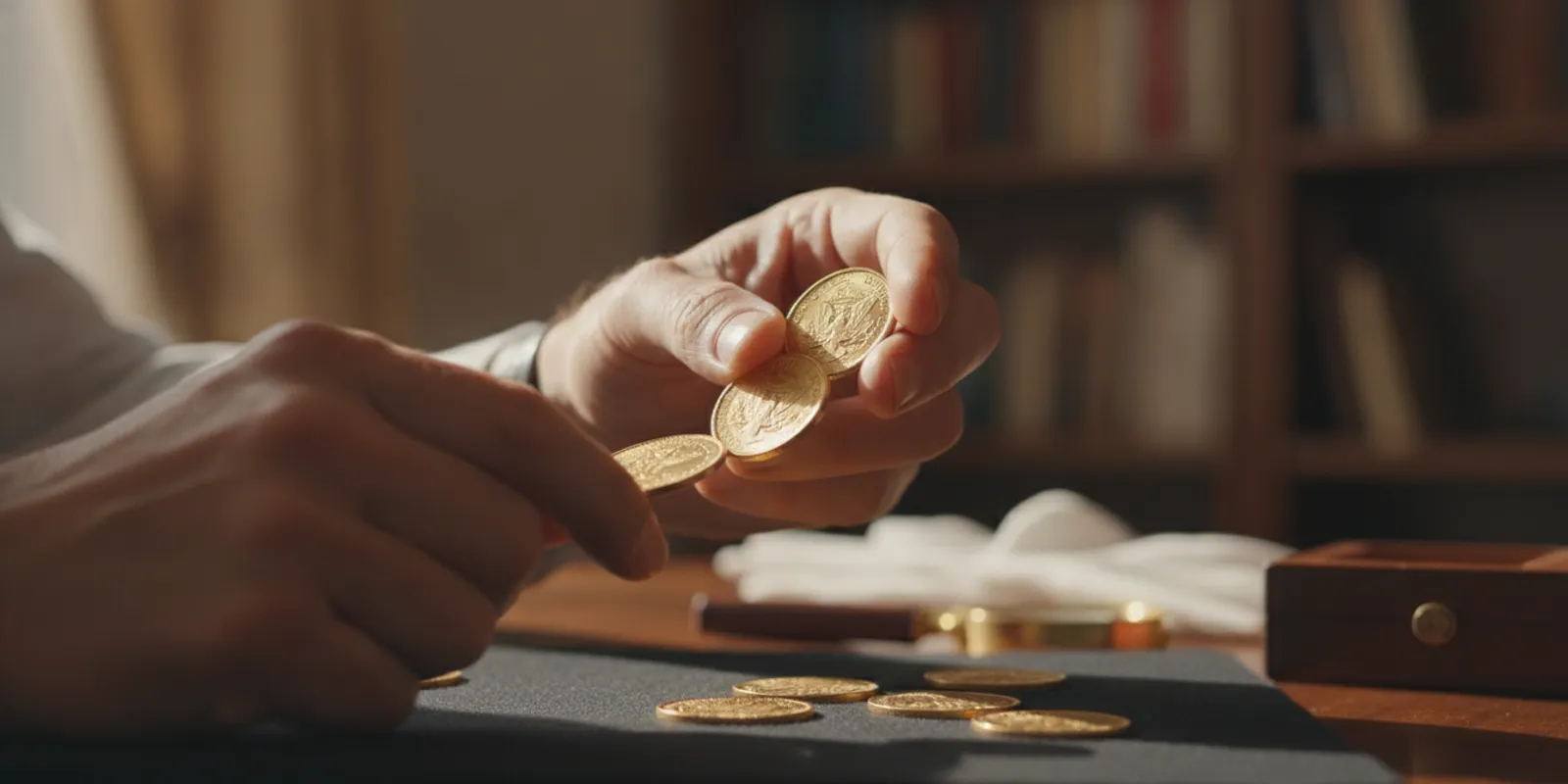
The best place to buy gold is the seller that can clearly identify the exact coin or bar, explain the full cost and terms, and answer questions that matter for your purchase. For a collectible U.S. coin, a specialist coin dealer may offer useful product-specific context; for a standard bullion product, compare sellers offering the same item and weight. Start by deciding what you want to own, then compare the transaction rather than relying on a broad claim or a low advertised price.
What should you decide before choosing where to buy?
“Gold†can describe very different purchases. A buyer interested in a widely recognized bullion coin may focus on the stated metal content, product identity, availability, and total delivered cost. A collector seeking a particular U.S. issue may care more about date, mintmark, grade, condition, certification, and how the coin fits a collection. The right place to buy depends on which of these needs is central.
Write down your priorities before comparing sellers. Note the type of item, whether you need help evaluating collectible details, whether you want to see the piece before deciding, and how you expect to receive it. A short list makes it easier to compare offers on the same basis. It also helps you spot when a seller's description does not answer the question you actually have.
- Product: Identify whether you want a bullion coin, bar, or collectible U.S. coin.
- Specifics: For a coin, note the denomination, date, mintmark, grade or condition, and certification details you are seeking.
- Buying format: Decide whether in-person inspection, remote ordering, or bidding is practical for you.
- Support: Consider whether you want a seller to explain numismatic details or simply provide a clear bullion listing.
- Transaction: Set a process for comparing all fees, delivery or pickup, and written policies.
How do the main buying routes compare?
Different routes can suit different products and preferences. The category alone does not establish that a particular business is reliable or that a given offer is right for you. Use the table to identify what to check, then verify the actual seller's item description and terms directly.
| Buying route | May fit | Questions to answer | Trade-off to consider |
|---|---|---|---|
| Specialist coin dealer | Collectors comparing specific U.S. coins or seeking discussion of coin attributes | What are the full attribution, grade or condition, certification details, price, and return terms? | Available inventory is limited to the items currently offered; expertise and policies vary by dealer |
| Bullion dealer | Buyers focused on common bullion coins or bars | What exact product, weight, premium, fees, delivery method, and payment terms apply? | A bullion-focused listing may provide less context about collectible rarity or numismatic condition |
| Online coin seller | Buyers who prefer browsing listings remotely | Are the photos, description, seller contact details, shipping, and return rules clear? | You may not inspect the coin directly before placing an order |
| Auction house | Collectors looking for particular or less commonly offered pieces | What buyer's premium, bidding rules, deadlines, grade information, and return limits apply? | The final amount can include additional charges, and the winning bid is uncertain |
| Private individual | Experienced buyers able to assess an item and arrange a transaction independently | How will you verify the coin, ownership, payment, documentation, and meeting or delivery plan? | Formal policies and structured support may be limited |
Use this comparison to narrow your search, not to select a seller by label. A specialist may be a better fit for a collectible question, while a bullion dealer may have a more directly comparable product listing. For either route, the final decision still depends on the actual item and the details supplied before payment.
How can you tell whether a listing matches what you want?
Read the description from the top down and look for exact identifying details. For a collectible U.S. coin, confirm the date, mintmark if applicable, denomination, grade or condition description, and certification information. A label such as “gold coin†is not enough to distinguish one issue or grade from another. For a bar or bullion coin, confirm the metal, stated weight, product identity, quantity, and any packaging or identification details that are part of the offer.
Photographs are useful for seeing the item and checking that the listing is specific, but they cannot always show every surface characteristic. Ask whether the images show the exact coin being offered or a representative example. If the coin is certified, compare the certification information supplied with the holder and the piece. Certification can provide information about attribution and grade; it does not promise a future price or replace your review of the transaction.
Catalog examples can show the level of detail a seller provides for individual pieces. For instance, compare a 1913 $5 gold coin listing with a 1909-S $20 gold coin listing. A 1912 $5 gold coin listing and an 1893 $20 gold coin listing provide further examples of distinct U.S. issues. These are examples, not a statement about current availability or an indication that the coins are interchangeable. Check each listing directly for current details and terms.
For background on official U.S. coin programs and coin information, consult the U.S. Mint. Its materials can help you become familiar with U.S. coin issues, but they do not appraise a privately offered collectible or verify an individual seller's listing. Use official information alongside the specific description, photographs, and transaction details from the seller.
How should you evaluate the seller?
Check that the seller provides a clear business identity, a practical way to ask questions, and written policies you can review before paying. Look for consistency between the listing, invoice, and seller's answers. If you are buying remotely, understand how the seller handles shipping, insurance, delivery questions, and a report that an item does not match its description. For an in-person purchase, confirm where and when the item can be examined and whether the specific piece is available to view.
- Ask for full identification. Request the complete item description, including relevant date, mintmark, denomination, weight, grade or condition, and certification details.
- Clarify what the photos show. Ask whether images depict the exact item and whether any visible marks or limitations need explanation.
- Request the complete amount due. Confirm price plus shipping, insurance, payment charges, applicable taxes, and auction premiums where relevant.
- Read terms before agreeing. Review payment timing, cancellation, return or dispute process, delivery or pickup arrangements, and any conditions or deadlines.
- Keep a written record. Save the listing, answers, invoice, payment record, and delivery information so you can refer to the agreed description.
Clear, direct answers are useful evidence that you understand the offer, but do not treat a polished website or a confident conversation as a substitute for checking the item and the terms. If a basic detail remains unclear, ask again before paying or compare another offer. Avoid making a decision solely because an offer is described as urgent or unusually attractive.
How should you compare price and total cost?
Gold prices change, and a coin's value can vary with condition, rarity, provenance, certification, and current market demand. A seller's asking price is an offer for a particular item at a particular time; it is not a guaranteed valuation or a promise about future resale. Avoid comparing a generic price chart with a collectible coin as if metal content alone establishes the same value.
Compare equivalent products as closely as you can. For bullion, match the product type and stated weight, then account for premiums and every fee. For a collectible coin, try to match date, mintmark, grade, certification context, and relevant condition details. If those attributes differ, note the difference rather than treating the offers as a direct comparison. Past sales or advertised prices may provide context, but they do not establish what a different coin is worth today.
A simple comparison worksheet can keep the decision practical:
| Comparison item | Offer A | Offer B |
|---|---|---|
| Exact product and identifying details | Write the full description | Write the full description |
| Advertised price | Record amount and date checked | Record amount and date checked |
| Additional charges | List shipping, insurance, payment fees, or premium | List shipping, insurance, payment fees, or premium |
| Final amount due | Add known charges | Add known charges |
| Delivery and terms | Record timing, return rules, and contact process | Record timing, return rules, and contact process |
The worksheet prevents a headline number from dominating the comparison. One offer may include delivery while another does not. An auction bid may have a buyer's premium, while a remote order may add shipping or insurance. A difference in price does not by itself explain a difference in product quality or suitability; compare the coin and the transaction together.
When does buying in person make sense?
An in-person visit can be helpful when you want to see a coin directly, compare examples, or discuss identifying details before deciding. It can also make it easier to ask follow-up questions about a specific listing. Call ahead to confirm hours, whether the item is available to examine, what information to bring, and the accepted payment or pickup arrangements. An appointment or visit does not remove the need to review the written price and policies.
Park Avenue Numismatics is a Miami rare-coin and precious-metals dealership established in 1988. Its catalog includes individual U.S. coin listings, such as this 1910-S $20 gold coin listing. The listing can help a reader see how a particular coin is presented, but confirm current availability and transaction details directly before making plans.
Remote shopping can make it easy to browse multiple listings without traveling. To make that route more comfortable, save the item description, request clear answers in writing, and review delivery and return terms before checkout. In person, focus on what you can learn from viewing the coin and asking questions; online, focus on the quality of the information and the process for resolving a discrepancy. Both routes require a careful comparison.
What practical steps can you take before ordering?
Once you have a potential item and seller in mind, use a short sequence rather than rushing from a listing to payment. First, make sure the item matches your stated purpose. Second, compare it with one or more genuinely similar options. Third, ask about anything missing from the description. Finally, read the order summary and terms from beginning to end.
- For a bullion product, verify product identity, weight, quantity, total cost, and delivery method.
- For a collectible, verify attribution, grade or condition, certification information if present, and whether photographs show the exact piece.
- For any transaction, confirm who you contact with a question, when payment is due, and what happens if the item differs from the description.
- Before finalizing, check the quantity, item, payment method, delivery address, final total, and any applicable deadlines.
After delivery, compare the received item with the listing and invoice. Keep paperwork and packaging while you complete your review, and follow the seller's stated process promptly if you need clarification. Good records make it easier to refer back to what was described and agreed.
Frequently asked questions
Is a local coin dealer the best place to buy gold?
A local specialist may suit a buyer who wants to discuss collectible U.S. coins or inspect an item in person. For bullion, compare the same product across suitable sellers. In both cases, check the actual offer, full cost, and terms rather than assuming every dealer provides the same selection or support.
Should I buy gold online or in person?
Online buying can make catalog comparison convenient; in-person buying can provide a chance to view a coin and ask questions directly. Neither route is automatically preferable. Choose the format in which you can verify the item, understand the full amount due, and follow the seller's policies.
What details matter most when buying a collectible gold coin?
Start with the coin's date, mintmark if applicable, denomination, grade or condition, and certification details. Consider provenance and rarity where relevant, and compare like items rather than relying on the denomination or metal content alone. Ask the seller to clarify any description you do not understand.
Does a certified coin guarantee its value?
No. Certification can provide information about attribution and an assigned grade, but it does not guarantee a future price or resale result. Values vary with the coin's attributes and current market demand.
What is the best way to compare two gold offers?
Match the products as closely as possible, calculate the full cost after fees and delivery, and read both sellers' terms. For collectible coins, compare the identifying and condition details as well as the price. Keep written copies of the descriptions and answers.
Call Park Avenue Numismatics to discuss a gold coin
The best place to buy gold is the seller whose specific item, expertise, total cost, and transaction terms fit your needs and can be clearly verified. Take time to compare the details and choose the buying route that suits the coin you want.





