
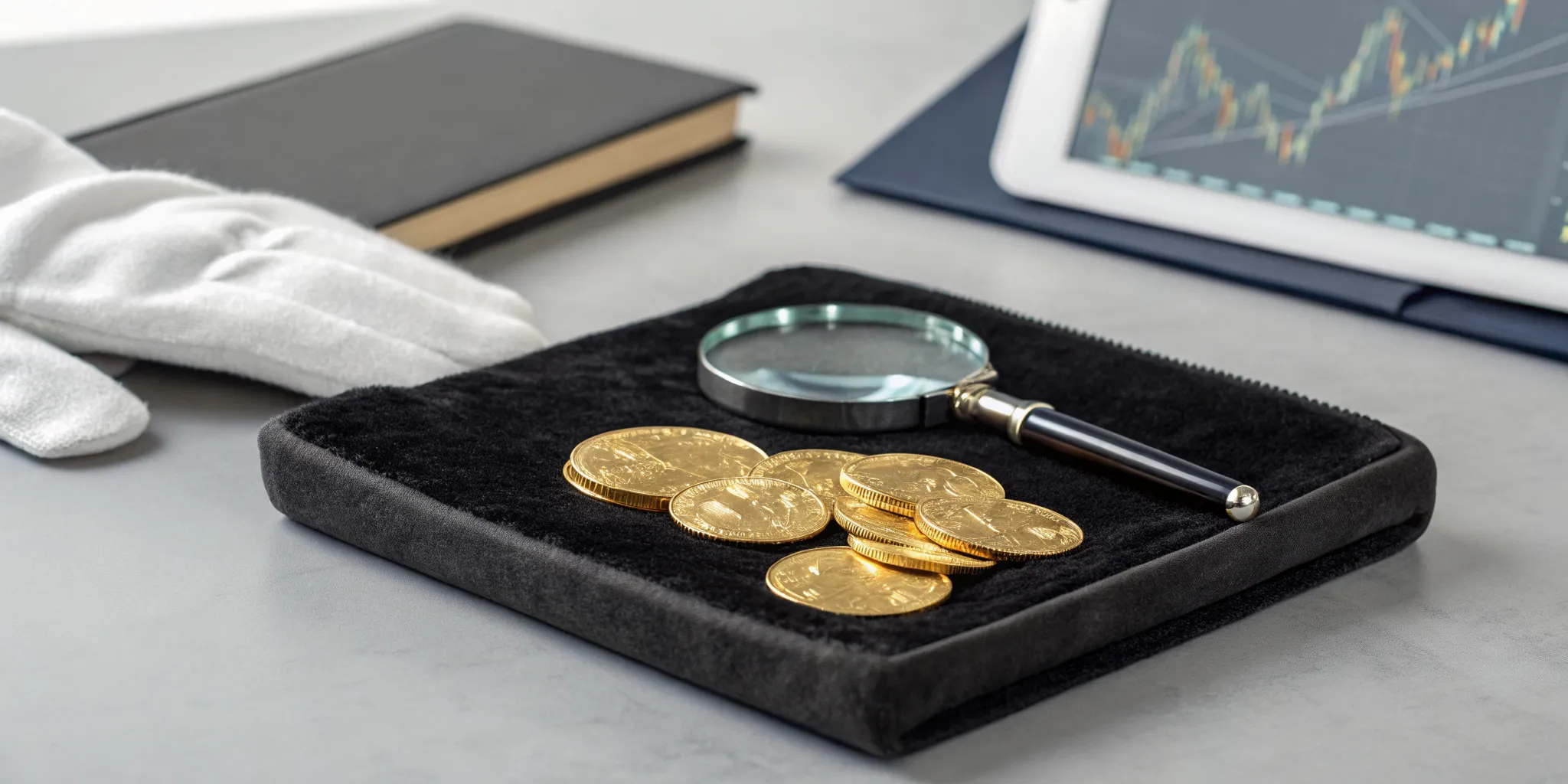
When you buy a gold coin, you are acquiring more than just a piece of metal; you are investing in a tangible asset with a unique story. Two coins containing the exact same amount of gold can have vastly different price tags. Why is that? The answer lies beyond the daily spot price. The real drivers of value are found in a coin's condition, its rarity, and the specific demand for it among collectors. Understanding the complete picture of American gold coins value is essential for building a strong portfolio. This guide will break down these key components, helping you see what makes a coin a simple bullion piece versus a prized collector's item.
Key Takeaways
- Look beyond the spot price: A gold coin's value comes from its condition, rarity, and history, not just its metal content. Understanding these numismatic details helps you identify coins with the greatest potential for appreciation.
- Your dealer is your most important asset: Partnering with a reputable dealer is the best way to guarantee authenticity, get fair pricing, and avoid common mistakes. Their expertise is essential for building a quality collection.
- Create a clear plan before you purchase: A successful gold portfolio is built on strategy, not impulse. Decide on your goals, how you'll diversify, and where you'll store your coins to make smart, confident investment decisions.
What Determines an American Gold Coin's Value?
Figuring out what an American gold coin is worth goes far beyond its weight in gold. While the gold content provides a solid price floor, the true value is a blend of several key factors. Think of it as a story: the gold itself is the first chapter, but the coin’s history, condition, and rarity tell the rest of the tale. For investors and collectors, understanding these elements is the difference between simply owning gold and holding a truly valuable asset.
The journey to a coin's final price begins with the global gold market but quickly moves into the specialized world of numismatics. We'll look at how the daily spot price creates a baseline, why a coin's physical condition can cause its value to skyrocket, and how its rarity and specific historical markers make it a unique treasure. Each of these components plays a critical role in the coin's overall worth.
How Spot Price Sets the Baseline
Every gold coin has a foundational value based on its precious metal content. This is determined by the "spot price" of gold, which is the live market price for one troy ounce of gold. You can think of this as the starting point. For a bullion coin, like an American Gold Eagle, its value is heavily influenced by its weight and the current price of gold. For example, a one-ounce coin’s base value will closely track the spot price. This intrinsic "melt value" ensures the coin will always be worth at least the price of the gold it contains, providing a reliable floor for its price.
Why Condition and Grading Matter
While spot price sets the floor, a coin's physical condition can build its value to incredible heights. In the world of coin collecting, preservation is everything. A coin that has survived for decades in near-perfect condition is far rarer and more desirable than one that shows wear. This is where professional grading comes in. Experts assess a coin for marks, luster, and strike quality, assigning it a grade on a 70-point scale. A "condition rarity" is a coin whose value comes primarily from its high state of preservation. Even a two-point difference in grade can mean thousands of dollars in value, making expert appraisal essential for any serious collector.
The Importance of Rarity and Mintage
Beyond its condition, a coin's rarity is a massive driver of its value. Rarity is often tied to mintage, which is the total number of coins produced in a specific year and at a particular mint. A coin with a low original mintage is considered an absolute rarity and is often highly sought after. However, rarity can also be a function of survival. Many historical rare coins were melted down over the years, so the number of surviving examples is far lower than the original mintage figures suggest. The fewer specimens that are known to exist, the more competition there is among collectors to own one.
Decoding the Year and Mint Mark
The final pieces of the value puzzle are the coin's year of issue and its mint mark. A small letter on the coin, the mint mark indicates which U.S. Mint facility produced it (like 'S' for San Francisco or 'D' for Denver). The combination of the year and mint mark identifies a unique version of a coin. Mintage figures can vary dramatically each year and by mint, depending on economic conditions and public demand. A coin from a low-production year or a specific mint can carry a significant premium. This is why collectors pay close attention to these details; they are the fingerprints of a coin's history and a key indicator of its rarity.
How Much Are Popular American Gold Coins Worth?
Figuring out the value of an American gold coin goes beyond checking the daily spot price of gold. While the spot price sets the foundation, the actual worth of a coin is a blend of its gold content, its condition, its rarity, and the demand for it in the market. Two coins with the same amount of gold can have vastly different price tags, and understanding why is crucial for any collector or investor. The price you see quoted online or from a dealer includes the coin’s melt value (its value in gold) plus a premium, which covers minting, distribution, and dealer costs, as well as any numismatic or collector value.
We’ll look at three of the most popular types of American gold coins to see how their values are determined. The American Gold Eagle is a global standard for bullion investment, known for its durability and recognizability. The American Gold Buffalo appeals to investors who prioritize the highest purity, as it is made from 24-karat gold. Finally, Pre-1933 U.S. gold coins represent a completely different category. These are historical artifacts that circulated as money, and their value is driven as much by their rarity and historical significance as their gold content. Knowing the key differences will help you decide which type of gold bullion best fits your collection or investment goals.
Pricing the American Gold Eagle
The American Gold Eagle is one of the most popular and liquid gold bullion coins in the world. Its value is directly tied to the spot price of gold, but it always trades at a premium above that price. This premium covers the costs of minting and distribution. Because it’s made from a 22-karat gold alloy (91.67% gold, with the rest being silver and copper), it’s more durable than 24-karat coins, which makes it a practical choice for handling and storage. A one-ounce American Gold Eagle contains exactly one troy ounce of pure gold. For example, its purchase price can often be over $2,400, fluctuating daily with the market.
Valuing the American Gold Buffalo
The American Gold Buffalo holds a special appeal for those who want the purest gold available in a U.S. coin. Introduced in 2006, it was the first U.S. Mint coin to be struck from .9999 fine, 24-karat gold. This high purity makes it a favorite among investors worldwide. Like the Gold Eagle, its value is based on the spot price of gold plus a premium. This premium can sometimes be slightly higher than the Eagle’s due to its purity and iconic design, which is based on the classic 1913 Buffalo Nickel. A one-ounce Gold Buffalo coin’s value will closely track the gold market, often trading for a bit more than its Gold Eagle counterpart.
Understanding Pre-1933 Gold Coin Values
Pre-1933 U.S. gold coins are in a class of their own. These coins, such as the Saint-Gaudens Double Eagle and the Indian Head Eagle, were actual currency before the U.S. left the gold standard. Their value comes from two sources: their intrinsic gold content and their numismatic, or collector, value. This numismatic value is determined by factors like rarity, mint mark, historical significance, and condition. Because many were melted down in 1933, surviving examples are scarce. Buying these rare coins for sale can be a great way to diversify a portfolio, but it’s essential to understand what makes them valuable to avoid overpaying. Their prices are often much higher than the spot price of their gold content alone.
How Do Premiums Affect a Gold Coin's Price?
When you buy a gold coin, you're paying for more than just the gold it contains. The total price includes the coin's melt value, which is based on the current spot price of gold, plus an additional amount called a "premium." Think of the premium as the cost above and beyond the raw metal value. This extra charge covers a variety of factors, including the costs of minting, distribution, and the dealer's profit margin. It also reflects the coin's desirability as a collectible or investment vehicle.
Premiums are not fixed; they can fluctuate based on market conditions, the specific type of coin, and its availability. For example, a newly minted American Gold Eagle will have a different premium than a rare, pre-1933 Saint-Gaudens Double Eagle. Understanding how premiums work is essential for any gold buyer because it directly impacts the total price you pay. It’s the key difference between buying a generic gold bar and a government-minted coin with unique characteristics. By grasping what influences these premiums, you can make more informed decisions and better evaluate the price of any gold coin you consider adding to your collection.
How Are Premiums Calculated?
Calculating a premium is straightforward: it’s the difference between the coin's retail price and its intrinsic gold value. To find the intrinsic value, you simply multiply the coin's gold content by the current spot price of gold. For most modern gold bullion coins, the price is primarily determined by these two factors: the coin’s weight and the live market price of gold.
While the condition of a bullion coin plays a role, it's a much smaller factor compared to its influence on a rare numismatic coin. The premium on a bullion coin mainly covers the costs associated with producing and bringing that coin to market. It’s the price of turning raw gold into a recognizable, tradable, and government-guaranteed asset.
What Drives Premiums Higher?
Several factors can push a coin's premium up. For government-minted coins like the American Gold Eagle, premiums are often influenced by the efficiency of the U.S. Mint. Any production slowdowns or interruptions can tighten supply and increase the premium. High investor demand is another major driver. When more people want to buy physical gold, the increased competition for a limited supply of coins naturally raises their premiums.
Certain coins also carry higher premiums due to their unique status. For instance, American Gold Eagles are highly sought after, partly because of their recognizability and favorable tax treatment for certain investors. The specific design, historical significance, and overall popularity of a coin can also contribute to a higher premium, making some rare coins for sale more valuable to collectors.
The Impact of Supply and Demand
At its core, the premium on a gold coin is a direct reflection of supply and demand. The fundamental value of any American Gold Eagle is tied to the spot price of gold, which itself is influenced by global factors. These include the demand for gold in jewelry and industrial applications versus the available supply from mining operations and recycled sources. When the demand for physical coins surges and outpaces the available supply from mints and sellers, premiums will inevitably rise.
This dynamic means that premiums are not static. They can change daily, or even hourly, based on market sentiment and events. A sudden spike in demand for physical gold can cause premiums to climb quickly, even if the spot price of gold remains stable. Working with an experienced dealer helps you make sense of these market forces, ensuring you buy at a fair price. Our team at Park Avenue Numismatics has decades of experience interpreting these trends for our clients.
What Gives a Gold Coin Extra Value?
A gold coin’s worth extends far beyond its raw metal content. While the spot price of gold sets the foundation, several key factors contribute to a coin's numismatic or collectible value. This added value, often called the premium, is what separates a simple piece of bullion from a sought-after collector's item. Understanding these elements is crucial for anyone looking to build a strong portfolio. It’s the difference between simply owning gold and investing in a piece of history with the potential for significant appreciation.
These intangible qualities, from government guarantees to iconic artistry, create a value that is greater than the sum of its parts. For both seasoned collectors and new investors, recognizing what gives a coin its extra value is the first step toward making a smart purchase. It helps you evaluate a coin not just for its weight in gold, but for its rarity, its story, and its place in the market. When you can identify these attributes, you're better equipped to choose pieces that align with your collection or investment goals, ensuring each acquisition is a strategic one.
The Guarantee of Purity and Weight
When you purchase an American Gold Eagle or another official coin from the U.S. Mint, you’re getting more than just gold. You’re getting a guarantee. The U.S. government promises that the weight and gold content in each coin are exactly as stated. This official backing provides a level of trust and security that you won’t find in other forms of gold. It eliminates guesswork and assures you of the coin's quality, making it a reliable asset. This government assurance is a primary reason why sovereign-minted gold bullion is a cornerstone for many investment portfolios.
The Appeal of Design and History
Beyond its intrinsic value, a gold coin is a piece of art and a historical artifact. The American Gold Eagle, for example, features a rendition of Augustus Saint-Gaudens' celebrated Double Eagle design, an image that captures a piece of American history. This blend of artistry and heritage creates a powerful emotional connection. Collectors often seek out specific years or designs that resonate with them personally, driving demand for certain rare coins for sale. A coin’s story, its designer, and the era it represents all contribute to a numismatic value that can far exceed its weight in gold.
Why Liquidity and Recognition Matter
How easily can you sell your gold coin? For globally recognized coins like the American Gold Eagle, the answer is: very easily. These coins are highly liquid, meaning they can be quickly converted to cash because they are trusted and in constant demand around the world. This recognition makes them a "safe-haven" asset, especially during times of economic uncertainty. When you work with a trusted dealer, you can be confident that you are handling an asset with proven market acceptance. This high liquidity and worldwide acknowledgment provide peace of mind and add a tangible layer of value for any investor.
Where Can You Buy American Gold Coins?
Once you know which American gold coins you want to add to your collection or portfolio, the next big question is where to find them. The source you choose is just as important as the coin itself, as it affects price, authenticity, and your overall experience. Whether you prefer the personal touch of a local shop or the convenience of online shopping, your goal is to find a trustworthy partner who can provide genuine, fairly priced coins. Making the right choice here protects your investment and helps you build your collection with confidence.
There are several avenues for purchasing gold coins, each with its own set of benefits. The most common options include authorized dealers, online retailers, and local coin shops. Understanding the differences between them will help you decide which path is the best fit for your specific needs, whether you're buying your first Gold Eagle or seeking a rare pre-1933 piece. Let's look at what to consider when choosing where to buy.
Why Choose an Authorized Dealer
Working with an authorized dealer is one of the safest ways to buy American gold coins. These are established businesses recognized by major grading services like PCGS and NGC, and they often have direct relationships with mints. This status means they are held to high standards of practice and ethics. When you purchase from an authorized dealer, you get a strong assurance of authenticity. Since coins like the American Gold Eagle are official U.S. Mint products, buying from a verified source ensures you're getting a genuine coin, not a counterfeit. Dealers with a long-standing reputation have a vested interest in providing quality products and transparent service to maintain the trust they've built over many years.
Shopping with Online Retailers
Shopping for gold coins online offers incredible convenience and access to a much wider selection than most local shops can carry. Reputable online retailers often have lower overhead costs, which can translate into more competitive pricing for you. Because they tend to purchase in larger volumes, they can pass those savings along. A trustworthy online dealer will provide detailed product descriptions, high-resolution images, and transparent pricing. Look for companies that offer secure payment options and fully insured shipping to protect your purchase from the moment you click "buy" until it's safely in your hands. You can browse a vast inventory of rare coins for sale from the comfort of your home.
How to Vet a Reputable Dealer
Before committing to a purchase, it’s essential to do your homework on the dealer. A reputable seller will have a long track record of positive customer experiences. Start by checking their Better Business Bureau (BBB) rating and reading online reviews. Look for affiliations with respected industry organizations like the Professional Numismatists Guild (PNG). Be wary of high-pressure sales tactics or prices that seem too good to be true. A trustworthy dealer will provide clear pricing, including any premiums, and will be happy to answer your questions. They should offer a diverse inventory, from popular gold bullion to graded numismatic coins, demonstrating their expertise in the market.
How Do You Verify a Gold Coin's Authenticity?
Ensuring your gold coin is genuine is the most critical step in any purchase. The market for rare and bullion coins is unfortunately filled with sophisticated counterfeits, and a fake coin is not just a disappointment, it's a complete loss of your investment. Protecting yourself starts with knowing what to look for and who to trust. Verification isn't about being paranoid; it's about being a smart, prepared investor. By using a combination of professional services and your own informed judgment, you can confidently build a collection of authentic, valuable American gold coins.
Relying on Professional Grading Services
The most reliable way to verify a coin's authenticity and condition is to trust the experts. Independent, third-party grading services like the Professional Coin Grading Service (PCGS) and the Numismatic Guaranty Company (NGC) are the industry standard. These companies authenticate, grade, and encapsulate coins in secure, sonically sealed holders, often called "slabs." This process provides an objective assessment of the coin's state of preservation, which is a primary driver of its value. For many of the rare coins for sale, this professional grading is what guarantees their quality and makes them a secure investment. When you buy a "slabbed" coin, you're not just buying the coin; you're buying peace of mind.
Key Authentication Methods to Know
While professional grading is the gold standard, every collector should know a few basic authentication techniques. These methods can help you spot obvious fakes before you even consider a purchase. First, check the coin's specifications. Genuine coins have precise weights, diameters, and thicknesses that you can verify with a jeweler's scale and calipers. Second, gold is not magnetic, so a simple test with a strong magnet can quickly rule out many counterfeits. Finally, conduct a close visual inspection. Look at the coin's details, like the lettering, mint mark, and intricate design elements. Fakes often appear "soft" or lack the sharp, crisp detail of a genuine mint strike on an authentic gold bullion coin.
How to Spot Common Fakes
Knowing how to spot a fake often comes down to knowing where not to shop. Be extremely cautious of deals that seem too good to be true, especially from unvetted online sellers, auction sites, or TV advertisements with inflated claims. Counterfeiters are skilled at creating gold-plated fakes that look and feel right at first glance but contain a worthless base metal inside. The best way to avoid these traps is to work exclusively with a reputable dealer. A trusted dealer with decades of experience, like the experts you'll find on our About Us page, will stand behind every coin they sell, providing a guarantee of authenticity that protects your investment and lets you build your collection with confidence.
Common Mistakes to Avoid When Buying Gold Coins
Investing in gold is an exciting step, but that excitement can sometimes lead to costly errors. A successful purchase isn't just about what you buy; it's also about the mistakes you avoid. By understanding a few common pitfalls, you can make more confident and strategic decisions, ensuring your investment is sound from the very beginning. Taking the time to get these details right will protect your portfolio and help you build a collection you can be proud of.
Forgetting to Compare Prices
It’s easy to assume that the price of a gold coin is the same everywhere, but that’s rarely the case. Some dealers add excessive markups, which can make it much harder to see a return on your investment unless gold prices increase dramatically. When you’re ready to buy, look at more than just the sticker price. Compare the premiums over spot price from several reputable dealers. A lower premium is a great start. Always consider how easy it will be to sell your gold bullion later, as a fair purchase price is the first step toward a profitable sale.
Buying Rare Coins Without Research
Jumping into the world of numismatics without doing your homework is a significant risk. Unlike bullion, the value of rare coins is tied to factors like condition, mintage, and historical demand, not just their gold content. Some specialty gold items may have high initial premiums but a very limited resale market, which can lead to losses when you try to sell. Before purchasing a rare coin, take time to understand what makes it valuable. If you’re not an expert, it’s wise to work with a trusted dealer who can guide you toward coins with strong collector appeal and long-term potential.
Rushing Into a Purchase
The thrill of buying gold can make some first-time investors feel they need to act fast. This often leads to looking for shortcuts or making impulsive decisions without a clear strategy. It’s important to remember that there’s no need to rush. You have a wide range of options, from gold bars and bullion coins to investment-grade numismatics. Take your time to learn about each one and decide which aligns with your financial goals. A well-planned purchase is always better than a hasty one. Creating a long-term plan, such as contributing to a Gold IRA, can provide the structure you need to invest wisely and patiently.
What Should First-Time Buyers Know?
Jumping into the world of gold coins is exciting, but it’s smart to go in with a clear plan. As a first-time buyer, focusing on a few key areas will help you make confident decisions and build a collection you’re proud of. Instead of getting overwhelmed by all the options, concentrate on doing your homework, securing your investment, and understanding the costs. These foundational steps will set you up for success and help you avoid common pitfalls that new buyers often face.
Start with Research
Before you make your first purchase, take some time to learn the fundamentals. Many first-time buyers focus only on the purchase price, ignoring how easy or difficult it will be to sell their gold later. A good starting point is to familiarize yourself with the different types of American gold coins, from modern bullion like the Gold Eagle to classic pre-1933 coinage. Understanding the factors that influence value, such as rarity and condition, will help you see beyond the gold content. Exploring a dealer’s inventory of rare coins for sale is a great way to see what’s available and how items are priced.
Plan for Storage and Insurance
Once you own physical gold, you need a secure place to keep it. Your storage plan is just as important as your purchase plan. Some collectors choose to store their coins at home in a high-quality, fireproof safe, while others prefer the security of a third-party depository or a bank’s safe deposit box. Whichever you choose, make sure your investment is properly insured. Your standard homeowner's policy may not cover the full value of your collection, so you might need to add a special rider or a separate policy. A reputable dealer can often provide guidance on best practices for securing your assets.
Understand Your Payment Options
The price of a gold coin is more than just its melt value. You’ll also pay a premium, which covers the costs of minting, distribution, and the dealer’s profit. While premiums are a standard part of the industry, some dealers charge excessive markups that can make it harder to see a return on your investment. Always ask for a clear breakdown of the total cost before you commit to a purchase. By working with a transparent dealer, you can feel confident you’re paying a fair price for high-quality gold bullion and collectible coins.
How to Build an Investment Strategy
A successful gold coin collection is built on more than just great taste; it requires a clear strategy. Thinking through your approach before you buy helps you make decisions that align with your financial goals. A solid plan considers when to buy, how to diversify your holdings, and how long you intend to invest. These three pillars will support your efforts and help you build a valuable, resilient portfolio of American gold coins.
Timing Your Purchase
While no one has a crystal ball to perfectly time the market, you can make educated decisions by paying attention to economic trends. Major financial events, like changes in interest rates or inflationary pressures, often influence the price of gold. Instead of trying to catch daily price swings, a better approach is to understand the broader economic climate. This allows you to identify favorable conditions for buying. A long-term strategy, like dollar-cost averaging where you buy a set amount regularly, can also help smooth out price volatility over time.
Diversifying Your Portfolio
Diversification is a core principle of smart investing, and it applies within your precious metals holdings, too. Don't limit yourself to just one type of gold coin. A well-rounded portfolio might include modern bullion like American Gold Eagles, which are valued for their weight and purity, alongside historical rare coins. Pre-1933 U.S. gold coins, for example, offer exposure to both gold content and numismatic value, which can add another layer of stability and growth potential to your collection. Spreading your investment across different types of gold assets helps protect you from shifts in any single part of the market.
Choosing Your Investment Horizon
Gold is a long-term investment, a way to preserve wealth over years and even decades. It’s important to approach it with patience. The excitement of starting a collection can sometimes lead new buyers to look for shortcuts, but true value is built over time. Before you purchase your first coin, think about your long-term goals. Are you saving for retirement or passing wealth to the next generation? A Gold IRA might be a suitable option. Understanding your investment horizon helps you resist the temptation to react to short-term market fluctuations and stay focused on your ultimate objective.
Related Articles
- Blog | Rare Coins, Gold & Silver for Discerning Collectors
- Gold Coins for Sale | Golden Eagle Coins | Park Ave Numismatics | Precious Metals & Rare Coins Dealer | Antique Coins - Park Ave Numismatics
- THE THREE DOLLARS GOLD (1854-1889) | Precious Metals & Rare Coins Dealer | Antique Coins - Park Ave Numismatics
Frequently Asked Questions
What's the real difference between a bullion coin and a rare coin? Think of it this way: a bullion coin, like an American Gold Eagle, is valued almost entirely for its weight in gold, so its price will closely follow the daily gold market. A rare coin, such as a Pre-1933 Saint-Gaudens, has value from its gold content plus a significant collector or "numismatic" value. This extra value comes from its history, rarity, and condition, which can make it worth much more than its weight in gold.
Why is the price of a gold coin always higher than the gold spot price? The price you pay for a gold coin includes the value of the gold itself plus an additional amount called a premium. This premium isn't just a markup; it covers the real costs of fabricating the coin, distributing it, and the dealer's operational expenses. It also reflects the coin's desirability and the guarantee of its weight and purity from the U.S. Mint, which is a value you don't get with raw gold.
Is it better to buy a graded coin or a "raw" one? For rare or historical coins, buying a professionally graded coin is almost always the smarter choice. When a coin is graded and sealed by a service like PCGS or NGC, its authenticity and condition are guaranteed by a trusted third party. This removes guesswork and protects your investment. For modern bullion coins, grading is less critical since their value is tied to gold content, but a graded coin can still provide extra confidence.
How do I know if I'm getting a fair price from a dealer? A fair price comes from a transparent dealer. A reputable seller will clearly explain the coin's price in relation to the current spot price of gold and be open about the premium. Before buying, you can compare the "ask" prices for the same coin from a few established dealers. Look for a long business history, positive reviews, and affiliations with professional organizations. A fair price is about more than just the lowest number; it's about value and trust.
What's the best gold coin for a beginner to buy? For most first-time buyers, the American Gold Eagle is an excellent starting point. It is recognized and trusted worldwide, making it very easy to buy and sell. Its value is straightforward and closely tied to the price of gold, so it's a great way to get comfortable with the market. While rare coins are fantastic investments, they require more specialized knowledge, making the Gold Eagle a more accessible and liquid choice for building your foundation.





