
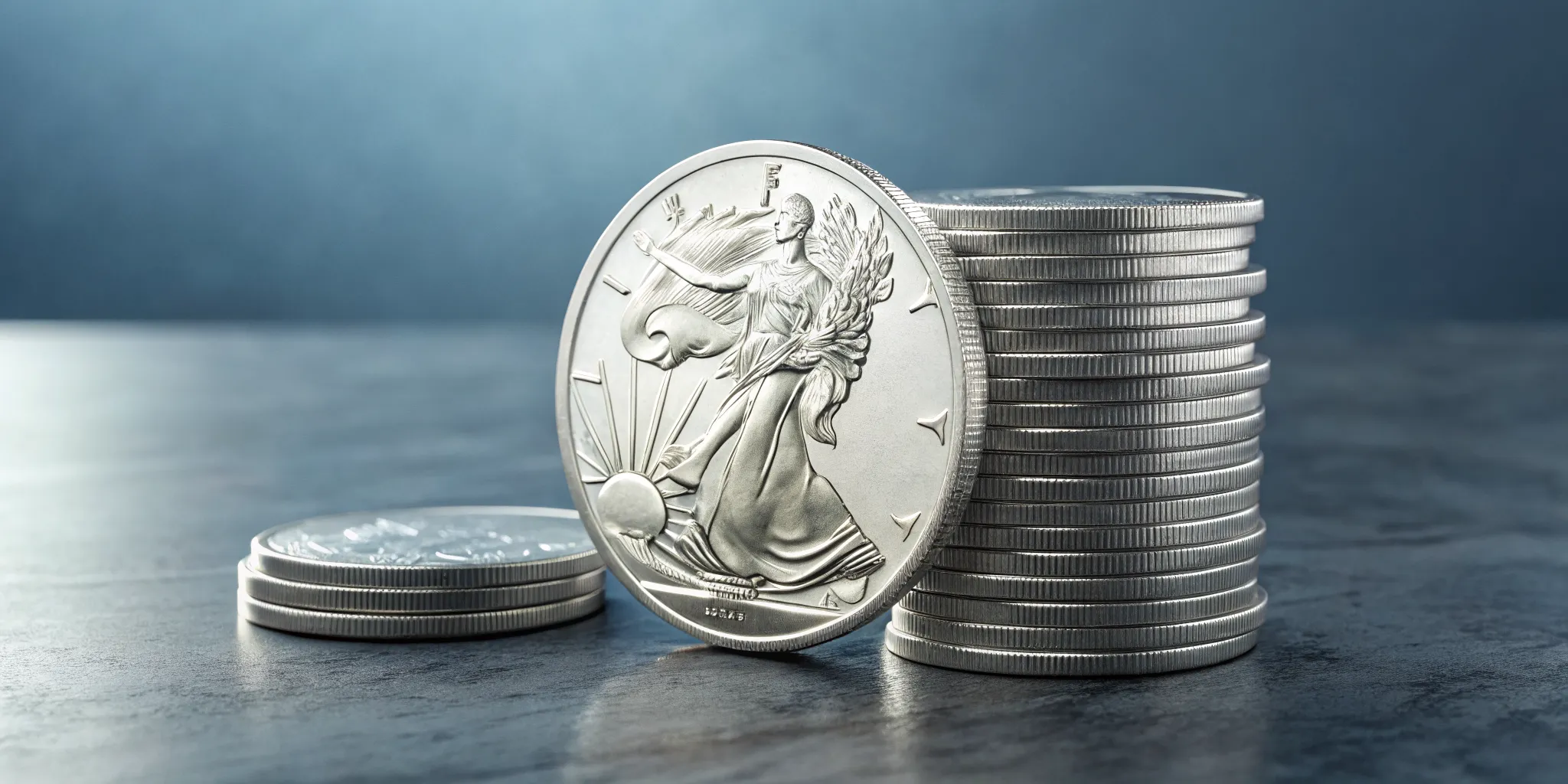
When you hold a piece of classic American gold, you’re holding more than just a precious metal. You’re holding a tangible piece of history that survived a nationwide recall. In 1933, the U.S. government ordered citizens to turn in their gold coins, and the vast majority were melted into bars. The few that remain are artifacts from a different era, a time when our currency was directly backed by gold. This guide is for anyone curious about these remarkable survivors. We’ll explore the story behind American gold coins pre 1933, explaining why their dramatic history is the very thing that makes them such a compelling asset for both collectors and investors today.
Key Takeaways
- Value is more than just gold: A pre-1933 coin's price is determined by its gold content plus its numismatic value. Factors like historical rarity, physical condition, and collector demand can make a coin worth significantly more than its weight in gold.
- Insist on professional certification: Protect your investment by only buying coins graded by reputable services like PCGS or NGC. This certification guarantees a coin's authenticity and condition, providing essential security and peace of mind for your purchase.
- Benefit from unique investment advantages: These historical coins are completely legal to own and offer a level of financial privacy not found with modern bullion. Since transactions are not subject to automatic 1099-B reporting, they provide a discreet way to diversify your portfolio.
What Are Pre-1933 American Gold Coins?
Pre-1933 American gold coins are exactly what their name suggests: gold coins produced by the United States Mint before 1933. But they are much more than just old currency. These coins represent a tangible piece of American history, a time when our money was directly backed by gold. They were used in everyday transactions, from buying groceries to paying salaries, until a major policy shift changed everything.
Today, these historic coins are highly sought after by both collectors and investors. For collectors, they offer a connection to the past and the thrill of owning something truly rare. For investors, they provide the intrinsic value of gold combined with the added premium of numismatic rarity. Understanding their story is the first step to appreciating their unique place in any collection or portfolio.
A Glimpse into America's Gold Standard Era
The story of American gold coinage began with the Coinage Act of 1792, which established the U.S. Mint and authorized the production of gold coins. For over a century, these coins were the backbone of the nation's economy. The California Gold Rush in the mid-1800s dramatically increased the supply of gold, leading to a surge in the minting of these beautiful pieces. From the small Gold Dollar to the impressive Double Eagle, these coins circulated freely, symbolizing the country's growth and prosperity. They weren't just investments; they were the money people carried in their pockets, representing a direct link between personal wealth and the nation's gold reserves.
Why 1933 Was a Turning Point for Gold
The year 1933 marked a dramatic end to this era. In the midst of the Great Depression, President Franklin D. Roosevelt signed Executive Order 6102, which prohibited the private ownership of most gold coins, bullion, and certificates. Americans were ordered to turn in their gold coins to the government in exchange for paper currency. The vast majority of these recalled coins were melted down into gold bars to fortify the nation's reserves at Fort Knox. Because of this mass melting, only a small fraction of the original coins survived. This government action instantly transformed circulating currency into a rare collectible, creating the finite supply that makes Pre-1933 gold coins so valuable today.
Why Invest in Pre-1933 Gold Coins?
Investing in pre-1933 American gold coins offers a unique opportunity to own a piece of U.S. history while diversifying your portfolio with a tangible asset. Unlike modern bullion, these coins carry a story and possess a value that extends far beyond their gold content. Their appeal lies in a powerful combination of historical significance, inherent rarity, and collector demand. For investors looking to add a layer of stability and growth potential to their holdings, classic American gold provides a compelling option that blends the security of precious metals with the upside of a sought-after collectible.
How the Great Gold Recall Created Rarity
The scarcity of pre-1933 gold coins isn't an accident; it’s a direct result of a major event in U.S. financial history. In 1933, President Franklin D. Roosevelt signed Executive Order 6102, which required citizens to turn in their gold coins to the government. Most of these coins were melted down into gold bars to shore up the nation's gold reserves, so only a small number survived. This government action effectively removed a vast portion of these beautiful coins from circulation, making the remaining examples incredibly rare and valuable today. This built-in scarcity makes them some of the most coveted rare coins for sale on the market.
Numismatic Value vs. Melt Value
When you evaluate a pre-1933 gold coin, you’re looking at two distinct sources of value. The first is its "melt value," which is the base price of the gold it contains. This provides a solid floor for the coin's worth, similar to standard gold bullion. However, the second and often more significant component is its "numismatic value." These coins are special because their value comes from both the gold they contain and their unique features like condition, year, mint mark, and historical importance. A rare date or a pristine condition can make a coin worth many times its weight in gold, attracting both collectors and savvy investors.
Diversify Your Portfolio with Classic Gold
Pre-1933 U.S. gold coins are often seen as "better than bullion" because they offer extra benefits like limited supply, collector interest, and higher profit potential. While bullion prices are tied directly to the fluctuating spot price of gold, the numismatic value of classic coins can provide a buffer during market downturns and an opportunity for greater appreciation over time. Adding these historical assets to your portfolio can help you diversify away from traditional stocks and bonds. For those planning for the long term, incorporating physical gold into a retirement strategy, such as through a Gold IRA Starter Kit, can offer an additional layer of financial security.
Explore the Types of Pre-1933 Gold Coins
Before they became prized collectibles, pre-1933 gold coins were the backbone of American commerce. People used them for everyday transactions, from buying land to paying for goods. Each coin tells a story, not just through its gold content, but through its design and the history it represents. As you begin to build your collection, you’ll find a fascinating range of denominations, each with its own unique appeal.
The U.S. Mint produced several denominations of gold coins, starting with the small one-dollar pieces and going all the way up to the hefty twenty-dollar Double Eagles. This variety offers a wonderful entry point for all types of investors and collectors. Whether you’re drawn to the delicate artistry of the smaller coins or the impressive weight and history of the larger ones, there’s a piece of history that fits your goals. Exploring these different types is the first step in finding the right coins for your personal collection or investment portfolio. Our collection of rare coins for sale features a wide selection from this historic era.
Gold Dollars & Quarter Eagles ($1-$2.50)
The smallest denominations of pre-1933 U.S. gold coins are the $1 Gold Dollars and the $2.50 Quarter Eagles. Don’t let their small size fool you; these coins are rich in history and intricate detail. Minted from the mid-1800s, they feature beautiful designs like the Liberty Head and the Indian Princess Head. Because of their lower face value and smaller gold content, they are often a more accessible starting point for new collectors. They represent a tangible link to a time when gold was part of daily life, making them a fascinating and historically significant addition to any collection.
Half Eagles & Eagles ($5-$10)
Moving up in size and value, we have the $5 Half Eagles and $10 Eagles. These coins were the workhorses of the American economy for decades, widely used in significant transactions. They feature some of the most iconic designs in U.S. numismatics, including the classic Liberty Head and the celebrated Indian Head motifs designed by Augustus Saint-Gaudens. For many, Half Eagles and Eagles strike the perfect balance between historical appeal and substantial gold content. They are a popular choice for those who appreciate both the story behind the coin and its intrinsic value as a gold bullion investment.
Iconic Double Eagles ($20)
The $20 Double Eagle is arguably the most famous and sought-after classic American gold coin. These large, heavy coins contain nearly a full ounce of gold and feature breathtaking designs. The two major types are the Liberty Head, a symbol of American strength, and the Saint-Gaudens, often hailed as the most beautiful coin ever minted in the U.S. The story of the Double Eagle is tied directly to the end of the gold standard, as President Roosevelt’s 1933 recall halted their production and led to the melting of millions. This dramatic history adds to their allure, making them a cornerstone for serious collectors and a premier asset for investors.
How Much Do Pre-1933 Gold Coins Cost?
The price of a Pre-1933 gold coin isn't a simple calculation based on its weight. While the gold content provides a solid floor value, the final cost can range from a few hundred dollars to well over a million. This wide spectrum is due to a combination of factors that make each coin unique.
The final price you’ll pay is determined by the coin’s denomination and physical condition, its numismatic premium over the spot price of gold, and broader market dynamics. Understanding these three elements is the first step to making a smart purchase and building a valuable collection of rare coins for sale. Let’s look at each of these factors more closely.
How Denomination and Condition Affect Price
Pre-1933 US gold coins were minted in several denominations, including the $2.50 Quarter Eagle, $5 Half Eagle, $10 Eagle, and the iconic $20 Double Eagle. While a $20 coin had significant buying power back then, its face value is mostly symbolic today. The coin’s intrinsic value starts with its gold content, which is worth far more than its original denomination. For example, a $20 Saint-Gaudens Double Eagle contains nearly a full ounce of pure gold.
Beyond its gold content, a coin’s physical condition, or grade, is one of the most significant drivers of its price. A coin that shows very little wear and retains its original mint luster will always be worth more than a heavily circulated one. An uncirculated coin can be worth many times more than a similar coin in average condition.
Understand the Premium Over Spot Gold
Pre-1933 gold coins almost always trade for more than their simple melt value. This additional value is known as the numismatic premium. It’s the amount you pay above the "spot price," which is the current market price for raw gold bullion. This premium is what separates a collectible coin from a standard piece of gold bullion.
Several factors contribute to this premium. Rarity is the most important one; a coin from a year with a low mintage or a high melt rate will command a higher price. Other details, like the mint mark (indicating where it was made), the popularity of the design, and the coin’s specific history, also add to its numismatic value. This premium is what attracts collectors and gives these coins long-term potential for appreciation beyond the price of gold.
Market Factors That Drive Coin Prices
Like any collectible, the market for Pre-1933 gold coins is driven by supply and demand. The supply is permanently limited. After President Franklin D. Roosevelt’s 1933 executive order recalled gold, the government melted down the vast majority of these coins. This historical event created an instant and irreversible rarity for the surviving pieces, making them highly sought after.
Demand comes from two distinct groups: investors who appreciate the coins' gold content and historical stability, and numismatists who value their beauty, history, and rarity. This dual source of demand creates a resilient market. As more people learn about the unique story and tangible value of these coins, the competition for the limited supply helps support their prices. Working with experts who understand these market dynamics is key to building a strong collection.
How to Determine a Coin's Value and Grade
Figuring out what a pre-1933 gold coin is worth goes far beyond its weight in gold. While the gold content provides a solid price floor, the real value for an investor lies in its numismatic qualities. A coin’s history, rarity, and condition all play a huge role in its final price. For anyone serious about investing in these historical pieces, understanding the basics of grading and valuation is the first step toward building a strong collection. It’s how you can confidently tell the difference between a common coin and a true treasure.
Getting a handle on these factors will help you make informed decisions and appreciate the story behind each coin you acquire. Let’s walk through the key elements that professional numismatists use to determine a coin's value.
The Importance of Professional Grading
When you’re dealing with high-value assets, you want certainty. That’s where professional grading comes in. Think of it as a certified appraisal that gives you an unbiased, expert opinion on a coin's authenticity and condition. Reputable third-party grading services like the Professional Coin Grading Service (PCGS) and the Numismatic Guaranty Company (NGC) are the industry standard. They assess each coin and seal it in a protective holder, or "slab," with a label detailing its grade and a unique certification number.
This process removes all the guesswork. A professionally graded coin provides peace of mind, ensuring you’re getting exactly what you paid for. For this reason, serious collectors and investors almost exclusively deal in certified rare coins, as it guarantees authenticity and makes the value easier to determine.
Assess a Coin's Condition and Rarity
A pre-1933 gold coin has two layers of value. The first is its "melt value," which is the base value of the gold it contains. The second, and often more significant, layer is its "numismatic value." This is the premium added based on its desirability as a collector's item. Key factors that determine numismatic value include the coin's condition, its minting year, the mint mark indicating where it was made, and its overall historical importance.
A coin in pristine, uncirculated condition will always command a higher price than one that shows signs of wear. Similarly, a coin from a year with a low mintage is inherently rarer and more valuable. This is why two coins of the same design can have vastly different prices. One might be worth a little more than its gold bullion value, while the other could be a six-figure rarity.
How Mintage and Demand Impact Value
The basic laws of supply and demand are powerful forces in the coin market. The rarity of pre-1933 gold coins is directly tied to President Roosevelt's 1933 executive order, which led to the majority of these coins being recalled and melted down. This historical event drastically reduced the surviving population, making the remaining examples incredibly scarce. The original mintage figures, or how many coins were produced in a specific year, also play a critical role. A lower mintage almost always means higher rarity.
On the other side of the equation is demand. Certain coin series, like the Saint-Gaudens Double Eagle, are iconic and highly sought after by collectors worldwide. This consistent demand keeps their value strong. When you have a coin with a low survival rate and high collector interest, its value can grow substantially over time. It takes deep market knowledge to weigh these factors, which is why working with an experienced dealer is so important.
Where Should You Buy Pre-1933 Gold Coins?
Once you decide to add pre-1933 gold coins to your portfolio, the next critical question is where to buy them. The source of your coins is just as important as the coins themselves, as it directly impacts the security and value of your investment. A trustworthy dealer does more than just complete a transaction; they serve as a valuable resource for building your collection, offering expertise and peace of mind. Choosing the right seller protects your investment and ensures a smooth, transparent process from start to finish.
The market has many sellers, but they don't all offer the same level of quality, expertise, or security. Taking the time to find the right partner is the most important step you can take as a buyer. This isn't just about one purchase. It's about building a relationship with an expert who understands the nuances of numismatics and can guide you as your collection grows and your goals evolve. A great dealer provides access to authenticated, high-quality coins and acts as your advocate in the market. This partnership sets the foundation for a successful and enjoyable experience in collecting these historic pieces of American gold, helping you avoid common pitfalls and make confident decisions.
Find a Reputable, Certified Dealer
Purchasing pre-1933 gold coins from a reputable dealer is crucial. Your first step should be to look for dealers who exclusively sell certified coins. This means the coins have been authenticated and graded by trusted third-party organizations like the Professional Coin Grading Service (PCGS) or the Numismatic Guaranty Corporation (NGC). A dealer’s history also speaks volumes. Seek out companies with decades of experience and a strong public track record, such as an A+ rating from the Better Business Bureau. A reputable dealer will have a team of experts on staff and be transparent about their process. Learning about us and our commitment to quality can give you the confidence you need to make an informed purchase.
Red Flags to Avoid When Buying
When you're ready to buy, it’s just as important to know what to avoid. Be cautious of any seller using high-pressure tactics or pushing deals that seem too good to be true, because they usually are. A major red flag is a dealer who primarily sells "raw" or uncertified coins, as their quality and authenticity are not guaranteed. Selling these coins later can be difficult, and you may not receive the price you paid. Also, be wary of sellers who lack a professional website, a physical address, or clear contact information. Transparency is key, so avoid anyone who isn't upfront about pricing, including any premiums over the spot price of gold.
The Benefit of Working with an Industry Leader
Partnering with an industry leader removes the guesswork and risk from buying pre-1933 gold. Established dealers provide access to a large and expertly curated inventory of high-quality rare coins for sale, ensuring you find the right pieces for your collection. Beyond the sale, they offer expert guidance to help you build a balanced portfolio and make strategic decisions. An industry leader guarantees the authenticity of their coins and provides a secure, transparent transaction process. This relationship becomes a long-term asset, offering you a trusted partner for future acquisitions and for when you eventually decide to sell your coins.
How to Authenticate Coins Before You Buy
Protecting your investment starts with confirming you're buying the real deal. Authentication is a non-negotiable step when acquiring pre-1933 gold coins. With sophisticated counterfeits on the market, you need a clear strategy to verify every piece before you add it to your collection. Let’s walk through the essential steps to ensure your coins are genuine.
Rely on Professional Grading Services (PCGS & NGC)
The most reliable way to confirm a coin's authenticity is to purchase coins certified by a professional grading service. The Professional Coin Grading Service (PCGS) and the Numismatic Guaranty Corporation (NGC) are the top two third-party authenticators in the industry. These organizations assess a coin’s condition and authenticity before sealing it in a protective, tamper-evident holder with a unique certification number. This "slab" guarantees the coin is genuine and accurately graded, which is why so many serious collectors exclusively purchase certified rare coins for sale. Think of it as a built-in certificate of authenticity that provides peace of mind and simplifies future sales.
Key Features to Examine for Authenticity
Even when dealing with certified coins, it’s smart to know what to look for. A genuine pre-1933 gold coin has specific characteristics that contribute to its value, including its condition, year, and mint mark. Familiarize yourself with the design details of the coins you’re interested in. For example, the intricate feathers on the eagle of a Saint-Gaudens Double Eagle or the fine lines in Lady Liberty’s hair are difficult to replicate. Compare a potential purchase against high-resolution images from a trusted source. Any inconsistencies in these details, the coin’s weight, or its diameter should be considered a major red flag.
Learn to Spot Common Counterfeits
Developing a keen eye for detail is your best defense against fakes. Counterfeits are often made from metals other than gold and may feel lighter than an authentic coin. Look for mushy or weak design elements, as counterfeit dies are typically less sharp than official U.S. Mint dies. Another warning sign is an unusual color or luster, which can indicate gold plating. The best way to avoid counterfeits is to work with a dealer you trust. A reputable numismatist has the experience and tools to spot fakes, ensuring you only invest in genuine pieces. Our team has over 35 years of experience in identifying and authenticating classic American gold.
Are Pre-1933 Gold Coins Legal to Own?
The history surrounding President Franklin D. Roosevelt's 1933 executive order often creates confusion for investors. So, let's get right to it: yes, it is completely legal to own pre-1933 gold coins. The restrictions on private gold ownership were lifted decades ago, and these specific coins have a unique status that sets them apart from standard bullion. They are treated as historical artifacts and collectibles, not just gold. This distinction is key to their exemption from past government restrictions and even impacts how they are handled for tax purposes.
Understand Your Ownership Rights
You can absolutely own pre-1933 gold coins in the United States. Restrictions on private gold ownership ended in 1974, allowing Americans to freely buy and hold gold again. More importantly, collectible gold coins were never subject to a permanent ban. Due to their numismatic value and historical significance, the government has always treated these coins differently than simple bullion. As a collector or investor working with a trusted industry leader, you have the full legal right to buy, sell, and hold these fascinating pieces of American history.
Why These Coins Are Exempt from Past Restrictions
The special status of pre-1933 gold coins comes from the Great Depression. When President Roosevelt issued Executive Order 6102, he required citizens to turn in their gold coins. Most were melted down into gold bars to fortify the U.S. Treasury. However, the order included an exemption for "gold coins having a recognized special value to collectors of rare and unusual coins." The small number of coins that survived the recall fall into this category. They are considered collectibles, not just currency, which is why they were exempt from the recall and remain legal to own today.
Tax Considerations for Buyers and Sellers
A distinct advantage of investing in pre-1933 gold is the financial privacy it affords. Unlike many modern gold bullion products, transactions involving these classic U.S. coins are not subject to broker reporting on IRS Form 1099-B. This means your purchase or sale isn't automatically reported. While you are still responsible for reporting any capital gains, this lack of automatic reporting provides a level of discretion many investors appreciate. This feature makes pre-1933 rare coins for sale a popular choice for diversifying a portfolio with a tangible, private asset.
Getting Started: A Checklist for First-Time Buyers
You’ve learned what makes pre-1933 gold coins a unique asset, how they’re valued, and where to find them. Now, you’re ready to make your first purchase. Before you do, it’s helpful to have a clear plan for managing your new investment. This checklist covers the essentials: storing your coins securely, building a smart collection strategy, and setting realistic expectations. Thinking through these points will help you buy with confidence and prepare for long-term success.
Store and Insure Your Collection Securely
Once you acquire your coins, you need a safe place to keep them. A high-quality home safe or a bank’s safe deposit box are excellent options for protecting your assets from theft or damage. It’s also wise to insure your collection through a rider on your homeowner’s policy or a separate policy for collectibles. Beyond physical security, pre-1933 gold coins offer a degree of financial privacy. Unlike many modern bullion products, their purchase is not reportable to the IRS, an important consideration for many investors. A trusted dealer can offer guidance on all aspects of your acquisition, including privacy.
Build a Balanced Collection Strategy
A thoughtful strategy will guide your purchases and help you meet your financial goals. Consider pre-1933 U.S. gold coins if you want an investment that offers both gold’s stability and the potential for profit from rarity. These coins are valued for their history and artistry, not just their gold content. Think about what you want to achieve. Are you focused on a specific series, like the Saint-Gaudens Double Eagle, or do you want to diversify? A balanced approach might mix common-date coins with rarer pieces. Exploring a wide inventory of rare coins for sale can help you discover which pieces best fit your strategy.
Set Realistic Expectations for Your Investment
Understanding how pre-1933 gold coins are valued is key to setting realistic expectations. Their price combines two factors: their intrinsic "melt value" from gold content and their "numismatic value" from rarity, condition, and historical importance. Because of this, their prices don't always move in sync with the spot price of gold. While their value and rarity are expected to grow over time, this is a long-term investment. Patience is essential. By focusing on high-quality, authenticated coins, you position your collection for steady appreciation. This differs from investing in modern gold bullion, where value is tied almost exclusively to the daily price of gold.
Related Articles
- THE THREE DOLLARS GOLD (1854-1889)
- Gold Coins for Sale | Golden Eagle Coins | Park Ave Numismatics
- Park Ave Numismatics | Rare Coins | Precious Metals | Collectible Coins
- Type 3 Indian Gold Dollar
- $3 GOLD | Princess Gold MS 63 PCGS/NGC
Frequently Asked Questions
What makes pre-1933 gold coins different from modern gold bullion? Think of it this way: modern gold bullion is valued for one thing, its gold content. Pre-1933 gold coins have two layers of value. They have the intrinsic value of the gold they contain, but they also have numismatic value as historical collectibles. Because President Roosevelt’s 1933 recall led to most of these coins being melted down, the surviving supply is permanently limited. This built-in rarity, combined with collector demand, gives them a price premium that you won't find with standard bullion.
Is it really legal to own these coins after the government recalled them? Yes, it is completely legal. The 1933 executive order that recalled gold coins included a specific exemption for coins with special value to collectors. The pre-1933 coins available today fall into that category. Furthermore, all general restrictions on private gold ownership were lifted in the 1970s, so you can confidently and legally buy, own, and sell these historic assets.
What is the single most important factor that determines a coin's price? While the gold content provides a solid price floor, the coin's condition, or grade, is the most significant driver of its value. A coin that saw little to no circulation and retains its original mint luster can be worth many times more than an identical coin that is heavily worn. Rarity is a close second, but two coins from the same year can have vastly different prices based on their physical condition alone.
How can I be sure that a coin I'm buying is authentic? The most reliable way to guarantee authenticity is to only purchase coins that have been certified by a leading third-party grading service, like PCGS or NGC. These companies verify that a coin is genuine and assign it a specific grade before sealing it in a protective, tamper-evident holder. This certification removes any doubt about the coin's authenticity and makes it a secure, trusted asset.
I'm new to this. What's a good type of coin to start my collection with? For a first-time buyer, the $5 Half Eagles and $10 Eagles are a fantastic starting point. They contain a substantial amount of gold and feature beautiful, classic designs that are rich in history. I often suggest beginning with a common-date coin in a high-quality, certified condition. This approach allows you to acquire an authentic piece of American history at a more accessible price point before moving on to rarer and more valuable pieces.





