
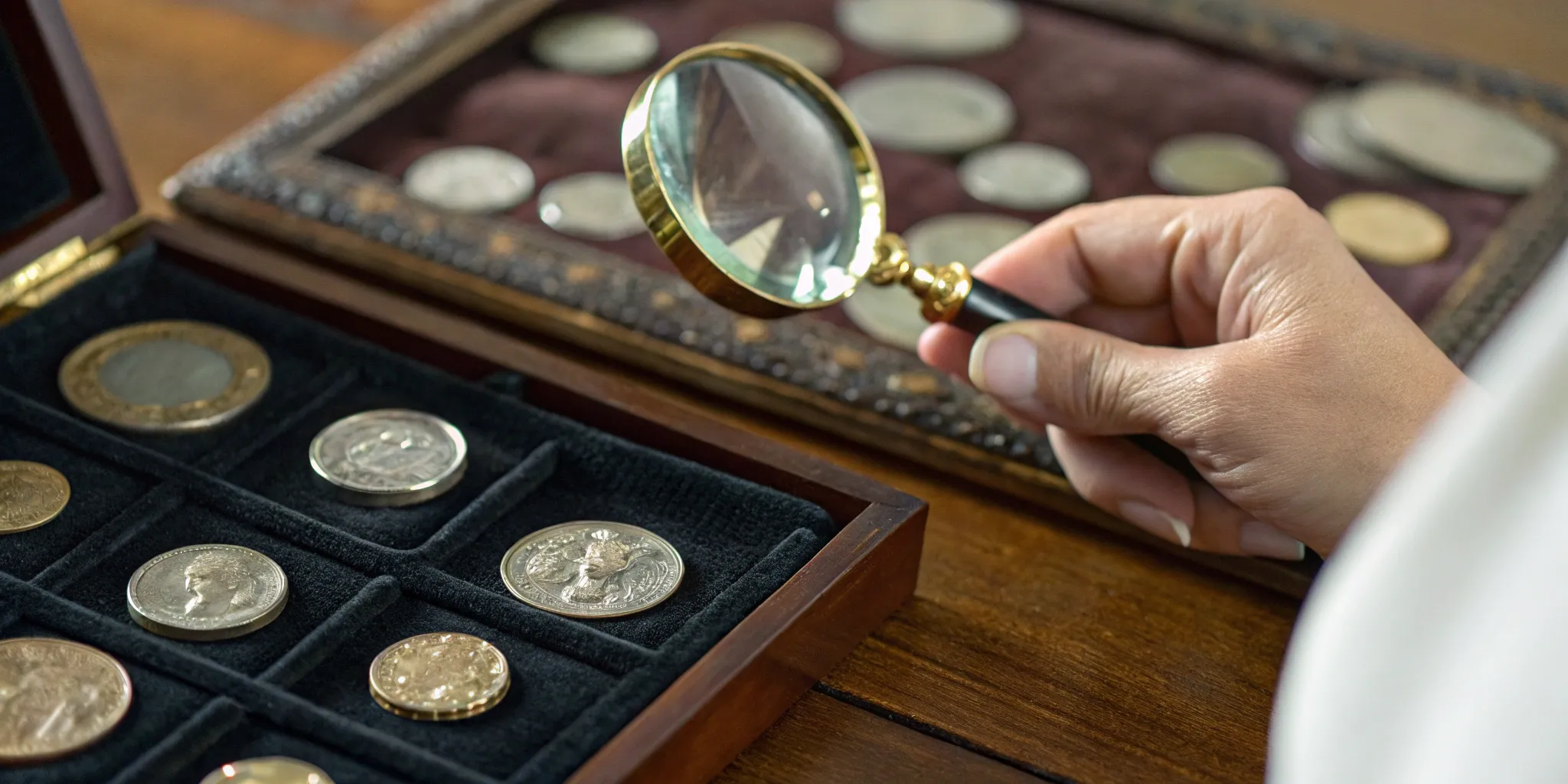
 When you sell a valuable coin collection, you're placing a great deal of trust in your buyer. You need to know that their appraisal is accurate, their offer is fair, and the transaction will be handled professionally and securely. In an industry with so many players, reputation is everything. Finding a trustworthy partner is the most important part of the process. Before you can determine where is the best place to sell my coins, you first need to know who you can trust. This guide will show you what to look for in a buyer, from industry credentials and transparent processes to a long history of client satisfaction, ensuring your prized assets are in safe hands.
Key Takeaways
- Control the sale with solid preparation: Arm yourself with a professional appraisal and a detailed inventory. This knowledge is your foundation for evaluating offers and negotiating from a position of strength.
- Choose your buyer as carefully as you built your collection: Prioritize established dealers with a strong reputation, compare offers from multiple sources, and insist on total transparency regarding fees and payment methods.
- Protect your investment by avoiding critical errors: The fastest way to lose money is by cleaning your coins, which destroys their value. Always leave them in their original state and be patient enough to compare several offers before making a decision.
Where to Sell Your Coins
When you decide it’s time to sell your coins, finding the right buyer is just as important as the coins themselves. The venue you choose can significantly impact the final price you receive and the smoothness of the transaction. Each option has its own set of benefits, whether you’re looking for top dollar, a quick sale, or a hands-on experience. Let’s walk through the most common places to sell your collection so you can make an informed choice that aligns with your goals.
Reputable Dealers like Park Avenue Numismatics
For those with significant or high-value collections, working with an established, reputable dealer is often the best path. Think of it as bringing in a specialist. A trusted dealer has the expertise to accurately appraise your coins and the network to connect them with serious collectors who are willing to pay a premium. This approach removes the guesswork and provides a secure, professional environment for the sale. At Park Avenue Numismatics, for example, you’re not just making a transaction; you’re leveraging decades of industry experience to ensure you receive fair market value for your prized pieces. This route offers both peace of mind and the potential for a higher return.
Local Coin Shops
A local coin shop offers a straightforward and immediate way to sell your coins. The process is simple: you bring your coins in, the dealer evaluates them, and you can walk out with payment the same day. This convenience is a major draw, especially if you need cash quickly or prefer an in-person transaction without the complexities of shipping. However, it’s important to remember that local shops have overhead costs and need to purchase inventory at a price that allows them to make a profit upon resale. Because of this, the offer you receive might be lower than what you could get from a national dealer or at auction.
Online Marketplaces and Auctions
If you’re comfortable taking a more hands-on approach, online marketplaces like eBay give you direct access to a massive audience of potential buyers. Selling online allows you to set your own prices and can be a great way to get retail value, particularly for more common coins. The trade-off is that you are responsible for the entire process. This includes taking high-quality photographs, writing compelling and accurate descriptions, managing listings, and handling packing and shipping securely. You’ll also need to factor in platform fees and payment processing charges, which can cut into your final profit. This option requires a significant time investment but offers you complete control over the sale.
Coin Shows and Conventions
Coin shows are fantastic, high-energy environments where you can connect with dozens of dealers under one roof. Bringing your coins to a show creates a competitive marketplace on the spot. You can walk from table to table, showing your collection to various experts and gathering multiple offers in a short amount of time. This can often lead to a better price than you might get from a single local shop. It’s also an excellent opportunity to speak with numismatists and get a real-time pulse on the market. The key is to do your research beforehand, know the value of your rare coins, and be prepared to negotiate.
How to Choose the Right Buyer
Once you know what you have, the next step is finding the right person or company to sell it to. The best buyer for your collection will depend on your coins, your timeline, and your financial goals. Not all buyers are created equal, and taking the time to vet your options is one of the most important things you can do to ensure a successful sale. A little due diligence here goes a long way in protecting your investment and getting the price you deserve.
Think of this as a partnership. You’re looking for a buyer who is not only fair and transparent but also has the expertise and market access to properly value and purchase your coins. From national dealers to local shops, each has its own way of doing business. Let’s walk through the key factors to consider so you can make a choice you feel confident about.
Compare Pricing and Market Reach
Different coin dealers will offer different prices, and it’s not always because one is trying to lowball you. Often, it’s because they serve different customers. A dealer specializing in colonial currency might not have the right client base for your collection of Morgan silver dollars, and their offer will reflect that. You want to find a buyer whose market aligns with what you’re selling. A dealer with a large, established network of collectors actively seeking high-quality pieces is more likely to offer a competitive price for your rare coins. Always aim to get offers from a few different types of buyers to get a clear sense of your collection’s current market value.
Understand Fees and Commissions
The price you’re offered isn’t always the amount you’ll receive. It’s essential to get a clear, written breakdown of all potential costs before you agree to a sale. If you’re considering an auction house, for example, you’ll have to pay seller’s fees or commissions, which can take a significant percentage of the final hammer price. Consignment arrangements with dealers also come with fees. A direct sale to a reputable dealer is often the most straightforward path, as the price they offer is typically the price you get. Always ask, "Are there any other fees or costs I should be aware of?" so there are no surprises.
Verify Payment Speed and Security
How and when you get paid is a critical detail. Selling your coins should be a secure and efficient process. If you sell through an auction, you’ll have to wait for the auction to take place, for the buyer to pay the auction house, and then for the auction house to pay you—a process that can take weeks or even months. When selling directly to a dealer, ask about their payment process. A trustworthy buyer will offer secure payment methods, like a wire transfer or company check, and provide payment promptly upon finalizing the deal. Your financial security should be a top priority for any potential buyer.
Check the Buyer's Reputation
In the world of numismatics, reputation is everything. You are entrusting a valuable asset to someone, and you need to know they are credible and ethical. Look for a buyer with a long history in the business and a solid public track record. Check for an A+ rating with the Better Business Bureau (BBB) and affiliations with respected industry organizations like the Professional Numismatists Guild (PNG). Reading reviews and testimonials can also provide insight. Working with established coin experts not only helps you get the most money for your coins but also provides peace of mind that you’re being treated fairly.
How to Get the Best Price for Your Coins
Selling your coins for what they're truly worth isn't about luck; it's about preparation. Whether you've inherited a collection or are refining your own, taking a few strategic steps can make a significant difference in the final price you receive. By treating the sale as a serious transaction, you can ensure you're in the best possible position to get a fair and competitive offer. It starts with understanding exactly what you have and what the market is willing to pay for it.
Get a Professional Appraisal
Before you sell, you need an accurate, unbiased assessment of your coins' value. A professional appraisal provides just that. Working with seasoned coin experts gives you a clear picture of your coin's authenticity, grade, and current market standing, which is essential for getting the most money. This step removes the guesswork and provides a credible baseline for negotiations. An appraisal from a trusted firm with decades of experience, like the team here at Park Avenue Numismatics, equips you with the knowledge and confidence to secure the best possible price. It’s the foundation upon which a successful sale is built.
Research Current Market Values
It’s essential to have realistic expectations about your coin's value. Don't rely on old prices you paid or high prices you see listed online. The real value comes from what similar coins have actually sold for in the past, especially at auctions. Spend some time reviewing realized prices from reputable auction houses or consulting trusted price guides. This research helps you understand the market's pulse and spot a fair offer when you see one. A well-informed seller is always in a stronger position to sell their rare coins effectively and confidently.
Create a Detailed Inventory
A well-organized collection is much easier to evaluate and sell. Creating a detailed list of your coins is a critical step before approaching any potential buyer. This inventory should include the year, mintmark, and denomination for each coin. If you have more information, add that too—such as the grade, certification details, and any notable history. Taking clear photographs is also a great idea. This preparation not only makes the appraisal process smoother but also signals to buyers that you are a knowledgeable and serious seller, which can streamline the entire transaction and build trust from the start.
Compare Multiple Offers
When you're ready to sell, don't feel pressured to accept the first offer you receive. Getting offers from a few different experts or dealers is a smart move, especially for valuable collections. Different buyers may have different specialties or client needs, which can influence their offers. For example, a dealer focused on silver bullion may value certain items differently than a specialist in early American coinage. Comparing offers helps you gauge the market accurately and ensures you're receiving a competitive price. It also gives you a chance to find a buyer you feel comfortable working with for a secure sale.
Common Mistakes to Avoid When Selling Coins
Selling your coin collection should be a rewarding experience, but a few common missteps can lead to frustration and a lower payout. Avoiding these pitfalls is key to a successful sale. Let’s walk through the most frequent mistakes so you can approach the process with confidence and get the best outcome for your valuable coins.
Cleaning Your Coins
I know the temptation to make your coins shine, but please resist the urge. Cleaning a coin is one of the fastest ways to reduce its value. Collectors prize a coin's original surface and natural toning, which tells a story about its history. Any cleaning, even a gentle wipe, creates tiny scratches and strips away this character, lowering its grade and appeal. The best approach is to handle your coins carefully by their edges and leave them untouched. A professional will always prefer an original, uncleaned coin over one that has been improperly polished.
Accepting the First Offer
When you receive an offer, it’s easy to accept it right away, especially if it seems fair. However, patience is your best friend in this process. The first offer is a starting point, not the finish line. Different buyers have different needs and may pay more for something specific to their inventory or client base. By taking the time to get multiple offers, you gain a clearer picture of your coin's current market value and give yourself the power to secure a better deal. Don't rush the process and leave money on the table.
Overestimating Your Coins' Value
It’s easy to find a coin online, see a high price, and assume yours is worth the same. Unfortunately, it’s rarely that simple. A coin's value is determined by its specific grade, rarity, and market demand—nuances that online price guides often miss. Two coins that look identical to the untrained eye can have vastly different values. Relying on internet searches alone can lead to disappointment. The most reliable way to understand what you have is to seek a professional appraisal from a trusted expert who can accurately assess its condition and worth.
Misrepresenting a Coin's Condition or History
Honesty is non-negotiable when selling rare coins. Attempting to hide damage, conceal a past cleaning, or invent a story about a coin's past will quickly backfire. Experienced dealers have a keen eye and will spot inconsistencies during their evaluation. Misrepresenting your items jeopardizes the sale and damages your reputation for any future transactions. Always present your coins truthfully, including any documentation you have. Building a relationship based on trust with a buyer is essential and reflects our company's philosophy. It will always serve you better in the long run.
Related Articles
- Sell Rare Coins in Miami, FL | Park Avenue Numismatics
- Sell Gold Coins in Miami, FL | Park Avenue Numismatics
- Sell Silver Dollars in Miami, FL | Park Avenue Numismatics
- Buy & Sell Rare Coins and Precious Metals Online | Park Avenue Numismatics
- Buy Rare Coins in Miami, FL | Park Avenue Numismatics
Frequently Asked Questions
Is it better to sell my coins myself online or work with a professional dealer? Selling online gives you complete control over the process, but it also means you're responsible for everything from photography and listing descriptions to secure shipping and dealing with customer questions. For valuable or extensive collections, working with a professional dealer provides expertise and security. They handle the valuation and have an established network of serious buyers, which often leads to a smoother transaction and a more competitive price without the hands-on effort.
How can I be sure I'm getting a fair price for my collection? Confidence in your sale price comes from preparation. The most important step is getting a professional appraisal to establish an accurate, unbiased baseline of your collection's value. From there, it’s wise to seek offers from a couple of different sources, such as a local shop and a national dealer. Seeing how the offers compare will give you a clear sense of the current market and help you recognize a fair price when you see it.
I inherited a collection and don't know where to start. What's the first step? When you inherit a collection, the best first step is to pause and resist any urge to sell immediately. Begin by creating a simple inventory list of what you have—note the year, denomination, and mint mark of each coin if you can. Once you have a basic list, your next move should be to seek a professional appraisal. This will give you a clear and accurate understanding of the collection's scope and value, empowering you to make informed decisions.
Why is cleaning my coins such a bad idea? Collectors place a high value on a coin's original, untouched surface. The natural toning and patina that develop over decades are part of its history and character. When you clean a coin, even gently, you create microscopic scratches and strip away that original layer. This damage is irreversible and will almost always lower the coin's grade and, consequently, its value in the eyes of a serious buyer.
What's the advantage of selling to a national dealer over a local coin shop? While a local shop offers convenience, a national dealer typically has a much broader reach and a more specialized client base. They are connected to a wide network of collectors across the country who are often searching for very specific, high-grade coins. This extensive network means they are more likely to have a ready buyer for your unique pieces, which can translate into a stronger and more competitive offer.





