
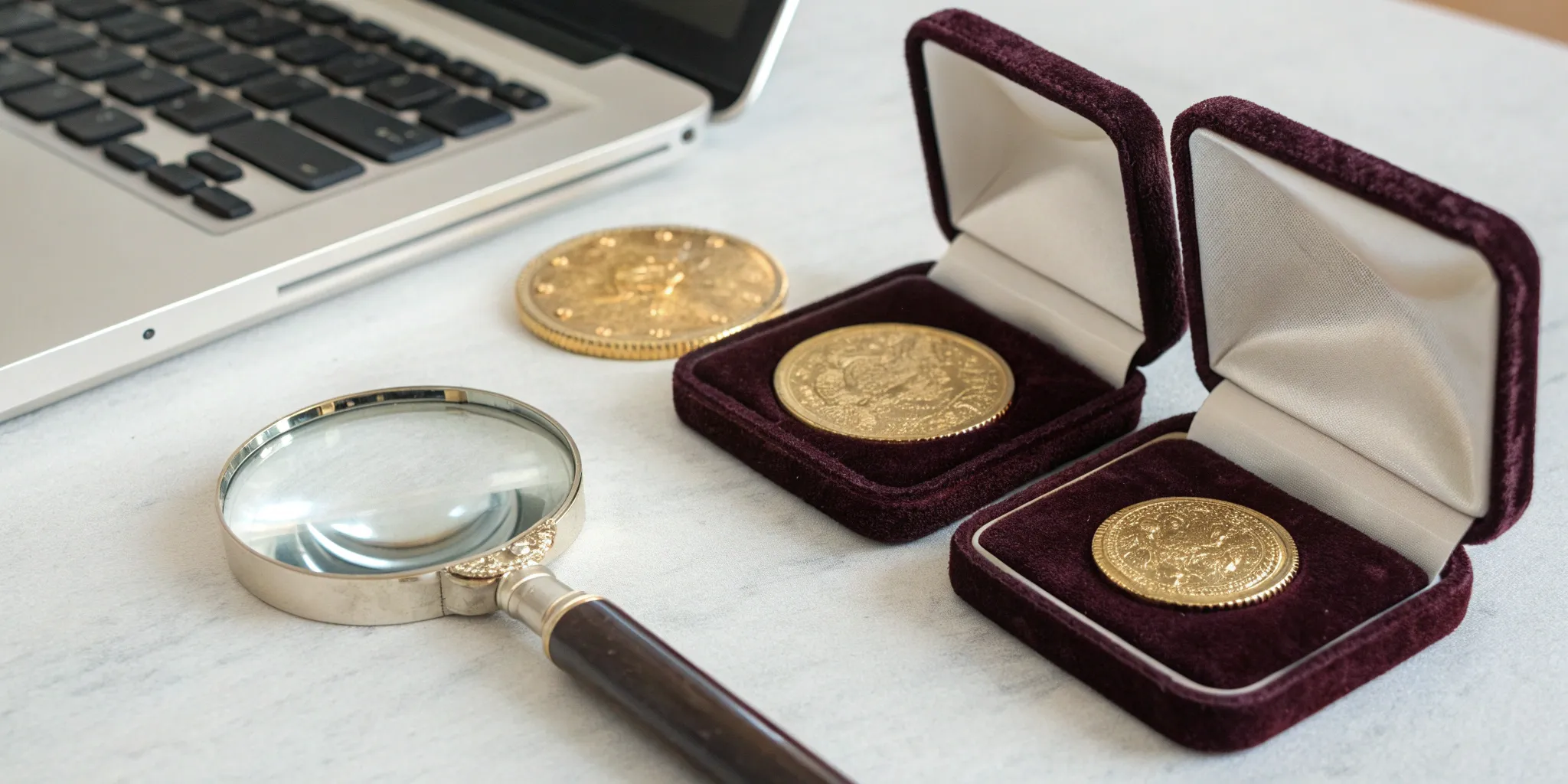
Knowing you have valuable coins is one thing; knowing how to get what they're truly worth is another. The path from owning a collection to converting it into cash is paved with important decisions, and the first is choosing your sales channel. Many sellers wonder, 'where can I sell my coins online to connect with serious buyers who appreciate their value?' This guide is designed to empower you with that knowledge. We will compare the top online destinations for selling numismatic treasures, explaining the distinct advantages of working with specialized dealers, auction houses, and marketplaces. You'll learn how to evaluate each option based on your collection's profile and your personal goals for the sale.
Key Takeaways
- Match the Selling Venue to Your Coins: The best place to sell depends on what you have. A trusted dealer is ideal for security and expert valuation, a major auction house can maximize returns for premier coins, and online marketplaces require a hands-on approach best suited for common items.
- Establish an Accurate Value Before You List: Approach any sale with a clear understanding of your coin's worth. Combine research from online price guides and recent auction results with a professional appraisal to set a confident and realistic price point.
- Execute a Professional and Secure Transaction: Build buyer trust and protect your assets by mastering the details of the sale. Use high-quality photos and honest descriptions to attract serious collectors, and always use secure, fully insured shipping to ensure your coins arrive safely.
Where Should You Sell Your Coins Online?
Choosing the right platform to sell your coins is just as important as the coins themselves. The best venue depends on your collection's value, your desired level of involvement, and your need for security. Whether you prefer working directly with a premier dealer, using a large auction house, or listing on a public marketplace, each option has its own process and benefits. Let's look at some of the top places to sell your coins online so you can make an informed decision that secures the best return for your valuable assets.
Park Avenue Numismatics
For sellers who prioritize expertise, security, and a direct, private transaction, working with a trusted dealer is the ideal choice. At Park Avenue Numismatics, we offer a straightforward process for selling your collection. With over 35 years of experience, our team provides fair, expert appraisals based on current market values and the intrinsic quality of your coins. We buy everything from individual rare coins to extensive collections and precious metals. Selling directly to us eliminates marketplace fees, the uncertainty of auctions, and the risks of dealing with unknown buyers. Our goal is to provide you with a transparent and rewarding experience, ensuring you receive the true value for your items.
eBay
eBay offers a massive audience, but it requires caution and a hands-on approach. While it can be a good platform for common coins, sellers of high-value items face significant risks. The marketplace is known for having some sellers who list counterfeit or misrepresented coins, which can create a challenging environment. According to discussions among collectors, it's crucial to research sellers and understand the platform's fees and policies thoroughly. If you choose this route, be prepared to manage the entire process yourself, from photography and listing to shipping and handling potential disputes. For rare and valuable pieces, a more secure and specialized venue is often a better choice.
Heritage Auctions
As one of the world's largest collectibles auctioneers, Heritage Auctions is a premier venue for selling high-end, certified rare coins. If you have a particularly noteworthy or historically significant piece, an auction can generate competitive bidding among serious collectors, potentially leading to a higher sale price. Heritage handles the marketing, cataloging, and logistics of the sale, making it a comprehensive service for consignors. However, the process involves commissions and can take longer than a direct sale. This platform is best suited for sellers with authenticated, top-tier coins that will stand out in a global marketplace and justify the associated auction fees.
Coinfully
Coinfully is designed to simplify the selling process, especially for those who are new to selling a collection. The company’s main draw is its offer of free appraisals, which gives you a clear idea of your coins' worth without any initial investment. They aim to make selling your collection an easy and transparent experience by providing professional valuations and a direct offer. This service is a convenient option if you want a quick assessment and a straightforward sale. It’s a solid choice for sellers who value convenience and want an expert opinion before committing to a decision, helping you understand your assets better.
American Rare Coin and Collectibles
If your holdings include more than just coins, American Rare Coin and Collectibles is a versatile option. They are a trusted company that buys a wide range of valuables, including gold, silver, jewelry, diamonds, and old currency. This makes them an excellent one-stop shop if you're looking to liquidate a diverse estate or collection. By choosing to sell your coins online with them, you’re working with a dealer equipped to handle various types of assets. Their broad expertise ensures you can get a fair offer on your entire portfolio, not just the numismatic items, streamlining the selling process considerably.
Coinappraiser.com
While you don't sell directly on Coinappraiser.com, it's an invaluable resource for any seller. Before you list your coins anywhere, you need a solid understanding of their potential value. This website helps you figure out how much your coins are worth by providing detailed guides with images and pricing information for many U.S. coins. Using a resource like this for preliminary research is a critical first step. It empowers you to enter negotiations with knowledge and set realistic expectations. Educating yourself on market values ensures you can evaluate offers from dealers or set appropriate prices in a marketplace, putting you in a much stronger selling position.
How to Accurately Value Your Coins
Before you can sell your coins for the right price, you need a clear understanding of what they’re worth. A coin’s value isn’t just about its age or metal content; it’s a combination of rarity, historical significance, condition, and current market demand. A common coin in poor condition might be worth only its face value, while a rare coin in pristine shape could be worth a fortune.
Determining that value requires a bit of research. Relying on a single source can give you an incomplete picture, so it’s best to use a few different methods to get a well-rounded and accurate assessment. By combining professional insights with your own research, you can approach a sale with confidence, knowing you’re getting a fair price for your collection. The following steps will help you build a complete and accurate picture of your coin’s value.
Get a Professional Appraisal
The most reliable way to understand your collection’s value is to get a professional appraisal. An experienced numismatist can identify subtle details, verify authenticity, and provide an accurate grade that online tools simply can’t. They have a deep understanding of market trends and historical context, allowing them to see the true potential in your coins. A trusted company will offer a free, no-pressure evaluation of your collection, giving you a clear and honest assessment. This is especially important for high-value or extensive collections where small variations in condition can significantly impact price. Seeking an appraisal from established experts is the best first step toward a successful sale.
Consult Online Price Guides
Online price guides are an excellent resource for getting a preliminary estimate of what your coins might be worth. Websites like Coinappraiser.com offer extensive databases with images, historical information, and price ranges for thousands of U.S. coins. These guides can help you identify the coins in your collection and get a general idea of their potential value. Think of this as your initial research phase. However, remember that these are just estimates. The prices listed often assume an average condition, and the actual value of your specific coin will depend entirely on its grade, which requires a more hands-on evaluation.
Research Recent Sales Data
A coin’s true market value is what a buyer is willing to pay for it right now. That’s why researching recent sales data is such a powerful tool. Check the archives of major auction houses and online marketplaces to see what coins similar to yours have recently sold for. This gives you a real-world snapshot of current demand and pricing, which can fluctuate over time. This data is far more accurate than static price guides because it reflects actual transactions. Some of the world's most expensive coins were sold at auction, demonstrating the incredible value the market can assign to rare and exceptional pieces.
Understand Coin Grading
In the world of numismatics, condition is king. Coin grading is the process of determining a coin's physical condition, which is the single most important factor in establishing its value. Experts use a standardized 70-point scale to assess wear, surface marks, and overall eye appeal. The difference between two consecutive grades can mean a difference of hundreds or even thousands of dollars in value. Because grading is so subjective, buyers and sellers rely on third-party grading services like PCGS and NGC to provide an objective, expert opinion. Having your most valuable rare coins for sale professionally graded removes uncertainty and ensures you can ask for a price that truly reflects their quality.
What Are the Costs of Selling Coins Online?
Selling your coins online can be a fantastic way to reach a global market of collectors, but it’s not without its costs. Before you list your first coin, it’s smart to get a clear picture of the potential fees involved. Understanding these expenses upfront helps you price your coins effectively and calculate your potential profit. From platform commissions to the cost of professional grading, each fee plays a role in the selling process. Think of these as investments in a smooth, secure, and successful transaction. Let's break down the common costs you can expect to encounter.
Commission and Listing Fees
Most online platforms and auction houses charge a commission, which is a percentage of the final sale price. This is how they make money for providing the marketplace and connecting you with buyers. These fees can vary quite a bit. Some platforms might charge a flat 10% commission, while others use a tiered structure where the percentage decreases as the sale price goes up. For example, a sale under $2,500 might incur a 10% fee, while a higher-value sale could have a reduced fee of 9%. Always read the fine print on any platform to understand its specific fee schedule before you commit to selling.
Shipping and Insurance Costs
Once your coin sells, you have to get it to the buyer safely. Shipping costs are more than just postage; they include packaging materials and, most importantly, insurance. For valuable and irreplaceable coins, insurance is non-negotiable. It protects both you and the buyer in case the package is lost, stolen, or damaged in transit. Some services may offer flat-rate shipping options, but you should always factor in the cost of insuring the coin for its full value. Reputable carriers like USPS and FedEx offer robust insurance options for valuable items, giving you peace of mind.
Payment Processing Fees
When a buyer pays you online, there’s usually a third-party payment processor involved, like PayPal or a credit card company. These services charge a small fee for handling the transaction securely. While these fees might only be a few percentage points of the total sale, they can add up, especially on high-value sales. This cost is often deducted automatically from the payment you receive. Before choosing a platform, check its policies on payment processing to see what fees you’ll be responsible for. This ensures there are no surprises when you see the final payout.
Professional Grading Expenses
Getting your coins professionally graded isn't always required, but for rare or high-value pieces, it's a crucial investment. A grade from a trusted service like PCGS or NGC authenticates your coin and assigns it a condition, which can dramatically increase its market value and buyer confidence. The cost for grading can range from around $35 to over $150 per coin, depending on the coin's value and the turnaround time you select. While it's an upfront expense, the value added by a professional grade often far exceeds the cost, making your rare coins for sale much more attractive to serious collectors.
Best Practices for a Successful Sale
Selling your coins online can be incredibly rewarding, but a successful transaction goes beyond simply listing an item. To get the best price and ensure a smooth process, you need to approach the sale with care and professionalism. From accurate pricing and great photos to secure shipping, every step matters. Following these best practices will help you attract serious buyers, build a trustworthy reputation, and protect your investment.
Price Your Coins Strategically
One of the biggest mistakes sellers make is confusing a coin's bullion value with its collectible, or numismatic, value. A coin's metal content gives it a base price, but its rarity, condition, and history can make it worth much more. To avoid leaving money on the table, you need to understand what you have. Research recent sales of similar rare coins for sale and consult reliable price guides. For significant pieces, a professional appraisal is your best bet to establish an accurate market value. This ensures you can set a fair, competitive price that reflects your coin's true worth.
Take High-Quality Photographs
In the online marketplace, your photos are your storefront. Buyers can't hold the coin, so your images need to do the work. Use a high-resolution camera or smartphone to capture clear, detailed pictures against a neutral background. Take shots of both the obverse and reverse, as well as the edge. Be sure to use good lighting that highlights the coin's details without creating glare. It’s essential to accurately represent the coin's condition, so don't hide any scratches or blemishes. Honest photography builds buyer confidence and prevents potential disputes after the sale.
Write Clear, Detailed Descriptions
Your description should be as clear and accurate as your photos. Start with the essential information: the coin's year, mint mark, denomination, and metal content. If the coin has been professionally graded, include the grading service and the assigned grade. Be transparent about the coin's condition, pointing out any notable features or flaws that are visible in the photos. Providing a complete and honest description helps manage buyer expectations and establishes you as a trustworthy seller. This simple step can make all the difference in attracting serious collectors who appreciate thoroughness.
Choose Reputable Buyers
Where you sell is just as important as how you sell. Whether you're selling to a dealer or through a marketplace, always work with reputable buyers. Look for dealers with a long track record, professional affiliations, and positive customer reviews. A trustworthy buyer will have a transparent process and be willing to explain how they value your coins. Vetting your buyer protects you from scams and ensures you receive a fair price and prompt payment. Taking the time to find a credible dealer is a crucial step in safeguarding your assets.
Package and Ship Securely
Once you've made a sale, your responsibility isn't over. Proper packaging and shipping are critical to ensure the coin arrives safely. Place the coin in a protective holder, like a non-plastic flip or capsule, before wrapping it securely in bubble wrap. Use a sturdy, well-taped box to prevent damage in transit. Always ship your coins using a service that provides tracking and full insurance coverage. For high-value items, registered mail is often the best choice. Secure shipping protects both you and the buyer, providing peace of mind until the coin is safely delivered.
Build Trust with Transparency
Ultimately, a successful sale is built on trust. Transparency should be at the core of every step, from your initial listing to your final communication with the buyer. Be open and honest about your pricing, provide clear information, and communicate professionally. When buyers feel confident that they know exactly what they are getting, they are more likely to purchase from you and become repeat customers. A reputation for integrity is one of the most valuable assets you can have as a seller in the numismatic community.
Related Articles
- Sell Gold Coins in Miami, FL | Park Avenue Numismatics | Precious Metals & Rare Coins Dealer | Antique Coins - Park Ave Numismatics
- Buy & Sell Rare Silver Coins Online | Silver Coins for Sale | Precious Metals & Rare Coins Dealer | Antique Coins - Park Ave Numismatics
- Sell Rare Coins in Miami, FL | Park Avenue Numismatics | Precious Metals & Rare Coins Dealer | Antique Coins - Park Ave Numismatics
- Sell Silver Dollars in Miami, FL | Park Avenue Numismatics | Precious Metals & Rare Coins Dealer | Antique Coins - Park Ave Numismatics
- Buy & Sell Rare Coins and Precious Metals Online | Rare Coins For Sale | Precious Metals & Rare Coins Dealer | Antique Coins - Park Ave Numismatics
Frequently Asked Questions
What's the difference between selling directly to a dealer versus using an online auction? Selling directly to a dealer offers a private, straightforward transaction with immediate payment and no commission fees. It's an excellent choice if you value speed, certainty, and expert handling. An online auction, in contrast, exposes your coins to a wide audience of bidders, which can sometimes drive the price higher. However, this process takes longer and involves paying commissions and other fees that will reduce your final payout.
Is it really necessary to get my coins professionally graded before selling? For common coins with modest value, professional grading is not always a cost-effective step. However, if you suspect you have a rare or high-value coin, getting it graded by a top-tier service like PCGS or NGC is a very smart investment. A professional grade authenticates your coin and provides an objective measure of its condition, which gives serious collectors the confidence they need to pay a premium price.
How can I avoid scams and find a trustworthy buyer online? The best way to protect yourself is to do your homework. Look for established dealers who have a long history in the business, professional affiliations, and verifiable customer reviews. A reputable buyer will have a transparent process for evaluating your coins and will never pressure you into a sale. Trust your intuition; if an offer seems rushed or lacks a clear explanation, it's best to seek a second opinion.
I've inherited a large coin collection. What's the first step I should take? The most important first step is to resist any urge to clean the coins, as this can significantly damage their surfaces and lower their value. Your next move should be to get a comprehensive professional appraisal. An expert can help you understand exactly what you have, identify the most valuable pieces, and provide clear guidance on the best way to manage or sell the collection without feeling overwhelmed.
Should I sell my coins individually or as a complete collection? This really depends on the contents of your collection. If you have a few key, high-value coins, you will likely get the best return by selling them individually. If your collection consists of a curated set or many coins of more moderate value, selling it as a single lot can be more efficient and may appeal to a buyer looking to acquire the entire group at once. A professional evaluation can help you determine which strategy will be most profitable for you.





