
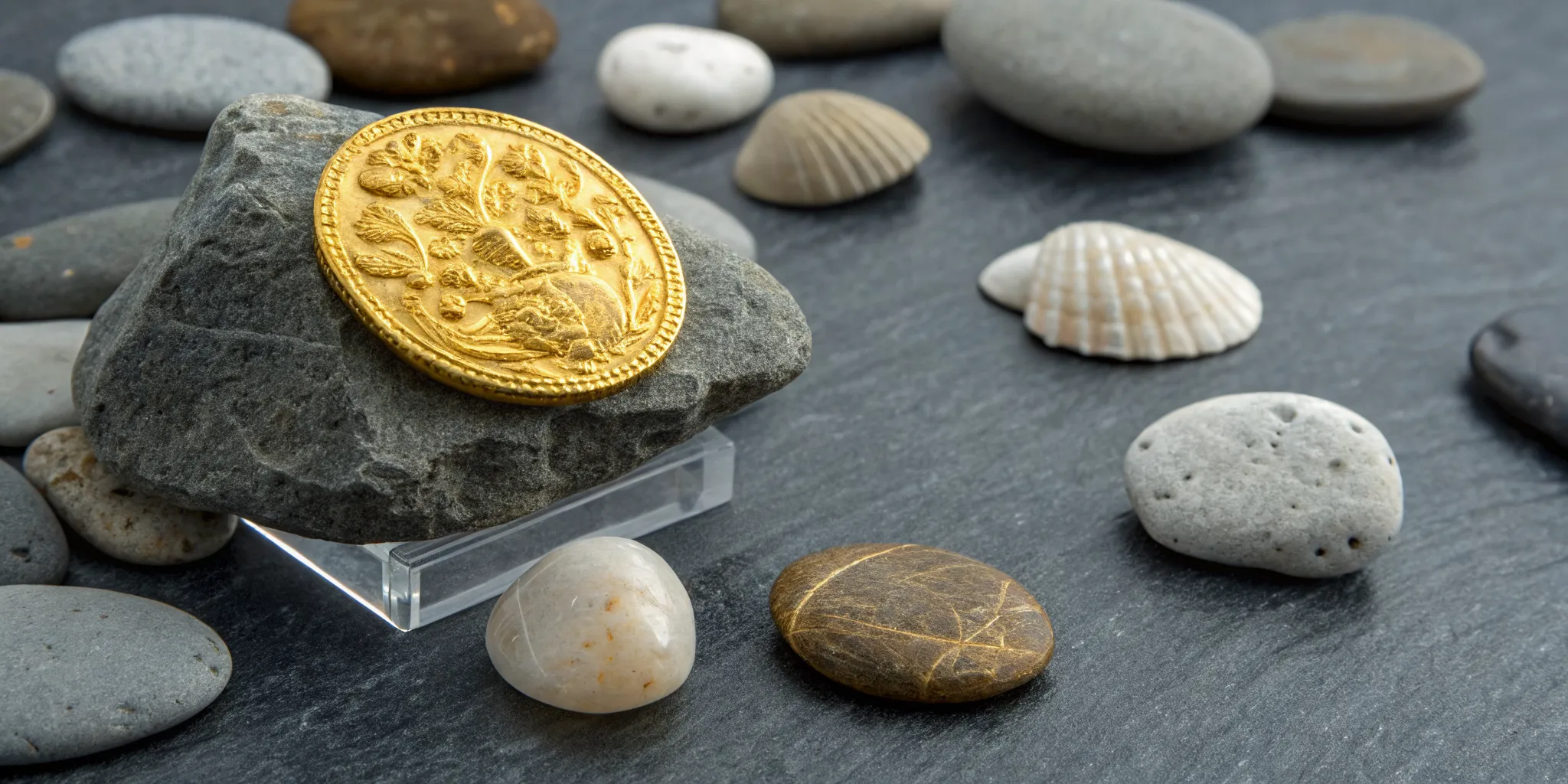
Holding a coin salvaged from a 300-year-old shipwreck is a unique experience. These are not just pieces of gold and silver; they are tangible links to the Spanish Empire, a violent hurricane, and one of history's most legendary maritime disasters. For collectors and investors, the story is only the beginning. The real challenge lies in understanding what these artifacts are worth in today's market. The process isn't as simple as checking the spot price of precious metals. Instead, the 1715 Fleet coins value is a complex blend of rarity, historical significance, physical condition, and documented provenance. This guide will walk you through the key factors that separate a common find from a top-tier treasure.
Key Takeaways
- Focus on the story, not just the metal: A coin's value is primarily driven by its rarity, physical condition after centuries at sea, and the official paperwork that proves its connection to the famous shipwreck.
- Verification is non-negotiable: Protect your investment by insisting on a Certificate of Authenticity with every purchase. For ultimate peace of mind, work with reputable dealers and consider using a professional grading service to confirm the coin is genuine.
- Invest with the right mindset: View these coins as long-term historical assets that can diversify your portfolio. Their value is tied to collector demand and their unique narrative, so expect saltwater character and appreciate them for their story.
What Are 1715 Fleet Coins?
The story behind 1715 Fleet coins is one of immense wealth, imperial ambition, and a catastrophic disaster at sea. These aren't just old pieces of metal; they are tangible relics from a legendary shipwreck, each with a unique story of its journey from the mines of the New World to the depths of the Atlantic. For collectors and investors, these coins represent a direct link to the Spanish Empire at the height of its power. Understanding their origin is the first step in appreciating their true value, both as historical artifacts and as unique additions to a modern portfolio of rare coins for sale.
The Shipwreck That Created a Legend
Picture a fleet of Spanish galleons loaded with treasure, making the treacherous journey home from the Americas. This was the 1715 Treasure Fleet, a convoy carrying gold, silver, and jewels destined for the Spanish crown. Also known as the "1715 Plate Fleet" (since plata is Spanish for silver), its cargo was meant to refill Spain's coffers. But on July 24, 1715, a violent hurricane struck off the coast of Florida, sinking the ships and scattering their precious contents across the ocean floor. This single event created one of history's most famous shipwrecks, leaving a legacy of lost treasure that continues to capture the imagination of explorers and collectors centuries later.
The Global Importance of Spanish Treasure Coins
The coins aboard the 1715 Fleet were more than just treasure; they were the lifeblood of the global economy. For over 300 years, Spain supplied the majority of the world's gold and silver. The iconic silver "Pieces of 8," or 8 Reales, functioned as the world's first global currency, essentially the Spanish Dollar that facilitated trade across continents. These silver coins, along with gold Doubloons, were so crucial that they supported nearly 90% of Europe's economy. When you hold a 1715 Fleet coin, you're holding a piece of the financial engine that powered empires. This historical significance is a key reason why both gold bullion and silver from this era remain so compelling to investors today.
What Determines a 1715 Fleet Coin's Value?
When you hold a 1715 Fleet coin, you’re holding a piece of history. But what makes one of these sea-salvaged treasures worth a few hundred dollars while another commands tens of thousands? The value of these remarkable artifacts goes far beyond their weight in gold or silver. It’s a complex blend of rarity, physical condition, documented history, and specific markings that tell its unique story. For any serious collector, understanding these key factors is the first step toward making a smart acquisition.
A coin’s journey from a Spanish colonial mint to the ocean floor and finally into a collection is what gives it a distinct identity and value. Unlike a standard bullion coin, a treasure coin’s worth is deeply tied to its narrative. Was it a common silver piece of eight or a rare gold doubloon? How much of its original detail survived three centuries underwater? Can its recovery from the famous shipwreck be proven with official documents? And what does its mint mark tell us about its origin? Answering these questions is how experts separate the extraordinary from the ordinary. Let's look at the four main elements that determine the value of these incredible coins.
Rarity: Doubloons vs. Pieces of Eight
Not all treasure coins were created equal. The Spanish fleets were primarily transporting silver, which means the silver "pieces of eight" are far more common among recovered artifacts than their gold counterparts. The gold coins, officially called escudos but famously known as doubloons, were significantly rarer. In fact, a gold doubloon was worth about 16 times more than a silver piece of eight even back in the 18th century. This inherent scarcity makes gold 1715 Fleet coins the most sought-after treasures from the wrecks, with their prices reflecting that high demand among collectors. For investors, this difference in rarity is a fundamental driver of long-term value.
Condition and Saltwater Damage
Three centuries on the ocean floor takes a toll. The condition of a 1715 Fleet coin is one of the most critical factors in its valuation. Due to the long period of saltwater submersion, many silver coins show signs of corrosion and are often not their full original weight. While some wear is expected and even adds to the coin's character, extensive damage that obscures key details like the cross, shield, or mint mark can lower its value. Coins that were protected from the elements, perhaps inside a chest, and retained their original details are exceptionally rare. These well-preserved examples are highly prized by collectors who are willing to pay a premium for superior quality.
Provenance and Recovery Papers
How can you be sure a coin is genuinely from the 1715 Fleet? The answer lies in its provenance, or its documented history. Authentic shipwreck coins should come with recovery papers or a certificate of authenticity from the salvage company that found them. These documents are crucial, as they verify the coin’s origin and link it directly to the famous shipwreck. A coin without this paperwork should be approached with extreme caution. The story is a huge part of the coin's value, and having the official documentation to back it up makes a significant difference in its market price, authenticity, and desirability for any serious collection.
Mint Marks and Historical Significance
Each coin from the 1715 Treasure Fleet carries small but important markings that tell us where it was made. These mint marks, representing cities like Mexico City, Lima, or Potosi, add another layer to the coin's story and value. Some mints produced fewer coins than others, making their items rarer and more valuable to collectors who specialize in certain types. This historical context is what separates a treasure coin from a simple piece of bullion. It’s a tangible link to the global economy of the Spanish Empire, which relied on these fleets to transport wealth from the New World back to Spain, making each coin a tiny historical document.
How Much Are 1715 Fleet Coins Worth?
Pinpointing the exact value of a 1715 Fleet coin isn't as simple as looking up a price in a catalog. Because each coin is a unique historical artifact recovered from the sea, its worth depends on a combination of factors, from its metal type and condition to its specific story. However, by looking at established price ranges and understanding what drives market demand, you can get a clear picture of what these incredible treasure coins are worth to collectors and investors.
Price Ranges by Coin Type
The value of 1715 Fleet coins can span a massive range. It’s not uncommon to see authentic silver coins, like Pieces of Eight, sell for a few thousand dollars. On the other end of the spectrum, high-quality gold coins or exceptionally rare pieces can command prices well into the tens of thousands, with some examples reaching over $65,000. This wide variation is due to the coin’s metal, its condition after centuries underwater, and its specific mint origin. Every coin tells a different story, and that uniqueness is directly reflected in its price tag.
Why Doubloons Command Higher Prices
You'll quickly notice that gold doubloons from the 1715 Fleet are consistently valued much higher than their silver counterparts. The reason is simple: rarity and intrinsic value. Far fewer gold coins were on the ships compared to silver, making them significantly scarcer. In fact, historical records show that doubloons were about 16 times more valuable than Pieces of Eight even back in the 18th century. This inherent scarcity, combined with the enduring appeal of gold bullion, means that a gold doubloon is often the crown jewel of a shipwreck coin collection.
The Role of Market Demand and Collector Interest
Beyond the metal content and rarity, the value of a 1715 Fleet coin is heavily influenced by market demand. These aren't just pieces of gold and silver; they are tangible links to a dramatic historical event. Collectors are drawn to the story of the Spanish treasure fleet, and this historical significance creates a strong and sustained interest in the numismatic community. Authenticated shipwreck coins with clear provenance tend to fetch the highest prices because they offer proof of their incredible journey. As long as the legend of the 1715 Fleet captures the imagination, these rare coins will remain highly sought after.
How to Verify a 1715 Fleet Coin Is Authentic
The allure of holding a 300-year-old treasure is undeniable, but it also attracts counterfeiters. Verifying a 1715 Fleet coin's authenticity is the most critical step to protect your investment. A genuine coin has a story backed by evidence, while a fake is just a piece of metal. Knowing what to look for gives you the confidence to add a legitimate piece of the 1715 Fleet legacy to your collection.
Check the Certificate of Authenticity
Your first line of defense is the Certificate of Authenticity (COA), ideally the original from the salvage company that recovered the treasure. This document is your proof of provenance, linking the coin directly to the shipwreck and its recovery. As experts advise, "No Fleet silver should be purchased without clear evidence of authenticity." When you buy rare coins, a reputable dealer will always provide this essential paperwork. A coin without its papers is like a ship without a map; you have no way of knowing its true journey. It's a significant risk for any collector, so always insist on seeing the COA before making a purchase.
Examine the Coin's Physical Details
After checking the paperwork, it's time to inspect the coin itself. Centuries on the ocean floor leave a distinct mark, so look for the characteristic saltwater corrosion that is difficult to fake convincingly. You should also check for post-recovery damage. Has the coin been holed, plugged, or removed from jewelry? While some damage is common, it can affect the coin's value. Be wary of surfaces that look too clean or details that appear unnaturally sharp. These could be signs of a modern forgery or excessive cleaning that has stripped the coin of its historical integrity and numismatic value. A genuine shipwreck coin should look its age.
Know the Red Flags for Fakes
Developing an eye for fakes is a key skill for any serious collector. A major red flag is a slabbed shipwreck coin that lacks its original salvage certificate. Be cautious of sellers who can't provide a clear ownership history or who offer a price that seems too good to be true. These are common warning signs of a counterfeit. Always ask questions and trust your gut. If a deal feels off, it probably is. The best way to avoid these pitfalls is to work with a trusted dealer who has a long-standing reputation for handling authentic historical artifacts and is transparent about each item's provenance.
When to Use a Professional Grading Service
If you have any doubts about a coin's authenticity, a third-party opinion is your best bet. The industry's most respected grading services are the Professional Coin Grading Service (PCGS) and the Numismatic Guaranty Company (NGC). These organizations provide expert, unbiased authentication and grading. Once verified, they encapsulate genuine coins in secure, sonically sealed holders with a label detailing their grade and origin. Submitting a coin for verification offers invaluable peace of mind. It ensures your investment is sound and officially confirms you are adding a genuine piece of the 1715 Fleet to your portfolio, which is crucial for both insurance purposes and future resale value.
Where to Buy Authentic 1715 Fleet Coins
Once you decide to add a 1715 Fleet coin to your collection, the next critical step is finding a trustworthy source. The history and allure of these coins make them a target for counterfeits, so knowing where to look is just as important as knowing what to look for. Your search for an authentic piece of this sunken treasure will likely lead you down one of three main paths, each with its own set of opportunities and risks.
Find a Reputable Numismatic Dealer
Working with a reputable numismatic dealer is the most secure way to purchase an authentic 1715 Fleet coin. These experts have the knowledge to verify a coin's provenance and condition. As the 1715 Fleet Society warns, "No Fleet silver should be purchased without clear evidence of authenticity." A trusted dealer provides that assurance. Look for a company with decades of experience, a strong public rating, and a team that can answer your questions. A dealer like Park Avenue Numismatics will have a curated inventory and provide the documentation you need to feel confident in your purchase, protecting you from potential counterfeits.
Consider Auctions and Estate Sales
Auctions and estate sales can be exciting places to discover 1715 Fleet coins, sometimes offering pieces that haven't been on the market for years. These events often create a competitive atmosphere, especially for high-quality items. We've seen a "dramatic increase in the prices collectors and investors have paid for quality coins," so it's wise to go in with a clear budget. Before bidding, research the specific coins being offered, review the auction house's reputation, and understand any buyer's premiums that will be added to the final price. While you can find genuine treasures, you'll be bidding against other informed collectors, so preparation is key.
Buy Safely from Online Marketplaces
Online marketplaces offer a vast selection of coins, and the sustained demand for authenticated shipwreck coins has created a favorable environment for online sales. However, this convenience comes with significant risk. When buying online from a platform with multiple third-party sellers, you need to be extra cautious. Always vet the seller thoroughly by checking their ratings, reviews, and return policies. Insist on clear, high-resolution photos and a detailed description that includes the coin's certificate of authenticity. A safer alternative is to purchase directly from the website of a trusted dealer, where you can browse a collection of rare coins for sale with the assurance of authenticity and expert backing.
How to Assess a Coin's Condition Before You Buy
When you’re holding a piece of history like a 1715 Fleet coin, its condition tells a story of its journey from the mint to the ocean floor and back. Unlike a coin that’s been carefully preserved for centuries, a shipwreck coin has a much rougher past. Assessing its condition is less about finding perfection and more about understanding its unique character and state of preservation. You need to look at it with a different lens, one that accounts for its time spent in saltwater. Evaluating these details correctly is key to making a smart purchase and ensuring you’re paying a fair price for the specific piece you’re considering.
Before you add a treasure coin to your collection, take the time to perform a thorough inspection. This isn't just about looking for flaws; it's about reading the coin's history. You'll want to look for key indicators of its authenticity, the extent of environmental damage, and any post-recovery alterations that might affect its value. This careful review will help you confidently determine its quality and build a collection you can be proud of. It’s a different skill set than evaluating a standard mint-state coin, but it’s one that any serious treasure collector needs to develop.
Understand Grading for Shipwreck Coins
Grading shipwreck coins is a specialized field. You can’t apply the same standards you would to a pristine Morgan silver dollar. Because these coins spent centuries underwater, the top professional grading services have developed specific criteria for them. A grade of "Good" for a Fleet coin acknowledges its history and the expected wear from its time at sea. The focus is on authenticity and the degree of preservation. A higher-grade shipwreck coin will still retain much of its original detail, like the cross, shield, and mint mark, despite some surface corrosion. When you see a graded Fleet coin, understand that the grade reflects its quality relative to other recovered treasure, not to coins that never left dry land.
Examine Patterns of Damage and Corrosion
Every 1715 Fleet coin will show some effects from its time in the ocean. Saltwater corrosion is the most common factor, and it can appear as surface pitting, discoloration, or a slightly grainy texture. Some of this is expected and even adds to the coin's historical appeal. What you need to watch for is the extent of the damage. Has the corrosion eaten away significant details, making the design elements difficult to see? Are there large cracks or areas where the metal has become brittle? While minor imperfections are part of the coin’s story, severe corrosion can drastically reduce its value. Carefully examine the entire surface under good lighting to get a clear picture of its preservation.
Check the Coin's Weight
A coin's weight is a critical data point, especially for shipwreck treasure. Due to saltwater corrosion, it's normal for a 1715 Fleet coin to weigh slightly less than its original mint specification. However, a significant loss of weight can be a red flag, indicating excessive corrosion or potential authenticity issues. It’s also important to check for physical alterations. In the colonial era, it was common to hole coins to wear them as jewelry or string them together for transport. While a hole might not be a dealbreaker on a Spanish cob, it does affect the value. Look closely for signs of holes that have been plugged or evidence that the coin was once mounted in jewelry.
Get a Professional Opinion
When you have any doubts, the best course of action is to consult an expert. The top grading services, like PCGS and NGC, offer authentication and grading for shipwreck coins. Their analysis provides an unbiased, third-party assessment of a coin's authenticity and condition, which is invaluable for both buyers and sellers. Working with a reputable dealer is another way to ensure you’re getting a quality coin. Experienced numismatists can spot subtle details and red flags that the average collector might miss. At Park Avenue Numismatics, we carefully vet all of our rare coins for sale to ensure they meet our high standards for authenticity and quality.
Common Myths About Investing in 1715 Fleet Coins
The allure of sunken treasure is powerful, but it's easy to get swept away by romantic notions. When you're considering adding 1715 Fleet coins to your collection, it's important to separate the Hollywood fantasy from the reality of numismatic investing. Understanding the common misconceptions about these historical artifacts will help you make smarter, more confident decisions. Let's clear up a few key points about what to expect when you invest in these incredible pieces of history.
Expectation vs. Reality: Coin Condition
A common mistake is expecting a 1715 Fleet coin to look like it just came from the mint. Remember, these coins spent three centuries submerged in saltwater. It's completely normal for them to show signs of their time at sea. As the 1715 Fleet Society notes, corrosion is expected and silver coins are often not their full original weight. This "saltwater effect" is part of the coin's unique story and a key feature of its authenticity. Instead of seeking perfection, experienced collectors appreciate the character and history etched into each piece.
Understanding Legal Ownership Rights
You might have heard stories of lucky beachcombers finding treasure, but the reality of shipwreck salvage is much more structured. You can't simply find and keep these coins. Professional salvage companies, like 1715 Fleet-Queens Jewels, hold the exclusive legal rights to recover artifacts from the wreck sites. This is why provenance is so critical. When you purchase a 1715 Fleet coin, you must ensure it comes from a reputable source with a clear chain of custody. Working with a trusted dealer ensures your investment is legally sound and ethically sourced.
Managing Investment Return Expectations
While 1715 Fleet coins can be a fantastic investment, it's wise to have realistic expectations about their returns. Their value is tied to historical significance, rarity, and collector demand, not just the fluctuating spot price of gold or silver. These are long-term assets for a diversified portfolio. The market for authenticated shipwreck coins remains strong, with sustained demand creating ongoing opportunities for collectors. Think of them less as a quick flip and more as a tangible piece of history that can add a unique dimension to your investment strategy.
How Market Trends Impact 1715 Fleet Coin Value
Like any valuable asset, the worth of a 1715 Fleet coin isn’t set in stone. It moves with the currents of the broader market, influenced by economic shifts, investor sentiment, and the specific interests of the collecting community. Understanding these forces is key to making a smart purchase and appreciating your coin's long-term potential. For collectors, staying informed about these trends helps you identify the right time to buy and recognize opportunities as they appear.
A Look at Historical Market Fluctuations
The market for rare coins has always had its cycles. History shows periods of rapid growth where prices for quality coins see a dramatic increase, followed by times of stabilization. These fluctuations are driven by supply, demand, and overall economic health. When interest in historical artifacts is high, or when alternative assets become more attractive, demand for shipwreck coins can surge. Watching these historical patterns can give you a better sense of a coin's long-term value trajectory, helping you see beyond short-term market noise and focus on the enduring appeal of these incredible pieces of history.
The Influence of the Economy and Precious Metals
1715 Fleet coins have a dual nature. They are historical artifacts, but they are also made of gold and silver. Because of this, their base value is connected to the spot price of precious metals. When the market for gold bullion is strong, it often generates renewed interest in all gold-related assets, including numismatic coins. While a coin’s historical and collectible value far outweighs its melt value, a healthy precious metals market can create a rising tide. This sustained demand for authenticated shipwreck coins means they remain a compelling asset, holding both intrinsic and historical worth that appeals to a wide range of collectors and investors.
Following Collector Demand and Trends
Sometimes, the biggest influence on value comes from within the collecting world itself. Collector trends can shine a spotlight on specific types of coins, causing their demand to grow. For instance, while gold doubloons are often the most famous, many collectors are now building diverse collections of coins from the 1715 Fleet. This has made smaller silver coins an attractive and more affordable option. These silver coins are often far less expensive but possess a rarity that makes them a fantastic investment opportunity. Paying attention to what fellow collectors are seeking can help you spot which coins are gaining momentum.
Is a 1715 Fleet Coin Right for Your Portfolio?
Adding a 1715 Fleet coin to your collection is a decision that blends passion with financial strategy. These coins are more than just precious metal; they are tangible artifacts with an incredible story of maritime disaster and treasure hunting. Whether you're a history enthusiast, a seasoned numismatist, or an investor looking for unique assets, it’s important to weigh how these pieces fit your personal goals. Understanding their long-term value, resale potential, and specific care requirements will help you decide if this legendary treasure has a place in your portfolio.
Considering Long-Term Value
The enduring appeal of 1715 Fleet coins lies in their story. These coins, sought after for their historical significance, tend to fetch the highest premiums in the market. Unlike standard bullion, their value isn't tied solely to their metal content. Instead, it's driven by a finite supply and a compelling narrative that captivates collectors. Because no more of these coins can be created, their rarity provides a strong foundation for long-term value appreciation. For those who appreciate assets with deep historical roots, these rare coins for sale offer a unique opportunity to own a piece of the past that continues to fascinate new generations of collectors.
Understanding Liquidity and Resale
A common question for any tangible asset is, "How easily can I sell it?" While shipwreck coins aren't as liquid as a share of stock or a standard gold eagle, there is a dedicated and robust market for them. Market opportunities will continue to emerge in the numismatic sector, with sustained demand for authenticated shipwreck coins. The key to a successful resale is working with a reputable dealer who understands this niche market. An established expert can connect you with serious buyers, ensuring you receive a fair price when you decide to sell. This specialized demand helps maintain a stable and active marketplace for genuine 1715 Fleet treasure.
Using Treasure Coins for Diversification
Treasure coins can be an excellent tool for diversifying a portfolio. Their value drivers, like historical importance and collector demand, are often independent of traditional financial markets. This means they can hold their value or even appreciate when stocks or bonds are down. The 1715 Fleet offers options for different budgets, too. As one analysis notes, the silver coins are far less expensive than their gold counterparts and have a rarity factor that makes them an attractive investment opportunity. This allows you to add a hard asset with a unique story to your holdings without the high cost of a gold doubloon, complementing other precious metals like silver bullion.
Storing and Preserving Your Investment
Owning a 1715 Fleet coin comes with the responsibility of proper preservation. These coins spent centuries underwater, and their condition reflects that journey. Due to many years of saltwater submersion, it is not surprising that Fleet silver coins are not full weight; corrosion does occur in varying degrees. This is an accepted part of their character, but it also makes them fragile. To protect your investment, always store the coin in a cool, dry environment, preferably within its certified, sealed holder from a grading service. Avoid handling it directly, as oils from your skin can cause further damage over time. Proper care ensures your piece of history remains stable for years to come.
Related Articles
- Shipwreck Coins: Spanish Treasure & Sunken Gold
- Featured Rare Coins
- Blog | Rare Coins, Gold & Silver for Discerning Collectors
Frequently Asked Questions
Why is a gold 1715 Fleet coin so much more expensive than a silver one? It really comes down to simple scarcity. The Spanish ships were transporting far more silver than gold, so many more silver "Pieces of Eight" have been recovered over the years. Gold doubloons were rarer to begin with, making them the most sought-after prizes from the wreck. This difference in supply, combined with the lasting appeal of gold, creates a significant price gap that reflects what was true even in the 18th century: gold was simply worth much more.
What's the single most important document for a 1715 Fleet coin? Without a doubt, it's the Certificate of Authenticity (COA), especially the original one from the salvage company that found the coin. Think of this document as the coin's passport; it proves the coin's origin and confirms its incredible journey from the shipwreck to your collection. A coin without this paperwork carries a huge risk, as its story and connection to the 1715 Fleet can't be verified.
Should I expect a shipwreck coin to be in perfect condition? Absolutely not, and that’s part of its charm. These coins spent 300 years on the ocean floor, so signs of saltwater corrosion and wear are completely normal and expected. In fact, these imperfections are a key part of the coin's authenticity. Instead of looking for a flawless surface, collectors learn to appreciate the unique character that the sea has given each piece, focusing on the clarity of the remaining details like the cross and shield.
Are these coins a good investment if I need to sell them quickly? While there is a strong and dedicated market for authentic 1715 Fleet coins, they are best viewed as long-term assets. They aren't as easily sold as a standard gold bullion coin or a share of stock. Their value is tied to historical significance and collector demand, which is a more specialized market. So, while they have excellent resale potential through a reputable dealer, they are better suited for portfolio diversification rather than for quick-turnaround profits.
Besides the metal, what really determines a coin's value? A coin's value is a blend of four key elements. Its condition is critical; a well-preserved coin with clear details will always be worth more than one that is heavily corroded. Its specific mint mark also matters, as coins from rarer mints are more desirable. Most importantly, its provenance, proven by its recovery papers, confirms its authenticity and story. These factors together create a unique profile for each coin, which is directly reflected in its market price.





