
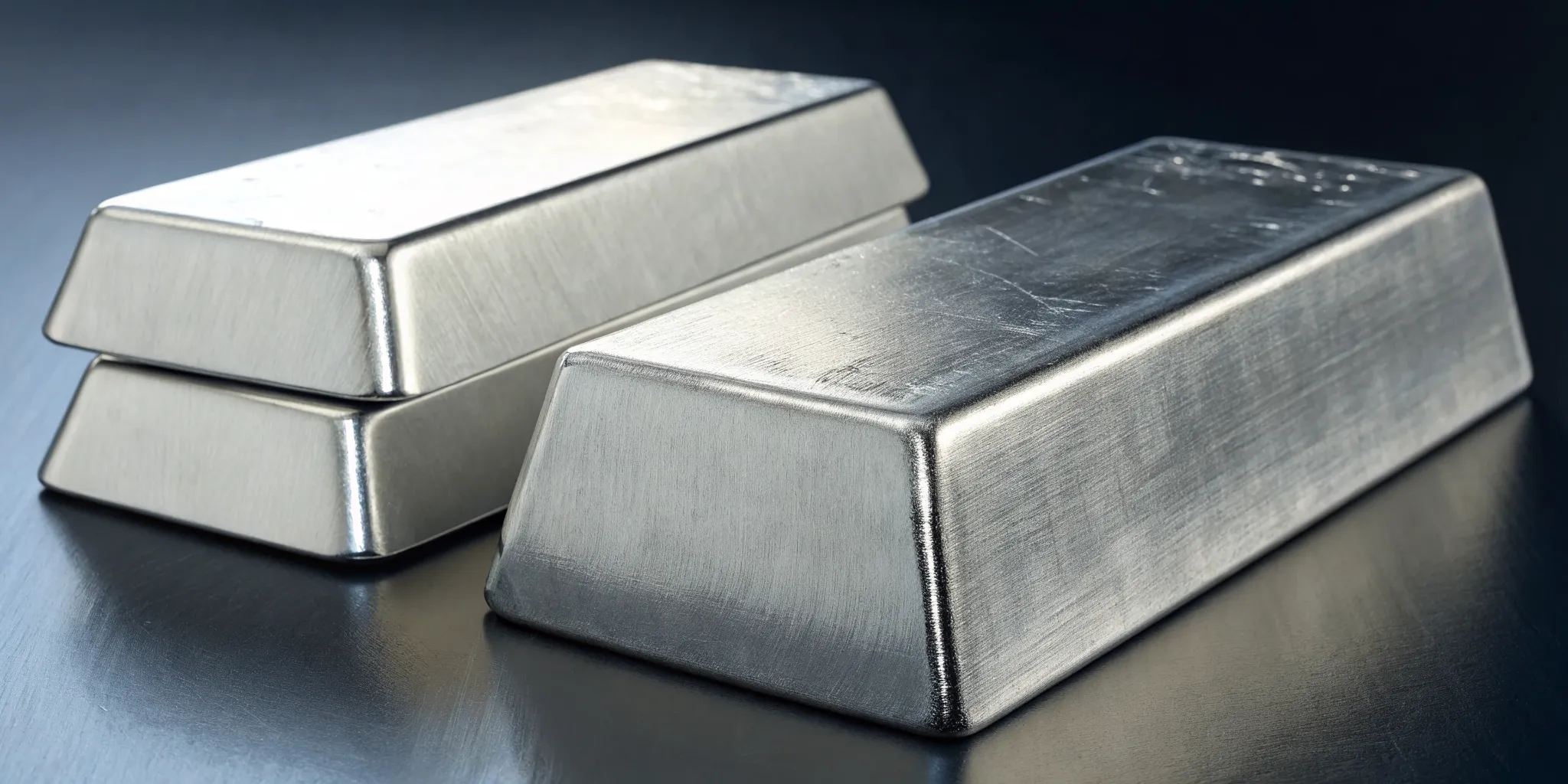
Making a smart investment in silver means avoiding common pitfalls. Many new buyers focus only on the spot price, but that can be a costly mistake. The real 100 oz silver bar value today is a combination of the metal's price, the premium, and the bar's liquidity. Forgetting to verify authenticity, misunderstanding how premiums work, or failing to plan for secure storage can turn a good investment into a problem. This guide will walk you through the essential steps to protect your purchase, ensuring you not only get a fair price but also secure a valuable, tangible asset for your future.
Key Takeaways
- Look beyond the spot price for the true cost: Your final price includes the metal's value plus a dealer premium. Buying a 100 oz bar is a cost-effective choice because this premium is spread over more ounces, lowering your overall cost per ounce.
- Prioritize brand and dealer reputation: A bar from a well-known refiner and a purchase from a trusted dealer are your best guarantees of authenticity and quality. This focus on reputation also ensures a smoother process when you decide to sell.
- Plan for storage and selling before you buy: A 100 oz bar requires a secure storage plan, like a professional depository, from day one. Also, understand the liquidity trade-off; you save on premiums but must sell the entire bar at once, so know your exit strategy ahead of time.
What Determines a 100 oz Silver Bar's Value?
When you look at the price of a 100 oz silver bar, you're seeing more than just the value of the metal itself. The final price tag is a blend of several key factors that work together. Think of it like a recipe: the main ingredient is the raw silver, but other elements like manufacturing costs and market appetite add their own flavor to the final cost. For anyone serious about investing, knowing what goes into that final number is essential for making smart moves.
Understanding these components is crucial. The three primary drivers of a silver bar's value are the spot price, the dealer premium, and the broader economic forces of supply and demand. Each one plays a distinct role in the daily valuation of your investment, and they don't operate in a vacuum. The spot price gives you the foundation, the premium accounts for the journey from mine to market, and supply and demand reflect the global economic mood. By getting a handle on how they interact, you can make more informed decisions about when to buy, sell, or hold your silver bullion. Let's break down exactly what each of these factors means for your bottom line.
The Role of Spot Price
The foundation of any silver bar's value is the spot price. This is the current market price for one troy ounce of pure silver that can be delivered immediately. It fluctuates constantly throughout the day, driven by trading on global commodities exchanges. When you check the price of silver online, the number you see is the spot price.
This price is the baseline for the raw metal content in your 100 oz bar. However, it's just the starting point. The bar's final value is also influenced by its purity, the reputation of the brand that produced it, and its overall condition. The spot price gives you the core value, but it doesn't tell the whole story.
How Premiums Are Calculated
A premium is the amount you pay over the silver spot price. This additional cost covers everything it takes to get the bar from a raw material into your hands, including the minting or refining process, distribution, insurance, and the dealer's operational costs and profit margin. Every physical silver product, from coins to bars, carries a premium.
One of the biggest advantages of buying a 100 oz silver bar is that you typically pay a lower premium per ounce compared to smaller items like 1 oz coins or bars. This is because producing one large bar is more cost-effective than minting one hundred smaller ones. This efficiency translates into savings for you, making larger bars a popular choice for serious investors looking to acquire more silver for their money.
The Impact of Supply and Demand
Like any commodity, the value of silver is heavily influenced by supply and demand. Silver isn't just an investment vehicle; it's a critical component in many industries. It's used in everything from electronics and solar panels to medical equipment and jewelry. Strong industrial demand can push the price of silver higher, as manufacturers compete for a limited supply.
On the other side, investor demand also plays a huge role. During times of economic uncertainty, many people turn to precious metals as a safe-haven asset, which can increase demand and drive up prices. The total supply, which comes from mine production and recycling, must meet this combined demand. When demand outstrips supply, prices tend to rise, and when supply is greater than demand, prices may fall.
How Much Is a 100 oz Silver Bar Worth?
Figuring out the value of a 100 oz silver bar is straightforward, but it’s more than just a single number. The price you’ll pay or receive is a combination of the live market price of silver, a small premium, and broader market forces. Understanding these components helps you make informed decisions, whether you're buying your first bar or adding to a seasoned collection. Let's break down the key factors that determine what your silver bar is worth right now.
Checking the Current Market Price
The starting point for any silver bar's value is the spot price. Think of the spot price as the live, minute-by-minute market rate for one troy ounce of silver. To find the base value of your bar, you simply multiply the current spot price by 100. For example, if the spot price of silver is $30 per ounce, the metal value of your bar is $3,000. You can easily find the live spot price on financial news sites or directly from dealers. Keep in mind that the final price will also include a dealer's premium, which covers the costs of minting and distribution. When you're ready to buy, you can see how this works in practice by looking at currently available silver bullion.
Understanding Price Trends and Volatility
Silver’s price is always on the move. It fluctuates throughout the day based on economic news, currency strength, and overall market sentiment. While this volatility can seem unpredictable, it also creates opportunities. Many experienced investors watch the gold-to-silver ratio, which compares the price of an ounce of gold to an ounce of silver. A high ratio can suggest that silver is undervalued relative to gold bullion, potentially signaling a good time to buy. Looking at historical charts shows that while daily prices change, silver often follows broader trends, making it a reliable store of value over the long term.
Why Industrial Demand Matters
Unlike gold, silver has a dual identity as both a precious metal and a critical industrial commodity. This industrial demand plays a huge role in its value. Silver is essential for manufacturing everything from solar panels and electric vehicles to smartphones and medical devices. As technology advances and the world shifts toward green energy, the need for silver is expected to grow. This constant industrial consumption creates a strong floor for silver's price. When you invest in silver, you're not just holding a precious metal; you're owning a resource that is fundamental to modern innovation. Understanding these market dynamics is key to building a strong portfolio, and it's something we've focused on for over 35 years.
Which 100 oz Silver Bar Brands Are Best?
When you’re ready to invest in a 100 oz silver bar, the brand you choose is more important than you might think. After all, silver is silver, right? While the intrinsic value comes from the metal itself, the stamp on the bar acts as a seal of approval. It guarantees the bar’s weight and purity, which is crucial for its liquidity. Think of it like buying a designer handbag versus an unbranded one; both hold your things, but one has a reputation that makes it easier to verify and resell.
Choosing a bar from a reputable mint or refiner ensures you won’t face issues when it’s time to sell. Well-known brands are instantly recognized by dealers worldwide, making for a smooth and straightforward transaction. Lesser-known or private mints might produce perfectly good silver, but you could face delays or extra costs for assaying when you liquidate. Sticking with trusted names gives you peace of mind and protects the value of your investment. These brands have spent decades building a reputation for quality, and their bars are a cornerstone of the physical silver bullion market.
A Look at Reputable Mints and Refiners
The 100 oz silver bar is a favorite among investors for good reason. It strikes a great balance between a substantial amount of silver and a manageable size, and it typically carries a lower premium compared to smaller bars or coins. Each bar contains 100 troy ounces of .999 fine silver, making it a straightforward way to own the metal. To ensure you’re getting a high-quality product, it’s best to stick with bars from globally recognized mints and refiners. Brands like the Perth Mint, the Royal Canadian Mint, PAMP Suisse, and Valcambi are trusted worldwide for meeting the highest standards of production and purity.
SilverTowne: A Standard for Quality
Among the many private mints in the United States, SilverTowne has established itself as a household name for quality and reliability. For decades, investors have trusted SilverTowne bars for their consistent purity and craftsmanship. You’ll find their products, often featuring their classic prospector and donkey logo, are widely available and easily resold. Other popular and highly regarded brands to look for include Sunshine Minting (a key supplier of silver blanks to the U.S. Mint), Johnson Matthey, and Scottsdale Mint. Choosing any of these established names means you’re buying a product with a solid reputation in the precious metals market.
Engelhard: The Value of Legacy
While most silver bars are valued solely for their metal content, some brands carry an extra layer of appeal. Engelhard is a perfect example. As a giant in the precious metals industry for much of the 20th century, Engelhard produced bars that are now highly sought after by both investors and collectors. Because they are no longer in production, these vintage bars often carry a higher premium. This is due to their historical significance and strong legacy of quality. For some, an Engelhard bar is more than just a stack of silver; it’s a piece of financial history, much like some rare coins for sale.
What to Know About LBMA-Approved Refiners
If you want a universal seal of quality, look for bars from a refiner approved by the London Bullion Market Association (LBMA). The LBMA sets the international standard for precious metals, and its "Good Delivery" list includes refiners who meet strict criteria for purity, accuracy, and responsible sourcing. Buying a bar from an LBMA-approved refiner means it will be accepted without question in major markets across the globe. This provides the highest level of liquidity for your investment. As a company committed to excellence, we believe in the standards set by organizations like the LBMA, which you can learn more about on our About Us page.
Where Can You Safely Buy 100 oz Silver Bars?
When you're ready to add a 100 oz silver bar to your portfolio, the next question is where to buy it. Making a significant purchase requires careful thought to protect your investment. The key is finding a reputable dealer you can trust, whether you prefer to shop online or at a local store. Let's walk through what to look for so you can buy with confidence.
What Makes a Dealer Trustworthy?
A trustworthy dealer operates with transparency and has a long-standing, positive reputation. Start by looking for a company with a solid history in the precious metals industry. Customer reviews and testimonials are also great indicators of a dealer's reliability, so look for consistent positive feedback. A reputable seller will always provide proof of authenticity for their products and will be happy to answer your questions. Industry affiliations and high ratings from organizations like the Better Business Bureau are also strong signs you're working with a professional who values their reputation and your business.
Buying Online vs. Buying Locally
Choosing between an online and a local dealer often comes down to personal preference. Online platforms typically offer a wider selection of silver bullion and more competitive pricing. The trade-off is that you can't inspect the bar in person before buying, which is why it's critical to choose an online dealer with a stellar reputation and clear authenticity guarantees. Local dealers, on the other hand, offer the benefit of immediate possession and face-to-face interaction. You can see the product and talk directly with an expert. Just be sure to verify their credibility through local reviews and check for industry affiliations before you buy.
How to Ensure a Secure Transaction
Once you've chosen a dealer, a few final steps can ensure your transaction is secure. Before you commit, review the dealer’s return policy and make sure you understand the terms. A reputable company will have a clear and fair policy. Look for dealers who offer secure, insured shipping to protect your investment from their door to yours. When paying, use a secure method that offers you protection. Finally, great customer support is essential. You should feel comfortable reaching out with any questions. A dealer who is responsive and helpful is one you can count on.
Why Do Premiums on 100 oz Silver Bars Vary?
When you buy a 100 oz silver bar, you’ll notice the price is slightly higher than the raw value of the silver itself. This added cost is called a premium, and it covers everything from production to dealer profit. But you might also notice that this premium isn’t the same everywhere or for every bar. It can fluctuate based on a handful of key factors.
Understanding what drives these variations is essential for making smart investment decisions. The brand behind the bar, the costs to manufacture and distribute it, and even the size of your order all play a role in the final price you pay. By getting familiar with these elements, you can better assess the value of a specific bar and ensure you’re getting a fair price for your investment. Let’s look at what influences these premiums.
The Impact of Brand Recognition
Just like with cars or watches, brand reputation matters in the world of precious metals. A 100 oz silver bar from a world-renowned mint or refiner often carries a higher premium than one from a lesser-known producer. This is because established brands have a long history of quality, purity, and reliability. Investors are willing to pay a little extra for the peace of mind that comes with a trusted name like Engelhard, Johnson Matthey, or the Royal Canadian Mint. This brand recognition also adds to the bar’s liquidity, making it easier to sell later on. When you buy silver bullion, you’re not just buying the metal; you’re also buying the assurance and reputation that comes with the brand stamped on it.
Factoring in Manufacturing and Distribution
The journey from raw silver to a finished 100 oz bar involves several steps, and each one adds to the final cost. This process, known as fabrication, includes melting, casting or extruding, stamping, and assaying the bar to certify its weight and purity. On top of that, there are costs for secure packaging, shipping, and insurance to get the bar from the refiner to the dealer. These manufacturing and distribution expenses are bundled into the premium. A simple, cast bar might have a lower production cost and thus a lower premium than an intricately designed, minted bar. Every detail, from the finish to the protective wrapping, contributes to the price you pay over the spot value.
How Order Size Affects Your Price
One of the most direct ways to influence the premium you pay is by adjusting your order size. In general, the more silver you buy at once, the lower the premium per ounce will be. Dealers often operate on a tiered pricing model where larger purchases qualify for better rates. This is because processing a single large order is more efficient for the dealer than handling multiple smaller ones. For investors planning a significant purchase, buying in bulk can lead to substantial savings. This principle of economies of scale makes larger bars like the 100 oz size a cost-effective way to acquire physical silver bullion.
Other Costs to Keep in Mind
Beyond the brand, production, and order size, a few other factors can affect the total cost of your silver bar. General market conditions, including supply and demand, can cause premiums to rise or fall. During periods of high demand, dealers may raise premiums to manage their inventory. Additionally, consider the dealer’s own business costs, which are also factored into their pricing. Finally, remember to account for costs you’ll incur after the purchase, such as shipping fees, insurance for transit, and secure storage solutions. These aren't part of the dealer's premium, but they are an essential part of the overall investment cost you should plan for.
Is a 100 oz Silver Bar a Good Investment?
Deciding to invest in a 100 oz silver bar is a significant step. It’s an efficient way to acquire a substantial amount of physical silver, but it comes with its own set of considerations. Unlike smaller coins or bars, a 100 oz bar represents a concentrated store of value, which impacts everything from its purchase price to how you’ll eventually sell it. For investors looking to make a serious allocation to physical precious metals, the 100 oz bar is often a go-to choice because it simplifies holding a large position. Instead of managing hundreds of smaller items, you have one solid, tangible asset that you can see and hold.
This type of investment is popular among those who want to diversify their portfolios away from paper assets and into something with intrinsic value. However, this simplicity comes with its own complexities. Before you make a purchase, it’s helpful to weigh the key factors that define this type of investment. The primary appeal lies in its cost-effectiveness, but you also need a solid plan for storage and a clear understanding of its liquidity. Getting these three elements right is crucial for a successful investment experience. Let’s walk through what this means for you as an investor, so you can decide if adding a 100 oz silver bar to your portfolio is the right move.
The Advantage of Cost Efficiency
One of the biggest draws of a 100 oz silver bar is the lower cost per ounce. When you buy precious metals, you pay the spot price plus an additional fee called a premium, which covers manufacturing and dealer costs. With larger bars, that premium is spread across more ounces, making your overall cost per ounce lower than if you bought the same weight in smaller bars or coins.
Think of it like buying in bulk. Because these bars are produced in large quantities, the fabrication costs are more efficient. This makes them a very smart choice if you're looking to acquire a large volume of silver bullion and want to maximize how much metal you get for your money.
How to Store Your Bars Securely
A 100 oz silver bar is heavy, weighing nearly seven pounds, and it’s quite valuable. You absolutely need a secure storage plan in place before you buy one. A small home safe might not be sufficient for an asset of this size and worth. Many investors choose to store their precious metals in a third-party depository, which is a specialized, insured vault designed for this purpose.
These facilities offer protection against theft and damage that is difficult to replicate at home. Some investors even use international depositories for added geographic diversification. Another option is including precious metals in a self-directed IRA, which requires storage in an approved, high-security facility, giving you both a retirement asset and peace of mind.
Understanding the Liquidity Trade-Off
While you save money on premiums when you buy a 100 oz bar, you should also think about your exit strategy. The trade-off for cost efficiency is often liquidity. Selling a single, large bar can be less flexible than selling smaller, more divisible assets. If you need to liquidate only a portion of your holdings, you can’t exactly break off a piece of the bar.
You’ll have to sell the entire 100 ounces at once. This can sometimes be slower, and your selling price will depend on the dealer’s bid price at that moment. It’s a good idea to know your local market and have a relationship with a trusted dealer who can facilitate a smooth transaction when you decide to sell.
Common Mistakes to Avoid When Buying Silver Bars
Buying silver bars can be a straightforward way to add physical assets to your portfolio, but a few common missteps can turn a great investment into a costly lesson. By being aware of these potential pitfalls ahead of time, you can protect your capital and ensure your purchase is a smooth and secure one. Let's walk through the three biggest mistakes investors make and how you can easily avoid them.
Forgetting to Verify Authenticity
The single most important step in buying silver is confirming you're getting the real thing. Counterfeit bars are a real risk, and falling for one can mean a total loss of your investment. Always ask for proof of authenticity and certification. Reputable dealers will readily provide documentation and stand by the purity and quality of their products. Look for bars from well-known mints that have clear markings, such as the refiner's name, weight, and purity (.999 fine). When you work with a trusted dealer, you get the peace of mind that comes from knowing every bar has been vetted for authenticity, protecting you from the dangers of the counterfeit market.
Misunderstanding How Premiums Work
The price you pay for a silver bar isn't just the raw value of the metal. You'll also pay a premium, which is the amount charged over the silver spot price to cover manufacturing, distribution, and dealer costs. One of the main reasons investors choose 100 oz bars is because they typically have a lower premium per ounce compared to smaller bars or coins. This makes them a very cost-effective way to acquire a large amount of silver bullion. Understanding how premiums work is essential for comparing offers and making an informed decision. Always check the premium so you know exactly what you're paying for and can spot a good value when you see one.
Not Planning for Secure Storage
Your responsibility as an owner doesn't end once the purchase is complete. You need a solid plan for where you'll keep your silver bars. Proper storage is vital to protect your investment from theft or physical damage, which can affect its value. Your main options include a high-quality home safe, a bank's safe deposit box, or a specialized third-party depository. Each comes with its own balance of security, cost, and accessibility. It's a mistake to buy first and figure out storage later. You should have your storage solution decided before you take delivery, ensuring your valuable asset is protected from day one. This kind of long-term planning is key to a successful precious metals strategy.
A Guide for First-Time Silver Bar Buyers
Jumping into silver investing with a 100 oz bar is an exciting step. It’s a substantial, tangible asset that can be a cornerstone of a diversified portfolio. But before you make a purchase, it’s smart to understand the process, from payment to planning your eventual sale. A little preparation goes a long way in making your first purchase a smooth and confident one. Thinking through these key steps will help you feel secure in your investment and ensure you’re getting exactly what you pay for. Let’s walk through what you need to know to protect your purchase, verify its quality, and plan for the future.
Your Payment and Protection Options
Your best protection is always choosing a reputable dealer. Avoid anonymous online sellers or platforms where authenticity isn't guaranteed. A trustworthy dealer will have a long history of positive reviews, a physical address, and transparent pricing. When you work with an established company, you can be confident in the transaction. Look for dealers who have been in business for decades and maintain a high rating with organizations like the Better Business Bureau. A premier dealer will offer secure payment options, such as bank wire or check, and provide fully insured shipping to protect your investment until it’s in your hands. This initial choice is the most important one you'll make.
How to Verify Quality and Authenticity
When you receive your 100 oz silver bar, you’ll want to confirm it’s the real deal. Reputable bars are stamped with key information directly on their surface. Look for the refiner’s name or mint mark, the bar’s exact weight (100 troy ounces), and its purity, which should be marked as .999 or .9999 fine silver. Many bars also include a unique serial number for tracking. The best way to ensure you’re getting a genuine product is to buy from a source that guarantees the authenticity of their silver bullion. This removes the guesswork and gives you peace of mind, knowing your bar comes from a recognized and trusted refiner.
Planning Your Exit Strategy
It’s wise to think about selling your silver bar even before you buy it. This is called an exit strategy. While 100 oz bars are cost-effective to purchase because of their lower premiums, their large size can make them slightly less liquid than smaller coins or bars. You can’t sell off a small piece of a 100 oz bar; you have to sell the whole thing at once. Because of this, it’s helpful to know your options ahead of time. Many dealers who sell large silver bars also buy them back, which can be the most straightforward way to liquidate your asset. Understanding the buy-back policy of your dealer can simplify the process when you decide it’s time to sell.
Related Articles
- Silver Bars 100 oz Silver Bar Engelhard | Precious Metals & Rare Coins Dealer | Antique Coins - Park Ave Numismatics
- Silver Bars 100 oz Silver Bar Johnson Matthey | Precious Metals & Rare Coins Dealer | Antique Coins - Park Ave Numismatics
- 100 oz Royal Canadian Mint Silver Bar - Park Ave Numismatics
- Silver Bars 10 oz Silver Bar Walking Liberty | Precious Metals & Rare Coins Dealer | Antique Coins - Park Ave Numismatics
- 1 oz Silver Bar Walking Liberty | Precious Metals & Rare Coins Dealer | Antique Coins - Park Ave Numismatics
Frequently Asked Questions
Why is the price I pay for a silver bar more than the spot price? The spot price you see online is the base value for raw, unrefined silver on the commodities market. The price you actually pay for a physical bar includes an additional amount called a premium. This premium covers all the real-world costs of transforming that raw metal into a finished, authenticated product, including the minting process, secure shipping, insurance, and the dealer's operational costs.
Should I buy a single 100 oz bar or one hundred 1 oz coins? This really comes down to your personal investment strategy. A single 100 oz bar is almost always more cost-effective because you pay a lower premium per ounce due to its efficient manufacturing. However, one hundred 1 oz coins offer more flexibility. If you ever need to sell just a small portion of your holdings, you can do so easily with coins, whereas the entire 100 oz bar must be sold at once.
Does it really matter which brand of silver bar I buy? Yes, it absolutely does. While silver is a commodity, the brand stamped on the bar acts as a guarantee of its weight and purity. Bars from well-known, reputable refiners like PAMP Suisse or the Royal Canadian Mint are instantly recognized and trusted by dealers worldwide. This makes them highly liquid and easy to sell without delays or extra verification costs.
What's the best way to store such a large and valuable bar? Given its value and weight (nearly seven pounds), a 100 oz silver bar requires a serious storage plan. While a high-quality home safe is an option, many investors prefer the security of a third-party depository. These specialized vaults offer advanced security and are fully insured, giving you complete peace of mind. A bank's safe deposit box is another common choice for secure, off-site storage.
What is the process for selling my 100 oz silver bar when I'm ready? When you decide to sell, the most straightforward approach is to contact a reputable precious metals dealer. They will provide you with a buy-back or "bid" price, which is based on the current spot price of silver. Once you agree on the price, you will lock it in and then arrange for secure, insured delivery of the bar to the dealer. After they receive and verify it, they will issue your payment.





