
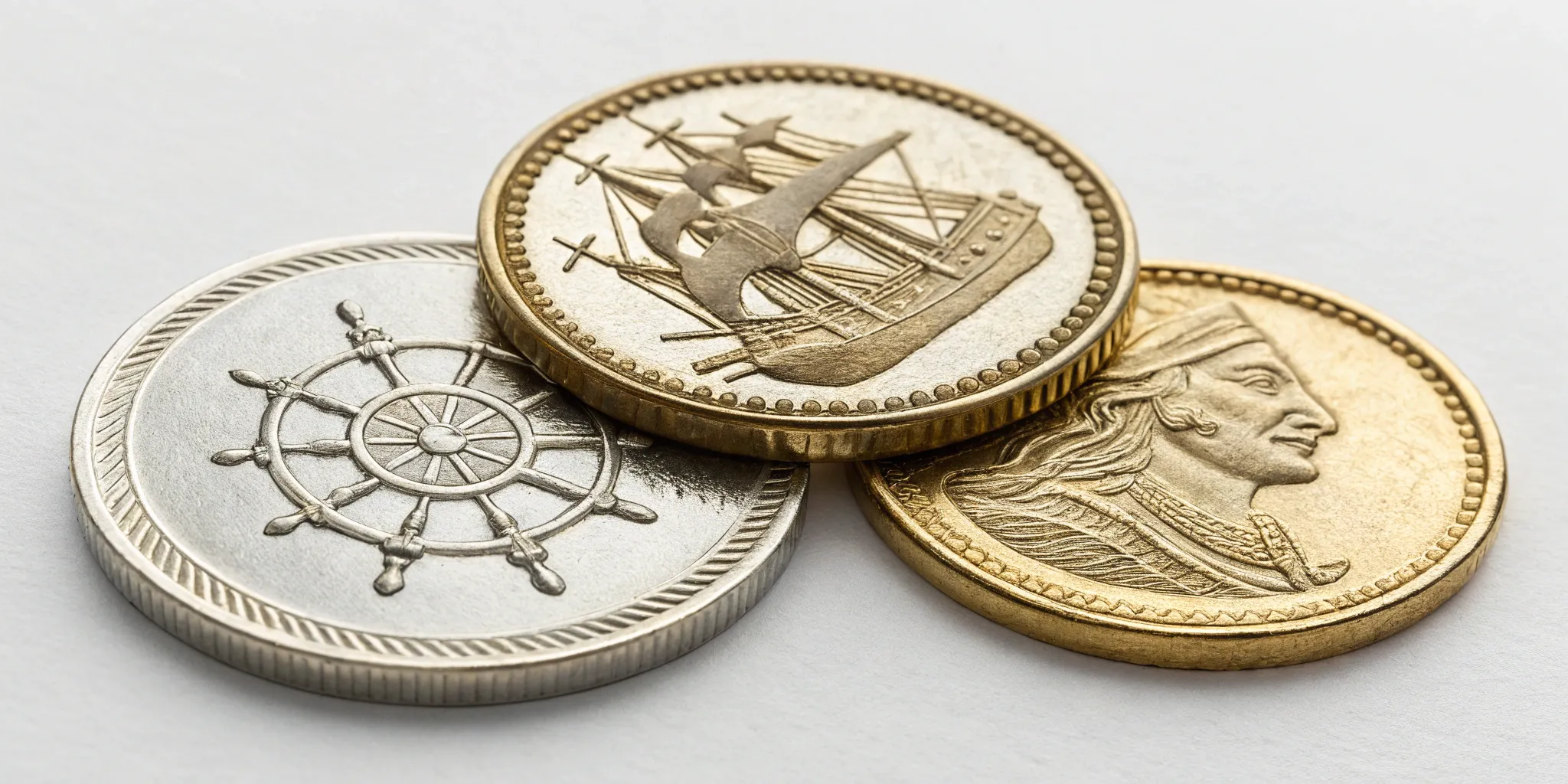
Holding a coin recovered from a centuries-old shipwreck is a unique experience. Itâs a direct, physical link to a specific moment in historyâa Spanish galleon caught in a hurricane or a steamship lost in a storm. These coins are time capsules, each with a distinct character shaped by its time at sea. For collectors, acquiring one is about becoming the custodian of that story. The search for these artifacts connects you to a long history of exploration and discovery. If youâre ready to add one of these incredible pieces to your collection, this guide will help you find quality shipwreck coins for sale.
Key Takeaways
- Verify the Coin's Story with Solid Proof: A shipwreck coin is only as valuable as its documented history. Always demand official certificates from the salvage operation and a clear chain of ownership to confirm you're acquiring a genuine artifact, not just a piece of metal.
- Look for Third-Party Certification: For ultimate peace of mind, choose coins that have been professionally graded and encapsulated. Services like NGC provide an unbiased, expert verification of a coin's shipwreck origin, which is the industry's highest standard of authenticity.
- Your Dealer Is Your Best Defense Against Fakes: The safest way to invest in shipwreck coins is by working with a reputable dealer. A trusted expert not only provides access to authenticated pieces but also stands behind them with a lifetime guarantee, protecting your investment.
What Makes Shipwreck Coins So Special?
Shipwreck coins are more than just currency; they are time capsules recovered from the ocean floor. Each piece carries a tangible connection to a specific moment in history, telling a story of exploration, trade, and maritime disaster. For collectors, holding a shipwreck coin is like holding a piece of that story. Unlike a standard mint-state coin, which is valued for its perfection, a shipwreck coinâs value is deeply tied to its incredible journey. The saltwater corrosion, the unique toning, and the marks from its time at sea are not flawsâthey are part of its character and proof of its survival.
This unique blend of numismatic interest and historical romance makes shipwreck coins a fascinating category for both collectors and investors. They represent a finite supply of artifacts recovered from famous wrecks, each with a documented provenance that traces it back to its watery grave. The search for these treasures, like Mel Fisher's 15-year quest for the Nuestra Señora de Atocha, adds another layer of adventure to their appeal. When you acquire a rare coin from a shipwreck, youâre not just adding metal to your collection; youâre becoming the custodian of a lost piece of history.
The History Behind the Treasure
Every shipwreck coin has a dramatic story to tell. These aren't just coins that were lost; they were part of a specific vessel, on a specific voyage, that met a tragic end. Take the famous Nuestra Señora de Atocha, a Spanish galleon that sank in a hurricane off the Florida Keys in 1622. It was laden with a spectacular treasure of gold, silver, and emeralds from the New World. When its "motherlode" was finally discovered in 1985, the recovered coins offered a direct link back to the height of the Spanish Empire. Owning an Atocha coin means owning a piece of that legendary discovery and the centuries-long history that preceded it.
What Makes These Coins Unique?
Beyond their incredible stories, shipwreck coins are unique for their physical characteristics and the critical importance of their provenance. The time spent submerged in saltwater often creates a distinct "shipwreck effect," a surface texture or toning that cannot be replicated. This makes each coin visually unique. However, this uniqueness also makes authenticity paramount. A genuine shipwreck coin must come with irrefutable documentation, such as a certificate of authenticity from the recovery group. Because certificates can be forged, serious collectors often prefer coins that have been professionally graded and encapsulated by a third-party service, which verifies both the coin and its shipwreck origin. This documentation is the foundation of the coin's value.
Famous Shipwrecks and Their Recovered Coins
The world of shipwreck treasure is filled with legendary names that excite any collector. The Spanish 1715 Treasure Fleet, which sank off the coast of Florida, is one of the most famous, yielding a trove of gold and silver coins. Another is the S.S. Central America, the "Ship of Gold," which went down in 1857 carrying a massive amount of California Gold Rush coins and ingots. Other notable wrecks include the S.S. Republic, the S.S. Brother Jonathan, and the Concepcion. Each of these wrecks has produced a limited number of certified coins that are highly sought after in the numismatic community for their history and rarity.
Where to Find Authentic Shipwreck Coins
Once youâre ready to add a piece of maritime history to your collection, the next step is knowing where to look. Finding authentic shipwreck coins requires sourcing from sellers who are as passionate about provenance as you are. The market has its share of fakes and misrepresented items, so sticking to trusted channels is the best way to ensure youâre getting a genuine artifact. There are several reliable avenues for acquiring these incredible coins, from working directly with a seasoned expert to exploring specialized online stores.
Find Them at Premier Dealers
Your best bet for finding authentic shipwreck coins is to work with established, premier dealers. Specialists in the field often have access to exclusive collections and can provide deep historical context for each piece. For example, Mel Fisherâs Treasures is the go-to source for certified artifacts from the famous Nuestra Señora de Atocha shipwreck. Reputable dealers in rare coins for sale can also source specific shipwreck coins for you, leveraging their network to find authenticated pieces. Working with an expert provides confidence, as they can verify the coin's story and condition before you buy.
Explore Online Marketplaces and Auctions
Online marketplaces and auctions can feel like a treasure hunt, offering a wide variety of shipwreck coins from different eras and locations. Sellers like Cannon Beach Treasure Company specialize in shipwreck artifacts and present curated collections online. While these platforms provide access to a broader market, they also require more diligence on your part. Itâs essential to thoroughly research any seller youâre considering. Some firms even recommend speaking with an advisor to help you understand the market. Always prioritize sellers who offer detailed histories and clear documentation for their items.
How to Spot a Trusted Seller
A trustworthy seller provides more than just a coin; they provide its story and proof of its journey. Always look for comprehensive documentation, including certificates of authenticity and any available recovery records. Third-party certification is another key indicator of legitimacy. For instance, NGC uses a special "GENUINE" designation for shipwreck coins with confirmed origins. Beyond paperwork, consider the sellerâs reputation. Look for a long history, positive reviews, and professional affiliations. A dealer with a proven track record, like our team at Park Avenue Numismatics, will always be transparent and ready to answer your questions.
How Are Shipwreck Coins Valued?
Figuring out the value of a shipwreck coin is about more than just its weight in gold or silver. Itâs a fascinating process that blends history, science, and market dynamics. Unlike a standard bullion coin, a shipwreck coinâs worth is tied to its incredible journey. Several key factors come together to determine its value, from the story of the ship it sailed on to the physical state it was in when it was pulled from the ocean floor. For collectors, this means each coin is a unique artifact with a price tag to match. Understanding these elements is the first step to making a smart addition to your collection and ensuring you're paying a fair price for a piece of history.
Rarity and Historical Importance
The story behind the coin is often the biggest driver of its value. A Spanish escudo recovered from a famous treasure fleet, for instance, will carry more historical weight than a coin from a lesser-known merchant vessel. The value depends on where the coin was minted, its date, and the specific ship it came from. Not all shipwreck coins are exceptionally rare, but when an already scarce coin is tied to a significant historical event, its value can increase dramatically. The most sought-after pieces are those that combine a compelling narrative with genuine scarcity, creating a powerful draw for serious collectors of rare coins.
Coin Condition and "Shipwreck Effect"
A coinâs condition is always critical, but shipwreck coins are graded on a unique curve. The term "shipwreck effect" describes the corrosion and surface changes caused by centuries spent in saltwater. While this effect is an expected part of a coin's story, the degree of preservation still matters immensely. Coins that were protected in a chest or buried in sediment often survive in much better condition. For those looking to invest, experts recommend buying only the highest-grade coins available. A well-preserved coin with minimal corrosion and clear details will always command a higher price than one that is heavily worn by the sea.
Check for Provenance and Documentation
A shipwreck coin is nothing without its story, and that story needs proof. Provenance is the documented history of the coin, and it is absolutely essential for verifying authenticity and value. This documentation should include official certificates from the salvage company, historical records about the shipwreck, and a clear chain of ownership. These papers are your key to confirming that the coin is a genuine artifact from a specific wreck. Any reputable dealer, including our team at Park Avenue Numismatics, will readily provide this crucial documentation to ensure you know exactly what you are buying.
Market Demand from Collectors
Ultimately, a coin's value is determined by what the market is willing to pay. Shipwreck coins have a dedicated following of collectors who are captivated by the romance of sunken treasure and the tangible connection to history. This consistent demand helps support their value over time. These coins can be a good way to diversify an investment collection, offering a different kind of asset than standard silver bullion or other precious metals. The blend of historical importance, rarity, and the thrill of the find keeps the market for high-quality shipwreck coins active and exciting.
How to Verify a Shipwreck Coin's Authenticity
When you're investing in a piece of history as unique as a shipwreck coin, confirming its authenticity is the most important step you'll take. The incredible stories and tangible connection to the past make these coins highly sought after, but that allure also makes them a target for forgeries. Doing your homework isn't just smartâit's essential for protecting your investment and ensuring the piece you acquire is genuine. A real shipwreck coin comes with a story backed by evidence, and your job as a collector is to learn how to read that evidence.
Verifying a shipwreck coin involves a multi-step process that combines physical examination, documentation review, expert third-party analysis, and a deep trust in your dealer. Think of it as building a case for the coin's legitimacy. Each piece of evidence should support the others, creating a clear and unbroken chain of provenance from the ocean floor to your collection. This diligence is what separates a confident collector from a hopeful buyer. Let's walk through the key areas you need to examine to feel certain about the authenticity and value of your next acquisition.
Review Certificates and Recovery Documents
The story of a shipwreck coin begins with its recovery, and the documentation from that event is your first clue to its authenticity. Certificates, historical documents, and any records tied to the shipwreck discovery are your key to verifying its origin. Look for an official Certificate of Authenticity (COA) that links the coin to a specific wreck and salvage operation. This paperwork should ideally come from the original salvors, like Mel Fisher's team for the Nuestra Señora de Atocha. While these documents are vital, be aware that paper COAs can be counterfeited. That's why they should be considered one part of the verification process, not the final word.
Look for Third-Party Grading
For an objective, expert opinion, nothing beats third-party grading. Professional services like the Numismatic Guaranty Corporation (NGC) offer specialized shipwreck certification. When NGC authenticates a coin from a documented wreck, they encapsulate it in a protective holder, or "slab," with a label that designates it as "GENUINE." This process confirms the coin's origin and provides a clear, verifiable assessment of its condition. Many experienced collectors will only purchase certified rare coins for sale that have been authenticated this way, as it removes guesswork and provides a higher level of security than a paper certificate alone. This professional grading is the industry's gold standard for verification.
Examine Key Features for Authenticity
A genuine shipwreck coin tells its story through its physical characteristics. The time spent underwater creates a distinct "shipwreck effect," which can include saltwater corrosion, encrustation, and a unique surface texture. While this effect is a hallmark of authenticity, skilled forgers can try to replicate it. It's important to familiarize yourself with the known characteristics of coins from a particular wreck. Compare your potential purchase to high-quality images of certified examples. Look for consistency in the strike, mint marks, and design details appropriate for the coin's era. An expert eye can often spot inconsistencies that an untrained collector might miss.
Understand Return Policies and Guarantees
A reputable dealer will always stand behind the authenticity of the items they sell. Before you make a purchase, make sure you clearly understand the seller's return policy and any guarantees they offer. The industry standard for high-value items like shipwreck coins is a lifetime guarantee of authenticity. This is a dealer's promise that the coin is genuine and that they will stand by that claim indefinitely. This policy reflects the dealer's confidence in their own expertise and vetting process. A strong guarantee is a clear sign that you're working with a trustworthy professional who values their reputation and clients.
Starting Your Shipwreck Coin Collection
Diving into the world of shipwreck coins is an exciting venture that blends history with investment. Each coin tells a story of adventure, disaster, and discovery. But before you acquire your first piece of sunken treasure, itâs wise to have a clear plan. Taking a thoughtful approach will help you build a collection youâre proud of, whether your focus is on historical significance, investment potential, or a mix of both.
Set Your Budget and Goals
First, decide what you want to achieve with your collection. Are you drawn to the romantic history of a specific wreck, or are you looking to diversify your investment portfolio? Shipwreck coins can be a fantastic way to diversify your assets because their value is tied to both their precious metal content and their unique historical importance. Your goals will directly influence your budget. A casual collector might start with more common, affordable pieces, while a serious investor may target high-grade coins from famous wrecks. Defining your purpose from the outset helps you focus your search and make satisfying purchases that align with your long-term vision.
Learn About Grading and "Shipwreck Effect"
Understanding a coin's condition is crucial, especially when investing. Experts recommend buying the highest-grade coins you can afford, as they tend to hold their value and appreciate more over time. With shipwreck coins, youâll often hear the term "shipwreck effect." This refers to the unique surface conditions caused by long-term saltwater exposure. Reputable third-party grading services like PCGS and NGC are skilled at assessing this effect. Their certification not only confirms a coin's authenticity but also provides a professional opinion on its condition, giving you confidence in its quality. Our team has decades of experience with professionally graded rare coins and can guide you through these details.
Ask the Right Questions Before Buying
Before you purchase any shipwreck coin, do your homework. Provenance is everything, so you need to ask the right questions to verify a coin's story. Always inquire about the documentation that accompanies the coin. Certificates, historical documents, and any records tied to the shipwreck's discovery are your key to verifying its authenticity. Ask the seller if they can provide a clear history of the coin, tracing it back to the salvage operation. Itâs also smart to confirm whether the coin has been graded by a trusted third-party service and to understand the sellerâs return policy. A transparent dealer will be happy to provide this information.
How to Avoid Fakes and Common Mistakes
The market for historical artifacts can attract counterfeiters, and shipwreck coins are no exception. A common pitfall is relying solely on a Certificate of Authenticity (COA). While a COA from the original salvagers is a valuable piece of provenance, generic certificates from unknown sellers are easy to fake and should be viewed with skepticism. The single best way to protect yourself is to work with a trusted dealer with a long-standing reputation. A seasoned numismatist can spot red flags and will only offer genuine, authenticated pieces. Knowing the key features of authentic coins from specific wrecks will also help you make informed decisions and build a truly valuable collection.
Finding the Right Shipwreck Coin for Your Collection
Adding a shipwreck coin to your collection is an exciting step. Youâre not just acquiring a piece of metal; youâre becoming the custodian of a tangible piece of history. But with so many options available, from Spanish galleons to Civil War-era steamers, finding the right one can feel like a treasure hunt in itself. The key is to approach your search with a clear strategy, focusing on what matters most to you as a collector. Whether youâre drawn in by a specific shipâs story, the rarity of the coin itself, or its investment potential, a thoughtful approach will help you find a piece youâll cherish for years to come.
Balance Rarity, History, and Price
When you start looking at shipwreck coins, youâll quickly see that their value is a blend of several factors. Not all treasure coins are exceptionally rare or expensive. Their market value depends on the coinâs origin, its mintage year, the fame of the ship it came from, and its overall condition after centuries underwater. A coin from a well-documented and famous wreck like the S.S. Central America will often command a higher price than one from a lesser-known vessel. Your goal is to find the sweet spot between these elements that aligns with your budget and collection goals. You might prioritize a coin with a captivating story over one in perfect condition, or you may seek out the rarest date from a specific wreck.
How to Spot a Good Value
For those collecting as an investment, experts often recommend focusing on the highest-grade coins available from a wreck. However, "high grade" for a shipwreck coin looks different than for a standard uncirculated coin. Look for pieces with minimal corrosion and a clear design, but also appreciate the unique "shipwreck effect"âthe surface texture and toning that tells the story of its time at sea. A great way to ensure youâre getting good value is to look for coins certified by a third-party grading service. For instance, NGC Shipwreck Certification uses the term "GENUINE" to confirm a coin's authenticity and documented origins, giving you confidence in your purchase. A trusted dealer can help you understand the nuances of grading and find a piece that offers both historical significance and solid value.
Build Your Collection Over Time
Building a meaningful collection doesn't happen overnight. Itâs a process of discovery, learning, and patience. Instead of searching for one perfect coin, think about starting with a piece that personally resonates with you. Perhaps itâs a Spanish colonial two-reale from a ship that sank in the Caribbean or a gold coin from the California Gold Rush. As you learn more, your focus may shift and your collection will evolve. Many experienced collectors find it helpful to read buyer's guides and study the history of different wrecks. Over time, youâll develop a sharper eye for quality and a deeper appreciation for the stories behind your rare coins for sale. Enjoy the journey and let each new piece add another chapter to your collection's story.
Related Articles
Frequently Asked Questions
Are all shipwreck coins extremely expensive? Not at all. While coins from legendary wrecks like the S.S. Central America can be quite valuable, many authentic shipwreck coins are surprisingly accessible. The price depends on the fame of the wreck, the rarity of the specific coin, and its condition. You can often find genuine pieces from well-documented but less famous shipwrecks that allow you to own a piece of history without a massive investment.
What's more important for a shipwreck coin's value: its condition or its story? Itâs a balance of both, but the story comes first. A coin must have verifiable provenance linking it to a specific wreck to even be considered a shipwreck coin. Without that documented history, it's just an old coin. Once the story is established, the condition becomes a major factor in determining its value. The best investments are coins with a compelling history that also survived their time at sea in excellent shape.
Is a Certificate of Authenticity (COA) enough to guarantee a coin is genuine? A COA from the original salvage team is a crucial piece of a coin's history, but it shouldn't be the only thing you rely on. Unfortunately, paper certificates can be forged. For the highest level of confidence, look for coins that have been authenticated and encapsulated by a reputable third-party grading service like NGC. This professional verification provides an objective layer of security that a simple piece of paper cannot.
How does investing in shipwreck coins compare to investing in gold or silver bullion? Think of them as two different kinds of assets. The value of gold or silver bullion is tied directly to the daily market price of the precious metal. A shipwreck coinâs value is more complex. Itâs based on its metal content plus its historical importance, rarity, condition, and collector demand. This means its value isn't solely dependent on the commodities market, making it an interesting way to diversify a portfolio.
I'm new to this. What's a good 'starter' shipwreck to collect from? A great place to begin is with coins from the 1715 Spanish Treasure Fleet. This is one of the most famous shipwreck events in history, and a variety of silver and gold coins were recovered. Because a good number of coins were found, you can find genuine pieces at different price points. They have a fantastic story and are widely recognized in the collecting community, making them a perfect entry point.





