
You inherited a family coin collection in Miami but have no idea what it is actually worth. Deciding to sell a collection of historic coins can feel overwhelming when you do not know the local market or how dealers grade your assets. Knowing how to sell rare coins Miami area shops want to buy is the key to getting a fair price and protecting your family heritage.
To sell rare coins Miami collectors and dealers value, you must first separate your bullion from numismatic pieces. Bullion value depends strictly on precious metal spot prices, while rare coins derive their value from rarity, condition, and collector demand. Before visiting a physical storefront on Biscayne Blvd, protect your coins by leaving them uncleaned, as cleaning can permanently ruin their surface and slash their market value. You should also look for professional grading from independent services like the Professional Coin Grading Service (PCGS) or Numismatic Guaranty Company (NGC). These certified grades establish an objective baseline of value, which helps you negotiate with local dealers, secure multiple appraisals, and complete a transparent transaction with confidence.
Call 1-888-419-7136 and speak with a Park Avenue Account Specialist for a confidential review of your collection and a fair cash offer based on current market conditions.
Perhaps you want to liquidate an estate or simply trim down a collection you built over decades. Understanding the exact worth of your items is the first step. So let us examine the right way to prepare and protect your assets before visiting a local buyer.
How to Prepare Your Rare Coin Collection for Sale
The best way to sell rare coins Miami dealers will pay top dollar for is to start with a complete inventory. Leave every coin uncleaned, and sort them by type and era before your appointment. Professional grading from PCGS or NGC establishes an objective baseline of value, and bringing organized records shows dealers you are a serious seller who expects a fair offer.
When you prepare to sell your numismatic coins in Miami, taking the right first steps can help you get a fair offer. Setting up your items before you see a dealer makes the process easy and safe. You will need to make a plan before you bring your items to a local buyer.
Understand Your Items
First, you must group your items to see what you have. This starts with knowing the difference between bullion and numismatic coins. Bullion is priced mainly by the weight of its metal, while rare coins get their value from rarity and condition. Professional grading by a group like the Professional Coin Grading Service helps show both the grade and the authenticity of your rare pieces. This baseline makes it much easier to trade with trust.
Sort and Protect Your Coins
Once you know what you have, you should organize and protect your items. Use these steps to prepare your collection:
- Create an inventory: List every coin in your collection by its year, mint mark, and basic type. Write down any known details to help the buyer assess your items quickly.
- Keep your coins safe: Put each piece in a soft flip or plastic case. Do not let coins rub against each other, as this can cause scratches that lower the grade.
- Never clean your coins: You must never clean your coins before you sell. Scrubbing a coin can cause permanent harm to its surface and ruin its value.
- Sort by type and era: Keep your silver dollars, gold eagles, and old cents in separate groups. This order allows a Park Avenue Numismatics specialist to run a fast and smooth review.
- Plan safe transit: Use a safe box to carry your items to the shop. If your collection is very large, consider using an insured courier to protect your assets on the road.
Learn the Local Market
If you want to sell rare coins Miami shops are ready to assist. Grouping your coins and making a clear list shows dealers you are a serious seller. This step saves time for both you and the buyer when it is time to make an offer.
Understanding Coin Grading and Why It Matters
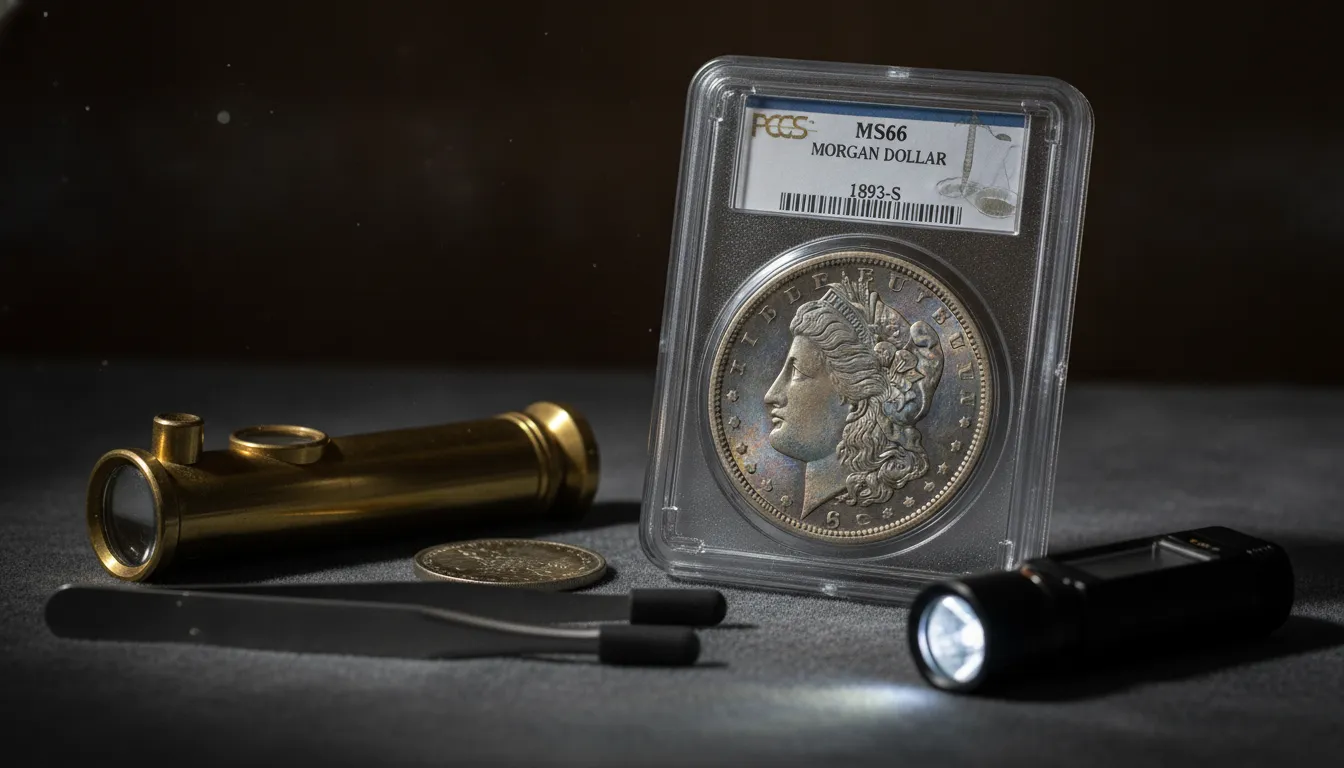
Professional coin grading directly determines what your rare coins are worth. A certified PCGS or NGC grade removes subjective negotiations and gives you a documented baseline of value that every reputable dealer recognizes. Without an independent grade, you leave thousands of dollars on the table simply because the buyer cannot verify the condition of your coins.
Professional coin grading is a vital step when you prepare to sell rare coins. The grade of a coin directly dictates its market price, turning a common piece into a highly prized rarity. Without an objective grade, trying to sell certified rare coins in Miami can lead to disagreements about what your items are worth.
How Independent Grading Builds Trust
To eliminate personal bias, serious collectors and dealers rely on third-party services. Standardized grading by the Professional Coin Grading Service (PCGS) and the Numismatic Guaranty Company (NGC) is the industry benchmark. These services assess each piece and assign a numeric grade from 1 to 70 based on preservation and wear. Standardized grading by PCGS or NGC establishes clear liquidity and trust between buyers and sellers.
Removing Subjectivity From Your Sale
Determining the condition of a coin can be highly subjective. Professional grading is often the standard for selling rare coins because it removes the subjectivity of condition from the negotiation. A certified coin has a defined grade, which gives you a clear baseline of value. This certification helps you feel confident that you are getting a fair, market-based offer when you meet with a Miami rare coin dealer to sell rare coins Miami.
The Premium Value of Provenance
Beyond the coin itself, documentation plays a key role in the final price you receive. Documenting a collection's history and provenance is especially important for rare coins, as this can add to their value beyond the base metal and rarity. Knowing the history and origin of a piece can often add premium value that simple metal weight cannot match. Keeping original certificates and holder labels intact ensures you capture this extra margin when you sell your collection.
Documentation That Adds Value to Your Coins
Bringing organized documentation to your appointment can increase the offer you receive. Receipts, certificates of authenticity, and provenance records prove the history and legitimacy of each piece, which reduces risk for the buyer and commands a premium. A neatly organized inventory also signals that you are a serious collector who expects serious offers.
When you prepare to sell high-grade numismatic coins, bringing more than just the coins can make a big difference in your final offer. Having organized records does more than show you are a serious collector. According to Park Avenue Numismatics, neat files raise the perceived value of your coins. They show that you took good care of the items and help build trust with a buyer during a sale.
Collect Your Purchase Receipts and Certificates
Keep every receipt from when you first bought your coins. Receipts prove what you paid and show where the coins came from. Original certificates of authenticity are also very helpful. These papers prove that the items are real and match their descriptions. When you have these files ready, a local buyer can verify the history of your items much faster.
The Power of Verified Provenance
Provenance is the documented history of who owned a coin in the past. For rare items, knowing the origin can add premium value well beyond the base metal and rarity. In fact, keeping a clear record of a coin's past owners is one of the best ways to get a higher price. Provenance turns a simple coin into a piece of history with a verified story that collectors love.
Keep a Neat Inventory and Appraisal List
A simple list of your coins helps you keep track of what you own. Write down the year, mint mark, metal content, and estimated grade of each item. If you had the coins appraised in the past, keep those papers too. A neat inventory makes your collection look professional. It shows the dealer that you know the value of your assets and makes the entire appraisal process smooth.
How to Find a Reputable Rare Coin Dealer in Miami
Finding a trustworthy buyer to sell rare coins Miami collectors recommend starts with three checks: a physical storefront. Active memberships in the American Numismatic Association or Florida United Numismatists, and transparent appraisal practices. A dealer with 38-plus years in business, an A+ BBB rating, and over $1 billion in transactions has the track record to back up their offers.
When you want to find a buyer for your collection, choosing the right business is critical. You must find an expert who understands both the local market and national standards. The Miami numismatic scene has a deep history dating back to the mid-20th century. This has helped build a strong network of trusted professionals for collectors, according to historical archives at the Gables Stamp and Coin history. When you evaluate local shops, look for specific trust signals to ensure a secure transaction.
Check for a Physical Storefront
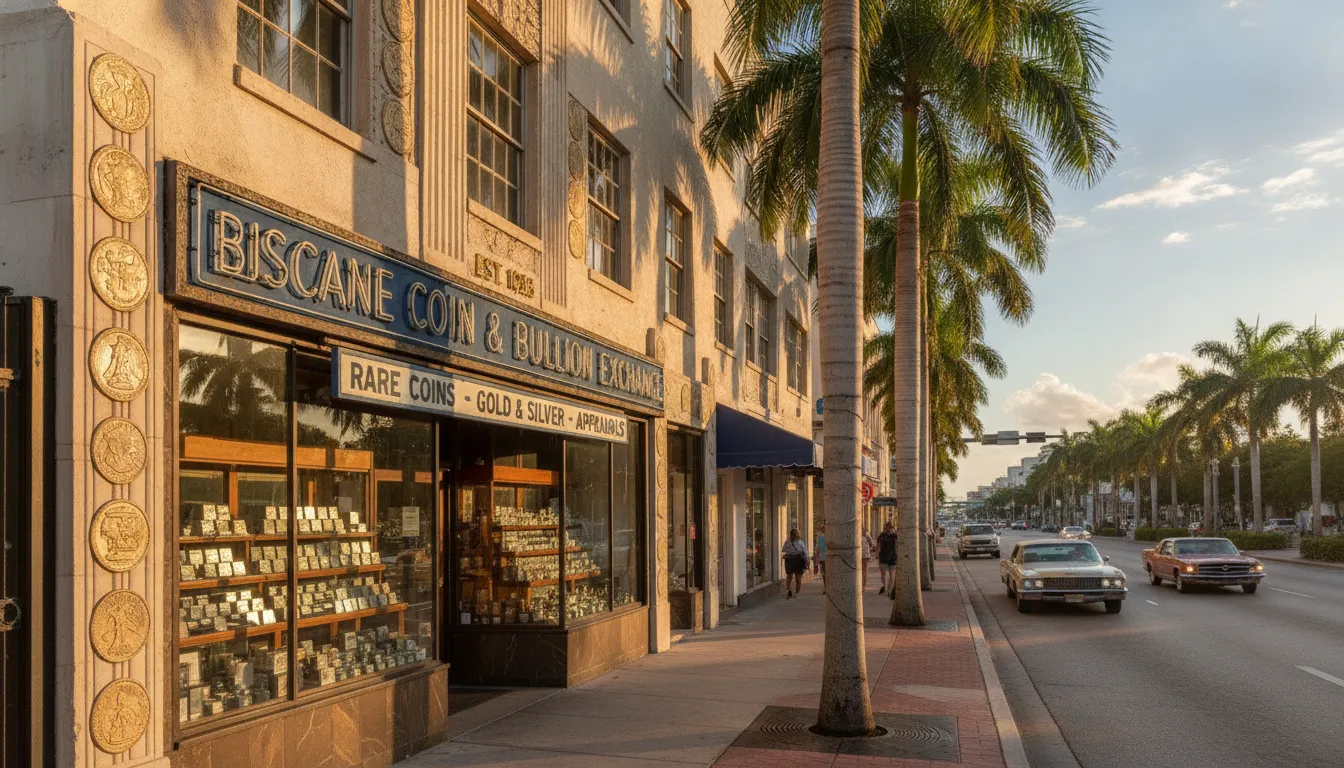
Physical storefront: You should verify a dealer has a permanent, physical shop in the community before you do business. Dealers with a real office or retail store are more accountable to local clients than online-only or temporary operations, as noted by Park Avenue Numismatics. This is why our team has maintained a physical office for 38 years at our Biscayne Blvd location in Miami, building trust through face-to-face service.
Verify Industry Memberships and Community Links
Professional credentials: A reputable coin dealer in Miami will hold active memberships in top industry groups. Membership in the American Numismatic Association (ANA) is a key hallmark of a professional dealer who follows a strict code of ethics. You should also check if the dealer participates in local coin groups. For example, top local experts often support the Miami Coin Club or participate in regional Florida United Numismatists (FUN) events. Which have roots in the area dating back to 1955, as documented by the Numismatic Network Portal.
Look for Local Niche Expertise
Regional specialization: Miami coin shops often focus on both local walk-in clients and collectors who want specific regional items. Due to the diverse demographic makeup of South Florida, local dealers frequently have deep expertise in Latin American and Cuban coins and paper money, according to Gables Coin and Stamp research. If your collection has Spanish colonial silver escudos or rare Cuban pesos, a local expert will know how to value these items correctly.
Insist on Appraisal Transparency
Appraisal process: A trustworthy dealer will offer clear, professional coin appraisal services. They should walk you through their process and explain how they determine the value of your items based on rarity, grade, and current demand, as noted in the Gables Coin and Stamp overview. To protect yourself, always get multiple appraisals from different reputable local shops, which helps you verify you are getting a fair market price. At Park Avenue Numismatics, we have completed over $1 billion in trusted transactions and maintain an A+ rating with the Better Business Bureau. Proving our commitment to fair and honest coin deals.
What to Watch Out For When Selling Rare Coins
Protect yourself from common coin-selling pitfalls by watching for unsolicited buy offers, high-pressure sales tactics, bait-and-switch pricing, and hidden fee structures. Reputable dealers explain their appraisal process openly and give you time to make a decision. If a buyer rushes you or refuses to put their offer in writing, that is a red flag to walk away.
Selling your collectibles is a major decision that needs close care. You must learn the red flags of bad deals before you try to sell your rare coins in Miami. Knowing what to avoid will help you protect your assets and get a fair deal.
Unsolicited Contact and Pushy Sales
Unsolicited offers: Be wary of random emails, phone calls, or flyers that try to buy your collection. The Commodity Futures Trading Commission warns that these random contacts are common tricks used by bad actors. High-pressure sales tricks are a major warning sign. Rushed decisions: You should never feel rushed or forced to make a fast choice. A real buyer will give you the time you need to think. If a dealer claims you must act right now because of a shifting market, you should walk away.
Shady Offers and Hidden Processes
Bait-and-switch deals: Some buyers make offers that seem too good to be true. They quote a high price online or over the phone to get you in the door, but then they lower the price when you meet. This is a common trick used to buy high-value items for cheap. Hidden appraisal details: You should avoid dealers who refuse to explain how they value your coins. A reputable Miami rare coin dealer will explain their process in detail. They should show you how they grade each piece and how they find its market value.
High Fees and No Fiduciary Duty
No fiduciary duty: Keep in mind that coin salespeople do not have a legal duty to act in your best interest. They are there to buy low and sell high. Unlike financial advisors, they have no duty to help you make the best choice for your personal wealth. High markups and low liquidity: Collectible coins have higher markups than raw gold or silver bullion. They are also much harder to sell fast, which means you may need to search for the right buyer to avoid a big loss on your investment.
Auction vs. Direct Sale: Which Is Right for You?
Auctions can drive up the price for ultra-rare pieces but take months and charge seller fees. Direct sales to a reputable dealer provide immediate payment, guaranteed offers, and no commissions. If you need speed and certainty, a direct sale to an established Miami dealer is typically the better path for most collections.
When you want to sell individual rare coins or bulk collections, you must choose the right sales path. The two main ways to sell your collection are public auctions and direct sales to a dealer. Each path has distinct benefits depending on your goals, your timeline, and the specific coins you own.
How public auctions work
Auctions can help you find specialized buyers for highly rare items. If your coin is a unique piece of history, collectors may bid against each other, which can drive the final price up. However, rare coins often require finding another collector who values them equally to avoid selling at a significant loss, as noted by the U.S. Commodity Futures Trading Commission. Auctions also take time to schedule, promote, and settle, and they require you to pay seller fees.
How direct sales work
A direct sale to a reputable coin dealer offers speed and certainty. You get a firm price offer immediately, and you receive payment right away. This is especially true for bullion items. Which are generally more liquid than rare coins because they are priced closely to the market spot price of the metal, as documented by Park Avenue Numismatics. If you need a fast and secure transaction without waiting months for an auction to close, a direct sale is often the best choice.
Comparing your sales options
To help you decide which path fits your specific collection, you should compare the key factors of each method. The table below outlines how auctions and direct sales differ across speed, pricing, and fees.
| Factor | Auction | Direct Sale |
|---|---|---|
| Speed | Slow (takes several months) | Immediate (completed same day) |
| Price Potential | High for unique rarities | Fair market value based on current spot and grade |
| Fees/Commissions | High seller fees and buyer premiums | No hidden fees or commissions |
| Minimum Collection Size | Often requires high-value lots | Accepts single items or large collections |
| Buyer Certainty | No guarantee the coin will sell | Guaranteed offer from the dealer |
Before you make a final decision, you should ask about the buy/sell commission structure of any dealer you consult. Knowing the exact terms upfront helps you protect your investment. The Park Avenue Account Specialists can help you look at your items and decide which path fits your goals best.
Selling Individual Rarities vs. Bulk Collections
High-value single coins require targeted marketing to specialized collectors who pay for specific dates and grades, while bulk collections sell faster through a single dealer transaction. The key to maximizing your payout in either scenario is obtaining multiple professional appraisals before committing to any offer. This step protects you from lowball offers and confirms fair market value.
When you prepare to sell a rare coin collection in Miami, the size and nature of your holdings will shape your strategy. High-value pieces and large accumulations require different sales methods. Your choice will affect how you market the items, how long the sale takes, and the final price you receive.
How to Handle High-Value Single Coins
Single rare coins of high value appeal to specialized collectors who want specific dates or grades. To get the best price for these items, you must target the right buyer. Finding a collector who values the coin as much as you do prevents you from having to sell at a major loss. This risk of selling too low is well documented by federal agencies like the U.S. Commodity Futures Trading Commission.
For these individual rarities, you should focus on:
- Individual Rarities: You market each coin on its own merits, emphasizing its grade, history, and physical appeal.
- Targeted Placement: You present the coin to specific collectors or specialized dealers who focus on that series.
Why Bulk Collections Need a Different Approach
A bulk collection often consists of many common-date coins, lower-grade items, or bullion pieces. While individual rarities attract collectors, bulk lots appeal more to dealers looking for inventory. Dealers can buy the whole lot at once, which saves you the time of selling coins one by one.
To get a fair and profitable result, follow two key practices:
- Multiple Appraisals: You should get appraisals from more than one dealer to establish a clear baseline of fair market value. This step is a standard recommendation from Park Avenue Numismatics to help you avoid low offers.
- Fee Structures: You must ask about the dealer's buy and sell commission structure before you sign any paperwork. This fee directly affects the final payout you will receive for your coins.
Frequently Asked Questions
Where can I sell rare coins in Miami?
You can sell rare coins in Miami at established local shops with physical storefronts. Reputable dealers often have memberships in groups like the American Numismatic Association. If you have a large collection, you can also use an insured courier to ship your assets safely to a professional buyer for a private appraisal.
Are rare coin dealers in Miami reputable?
Most long-standing rare coin dealers in Miami are highly reputable, but you must still verify their credentials. Look for a physical office, positive local reviews, and active participation in groups like the Miami Coin Club. According to the CFTC, you should avoid salespeople who use high-pressure tactics or make unsolicited offers.
What is the best way to appraise rare coins before selling in Miami?
The best way to appraise your coins is to get professional grading from independent services like the PCGS or NGC. This step removes bias from negotiations. You should then obtain multiple appraisals from local Miami experts to understand fair market value. Never clean your coins before these appraisals, as cleaning can permanently damage the surface and reduce the value of your collection.
How do I choose between auction and direct sale for my rare coins?
Choose an auction if you own an ultra-rare piece that could attract competitive bidding from specialized collectors. Choose a direct sale if you need immediate payment, want to avoid seller fees, or have a collection of common-date coins. Direct sales offer guaranteed offers and same-day payment, while auctions may take months and carry no guarantee that your items will sell.
What documentation should I bring when selling rare coins?
Bring every purchase receipt, certificate of authenticity, provenance records, and any prior appraisal reports you have. This documentation proves the authenticity and history of your coins, which helps the buyer verify their value and often leads to a higher offer. A neatly organized inventory of your collection also signals that you are a serious seller.
Ready to Sell Your Rare Coin Collection in Miami?
You now have the knowledge you need to sell rare coins Miami collectors and dealers will pay top dollar for. From preparing your inventory to choosing between auction and direct sale, every step you take to organize and educate yourself puts you in a stronger negotiating position. The most important decision you will make is choosing the right buyer for your collection.
Park Avenue Numismatics has served the Miami community for 38 years from our Biscayne Blvd location, completing over $1 billion in trusted transactions with an A+ BBB rating. Our Park Avenue Account Specialists provide transparent, professional appraisals and same-day payment for rare coins and collections of every size.
Call 1-888-419-7136 today to schedule a private consultation and get a fair, same-day cash offer for your rare coin collection.





