
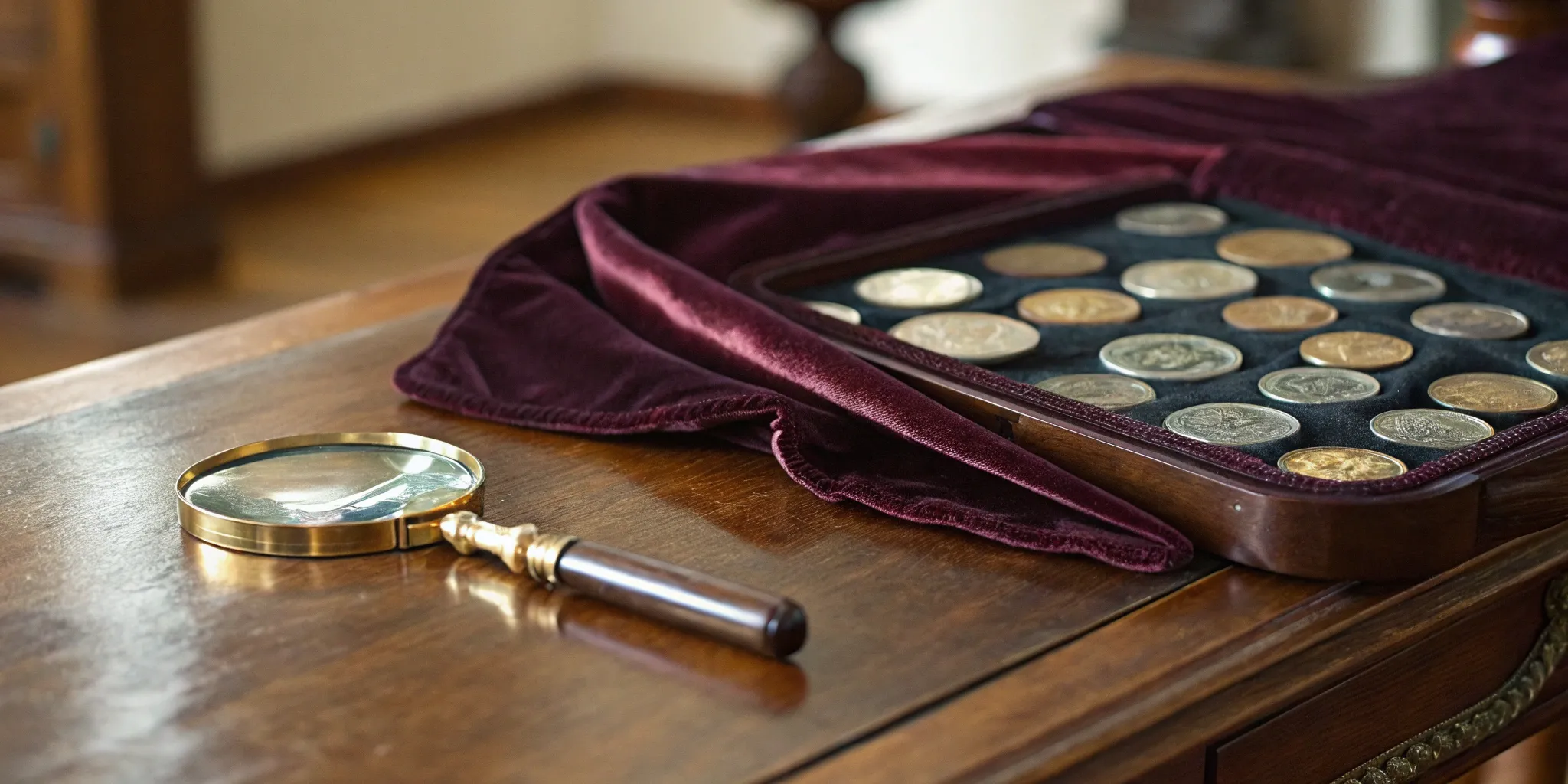
 The path you take to sell your coins should match the collection you’ve built. Selling a portfolio of modern gold bullion is a very different process from finding a new home for a rare, graded Morgan dollar. One transaction is about market price and efficiency, while the other is about finding a buyer who appreciates rarity and historical significance. There is no single best place to sell coins online for cash; there is only the best place for you. We’ll compare the different types of buyers, from auction houses to specialized dealers, so you can make an informed choice that honors your collection and meets your financial goals.
Key Takeaways
- Know What You Have Before You Sell: Don't mistake a coin's collectible value for its simple metal price. Rarity, condition, and historical importance can make a coin worth far more than its weight in gold or silver, which is why a professional appraisal is your most important first step.
- Smart Prep Maximizes Your Return: Your final profit is shaped by the work you do upfront. Research recent sales, get multiple offers, and take clear photos. Most importantly, never clean your coins—the natural patina is part of their value, and cleaning can permanently destroy it.
- Choose Your Buyer Wisely: The partner you sell to dictates the entire experience. A reputable dealer offers a secure, transparent process with a clear offer, protecting you from the hidden fees, potential scams, and extra work that can come with large auction sites or private sales.
Where Are the Best Places to Sell Coins Online?
Finding the right buyer for your coins depends on what you're selling and what you value most in a transaction. Are you looking for a quick sale, the highest possible price for a rare piece, or expert guidance through the process? Each platform offers a different experience. Some connect you directly with experts who handle everything, while others put you in the driver's seat. Let's look at some of the most reputable places to sell your coins online so you can choose the one that best fits your collection and your goals.
Park Avenue Numismatics
For serious collectors and investors, working with a premier dealer is often the best path. With over 35 years of experience, we at Park Avenue Numismatics provide a level of expertise and trust that you won't find on auction sites. We specialize in rare US and world coins and precious metals, offering fair, market-driven prices based on deep industry knowledge. Our process is private, secure, and tailored to your needs, whether you're selling a single key-date coin or diversifying a large portfolio. We build long-term relationships with our clients, ensuring you receive the guidance and value your collection deserves. You can learn more about our commitment to collectors and investors.
CashForCoins.net
If you're looking for a straightforward and fast transaction, CashForCoins.net is a solid option. They buy a wide range of items, including gold, silver, rare coins, and bullion. Their model is built around convenience; you can get an instant cash offer directly from their website by entering your coin's details. They state that by operating primarily online without many physical storefronts, they can pass savings on to you in the form of better prices. This platform is best suited for those who want a quick, no-fuss sale for more common coins and bullion without a lengthy consignment or auction process.
Coinappraiser.com
If your first question is, "What are my coins actually worth?" then Coinappraiser.com is a great place to start. Their primary service is helping you understand the value of your old and rare US coins. They provide detailed guides with photos and prices, but their real strength is offering direct access to their coin experts. You can talk with them to get honest, straightforward answers about your collection's value. They are also active buyers, so if you like the appraisal and want to sell, you can often complete the transaction directly with them, making it a seamless process from valuation to payment.
Coinfully
Coinfully aims to make the selling process as simple as possible, especially for those new to selling a collection. Their approach is broken down into three easy steps: submit photos of your coins, receive a free appraisal and a market-leading offer, and then ship your collection to get paid. This model removes much of the guesswork and legwork involved in selling. They promise a fair price without the complexities of an auction or the need for extensive prior knowledge. It’s a user-friendly option for anyone who values a guided, transparent selling experience and wants to ensure they get a competitive offer.
eBay and Other Auction Sites
Auction platforms like eBay give you access to a massive global audience of potential buyers. This can create a competitive bidding environment that might drive up the price of a particularly desirable coin. However, this route requires more hands-on effort. You are responsible for taking high-quality photos, writing compelling descriptions, and managing shipping and customer service. You'll also need to factor in platform fees, which can cut into your final profit. While you can reach many people, you'll also be dealing with a wide range of buyers, from casual hobbyists to serious collectors, which can present its own set of challenges.
Local Dealers with an Online Presence
Many trusted local coin shops now offer robust online services, giving you the best of both worlds. You get the expertise and personal relationship of a local dealer combined with the convenience of an online transaction. This can be an excellent option if you want to support a local business or prefer the idea of having a physical point of contact you can visit or call. A great way to find a reputable local dealer is by checking the Professional Numismatists Guild directory, which lists vetted members who adhere to a strict code of ethics.
How to Sell Your Coins Online: A Step-by-Step Guide
Selling your coins online can feel like a big undertaking, but breaking it down into manageable steps makes the process straightforward. Following a clear plan helps you stay organized, protect your assets, and ensure you get the best possible price for your collection. From getting an accurate valuation to finalizing a secure payment, here’s how to approach selling your coins with confidence.
Get Your Coins Appraised
Before you can sell your coins, you need to know what they’re worth. An expert appraisal is the most important first step, as it gives you a realistic understanding of your coin's value based on its condition, rarity, and market demand. While online price guides can offer a starting point, a professional numismatist can provide a much more accurate assessment. Working with a trusted dealer for an expert appraisal ensures you have the precise information needed to negotiate a fair price. This knowledge empowers you and prevents you from accepting a lowball offer or pricing your collection out of the market.
Submit Details and Photos
Once you have an idea of your coin's value, it's time to present it to potential buyers. High-quality photographs are non-negotiable. Take clear, well-lit pictures of both the front (obverse) and back (reverse) of each coin, capturing as much detail as possible. Be sure to include any relevant information you have, such as the coin's year, mint mark, and any grading documentation. Reputable buyers have streamlined processes for submitting this information, often through a secure online portal or direct email. Providing comprehensive details from the start helps dealers give you a prompt and accurate preliminary offer.
Receive and Evaluate Offers
After submitting your coin’s details, you’ll begin to receive offers. It’s wise to get more than one quote, but remember that the highest offer isn’t always the best one. Consider the buyer's reputation, transparency, and customer service. A trustworthy dealer will explain their offer and answer any questions you have about the valuation. They should be able to point to their experience with similar rare coins for sale to justify their pricing. Take your time to evaluate each offer carefully and choose a buyer who makes you feel comfortable and respected throughout the process.
Understand Shipping and Payment
Logistics are a critical part of the sale. Before you agree to anything, make sure you have a clear understanding of the shipping and payment procedures. A professional coin dealer will provide detailed instructions for securely packaging and shipping your items, almost always requiring insured transit to protect against loss or damage. They should also be transparent about their payment timeline and methods, whether it’s a bank wire, check, or another form of payment. Never ship your coins without confirming these details and having a signed agreement in place.
Ensure a Secure Transaction
Your security should be the top priority. To protect yourself and your assets, only work with licensed and reputable dealers who have a long history of ethical business practices. Look for credentials like an A+ rating from the Better Business Bureau and memberships in industry organizations like the Professional Numismatists Guild (PNG). A dealer with decades of experience, like the team at Park Avenue Numismatics, has a proven track record of handling transactions securely and professionally. Choosing a well-established buyer provides peace of mind and ensures you receive fair and prompt payment for your valuable coins.
What Determines Your Coin's Value?
Figuring out what your coins are worth involves looking at several key factors. It’s rarely as simple as just the age or the type of metal. The true value of a coin is a blend of its history, physical condition, rarity, and current market interest. A common gold coin might be valued based on its weight, while a rare, historically significant piece could be worth thousands of times its intrinsic metal value.
Understanding these elements is the first step toward getting a fair price for your collection. Each factor plays a distinct role, and their interplay ultimately sets the market price. Whether you have a single inherited coin or an extensive collection, knowing what makes a coin valuable will help you make informed decisions. Let’s break down the five main components that professional numismatists use to determine a coin's worth.
Rarity and Historical Significance
A coin's rarity is one of the most significant drivers of its value. Simply put, the fewer there are of a particular coin, the more collectors are willing to pay for it. Rarity can be due to low initial mintage numbers, a high number of coins being melted down over the years, or unique characteristics like minting errors. Beyond just numbers, a coin’s connection to a specific historical event or period can make it highly desirable. For example, coins minted during a short-lived republic or to commemorate a specific battle carry a story that adds to their appeal. This is where you’ll find some of the most sought-after rare coins for sale.
Condition and Grade
The physical condition of a coin is critical. A coin that has been well-preserved, showing little to no wear, will always command a higher price than a heavily circulated one. Experts use a formal grading scale, typically from 1 to 70, to assess a coin's condition. A grade of 70 represents a perfect, flawless coin. Even a single point difference in grade can mean a substantial change in value, especially for rare coins. This is why it’s crucial to handle your coins carefully and never, ever clean them. Cleaning can leave microscopic scratches and remove the natural patina, which can drastically reduce a coin's grade and value.
Current Precious Metal Prices
For many coins, especially modern bullion, the value is closely tied to the current market price of the precious metal it contains. This is often called the "spot price" or "melt value." The prices of gold bullion and silver, for instance, fluctuate throughout the day based on global market activity. If you are selling coins that are not particularly rare or historically significant, their value will largely be determined by their weight and the current spot price of the metal. It’s always a good idea to check the current prices before you decide to sell so you have a baseline for what to expect.
Market Demand
Like any other collectible, the value of a coin is influenced by supply and demand. A coin might be rare, but if there are very few collectors actively seeking it, the price may not be as high as you'd expect. Conversely, some coin series are incredibly popular, and high demand can drive prices up even for more common dates within that series. Collector trends can shift over time, so what’s popular today might be different a decade from now. An experienced dealer understands these market dynamics and can provide insight into which coins are currently in high demand.
Bullion vs. Collectible Value
One of the most important distinctions to understand is the difference between bullion value and numismatic (or collectible) value. Bullion value is the base value of the coin’s precious metal content. Numismatic value is any additional value a coin has due to its rarity, condition, and demand from collectors. Confusing the two is a costly mistake. A rare 19th-century gold coin, for example, is worth far more than just its weight in gold because of its numismatic value. Recognizing this difference is key to ensuring you receive a fair price, which is why working with experts who understand both is so important.
Understanding the Costs of Selling Coins Online
Selling your coins online involves more than just finding a buyer and agreeing on a price. Several costs can chip away at your final profit, and understanding them upfront is key to a successful sale. From platform commissions to shipping insurance, each expense plays a role in determining how much cash you actually receive. These aren't just minor details; they can significantly impact your bottom line. Let's walk through the main costs you should anticipate so you can choose the selling method that best protects your investment and puts the most money back in your pocket.
Platform Commissions and Fees
When you sell through online marketplaces or auction sites, you’re essentially paying rent for access to their large audience. Platforms like eBay charge a final value fee, which is a percentage of the total sale amount, including shipping. On top of that, payment processors like PayPal or Venmo take their own cut. These percentages can add up quickly, especially on high-value coins, leaving you with a much smaller profit than you expected. When you work directly with a premier dealer, the offer you receive is typically straightforward, without the surprise of multiple third-party fees being deducted after the sale.
Shipping and Insurance Costs
You can’t just drop a valuable coin in a standard envelope and hope for the best. Safely shipping your collection requires careful packaging, reliable carriers, and, most importantly, insurance. For high-value items, this insurance is non-negotiable and protects both you and the buyer from loss or damage during transit. Reputable dealers have established, secure shipping protocols, often using specialized insurance from providers like Lloyd's of London. This process ensures your assets are protected from the moment they leave your hands, a level of security that provides essential peace of mind and is difficult to replicate on your own.
Appraisal and Authentication Charges
Before you can sell a coin, you need to know its true worth. Skipping a professional appraisal is one of the biggest mistakes you can make, as you might accidentally accept an offer far below your coin's actual market value. While some independent services charge for appraisal and authentication, many established dealers include a thorough evaluation as part of their buying process at no direct cost to you. This expert assessment ensures you receive a fair offer based on the coin's rarity, grade, and historical significance, which is the foundation of any trustworthy and transparent transaction.
Payment Processing Fees
Finally, consider how you’ll get paid. If you handle the transaction yourself on a peer-to-peer platform, payment processing services will charge a fee, which can be a flat rate or a percentage of the total sale. It’s also critical to be clear on what you’re selling. A common and costly error is confusing a coin’s bullion value—the worth of its precious metal content—with its numismatic value. An expert can help you understand this distinction, ensuring you don’t accidentally sell a rare, valuable collectible coin for its simple melt price.
How to Maximize Your Profit and Avoid Common Mistakes
Selling your coin collection can be an incredibly rewarding experience, but it’s also a process where details matter. A few common missteps can significantly impact your final profit. The key to a successful sale is a combination of preparation, research, and partnering with the right people. By understanding the market and knowing what to look for in a buyer, you can protect yourself from lowball offers and scams. The following tips will help you present your collection in the best light, understand its true worth, and find a buyer you can trust. These steps are designed to give you confidence and control over the selling process, ensuring you get the best possible return for your valuable assets.
Research Current Market Values
Before you even think about selling, you need a solid understanding of what your coins are worth. One of the biggest mistakes sellers make is confusing a coin's bullion value with its numismatic, or collectible, value. The bullion value is based on the spot price of the precious metal content, like the daily price of gold bullion. The numismatic value, however, can be much higher and is determined by rarity, condition, and demand from collectors. Accepting an offer based only on melt value for a rare coin could mean leaving a significant amount of money on the table. Spend time researching recent sales of similar coins to get a realistic idea of the current market.
Get Multiple Offers Before Selling
You wouldn't sell your house after getting just one offer, and the same principle applies to valuable coins. To ensure you receive a fair price, it’s smart to get offers from several different buyers. This process gives you a clear picture of the market range for your specific coins and helps you identify any offers that are unusually low. Don't rush into the first offer you receive. Taking the time to gather a few quotes from reputable dealers puts you in a much stronger negotiating position. It’s the best way to confirm you’re getting a competitive price that reflects your coin’s true value.
A Word of Warning: Don't Clean Your Coins
It might seem counterintuitive, but you should never, ever clean your coins. That natural toning or patina that develops over time is part of the coin's history and character, and collectors value it. Attempting to polish or scrub a coin can create tiny, abrasive scratches on its surface, which can drastically reduce its grade and overall worth. Even a gentle cleaning can strip away the patina that authenticates its age. Professional numismatists can immediately spot a cleaned coin, and it’s almost always a dealbreaker. It’s far better to leave your coins in their original, untouched state to preserve their value and appeal to serious buyers.
Spot Scams and Red Flags
When you sell online, it’s important to be vigilant. Large auction sites can sometimes be home to unscrupulous sellers and buyers. Be cautious of anyone who pressures you to make a quick decision, offers a price that seems too good to be true, or uses vague language about payment and shipping. A common red flag is a buyer who is unwilling to provide clear credentials or references. Always trust your gut. If a deal feels off, it probably is. Working with established dealers who have a long history of transparent and fair practices is the surest way to protect yourself from potential scams and ensure a smooth transaction.
Take High-Quality Photos
If you’re selling your coins online, your photos are your storefront. Clear, high-quality images are absolutely essential for attracting serious buyers and getting the best price. Use a simple, neutral background and good lighting to capture both the front (obverse) and back (reverse) of the coin. Make sure the photos are in sharp focus so potential buyers can see important details like the date, mint mark, and the coin's overall condition. Good photography builds trust and shows that you are a serious seller. It allows experts to make a more accurate initial assessment and can significantly speed up the appraisal and offer process.
Choose a Reputable Buyer
Ultimately, the success of your sale comes down to who you choose to sell to. Look for a buyer with a long-standing reputation, verifiable credentials, and positive reviews from other sellers. A reputable dealer will be transparent about their process, provide a fair appraisal, and answer all of your questions without pressure. Check for affiliations with professional organizations and look for credentials like an A+ rating from the Better Business Bureau. Choosing a trusted industry leader not only ensures you’ll get a fair price but also guarantees a secure and professional transaction from start to finish.
Choosing the Right Selling Method for Your Collection
Once you have a good sense of what your coins are worth, the next step is deciding on the best way to sell them. There isn't a single "right" answer—the ideal method depends entirely on your collection and your personal goals. Are you looking for a quick, straightforward transaction, or are you willing to wait for the highest possible offer? Are you selling a few individual pieces or an entire curated collection passed down through generations? Understanding the different paths you can take is key to a successful and profitable sale.
The strategy for selling a portfolio of gold bullion will be very different from liquidating a set of graded Morgan dollars. One is valued based on its weight and purity, while the other’s value is tied to its rarity and condition. Thinking through these factors will help you partner with the right buyer and choose a selling process that aligns with your expectations. Let’s walk through the main options to help you determine the perfect fit for your coins.
Quick Cash Sale vs. Auction
Your primary decision often comes down to speed versus potential profit. A quick cash sale involves getting a direct offer from a dealer. This is the fastest and most straightforward route. You present your coins, receive an offer, and if you accept, you get paid promptly. This method is ideal if you value certainty and convenience or need immediate liquidity.
Auctions, on the other hand, can sometimes yield a higher price, especially for exceptionally rare or in-demand coins. However, this path requires more patience. The auction process takes time, from consignment to the final sale, and the outcome isn't guaranteed. You’ll also have to factor in auction house commissions and fees, which can be significant.
Individual Coins vs. a Full Collection
If you have a large collection, you might wonder whether to sell it as a single lot or piece by piece. Selling individual coins can maximize your return on specific high-value items, but it requires more time and effort to manage multiple sales. It’s a good approach if you have a few standout coins and are willing to handle the logistics.
Selling your collection as a whole is far more convenient. A reputable dealer can evaluate the entire set and make a single, comprehensive offer. This is an excellent option if the collection is cohesive or if you prefer a simpler, one-and-done transaction. An experienced numismatist can also help you identify which pieces might be better to sell individually versus as part of the larger group.
Rare Collectibles vs. Bullion
It is absolutely critical to understand the difference between collectible coins and bullion. Confusing the two is one of the most costly mistakes a seller can make. The value of bullion coins, like a Gold American Eagle, is tied almost exclusively to the current market price of their precious metal content.
In contrast, the value of a rare, collectible coin is based on its numismatic merit—its rarity, historical importance, condition, and collector demand. This value can be many times greater than its base metal worth. Never accept a bullion-based offer for a coin that has significant collectible value. This is where a professional appraisal is essential to ensure you’re being compensated for the coin’s true market price.
The Value of Building a Relationship with a Trusted Dealer
Beyond a single transaction, consider the long-term benefits of finding a dealer you can trust. A great dealer does more than just buy your coins; they act as a guide and an educator. They can offer insights into market trends, help you understand the nuances of your collection, and provide honest advice on when and how to sell for the best results.
Building this kind of relationship provides peace of mind. You know you have a reliable partner who will treat you fairly and help you make informed decisions, whether you’re buying or selling. A dealer who is invested in your success as a collector is an invaluable asset, turning what could be a stressful process into a rewarding one.
Related Articles
- Sell Gold Coins in Miami, FL | Park Avenue Numismatics
- Buy & Sell Rare Silver Coins Online | Silver Coins for Sale
- Sell Rare Coins in Miami, FL | Park Avenue Numismatics
- Sell Silver Dollars in Miami, FL | Park Avenue Numismatics
- Buy & Sell Rare Coins and Precious Metals Online | Rare Coins For Sale
Frequently Asked Questions
What's the first step I should take if I've inherited a coin collection and have no idea what it's worth? The best place to start is with a professional appraisal. Trying to research values on your own can be overwhelming and often misleading without the right context. An expert can quickly help you understand what you have, separating the common bullion pieces from potentially valuable rare coins. This initial assessment gives you a clear, realistic foundation and prevents you from making uninformed decisions about your collection.
How can I tell if my coin's value is in its metal content or its rarity as a collectible? This is a crucial distinction. A coin's value is tied to its metal content, or bullion value, if it's a common-date coin primarily bought and sold for its weight in gold or silver. A coin has numismatic, or collectible, value when factors like rarity, historical significance, and condition make it worth more than its base metal. A professional numismatist is the best person to make this determination, as they understand the market demand and historical context that gives a coin its collectible value.
Is it better to sell my collection all at once or piece by piece? This really depends on the makeup of your collection. If you have a few standout, high-value coins, selling them individually might bring the best return. However, for a large or cohesive collection, selling it as a single lot to a reputable dealer is often more efficient and can result in a strong overall offer. A trustworthy expert can review your entire collection and advise you on the best strategy for your specific coins.
Why would I sell to a dealer instead of using an auction site where I might get more bidders? While auction sites give you access to a large audience, that access comes with significant effort and risk. You are responsible for photography, descriptions, shipping, and dealing with potential disputes, all while paying platform and processing fees. Selling directly to a premier dealer offers a private, secure, and straightforward process. You receive a firm, fair offer from an expert, eliminating the uncertainty and hidden costs of an auction.
Besides not cleaning them, what's the single biggest mistake to avoid when selling coins? The most costly mistake is accepting the first offer you receive without doing any research. It's essential to have a baseline understanding of your coins' value and to get a few quotes from different reputable sources. Rushing the process or failing to work with a trusted professional can lead to selling a valuable piece for far less than its actual market worth. Patience and due diligence are your best tools for a successful sale.





