
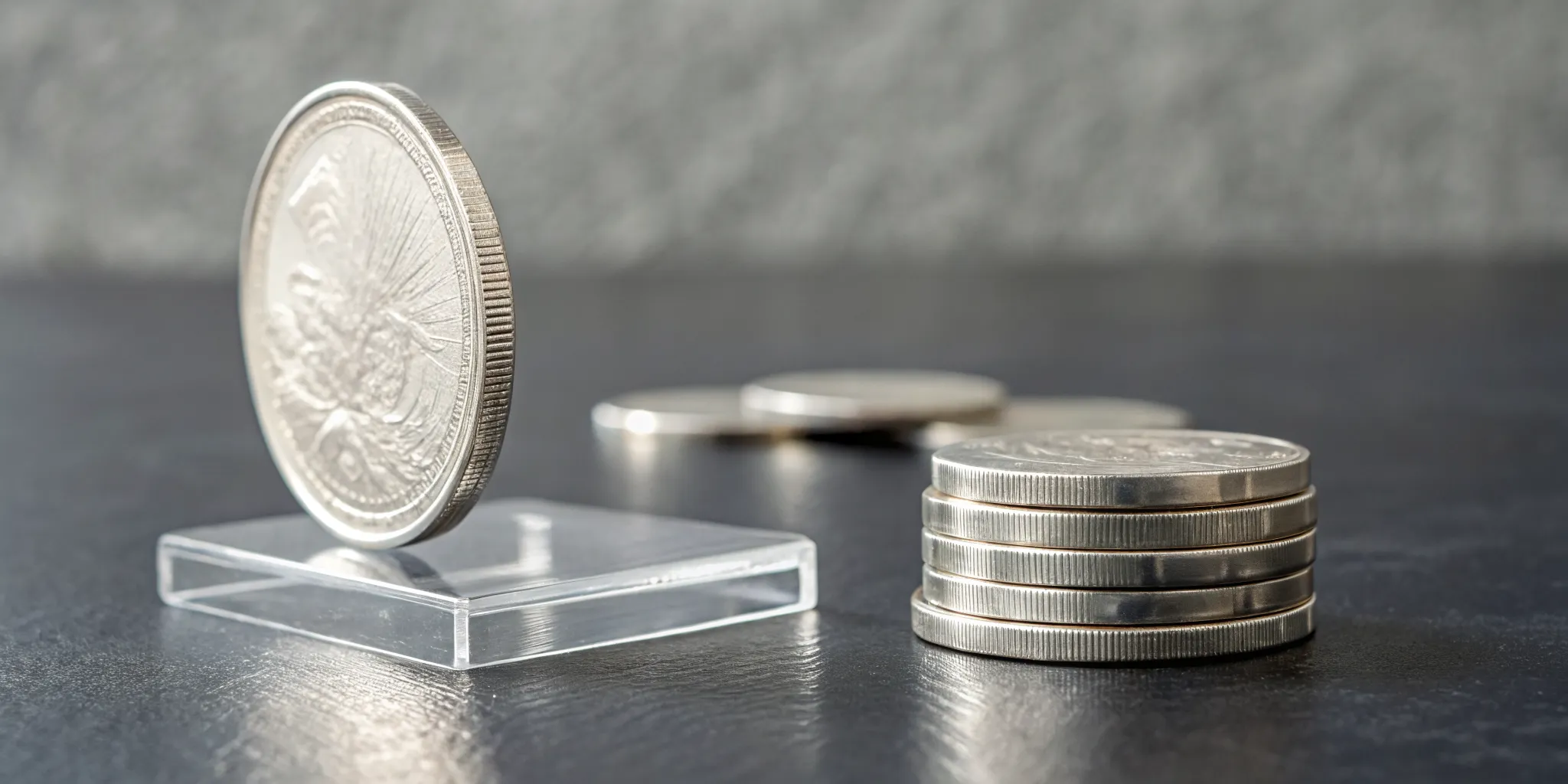
 Some coins are simply valued for their weight in metal, while others tell a story through their artistry and history. The American Platinum Eagle 1 oz coin does both. While its bullion version is a trusted investment vehicle, the proof versions are a collector’s dream, featuring annually changing designs that celebrate American ideals. This makes it one of the most dynamic and interesting series in modern numismatics. For those who appreciate both the intrinsic value of a precious metal and the craftsmanship of a beautifully struck coin, the Platinum Eagle offers a compelling journey into the world of high-end collectibles.
Key Takeaways
- Recognize Its Official Status: The American Platinum Eagle is the only platinum coin guaranteed by the U.S. government for its .9995 purity and weight. Its proof versions are especially prized by collectors because they feature unique, annually changing designs.
- Understand Its Dual Value: A Platinum Eagle's worth comes from two sources: its intrinsic metal value tied to the platinum spot price and its numismatic premium. This additional premium is based on rarity, condition, and collector demand.
- Buy with a Clear Strategy: To make a sound purchase, work with a reputable dealer, look for coins graded by PCGS or NGC for authenticity, and plan for secure storage. These coins also meet IRS purity standards, making them eligible for a precious metals IRA.
What Is the American Platinum Eagle 1 oz Coin?
The American Platinum Eagle holds a special place in the world of precious metals. As the official platinum bullion coin of the United States, it represents a unique blend of American heritage and investment-grade purity. First introduced in 1997, this coin quickly became a favorite for both serious collectors and investors looking to add a tangible asset to their portfolios. It’s not just a piece of metal; it’s a government-backed symbol of quality and value, making it a cornerstone for anyone interested in platinum bullion. Let's get into what makes this coin so distinct.
Key Coin Specifications
When you're looking at any precious metal coin, the specs are what tell you its intrinsic story. The American Platinum Eagle is struck from 99.95% pure platinum, a standard that assures its quality and value. First released by the U.S. Mint in 1997, the 1 oz version carries a face value of $100, which is the highest denomination ever assigned to a U.S. coin. While the face value is largely symbolic (its real value is tied to the platinum content), this distinction adds a fascinating layer to its identity. These specifications confirm the coin's status as a premier investment-grade asset, backed by the full faith of the U.S. government.
The Story Behind the Coin
Every great coin has an origin story, and the Platinum Eagle is no exception. The concept for the coin was born in 1995 from a collaboration between the head of the U.S. Mint, the president of the American Numismatic Association, and an executive from Platinum Guild International. Authorized by Congress, the American Platinum Eagle is guaranteed by the United States Mint for its weight, content, and purity. For collectors, the design history is particularly compelling. While the Statue of Liberty graced the obverse for two decades, the U.S. Mint began introducing new designs for both sides of the proof versions in 2018, creating an exciting annual series to follow.
Exploring the Annual Design Changes
One of the most compelling aspects of the American Platinum Eagle is its design, which sets it apart from other bullion coins. While the bullion version maintains a classic, consistent look, the proof versions offer a stunning display of evolving artistry. This commitment to annual design changes makes the proof Platinum Eagle a favorite among collectors who appreciate both its precious metal content and its numismatic story. Let’s look at what makes these designs so special and how they contribute to the coin's overall appeal.
Decoding the Obverse and Reverse Designs
Every coin has two sides: the obverse (front, or "heads") and the reverse (back, or "tails"). For the bullion Platinum Eagle, the design is constant. The obverse features John M. Mercanti’s "Liberty Looking to the Future," a striking portrait of the Statue of Liberty. The reverse, designed by Thomas D. Rogers Sr., shows a majestic eagle soaring above the sun. However, the proof versions are where the U.S. Mint truly showcases its creative flair. These are the only U.S. bullion coins that feature a new design each year, making them a unique and dynamic series to collect.
Proof vs. Bullion Versions
When you're choosing a Platinum Eagle, it's helpful to know the key difference between the bullion and proof versions. Bullion coins are produced for investors and their value is primarily tied to the spot price of platinum. Proof coins, on the other hand, are crafted for collectors. They have a special mirrored finish and are struck multiple times to create a sharp, detailed image. From 1998 to 2017, the proof Platinum Eagles featured different reverse designs annually. Since 2018, the U.S. Mint has introduced new series where both the obverse and reverse designs change, adding another layer of collectible interest to these beautiful platinum coins.
Why Limited Mintage Matters
In the world of coin collecting, scarcity is a key driver of value. The U.S. Mint produces Platinum Eagles in much smaller quantities compared to their gold and silver counterparts. This limited mintage, especially for the proof versions, is a significant factor in their appeal. When fewer coins of a particular design are available, they naturally become more sought after by collectors and investors. This rarity can create a numismatic premium, meaning the coin’s market value can be higher than its base platinum content. With over 35 years of experience, our team at Park Avenue Numismatics can help you find these sought-after coins and understand their long-term potential. You can learn more about our expertise and commitment to quality.
How to Value a 1 oz Platinum Eagle
Figuring out the value of your 1 oz Platinum Eagle isn't as simple as checking a price tag. Its worth is a blend of the raw metal's value and its appeal as a minted coin. To get an accurate picture, you need to look at three main factors: the current market price of platinum, the premium added by the mint and dealers, and how the coin stacks up against other platinum options. Understanding these elements will help you know exactly what you're holding and what it’s truly worth.
How Platinum's Spot Price Drives Value
The foundation of your Platinum Eagle's value is its metal content. The coin contains one troy ounce of .9995 fine platinum, so its baseline price is tied directly to the platinum "spot price." Think of the spot price as the live market rate for platinum, which changes constantly based on global supply and demand. This melt value is the starting point for any valuation.
Because the spot price is always in motion, the base value of your coin can shift from one minute to the next. While this price is the largest component of the coin's value, it’s not the full story. The final price you’ll pay or receive also includes a premium, which accounts for the coin’s status as a finished, government-backed product, not just a lump of metal. You can see how spot prices influence the final cost on our platinum bullion page.
Understanding Premiums Over Spot Price
You'll always pay a bit more than the spot price when buying a coin, and this extra amount is called the premium. This isn't just a random markup; it covers the real costs associated with creating and distributing the coin. These costs include the minting process, marketing, and dealer operations that get the coin from the U.S. Mint into your hands. Investor demand also plays a big role, as higher demand can push premiums up.
For a standard bullion Platinum Eagle, the premium is relatively small. However, for proof versions or coins from a year with a low mintage, a "numismatic premium" comes into play. This is an added value based on rarity and collector demand, which can be significantly higher than the metal value alone. These are the kinds of coins that become true rare coins for sale over time.
Comparing the Platinum Eagle to Other Platinum Coins
The American Platinum Eagle holds a special place in the market because it's the only official platinum bullion coin produced by the U.S. Mint. This government backing guarantees its weight and purity, giving it instant recognition and trust worldwide, especially among American investors. While other countries produce excellent platinum coins, like the Canadian Maple Leaf, the Platinum Eagle is the flagship for the United States.
What also sets the Platinum Eagle apart, particularly for collectors, are its design variations. While the bullion version has a consistent design, the proof versions have featured changing designs over the years. This practice creates unique series within the coin's history, driving collectibility and adding another layer of value beyond the metal content. Our team has seen how these unique features make the Platinum Eagle a perennial favorite among both investors and numismatists.
Is the 1 oz Platinum Eagle a Good Investment?
Deciding whether the 1 oz Platinum Eagle fits into your investment strategy involves looking at it from a few different angles. It’s not just about the metal; it’s about the coin’s unique position in the market. The Platinum Eagle combines the intrinsic value of a precious metal with the collectibility of a government-minted coin, creating a distinct opportunity for investors and collectors alike.
To figure out if it’s the right choice for you, it helps to understand what drives its value, from the metal's natural rarity and industrial uses to its role in a diversified portfolio. Let's walk through the key factors you should consider.
Platinum's Rarity Advantage
One of platinum's most compelling features is its scarcity. It’s significantly rarer than gold, with annual mining output being just a fraction of that of its yellow counterpart. This inherent rarity provides a strong foundation for its long-term value. For the American Platinum Eagle, this is even more pronounced. Some years saw very low mintage numbers, making specific coins exceptionally hard to find. This scarcity can create a significant numismatic premium over the base metal value, appealing to collectors who hunt for these elusive issues among other rare coins for sale. This dual appeal to both investors and collectors gives the Platinum Eagle a unique edge in the precious metals market.
How Industrial Demand Affects Price
Unlike gold, which is primarily used for jewelry and investment, platinum has a massive industrial footprint. It's a critical component in catalytic converters for vehicles, reducing harmful emissions. It's also used in electronics, medical devices, and chemical refining. This steady industrial demand creates a solid price floor for platinum bullion that isn't solely dependent on investor sentiment. While this can tie its price to economic cycles, particularly in the automotive sector, it also means platinum has a practical utility that supports its value. This functional role provides a layer of stability that you don't always find in other precious metals, making it a fascinating asset to watch.
Using Platinum to Diversify Your Portfolio
If you've already established positions in gold and silver, adding platinum can be a smart move for diversification. Historically, platinum’s price doesn't always move in the same direction as gold or silver. Sometimes it leads, sometimes it follows, and sometimes it charts its own course based on its unique supply and demand dynamics. By adding an asset that has a different market rhythm, you can help balance your overall portfolio and hedge against volatility in other areas. Including Platinum Eagles in a precious metals IRA is a popular way for investors to diversify their portfolios for long-term growth while holding a tangible, government-backed asset.
Understanding Market Risks and Opportunities
The price you pay for a 1 oz Platinum Eagle is made of two main parts: the spot price of platinum and a premium. The spot price reflects the current market value of the raw metal. The premium covers costs like minting and distribution, plus any numismatic value based on the coin's condition, rarity, and collector demand. This means the coin's value can fluctuate with both the commodities market and the collector market. While this creates opportunities to find undervalued coins, it also introduces risk. A solid understanding of both factors is key to making informed buying and selling decisions.
The Platinum Eagle as a Collectible
Beyond its investment appeal, the 1 oz Platinum Eagle holds significant value for collectors. Its unique status as the official platinum coin of the United States, combined with its stunning artistry and limited production, makes it a prized addition to any serious numismatic collection. For those who appreciate the story and craftsmanship behind a coin, the Platinum Eagle offers a compelling narrative that goes far beyond its melt value. It represents a modern classic in American coinage, blending precious metal purity with patriotic design.
Why Collectors Prize the Platinum Eagle
Collectors are drawn to the American Platinum Eagle for several key reasons. First, it’s the only investment-grade platinum coin backed by the U.S. government for purity and weight. Struck from 99.95% pure platinum by the U.S. Mint since 1997, it carries a level of trust and quality that is hard to match. What truly sets the proof versions apart for collectors are the annually changing reverse designs. Each year tells a different story, often featuring themes that celebrate American democracy and history. This variety makes building a complete collection a fascinating and rewarding challenge. These coins are more than just metal; they are pieces of art that capture moments in the nation’s story, making them some of the most sought-after rare coins for sale.
The Value of NGC and PCGS Grading
For any collectible coin, condition is everything. This is where professional grading services like the Numismatic Guaranty Company (NGC) and Professional Coin Grading Service (PCGS) play a crucial role. When you buy a graded Platinum Eagle, you are getting a coin that has been authenticated and meticulously inspected by third-party experts. They assign a grade on a 70-point scale, with higher numbers indicating a better-preserved coin. An MS-70 or PR-70 grade signifies a flawless coin, which can carry a significant premium. This certification removes guesswork, providing a clear, objective assessment of quality and helping you understand the coin's long-term value. Our team at Park Avenue Numismatics has the expertise to help you find high-grade coins for your collection.
Face Value vs. Real Market Value
One of the most interesting details about the 1 oz Platinum Eagle is its face value of $100, the highest ever assigned to a U.S. legal tender coin. However, this number is purely symbolic. The coin's actual market value is determined by two main factors: its intrinsic metal value and its numismatic premium. The intrinsic value is based on the current spot price of one troy ounce of platinum bullion. The numismatic premium is the additional value collectors are willing to pay based on factors like the coin’s rarity, condition, and overall demand. For a common-date bullion version, the premium might be small, but for a low-mintage proof coin in perfect condition, it can be substantial.
Adding Platinum Eagles to Your Retirement Portfolio
Thinking about your long-term financial strategy often means looking beyond traditional stocks and bonds. Adding physical assets like precious metals to your retirement savings can be a powerful way to diversify and protect your wealth against market fluctuations and inflation. The American Platinum Eagle, with its government backing and high purity, is an excellent candidate for this role. However, you can't just add any coin to your retirement account. It needs to be done through a specific type of account and the coins themselves must meet strict government standards.
Can You Hold Platinum Eagles in an IRA?
Yes, you absolutely can. American Platinum Eagle coins are eligible for inclusion in a self-directed Individual Retirement Account, often called a precious metals IRA. Because these coins are produced by the U.S. Mint and meet specific purity standards, they are one of the approved assets you can use to fund this type of account. This is a key distinction, as not all collectibles or precious metal products are allowed. The IRS has a clear list of approved metals, and the Platinum Eagle proudly makes the cut, giving you a reliable, government-backed option for your gold IRA starter kit.
IRS Requirements for IRA-Approved Platinum
For a platinum product to be held in an IRA, it must meet the strict criteria set by the Internal Revenue Service. The most important rule is the minimum fineness requirement. Any platinum bars or coins, including the American Platinum Eagle, must have a purity of at least .9995 to qualify. This ensures that the asset held in your retirement account is of a verifiable and substantial investment grade. The 1 oz Platinum Eagle easily meets this standard, making it a straightforward and compliant choice for investors. When you're ready to explore your options, you can find qualifying platinum bullion that fits these requirements perfectly.
What to Look for When Buying a 1 oz Platinum Eagle
When you’re ready to add a 1 oz Platinum Eagle to your collection or portfolio, a few key considerations will ensure you make a sound purchase. Paying attention to authenticity, dealer reputation, and storage will help you protect your investment for years to come.
Verify Authenticity, Purity, and Certification
First and foremost, confirm you are buying a genuine coin. The American Platinum Eagle is the official platinum bullion coin of the United States and is produced by the U.S. Mint from .9995 fine platinum. To be certain of a coin's authenticity and condition, look for those certified by independent grading services like the Numismatic Guaranty Company (NGC) or Professional Coin Grading Service (PCGS). These experts verify a coin’s grade on a 70-point scale. A coin graded MS-69 or the perfect MS-70 is in pristine, near-flawless condition, making it more desirable and valuable to collectors of rare coins for sale.
Why Dealer Reputation and Price Transparency Matter
The price you pay for a Platinum Eagle is based on the current spot price of platinum, plus a premium. This premium covers costs like minting, distribution, and dealer overhead, and it also reflects current market demand. Because of these variables, it’s essential to work with a dealer you trust. A reputable seller will offer transparent pricing, guarantee the authenticity of their coins, and provide expert guidance throughout the process. A long-standing history and positive industry ratings are clear indicators that you’re working with a professional who values your business. You can learn more about our commitment to clients on our About Us page.
Best Practices for Storage and Security
Once you’ve acquired your Platinum Eagle, protecting it is the next step. The U.S. Mint is known for its high-quality production, and preserving that condition is key to maintaining the coin's value. You have several options for secure storage, including a high-quality home safe, a bank safe deposit box, or a specialized third-party depository. A depository is often required if you plan to hold your platinum within a precious metals IRA. Proper storage protects your coin from physical damage, loss, and theft, ensuring your asset remains secure. Our Gold IRA Starter Kit offers more information on holding precious metals for retirement.
Understanding the Tax Implications
It’s wise to be aware of the tax rules surrounding precious metals. The 1 oz Platinum Eagle has a face value of $100, the highest of any U.S. bullion coin, but this is purely symbolic and does not reflect its much higher intrinsic value. For tax purposes, the IRS classifies precious metals like platinum coins as collectibles. This means that if you sell your coin for a profit, your gains may be taxed at the long-term collectibles capital gains rate, which can be higher than the standard rate for other investments. Since tax laws can be complex, it’s always a good idea to consult with a qualified tax advisor for guidance specific to your situation.
Where to Buy the 1 oz American Platinum Eagle Coin
Once you decide the American Platinum Eagle is the right fit for your portfolio, the next step is finding a trustworthy place to purchase it. The dealer you choose is just as important as the coin itself, as they ensure the authenticity, quality, and fair pricing of your investment. Your goal should be to find a partner who offers transparency and expertise, giving you complete confidence in your purchase. This is especially true when dealing with a coin as significant as the Platinum Eagle, which is the official platinum bullion coin of the United States and is struck from .9995 fine platinum.
Park Avenue Numismatics
When you're ready to add a 1 oz Platinum Eagle to your portfolio, working with a trusted specialist is the most important step. At Park Avenue Numismatics, we’ve spent over 35 years building a reputation for expertise and integrity in the rare coin and precious metals market. We offer a carefully curated selection of platinum bullion, including the sought-after American Platinum Eagle. Our team helps you find the right coin for your collection or investment goals, ensuring every piece is authentic and fairly priced. We believe in building long-term relationships with our clients, providing the guidance you need to invest with confidence.
Authorized Dealers vs. the Secondary Market
You will generally find Platinum Eagles available through two main channels: authorized dealers and the secondary market. Authorized dealers often source coins directly from mints, offering brand-new, uncirculated products. The secondary market, on the other hand, consists of coins being resold by other investors or collectors. While you can sometimes find coins on the secondary market with a lower premium over the spot price, it requires careful vetting. Working with an established dealer who has a strong reputation is critical. A seasoned expert can verify the authenticity and condition of secondary market coins, protecting you from counterfeit products and ensuring you get exactly what you pay for.
Related Articles
- 2014-W Proof Platinum Eagle 1 oz X-Label Blk Core VG10 NGCX
- 2006-W $50 Half-Ounce Platinum Eagle MS70 NGC
- 2004-W Proof Platinum Eagle 1/4 oz American Liberty Series Label MS70 NGC
- 2005-W Proof Platinum Eagle 1/4 oz Non Designation MS70 CACG
- 2003-W Proof Platinum Eagle 1/4 oz Non Designation MS70 CACG
Frequently Asked Questions
What's the real difference between a proof and a bullion Platinum Eagle? Think of it this way: bullion coins are made for investors, while proof coins are crafted for collectors. Bullion Platinum Eagles have a standard finish and their value is closely tied to the daily market price of platinum. Proof versions, however, have a special mirrored finish and are struck multiple times for a sharper design. They also feature unique, often annually changing designs, which makes them highly collectible and gives them a numismatic value beyond their metal content.
Why does the coin have a $100 face value if it's worth so much more? The $100 face value is mostly symbolic. To be an official U.S. coin, it must be designated as legal tender, which requires a face value. While it is the highest denomination ever placed on a U.S. coin, its actual market value is not connected to that number. The coin's true worth comes from its one troy ounce of pure platinum, plus any additional premium based on its condition and rarity as a collectible.
Is platinum a better investment than gold? It’s more helpful to think of them as different, not necessarily better or worse. Gold's value is driven largely by investment and jewelry demand. Platinum, being much rarer, also has significant industrial uses, especially in the auto industry. This means its price can move differently than gold's. Because of this, adding platinum to a portfolio that already includes gold can be a great way to diversify and balance your precious metals holdings.
How can I be sure I'm not overpaying for a Platinum Eagle? A fair price for a Platinum Eagle consists of two parts: the current spot price of platinum and a dealer's premium. The premium covers the costs of minting and distribution. To ensure you're getting a good deal, the key is to work with a reputable dealer who is transparent about their pricing. They should be able to explain their premium clearly. It's also wise to compare prices from a few trusted sources before making a final decision.
Can I add Platinum Eagles to my existing retirement account, like a 401(k)? You cannot add physical platinum coins directly to a standard 401(k) or a typical Roth IRA. However, you can hold them in a self-directed IRA, which is a special type of retirement account designed to hold alternative assets like precious metals. These accounts require a custodian that specializes in managing physical assets. The American Platinum Eagle is an approved coin for this purpose because it meets the IRS's strict purity requirements.





