
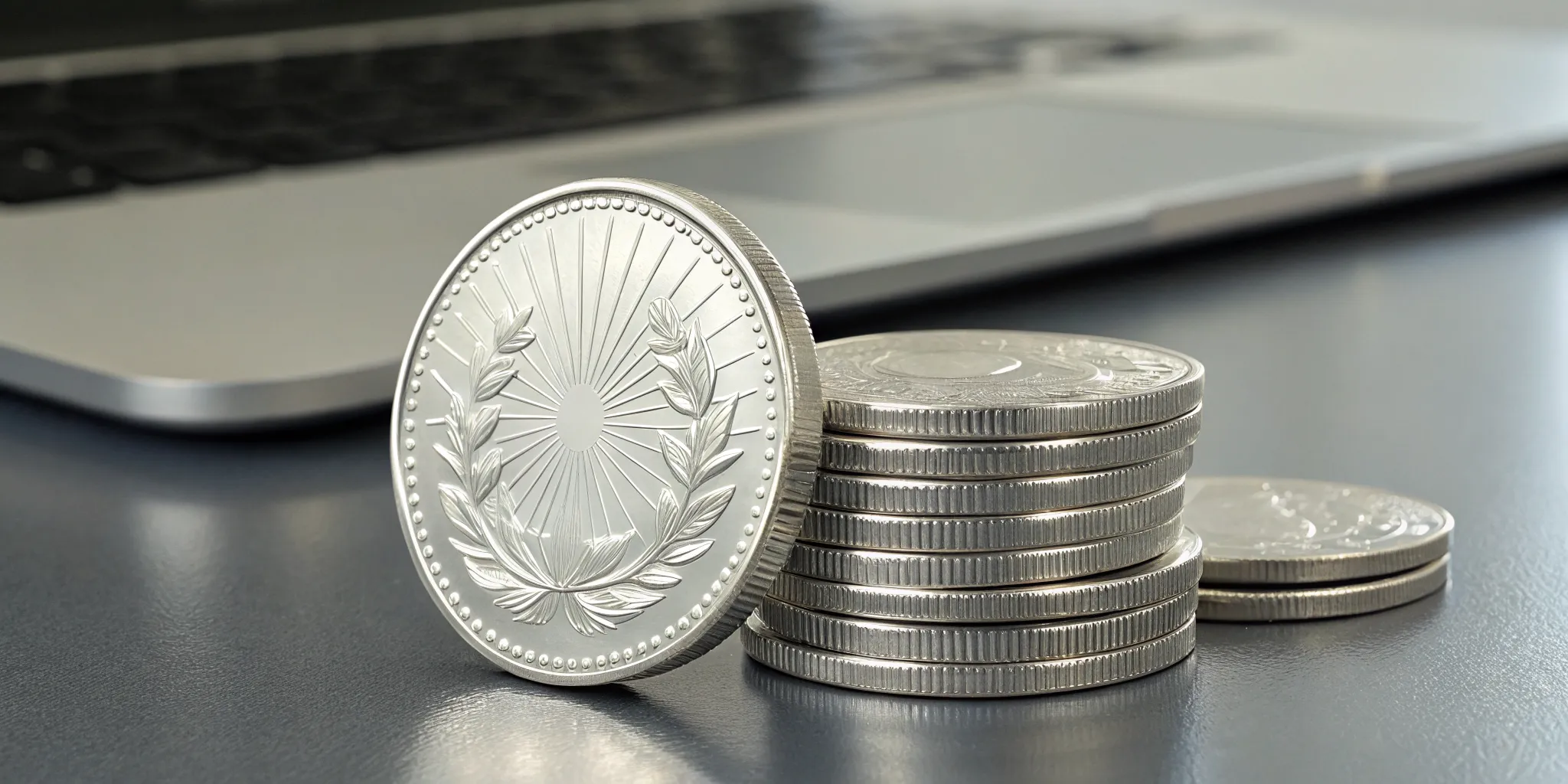
 For the serious numismatist, the appeal of a coin goes far beyond its metal content. It’s about the artistry, the history, and the story it tells. While the selection of palladium coinage is more limited than gold or silver, the pieces that exist are truly exceptional. Coins like the American Palladium Eagle, with its classic "Winged Liberty" design, or the elegant Russian Ballerina series offer a unique blend of intrinsic value and numismatic beauty. These pieces are more than just bullion; they are collectible works of art. This guide will help you explore this exclusive corner of the market and find the perfect palladium coins for sale to enhance your collection.
Key Takeaways
- Understand palladium's dual value: Its price is influenced by its status as a rare precious metal, about 30 times rarer than gold, and its essential role in industrial applications like automotive catalytic converters.
- Focus on quality and authenticity: A smart purchase involves verifying a coin's .9995 purity and weight, assessing its condition or grade, and buying from a reputable dealer who guarantees their products.
- Look beyond the spot price to find the best value: The final cost includes a premium over the metal's market price, so compare offers from trusted dealers to find a fair rate for the specific coin you want.
What Is Palladium?
If you're looking to diversify your precious metals portfolio, palladium is a compelling option worth your attention. It’s a rare, silvery-white metal that belongs to the platinum group. When you see palladium bullion, you're typically looking at a product that is 99.95% pure. What makes palladium so interesting is its dual identity. It's not just a store of value like gold; it's also a critical industrial component, especially in the automotive sector. This unique position gives it a different set of market dynamics compared to its more famous counterparts. Understanding these fundamentals is the first step to making a smart investment.
How It Compares to Gold, Silver, and Platinum
When you place palladium next to the other major precious metals, its rarity immediately stands out. It’s estimated to be about 30 times rarer than gold, which is a staggering thought for many investors. While gold bullion has long been the go-to for wealth preservation, palladium's scarcity gives it a unique appeal. It's also more durable than platinum, another member of its group. Unlike silver bullion, which is more abundant and has a lower price point, palladium often trades at a premium due to its tight supply and high demand. Each metal has its place, but palladium’s profile as a rare industrial workhorse sets it apart in any collection or portfolio.
Coins vs. Bars: What's the Difference?
When you decide to invest in physical palladium, you’ll mainly choose between coins and bars. Palladium coins, like the American Eagle or Canadian Maple Leaf, are produced by government mints and carry a legal tender face value. This often gives them a collectible, or numismatic, value on top of their metal content. They also come in smaller, more manageable sizes, which can make them an accessible starting point. Palladium bars, on the other hand, are valued almost exclusively for their weight and purity. They often have lower premiums over the spot price, making them a cost-effective way to acquire more metal. Your choice depends on your goals: coins offer collectibility and flexibility, while bars are a straightforward play on the metal itself.
What Influences Palladium's Price?
Palladium's price is uniquely sensitive to industrial demand, which sets it apart from other precious metals. A huge portion of the world's palladium supply, sometimes up to 85%, is used to make catalytic converters in gasoline-powered vehicles. These devices are essential for reducing harmful emissions. As a result, the health of the global auto industry, changing environmental regulations, and even the speed of the transition to electric vehicles can directly influence palladium's value. Supply is also a major factor, as most palladium is mined in just two countries: Russia and South Africa. Geopolitical events or mining disruptions in these regions can cause significant price swings, making it a dynamic asset for any investor to follow.
Popular Palladium Coins to Collect
When you’re ready to add palladium to your portfolio, bullion coins are an excellent place to start. Unlike bars, coins carry a face value and often feature beautiful, government-backed designs that add numismatic appeal to their intrinsic metal value. While the selection isn't as vast as gold or silver, the world’s leading mints have produced some truly exceptional palladium coins. Getting to know the most popular options will help you make a confident and informed purchase. Here are a few of the most sought-after palladium coins for collectors and investors.
American Palladium Eagle
A standout choice for any collection, the American Palladium Eagle is the official palladium bullion coin of the United States. First minted in 2017, it’s a modern classic. The coin has a face value of $25, but its true worth is tied to its one troy ounce of .9995 fine palladium. What really makes this coin special is its design. The obverse features the iconic "Winged Liberty" image by Adolph A. Weinman, the same design used on the historic Mercury Dime. This connection to classic American coinage makes it highly desirable among those who appreciate numismatic history. These beautiful rare coins for sale are a cornerstone for any serious collection of American bullion.
Canadian Palladium Maple Leaf
The Canadian Palladium Maple Leaf is another top-tier coin, instantly recognizable by its world-famous design. Produced by the Royal Canadian Mint, these coins feature the iconic maple leaf, a symbol of quality and purity in the bullion market. Each coin contains one troy ounce of .9995 fine palladium and has a face value of $50 CAD. The Palladium Maple Leaf had a limited production run, primarily from 2005 to 2007, with a few sporadic releases since. This scarcity makes them harder to find than their gold or silver counterparts, adding to their appeal for investors looking for unique opportunities in palladium bullion.
Russian Palladium Ballerina
If you appreciate artistry in your investments, the Russian Palladium Ballerina coins are a fantastic option. Minted in the late 1980s and early 1990s, they were among the first palladium coins to enter the global market. These coins celebrate Russia's rich cultural heritage, specifically the world-renowned Bolshoi Ballet. Each design beautifully captures the grace and elegance of a ballerina in motion. Issued in various sizes, including one-ounce and half-ounce versions, these coins offer a unique story and aesthetic that sets them apart from more standard bullion. For many collectors, the historical and artistic value of the Ballerina series is just as important as its palladium content.
Other Notable Palladium Coins
Beyond the Eagle, Maple Leaf, and Ballerina, several other palladium coins are worth your attention. Mints around the world have produced their own versions, such as Australia's Palladium Emu and China's Palladium Panda, though these can be much rarer. You will also find coins with different finishes that appeal to collectors, including Brilliant Uncirculated (BU), Proof, and Reverse Proof. Proof coins, with their sharp details and mirror-like backgrounds, are especially prized. Many serious investors also prefer graded coins certified by services like PCGS and NGC, as the protective slab guarantees the coin's authenticity and condition, securing its long-term value.
Is Palladium a Smart Investment?
Deciding where to put your money is a big deal, and when you look beyond the usual suspects like gold and silver, you’ll find palladium. It’s a fascinating metal with a unique story. Is it the right move for your portfolio? The answer isn't a simple yes or no. Palladium's value behaves differently than other precious metals because it walks a fine line between being a rare, treasured asset and a critical industrial component.
Understanding palladium means looking at what makes it special, how industries rely on it, and what the real pros and cons are for an investor like you. It has offered incredible returns in the past, but it also comes with its own set of risks that you won’t find with gold. Let's walk through what you need to know to decide if adding palladium bullion to your collection is a smart strategy for you.
What Drives Palladium's Value?
At its core, palladium’s value comes from its rarity. This silvery-white metal is about 30 times rarer than gold, making it one of the most exclusive precious metals available. This scarcity alone creates a strong foundation for its worth. Unlike other metals that are more abundant, the limited supply of palladium means that even small shifts in demand can have a significant effect on its price.
Beyond its rarity, palladium has unique physical properties that make it highly sought after. It’s incredibly resistant to corrosion and is an amazing catalyst, which means it can speed up chemical reactions without being consumed. These characteristics aren't just interesting science facts; they give the metal a practical, intrinsic value that helps support its price in the market.
The Impact of Industrial Demand
Palladium isn’t just a metal that sits in a vault; it goes to work. The single biggest driver of its price is industrial demand, especially from the automotive industry. Palladium is a key component in catalytic converters, which are devices that turn toxic pollutants from a car's exhaust into less harmful substances like carbon dioxide and water. As global emissions standards become stricter, the need for effective catalytic converters grows, directly influencing palladium's demand.
This heavy reliance on one industry makes palladium a unique case. Its price is often tied to the health of the global auto market and manufacturing trends. When car sales are up, demand for palladium tends to follow. This industrial connection means its price can be more volatile than gold, which is primarily used for jewelry and investment.
The Pros of Investing in Palladium
One of the biggest advantages of investing in palladium is its potential for significant price appreciation. Because its supply is tight and industrial demand is strong, its price can climb quickly when market conditions are right. This gives it the potential to deliver returns that can outpace other precious metals. For investors looking to diversify their holdings, palladium offers a compelling alternative that doesn't always move in sync with gold or silver.
Another plus is accessibility. You don't have to buy a large, heavy bar to get started. You can easily purchase palladium coins, like the American Palladium Eagle, or smaller fractional rounds. This makes it easier to invest at a level you're comfortable with and build your position over time.
The Cons: Risks and Common Myths
Every investment has its risks, and palladium is no exception. One of the main challenges is its liquidity. Compared to gold, the market for palladium is smaller, which can sometimes make it harder to sell quickly at the current market price. Some local coin shops may not be equipped to buy it back, or they might offer a price well below its spot value. This is why working with a reputable dealer is so important.
A common myth is that you need to be a commodities expert to invest in precious metals. While you don’t need a Ph.D. in economics, you do need to do your homework. Understanding that palladium's price is tied to industrial cycles is key. Its volatility can be a downside for some, so it’s best suited for investors who are comfortable with a higher level of risk.
How to Choose Palladium Coins
Selecting the right palladium coins for your collection or investment portfolio involves more than just picking the one that looks best. To make a sound purchase, you need to evaluate a few key factors that determine a coin's quality, authenticity, and long-term value. Thinking through these details beforehand will help you invest with confidence and build a collection you can be proud of. From purity and condition to rarity and storage, each element plays a vital role in your coin's potential. Let's walk through the six essential steps to choosing the perfect palladium coins.
Check for Purity and Weight
First things first, you need to confirm the coin's purity and weight. This is the foundation of its intrinsic value. Most government-minted palladium bullion coins contain .9995 fine palladium, which is the industry standard for investment-grade purity. You'll see this marked on the coin itself, often alongside its weight, which is typically one troy ounce. Verifying these details ensures you are getting exactly what you pay for: a specific quantity of a highly pure precious metal. When you browse a selection of palladium bullion, you can see how these specifications are clearly listed for each product, giving you total transparency.
Assess the Coin's Condition and Grade
The physical condition of a coin is a major driver of its market value, especially for collectors. A coin in "Brilliant Uncirculated" (BU) condition has never been in public circulation and retains its original mint luster. For an even more precise measure of quality, look for coins graded by independent third-party services like the Professional Coin Grading Service (PCGS) or the Numismatic Guaranty Company (NGC). These experts assign a numerical grade (on a scale of 1 to 70) that certifies the coin's condition. A higher grade, like MS70 (Mint State 70), signifies a perfect coin and can significantly increase its value over a non-graded counterpart.
Consider Mintage and Rarity
For many collectors, the thrill is in the hunt for something rare. In the world of numismatics, rarity often translates to higher value. A coin's mintage, or the total number of pieces produced in a given year, is a key indicator of its rarity. Coins with a low mintage are harder to find, making them more desirable. Palladium itself is a naturally rare metal, but certain coins, like the Russian Ballerina or specific years of the American Palladium Eagle, had particularly limited production runs. These low-mintage issues often become key pieces in a serious collection of rare coins for sale and can command impressive prices over time.
Understand Premiums Over Spot Price
When you buy a palladium coin, you'll notice the price is higher than the raw market value of the metal itself. This difference is called the "premium." The premium covers costs associated with minting, distribution, and the dealer's overhead. It can also reflect the coin's collectibility. A rare coin with a unique design and low mintage will have a much higher premium than a standard bullion coin produced in large quantities. Understanding premiums helps you see why two coins of the same weight can have very different prices. It’s not just about the metal; it’s about the coin as a complete, collectible object.
Verify Authenticity
In any valuable market, fakes can be a concern. That's why verifying a coin's authenticity is non-negotiable. The best way to protect yourself is to purchase from a trusted and established dealer. A reputable seller will guarantee the authenticity of their products and often deals in coins that have already been certified by PCGS or NGC. These grading services encapsulate the coin in a protective, tamper-evident holder with a label detailing its grade and certification number. This process provides a strong layer of security and peace of mind. Learning more about us and our decades of experience can show you what to look for in a trustworthy dealer.
Plan for Storage, Insurance, and Taxes
Once you've acquired your palladium coins, your job isn't done. You need a plan to protect your investment. Secure storage is essential, whether it's a high-quality home safe, a bank's safe deposit box, or a specialized third-party depository. You should also ensure your collection is properly insured against theft or damage. Finally, consider the tax implications of your investment. For those looking to include precious metals in their retirement strategy, holding them in a self-directed IRA is an option. A Gold IRA starter kit can offer foundational knowledge on how these accounts work, with principles that apply to palladium as well.
Where to Buy Palladium Coins
Finding a trustworthy source for your palladium coins is just as important as choosing the right coins for your collection or portfolio. The dealer you work with can affect the price you pay, the quality of the coins you receive, and the ease of liquidating your assets later. When you’re ready to invest, you want a partner who is transparent, knowledgeable, and has a proven track record. This ensures your transaction is secure and your investment is sound from the very first step.
Your Trusted Source: Park Avenue Numismatics
When you’re making a significant investment, peace of mind is priceless. At Park Avenue Numismatics, we provide a secure and transparent way to acquire high-quality palladium bullion. With over 35 years of experience and an A+ rating from the Better Business Bureau, we’ve built our reputation on trust and expertise. We offer a vast, expertly curated inventory of precious metals and rare coins, ensuring you have access to the best the market has to offer. Our team is here to guide you, whether you’re making your first palladium purchase or diversifying a multi-million dollar portfolio. We believe in building long-term relationships, not just making a sale.
How to Find a Reputable Dealer
A reputable dealer makes the buying process straightforward and secure. While online stores often offer a wider selection and competitive pricing, it’s crucial to vet them carefully. Look for dealers with a long-standing history and a wealth of positive customer reviews. A trustworthy seller will have transparent pricing, a professional website, and clear contact information. Check for professional affiliations and an established history, which you can often find on an About Us page. A great dealer is also an educator, providing resources to help you make informed decisions. They should be willing to answer your questions without applying high-pressure sales tactics.
Warning Signs of a Bad Seller
Protecting your investment starts with spotting the red flags of a questionable seller. Be cautious of any dealer who uses aggressive, time-sensitive language to rush you into a purchase. Vague pricing that isn’t clearly tied to the current spot price is another major warning sign. One of the biggest risks is illiquidity; some collectors report that local shops won't buy their palladium back or will only do so at a steep discount. A reputable dealer will always be transparent about their buy-back policy. Finally, be wary of sellers with no physical address, a poor-quality website, or a refusal to offer secure, insured shipping options for their rare coins for sale.
How to Get the Best Price on Palladium
Securing a great price on palladium is about more than just finding the lowest number. It’s about smart strategy. A savvy buyer understands the market, knows what influences the final cost, and makes informed decisions to get the most value for their investment. By paying attention to a few key factors, you can confidently purchase palladium coins and bullion without overpaying.
Getting the best price involves understanding the difference between the raw metal's value and the final price tag, comparing your options, and thinking about when and how you want to buy. These simple steps will help you build your collection or investment portfolio with confidence. Let’s walk through how you can find the best deals on your next palladium purchase.
Know the Difference: Spot Price vs. Premium
First, it’s essential to understand the two parts of a palladium coin’s price: the spot price and the premium. The spot price is the current market value of one ounce of pure palladium, and it changes throughout the day. The premium is the amount charged over the spot price. This additional cost covers everything from the coin’s fabrication and distribution to the dealer’s operational costs and profit.
Your goal is to find the lowest premium possible from a reputable source. Premiums can vary widely based on the coin’s rarity, its condition, and the dealer selling it. A high premium can significantly affect your investment, especially with a metal like palladium, which can be less liquid than gold. Being aware of how premiums work is the first step to making a smart purchase.
Compare Prices from Different Sellers
You wouldn't buy a car without shopping around, and the same principle applies to precious metals. To ensure you’re getting a competitive deal, take the time to compare prices from different sellers. Thanks to the internet, you can easily check the rates for specific palladium bullion coins from the comfort of your home.
Keep in mind that you are comparing both the price and the dealer’s reputation. A trustworthy dealer provides transparent pricing, authenticity guarantees, and expert guidance, which are all part of the value you receive. When you compare, make sure you’re looking at the total price for the exact same coin, including any shipping or insurance fees, to get a true side-by-side comparison.
Time Your Purchase with Market Trends
Palladium’s price can be volatile, largely because of its rarity and heavy use in the automotive industry. In fact, its unique properties make it about 30 times rarer than gold. Watching market trends can help you identify better times to buy, such as during a price dip. While trying to perfectly time the bottom of the market is a fool's errand, being aware of general price movements allows you to act when the price aligns with your budget and goals.
Set a target price you’re comfortable with and be ready to make a move when the market reaches that point. A long-term perspective is helpful here. Instead of getting caught up in daily fluctuations, focus on acquiring a valuable asset at a price that makes sense for your overall investment strategy.
Decide Between Buying in Bulk or Single Coins
Your purchasing strategy, whether you buy in bulk or one coin at a time, also affects your price. Buying in larger quantities, like a full tube of coins, often lowers the premium you pay per ounce. Dealers can offer better pricing on bulk orders because it’s a more efficient transaction for them. This can be a great way to save money if you have the capital to invest upfront.
On the other hand, buying single rare coins for sale offers flexibility. It’s a more accessible way to start, allowing you to build your collection over time without a large initial outlay. This approach also lets you diversify with different types of coins. Ultimately, the best choice depends on your personal budget and how you prefer to build your precious metals portfolio.
Related Articles
- Buy & Sell Rare Palladium Bullion Online | Palladium Bullion for Sale | Precious Metals & Rare Coins Dealer | Antique Coins - Park Ave Numismatics
- Buy & Sell Rare Palladium Coins Online | Palladium Coins for Sale | Precious Metals & Rare Coins Dealer | Antique Coins - Park Ave Numismatics
- Buy & Sell Rare Palladium Bars Online | Palladium Bars for Sale | Precious Metals & Rare Coins Dealer | Antique Coins - Park Ave Numismatics
- 1 oz Palladium Maple Leaf (Common Date)
- Palladium $25 Eagle (2017 to Date)
Frequently Asked Questions
Why is palladium’s price so much more volatile than gold’s? The main reason is that their primary uses are very different. Gold is mostly held as a store of value for investment and jewelry, which keeps its price relatively stable. Palladium, on the other hand, is a critical industrial metal. Its value is heavily tied to manufacturing demand, especially from the auto industry for catalytic converters. Any changes in car production or emissions regulations can cause sharp price swings that you don't typically see with gold.
I'm new to this. Should I start with palladium coins or bars? Your choice really depends on your personal goals. Coins, like the American Palladium Eagle, are often a great starting point because they have numismatic (collectible) value in addition to their metal content and are easy to manage. Bars are valued almost purely for their weight and purity, so they often have lower premiums, making them a cost-effective way to acquire more palladium at once. If you appreciate design and flexibility, start with a coin; if your goal is simply to own the metal, a bar might be better.
How can I be sure the palladium coin I'm buying is real? The most important step you can take is to buy from a dealer with a long-standing, public reputation for quality and trust. Beyond that, many investors prefer coins that have been professionally graded and sealed in a protective case by a third-party service like PCGS or NGC. This slab not only guarantees the coin's authenticity and condition but also makes it easier to store and sell in the future.
What happens when I want to sell my palladium? Is it difficult? Selling palladium is straightforward when you work with the right dealer. While it's true that the market is smaller than gold's and some local shops may not be equipped to buy it, a reputable national dealer will almost always have a clear and transparent buy-back policy. By purchasing from an established company, you ensure there is a ready market for your coins when you decide it's time to liquidate your holdings.
Is palladium a good choice for a retirement account like an IRA? Yes, certain palladium products are eligible to be held in a self-directed IRA. To qualify, the palladium must meet a minimum purity requirement of .9995 fine, which applies to most investment-grade coins and bars. Including palladium in an IRA can be a smart way to diversify your retirement portfolio with a physical asset that has a different set of market drivers than traditional stocks and bonds.





