
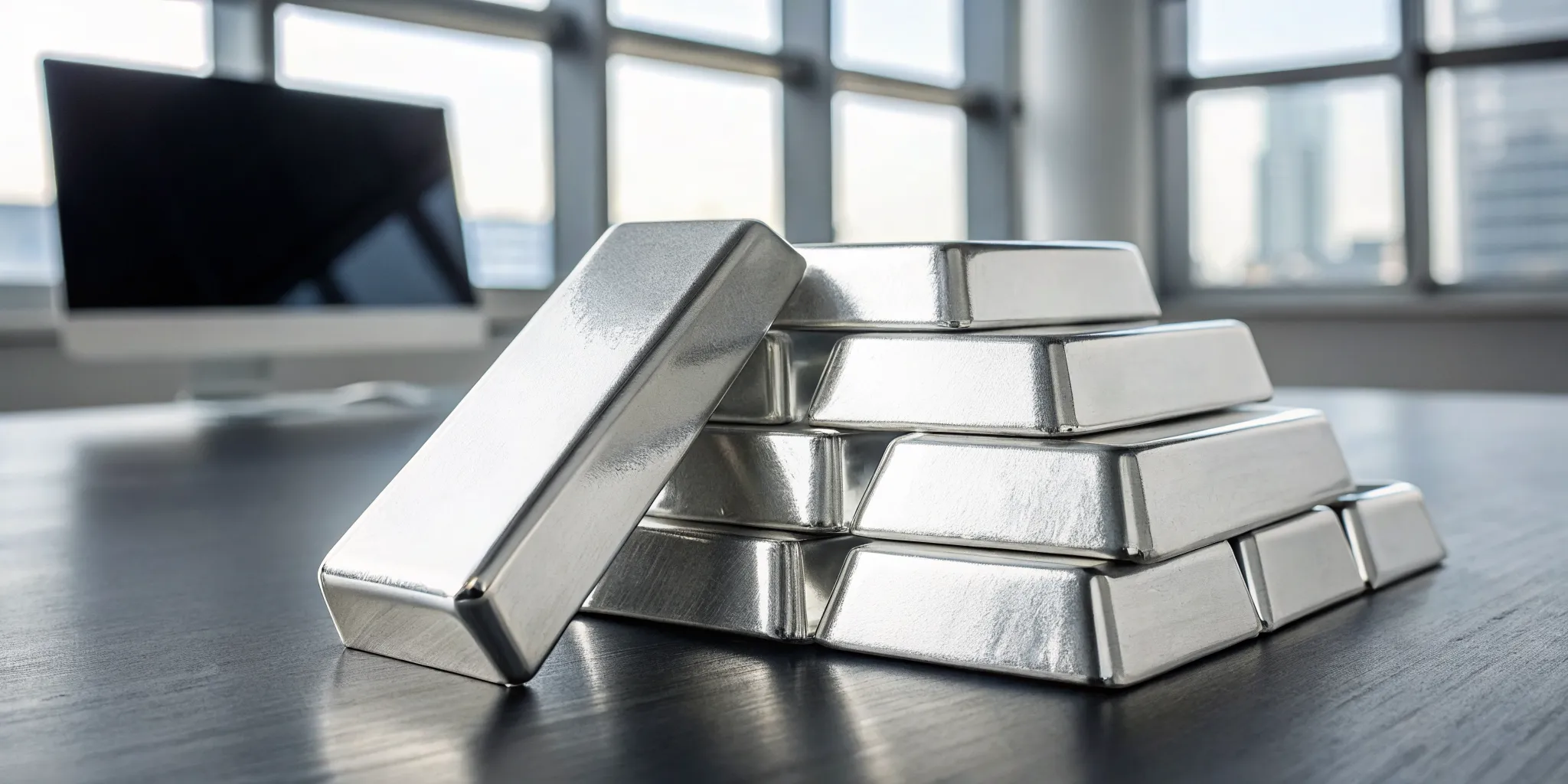
 In recent years, palladium has made headlines for its dramatic price surges, at times even surpassing the value of gold. This impressive performance has captured the attention of investors looking for significant growth potential. However, this potential comes with a notable degree of volatility. The same factors that can drive its price to new heights, like supply disruptions and strong industrial demand, can also lead to sharp corrections. For investors with a clear strategy and an appetite for a more dynamic asset, palladium bullion presents a fascinating opportunity. Let's explore the pros and cons of this powerful precious metal.
Key Takeaways
- Recognize Palladium's Industrial Ties: Its value is closely linked to the automotive industry and a concentrated supply from Russia and South Africa, making its market dynamics and volatility different from gold.
- Choose the Right Form for Your Goals: Decide between lower-premium palladium bars for maximum metal per dollar or government-minted coins for their recognizability and liquidity; your choice should align with your personal investment strategy.
- Prioritize a Reputable Dealer and Secure Storage: A successful investment depends on a trusted dealer with transparent pricing and a clear buyback policy, as well as arranging for secure, insured storage for your physical assets.
What Is Palladium Bullion?
If you’ve been investing in precious metals for a while, you’re likely familiar with gold and silver. But there’s another metal that deserves a spot on your radar: palladium. Palladium is a lustrous, silvery-white metal and a member of the platinum group. When we talk about palladium bullion, we’re referring to investment-grade palladium, typically in the form of bars, rounds, or coins, valued by its purity and weight.
What makes palladium interesting is its dual identity. It’s not just a store of value; it’s also a critical industrial metal. A significant portion of the world's palladium supply is used in catalytic converters for gasoline-powered cars, where it helps reduce harmful emissions. This industrial demand gives palladium a unique market dynamic compared to other precious metals. While it may be less common in investment portfolios, its distinct characteristics make it a compelling option for diversification and growth potential. Understanding what it is and how it behaves is the first step toward making an informed investment decision.
Palladium vs. Other Precious Metals
When you place palladium next to its more famous counterparts, a few key differences stand out. First, palladium is considerably rarer than gold. The majority of its global supply is mined in just two countries: Russia and South Africa. This concentrated supply chain means that geopolitical events or mining disruptions in these regions can have a significant impact on its price and availability, more so than with gold or silver.
While you can certainly buy gold bullion and silver in a wide variety of forms, palladium is a bit more specialized. You’ll find it primarily as bars and select government-minted coins. It doesn't have the same long history as a monetary metal like gold, but its rarity and industrial importance give it a modern investment appeal all its own.
What Makes Palladium Unique?
Palladium’s primary distinction lies in its price drivers. Unlike gold, which is mainly influenced by investment demand and monetary policy, palladium’s value is heavily tied to the automotive industry. Increased vehicle production and stricter emissions standards can create a surge in demand for the metal’s use in catalytic converters. This industrial consumption, combined with investor interest, creates a unique push-and-pull on its price.
Because of this, palladium prices can be more volatile than those of other precious metals. The market is highly sensitive to shifts in industrial demand, supply chain stability, and technological advancements. For an investor, this means palladium’s value is not just about market sentiment; it’s also about real-world industrial use, making it a fascinating asset that marches to the beat of its own drum.
Choosing Your Palladium: Bars, Coins, and Rounds
When you decide to invest in palladium, you'll find it comes in a few different forms. The main options are bars, coins, and rounds. Each has its own set of advantages, and the right choice for you really comes down to your personal investment goals. Are you focused on getting the most metal for your money, or do you value the recognizability and potential collectibility that comes with government-minted coins? Understanding the key differences between these formats will help you build a portfolio that feels right for your strategy. Let's walk through what makes each one unique.
Palladium Bars
Palladium bars are a straightforward and popular choice for investors who want to maximize their holdings. Because they are simpler to produce than coins, bars typically carry a lower premium over the palladium spot price. This means more of your money goes directly toward the metal itself. You can find palladium bullion in a wide range of sizes, from small one-gram bars perfect for new investors to larger 10-ounce bars for more significant purchases. Produced by reputable private and government mints, their value is based purely on their weight and purity, making them a simple and efficient way to own physical palladium.
Palladium Coins
Palladium coins are produced by sovereign governments and are considered legal tender in their country of origin. Think of the iconic Canadian Maple Leaf or the American Eagle. This government backing makes them highly recognizable and trusted worldwide, which can make them easier to sell when the time comes. Coins often feature beautiful, intricate designs that add to their appeal. This craftsmanship, along with their official status, means they command a higher premium than bars. For some investors, the added liquidity and potential for numismatic value over time makes the higher initial cost a worthwhile trade-off.
Palladium Rounds
Palladium rounds offer a nice middle ground between bars and coins. Like coins, they are circular and often feature attractive designs. However, they are produced by private mints and have no face value, which means they are not legal tender. Because of this, their premiums are generally lower than government-issued coins but might be slightly higher than basic bars. Rounds are an excellent option if you appreciate the aesthetic of a coin but want to keep your acquisition costs down. Their value is tied directly to their palladium content, making them a practical way to diversify your holdings with this valuable precious metal.
What Drives the Price of Palladium?
Understanding what influences the price of palladium is key to making smart investment decisions. Unlike gold, which is primarily driven by investment and jewelry demand, palladium’s value is tightly linked to specific industrial uses and a concentrated supply chain. This unique combination of factors can lead to significant price movements. By getting a handle on these key drivers, you can better anticipate market shifts and position your portfolio accordingly. Let's look at the three main forces that move the needle for palladium.
Industrial and Automotive Demand
The single biggest factor for palladium’s price is its use in the automotive industry. The vast majority of palladium is used to create catalytic converters for gasoline and hybrid vehicles. These devices are essential for reducing harmful emissions. Palladium is perfect for this job because it’s a dense, durable metal that effectively converts toxic pollutants into less harmful substances like carbon dioxide and water vapor. Because this demand is so dominant, the health of the global auto market has a direct impact on palladium. When car sales are strong, demand for palladium bullion rises, often pushing prices higher. Conversely, an economic slowdown that leads to fewer car purchases can put downward pressure on its price.
Supply Chains and Geopolitical Factors
Palladium’s supply is highly concentrated, which adds a layer of volatility to its market. The overwhelming majority of the world's palladium is mined in just two countries: Russia and South Africa. This reliance on a small number of sources means the market is sensitive to any disruptions in those regions. Geopolitical events, labor strikes at mines, changes in export policies, or operational issues can quickly tighten the global supply. When supply is threatened, even if demand remains stable, prices can increase sharply. For investors, this means keeping a close watch on the political and economic stability of these key producing nations is just as important as tracking industrial demand.
The Shift Toward Electric Vehicles
While the auto industry is currently palladium’s biggest customer, the long-term transition to electric vehicles (EVs) presents a major question for its future. Fully electric cars do not have exhaust systems and therefore do not need catalytic converters, eliminating the need for palladium. As governments and consumers continue to embrace EVs, the primary source of palladium demand could eventually decline. However, this shift won't happen overnight. Hybrid vehicles, which still use catalytic converters, are a popular bridge technology. The pace of the EV transition, along with the development of new industrial uses for palladium, will be critical factors for investors to monitor in the years ahead.
Should You Invest in Palladium Bullion?
Deciding whether to add palladium to your portfolio is a question many savvy investors are asking. Unlike the more traditional choices of gold and silver, palladium occupies a unique space in the precious metals market. It offers a different set of opportunities and risks, driven largely by its critical role in industry rather than its history as a monetary metal. This industrial connection means its value behaves differently, creating a distinct profile for investors looking for growth beyond the usual safe-haven assets.
Investing in palladium can be a strategic move, especially if your goal is to diversify your holdings. Because its price drivers are distinct from those of other assets, it doesn't always move in sync with stocks, bonds, or even other precious metals. This can provide a valuable balancing effect within a well-rounded portfolio. For example, while gold might rise during times of economic uncertainty, palladium's value is more closely tied to industrial output and consumer demand. However, it’s essential to go in with a clear understanding of both its potential for growth and its inherent volatility before making a commitment. Weighing these factors carefully will help you determine if palladium is the right fit for your financial goals.
The Upside: Why Palladium Can Be a Strong Investment
Palladium’s primary appeal lies in its potential for significant value appreciation. As one of the rarest precious metals, its tight supply can lead to dramatic price increases when demand is high. In recent years, palladium’s price has even surpassed that of gold, catching the attention of investors worldwide. This performance highlights its potential as a high-growth component within an investment portfolio.
Furthermore, adding palladium bullion is an excellent way to diversify your precious metals holdings. Its price is heavily influenced by industrial demand, particularly from the automotive sector, which sets it apart from gold’s safe-haven status. This means palladium can perform well even when gold’s market is quiet, offering a different path to growth and helping to balance your overall investment strategy.
The Risks: What to Watch Out For
The biggest risk associated with palladium is its price volatility. Because over 80% of the world's palladium is used in catalytic converters for gasoline-powered cars, its value is closely tied to the health of the global auto industry. An economic downturn that leads to fewer car sales can cause a sharp drop in demand and, consequently, in palladium's price.
Supply chain disruptions are another major factor to consider. The majority of palladium is mined in just a few countries, primarily Russia and South Africa. Any geopolitical instability or policy changes in these regions can severely impact the global supply, leading to rapid and unpredictable price swings. While this rarity contributes to its value, it also makes palladium a more speculative asset compared to the stability offered by a Gold IRA or other traditional investments.
4 Things to Consider Before You Buy Palladium
Palladium can be a fantastic addition to your portfolio, but it's smart to go in with your eyes open. Like any investment, it comes with its own set of characteristics. Before you decide to buy, let's walk through four key factors that will help you make an informed decision and align your purchase with your financial goals.
Market Volatility
Palladium's price can be a bit of a rollercoaster. Because it's a key component in catalytic converters for gasoline cars, its value is closely tied to the automotive industry's health and regulations. Geopolitical events in major producing countries like Russia and South Africa can also cause significant price swings. This sensitivity means you should be prepared for fluctuations. If you're looking for a steady, slow-growing asset, palladium might test your nerves. However, for investors with a long-term strategy and a healthy tolerance for risk, this volatility can also present buying opportunities. Keeping an eye on market trends will help you feel more confident in your investment choices.
Storage and Insurance
Unlike stocks or bonds that exist on paper or digitally, physical palladium is an asset you can hold. That also means you need a plan to keep it safe. Storing valuable metals at home comes with risks, so many investors opt for more secure solutions like a bank's safe deposit box or a specialized third-party depository. These services, along with insurance to protect against theft or damage, are additional costs to factor into your investment. Think of it as part of the total cost of ownership. A reputable dealer can often provide guidance on secure storage options and help you understand the best practices for protecting your precious metals.
Liquidity and Resale Value
When it's time to sell, you want the process to be as smooth as possible. Liquidity refers to how easily you can convert an asset into cash. While palladium is highly valued, it isn't as liquid as pulling money from a savings account. Selling physical bars or coins involves finding a buyer, verifying the metal's authenticity, and agreeing on a price based on the current market rate. This is why your relationship with your dealer is so important. Working with an established company that has a transparent buyback policy ensures you have a trusted partner ready to purchase your palladium bullion when you decide to sell, giving you a clearer path to realizing your returns.
Portfolio Diversification
One of the most compelling reasons to invest in precious metals is for diversification. Palladium shines in this role because its price doesn't always move in the same direction as traditional assets like stocks and bonds. When the stock market is down, hard assets like palladium can hold their value or even increase, providing a valuable hedge against economic uncertainty and inflation. Adding palladium to a well-rounded portfolio can help balance risk and protect your wealth over the long term. It’s a strategic way to ensure that not all of your financial eggs are in one basket, which is a core principle of building a resilient investment portfolio.
Can You Hold Palladium in an IRA?
Yes, you absolutely can. If you're looking to add palladium to your retirement savings, you can do so through a self-directed Individual Retirement Account (IRA). This type of account gives you more control over your investment choices, allowing you to include alternative assets like precious metals. The Internal Revenue Service (IRS) has specific guidelines for this, so it’s important to know the rules before you get started. It's a fantastic way to diversify your long-term holdings beyond traditional stocks and bonds.
The key requirement set by the IRS revolves around purity. To be eligible for an IRA, palladium bullion must have a minimum fineness of .9995, which is 99.95% purity. This rule ensures that the metal held in your retirement account is of investment-grade quality, protecting its value over the long haul. This standard applies to both palladium bars and coins from accredited refiners or national government mints. For example, products like the Canadian Palladium Maple Leaf coin and various palladium bars from approved manufacturers meet this strict criterion.
Adding palladium to your retirement strategy can be a savvy move for diversification. Because the process involves a specialized account and adherence to IRS regulations, it’s wise to work with experts who can guide you. If you're interested in exploring this option further, getting a Gold IRA starter kit can provide a clear roadmap for setting up a precious metals IRA. The principles outlined in the kit apply to holding palladium, silver, and platinum as well, helping you understand the steps for funding your account and purchasing eligible metals for your future.
How to Choose a Reputable Palladium Dealer
Finding the right dealer is just as important as choosing the right investment. You're not just buying a piece of metal; you're entering a partnership with a company you need to trust with your money. A great dealer acts as your guide, providing expertise, fair pricing, and a secure process from start to finish. So, how do you separate the experts from the opportunists? It comes down to doing a little homework and focusing on a few key areas. By looking at a dealer's reputation, pricing structure, and buyback policies, you can feel confident that you're making a sound decision for your investment portfolio.
Look for an Established Reputation
When you're investing in a valuable asset like palladium, experience is everything. A dealer with a long track record and a solid reputation has proven they can stand the test of time. Start by looking into the company's history. How long have they been in business? A dealer who has been around for decades has built a business on trust and expertise. Check for industry credentials, an A+ rating from the Better Business Bureau, and positive customer reviews. A reputable dealer will be proud of their history and transparent about their qualifications. Think of it as vetting a financial advisor; you want someone with proven experience to guide your investment decisions.
Insist on Transparent Pricing
Pricing for precious metals can seem complex, but a good dealer will make it easy to understand. You should be able to clearly see how their prices are determined. Look for pricing that is based on the current palladium spot price, plus a clearly stated premium. The premium is the dealer's charge for acquiring and selling the metal, and it should be competitive. Many dealers also offer tiered pricing, where the premium per ounce decreases as you buy larger quantities of palladium bullion. Be wary of any dealer who isn't upfront about their costs or has hidden fees. Transparent pricing is a hallmark of a trustworthy company and ensures you know exactly what you're paying for.
Ask About Buyback Policies
An investment is only as good as your ability to sell it when the time is right. Before you purchase any palladium, you should always ask about the dealer's buyback policy. A reputable dealer will often be willing to repurchase the metals they sell, providing you with a clear path to liquidity. Ask them directly: "Do you buy back the products you sell?" and "How is the buyback price determined?" This conversation gives you insight into their business practices and provides peace of mind, knowing you have a trusted partner for both buying and selling. A strong buyback program is a sign of a healthy, confident dealer who stands behind their precious metals products.
How to Safely Store Your Palladium
Once you’ve invested in palladium, your next priority is protecting it. Proper storage is not just about preventing theft; it’s also about preserving the metal’s condition and value for the long term. You have a few excellent options, and the right choice depends on the size of your investment, your need for access, and your personal comfort level with security. Whether you prefer to keep your assets close at hand or in a professional, high-security facility, thinking through your storage strategy is a critical step for any serious investor.
Choosing how to store your palladium is as important as choosing which bars or coins to buy. A poor storage choice can expose your investment to risks ranging from physical damage to outright loss, potentially erasing your hard-earned gains. It’s a decision that requires careful consideration of the trade-offs between convenience, cost, and security. Before you decide, think about how often you might need to access your palladium and what level of risk you're willing to accept. Let’s walk through the three primary methods so you can make an informed choice that aligns with your investment goals: storing it at home, using a bank’s safe deposit box, or partnering with a specialized third-party vault.
Storing Palladium at Home
Keeping your palladium at home gives you the most direct control and access. If you choose this route, security should be your top priority. A high-quality, heavy-duty safe that is bolted down and well-hidden is essential. Beyond theft prevention, you also need to protect the metal itself. Make sure the storage space is cool and dry with low humidity, as moisture and heat can lead to tarnishing or other damage over time. It’s also wise to review your homeowner’s insurance policy. Many standard policies have strict limits on coverage for precious metals, so you may need to add a separate rider to ensure your investment is fully protected against loss, theft, or damage.
Using a Bank Safe Deposit Box
For many investors, a bank safe deposit box offers a great balance of security and accessibility. Storing your palladium at a bank provides a secure and protected environment that is guarded against theft and often built to withstand fire or natural disasters. This option can give you peace of mind that your assets are not vulnerable in your home. However, keep in mind that access is limited to the bank’s operating hours. It’s also a common misconception that the contents of a safe deposit box are insured by the bank or the FDIC. They are not. You will still need to arrange for your own private insurance to cover the value of your holdings.
Working with a Third-Party Vault
If you have a significant holding or simply want the highest level of security, a third-party vault is the professional standard. These specialized depositories are designed exclusively for storing precious metals and other high-value assets. They offer top-tier security features, are fully insured, and undergo regular audits. A key benefit is the option for segregated storage, where your specific palladium bullion is held separately under your name, not commingled with other clients' assets. This is also the required method for storing metals within a precious metals IRA, making it an essential service for many retirement investors.
Related Articles
- Buy & Sell Rare Palladium Bullion Online | Palladium Bullion for Sale | Precious Metals & Rare Coins Dealer | Antique Coins - Park Ave Numismatics
- Buy & Sell Rare Palladium Coins Online | Palladium Coins for Sale | Precious Metals & Rare Coins Dealer | Antique Coins - Park Ave Numismatics
- Buy & Sell Rare Palladium Bars Online | Palladium Bars for Sale | Precious Metals & Rare Coins Dealer | Antique Coins - Park Ave Numismatics
- Precious Metals Glossary | Precious Metals & Rare Coins Dealer | Antique Coins - Park Ave Numismatics
- Blog | Rare Coins, Gold & Silver for Discerning Collectors
Frequently Asked Questions
What's the main difference between investing in palladium versus gold? The simplest way to think about it is that gold is primarily a financial asset, while palladium is an industrial one. Gold’s value is mostly driven by investor demand, central bank buying, and its role as a safe-haven asset during economic uncertainty. Palladium, on the other hand, gets most of its value from its use in catalytic converters for gasoline cars. This means its price is closely tied to the health of the auto industry and global manufacturing trends, giving it a completely different set of market drivers.
Is palladium a good investment for beginners? Palladium can be a great addition to a portfolio, but it’s important to understand its personality. Because its price is so closely linked to industrial demand and a concentrated supply chain, it can be much more volatile than gold or silver. If you are just starting to invest in precious metals and prefer a more stable asset, gold might be a more comfortable entry point. However, if you have a higher tolerance for risk and are looking for a growth-oriented asset to diversify your holdings, palladium is a compelling choice once you understand what makes its market move.
Should I choose palladium coins or bars? This really comes down to your personal investment goals. If your main objective is to acquire the most palladium for your money, bars are typically the way to go. They are less expensive to produce, so they carry a lower premium over the spot price. If you prioritize recognizability and ease of selling, government-minted coins like the Canadian Maple Leaf are an excellent choice. Their official status makes them trusted and easy to liquidate anywhere in the world, though you will pay a slightly higher premium for that benefit.
What is the biggest risk I should be aware of with palladium? The most significant risk is palladium's heavy dependence on the automotive industry. Since the vast majority of it is used in catalytic converters, a major slowdown in car sales or a rapid, widespread shift to electric vehicles (which don't need them) could significantly reduce demand and pressure its price. This industrial risk is magnified by a fragile supply chain, as most palladium is mined in just two countries, making it susceptible to geopolitical tensions or mining disruptions.
How do I make sure I can sell my palladium when I'm ready? The best way to ensure a smooth selling process is to build a relationship with a reputable dealer from the very beginning. Before you buy, you should always ask about their buyback policy. A trustworthy company will be transparent about whether they repurchase the products they sell and how they determine their buyback price. This gives you a clear and reliable path to convert your investment back to cash, providing peace of mind that you have a partner for the entire lifecycle of your investment.





