
 What makes one Morgan Silver Dollar worth $50 while another, nearly identical coin commands $5,000? The answer lies in the fascinating details that determine a coin's true numismatic value. While every Morgan contains a significant amount of silver, its collector value is a story told by its history, rarity, and condition. The date, the mint where it was made, and its physical state are the major factors that can turn an ordinary coin into a prized treasure. Understanding these key elements is the first step for any collector or investor looking to build a meaningful collection. Let’s break down what really drives a Morgan's price tag before you start your search for Morgan silver dollars for sale.
Key Takeaways
- Look Beyond the Silver Content: While every Morgan has value from its silver, its collector price comes from its story. Pay close attention to the date, the mint mark (especially the sought-after "CC" from Carson City), and the coin's overall condition to understand its true worth.
- Prioritize Authenticity and Grade: The safest way to buy is to choose coins certified by trusted services like PCGS or NGC. Purchasing from a reputable dealer removes the guesswork and protects you from counterfeits, ensuring you get exactly what you pay for.
- Protect Your Coins to Protect Their Value: Simple habits make a huge difference in preserving your investment. Always handle coins by their edges, store them in individual air-tight capsules, and keep them in a cool, dry place to prevent damage that can lower their grade.
What Is a Morgan Silver Dollar?
If there’s one coin that captures the spirit of American history, it’s the Morgan Silver Dollar. Often called the "King of America’s Coins," this iconic piece is more than just currency; it’s a tangible link to the late 19th-century United States. From the boom of the Wild West to the vaults of the U.S. Treasury, the Morgan Dollar has a story that fascinates both seasoned collectors and savvy investors. Understanding its history, design, and appeal is the first step in appreciating why it remains one of the most sought-after coins in the world.
The Story of the Morgan Silver Dollar
Born from the political and economic shifts of the late 1800s, the Morgan Dollar has a history as rich as the silver it’s made from. Following the Bland-Allison Act, the U.S. government was mandated to purchase millions of ounces of silver each month and convert it into dollar coins. This led to the creation of the Morgan Dollar, a coin that circulated widely during a period of westward expansion and industrial growth. Its story took a fascinating turn in the 1960s when a massive, forgotten hoard of uncirculated Morgan Dollars was discovered in Treasury vaults. This rediscovery reignited public interest and made collecting these beautiful coins more accessible than ever before.
Anatomy of a Morgan Dollar
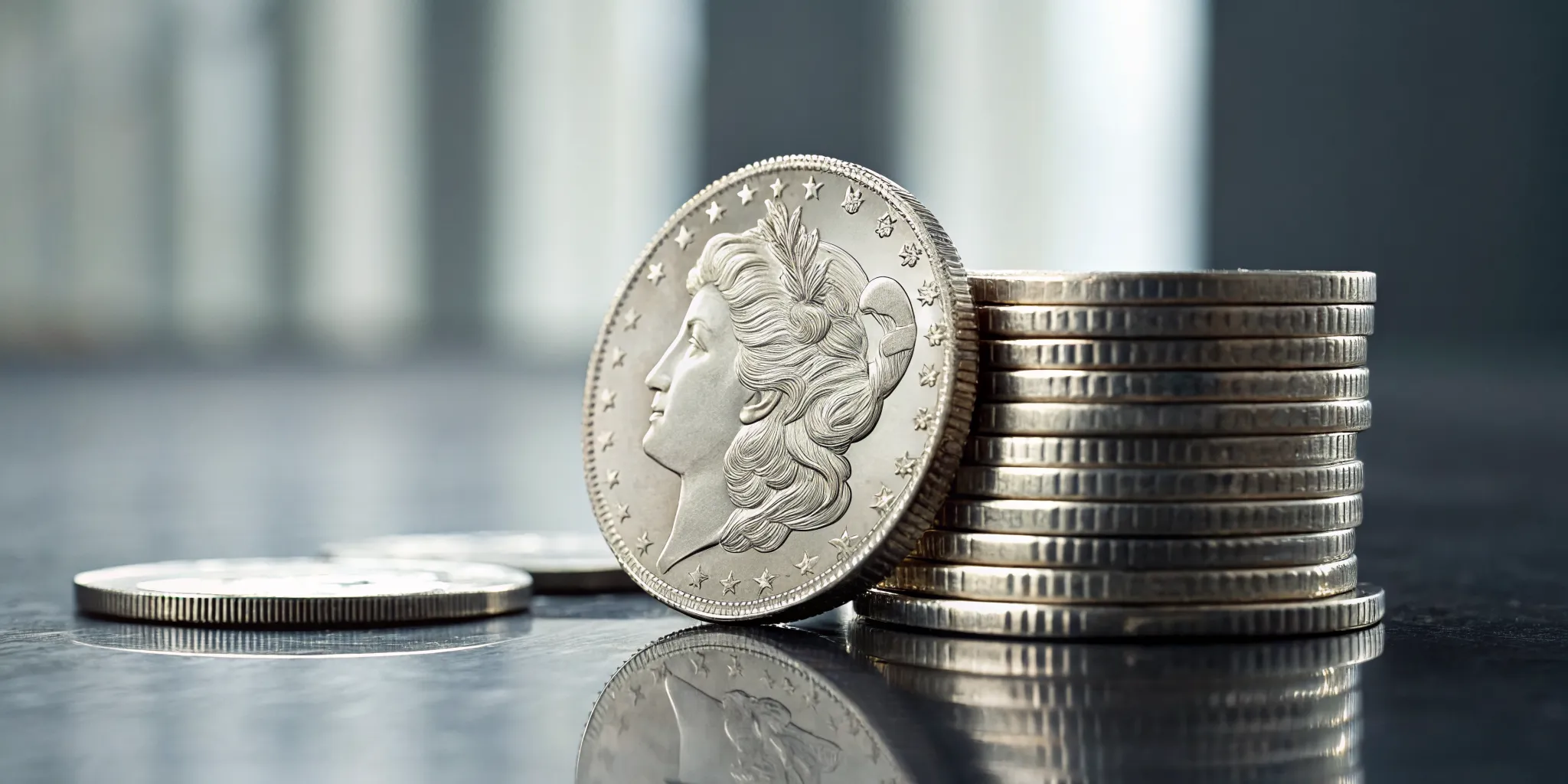
The Morgan Dollar gets its name from its designer, U.S. Mint Assistant Engraver George T. Morgan. His classic design is a hallmark of American coinage. The obverse (the "heads" side) features a stunning profile of Lady Liberty, modeled after a Philadelphia schoolteacher named Anna Willess Williams. The reverse (the "tails" side) displays a heraldic eagle with its wings outstretched, clutching arrows and an olive branch. Each coin was struck from 90% silver and 10% copper, giving it a substantial feel and lasting value. You can explore a wide variety of these historic rare coins for sale to see the stunning details for yourself.
Why Collectors and Investors Love Them
The Morgan Dollar holds a unique position, appealing equally to numismatists who cherish history and investors who seek tangible assets. For collectors, each coin is a miniature time capsule. Factors like the mint mark (indicating where it was made), its condition, and its specific year of issue can tell a fascinating story and determine its rarity. A Morgan in pristine, mint state condition is a beautiful work of art. For investors, the coin’s 90% silver content provides a solid foundation of intrinsic value. This dual appeal makes the Morgan Dollar a cornerstone of many collections and a popular choice for diversifying investment portfolios with precious metals like silver bullion.
What Makes a Morgan Dollar Valuable?
Figuring out the value of a Morgan Silver Dollar is about looking beyond its face value. While every Morgan contains a significant amount of silver, its true worth is a story told by its history, rarity, and condition. Two coins that look nearly identical to the untrained eye can have vastly different prices, sometimes by tens of thousands of dollars. The major factors that determine a Morgan's collector value are its date, the mint where it was made, and its physical condition. Understanding these key elements is the first step for any collector or investor looking to build a meaningful collection. Let's break down what really drives a Morgan's price tag, from its intrinsic silver content to the subtle details that excite seasoned numismatists.
Silver Value vs. Collector Value
Every authentic Morgan Dollar has a foundational value based on its silver content. Composed of 90% silver, a Morgan's melt value is its worth if it were melted down, which fluctuates with the daily market price of the precious metal. This provides a price floor for any common-date Morgan in circulated condition. However, the collector, or numismatic, value is where things get interesting. This value is determined by supply and demand, driven by factors like rarity and condition. A common coin might be worth little more than its melt value, while a rare date in pristine condition can be worth hundreds or thousands of times more. This is the essential difference you need to understand when you buy gold or silver as bullion versus collecting rare coins.
Key Dates and Mint Marks to Look For
The story of a Morgan Dollar is stamped right onto its surface. The date is important, but the mint mark, a small letter indicating where the coin was produced, is often the critical detail. Morgan Dollars were struck at five different U.S. Mints: Philadelphia (no mint mark), New Orleans (O), San Francisco (S), Carson City (CC), and Denver (D). Some combinations of dates and mint marks are exceptionally rare due to low mintage numbers or high melt rates over the years. For instance, the 1893-S Morgan is a legendary key date because so few were made. Similarly, any coin with the "CC" mint mark is highly sought after due to the lore of the Carson City Mint. You can explore our collection of rare coins for sale to see how these factors influence pricing.
Common Misconceptions About Value
It’s easy to make assumptions about a Morgan's value, but a little knowledge goes a long way. One common misconception is that any "Uncirculated" coin is automatically a treasure. In reality, millions of Morgan Dollars were stored in mint bags for decades and never entered circulation, so uncirculated examples of common dates are surprisingly plentiful. Another pitfall is the threat of counterfeits. While a fake Morgan might have the correct weight, counterfeiters often struggle to replicate the exact diameter and thickness. Working with an expert is the best way to avoid these issues. Our team has built a reputation on trust for over 35 years by ensuring every coin we offer is authentic and accurately graded.
How Market Trends Impact Price
Like any collectible, the market for Morgan Dollars is dynamic. Prices are influenced by collector demand, economic conditions, and even modern minting activity. For example, when the U.S. Mint released new Morgan Dollars in recent years, it sparked renewed interest in the classic series, affecting prices for original coins. Generally, lower-grade Morgans are relatively affordable, making them an accessible entry point for new collectors. Meanwhile, well-preserved Mint State examples continue to command high prices from serious investors. This dynamic makes Morgans a fascinating part of a diversified portfolio, whether you're just starting or looking to add a cornerstone piece to your precious metals IRA.
How to Buy Morgan Silver Dollars
Jumping into the world of Morgan Silver Dollars is an exciting step for any collector or investor. But with so many options out there, how do you make a smart purchase? Knowing what to look for is the key to building a collection you can be proud of. It’s about understanding the coin’s story, its physical condition, and its authenticity. These next few steps will help you confidently choose the right Morgan Dollars for your portfolio.
Decode Coin Grades and Condition
When you’re looking at a Morgan Dollar, three things determine its collector value: the date, the mint mark, and its condition. While date and mint mark tell you about its rarity, the condition, or grade, tells you how well-preserved the coin is. The industry uses a 70-point scale, where a grade of 1 is for a coin that's barely identifiable, and a 70 is for a theoretically perfect specimen. You’ll see terms like "Uncirculated" or "Mint State" (MS) for coins that never saw public use. The higher the number, the finer the details and the more valuable the coin. Understanding these grades is the first step to knowing if a coin’s price is fair.
Verify Authenticity: PCGS vs. NGC
How can you be sure a coin’s grade is accurate and that it’s even real? That’s where third-party grading services come in. The two most respected names in the industry are the Professional Coin Grading Service (PCGS) and the Numismatic Guaranty Company (NGC). When a coin is "PCGS Certified," it means an expert has authenticated and graded it. The coin is then sealed in a protective case, or "slab," with a label detailing its grade and a unique serial number. Buying certified rare coins for sale provides a strong layer of security and makes it easier to understand the coin's market value, giving you peace of mind with your purchase.
Should You Buy Graded or Raw Coins?
This is a common question for collectors. Graded coins, which are certified and slabbed, offer guaranteed authenticity and a professionally assigned grade. This makes them easier to value and sell later. The trade-off is that they cost more than "raw," or ungraded, coins. Raw coins can seem like a bargain, but they carry risks. A raw coin could be a fake, have hidden damage, or have been improperly cleaned, which drastically lowers its value. While many Morgan Dollars in Uncirculated grades are quite common, a raw coin advertised as such might not live up to the claim. For most buyers, especially those just starting, sticking with graded coins is the safer path.
How to Spot a Fake
Unfortunately, fakes are a reality in the coin market. The best defense is to know what to look for. Authentic Morgan Silver Dollars have a specific weight (26.73 grams), diameter (38.1 mm), and thickness. A simple digital scale and calipers can help you check these measurements. Fakes often feel lighter and may have mushy, indistinct details, especially on the eagle's feathers or Liberty's hair. Another simple test is to use a magnet; real silver is not magnetic. While these tips are helpful, the surest way to avoid a counterfeit is to work with a dealer you trust. A reputable numismatist has the experience and tools to guarantee authenticity, protecting your investment.
Where to Find Authentic Morgan Silver Dollars
Once you know what to look for in a Morgan Silver Dollar, the next big question is where to find one. The source of your coin is just as critical as its grade or mint mark, especially when it comes to guaranteeing authenticity and fair value. A great coin from a questionable source is a risk you don’t want to take. Fortunately, you have several options for building your collection, each with its own set of benefits and considerations.
Your primary choices are working with an established numismatic firm, visiting coin shows and local shops, or exploring online marketplaces. For collectors who prioritize security, expertise, and quality, a reputable dealer is the gold standard. They provide a layer of trust and verification that is difficult to find elsewhere. For those who enjoy the thrill of the hunt, coin shows offer a hands-on experience. Online auctions can present a vast inventory, but they also require a sharp eye and a healthy dose of caution. Let's look at how to approach each of these avenues to find the perfect rare coins for sale for your collection.
Reputable Dealers Like Park Avenue Numismatics
The safest and most reliable way to purchase authentic Morgan Silver Dollars is through a well-respected dealer. Companies like Park Avenue Numismatics build their business on a foundation of trust and expertise, offering peace of mind that is invaluable. With over 35 years in the industry, our team provides expert guidance and access to a curated inventory of high-quality coins. We stand by the authenticity and grade of every coin we sell.
Working with an established dealer removes the guesswork from buying. You gain a partner who can help you find specific key dates, understand market trends, and build a collection that aligns with your goals. It’s the ideal path for both new collectors seeking guidance and seasoned investors who demand the highest level of quality and assurance.
Coin Shows and Local Shops
For a more hands-on approach, coin shows and local shops can be exciting places to hunt for Morgan Dollars. These events allow you to see coins in person, hold them, and inspect them up close before making a decision. It’s also a wonderful way to connect with other collectors and dealers in the community. You might just stumble upon a hidden gem or find a coin that speaks to you on a personal level.
However, this route requires a bit more diligence. While many sellers are honest, the environment can be fast-paced, and it’s easier to encounter counterfeits or over-graded coins. It’s best to go in with a solid understanding of what you’re looking for or to attend with a more experienced collector. Always take your time and trust your instincts before making a purchase.
Online Auctions and Marketplaces
Online auction sites and marketplaces offer an enormous selection of Morgan Silver Dollars from sellers all over the world. The sheer volume means you can find everything from common dates in circulated condition to rare, high-grade certified coins. The competitive nature of auctions can sometimes lead to finding a great deal, making it a tempting option for many collectors.
The biggest challenge with these platforms is risk. Counterfeit coins are a persistent problem, and a seller’s photos may not accurately represent a coin’s true condition. To protect yourself, stick to buying professionally graded coins from services like PCGS or NGC. Pay close attention to a seller’s reputation and return policy. While there are treasures to be found, it’s a space where caution is your best friend.
Are Morgan Dollars a Good Investment?
Morgan Silver Dollars have captured the attention of collectors and investors for generations, and for good reason. They represent a unique intersection of American history, precious metal content, and numismatic art. While any investment carries risk, Morgans have a strong track record of holding their value and appreciating over time. Their appeal is broad: some people are drawn to the intrinsic value of the silver, while others seek out rare dates and high-grade specimens for their collector value.
The key to a successful investment in Morgan Dollars is understanding what drives their price and how they fit into your personal financial strategy. It’s not just about buying silver; it’s about acquiring a piece of history that has sustained demand. By looking at their performance, comparing different types, and seeing how they fit into a larger collection, you can make an informed decision.
A Look at Demand and Historical Performance
Morgan Dollars are a cornerstone of the coin collecting world, and their popularity creates consistent demand. Many collectors find them to be an accessible entry point into the world of rare coins because common-date examples are reasonably priced. At the same time, they have a history of strong performance as an investment, making them attractive to those looking to grow their capital. The coin’s beautiful design and rich story only add to its appeal.
The value of any given Morgan is determined by several key factors: its condition (or grade), its rarity, its mint mark, and its specific historical context. A common Morgan in circulated condition might be worth a little more than its silver content, but a rare date in pristine condition can be worth thousands. This dynamic market is what makes it so interesting for both new and seasoned collectors who explore rare coins.
Modern vs. Classic Morgans: Which Is for You?
When you hear "Morgan Dollar," you might picture the classic coins minted from 1878 to 1921. These are the historical pieces that built the Morgan legend, prized for their connection to the American West and their iconic design. For many, owning a classic Morgan is about holding a tangible piece of that history. These coins have an established market and a dedicated collector base that has studied them for decades.
The U.S. Mint also produces modern Morgan Dollars, which pay tribute to the original design but are struck with today's technology. They have been incredibly popular since their release. Your choice between classic and modern depends on your goals. If you value historical significance and the thrill of the hunt for rare varieties, classic Morgans are for you. If you prefer modern minting quality and want to get in on a new series, the modern issues are an excellent choice. Our team has over 35 years of experience helping clients with both.
Beyond Morgans: Diversifying Your Portfolio
While Morgan Dollars can be a fantastic investment, a smart financial strategy always includes diversification. Relying on a single type of asset can leave your portfolio vulnerable to market shifts. Even within a Morgan collection, it’s wise to diversify. For example, common-date Morgans are a great way to invest in physical silver, but they don’t offer the same potential for numismatic appreciation as their rarer counterparts.
Think of Morgans as one component of a broader precious metals portfolio. You might complement your collection of key-date Morgans with other historic U.S. coins or different forms of bullion. Many of our clients diversify with gold bullion to balance their silver holdings and protect their wealth against economic uncertainty. Spreading your investments across different metals and coin types helps create a more resilient and well-rounded portfolio for the long term.
How to Care for Your Morgan Silver Dollars
Once you’ve acquired a Morgan Silver Dollar, your next job is to become its steward. Proper care is essential for preserving not just the coin's physical beauty but also its numismatic value for years to come. A single fingerprint or a humid storage spot can cause irreversible damage, turning a brilliant uncirculated coin into a lesson in what not to do. Fortunately, protecting your investment is straightforward when you follow a few key principles for storage and handling.
Choose the Right Storage
The right storage is your first line of defense against the elements. I always recommend placing individual Morgan Dollars in air-tight coin capsules. These hard plastic shells create a barrier against moisture and airborne contaminants that can cause toning or corrosion over time. For organizing your collection, you can then place these capsules into coin cases or albums designed specifically for their size. This keeps them from knocking against each other, preventing scratches and dings. Avoid storing your coins in soft plastic flips containing PVC, as this chemical can leach out and damage the coin’s surface.
Handle Your Coins Safely
This might be the most important rule in coin collecting: never touch the face of your coin. The natural oils, salts, and dirt on your fingertips can easily transfer to the coin’s surface, leaving behind fingerprints that can permanently etch into the metal and harm its grade. To handle your Morgans safely, always hold them by their edges between your thumb and forefinger. For an extra layer of protection, especially when you’re examining your rare coins for sale or rearranging your collection, wear a pair of soft, lint-free cotton gloves. This simple habit is one of the easiest ways to maintain the pristine condition of your coins.
Protect Your Coin's Long-Term Value
Protecting your coin’s long-term value is all about creating a stable and safe environment. Beyond the individual capsules, think about where you’re storing your collection. A cool, dry place with a consistent temperature is ideal. Avoid attics, basements, or garages where humidity and temperature can fluctuate dramatically. To go a step further, you can place silica gel packs inside your storage boxes or safe to absorb any excess moisture. As a firm with over 35 years of experience, we’ve seen how meticulous care directly translates to higher appraisal values. Regularly checking on your collection ensures that your storage methods are working and that your coins remain in top condition for future generations.
Build Your Morgan Dollar Collection
Building a Morgan Dollar collection is an exciting pursuit that combines a love for history with a sharp eye for value. Whether you’re just starting or looking to refine a seasoned collection, your approach will shape your journey. There isn't one right way to do it; the best strategy is the one that aligns with your budget and personal goals. The two most common paths are methodically building a complete set or strategically hunting for the rarest, most sought-after coins. Let's look at how to choose the right path for you.
Your Strategy: Start Small or Hunt for Key Dates?
One popular approach is to build a complete set, which typically means acquiring one coin for each year and mint mark from 1878 to 1921. This gives you a tangible sense of progress and results in a comprehensive historical collection. Alternatively, you might prefer the thrill of the hunt by focusing on key dates. These are rare varieties, like the 1893-S or 1889-CC Morgan Dollar, that command high prices due to their low mintage and strong demand from collectors. You can explore our extensive inventory of rare coins for sale to find pieces that fit either strategy. Ultimately, your decision depends on whether you enjoy the steady process of completing a set or the challenge of acquiring a few standout coins.
Know When to Buy, Hold, or Sell
Timing is a critical element of both collecting and investing in Morgan Dollars. The decision to buy, hold, or sell depends on a mix of market trends, your personal financial goals, and the specific attributes of your coins. The primary factors that determine a coin's collector value are its date, mint mark, and condition. A common Morgan might be worth little more than its silver content, while a key date in pristine condition could be a significant asset. Because Morgan Dollars have performed well as an investment, knowing the market is key. Working with experts who have decades of experience can give you the confidence to make the right move at the right time. You can learn more about our commitment to our clients and how we support your collecting goals.
Related Articles
- Buy & Sell Rare Morgan Silver Dollars - Park Avenue Numismatics
- Buy & Sell Rare Silver Dollars Online - Park Avenue Numismatics
- 1899-S Morgan Dollar MS65 NGC
- 1895-S Morgan Dollar MS63 PCGS
- 1897 Morgan Dollar MS63 NGC
Frequently Asked Questions
I have an old Morgan Dollar. How can I tell if it's a rare treasure or just worth its silver content? Every Morgan Dollar has a base value from its 90% silver content, which provides a nice price floor. The real collector value, however, comes from a combination of its date, mint mark, and condition. Check the reverse side of the coin below the eagle's tail feathers for a small letter (or no letter at all). Certain date and mint mark combinations, like the 1893-S, are exceptionally rare. Beyond that, a coin with sharp details and original luster is always worth more than a heavily worn one. The best way to know for sure is to have it evaluated by a professional numismatist.
As a new collector, what's the safest way to buy my first Morgan Dollar? The most secure path for a first-time buyer is to purchase a coin that has been professionally graded and authenticated by a top-tier service like PCGS or NGC. These coins come in a protective plastic case, often called a slab, with a label that guarantees the coin's authenticity and grade. This removes the risk of accidentally buying a counterfeit or an over-graded coin. Working with a trusted dealer ensures you get a fairly priced, certified coin and gives you a resource for all your questions.
I want to invest in Morgans. Is it better to buy many common coins or save up for one rare one? This really depends on your personal investment strategy. Buying multiple common-date Morgan Dollars in good condition is a great way to invest in physical silver, as their value is closely tied to the spot price of the metal. Saving up for a single, high-grade key-date coin is more of an investment in numismatic rarity. While this requires more capital upfront, a truly rare coin has the potential for greater price appreciation over time because its value is driven by collector demand, not just its metal content.
What's the biggest mistake new collectors make when handling their coins? The most common and damaging mistake is touching the coin's front or back surfaces with bare fingers. The oils and acids on your skin can leave fingerprints that permanently etch into the coin's metal, which can significantly lower its grade and value. Always hold a coin by its edges between your thumb and forefinger. For an extra layer of safety, especially when you're closely examining a coin, wearing soft cotton gloves is a simple habit that will protect your collection for years.
Why are Morgan Dollars with the "CC" mint mark so popular and expensive? The "CC" mint mark signifies that the coin was struck at the Carson City Mint in Nevada, which operated during the height of the Wild West. These coins have a special connection to the legendary silver rushes of that era. The Carson City Mint produced far fewer coins than the mints in Philadelphia or San Francisco, so "CC" Morgans are naturally scarcer. This combination of historical romance and genuine rarity makes them some of the most sought-after and prized coins in American numismatics.





