
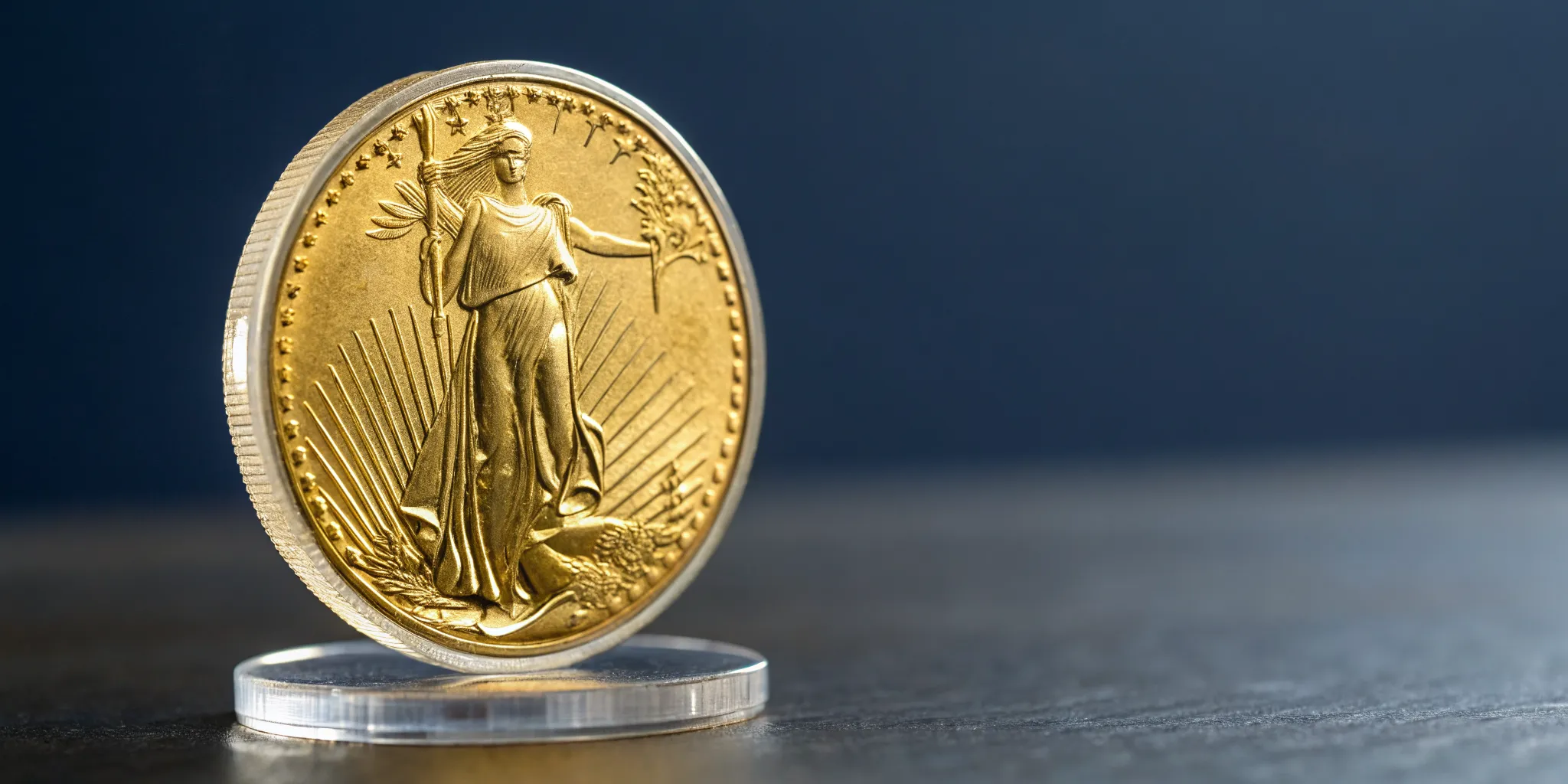
If you're looking into the 1924 st gaudens $20 gold coin value, you might see its high mintage numbers and assume it's a common piece. That assumption is one of the biggest misconceptions in numismatics. While millions were struck, the Gold Recall of 1933 sent the vast majority to the melting pot, permanently altering the coin's story from one of abundance to one of survival. This historical event is precisely why the number of surviving coins, especially in high grades, is a fraction of the original production. Understanding this difference between mintage and survival is the first step to appreciating its true rarity and investment potential.
Key Takeaways
- Grade dictates value: A coin's physical condition is the most important factor in its price. While the gold content provides a baseline, the specific grade assigned by a professional service is what causes its value to climb, often significantly, from one level to the next.
- Survival rate defines rarity: The original mintage figures don't tell the whole story. Millions of these coins were melted down by the government during the Great Depression, so its true scarcity is determined by how many coins survived, not how many were initially produced.
- Prioritize professional authentication: Because the 1924 St. Gaudens is so popular, it's a frequent target for forgeries. Using a professional grading service is the best way to confirm a coin's authenticity and condition, protecting your investment and ensuring you get fair market value.
What is the 1924 St. Gaudens $20 Gold Coin?
The 1924 St. Gaudens $20 Gold Coin is more than just a piece of currency; it’s a masterpiece of American numismatics. Often called a "double eagle," this twenty-dollar gold piece represents a high point in the nation's coinage, born from a president's desire to create money with artistic merit. When you hold one, you're connecting with a pivotal moment in U.S. history, a time of great ambition and artistic renaissance.
This coin is the result of a collaboration between President Theodore Roosevelt and renowned sculptor Augustus Saint-Gaudens. Roosevelt believed American coins should be beautiful symbols of the nation's ideals, not just functional discs of metal. The 1924 issue, struck at the Philadelphia Mint, is one of the most common dates in the series, yet its availability in high grades is another story entirely. For collectors and investors, it offers a perfect entry point into the world of classic American gold bullion and the celebrated Saint-Gaudens series. Its story is one of art, history, and the enduring value of precious metals. It's a tangible piece of the Roaring Twenties, a time of economic prosperity that preceded the Great Depression, which would ultimately seal the fate of many of these coins.
The History of the Saint-Gaudens Design
The design of this coin is legendary for a reason. Acclaimed as one of the most beautiful and artistic numismatic designs ever realized in the United States, the Saint-Gaudens $20 gold double eagle is one of the most famous American coin types. President Roosevelt personally commissioned Saint-Gaudens to redesign the nation’s coinage to reflect the beauty of ancient Greek and Roman coins.
The result was breathtaking. The obverse features a powerful image of Lady Liberty striding forward, torch in one hand and an olive branch in the other, with the U.S. Capitol building in the background. The reverse depicts a majestic eagle in flight against a backdrop of the rising sun. This dynamic and inspiring imagery broke from the static, formal portraits of the past, creating a coin that is truly a work of art.
1924 Mintage and Production Facts
The 1924 St. Gaudens $20 Gold Coin was produced by the U.S. Mint, and it is made from a composition of 90% gold and 10% copper. This alloy gave the coin the durability it needed for circulation while maintaining its high intrinsic value. The Philadelphia Mint struck over 4.3 million of these coins in 1924, making it a relatively high-mintage year.
However, mintage numbers don't tell the whole story. While the coin is accessible, finding a well-preserved specimen is the real challenge for collectors. Most examples grade MS-60 to MS-64, with MS-65s rare and coins that grade any finer virtually unobtainable. This scarcity in top condition is what makes high-grade 1924 Saint-Gaudens coins so sought after among the world's finest rare coins for sale.
What is a 1924 St. Gaudens Worth?
Figuring out the value of a 1924 St. Gaudens Double Eagle isn't as simple as looking up a single price. Its worth exists on a spectrum, influenced almost entirely by its physical condition, also known as its grade. A coin that shows wear from its time in circulation will have a very different value than a pristine example that looks as fresh as the day it was minted.
The vast majority of these coins fall into a specific quality range, which makes exceptionally well-preserved pieces highly sought after by serious collectors. Understanding the price tiers based on grade and analyzing what similar coins have recently sold for at auction are the two best ways to get a clear picture of what your 1924 St. Gaudens might be worth.
Price Ranges by Coin Grade
A coin's grade is the single most important factor in its valuation. For a 1924 St. Gaudens in circulated condition, price guides place its value between $4,625 and $4,700. As the condition improves, so does the price. An example in what’s considered Average Condition might be worth around $5,033, with values climbing to $5,173 or more for coins in better shape. Most surviving 1924 St. Gaudens coins grade between MS-60 and MS-64. Finding one graded MS-65 is a rare treat, and anything higher is almost unheard of, commanding a significant premium when one appears among other rare coins for sale.
Analyzing Recent Auction Results
Auction results provide a real-world look at what collectors are willing to pay. The prices can vary dramatically, again highlighting the importance of grade. For instance, a 1924 St. Gaudens graded MS64 by PCGS sold for around $1,400 in a past eBay auction, reflecting the market for more common uncirculated grades. In stark contrast, a top-tier 1924 St. Gaudens graded MS67 with a CAC sticker fetched an impressive $28,800 at a Heritage Auctions sale. This massive price difference shows the exponential leap in value for coins at the highest end of the grading scale. These results confirm that while the coin's base value is tied to its gold bullion content, its ultimate worth is truly defined by its condition and rarity.
How Does Coin Grading Affect Its Value?
When you’re determining the value of a 1924 St. Gaudens, its physical condition is paramount. Two coins from the same year and mint can have wildly different values based on one thing: their grade. Coin grading is a standardized process of evaluating a coin's condition, from its luster and strike to the number of marks on its surface. This grade, assigned by a professional service, directly translates to market value. For collectors and investors, understanding this system isn't just helpful; it's essential for making smart decisions. A small difference in grade can mean a huge difference in price, turning a common coin into a significant asset.
The MS-60 to MS-70 Grading Scale Explained
The most common grading scale for uncirculated coins like the St. Gaudens is the Sheldon Scale, which runs from 1 to 70. For coins that never entered circulation, we focus on the Mint State (MS) grades, from MS-60 to the perfect MS-70. An MS-60 coin is uncirculated but may have noticeable scuffs or scratches from being stored in mint bags. As you move up the scale, the imperfections diminish. The 1924 St. Gaudens is relatively common in lower Mint State grades, with many examples falling between MS-60 and MS-64. Coins graded MS-65 are rarer, and anything higher is where you start to see a serious jump in value.
How Grades Impact Value
The difference between coin grades is not just academic; it's financial. For the 1924 St. Gaudens, a coin graded MS-65 can be worth significantly more than one graded MS-64. That single point difference represents a leap in quality, with fewer surface marks and better eye appeal. While the 1924 issue is one of the more accessible coins in the series, with a good number of examples available up to MS-67, the price increases exponentially with each grade. This is because collectors are always seeking the "best of the best" for their collections. You can explore our inventory of rare coins for sale to see how grade affects pricing across different series.
Why Professional Grading Matters
An ungraded, or "raw," coin always carries a degree of uncertainty. Is that scratch a post-mint mark or a minor planchet flaw? Is the luster original? Professional grading services like PCGS and NGC remove this guesswork. They provide an objective, third-party assessment of a coin's authenticity and condition, then seal it in a protective holder with its grade clearly labeled. This certification gives both buyers and sellers confidence in the transaction. As a result, professionally graded coins are easier to sell and typically command higher prices. Working with a trusted dealer who understands the nuances of professional grading is the best way to ensure you’re getting fair value.
What Makes the 1924 St. Gaudens So Desirable?
The allure of the 1924 St. Gaudens $20 Gold Coin isn't just about its gold content; it's a story of beauty, history, and survival. Many collectors consider it a cornerstone piece, not just for its stunning design but for the dramatic historical events that shaped its existence. While mint records might suggest it's a common coin, the reality is quite different. The combination of its artistic merit, the Great Depression's impact on its population, and the discrepancy between how many were made and how many still exist today makes it a fascinating and highly sought-after piece for any serious collection.
Mintage Numbers vs. Surviving Coins
At first glance, the mintage figures for the 1924 St. Gaudens might not seem impressive. The Philadelphia mint produced over 4.3 million, and the San Francisco mint added another 2.9 million. These numbers can be misleading, suggesting the coin is relatively common. However, the key for collectors is understanding the difference between mintage and survival rate. A huge number of these coins never reached circulation or were later recalled. This creates a fascinating dynamic where a coin's official production numbers tell only a fraction of its story. The true rarity lies in the number of coins that survived, making high-grade examples much scarcer than the records imply and a prize among rare coins for sale.
The Impact of the Great Depression Gold Melt
The primary reason so few 1924 St. Gaudens coins survive is the Gold Recall of 1933. In the depths of the Great Depression, President Franklin D. Roosevelt issued an executive order requiring Americans to turn in their gold coins to the government. The vast majority of these returned coins, including millions of St. Gaudens double eagles sitting in Treasury vaults, were melted down into gold bars. This event permanently and drastically reduced the available supply, transforming many dates from common to rare overnight. Each surviving 1924 St. Gaudens is a tangible link to this pivotal moment in American economic history, a relic that escaped the melting pot and carries a story of resilience.
The Artistry and Appeal for Collectors
Beyond its historical rarity, the St. Gaudens double eagle is widely celebrated as one of the most beautiful coins ever produced by the U.S. Mint. Commissioned by President Theodore Roosevelt and designed by the renowned sculptor Augustus Saint-Gaudens, the coin is a masterpiece of numismatic art. The obverse features a powerful image of Lady Liberty striding forward with a torch and olive branch, while the reverse shows a majestic eagle in flight. This stunning design broke from the static, formal portraits of the past, creating a dynamic and inspiring piece of currency. For many collectors, owning a St. Gaudens is like owning a small sculpture, a piece of art whose aesthetic appeal is just as important as its investment value. Our team's numismatic expertise is rooted in an appreciation for this kind of artistry.
What Key Factors Determine Its Value?
A 1924 St. Gaudens Double Eagle's value is a blend of its gold content, history, and collectible condition. Coins that look similar can have vastly different prices based on subtle details. Understanding these factors is key for buying and selling, helping you appreciate what makes a coin special. Let's break down the four main elements that determine the worth of this iconic American coin.
Gold Content and Spot Price
The 1924 St. Gaudens contains 0.9675 troy ounces of pure gold, so its base value is tied to the daily spot price of gold. This is its "melt value." For a numismatic treasure like the St. Gaudens, however, the melt value is just the starting point. Its true worth is almost always significantly higher due to its desirability as a collector's item.
Surface Quality and Strike
A coin's physical condition is critical. Collectors look at surface quality and strike. Surface quality refers to the preservation of the coin's surfaces, which should be smooth and free of distracting marks. The strike is the sharpness of the design details from the minting process. A "full strike" means every detail is crisp. Most 1924 Double Eagles are known for having a strong strike, a major plus for collectors.
Luster, Color, and Eye Appeal
This is where the coin's artistry shines. Luster is the original frosty sheen from the mint, a delicate quality signaling a well-preserved coin. Color can also vary, from brilliant yellow-gold to a rich orange, depending on storage. These elements create what collectors call "eye appeal." While subjective, a beautiful coin always commands more attention and a higher price among the many rare coins for sale.
Market Demand and Economic Conditions
Value is driven by supply and demand. The 1924 St. Gaudens is popular with collectors and investors, creating steady demand. This can increase during economic uncertainty when tangible assets like gold coins become more attractive. Values range from a few thousand dollars to six figures for the finest specimens. Staying informed about current market trends is essential to understanding a coin's value.
How to Authenticate a 1924 St. Gaudens Gold Coin
Given its popularity, the 1924 St. Gaudens is one of the most frequently counterfeited U.S. gold coins. Knowing how to spot a fake is an essential skill for any collector. While nothing replaces a professional appraisal, you can learn to identify the key characteristics of an authentic coin and recognize the red flags that suggest a forgery. This knowledge protects your investment and deepens your appreciation for the real thing.
Key Features to Look For
A genuine 1924 St. Gaudens double eagle has a distinct look and feel. Most authentic examples are known for being sharply struck, meaning the details are crisp and well-defined. Look closely at the lines in Lady Liberty’s gown and the feathers on the eagle; these areas should be clear, not soft or blurry. A real coin will also have a beautiful, original mint luster and a smooth appearance. You should also verify the coin's specifications: it must weigh 33.436 grams and have a 34 mm diameter. Any deviation is a major warning sign. Familiarizing yourself with the details of authentic gold bullion is a great first step.
How to Spot Common Counterfeits
Because the 1924 date is so common, counterfeiters often use it to pass off fakes. The most obvious sign of a counterfeit is a lack of detail. Forgers struggle to replicate the sharp strike of the U.S. Mint, resulting in a design that appears mushy or flat. The surfaces might have a greasy shine instead of a true mint luster. Pay close attention to the date and lettering, as these features can be poorly formed or spaced incorrectly on fakes. Another red flag is incorrect weight. Many forgeries are gold-plated base metals, so always weigh a potential purchase. Comparing a coin to a known-authentic example from a collection of rare coins for sale is one of the best ways to train your eye.
Why Use Professional Verification Services
While you can learn to spot obvious fakes, some modern counterfeits are incredibly deceptive. The only way to be certain of a coin's authenticity and condition is to use a professional grading service like PCGS or NGC. These experts use advanced techniques to detect even the most sophisticated forgeries. They encapsulate the authenticated coin in a secure holder that displays its verified grade and a unique certification number. This process guarantees authenticity and provides an objective assessment of its quality, which is critical for establishing market value. Working with a dealer who understands professional grading gives you confidence in every transaction. Our team's decades of experience are built on a foundation of handling certified coins.
Where to Buy or Sell a 1924 St. Gaudens
Whether you’re looking to acquire a 1924 St. Gaudens or sell one from your collection, the venue you choose is critical. The right partner ensures a fair price, a secure transaction, and a transparent process. For a coin of this caliber, you want to work with experts who understand its historical and monetary significance. Exploring your options requires careful consideration, from established dealers to online auctions, each with its own set of benefits and risks. Making an informed choice will protect your investment and help you achieve your collection goals.
Finding Reputable Coin Dealers
Working with a reputable coin dealer is often the most secure way to buy or sell a high-value coin. Established dealers provide expert appraisal, a direct point of contact, and a history of trusted transactions. Look for a company with decades of experience, a high rating from the Better Business Bureau, and affiliations with professional numismatic organizations. A trustworthy dealer will offer a fair market price and guide you through the process with complete transparency. Our team at Park Avenue Numismatics has over 35 years of experience helping collectors and investors with their most important acquisitions and sales.
Using Online Marketplaces and Auctions
Online marketplaces and auction houses offer access to a global audience, which can create a competitive bidding environment and potentially drive up the final sale price. You can find 1924 St. Gaudens coins ranging from circulated condition, often valued between $4,600 and $4,700, to pristine examples that can command well over $150,000. However, these platforms can also present higher risks, including counterfeit coins and less-than-transparent sellers. If you choose this route, stick to well-known auction sites that specialize in numismatics and carefully vet every listing. For a more curated and secure experience, you can browse a dealer's inventory of rare coins for sale.
Tips for a Safe Transaction
To ensure a smooth and secure transaction, always prioritize verification and documentation. Before selling, consider having your coin professionally graded by a top-tier service like PCGS or NGC. This step authenticates your coin and establishes its official grade, which is essential for determining its true market value. When a transaction occurs, insist on a detailed receipt that documents the coin’s grade, sale price, and terms. Always use insured shipping for a valuable piece like the 1924 St. Gaudens, and choose a secure payment method that protects both you and the other party from potential fraud.
Common Mistakes for Collectors to Avoid
Whether you're just starting or have been collecting for years, it's easy to fall into a few common traps. The 1924 St. Gaudens is a beautiful coin, but its popularity also makes it a target for misconceptions and counterfeits. Knowing what to look out for can protect your investment and help you build a collection you're truly proud of. Let's walk through some of the most frequent mistakes collectors make and how you can steer clear of them. By staying informed, you can make confident decisions and fully appreciate the value and history of these remarkable coins.
Common Myths About Rarity and Value
One of the biggest myths surrounding the 1924 St. Gaudens is that nearly all of them are sharply struck with great luster. While many high-quality examples exist, this belief can cause collectors to overvalue average-looking coins. It's a common assumption that leads to disappointment and overpaying. The truth is, finding a coin with a crisp strike and minimal abrasions is what sets the premium examples apart. To accurately assess a coin's worth, you need to understand the specific characteristics that define a high-grade specimen, not just the general reputation of the mintage year. Viewing expertly curated rare coins for sale can help you develop an eye for true quality.
The Risk of Skipping Authentication
With any popular coin, the risk of counterfeits is real, and the 1924 St. Gaudens is no exception. In fact, the 1924 date is one of the most frequently counterfeited in the entire Saint-Gaudens series. Buying a coin without professional verification is a significant gamble that can lead to a major financial loss. Think of authentication not as an extra cost, but as essential protection for your investment. A certified coin from a reputable grading service gives you peace of mind and confirms you are getting exactly what you paid for. Our team's decades of experience at Park Avenue Numismatics are built on a foundation of trust and verification, which you can learn more about on our About Us page.
Why You Should Research Market Trends
The value of any coin is not static; it moves with market trends and collector demand. For instance, a circulated 1924 St. Gaudens might be valued around $4,700, but a top-tier MS68 example could command a price closer to $160,000. This huge difference shows why staying informed is so important. Following auction results and price guides helps you understand the current market and make educated decisions, whether you're buying or selling. Keeping an eye on the price of gold bullion can also provide context, as the coin's intrinsic metal value sets a baseline for its overall worth. Consistent research ensures you're always acting on the most current information.
What Is the Future Outlook for the 1924 St. Gaudens?
When you consider adding a classic coin like the 1924 St. Gaudens to your holdings, you’re likely thinking about its long-term potential. Predicting the future value of any asset isn’t about finding a crystal ball; it’s about understanding the fundamental factors that drive its price. For the 1924 St. Gaudens, the outlook is exceptionally stable, thanks to its dual identity as both a precious metal asset and a historic artifact. This coin isn’t just a piece of gold; it’s a piece of American history, born from President Theodore Roosevelt’s desire to create coinage with artistic merit comparable to that of ancient Greece and Rome.
This blend of intrinsic value and numismatic appeal gives the 1924 issue a resilience that few other investments can offer. Its price is supported by the global gold market on one side and by a dedicated community of collectors on the other. These two forces create a strong foundation for steady, long-term appreciation. While market conditions will always fluctuate, the core elements that make this coin desirable, its beauty, its history, and its gold content, are permanent. By examining the economic trends, collector demand, and the high-end investment market, you can get a clear picture of why the 1924 St. Gaudens is poised to remain a cornerstone of the numismatic world for years to come.
How Economic Factors Influence Value
The most straightforward component of the 1924 St. Gaudens’ value is its gold content. Containing nearly one full ounce of pure gold, the coin has a tangible value floor that moves in lockstep with the spot price of gold. This intrinsic worth provides a powerful hedge against inflation and economic uncertainty. During periods of market volatility, investors historically turn to the security of physical assets, which often increases demand for gold bullion and classic coins. Even in circulated condition, a 1924 St. Gaudens will always be worth a significant amount based on its metal alone, giving you a reliable baseline for its value no matter what happens in the wider economy.
Forecasting Collector Demand
Beyond its value as a precious metal, the St. Gaudens Double Eagle is celebrated for its stunning design. It’s widely considered one of the most beautiful coins ever struck by the U.S. Mint, a fact that fuels consistent and deep-seated demand from collectors. The 1924 issue is particularly popular because it’s one of the more accessible dates in the series for acquiring a high-grade, uncirculated example. With a relatively large number of surviving coins in Mint State 65 through 67, it serves as a perfect entry point for serious collectors looking to own a piece of Augustus Saint-Gaudens’ masterpiece. This steady numismatic interest ensures a liquid market and helps support its value independently of the daily gold price.
The Investment Market Outlook
For the serious investor, the 1924 St. Gaudens offers compelling long-term growth potential, especially at the highest end of the grading scale. While relatively common in lower uncirculated grades, the coin becomes exceptionally rare and valuable in near-perfect condition. An example graded MS-68 is a true prize, with market values that can exceed $150,000. This exponential leap in price for top-tier specimens highlights the coin’s potential as a significant growth asset. As you monitor the market, you can find current St. Gaudens $20 values across all grades to track trends and identify opportunities. This potential for substantial appreciation makes it a very attractive holding for diversifying a sophisticated investment portfolio.
How to Track Market Value and Stay Informed
Keeping up with the value of your 1924 St. Gaudens coin is just as important as acquiring it. The market for rare coins is dynamic, influenced by everything from the current price of gold to shifts in collector demand. Staying informed helps you recognize a good buying opportunity, decide the right time to sell, and accurately value your collection. Fortunately, you don’t have to guess. There are several trusted resources that provide the data and analysis you need to make smart decisions. Let’s look at the best places to find pricing data, use professional guides, and analyze market trends. These tools will help you understand not just what your coin is worth today, but where its value might be headed tomorrow.
Where to Find Reliable Pricing Data
When you need to know what your coin is worth right now, turn to established, reliable sources. Online price guides from top-tier grading services are an excellent starting point. For example, the NGC Price Guide is a go-to resource for many collectors. It shows that a 1924 St. Gaudens in circulated condition can be valued between $4,625 and $4,700. This kind of specific, up-to-date information is essential whether you're looking to buy or sell. Using these trusted sources ensures you're working with realistic figures, which is fundamental when dealing with valuable rare coins for sale.
Using Professional Price Guides
For a deeper look, professional price guides are your best friend. They break down values by specific grades, which is critical since a single point on the grading scale can mean a difference of thousands of dollars. The PCGS Price Guide, for instance, offers detailed pricing for the St. Gaudens series, letting you check values based on the exact year, variety, and grade of your coin. This level of detail helps you understand precisely where your coin fits into the market. It allows you to make informed decisions, whether you're adding to your collection or considering a sale, based on the most current data.
Tools for Analyzing Market Trends
Beyond checking today's price, it's smart to understand the broader market trends. Resources that offer market analysis can give you a sense of where values might be heading. For example, publications like CoinWeek provide insights into the rare coin market's performance. They might estimate that a top-tier MS68 grade 1924 St. Gaudens could be worth around $160,000, or even $200,000 with a CAC sticker. This kind of analysis helps you see the bigger picture, showing how factors like exceptional quality and third-party verification affect a coin's long-term potential. Understanding these trends is a key part of a successful gold bullion investment strategy.
Related Articles
- Buy $20 St. Gaudens | Buy $20 Liberty Double Eagle | Precious Metals & Rare Coins Dealer | Antique Coins - Park Ave Numismatics
- Saint-Gaudens Gold Double Eagle | Park Ave Numismatics
- St. Gaudens Gold Double Eagle With Motto | Park Ave Numismatics
- $20 Saint-Gaudens Double Eagle With Motto MS-62 | Park Ave Numismatics
- $20 Saint-Gaudens Double Eagle With Motto MS-64 | Park Ave Numismatics
Frequently Asked Questions
Why is a 1924 St. Gaudens worth so much more than its weight in gold? The coin's base value is certainly tied to its gold content, which is nearly a full ounce. However, its true market price comes from its numismatic premium. This added value is a result of its historical importance, its celebrated artistic design by Augustus Saint-Gaudens, and its desirability among collectors. Think of it as the difference between a generic canvas and a famous painting; both are made of similar materials, but one has a story and artistry that gives it a much greater worth.
Is the 1924 St. Gaudens a good coin for a new collector? Absolutely. It's often considered an ideal entry point into the world of classic American gold coins. Because it's one of the more accessible dates in the St. Gaudens series, you can acquire a beautiful, high-grade example without the price tag of a key-date rarity. It allows you to own one of the most iconic designs in U.S. history and learn firsthand how condition and eye appeal affect value.
What's the single most important factor that determines this coin's value? Without a doubt, it's the coin's physical condition, which is professionally summarized as its grade. While factors like gold prices and market demand play a role, the grade is paramount. A tiny difference in the number of surface marks or the quality of the mint luster can mean a difference of thousands, or even tens of thousands, of dollars. This is why professional, third-party grading is so essential in the coin market.
Since millions of 1924 St. Gaudens were minted, does that make it a common coin? This is a great question that gets to the heart of coin collecting. While the original mintage numbers were high, the Gold Recall of 1933 led to the vast majority of these coins being melted down by the government. So, its "common" status is only relative to other, much rarer dates in the St. Gaudens series. The number of coins that actually survived is a small fraction of those produced, making any high-quality example a genuinely scarce historical artifact.
I have a 1924 St. Gaudens. What's the first step if I want to sell it? The best first step is to get a professional opinion on its authenticity and grade. An expert can assess its condition, luster, and strike to give you a clear understanding of its current market value. This prevents you from undervaluing your coin or having unrealistic expectations. Working with a trusted dealer ensures you have an accurate appraisal to guide your decision and helps you navigate the selling process safely.





