
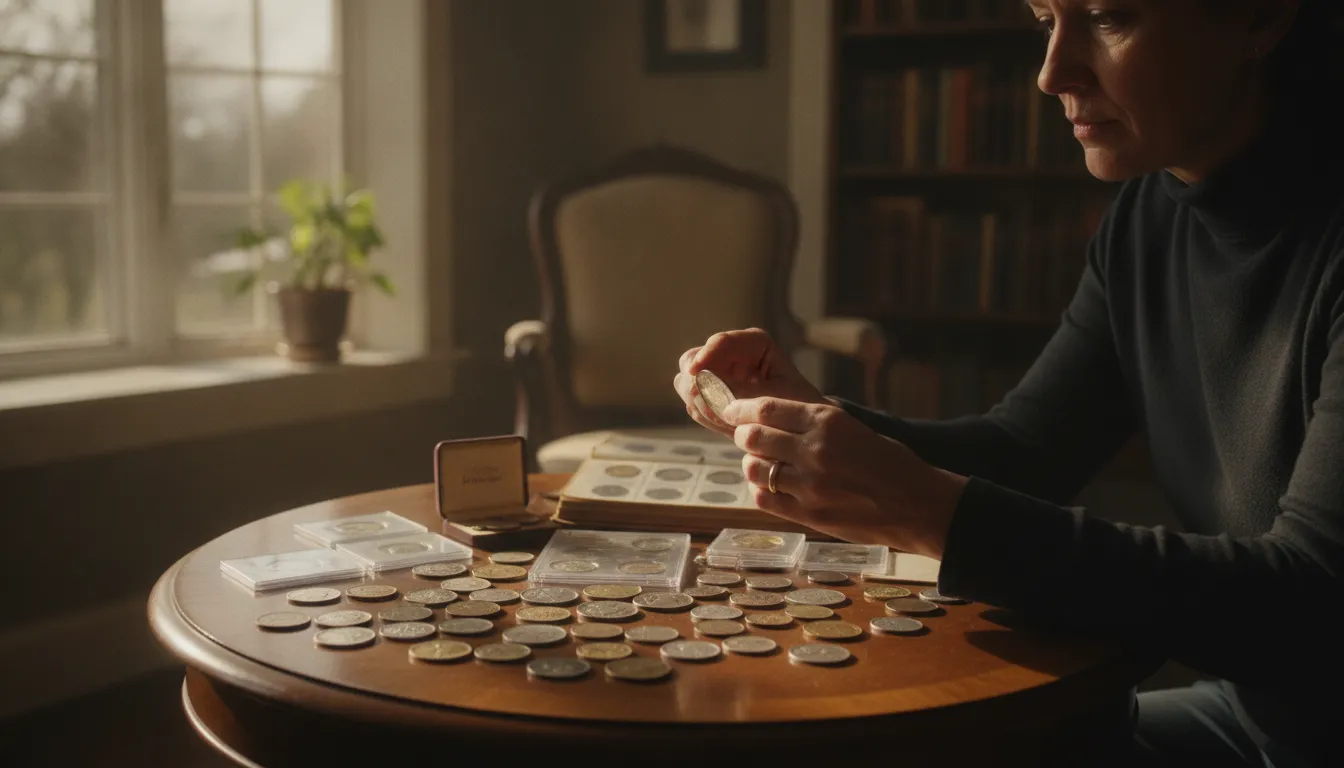
The call comes when you least expect it. A parent, grandparent, or other relative has passed, and among their belongings is a coin collection. Maybe you remember seeing them sort through coins at the kitchen table or talk about a special find at a local shop. Now the collection is in your hands, and you have no idea whether it is worth a few hundred dollars or tens of thousands, or what to do with it next.
That uncertainty is completely normal. Even experienced collectors sometimes struggle to assess an inherited collection, because the gap between what a collection is insured for and what it will sell for can be significant. The good news is that with the right approach, you can get a clear answer about the value of the coins and make informed decisions about what to keep, what to sell, and how to handle the process with confidence.
Call 1-888-419-7136 to speak with a Park Avenue Account Specialist about your inherited coin collection.
Step 1: Secure and Protect the Collection
Your first priority is protecting the coins in their current condition. Many inherited coin collections lose value before they are ever appraised simply because the new owner tried to clean them or moved them improperly. Coins are surprisingly fragile, and even small handling mistakes can reduce a coin's value by a significant percentage.
Keep coins in their original holders. If your relative stored coins in plastic flips, cardboard 2x2s, slabs, or albums, leave them there. These holders protect the coin's surface from fingerprints, scratches, and environmental damage. Removing a coin from its holder introduces risk for no benefit at this stage.
Do not clean any coins. This is the single most important rule in coin collecting. Cleaning a coin, even with a soft cloth or mild soap, produces microscopic scratches that permanently damage the surface. Collectors and dealers can immediately spot a cleaned coin, and the value drops significantly, often by 50% or more. If a coin looks dirty or tarnished, leave it that way. Professional conservation exists for rare coins, but it should only be performed by an expert after the coin has been appraised.
Store the collection in a safe, stable environment. Extreme temperature changes and humidity are damaging to coins. Keep the collection in a room-temperature area away from direct sunlight, basements, and attics. If you have a home safe, that is an excellent place for the collection until you decide on next steps.
Step 2: Organize and Make a Basic Inventory
Before you seek a professional appraisal, take an afternoon to organize the collection. This step does not require any special knowledge, and having a basic inventory will save time when you speak with a dealer or appraiser.
Separate coins into broad categories:
- Bullion coins — Modern gold, silver, platinum, or palladium coins like American Gold Eagles, American Silver Eagles, Canadian Maple Leafs, and South African Krugerrands. These are valued primarily by their metal content.
- Proof and uncirculated sets — Coins in sealed government packaging, often from the U.S. Mint. These include proof sets, uncirculated sets, and commemorative sets.
- Loose U.S. coins — Morgan silver dollars, Peace dollars, walking Liberty half dollars, Washington quarters, Mercury dimes, Indian Head cents, and other coins minted for circulation.
- Foreign coins — Coins from other countries that may or may not contain precious metal.
- Paper money or medals — Any currency, medals, or tokens that are not coins.
- Collectible accessories — Albums, display cases, books, and grading guides that may have value on their own.
Create a simple inventory. Use a spreadsheet or notebook to record what you find. For each coin or set, note the year, denomination, any visible mint mark (a small letter indicating where it was made), and whether it is in a holder or loose. You do not need to guess values at this stage. This inventory becomes your reference when you speak with an appraiser and helps ensure nothing gets overlooked.
Step 3: Get a Professional Appraisal
Once your collection is organized, the next step is having it evaluated by a trained numismatist. A professional appraisal gives you a realistic understanding of what the collection is worth and what you can expect when you sell. Not all appraisals are the same, and understanding the difference helps you choose the right one for your situation.
Free verbal appraisal. Many reputable coin dealers, including Park Avenue Numismatics, offer free walk-in appraisals. A specialist examines the collection, identifies key pieces, and gives you a verbal estimate of value and a buy offer if you are interested in selling. This is a no-obligation service that gives you immediate clarity. It is the right starting point for most heirs.
Paid written appraisal. If the collection is large, includes very rare coins, or needs to be valued for estate or insurance purposes, a formal written appraisal from an accredited appraiser is appropriate. Written appraisals include detailed descriptions, grading, and market valuations for each significant coin. The cost typically ranges from $75 to $200 per hour depending on the size and complexity of the collection.
What to bring to an appraisal. Bring the entire collection, any documentation your relative left behind (old appraisals, receipts, collection lists, Red Book references), and your basic inventory. Do not bring only a few representative coins, because a collection's value often lies in specific pieces that may not seem notable at first glance.
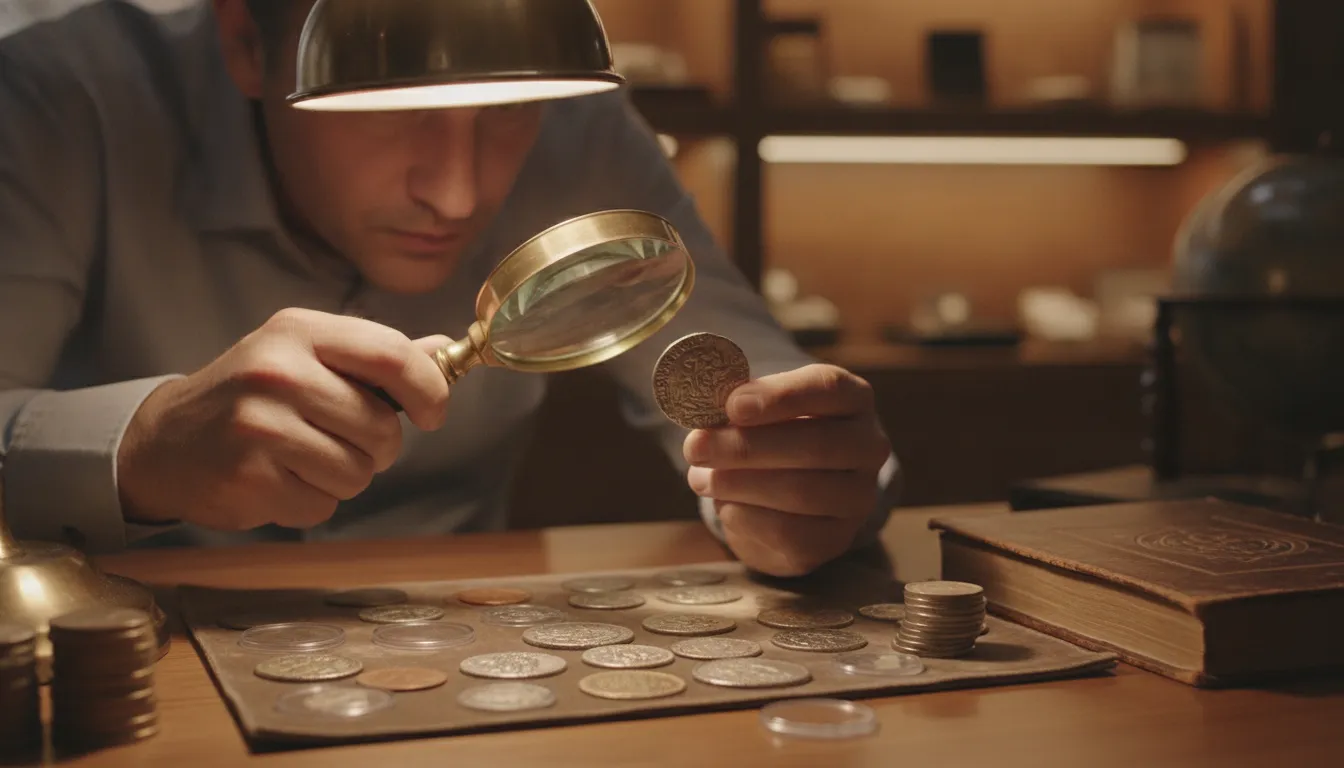
Park Avenue Numismatics has served the Miami area since 1988 and is an authorized PCGS and NGC dealer. Its in-person walk-in appraisal service at 5084 Biscayne Blvd, Suite 105, gives you the opportunity to have your inherited collection evaluated face to face by specialists who understand both the numismatic and bullion sides of the coin market.
Collection Value vs. Cash Value: What's the Difference?
One of the most important concepts for any heir to understand is the difference between the various ways a collection can be valued. A single coin can have three or four different price points depending on the context, and not understanding the difference leads to unrealistic expectations.
Insurance replacement value is the highest figure. It represents what it would cost to replace every coin in the collection with an identical coin of the same grade in the current retail market. This is the value you insure the collection for, and it is typically the highest number you will see.
Retail value is what a dealer would charge a customer to buy that same coin from their inventory. Retail pricing includes the dealer's overhead, expertise, and guarantee of authenticity. It is a useful reference point but not what you as a seller will receive.
Cash value, or what a dealer pays, is the figure that matters when you are selling. Dealers buy coins at wholesale prices because they need to hold inventory, authenticate each piece, and wait for a buyer. The gap between retail and wholesale can range from 10% to 20% for common bullion coins to 30% to 50% or more for rare numismatic coins depending on liquidity and market conditions.
Understanding these distinctions helps you approach the selling process with realistic expectations. A collection your relative insured for $50,000 may sell for $30,000 to $40,000, and that is a normal outcome, not a sign that you are being taken advantage of. A transparent dealer explains these figures clearly and shows you how the buy price was calculated.
Step 4: Decide How and Where to Sell
Once you know what the collection is worth, you have several options for selling. Your choice depends on how quickly you want to sell, how comfortable you are with risk, and whether you want the simplicity of a single transaction or the potential upside of selling pieces individually.
Local coin dealer. Selling to an established local coin dealer is the safest and simplest option for most heirs. You bring the collection in, receive a professional evaluation and a buy offer, and if you accept, you walk out with payment the same day. There is no shipping risk, no listing fees, no waiting for an auction to close, and no dealing with buyers who may not follow through. For heirs who do not collect coins themselves, this is almost always the right first stop.
Auction. Selling through a major numismatic auction house can achieve higher prices for rare and desirable coins, but it comes with trade-offs. Auction houses charge seller's fees (typically 10% to 15%), and you wait 30 to 90 days for the auction to close and payment to clear. The final sale price is not guaranteed. For common bullion coins and mid-range collectibles, auction results may actually be lower than a dealer offer after fees are deducted.
Online marketplace. Selling coins yourself on eBay or other online platforms gives you direct access to buyers, but it carries significant risks for inexperienced sellers. You need to accurately grade and photograph each coin, absorb the platform fee and payment processing costs, deal with returns and disputes, and navigate shipping insurance and fraud protection. For heirs with no numismatic experience, online selling is the most time-consuming and risk-prone option.
What a Miami physical dealer offers. Park Avenue Numismatics provides a transparent, face-to-face transaction at its physical location on Biscayne Blvd. You can watch the evaluation process, ask questions in real time, and decide on the spot. The company has been operating since 1988, maintains an A+ rating with the Better Business Bureau, and holds authorizations from both PCGS and NGC, the two leading independent coin grading services. For liquidity and reputation, the buy price comes from a dealer who puts their name and 38-year history behind every transaction.
Not sure where your inherited coins stand? Bring them to Park Avenue Numismatics at 5084 Biscayne Blvd, Suite 105, Miami, or call 1-888-419-7136.
What to Look For in a Coin Buyer
Whether you choose a local dealer, auction house, or online platform, knowing what separates a fair buyer from one to avoid helps you protect the value of your inheritance.
Red flags:
- Weight-only buyers who offer to buy the entire collection based on its total weight without examining individual coins. This is a sign that rare or collectible pieces are being ignored, and you are being offered bullion prices for coins that may be worth much more.
- No explanation of how the offer was calculated. A reputable buyer shows you the breakdown: which coins have numismatic value, which are valued at melt, how premiums were determined, and how rare pieces were graded.
- Pressure to decide immediately. You should never feel rushed. A fair offer is still fair tomorrow. Buyers who insist you decide right now are counting on your uncertainty to get a better deal.
- No physical business address. A buyer who operates only online or through a P.O. box cannot provide the same accountability as a dealer with a staffed storefront you can visit.
Green flags:
- PCGS or NGC authorized dealer status. Independent grading by these organizations means the dealer operates within a professional framework with enforceable standards. Park Avenue Numismatics is an authorized PCGS and NGC dealer.
- Published pricing and transparent buy policies. The dealer explains how buy prices relate to published market data such as the Greysheet, PCGS Price Guide, or current spot prices.
- A+ BBB rating and documented operating history. Park Avenue Numismatics maintains an A+ BBB rating with more than 38 years of continuous operation.
- Physical Miami location. A storefront on Biscayne Blvd means you can visit, inspect, and complete the transaction in person with no guesswork.
Frequently Asked Questions
Do I need to clean inherited coins before selling?
No. Never clean coins before selling. Cleaning reduces value because it removes the original surface and leaves micro-abrasions that graders and collectors can detect. Leave coins exactly as you found them, including any natural toning or tarnish.
Should I get more than one appraisal?
It depends on the size and rarity of the collection. For a straightforward collection of common bullion coins and moderately collectible pieces, one free in-person appraisal from an established dealer is usually sufficient. For a large collection or one that may contain rare coins, getting a second opinion from another reputable dealer adds confidence. Be aware that paid written appraisals from independent appraisers are appropriate for estate settlement or insurance but are not necessary for a simple sale decision.
How long does it take to sell an inherited coin collection?
A direct sale to a local coin dealer can be completed in a single visit. The evaluation typically takes 30 minutes to an hour depending on the size of the collection, and if you accept the offer, payment is immediate. Selling through auction takes one to three months. Selling individual pieces online can take six months to a year or more.
What documents do I need to sell inherited coins?
You do not need special documentation to sell most coin collections, but having certain documents helps. Bring any original receipts, old appraisals, collection lists, or grading certificates your relative left behind. For estates, you may need to verify that you are the authorized representative of the estate, particularly for high-value collections. A reputable dealer walks you through what is needed based on your specific situation.
Next Steps for Your Inherited Collection
Inheriting a coin collection can feel overwhelming at first, but the path forward is straightforward. Secure the coins, organize a basic inventory, get a professional appraisal, and decide on the selling option that fits your situation. You do not need to become a numismatic expert overnight to make informed decisions about your inheritance. A trusted local dealer with a track record of transparent dealings, like Park Avenue Numismatics, can help you understand what you have and give you a fair path to liquidity on your timeline.
Call 1-888-419-7136 to speak with a Park Avenue Account Specialist about your inherited coin collection. You can also visit the showroom at 5084 Biscayne Blvd, Suite 105, Miami, FL 33137 Monday through Saturday for a free walk-in appraisal.





