
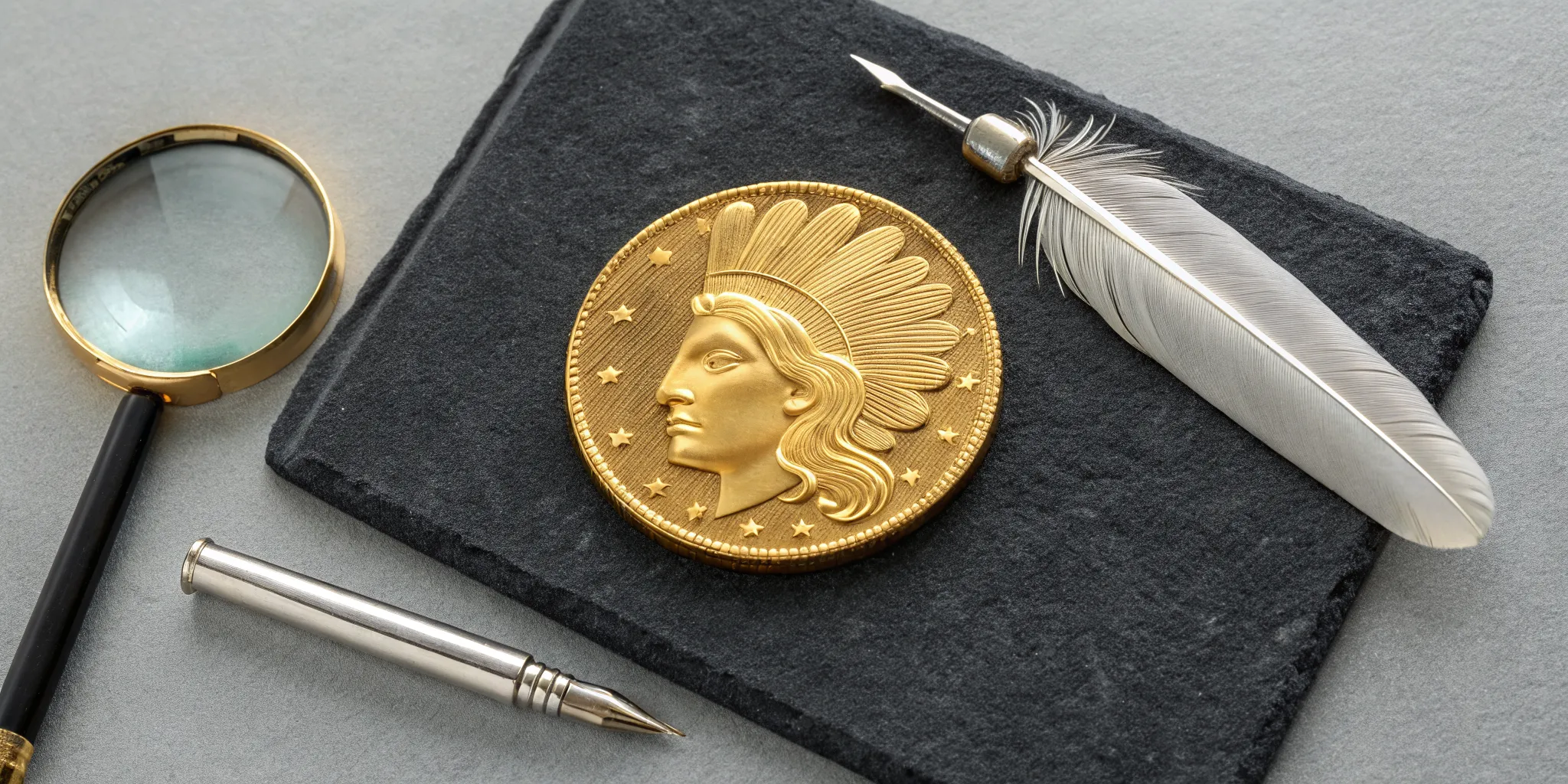
For investors, not all gold coins are created equal. While many are valued primarily for their weight in gold bullion, some, like the $2.5 Indian Head, carry a significant numismatic premium. This means collectors are willing to pay far more than the base metal value for the coin's rarity and historical importance. The 1911-D, for example, can be worth thousands of dollars more than a common date from the same series. To make a smart investment, you need to understand what drives this extra value. This article breaks down the key factors that determine the $2.5 Indian Head gold coin value, helping you distinguish a good investment from a great one.
Key Takeaways
- Value is more than just gold: A coin's price starts with its gold content, but its real value comes from its numismatic premium. Factors like the year it was made, its mint mark, and its physical condition are what collectors truly pay for.
- Condition and authenticity are critical: The grade, or physical state, of your coin can change its value by thousands of dollars. The surest way to confirm a coin is genuine and accurately graded is to have it professionally appraised by an expert.
- Work with a reputable dealer: Whether buying or selling, partnering with an established coin dealer is the safest approach. This ensures you avoid common pitfalls like counterfeits and overpaying, while also getting a fair price based on current market trends.
What Is the $2.5 Indian Head Gold Coin?
The $2.5 Indian Head Gold Coin, often called the Quarter Eagle, is one of the most distinctive pieces in American numismatics. It was born from President Theodore Roosevelt’s mission to beautify the nation's coinage, leading to a design that broke from tradition. Its unique appearance and fascinating history make it a favorite among both seasoned collectors and people new to investing in rare coins for sale.
Before you can accurately determine your coin's value, it helps to understand its background. This coin represents a special chapter in U.S. Mint history, produced during a time of artistic renewal for American money. Its limited production run and iconic design ensure it remains a cornerstone of many collections. Let's look at the specifics of its design and production history.
History and Design
The most striking feature of the $2.5 Indian Head Gold Coin is its incuse design. Unlike traditional coins where the images are raised from the surface, the Quarter Eagle’s features are sunken into the metal. This innovative approach was the work of Boston sculptor Bela Lyon Pratt. The obverse (front) of the coin features a realistic portrait of a Native American chief in a full headdress. This central image is surrounded by 13 stars for the original colonies, the minting year, and the word "LIBERTY." The reverse (back) shows a proud bald eagle standing on a bundle of arrows and an olive branch, symbolizing America's strength and desire for peace.
Minting Years and Key Facts
The U.S. Mint produced the $2.5 Indian Head Gold Coin during two distinct periods: from 1908 to 1915 and again from 1925 to 1929. Production paused due to the economic pressures of World War I and ended permanently with the onset of the Great Depression. Each coin contains 0.12094 troy ounces of pure gold, as it is made from an alloy of 90% gold and 10% copper. It weighs 4.18 grams and has a diameter of 18 millimeters. These coins were struck at just two mints: Philadelphia (no mint mark) and Denver ("D" mint mark). Because no more will ever be produced, their finite supply is a key factor in their lasting value as a piece of gold bullion.
How Is the $2.5 Indian Head Gold Coin Valued?
Figuring out the value of a $2.5 Indian Head gold coin is about more than just its age or gold content. It’s a fascinating puzzle where several key pieces come together to determine its worth to collectors and investors. The final value is a blend of its physical condition, its overall rarity, where it was minted, and the premium it commands beyond its weight in gold. Understanding these four factors is the first step to accurately assessing your coin and appreciating its place in numismatic history. Let's look at each of these elements more closely.
Condition and Grade
The physical condition of your coin is one of the most significant factors in its valuation. A coin that never entered circulation and remains in pristine, or "mint state," condition will always be worth more than one that shows signs of wear from being used in transactions. Collectors use a grading scale to define a coin's condition, with higher grades like MS-60 (Mint State) and above fetching premium prices. Even small scratches, dings, or a loss of fine detail can dramatically lower a coin's grade and, consequently, its value. Well-preserved rare coins for sale are highly sought after because they offer a clear window into the artist's original design.
Rarity and Mintage
Like any collectible, the value of a $2.5 Indian Head is heavily influenced by supply and demand. Rarity is a key driver here. Some years had much lower mintage numbers, meaning fewer coins were produced, making them harder to find today. The 1911-D (Denver mint) is the undisputed king of the series, with a mintage of only 55,680. Because so few were made, and even fewer survive in high-grade condition, it is the most valuable coin in the set. Many coins from this era were melted down over the years, so the number of surviving examples for any given year is far lower than the original mintage figures, adding to their scarcity.
The Importance of Mint Marks
A tiny letter on your coin can make a world of difference in its value. Mint marks identify which U.S. Mint facility produced the coin. For the $2.5 Indian Head series, coins minted in Philadelphia have no mint mark, while those struck in Denver feature a small "D" on the reverse side, just to the left of the arrowhead. This is crucial because the mint mark tells you the coin's origin, which is directly tied to its mintage and rarity. For example, a 1911 coin with a "D" mint mark is the rare key date, while a 1911 coin without a mint mark is a common date, and their values are thousands of dollars apart.
Gold Content vs. Numismatic Premium
Every $2.5 Indian Head gold coin contains 0.12094 troy ounces of pure gold, giving it a base value tied to the current market price of gold. This is its intrinsic, or "melt," value. However, these coins almost always trade for much more than their weight in gold bullion. The additional value is called the numismatic premium, which is what collectors are willing to pay for the coin's rarity, condition, and historical significance. For common-date coins in lower grades, the value will be closer to the gold price, but for rare dates in high grades, the numismatic premium can be hundreds or even thousands of times the melt value.
How to Assess Your Coin's Condition
A coin’s condition, or grade, is one of the most significant factors in determining its value. Two $2.5 Indian Head gold coins from the same year can have vastly different prices based on their level of preservation. While it takes years to become a grading expert, you can learn the basics to get a general idea of your coin’s condition. This initial assessment helps you understand what you have and decide on the next steps, like seeking a professional appraisal.
Assessing a coin involves more than just looking for scratches. You need to understand the industry-standard grading scale, know which parts of the coin’s design wear down first, and recognize the difference between honest wear and damaging alterations. It’s a detailed process, but learning to spot the key indicators of a coin's grade is a crucial skill for any serious collector or investor.
Learn the Sheldon Grading Scale
The coin collecting world uses a standardized system called the Sheldon grading scale. It’s a 70-point scale where a grade of 1 (Poor) represents a coin that is barely identifiable, and a 70 (Mint State) signifies a perfect coin with no visible imperfections, even under magnification. For $2.5 Indian Head coins, you’ll most often see grades ranging from About Uncirculated (AU) to Mint State (MS). A coin graded AU-58, for example, will show only the slightest trace of wear on its highest points. A coin graded MS-65, known as a "Gem," will have strong luster and only a few minor, scattered contact marks. Understanding where your coin might fall on this scale is the first step in estimating its numismatic value.
Examine Key Physical Features
When you examine your coin, you’re looking for specific details. Hold the coin by its edges and tilt it under a good light source to see how light reflects off its surfaces. Is the original mint luster still present, or does the coin look dull? Luster is a key indicator of an uncirculated coin. Next, check the high points of the design for wear. On the $2.5 Indian Head, the most prominent features, like the Native American’s cheekbone and the feathers in the headdress, are the first to show friction. Also, look for any distracting marks, scratches, or rim dings. It’s important to distinguish between circulation wear and post-mint damage, as things like harsh cleaning can significantly lower a coin’s value, even if it has minimal wear.
Professional Grading vs. Self-Assessment
While you can get a rough idea of your coin’s grade at home, a professional appraisal is essential for an accurate valuation. An expert can spot subtle details, like evidence of cleaning or artificial toning, that a novice collector might miss. Consulting with a trusted precious metals dealer is often the best first move when you need to understand your coin's true condition and market value. For high-value coins, submitting them to a third-party grading service like PCGS or NGC is the industry standard. These services authenticate and grade your coin, then seal it in a protective holder with its official grade. This certification removes subjectivity and gives potential buyers confidence, which is why working with an established coin dealer who understands this process is so important for maximizing your return.
Which Dates and Mint Marks Are Most Valuable?
When you're determining the value of a $2.5 Indian Head Gold Coin, the date and mint mark are two of the most important factors to consider. While every one of these coins contains a significant amount of gold, certain years are far scarcer than others. This rarity can dramatically increase a coin's value, turning a beautiful piece of gold into a prized collector's item. Understanding which dates to look for is key to recognizing the true potential of your coin. Let's explore the specific dates that command the highest prices and how to distinguish a common coin from a rare find.
The 1911-D and Other Key Dates
The undisputed champion of the series is the 1911-D. Struck at the Denver mint, this coin is the rarest and most sought-after date for the $2.5 Indian Head. Its low mintage makes it a significant prize for any serious collector. If you happen to have a 1911-D, its value can be substantial, with high-grade examples often selling for more than $10,000. While the 1911-D is the primary key date, other years also carry a premium. Keep an eye out for any coins with lower mintage numbers, as these will almost always be more valuable than their more common counterparts. We frequently see these historic pieces among our inventory of rare coins for sale.
Identify Low-Mintage Years
Beyond the famous 1911-D, knowing which other years had low production numbers is crucial for assessing value. The lower the mintage, the fewer coins are available for collectors today, which drives up demand and price. For example, an 'Extremely Fine' 1911-D can be worth around $4,000, while an 'Uncirculated' version can approach $5,000 or more. This illustrates how both rarity and condition work together to set a coin's final value. When you examine a $2.5 Indian Head, one of your first steps should be to identify the date and mint mark, then research the mintage figures for that specific issue. This simple step helps you understand if you're holding a common coin or something truly special.
Common vs. Scarce Dates
It's helpful to know which dates are considered common for the series. This allows you to set realistic expectations when you find a $2.5 Indian Head coin. The most frequently seen dates include 1910, 1911 (from the Philadelphia mint, not the 1911-D), 1914, and all the dates from 1925 to 1929. These coins were produced in large numbers and are more accessible to collectors. Most other dates in the series are scarcer and typically valued between $300 and over $1,000, depending heavily on their condition. Even a common-date coin has a strong base value from its gold bullion content, but identifying a scarce date is what excites collectors.
Find Current Market Values
Price Ranges by Grade
A coin's condition is one of the biggest factors in its value. A heavily worn $2.5 Indian Head gold coin might be worth around $400, while most circulated examples fall somewhere between $300 and $1,000. However, a coin in pristine, uncirculated condition can command a much higher price, sometimes several thousand dollars, depending on its specific date and mint mark. These price ranges give you a general idea, but the final value always comes down to a precise grade. You can browse collections of rare coins for sale to see how professional grading translates into market prices for different pieces.
How Market Trends Affect Value
The $2.5 Indian Head gold coin is more than just a piece of history; it's also a tangible asset with investment potential. Because the U.S. Mint is no longer producing these coins, their supply is fixed. As time goes on, they naturally become rarer, which can drive their value up. Collector demand plays a huge role here. Coins with specific desirable features or from key dates can see significant appreciation. Understanding these market dynamics is key to recognizing a good investment. Our team at Park Avenue Numismatics has spent decades analyzing these trends to help collectors build strong portfolios.
The Impact of Gold Prices
Every $2.5 Indian Head coin has a base value tied directly to its gold content. This is often called its "melt value" or intrinsic value. Because the coin is made of 90% gold, its price has a floor; it will always be worth at least the value of the gold it contains. When the market price of gold rises, the base value of your coin rises with it. This provides a solid foundation for the coin's overall worth, which is then supplemented by its numismatic premium based on rarity and condition. You can always check the current spot price of gold bullion to understand this foundational aspect of your coin's value.
How to Verify a Coin's Authenticity
Confirming your coin is genuine is the most critical step in determining its value. The market for classic American coins, especially gold pieces like the $2.5 Indian Head, unfortunately attracts counterfeiters. A fake coin, no matter how convincing, holds no numismatic or bullion value. Protecting your investment starts with a thorough authenticity check. Thankfully, there are several reliable methods you can use to verify your coin, from seeking professional opinions to learning the key characteristics of genuine pieces yourself. Taking these steps ensures you know exactly what you have before you decide to sell or add it to your collection.
Look for Professional Certification
The single most reliable way to confirm a coin's authenticity and grade is through professional certification. Third-party grading services like PCGS and NGC are the industry standard. Their experts authenticate, grade, and encase coins in secure, sonically sealed holders with a unique certification number. This process removes all doubt about a coin's legitimacy. If your coin isn't certified, your best first move is to consult with a reputable coin dealer. An experienced numismatist can examine the coin, give you a professional opinion on its authenticity, and guide you through the submission process for official grading if it makes sense for your coin.
Recognize Common Counterfeits
Familiarizing yourself with the traits of genuine $2.5 Indian Head gold coins is a powerful defense against fakes. Counterfeits often have subtle but significant flaws. Pay close attention to the details of the design; fakes may appear soft, mushy, or have incorrect dimensions. The weight is another critical tell. A genuine Quarter Eagle weighs 4.18 grams, and a significant deviation is a major red flag. Also, look at the coin's edge for proper reeding. Many forgeries are made from base metals and plated with gold, so any sign of discoloration or wear revealing a different metal underneath is a clear indicator of a fake.
Use Authentication Tools
While nothing replaces a professional eye, a few tools can help you perform a preliminary inspection. A simple jeweler's loupe or magnifier allows you to examine fine details, like the mint mark and the designer's initials (B.L.P. for Bela Lyon Pratt) below the Indian's bust. It's also important to understand the coin's expected appearance. Genuine $2.5 Indian Head coins typically do not have a strong "cartwheel" luster like other gold coins of the era. Be wary of coins that look unnaturally shiny, as this can be a sign of a counterfeit or harsh cleaning. When you view authentic coins, you'll notice they have an even color and pleasing eye appeal, which are hallmarks of originality.
Where to Buy $2.5 Indian Head Gold Coins
Once you’ve decided to add a $2.5 Indian Head gold coin to your collection, the next big question is where to find one. The place you choose to buy from is just as important as the coin you select. Your purchasing experience can determine the authenticity, quality, and fairness of the price you pay. While there are many avenues available, they come with different levels of risk and reward. Making an informed choice will protect your investment and ensure you get a coin you’ll be proud to own.
Why Choose an Established Coin Dealer
Working with a reputable coin dealer is the most secure way to purchase a $2.5 Indian Head gold coin. An established dealer offers something that online marketplaces can’t: expert verification and a professional reputation. They have a vested interest in providing authentic, accurately graded coins because their business depends on it. When you buy from a trusted source, you gain peace of mind knowing the coin has been vetted by professionals. A good dealer can also be a valuable educational resource, helping you understand the nuances of a coin’s condition and history, ensuring you find the perfect piece for your collection.
Weighing Online Marketplaces and Auctions
Online marketplaces and auction sites can seem tempting, as they often feature a wide selection of coins from various sellers. You might even find what appears to be a great deal. However, these platforms carry significant risks. The responsibility of verifying a coin's authenticity falls entirely on you, and the market is unfortunately filled with convincing counterfeits. While some sellers are honest collectors, others are not. It’s crucial to be cautious and do extensive research on a seller’s reputation, return policies, and reviews before ever placing a bid or making a purchase. If a deal seems too good to be true, it almost always is.
Spot Red Flags in a Seller
Whether you’re browsing an online auction or a local shop, knowing how to spot red flags can save you from a bad investment. First, be wary of sellers who use blurry or low-quality photos, as this can hide imperfections or signs of a fake coin. Vague descriptions are another warning sign. A reputable seller will provide clear details about a coin’s grade, mint mark, and any notable characteristics. Also, pay close attention to the coin’s appearance. If it looks unusually shiny, it may have been harshly cleaned, a process that strips its original surface and drastically reduces its numismatic value. Finally, always check for a clear and fair return policy. A seller who won’t stand behind their product is not one you want to do business with.
Avoid These Common Buying Mistakes
Entering the world of numismatics is exciting, but it’s easy to make a few missteps when you’re just starting out. The $2.5 Indian Head Gold Coin, with its rich history and beautiful design, is a popular choice for both new and seasoned collectors. However, its popularity also means there are plenty of opportunities to overpay or purchase a coin that isn’t what it seems. A little knowledge can go a long way in protecting your investment and ensuring you add a genuine treasure to your collection.
By understanding the common pitfalls, you can approach your purchase with confidence. From recognizing what truly drives a coin’s value to knowing when to ask for help, these steps will help you make smarter decisions. Let’s walk through the most frequent mistakes buyers make and how you can steer clear of them.
Misconceptions About Value
One of the biggest mistakes is assuming all $2.5 Indian Head gold coins are created equal. While any Quarter Eagle is a great find, their values can vary dramatically. It’s not enough to simply find a coin from the right era; its specific characteristics determine its worth. Many new buyers focus only on the date, but the mintmark, mintage numbers, and overall condition play a much larger role in the final valuation. A common date in poor condition will be worth significantly less than a rare date, like the 1911-D, in pristine, uncirculated condition. Understanding these nuances is the first step to building a truly valuable collection of rare coins for sale.
How to Avoid Overpaying
To avoid paying more than a coin is worth, you need to do your homework. The value of a $2.5 Indian Head gold coin is a blend of its intrinsic gold content and its numismatic premium. This premium is based on factors like rarity, historical demand, and condition. Before making a purchase, research recent sales of similar coins in the same grade. Compare prices from multiple reputable dealers and auction houses. Be wary of deals that seem too good to be true. A solid understanding of the current market for both gold bullion and the specific coin you’re interested in will give you the confidence to pay a fair price.
Why You Should Consult an Expert
When in doubt, the single best thing you can do is consult a professional. Whether you are buying or selling, an experienced numismatist can provide an accurate assessment of a coin's grade, authenticity, and fair market value. A reputable dealer can spot subtle details that an untrained eye might miss, from signs of cleaning to sophisticated counterfeits. This expert guidance is invaluable for protecting your investment and making informed decisions. Working with a trusted dealer, like the experts at Park Avenue Numismatics, ensures you have a knowledgeable partner to help you build your collection. You can learn more about our team and our commitment to collectors on our About Us page.
How to Sell Your Coin for Maximum Value
Once you understand your coin's value, the next step is figuring out how to get the best possible price for it. Selling a rare coin isn't like selling everyday items; it requires a bit of strategy. The key is to be patient and deliberate. By timing your sale correctly, getting an expert opinion, and choosing the right venue, you can ensure you receive a fair return that reflects your coin's true worth. These three steps will help you approach the sale with confidence and clarity.
Time Your Sale for the Best Return
Patience can be your greatest asset when selling a $2.5 Indian Head gold coin. Its value is tied to both the price of gold and its numismatic rarity. Because no more of these coins are being produced, they naturally become scarcer over time, which can steadily increase their value to collectors. It’s wise to monitor trends in the gold bullion market, as a rising gold price often lifts the base value of all gold coins. Selling during a period of high demand or when gold prices are strong can make a significant difference in your final offer. Rushing to sell might mean leaving money on the table, so take your time and wait for a favorable market.
Get a Professional Appraisal
Before you even think about listing your coin, your first move should be to consult an expert. A professional appraisal gives you a clear, unbiased understanding of your coin's condition, authenticity, and current market value. An experienced numismatist can identify key characteristics and subtle flaws that you might overlook, which can dramatically affect the price. This expert assessment is your foundation for setting a realistic asking price and gives you the confidence to negotiate effectively. Working with a trusted dealer with decades of experience ensures you have an accurate valuation, protecting you from accidentally underselling your valuable piece of history.
Choose the Right Place to Sell
Where you sell your coin is just as important as when you sell it. While online auction sites might seem convenient, they often come with high fees and attract buyers who are looking for a bargain, not paying top dollar. For a high-value item, your best option is to work with an established and reputable coin dealer. A specialized dealer has a network of serious collectors who are actively looking for quality rare coins for sale like the $2.5 Indian Head. They can offer you a fair price based on real-time market data and provide a secure, straightforward transaction. Comparing offers is always a good idea, but a trusted dealer provides expertise and direct access to the right buyers.
Related Articles
- $2.5 INDIAN Gold Quarter Eagle MS-63
- $2.5 INDIAN Gold Quarter Eagle VF
- $2.5 INDIAN Gold Quarter Eagle MS-64
- $2.50 Gold Indian Head Quarter Eagle
- Type 2 Indian Gold Dollar
Frequently Asked Questions
What's the first thing I should do if I find a $2.5 Indian Head gold coin? The very first step is to handle it carefully by its edges to avoid leaving fingerprints or causing scratches. Then, try to identify the date and the mint mark (a small "D" for Denver, or no mark for Philadelphia) without cleaning the coin in any way. Cleaning can severely damage its surface and lower its value. Once you have that information, your best next move is to consult a professional coin dealer for an expert opinion on its condition and authenticity.
How do I know if my coin's value is mostly from its gold content or from its collector value? This is a great question. Every $2.5 Indian Head coin has a base value from its 0.12094 troy ounces of gold. You can think of this as its price floor. The collector, or numismatic, value is the premium paid on top of that gold value. If your coin is a common date (like 1925-1929) and shows significant wear, its value will be much closer to the gold price. However, if it's a rare date, like the 1911-D, or is in pristine, uncirculated condition, its collector value can be many times greater than its gold content.
You mentioned cleaning is bad. How can I tell if a coin has been cleaned? Spotting a cleaned coin can be tricky, but there are a few telltale signs. A cleaned coin often has an unnaturally bright or dull, lifeless appearance and may lack the original mint luster that gives uncirculated coins a soft glow. You might also see very fine, parallel scratches across the coin's surface, often called "hairlines," which are caused by abrasive cleaning. If a coin's recessed areas are dark but the high points are shiny, that can also be a red flag. An expert can spot these issues immediately.
Why is the 1911-D coin so much more valuable than a 1911 coin without a mint mark? It all comes down to scarcity. The small "D" on the reverse side indicates the coin was struck at the Denver mint, while a coin with no mint mark was made in Philadelphia. In 1911, the Denver mint produced only 55,680 of these coins, making it the lowest mintage of the entire series. In contrast, the Philadelphia mint produced over 700,000 that same year. Because so few 1911-D coins were made, and even fewer have survived in good condition, they are incredibly rare and highly sought after by collectors.
Is it safer to buy one of these coins from a dealer instead of an online auction? In almost every case, yes. While online auctions can seem appealing, the risk of buying a counterfeit, over-graded, or damaged coin is much higher. The responsibility for verifying the coin's authenticity falls entirely on you. When you work with an established coin dealer, you are buying their expertise and reputation along with the coin. They guarantee the authenticity of their inventory and provide accurate grading, which gives you security and peace of mind in your investment.





