
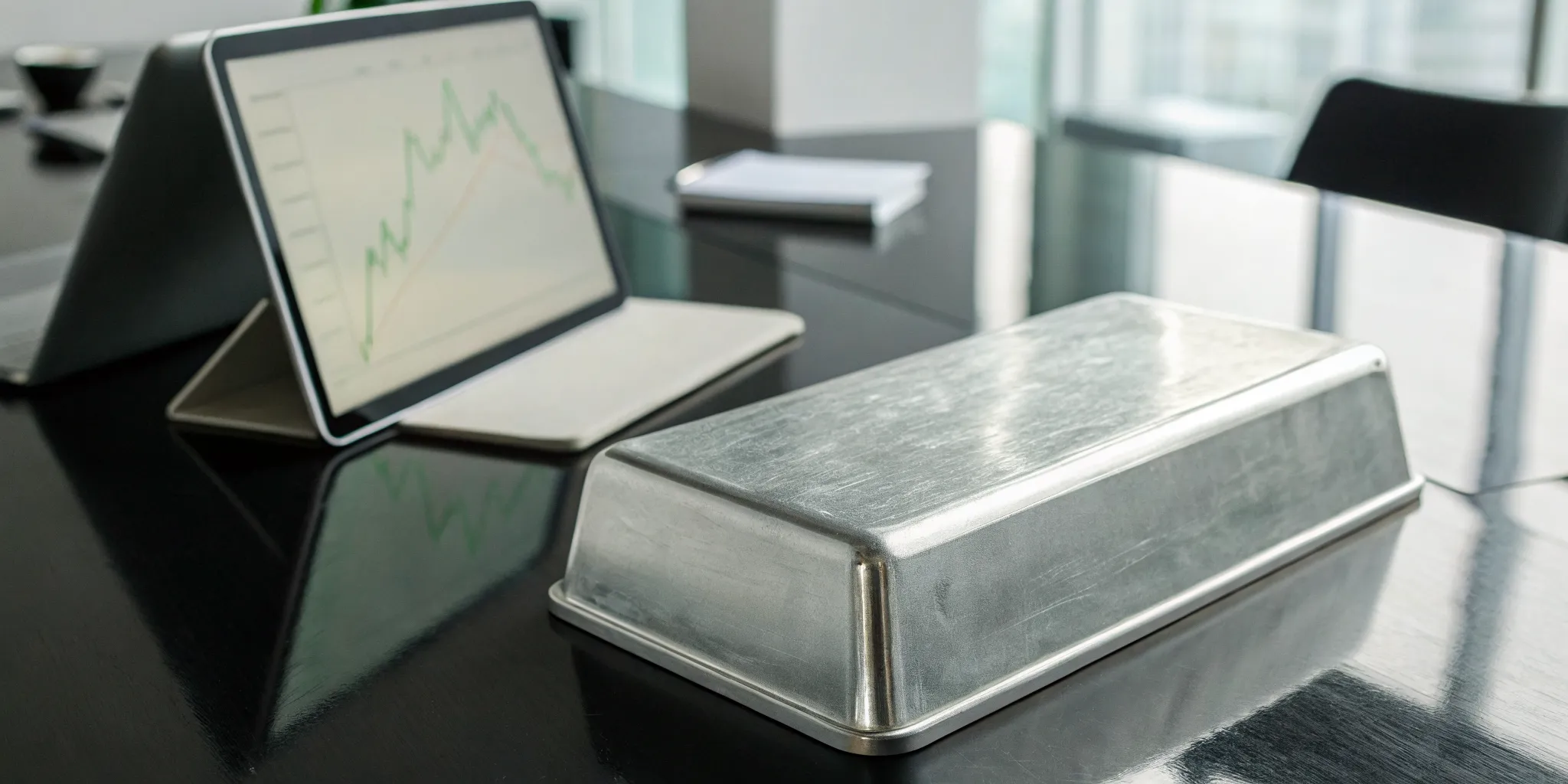
When you buy a high-quality, handcrafted piece of furniture, you understand the price reflects more than just the cost of the wood. It includes the artisan's skill, the design, and the brand's reputation. Buying a 100 oz silver bar is similar. The price starts with the raw material cost, known as the silver spot price, but it doesn't end there. A premium is added to cover the complex process of refining, minting, and distributing that bar to you. Understanding this distinction is crucial for any investor. We’ll explore how these factors come together to establish the current value of 100 oz silver bar, ensuring you know precisely what contributes to the final price tag.
Key Takeaways
- Get More Silver for Your Money: A 100 oz silver bar is a cost-effective investment because its premium (the cost above the silver spot price) is much lower per ounce compared to smaller bars or coins, allowing you to acquire more physical silver for your dollar.
- Prioritize Reputable Brands and Dealers: The brand stamped on the bar and the dealer you buy from are critical. Purchasing from trusted refiners and established dealers ensures your bar's purity and authenticity, which simplifies the process when you decide to sell.
- Manage Price Swings with a Plan: Instead of trying to time the volatile silver market, use strategies like consistent investing over time (dollar-cost averaging) and portfolio diversification to build a resilient, long-term position without the stress of predicting short-term movements.
How Much Is a 100 oz Silver Bar Worth?
Figuring out the value of a 100 oz silver bar is straightforward, but it’s more than just a single number. The final price you’ll pay, or receive when selling, is based on a simple formula: the raw value of the silver plus a few other key factors. The most important factor is the silver "spot price," which is the live market rate for silver. On top of that, a "premium" is added, which covers the costs of turning raw silver into a beautiful, stamped bar and getting it into your hands.
Understanding these components is the first step to becoming a savvy investor. It helps you see exactly what you’re paying for and ensures you can confidently assess any 100 oz silver bar you’re looking to buy or sell. Let’s break down each piece of the pricing puzzle so you know what to expect.
Start with the Silver Spot Price
The foundation for any silver purchase is the spot price. Think of it as the baseline price for one troy ounce of .999 pure silver on the global market, before it’s been minted into a bar or coin. This price fluctuates constantly throughout the day based on supply, demand, and trading activity. To get the base value of a 100 oz bar, you simply multiply the current silver spot price by 100. For example, if the spot price is $30 per ounce, the bar’s base metal value is $3,000. You can always find the live market value of silver bullion on our site to get an up-to-the-minute starting point for your calculation.
What's a Typical Price Range?
If you browse different dealers, you’ll notice that not all 100 oz silver bars are priced the same, even when the spot price is identical. This is because the final price is influenced by the bar’s brand and the dealer selling it. Bars from highly respected mints like the Royal Canadian Mint, Johnson Matthey, or Engelhard might carry a slightly higher price than bars from lesser-known refiners. This difference creates a price range. While the range shifts daily with the spot price, it’s driven by investor confidence in certain brands and the specific inventory a dealer has on hand. This is why you might see two 100 oz bars with slightly different prices side-by-side.
Factor in Premiums and Fees
The "premium" is the amount you pay over the silver spot price. This isn't an arbitrary fee; it’s a standard part of the precious metals industry that covers the costs of fabricating, minting, and distributing the bar, plus the dealer's operational costs and profit. The good news is that larger bars, like the 100 oz size, typically have a much lower premium per ounce than smaller 1 oz bars or silver coins. This makes them one of the most cost-effective ways to buy physical silver in bulk. When you buy rare coins, the premium is often much higher due to numismatic value, but with bullion, the goal is to get the lowest premium possible.
What Influences the Price of Silver?
The value of a 100 oz silver bar isn't set in stone. It’s a dynamic figure that shifts based on a complex interplay of global economics, industrial activity, and investor sentiment. Because silver prices are highly volatile and fluctuate with the live market, understanding the key drivers behind these changes is crucial for any investor. Think of it less as a fixed price tag and more as a reflection of the world's economic health and technological needs. These factors work together to create the daily spot price and influence the premiums you’ll pay.
Market Demand and Industry Needs
Silver wears two hats: it’s both a precious metal for investment and a critical industrial component. This dual demand is a major price driver. On one hand, investors often purchase silver bullion to diversify their portfolios and protect their wealth against inflation or economic uncertainty. When more people are looking to silver as a safe haven, demand increases, and prices tend to follow. On the other hand, silver is essential for manufacturing everything from solar panels and electric vehicles to smartphones and medical equipment. As these industries grow, their need for silver creates a steady, underlying demand that helps support its value.
Inflation and Economic Policies
When the cost of living rises and the purchasing power of money declines, many people turn to tangible assets. Silver has long been considered a reliable hedge against inflation. As central banks implement policies like printing more money or lowering interest rates, the value of currencies can weaken. This often prompts investors to move their capital into precious metals to preserve its value. A 100 oz silver bar is an especially cost-effective way to do this, since you typically pay a lower premium per ounce compared to buying smaller coins or bars. This makes it an attractive option for those looking to protect their financial future.
Global Events and Economic Stability
Market stability is a huge factor in the price of silver. During times of geopolitical tension, trade disputes, or widespread economic downturns, investors tend to seek out assets that are not tied to any single government or corporation. Silver, like gold, often serves as this safe-haven asset. The uncertainty pushes demand higher, which in turn can drive up the price. A sudden crisis can cause a rapid influx of buyers into the precious metals market, creating significant price swings. Watching global headlines can give you a good sense of the short-term pressures affecting silver’s value.
Mining Output and Supply Chain Issues
Like any physical commodity, silver’s price is subject to the basic laws of supply and demand. The amount of silver pulled from the ground each year can fluctuate due to mining discoveries, labor strikes, or new environmental regulations in major silver-producing countries. Any disruption to this supply can lead to higher prices. Similarly, bottlenecks in the supply chain, which affect the refining and minting of silver bars, can also impact availability and cost. The 100 oz silver bar strikes a great balance: it’s large enough to offer a lower premium, yet still manageable to produce, store, and transport, making it a resilient choice even when supply chains are strained.
Why Premiums Differ Between Brands and Dealers
When you buy a 100 oz silver bar, you’ll notice the price is always slightly higher than the raw value of the silver itself. This added cost is called a premium, and it covers everything from minting and distribution to the dealer's operational costs. What can be confusing is that this premium isn’t a fixed number; it changes based on the bar’s brand, where you buy it, and even how much you buy at once. Getting a handle on these differences is the key to making sure you get a fair price for your investment.
Find Reputable Brands
Not all silver bars are created equal, and the brand name stamped on the bar really matters. You’ll want to look for bars from well-known, reputable mints and refiners. Companies like PAMP Suisse, Johnson Matthey, and the Perth Mint have a long history of producing high-quality bullion. When you buy from a trusted brand, you can be confident in what you’re getting. These bars are typically stamped with their weight, purity (usually .999 fine silver), and a unique serial number, which provides an extra layer of security and authenticity. Choosing a recognized brand makes your investment easier to verify and, ultimately, easier to sell later on.
How Reputation Impacts Price
A brand's reputation directly influences the premium you'll pay. Highly recognized names like the Royal Canadian Mint (RCM) or Engelhard often command higher premiums because they are trusted globally. Think of it as paying for peace of mind. Investors are willing to spend a little more for a bar that is instantly recognizable and accepted by dealers everywhere. This established trust means the bar is highly liquid. While a generic bar from a lesser-known refiner will still hold its silver value, a premium brand offers an assurance of quality and an easier path to liquidation when you decide to sell your silver bullion.
Compare Online vs. In-Person Dealers
Where you buy your silver also affects the price. Online dealers often have lower overhead costs than brick-and-mortar shops, which can translate into lower premiums for you. They also tend to offer a wider selection. However, some investors prefer the personal service and immediate possession that comes with visiting an in-person dealer. Regardless of which you choose, the most important factor is the dealer’s reputation. With over 35 years of experience, our team at Park Avenue Numismatics is committed to transparency and fair pricing, whether you’re browsing our rare coins for sale online or speaking with one of our experts.
How Buying in Bulk Changes the Premium
The size of your purchase plays a significant role in the premium per ounce. Buying a single 100 oz silver bar is a form of buying in bulk, and it’s one of the most cost-effective ways to acquire physical silver. The premium per ounce on a 100 oz bar is almost always lower than the premium on one hundred 1 oz bars or coins. The reason is simple: it costs a mint less in labor and fabrication to produce one large bar than it does to make many smaller items. This efficiency is passed on to you, the buyer, allowing you to acquire more silver for your money.
What to Look for When Buying a 100 oz Silver Bar
When you’re ready to purchase a 100 oz silver bar, it’s a significant addition to your investment portfolio. To make sure you get the quality and value you expect, there are a few key things to inspect. Paying attention to the bar’s physical details, its price structure, and the reputation of the seller will help you buy with confidence. Think of it as a simple checklist to protect your investment from the start.
Check for Purity, Certification, and Condition
First, look closely at the bar itself. A genuine 100 oz silver bar from a reputable refiner will have specific markings stamped on its surface. These include the refiner’s name, the bar’s weight (100 troy ounces), and its purity, typically ".999" fine silver. Many bars also feature a unique serial number for authentication. These markings act as the bar's certificate of authenticity. While inspecting it, check the overall condition. Minor scuffs from storage are common for bullion, but be wary of any deep gouges or signs of tampering.
Identify a Fair Premium
The price you pay for a silver bar has two parts: the silver "spot price" and the dealer's "premium." The spot price is the current market value of the raw metal, while the premium covers minting, distribution, and the dealer's profit. One of the biggest advantages of buying a 100 oz bar is that the premium per ounce is usually much lower than for smaller bars or coins. Before you buy, check the current spot price of silver and compare it to the dealer’s asking price. This helps you calculate the premium and ensure you’re getting a fair deal on your silver bullion.
Recognize Dealer Red Flags
Who you buy from is just as important as what you buy. A trustworthy dealer makes the process transparent and secure. Be cautious of any seller offering prices that seem too good to be true, like below the spot price, as this is a major red flag. Other warning signs include high-pressure sales tactics and a vague return policy. A reputable dealer will have a long history in the industry and be happy to answer your questions. We’ve built our business on trust and expertise for over 35 years, and you can learn more about our commitment on our About Us page.
Debunking Myths About 100 oz Silver Bars
When you’re considering a significant investment like a 100 oz silver bar, it’s easy to get tripped up by common misconceptions. Let's clear the air and separate fact from fiction so you can move forward with confidence. These larger bars are a fantastic way to acquire a substantial amount of silver efficiently, but it’s important to understand the realities of owning them. By addressing these myths head-on, you can make a more informed decision that aligns with your investment goals.
Myth: "Larger bars are harder to sell."
You might hear that bigger bars are less liquid, but that’s not the full story. While you probably won’t sell a 100 oz bar to a small local coin shop, that doesn't mean there isn't a strong market for it. Silver is a global commodity, and established dealers are always looking to acquire high-quality bullion. The key is working with a reputable dealer who has an extensive network. They have the capital and the client base to handle larger transactions smoothly. Your 100 oz bar is a significant asset, and a serious dealer will recognize its value and provide a competitive offer when you’re ready to sell your precious metals.
Myth: "All silver bars have the same purity."
This is a critical misunderstanding that can lead to costly mistakes. Investment-grade silver bars should have a purity of .999 (99.9%) or higher, but not all bars on the market meet this standard. Reputable refineries, often approved by organizations like the London Bullion Market Association (LBMA), produce bars with guaranteed purity. When you buy, always look for the bar’s hallmark, which should clearly state its weight and fineness. This is why purchasing from a trusted source is so important. A credible dealer ensures their inventory of silver bullion meets the highest quality and purity standards, so you know exactly what you're getting.
Myth: "You can time the silver market."
If only it were that easy. The truth is, silver prices are highly volatile and can change in an instant based on global economic news, supply chain reports, and investor sentiment. Trying to buy at the absolute bottom and sell at the absolute peak is a strategy that rarely works and can cause a lot of stress. A more effective approach is to view silver as a long-term store of value and a hedge against inflation. Instead of trying to predict short-term swings, focus on acquiring quality assets over time. This allows you to build a strong position without the pressure of trying to perfectly time a fluctuating market.
Comparing 100 oz Bars to Other Silver Investments
Choosing to invest in silver is just the first step. The next is deciding what form of silver best fits your goals. A 100 oz bar is a fantastic option for serious investors, but it’s wise to see how it stacks up against other popular choices like smaller bars and government-minted coins. Each has its own set of advantages, and the right choice for you will depend on your budget, storage plans, and long-term strategy. Thinking through these comparisons will help you build a portfolio that you’re confident in.
100 oz Bars vs. Smaller Bars
If your main goal is to acquire a large amount of silver in the most cost-effective way, the 100 oz bar is hard to beat. The biggest advantage here is the lower premium. You pay less per ounce for a single 100 oz bar than you would for one hundred 1 oz bars. Think of it as buying in bulk; the larger quantity gives you a better price point. This efficiency makes 100 oz bars a top choice for investors looking to maximize the amount of physical silver bullion they can get for their money. While smaller bars offer more flexibility for selling in smaller increments, the 100 oz bar offers superior value for large-scale accumulation.
100 oz Bars vs. Silver Coins
The comparison between bars and coins really highlights different investment philosophies. A 100 oz bar is a straightforward investment in silver's intrinsic value. Its price is closely tied to the spot price of the metal. Silver coins, like American Silver Eagles, also contain silver but often come with higher premiums. This is because of factors like their status as legal tender, intricate designs, and potential numismatic or collector value. While some investors enjoy collecting rare coins for sale for their beauty and historical significance, others prefer the no-frills efficiency of a bar. If your priority is simply owning silver as a commodity, the 100 oz bar provides more metal for your dollar.
Consider Storage, Liquidity, and Resale Value
Practicality is a huge factor in any physical investment. While 100 oz bars are compact for their weight, you still need a secure place to store them. The more important consideration, however, is liquidity. A 100 oz bar is a single, high-value unit. This means when you decide to sell, you have to sell the entire bar at once. It’s less divisible than a tube of silver coins. For this reason, smaller, more common products can sometimes be easier to sell quickly to a wider range of buyers. That said, this is rarely an issue when you work with a reputable, trusted dealer who is accustomed to handling large transactions and can provide the liquidity you need.
How to Handle Silver Price Swings
Watching the price of silver move can feel like a rollercoaster ride, but seasoned investors know that volatility is a natural part of the market. Instead of letting these swings cause you stress, you can use them to your advantage with a clear and steady strategy. Price fluctuations are not something to fear when you have a plan. By focusing on your long-term goals and employing a few key tactics, you can build a resilient portfolio that is prepared for market shifts.
The key isn't to predict every dip and peak perfectly. It's about creating a disciplined approach that removes emotion from the equation. Three of the most effective strategies for managing silver's price movements are dollar-cost averaging, portfolio diversification, and staying informed about market trends. Let's break down how you can put each of these to work for you, turning potential anxiety into a confident, long-term investment plan.
Use Dollar-Cost Averaging
Dollar-cost averaging is a straightforward strategy that helps you manage price volatility. It involves investing a fixed amount of money into silver at regular intervals, like monthly or quarterly, regardless of the current price. When the price is lower, your fixed investment buys more silver; when the price is higher, it buys less. Over time, this approach averages out your purchase price.
This method helps you avoid the common pitfall of making a single, large investment at a market peak. By spreading your purchases out, you can reduce the risk associated with trying to time the market. It’s a disciplined way to accumulate silver while taking the guesswork and emotion out of your buying decisions.
Diversify Your Precious Metals
You’ve likely heard the advice not to put all your eggs in one basket, and it holds true for investing in precious metals. While silver is an excellent asset, a well-rounded portfolio often includes a mix of metals. By adding assets like gold bullion, platinum, or palladium, you can create a more stable foundation for your wealth.
Different metals react differently to economic shifts, so a dip in one area might be balanced by strength in another. This diversification can help cushion your portfolio against the price swings of any single metal. The goal is to smooth out your returns over the long term and protect the overall value of your holdings from significant volatility.
Stay on Top of Market Trends
You don’t need a crystal ball to be a successful investor, but staying informed is essential. Understanding the factors that influence silver prices, such as industrial demand, inflation data, geopolitical events, and mining supply, will empower you to make better decisions. Knowing the "why" behind a price movement helps you see the bigger picture and avoid making reactive choices based on short-term market noise.
Following a reliable silver market outlook and expert analysis can provide valuable context. This knowledge builds confidence and allows you to stick to your long-term strategy, whether the market is experiencing a temporary dip or a sustained rally. An informed investor is a confident investor.
Is a 100 oz Silver Bar Right for Your Portfolio?
Deciding to add a 100 oz silver bar to your holdings is a significant step that requires careful thought. It’s not just about buying silver; it’s about making a strategic choice that aligns with your financial goals and investment style. These large bars offer unique advantages, but they aren’t the perfect fit for everyone. By looking at your personal investment strategy and goals, you can determine if acquiring silver in this quantity is the right move for you.
Who Should Buy Silver in Bulk?
A 100 oz silver bar is an excellent choice for investors who want to acquire a substantial amount of physical silver efficiently. If you’re looking to make a significant allocation to precious metals, buying in bulk like this often means you’ll pay a lower premium per ounce compared to purchasing the same weight in smaller bars or coins. This makes it a cost-effective method for serious investors focused on accumulating ounces. This approach is best for those with a long-term perspective who are comfortable with the higher initial investment and have a secure storage plan in place. It’s a straightforward way to own a tangible asset without the complexity of collecting numerous smaller items.
Fit Silver into Your Portfolio Strategy
Integrating a 100 oz silver bar into your portfolio is a classic strategy for diversification and wealth preservation. Physical silver often acts as a hedge against inflation and economic uncertainty, as its value isn't tied directly to the stock market. For investors looking to protect their purchasing power, a large silver bullion holding can provide stability when other assets are volatile. It’s a tangible piece of your financial plan that you can see and hold. When building your strategy, consider how this allocation to silver balances your other investments, such as stocks, bonds, and real estate, to create a more resilient and diversified portfolio.
Related Articles
- Silver Bars 100 oz Silver Bar Engelhard | Precious Metals & Rare Coins Dealer | Antique Coins - Park Ave Numismatics
- Silver Bars 100 oz Silver Bar Johnson Matthey | Precious Metals & Rare Coins Dealer | Antique Coins - Park Ave Numismatics
- 100 oz Royal Canadian Mint Silver Bar - Park Ave Numismatics
- Silver Bars 10 oz Silver Bar Walking Liberty | Precious Metals & Rare Coins Dealer | Antique Coins - Park Ave Numismatics
- 1 oz Silver Bar Walking Liberty | Precious Metals & Rare Coins Dealer | Antique Coins - Park Ave Numismatics
Frequently Asked Questions
Why is the price for a 100 oz bar more than just the silver spot price? The spot price you see online is the base value for raw, unformed silver on the global market. The price you actually pay for a bar includes this spot value plus a "premium." This premium is a standard industry charge that covers the costs of fabricating the bar, stamping it with its weight and purity, and getting it from the refinery to you. The good news is that 100 oz bars have one of the lowest premiums per ounce, making them a very cost-effective way to buy silver.
Is a 100 oz silver bar a good investment for a beginner? While anyone can purchase one, a 100 oz bar is a significant investment best suited for those who are serious about allocating a substantial amount to physical silver. If you are just starting out, you might find that smaller 1 oz or 10 oz bars offer more flexibility. The 100 oz bar is ideal for an investor with a long-term strategy who wants to acquire a large volume of silver efficiently and has a secure storage plan ready.
How do I sell a 100 oz silver bar when I'm ready? Selling a 100 oz bar is a straightforward process when you work with a reputable, established precious metals dealer. While a small local shop might not have the capital for such a large purchase, major dealers are always in the market to acquire quality bullion for their inventory. They have the resources and client base to handle these transactions smoothly, ensuring you receive a fair market price based on the current spot value.
What's the best way to store something this valuable? Because a 100 oz silver bar represents a significant concentration of value, casual storage is not a good idea. The most secure options are either a professional, third-party vaulting service or a high-quality, fireproof safe that is well-hidden within your home. Whichever you choose, you should also speak with your insurance provider to make sure your investment is properly covered against theft or damage.
Can I include a 100 oz silver bar in my retirement account? Yes, you can. Certain silver bars that meet specific IRS requirements for purity (.999 or higher) and are produced by an approved refiner can be held in a self-directed IRA. This can be a great way to diversify your retirement savings with a physical asset. It is very important to work with a dealer who is experienced with precious metals IRAs to ensure all rules are followed correctly.





