
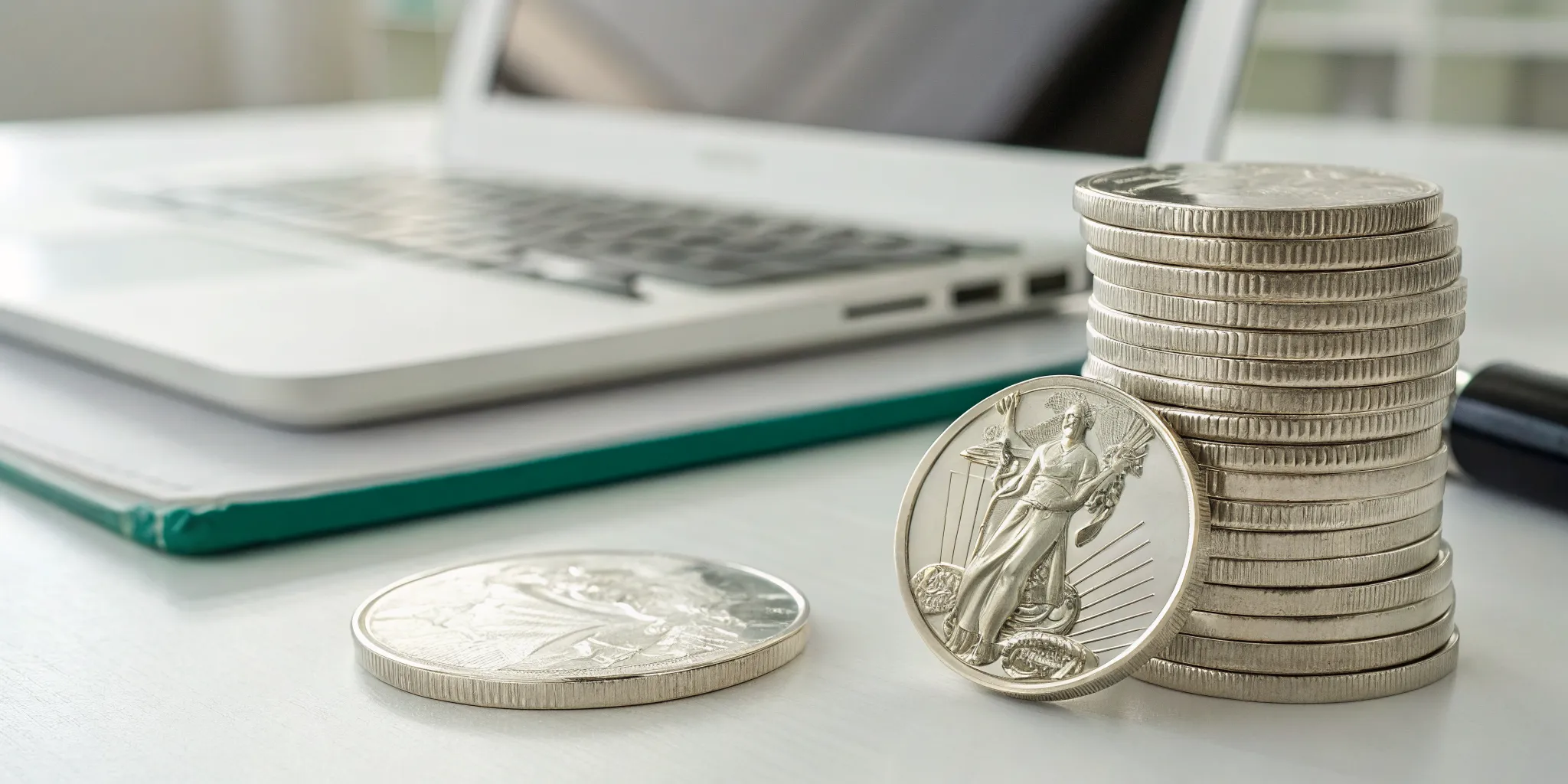
If you’re already watching the daily spot price of silver, you’re one step ahead. But the spot price is only the beginning of the story. The actual price you pay for a Silver Eagle includes a dealer premium, shipping costs, and sometimes even fees based on your payment method. These variables are where the real cost differences lie. This guide moves beyond the basics and shows you how to calculate the true "all-in" cost of a coin. We'll explore how to compare premiums, why buying in bulk saves you money, and how to find the cheapest silver eagles for sale by looking at the complete picture, not just the advertised price.
Key Takeaways
- Calculate the true cost: Look beyond the sticker price and compare the total "all-in" cost, which includes the premium over spot, shipping, and insurance. Paying with a bank wire instead of a credit card is a simple way to save money.
- Define your purpose: investor or collector: If your goal is to accumulate silver, buy common-date bullion coins in bulk to get the lowest price per ounce. If you are a collector, prioritize the coin's condition, grade, and mintage year to find pieces with numismatic value.
- Partner with a trusted expert: Your best protection against fakes and unfair prices is a reputable dealer. A good seller offers transparent pricing, guarantees authenticity, and provides the guidance you need to build your collection with confidence.
What Is an American Silver Eagle?
If you’re looking to buy silver, you’ll encounter the American Silver Eagle almost immediately. As the official silver bullion coin of the United States, it’s one of the most popular and trusted silver investments in the world. First minted in 1986, these coins have become a cornerstone for both new buyers and seasoned collectors. Their appeal lies in their simple, reliable value, backed by the U.S. government. Understanding what makes this coin special is the first step in making a smart purchase. Let's break down its key features, from its physical specifications to its role in a modern investment portfolio.
The Specs: Purity, Weight, and Face Value
At its core, the American Silver Eagle is all about its silver content. Each coin is guaranteed by the U.S. Mint to contain one troy ounce of .999 fine silver, making it one of the purest forms of investment-grade silver bullion available. While the coin has a nominal face value of $1 and is technically legal tender, its true worth is tied to the spot price of silver. Think of the face value as a mark of its authenticity and government backing, not a reflection of its market price, which is significantly higher. This combination of guaranteed purity and government assurance makes it a reliable asset.
Are They IRA-Eligible?
Yes, American Silver Eagles are eligible for inclusion in a self-directed IRA. This is a major advantage for investors looking to diversify their retirement savings with physical assets. To qualify for an IRA, precious metal products must meet a minimum fineness of .999, a standard the Silver Eagle easily meets. Holding these coins in an IRA allows you to own tangible silver while enjoying tax advantages. It’s a straightforward way to add security to your long-term financial plan, and you can learn more about setting up a precious metals IRA to get started.
What's the Appeal for Collectors and Investors?
The American Silver Eagle appeals to two distinct groups: investors and collectors. For investors, the coin is a simple and secure asset. Its purity is guaranteed, it’s recognized and traded globally, and its IRA eligibility makes it a flexible part of any portfolio. It’s a highly liquid investment, meaning it’s easy to buy and sell. For collectors, the story goes deeper. Beyond the standard bullion version, the U.S. Mint also produces Proof and Burnished Silver Eagles. These special editions, along with coins from key-date years with low mintages, often carry a numismatic premium. These rare coins for sale are valued for their beauty and scarcity, creating a potential for appreciation beyond their silver content.
What Determines the Price of a Silver Eagle?
When you're looking to buy American Silver Eagles, you'll quickly notice the price isn't a single, fixed number. Several key factors work together to determine the final cost of each coin, and understanding them is the first step toward making a smart purchase. It’s not as simple as just checking the daily price of silver. The real value is a blend of the raw metal's worth, the coin's specific history and condition, and the overall economic climate. For both seasoned investors and new collectors, getting a handle on these elements helps you identify a fair price and build a collection with confidence.
Think of it this way: two Silver Eagles sitting side-by-side could have very different price tags. One might be valued purely for its one troy ounce of .999 fine silver, making it a straightforward investment in the metal itself. The other, however, might be from a low-mintage year or have a perfect, certified grade, giving it additional numismatic value that appeals to collectors. This is where the real nuance comes in. We'll break down the difference between spot price and premiums, explore why the year a coin was minted matters so much, and look at how its condition and finish can dramatically alter its value. We'll also touch on the broader market forces that can cause prices to shift, giving you a complete picture of what you're paying for and why.
Spot Price vs. Premium: What's the Difference?
The foundation of a Silver Eagle's price is the spot price of silver. Think of this as the live market price for one troy ounce of silver, which changes constantly throughout the day. However, you won't buy a Silver Eagle at exactly the spot price. You'll pay the spot price plus a "premium." This additional amount covers the costs of minting, distribution, and the dealer's overhead. Premiums aren't fixed; they can rise and fall with market demand, so it's a key number to watch when comparing prices on silver bullion.
The Impact of Year, Mintmark, and Key Dates
While many Silver Eagles are valued for their silver content, some carry an additional numismatic value. This is where the coin's history comes into play. The year the coin was minted and its mintmark (a small letter indicating where it was made) can dramatically affect its price. Certain years, known as "key dates," had much lower production numbers, making them scarcer and more sought-after by collectors. A 1996 Silver Eagle, for example, is much rarer than one from 2023. These special coins are often found among collections of rare coins for sale and command prices well above their silver value.
Bullion, Proof, or Graded: How Condition Changes Price
Silver Eagles come in a few different finishes and conditions, each affecting the price. Standard "bullion" coins are the most common and are priced closest to the spot price plus premium. "Proof" coins are specially struck with a beautiful, mirror-like finish for collectors and carry a higher premium from the U.S. Mint. Then you have "graded" coins, which have been professionally inspected and certified for their condition by services like PCGS or NGC. A perfect MS-70 grade can make a coin significantly more valuable than a raw, ungraded one. Working with dealers who have deep experience with graded coins is essential to ensure you're paying a fair price for a verified product.
Market Demand and Economic Factors
Beyond the coin itself, broader economic trends play a huge role in pricing. During times of economic uncertainty, many people turn to precious metals as a safe store of value, which increases demand. When demand for Silver Eagles surges, the premiums often climb right along with it, regardless of the silver spot price. This is simple supply and demand at work. Staying informed about market conditions can help you decide when to buy. For many, holding physical silver is a key part of a diversified strategy to protect wealth, similar to how some use a Gold IRA for retirement security.
Bullion, Proof, or Graded: Which Is the Most Affordable?
When you start shopping for American Silver Eagles, you'll quickly notice they come in a few different forms: bullion, proof, and graded. Understanding the distinction is the key to finding the right coin for your budget and goals. Each type serves a different purpose, whether you're an investor focused on accumulating silver or a collector searching for a pristine showpiece. The version you choose will be the single biggest factor in the final price you pay, so let’s break down which one makes the most sense for you.
Bullion: Your Most Affordable Option
If your main goal is to acquire silver at the lowest possible cost, bullion coins are your best bet. These are the standard investment-grade versions of the Silver Eagle, produced for investors who want to own physical silver. Their price is tied closely to the fluctuating spot price of silver, plus a small premium. To get the best price, consider buying "random year" coins instead of a specific date. Dealers often sell these at a lower premium. Another great strategy is to buy in bulk. Purchasing a full tube of 20 coins or a "monster box" of 500 significantly reduces the cost per coin, making it the most efficient way to add to your silver bullion holdings.
Proof and Graded: When to Pay the Premium
While bullion is for investing, proof and graded coins are for collecting. Proof Silver Eagles are specially struck by the U.S. Mint using polished dies, giving them a stunning, mirror-like background and a frosted, detailed design. This artistry and their limited production make them more expensive. Similarly, graded coins have been professionally evaluated and sealed in a protective slab by a third-party service. A high grade certifies the coin's near-perfect condition, which can make it much more valuable to collectors than its silver content alone. Paying the premium for these coins makes sense when you value rarity, beauty, and the potential for long-term numismatic appreciation in your collection of rare coins for sale.
Does the Year Matter for Price?
Absolutely, but it matters more for some coins than others. For a standard bullion Silver Eagle, the year of minting has a minimal impact on price. Most investors treat them interchangeably. For proof and graded coins, however, the year is critical. Certain years had much lower mintage numbers, making them scarcer and more desirable to collectors. For example, the 1996 Silver Eagle is a well-known key date with a low mintage, and it commands a significantly higher price than more common years. Special editions and anniversary releases also carry higher premiums. So, while bullion is the most affordable route, a collector should always consider the year and its mintage when assessing a coin's true value.
Where to Buy Affordable Silver Eagles
Finding a trustworthy source is just as important as finding a good price. When you're investing in precious metals, you want to be confident in the authenticity of your coins and the reliability of the seller. The good news is that you have several excellent options for purchasing American Silver Eagles, each with its own set of benefits. Whether you prefer the convenience of online shopping or the hands-on experience of a local shop, there's a path that fits your buying style. Exploring these different avenues will help you find the best deals and build a collection you can be proud of.
The right dealer does more than just sell you a coin; they become a partner in your investment journey. A great seller provides transparency, fair pricing, and the expertise to answer your questions. This relationship is key, especially when you're trying to distinguish between a common bullion coin and a rare, key-date issue. As you start your search, think about what matters most to you. Is it the lowest possible price, the ability to see the coin before you buy, or the long-term support of an established expert? Each purchasing channel offers a different balance of these factors. Let's walk through the most common places to find affordable Silver Eagles and what to expect from each so you can make a choice that feels right for you.
Park Avenue Numismatics: Your Trusted Source
When you're looking for a reliable place to start or expand your collection, working with an established dealer is your best bet. With over 35 years in the business, we at Park Avenue Numismatics have built a reputation for expertise and trust. We offer a carefully curated selection of silver bullion, including American Silver Eagles, ensuring you receive authentic, high-quality coins every time. Our team can provide personalized advice to help you find the right coins for your investment goals, whether you're buying a single coin or diversifying a larger portfolio. We prioritize a secure and private transaction process, giving you peace of mind with every purchase you make with us.
Reputable Online Dealers
The internet has made it easier than ever to shop for Silver Eagles, with many online dealers offering competitive pricing. A key strategy for saving money online is to look for "random year" coins. These are authentic Silver Eagles, but you don't get to pick the specific year of issue, which often results in a lower premium over the spot price. Another great way to save is by purchasing in larger quantities. Buying a full tube of 20 coins or even a "Monster Box" of 500 coins typically reduces the cost per coin. When browsing online, stick to dealers with a long history of positive reviews and transparent pricing to ensure a smooth and secure transaction.
Local Coin Shops and Shows
Don't overlook the value of your local coin shop. While their prices might sometimes be slightly higher than large online dealers due to overhead costs, they offer unique advantages. You get to inspect the coins in person before you buy, which is a huge plus for many collectors. You also avoid shipping fees and the wait time associated with online orders. Coin shows are another fantastic local option, bringing multiple dealers together under one roof. This creates a competitive environment where you can often find great deals and discover a wide variety of coins. Building a relationship with a local dealer can also lead to first dibs on new inventory and valuable, face-to-face advice.
Auctions and Private Sales
For those who enjoy the thrill of the hunt, auctions and private sales can be a source of affordable Silver Eagles. Online auction sites sometimes feature listings from individuals or smaller dealers, but it's important to proceed with caution and verify the seller's reputation. One of the cheapest options you might find in these venues are "cull" coins. These are Silver Eagles that may have scratches, dings, or other cosmetic damage. While they aren't ideal for collectors seeking pristine condition, they still contain their full ounce of silver. This makes them a great low-cost option for investors who are focused on stacking weight rather than collecting for numismatic value.
How to Compare Silver Eagle Prices
Finding the best price for American Silver Eagles goes beyond just looking at the sticker price. To make a truly informed purchase, you need to compare the total, all-in cost from different sellers. This means looking at the premium over the spot price, factoring in shipping and insurance, and even considering how your payment method affects the final total. Let's walk through how to compare offers like a pro so you can be confident you're getting a fair deal.
Compare the Premium Over Spot Price
The first thing to check is the "premium over spot." This is the amount you pay above the raw market price of silver. The premium covers the costs of minting the coin, distribution, and the dealer's profit. This is where you'll see the biggest price differences between sellers. A dealer might advertise a low price, but their premium could be higher than a competitor's. When you're comparing options, always look for this number. It allows you to make a true apples-to-apples comparison of the coin's cost, separate from the fluctuating spot price of silver. A transparent dealer will make this information easy to find.
Calculate the "All-In" Cost (Shipping, Insurance, etc.)
A low coin price can be misleading if it comes with high hidden fees. Before you commit to a purchase, you need to calculate the "all-in" cost. This includes the price of the coin plus any charges for shipping, handling, and, most importantly, insurance. Shipping precious metals without full insurance is a risk you don't want to take. Some dealers offer "free shipping," but they may build that cost into a higher premium. Do the math: add all the extra fees to the coin's price to get your final number. This total cost is the only figure that matters when comparing your options from different reputable dealers.
Use Price Comparison Websites
Price comparison websites can be a useful starting point for your research. These sites pull data from numerous online dealers and list their prices for Silver Eagles, often showing you the lowest advertised prices first. While this is a convenient way to get a quick overview of the market, use them with a bit of caution. These aggregators typically don't vet the dealers they list for reliability or customer service. They also may not display the "all-in" cost we just discussed. My advice is to use these sites for initial discovery, but always click through to the dealer's website to verify the final price and research their reputation independently.
How Your Payment Method Changes the Price
Did you know that how you pay can change the final price of your Silver Eagles? Many dealers offer different prices based on your payment method. Paying with a credit card is convenient, but it's almost always the most expensive option because dealers pass the 3% to 4% processing fee on to you. Choosing to pay with a bank wire or paper check will typically get you the lowest price. For larger investments, like purchasing a full "monster box" of silver bullion, the savings from a bank wire can be significant. Always check the pricing tiers for different payment methods at checkout to see how much you can save.
Smart Ways to Save on Silver Eagles
Finding the best price on American Silver Eagles isn't just about luck; it's about strategy. With a few smart approaches, you can lower your cost per coin and get more silver for your money. Whether you're making your first purchase or adding to a significant collection, these tips will help you make every dollar count. By being strategic about how, when, and in what quantity you buy, you can consistently secure a better deal on these iconic coins.
Buy in Bulk: Rolls, Tubes, and Monster Boxes
One of the most effective ways to save is by purchasing Silver Eagles in bulk. Instead of buying single coins, consider buying a full tube, which typically contains 20 coins. For larger investments, a sealed "monster box" from the U.S. Mint holds 500 coins (or 25 tubes). Dealers almost always offer a lower premium per coin on these larger quantities. This volume discount can add up to significant savings. Plus, buying in tubes and boxes simplifies storage and ensures the coins remain in brilliant, uncirculated condition, which is great for preserving their value.
Look for Promotions and Discounts
Keep an eye out for special promotions and discounts that can reduce your overall cost. Many dealers, including us, offer a discount of 3% to 5% if you pay by check or bank wire instead of a credit card. On a substantial purchase, that percentage makes a real difference. It’s also wise to check for any ongoing sales or special offers, especially when you’re planning to buy in larger amounts. These deals can provide an extra layer of savings on top of the lower premiums you get from buying in bulk, making it a perfect time to acquire more silver bullion.
Time Your Purchase with the Market
The price you pay for a Silver Eagle is a combination of the silver spot price and the dealer's premium. While you can't control the spot price, the premium can fluctuate based on supply and demand. When demand is extremely high, premiums tend to rise. By paying attention to market trends, you can identify periods when demand softens and premiums dip. Timing your purchase during these lulls can save you money. Working with an experienced dealer can give you the insight you need to understand these market dynamics and make your move at the right moment.
Why Coin Condition Is Key to Value
When you're looking for the best price on a Silver Eagle, it’s easy to focus only on the year or the premium over spot. But one of the most significant factors driving a coin's price is its condition. For two coins that look identical to the untrained eye, a tiny, almost invisible flaw can be the difference between a coin worth a few dollars over melt value and one that commands a price in the hundreds or even thousands. This is the world of coin grading, and understanding its basics is crucial for any buyer.
The condition, or grade, is a professional assessment of a coin's physical state. It considers everything from microscopic scratches and dings to the quality of the original strike and the brilliance of its luster. A coin that has been handled frequently will show wear on its highest points, while one that went straight from the mint into a protective case will retain its original, flawless appearance. As an investor or collector, knowing the condition helps you verify you’re paying a fair price and gives you a clear idea of the coin’s potential resale value. When you browse rare coins for sale, you'll notice that the grade is always listed, a testament to its importance in the market.
How to Visually Inspect a Coin
You don’t need to be a professional grader to start assessing a coin's quality. A good visual inspection can save you from overpaying or buying a damaged coin. Start with the right setup: find a soft surface, like a felt pad, and use a lamp that provides bright, direct light. Hold the coin by its edges to avoid leaving fingerprints, which can damage the surface over time.
Tilt the coin under the light to check its luster, which is the original mint shine. A coin with strong, cartwheeling luster is always more desirable. Look closely for any scratches, scuffs, or dings on the surface, paying special attention to the high points of the design, like Liberty's cheek or the eagle's breast feathers. A small magnifying glass can help you spot these finer imperfections and get a better sense of the coin's overall preservation.
Decode the Official Grading Scale
The coin world uses a standardized system called the Sheldon Scale to grade coins from 1 (Poor) to 70 (Mint State Perfect). This number gives you a universal language for a coin's condition. A grade of 70, written as MS-70 for a business strike coin or PF-70 for a proof coin, represents a flawless coin with no visible imperfections, even under 5x magnification.
Most new Silver Eagles you buy will be in the "Uncirculated" or "Mint State" (MS) range, from MS-60 to MS-70. While this seems like a narrow window, the price differences can be dramatic. An MS-69 coin is stunning, but that single point difference from a perfect MS-70 can mean a significant drop in value. Understanding this scale helps you appreciate why certified coins have such specific prices and why our team has the expertise to source the finest quality coins for our clients.
Certified vs. Raw: Is Grading Worth the Cost?
A "raw" coin is one that hasn't been professionally graded and encapsulated by a third-party service like PCGS or NGC. A "certified" coin has. While raw coins are often cheaper upfront, that lower price comes with risk. You are relying on your own assessment, or the seller's, to determine its grade and authenticity.
For common-date bullion Silver Eagles you plan to hold for their silver content, buying raw can be a cost-effective strategy. However, for any coin where the collector value exceeds the metal value, certification is often worth the cost. It guarantees the coin's authenticity and grade, which makes it easier to sell and provides peace of mind. This is especially true when adding assets to a precious metals IRA, where strict quality standards apply.
Red Flags to Watch for When Buying
Finding a great deal on Silver Eagles is exciting, but it's just as important to protect yourself from scams and low-quality products. When you're investing your hard-earned money, a healthy dose of skepticism is your best friend. Knowing what to look for can help you avoid costly mistakes and ensure you're adding genuine, valuable assets to your collection or portfolio. The biggest red flags usually fall into three categories: the coin itself looks off, the seller seems shady, or the price is just unbelievably low. Let's walk through how to spot each of these warning signs so you can buy with confidence.
How to Spot a Counterfeit
Genuine American Silver Eagles have precise specifications: they weigh exactly one troy ounce (31.103 grams) and measure 40.6 mm in diameter and 2.98 mm in thickness. A high-quality digital caliper and scale are essential tools for any serious buyer. If a coin is off, even slightly, you should be suspicious. Beyond the numbers, you should closely inspect the design details. A real Silver Eagle has incredibly sharp, crisp features, from Lady Liberty's flowing hair to the intricate feathers on the eagle. Counterfeits often appear soft, blurry, or lacking in fine detail. Use a magnifying glass to get a good look before you commit to a purchase.
Signs of an Unreliable Dealer
A trustworthy dealer operates with transparency. They should have a professional website with a physical address, a clear return policy, and easy-to-find contact information. If a seller is hard to get a hold of or their business information seems vague, that's a major red flag. We pride ourselves on being accessible and transparent, which you can see on our About Us page. Always check for customer reviews on independent sites like the Better Business Bureau (BBB). While one or two negative comments might not be a dealbreaker, a consistent pattern of complaints about product quality, shipping, or customer service is a clear signal to take your business elsewhere.
"Too Good to Be True" Pricing
We all love a bargain, but in the world of precious metals, an offer that seems too good to be true almost always is. Before you buy, make yourself aware of the current market price for Silver Eagles, which includes the spot price of silver plus a reasonable premium. A seller offering coins for a price significantly below this benchmark is a huge warning. This could mean the coins are counterfeit or that there are hidden fees. Also, be wary of high-pressure sales tactics. If a dealer is rushing you to make a decision with claims of a "one-time deal," it's best to step back. A reputable seller will give you the time and space to make an informed choice.
Should You Add Silver Eagles to Your IRA?
Thinking about your retirement portfolio often brings stocks and bonds to mind, but tangible assets can play a powerful role in a long-term strategy. Adding physical silver, like American Silver Eagles, to a retirement account is a popular way to diversify and hedge against inflation and economic uncertainty. Unlike paper assets that represent ownership, physical silver has intrinsic value you can hold in your hand (or, in this case, in a secure vault). This makes it an attractive option for investors who want to protect their purchasing power over the long run.
While you can’t just add coins to a standard IRA, a special type of account called a self-directed IRA makes it possible. This strategy allows you to enjoy the tax advantages of an IRA while holding a physical asset known for its stability and global demand. If you're looking to add a layer of security to your retirement savings, understanding how to incorporate Silver Eagles is a great place to start. The process is more straightforward than you might think, and it gives you more control over your financial future by broadening your investment horizons beyond traditional markets. It's about building a resilient portfolio that can weather different economic seasons.
Understanding IRA Rules and Tax Benefits
The good news is that American Silver Eagles are eligible for inclusion in a retirement account. The key is that it must be a self-directed IRA (SDIRA), which allows you to hold alternative assets like precious metals. The IRS has specific requirements for this: the silver must meet a minimum fineness of .999, which Silver Eagles do. To maintain the account's tax-deferred status, the coins cannot be stored at your home. Instead, they must be held in a secure, IRS-approved depository. Following these rules ensures your investment grows tax-free until you take distributions. You can learn more by exploring a Gold IRA starter kit, as the principles are similar for both metals.
How to Add Silver to Your Retirement Portfolio
Getting Silver Eagles into your IRA involves a few simple steps. First, you'll need to open a self-directed IRA with a custodian that specializes in precious metals. Once your account is open, you can fund it by rolling over funds from an existing IRA or 401(k) or by making a new contribution. Next, you'll choose a reputable dealer to purchase your IRA-eligible Silver Eagles. It's important to work with a company you trust, as they will manage the transaction for you. After you purchase the coins, your dealer will ship them directly to your custodian's approved depository for secure storage, ensuring your investment remains compliant with all IRS regulations.
Start Your Silver Eagle Collection on a Budget
You don’t need a massive budget to begin collecting American Silver Eagles. While these coins are iconic, getting started is more accessible than you might think. With a few strategic approaches, you can build an impressive collection without stretching your finances too thin. It really comes down to knowing what to look for and how to approach your purchases. Whether you're buying your first coin or your five-hundredth, these tips will help you get the most silver for your money and make your collecting journey both rewarding and affordable.
Buy in Bulk to Lower Your Premium
One of the most effective ways to save money is to purchase coins in larger quantities. Dealers typically reduce the premium per coin when you buy a full roll (20 coins) or a "monster box" (500 coins). While the upfront cost is higher, the price per ounce of silver drops significantly. This strategy is perfect for serious investors who want to accumulate silver efficiently. Think of it like buying from a warehouse club; the more you buy, the better the unit price. You can explore various silver bullion options to see how pricing changes with quantity and find a volume that fits your investment goals.
Opt for Common Date Coins
If you're focused on acquiring silver rather than hunting for a specific numismatic piece, choosing common date coins is a fantastic way to save. Dealers often sell "random year" Silver Eagles at a lower premium. These are authentic coins from years with high mintage numbers, so they don't carry the extra cost associated with rare or key-date coins. This approach allows you to stack silver at a price closer to the spot value. It’s an excellent entry point for new collectors who want to own these beautiful coins without paying for rarity.
Consider Circulated or "Cull" Coins
Don't overlook coins that show a little bit of history. Circulated or "cull" Silver Eagles are coins that have minor imperfections like scratches, dings, or toning from being handled. While they aren't in perfect, uncirculated condition, they contain the exact same one troy ounce of .999 fine silver. Because they lack the pristine condition collectors often seek, dealers sell them at a much lower premium, sometimes just barely over the spot price. For anyone whose primary goal is to accumulate silver, these off-quality coins represent one of the absolute cheapest ways to add Silver Eagles to your holdings.
Pay Smart to Save More
How you pay can directly impact your final cost. Most dealers, including online retailers and local shops, offer a discount if you pay with a check or bank wire instead of a credit card. Credit card companies charge processing fees, which are often passed on to the buyer. By choosing a payment method without these fees, you can often save between 3% and 5% on your total purchase. On a large order, that percentage adds up to significant savings. When working with a trusted dealer, this is a simple and secure way to make your money go further.
Related Articles
- 2022 American Silver Eagle MS70 NGC ER | Precious Metals & Rare Coins Dealer | Antique Coins - Park Ave Numismatics
- Blog | Rare Coins, Gold & Silver for Discerning Collectors
- Blog | Precious Metals & Rare Coins Dealer | Antique Coins - Park Ave Numismatics
Frequently Asked Questions
What's the difference between a bullion, proof, and graded Silver Eagle? Think of it this way: bullion coins are for investing, while proof and graded coins are for collecting. Bullion Silver Eagles are the standard version, and their price is tied closely to their silver content. Proof coins are specially made by the U.S. Mint with a beautiful, mirror-like finish and are created for their artistic appeal. Graded coins are ones that have been professionally certified for their condition, which can make them much more valuable to collectors.
Why is a Silver Eagle's price higher than the daily spot price of silver? The price you pay for a Silver Eagle is the silver spot price plus a "premium." This premium is a separate charge that covers all the costs involved in transforming raw silver into a finished, government-guaranteed coin. It includes the costs of minting, distribution, and the dealer's operations. This is why you will always pay a bit more than the raw metal value for any precious metal coin.
I'm just starting out. What's the most affordable way to buy my first Silver Eagle? If your main goal is to own silver, your best bet is to buy a standard bullion Silver Eagle. To get the best price, ask a dealer for a "random year" coin. Since you aren't paying extra for a specific, rare date, the premium is usually lower. This is the most straightforward and cost-effective way to add an authentic American Silver Eagle to your collection.
Can I include these coins in my retirement account? Yes, American Silver Eagles are one of the few physical precious metals approved for inclusion in a self-directed IRA. This allows you to hold a tangible asset as part of your retirement savings. The main rule is that the coins must be held in a secure, IRS-approved depository on your behalf; you cannot store them at home and still receive the tax advantages.
How can I be sure the Silver Eagle I'm buying is authentic? The single best way to guarantee you're buying a genuine coin is to purchase it from a reputable and established dealer. A trustworthy seller with a long public history and positive reviews has a reputation to protect and will stand behind the authenticity of their products. This removes the risk and guesswork, so you can be confident in what you're buying.





