
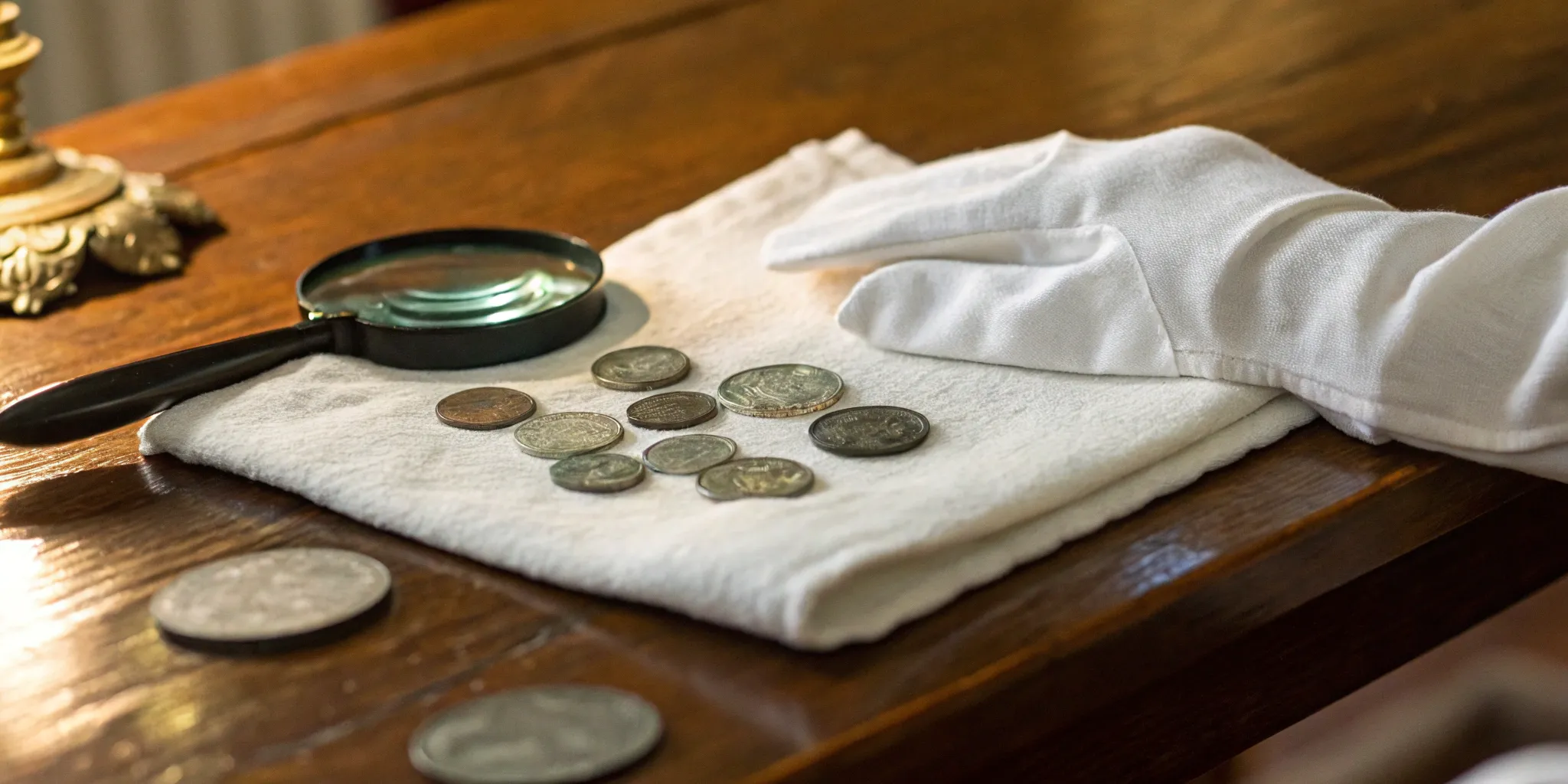
When you buy a diamond, you look for a GIA certificate. When you buy a house, you get a professional appraisal. These independent assessments provide the trust and verification needed for a major purchase. In the world of numismatics, the same principle applies. Coin grading services act as that impartial, expert authority, meticulously evaluating a coin's authenticity and condition. This process removes all guesswork, providing a standardized grade that is recognized by collectors and dealers worldwide. It’s the ultimate seal of approval that confirms you’re holding a genuine piece of history and gives you a clear understanding of its market value and quality. Professional grading is the backbone of rare coin collecting, as it verifies the authenticity of your assets.
Key Takeaways
- Grading is a foundational step for serious collectors: It provides unbiased authentication, increases market value and liquidity, and preserves a coin’s condition in a protective holder, effectively turning a collectible into a recognized asset.
- The right grading service adds credibility and value: Your choice of grader directly impacts market acceptance. PCGS and NGC are the industry leaders for most coins, while a CAC sticker provides an extra layer of verification for premium-quality pieces.
- Grade selectively to maximize your return: Grading is most effective for coins that are already valuable due to rarity, high condition, or key-date status. Always analyze the potential return against the cost, especially for modern coins where only a perfect grade typically adds significant value.
What is a Coin Grading Service?
At its core, a coin grading service is an independent company that assesses the physical condition and authenticity of a coin. Think of it as a professional appraisal that provides an objective, expert opinion on your coin's quality. These services employ teams of numismatists who meticulously examine every detail—from surface preservation and strike quality to luster and overall eye appeal. After this thorough evaluation, they assign a standardized grade, usually on a 70-point scale, that tells you exactly where your coin stands in terms of condition.
This process is essential for serious collectors and investors because it removes subjectivity from the equation. Instead of relying on a seller's opinion or your own assessment, you get a verified grade from a trusted authority. This grade directly influences the coin's market value and makes it much easier to buy, sell, or trade with confidence. When you're looking at high-value items, this level of certainty is non-negotiable. It establishes a common language for collectors everywhere, ensuring that a coin graded MS-65 in one part of the world is understood to be the same quality elsewhere. Having a professionally graded collection of rare coins for sale provides a clear and universally understood measure of quality, which is fundamental to building a valuable and liquid portfolio.
Why Use a Third-Party Authenticator?
Using a third-party authenticator is all about trust and objectivity. Because these grading services are not involved in the buying or selling of the coin, their assessment is completely unbiased. This impartial judgment gives both you and any potential buyer complete confidence in the coin's authenticity and condition. When you see a coin graded by a top-tier service, you know it has been thoroughly vetted by leading experts in the field.
Services like PCGS and NGC have become the industry standard because of their consistent and reliable grading. Their certifications are recognized and respected by collectors and dealers worldwide, which adds significant credibility and liquidity to your coins. Choosing a reputable grading service means you're aligning your collection with the highest market standards.
How Grading Protects Your Investment
Professional grading is one of the most effective ways to protect the value of your numismatic investments. First and foremost, it serves as a definitive guarantee of authenticity, shielding you from the growing problem of counterfeits. Beyond that, a high grade from a respected service can dramatically increase a coin's market value. It’s not uncommon for professionally certified coins to sell for significantly more than their "raw" or ungraded counterparts.
This certification makes your coins more desirable and easier to sell. A potential buyer doesn't have to guess about the quality; the grade provides a clear, verifiable benchmark. This added layer of security and trust makes your coins a safer and more attractive asset. By having your coins graded, you are not just preserving their physical condition inside a protective holder—you are also securing their financial future and making them a more liquid part of your investment portfolio.
Comparing the Top Coin Grading Services
Choosing a coin grading service is a significant step for any collector or investor. The holder your coin ends up in can directly influence its market value, liquidity, and acceptance among dealers and fellow collectors. While dozens of companies offer grading, only a handful are recognized as industry leaders whose opinions carry serious weight. The top-tier services have built their reputations over decades by providing consistent, accurate, and impartial assessments.
The decision often comes down to the "Big Two": PCGS and NGC. These services dominate the market and are generally the preferred choice for high-value American and world coins. However, other reputable services like CAC, ANACS, and ICG fill important niches and offer compelling alternatives depending on your specific collection and goals. Understanding the strengths and specialties of each company is key to making the right choice for your coins. We'll look at the top five services to help you determine which one best aligns with your needs, whether you're preserving a family heirloom or building a diversified investment portfolio. Each service has a unique process and set of standards, so what works for a modern silver eagle might not be the best fit for a pre-1933 gold piece.
Professional Coin Grading Service (PCGS)
Founded in 1986, Professional Coin Grading Service (PCGS) is one of the most respected names in numismatics. Along with its main competitor, NGC, it sets the industry standard for grading. As one expert notes, "PCGS and NGC remain the two most widely recognized grading services, offering strong consistency, global acceptance, and excellent liquidity." This reputation means that a PCGS-graded coin is often easier to sell and may command a higher price. PCGS is particularly favored for high-value rare US coins and is known for its stringent grading standards and secure, sonically sealed holders. For serious investors looking for maximum market acceptance and value, PCGS is almost always a top consideration.
Numismatic Guaranty Corporation (NGC)
Numismatic Guaranty Corporation (NGC) is the other titan in the coin grading world. As the official grading service of the American Numismatic Association (ANA) and the Professional Numismatists Guild (PNG), its credibility is second to none. According to the company, "NGC is the world’s largest and most trusted third-party coin grading service, known for its commitment to accuracy, consistency, and integrity." NGC grades a vast number of coins, from ancient pieces to modern gold bullion, and is highly regarded for its expertise in world coins. Collectors appreciate the detailed information on NGC labels and the company's comprehensive online certification database. Its strong international presence makes it an excellent choice for those with global collections.
Certified Acceptance Corporation (CAC)
Certified Acceptance Corporation (CAC) operates a bit differently than the other services on this list. Instead of grading raw coins, CAC evaluates coins already graded and encapsulated by PCGS or NGC. If a coin meets CAC's strict standards for quality within its assigned grade, it receives a distinctive green sticker. This sticker signals to the market that the coin is a premium example for its grade. As CAC states, "coins graded by CAC often sell for higher prices because their grading standards match what collectors are looking for." For collectors seeking the absolute best, a CAC sticker provides an extra layer of verification and can significantly increase a coin's value and desirability among discerning buyers.
American Numismatic Association Certification Service (ANACS)
As the oldest third-party grading service in the United States, ANACS holds a unique place in the industry. Originally part of the American Numismatic Association, it is now a private company known for its deep expertise and straightforward approach. ANACS is respected for its willingness to grade a wide variety of items, including cleaned, damaged, or "problem" coins that other services might not encapsulate. The company emphasizes that "ANACS grades many types of coins, including US, foreign, ancient coins, and tokens, and they focus on being honest, accurate, reliable, and trustworthy." This makes ANACS a valuable resource for authenticating error coins, varieties, and challenging pieces that require specialized knowledge.
Independent Coin Graders (ICG)
Independent Coin Graders (ICG) was established in 1998 by a group of experienced numismatists. It has since carved out a reputation as a reliable and impartial service. While it may not have the same market dominance as PCGS or NGC, ICG is known for its consistent grading and technical accuracy. The company "is known for its commitment to providing accurate and reliable grading services, and it aims to offer a more affordable option compared to the larger grading companies." This focus on value makes ICG an attractive choice for collectors of modern coins, mid-range collectibles, or for those who want a professional opinion without the higher fees of the top-tier services.
What is the Coin Grading Process?
Getting a coin professionally graded might seem like a mysterious process, but it’s actually a highly structured system designed to provide an objective, expert opinion on a coin's authenticity and condition. Think of it as a journey your coin takes, starting from your hands and returning to you with a new level of security and market validation. Each step, from submission to the final encapsulation, is handled with incredible care by trained professionals who understand the value and history behind each piece.
The entire process is built on a foundation of consistency and integrity. Top-tier grading services employ multiple numismatic experts who independently evaluate each coin to ensure an unbiased assessment. They examine every detail under controlled lighting and magnification, comparing it against established standards. This meticulous review covers everything from the quality of the strike and surface preservation to overall eye appeal. The goal is to assign a precise grade that accurately reflects the coin's state of preservation, which is crucial for determining its value. Understanding this journey helps you appreciate the expertise that goes into every certified rare coin you add to your collection.
Submitting Your Coins for Grading
The first step is preparing your coins for their journey. Leading services like NGC and PCGS have made this process quite simple. You’ll start by completing a submission form, where you list each coin and its declared value for insurance purposes. It's important to package your coins securely to prevent any damage during transit. Most services provide detailed submission instructions on their websites, walking you through exactly how to pack your coins and which shipping methods to use. Following these guidelines carefully ensures your prized possessions arrive safely and are ready for evaluation without any delays.
How Experts Evaluate Your Coins
Once your submission arrives, it enters a secure, multi-stage evaluation. Your coins are removed from their packaging, assigned a unique tracking number, and then passed on to a team of professional numismatists. At least two experts will independently examine each coin, assessing its authenticity and assigning a grade based on the 70-point Sheldon scale. They analyze key attributes like luster, strike quality, surface preservation, and overall eye appeal. This thorough evaluation is what determines the final grade, providing a reliable certification of the coin’s condition and helping to establish its market value.
Encapsulation and Final Certification
After the experts agree on a final grade, your coin moves to the last stage: encapsulation. The coin is sealed in a tamper-evident, sonically sealed plastic holder, often called a "slab." This protective case is designed to shield the coin from environmental damage and preserve its condition for decades. The slab includes a label with all the essential details: the coin’s grade, a unique certification number, and other identifying information. This certification number allows you to verify the coin's grading information online, adding a final layer of security and confidence for both buyers and sellers in the numismatic market.
How Much Does Coin Grading Cost?
The cost of getting a coin professionally graded isn't a single, flat rate. Instead, it’s a tiered investment that depends on a few key factors: the coin's value, how quickly you need it back, and any special services required. Think of the fee as a direct investment in your coin's future, securing its authenticity, condition, and marketability. Most leading grading services structure their pricing in a way that reflects the risk and expertise involved in handling and certifying your items.
Generally, you can expect to pay a base grading fee, a handling fee per submission form, and shipping costs. The grading fee itself is what varies the most. A modern silver eagle will cost significantly less to grade than a rare 19th-century gold piece. This is because the grading service’s liability and insurance coverage increase with the coin's value. Before you submit your coins, it’s helpful to have a general idea of their approximate value to select the right service tier. This ensures you’re not overpaying for a common coin or underinsuring a valuable piece of history.
Understanding Standard Service Fees
For most collectors, the standard service tier is the go-to option. This is the most economical choice for grading the bulk of a collection. Typically, a standard service costs between $30 and $40 per coin and is designed for coins valued up to about $1,000. The turnaround time is usually around 25 to 35 days, making it a practical choice when you aren't in a rush. This tier is perfect for many of the interesting rare coins for sale that hold solid value but aren't considered ultra-rarities. It provides the official certification you need to confirm authenticity and grade without the higher costs of expedited services.
Exploring Express and Premium Options
If you have a more valuable coin or need a faster turnaround, you’ll want to look at express and premium tiers. An express service can range from $65 to $150 per coin and typically covers items valued up to $10,000 or more. The primary benefit is speed, with turnaround times often dropping to just 10 to 15 days. This is ideal if you plan to sell the coin soon or simply want it back in your hands quickly. For exceptionally rare or high-value coins, such as key-date gold bullion pieces, services offer even higher tiers with fees that can run into the thousands, reflecting the immense value and security required.
How a Coin's Value Affects Grading Costs
The value of your coin is the biggest factor in determining the grading fee. This is because the fee also covers the grading service's guarantee of authenticity and grade. Top-tier services like PCGS and NGC are widely recognized for their consistency and provide excellent liquidity in the market. For an extra layer of verification, Certified Acceptance Corporation (CAC) reviews coins already graded by PCGS or NGC. Coins that earn a CAC sticker often command higher prices because the market trusts that the coin is a premium example for its assigned grade. Choosing the right service is a strategic decision, and our team of experts can help you determine the best path for your specific coins.
Why Grade Your Coins?
If you're serious about collecting or investing in coins, grading is one of the most important steps you can take. Think of it as getting a certified appraisal and a protective shield all in one. Professional grading moves your coins from the realm of personal treasures to recognized assets with established market value. It provides a universal language for assessing a coin's quality, which is essential whether you're buying, selling, or simply cataloging your collection. Grading is especially important for certified gold coins, where condition determines the price.
The process does more than just assign a number; it offers peace of mind and opens up new opportunities. A professionally graded coin is easier to sell, commands more respect in the market, and is protected for the long haul. Let’s break down the four key reasons why getting your coins graded is a smart move for any collector or investor.
Authenticate Your Coins and Prevent Fraud
In a market where convincing counterfeits exist, authentication is your first line of defense. A top-tier grading service employs teams of experts who meticulously examine every detail of a coin to confirm it's genuine. This process verifies its authenticity, so you and any future buyer can be confident you’re dealing with a legitimate piece.
Leading services like NGC stand by their assessments with guarantees. If a coin they’ve certified is later found to be counterfeit or overgraded, they provide recourse for the owner. This backing removes significant risk from transactions and protects the integrity of your collection, ensuring you haven't invested in a forgery.
Increase Market Value and Buyer Trust
A professionally graded coin is almost always worth more than an ungraded, or "raw," equivalent. The grade provides an objective, third-party opinion on the coin's condition, which eliminates guesswork and builds immediate trust with potential buyers. Collectors and investors are willing to pay a premium for this certainty because they know exactly what they are getting.
Coins graded by reputable services like PCGS and NGC consistently fetch higher prices at auctions and in private sales. This is because the grade is a trusted benchmark of quality across the entire market. When you have your rare coins graded, you’re not just confirming their condition; you’re positioning them to achieve their maximum market value.
Improve Your Coin's Liquidity
Liquidity refers to how quickly and easily you can sell an asset for cash without affecting its market price. Graded coins are significantly more liquid than raw coins. Because their authenticity and condition are certified, they can be bought and sold with confidence, even between parties who have never met. This broadens your potential market from local collectors to a global audience of buyers.
When you decide to sell, a coin graded by a service like PCGS or NGC has a ready and willing market. Dealers and collectors can make immediate offers based on the established grade, referencing price guides and auction records for comparable coins. This makes for a faster, smoother transaction and ensures you can convert your investment into cash when you need to.
Preserve Your Coins for the Long Term
Once a coin is graded, it’s encapsulated in a tamper-evident, sonically sealed holder, often called a "slab." This durable plastic case protects the coin from environmental damage, such as humidity and air exposure, as well as accidental drops, scratches, and fingerprints from handling. It’s the industry standard for archival-quality storage.
This encapsulation preserves the coin's physical condition for decades to come. By preventing further wear and tear, you are safeguarding its grade and, by extension, its value. For collectors who see themselves as custodians of history, this preservation is invaluable. It ensures the coin can be passed down to the next generation in the same condition it was in when it was certified.
How Are Coins Graded? A Look at the Standards
When you’re investing in rare coins, understanding their grade is everything. It’s the single most important factor in determining a coin’s value. But grading isn’t just a matter of opinion; it’s a meticulous process based on a universal system that brings consistency and transparency to the market. This standardized approach allows collectors and investors to buy and sell with confidence, knowing that a coin’s condition has been evaluated against a clear set of criteria. Let’s break down the standards that professionals use to assess every coin.
What is the 70-Point Sheldon Scale?
Ever wonder where numbers like "MS-65" or "PF-70" come from? They all trace back to the 70-point Sheldon Scale. Developed by Dr. William Sheldon in 1948, this system was created to correlate a coin's grade with its value. The original idea was simple: a coin graded 70 should be worth 70 times more than a coin graded 1. This framework was so effective that it became the foundation for modern grading. In 1986, the Professional Coin Grading Service (PCGS) adopted and refined it, creating the PCGS Grading Standards that are widely used across the industry today.
Key Grading Terms You Should Know
So, what does "grading" actually mean? At its core, coin grading is the professional process of determining a coin's authenticity and assessing its physical condition. Experts examine every detail—from strike quality to surface preservation—and assign a grade on that 1-to-70 scale. Once graded, the coin is encapsulated in a secure, tamper-proof holder, often called a "slab." This not only displays the grade and certification details but also protects the coin for the long term. Understanding these fundamentals is the first step to confidently buying rare coins and building a valuable collection.
Comparing Grading Standards Across Services
While the Sheldon Scale provides the framework, different services apply it with their own expertise. The two giants in the industry are PCGS and NGC (Numismatic Guaranty Corporation). While their standards are very similar, they have different market strengths. Generally, PCGS is the preferred service for U.S. coins, while NGC often holds the edge for world coins. The good news is that both are highly respected for their consistency and have global acceptance. A coin graded by either service has strong liquidity, meaning it will be easier to sell. This trust in certification is what gives collectors and investors peace of mind.
How to Choose the Right Grading Service
With several reputable grading services available, picking the right one can feel like a big decision—because it is. The best service for your coins depends on your goals, the type of coins you own, and your budget. Think of it as choosing a partner to protect and validate your investment. Each company has its own strengths, so it’s worth taking a moment to compare them based on a few key factors. Considering reputation, speed, and specialty services will help you make a confident choice that adds maximum value and security to your collection.
Reputation and Market Acceptance
A grading service’s reputation is its most important asset, and it directly impacts your coin’s value and liquidity. The two leading names in the industry are PCGS and NGC. Both are highly respected for their consistency and have earned the trust of collectors and dealers worldwide. Generally, PCGS is the dominant force in the U.S. coin market, while NGC is often the preferred service for world coins. When you browse collections of rare coins for sale, you’ll find the vast majority are certified by one of these two companies. For exceptional coins, a sticker from Certified Acceptance Corporation (CAC) on a PCGS or NGC holder provides an extra layer of verification, confirming the coin is of premium quality for its grade.
Turnaround Times and Service Speed
Patience is a virtue in coin collecting, and that includes the grading process. Sending a coin for grading isn't an overnight affair; it can take anywhere from a few weeks to several months. Most services offer different submission tiers, and as you might guess, faster turnaround times come with higher fees. If you plan to sell a coin quickly or simply want it back in your hands sooner, you can pay for an express service. It’s a good idea to check the grading companies’ websites for their current processing times before you submit, as these can change based on demand. This allows you to balance your need for speed with the cost of the service.
Specialty and Conservation Services
Sometimes, a coin needs more than just a standard grade. If you have a coin with surface contaminants like PVC residue or dirt, a company like ANACS offers professional conservation services to safely clean it before encapsulation. This is a delicate process best left to experts, as improper cleaning can permanently damage a coin. Other services cater to specific niches. For example, CAC has built a strong reputation for identifying premium-quality coins that are already graded by PCGS or NGC. Earning a CAC sticker often increases a coin’s market value because it signals that the coin is a top-tier example for its assigned grade. Our team has decades of experience helping collectors make these decisions, which is a core part of our commitment to clients.
Is Coin Grading Worth the Cost?
Deciding whether to send a coin for professional grading is a question every collector faces. It’s an investment of both time and money, so it’s natural to wonder if the return is worth the effort. The straightforward answer is: it depends entirely on the coin. Grading isn’t a magic wand that turns any coin into a treasure. Instead, it’s a tool for authentication and verification that adds the most value to coins that are already rare, in high demand, or in exceptional condition. One of the most frequently graded series is the Morgan Dollar 1878-1921, due to its popularity.
Think of it as getting a certified appraisal for a piece of fine art. You wouldn't do it for a poster print, but you absolutely would for a potential masterpiece. The same logic applies here. For a common, circulated coin, the grading fee could easily exceed the coin's total value. But for a key-date Morgan dollar or a pristine Gold Eagle, third-party grading can be the difference between a good sale and a great one. It provides the verification and security that serious buyers look for, removing doubt and establishing a coin’s place in the market. Ultimately, grading helps answer the two most important questions for any valuable coin: Is it genuine, and what is its precise condition? Answering these questions with an impartial, expert opinion is what makes the process valuable. This section will help you determine which coins in your collection are prime candidates for grading and which are best left as they are.
Which High-Value and Rare Coins to Grade
As a rule of thumb, the vast majority of coins found in circulation are not worth grading. This professional service is best reserved for coins that already possess significant value—typically those worth hundreds or even thousands of dollars. Grading authenticates and protects the value that is already there. The ideal candidates are rare coins for sale that collectors actively seek, such as key-date issues, coins with well-known errors or varieties, and classic US coins in high-mint-state conditions. If you have a coin that is historically significant or known for its low mintage, getting it graded is a crucial step in realizing its full market potential and ensuring its liquidity.
Grading Modern Coins: A Cost-Benefit Analysis
The decision to grade modern coins requires a careful cost-benefit analysis. While most modern bullion or commemorative coins won't see a huge value increase from grading, there are exceptions. Limited-mintage issues, first-strike designations, and special releases can command a significant premium if they achieve a perfect 70 grade from a top-tier service like PCGS or NGC. The catch is that anything less than a perfect grade may not increase the coin's value enough to cover the grading fees. Before submitting a modern coin, research recent sales of the same coin in various grades to see if the potential return justifies the upfront cost and risk.
Common Myths About Grading's Value
One of the biggest myths in collecting is that grading automatically increases a coin's value. This simply isn't true. A grading service authenticates a coin and assigns it a grade based on its condition; it doesn't create value. A common, worn coin will still be a common, worn coin after it’s encapsulated, only now you’ve paid a fee for that confirmation. Another misconception is that any "slabbed" coin is a trustworthy purchase. The reputation of the grading service matters immensely. A grade from a top company like PCGS or NGC carries far more weight in the market than one from a lesser-known service. Always look at the coin, the grade, and the grader—not just the plastic holder.
How to Prepare Your Coins for Grading
Sending your coins off for grading can feel a bit like sending your kid to their first day of school. You’ve done your best to care for them, and now you’re handing them over to the experts, hoping they see the same potential you do. The good news is that a little preparation goes a long way. Following the right steps before you ship your coins can help protect their condition and ensure the process goes smoothly from start to finish. It’s all about careful handling, precise paperwork, and knowing what to expect.
Handle and Store Your Coins Correctly
The first rule of coin handling is simple: less is more. The oils and acids on your fingertips can permanently damage a coin's surface, so always hold coins by their edges between your thumb and forefinger. Never, ever clean your coins. While it might be tempting to polish away tarnish, cleaning causes microscopic scratches and removes the original patina, which can drastically lower a coin’s grade and value. Experts want to see a coin in its natural state.
Proper storage is just as important. Use holders or flips made from inert materials like Mylar, not soft PVC flips, which can leach chemicals and cause damage over time. Coins are graded on a 1-70 scale by experts, then encapsulated in tamper-proof holders, preserving their condition for the long term. Proper handling and storage are crucial to maintaining the quality of your rare coins for sale before submission.
Complete the Submission Paperwork
Accuracy is your best friend when it comes to submission forms. Before you can submit, you’ll likely need to become a member of the grading service or submit through an authorized dealer. Once you have access, you’ll fill out the paperwork required to identify each coin and provide an insurance value. Be meticulous here—double-check dates, mint marks, and any specific varieties.
You’ll also need to package the coins according to the grading service's specific guidelines. This usually means placing each coin in a separate, approved 2.5" x 2.5" non-PVC flip. This step is essential to ensure that your coins are accurately assessed and valued. If you’re unsure about any part of the process, working with a trusted dealer can simplify things. Our team at Park Avenue Numismatics has decades of experience and can guide you through every step.
What to Expect After You Ship Your Coins
Once your package is safely on its way, the grading service takes over. The NGC coin certification and grading process, for example, involves several steps, including receiving, grading, encapsulation, and shipping. First, your submission is opened under camera, and the contents are verified against your paperwork. Then, at least two professional numismatists evaluate your coin to determine its authenticity and grade.
After a final verifier confirms the grade, your coin is sonically sealed in a protective holder, often called a "slab," with a label detailing its description and grade. Finally, the graded coin is shipped back to you. Understanding this process can help you manage your expectations for the timeline, which can range from a few weeks to several months depending on the service tier you choose. This certification is what gives you peace of mind, whether you're adding to a personal collection or a precious metals IRA.
Related Articles
- Glossary of Terms | Precious Metals & Rare Coins Dealer | Antique Coins - Park Ave Numismatics
- Buy PCGS & NGC Coins | Certified US Gold Coins | Precious Metals & Rare Coins Dealer | Antique Coins - Park Ave Numismatics
- 1848 $10 Blue Gradient MS60 PCGS | Precious Metals & Rare Coins Dealer | Antique Coins - Park Ave Numismatics
- 1911-D $2 1/2 PCGS Secure Blue Gradient MS63 | Precious Metals & Rare Coins Dealer | Antique Coins - Park Ave Numismatics
Frequently Asked Questions
How do I know if a coin is actually worth the grading fee? A great rule of thumb is to consider grading for coins that already have significant value due to their rarity, condition, or high collector demand. If a coin is worth less than a few hundred dollars, the grading fees might outweigh the potential increase in value. Before submitting, do a little research on recent auction results for both "raw" and graded versions of your coin. This will give you a clear idea of whether certification is a worthwhile investment for that specific piece.
PCGS or NGC? Which one should I choose for my coins? Honestly, you can't go wrong with either service, as both are the gold standard in the industry and are trusted worldwide. The choice often comes down to market preference. Generally, PCGS is the preferred service for high-value, classic U.S. coins, while NGC is highly regarded for its expertise in world and ancient coins. Both services will give your coin excellent liquidity and market acceptance, so the decision often depends on the specific type of coin in your collection.
What's the biggest mistake people make when submitting coins for grading? Without a doubt, the most common and damaging mistake is attempting to clean a coin before sending it in. It might seem like a good idea to polish away tarnish or wipe off grime, but any form of cleaning causes microscopic scratches and alters the coin's original surface. Professional graders can spot this immediately, and it will almost always result in a lower grade or a "details" designation, which significantly hurts the coin's value. Always submit your coins in their natural, unaltered state.
Does a high grade guarantee a high value? Not necessarily. A grade is a measure of a coin's physical condition, but it's only one part of the value equation. The other critical factors are rarity and demand. For example, a modern coin produced by the millions might receive a perfect MS-70 grade, but it will never be as valuable as a rare, 19th-century coin in a slightly lower grade. Think of the grade as a multiplier; it enhances the value that is already present due to a coin's scarcity and historical importance.
What is a CAC sticker and is it really that important? A CAC sticker is essentially a second opinion from a highly respected expert. CAC reviews coins that have already been graded and encapsulated by PCGS or NGC. If they agree that the coin is a premium-quality example for its assigned grade, they affix a small green sticker to the holder. For serious collectors and investors, that sticker provides an extra layer of confidence and often makes the coin more desirable, which can lead to it selling for a higher price. It signals that the coin is a top-tier piece for its grade.





