
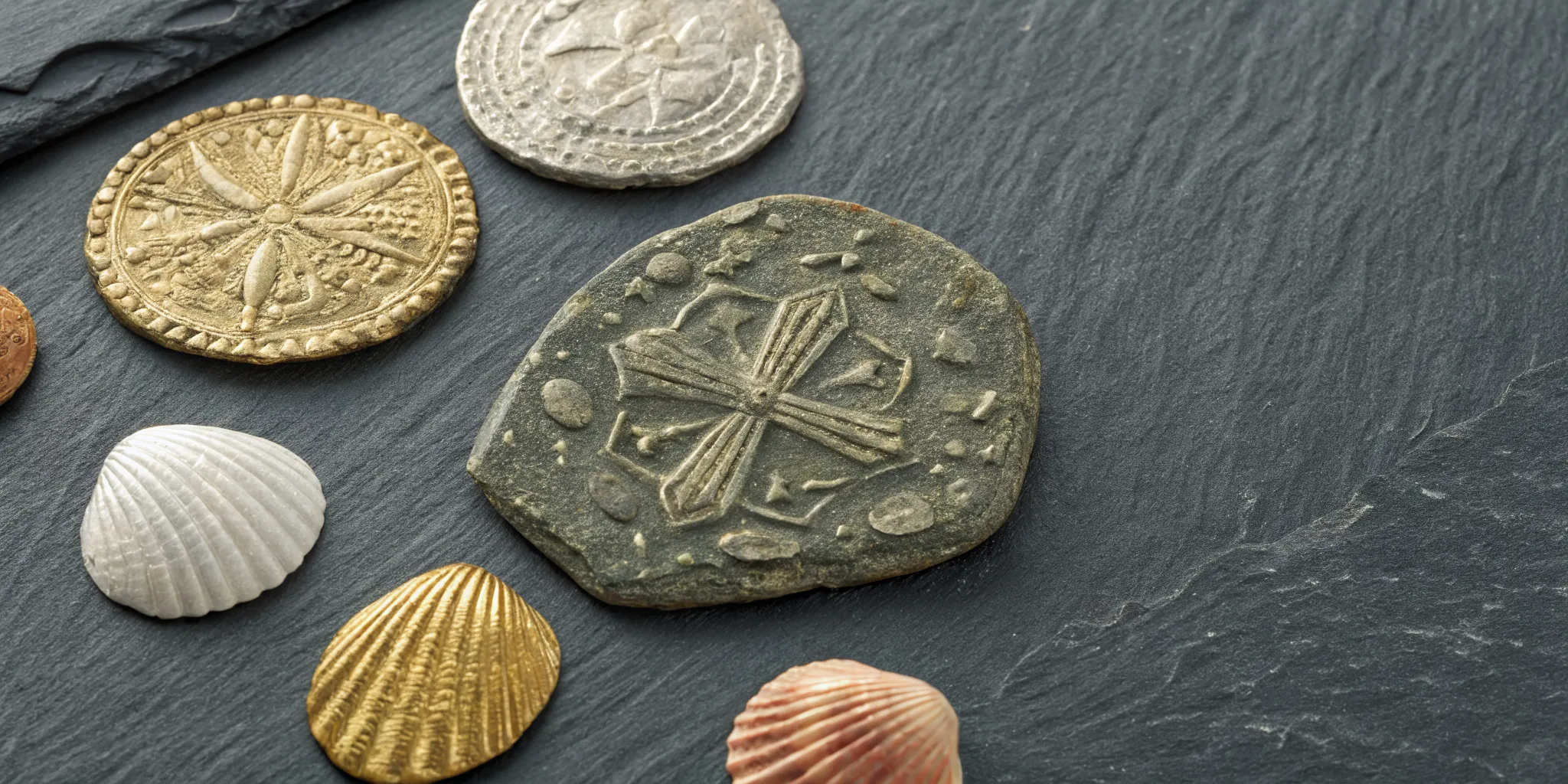
Some objects have the power to connect us directly to the past. When you hold an authentic coin from the Atocha, you are holding an artifact that survived a violent storm in 1622, rested on the ocean floor for over 350 years, and was recovered through sheer human determination. These are not just old pieces of currency; they are survivors. The distinct, irregular shape and sea-worn texture of Atocha shipwreck coins tell a story of imperial ambition and natural disaster. This article is for anyone who appreciates that tangible connection to history and wants to learn what makes these treasures so special.
Key Takeaways
- Look Beyond the Metal: An Atocha coin's value comes from its incredible story, not just its precious metal content. Its price reflects its journey from a 17th-century shipwreck to its famous discovery, making it a historical artifact first and foremost.
- Demand the Certificate of Authenticity: A genuine Atocha coin is always accompanied by its original, numbered Certificate of Authenticity from Mel Fisher's Treasures. This document is non-negotiable and is your primary proof of a legitimate investment.
- Assess Key Factors for Accurate Pricing: A coin's final price is determined by its physical grade, its metal type (common silver vs. rare gold), and its specific mint and assayer marks. Understanding these details is essential for making a smart purchase.
The Atocha Shipwreck: A Legendary Discovery
The story of the Nuestra Señora de Atocha is more than just a tale of sunken treasure; it’s a legend in the world of maritime history and numismatics. For collectors, owning a coin from the Atocha is like holding a piece of a 400-year-old saga filled with imperial ambition, natural disaster, and modern-day adventure. The shipwreck’s discovery was a monumental event that captured the world’s imagination, revealing a treasure trove so vast it remains one of the most significant underwater finds in history. Understanding the journey of these coins, from a Spanish galleon to the ocean floor and finally into a collector's hands, is key to appreciating their true value.
The allure isn't just in the precious metal content, but in the incredible narrative each piece carries with it. These are not just coins; they are artifacts that survived a violent storm, lay hidden for centuries, and were recovered through sheer determination. This rich history is what makes Atocha coins a cornerstone for many serious collections and a fascinating entry point for new enthusiasts. Before you add one to your collection, it helps to know the full story behind its incredible journey.
A Spanish Galleon Lost in a Hurricane
In the late summer of 1622, the Nuestra Señora de Atocha was the heavily armed rear guard of a 28-ship Spanish fleet loaded with riches from the New World. The galleon was carrying a spectacular cargo of gold, silver, emeralds, and other precious goods destined for the coffers of Spain. On September 5, as the fleet sailed near the Florida Keys, it was struck by a ferocious hurricane. The Atocha, weighed down by its treasure, sank quickly, taking 260 people and its immense fortune to the seabed. The Spanish tried to salvage the wreck for decades but were ultimately unsuccessful, and the Atocha’s exact location was lost to the currents of time and the shifting sands of the ocean floor.
Mel Fisher's 16-Year Hunt for Sunken Treasure
For centuries, the Atocha was the stuff of legend until treasure hunter Mel Fisher took up the search. Driven by his motto, "Today's the day!", Fisher and his team dedicated 16 years to a relentless and often heartbreaking hunt. They faced financial hardship, technical challenges, and immense personal tragedy, including the loss of Fisher's son and daughter-in-law when their boat capsized during the search. Despite the setbacks, Fisher’s persistence paid off. On July 20, 1985, his son Kane sent a triumphant message to shore: "Put away the charts; we've found the main pile!" The discovery was a testament to one man's unwavering belief and became a celebrated moment in the history of treasure hunting. You can learn more about his incredible journey at the Mel Fisher Maritime Museum.
Unearthing the $450 Million "Mother Lode"
The discovery of the Atocha's "mother lode" was staggering. The find was valued at an estimated $450 million and included treasures that defied imagination. Mel Fisher's team recovered approximately 40 tons of gold and silver, including over 100,000 Spanish silver coins, thousands of gold coins, and hundreds of silver bars. They also found nearly 70 pounds of exquisite Colombian emeralds and a trove of historical artifacts. This incredible recovery brought a massive influx of authentic shipwreck coins to the market, allowing collectors to own a tangible piece of this historic event. Each coin tells a story, not just of the Spanish Empire, but of the centuries it spent lost at sea and the epic quest to bring it back to light.
Why Collect Atocha Shipwreck Coins?
Atocha coins are more than just precious metal; they are artifacts that carry one of the greatest sea-faring stories of all time. For collectors, owning an Atocha coin is about holding a tangible piece of a 400-year-old legend. The allure comes from a powerful combination of history, rarity, and the romance of sunken treasure. Each coin connects you directly to the Spanish Empire at its peak, the tragedy of a powerful hurricane, and the incredible determination of the treasure hunters who brought this story back to the surface. It’s an opportunity to add a world-famous treasure to your collection, one with a story you’ll want to tell again and again.
Own a Piece of Maritime History
Every Atocha coin is a direct link to the Nuestra Señora de Atocha, a Spanish galleon that sank in a hurricane off the Florida Keys in 1622. When you hold one of these coins, you’re connecting with a dramatic moment in history. These aren't just old coins; they are relics that sat on the ocean floor for over 350 years before their legendary discovery. The Atocha carried what is considered the most valuable shipwreck treasure ever found, making each piece a part of that historic recovery. For many collectors, the story is as valuable as the coin itself. Owning one of these rare coins means you become a custodian of its incredible journey through time.
The Unique "Cob" Minting Process
Atocha coins have a distinct, rustic appearance because they are "cobs." This term comes from the Spanish phrase cabo de barra, meaning "end of the bar." In the 16th and 17th centuries, Spanish colonial mints produced these coins by hand. Workers would slice coin blanks off a long bar of silver or gold, trim them to the correct weight, and strike them with a hammer. This manual process resulted in irregular, non-uniform shapes. No two cob coins are exactly alike, which gives them a unique character and charm that modern, machine-made coins lack. This individuality is a key reason why collectors find them so compelling.
Understanding Their High Value
The value of an Atocha coin is driven by a perfect storm of factors: historical significance, rarity, and precious metal content. The total treasure was valued at an estimated $450 million, including tons of gold and silver. Because the supply is finite and every piece has been recovered, Atocha coins are some of the most sought-after treasures in numismatics. Their value isn't just based on their weight in gold bullion; it's magnified by their unparalleled story and provenance. Each coin is a celebrity in the world of collectibles, instantly recognizable and backed by a certificate of authenticity that traces it back to the wreck. This combination makes them a powerful addition to any serious collection or investment portfolio.
Explore the Types of Atocha Coins
The Atocha’s recovered treasure is a fascinating snapshot of 17th-century commerce, containing a variety of coins meant for the Spanish treasury and the pockets of wealthy passengers. While the sheer volume of silver is staggering, the wreck also yielded incredibly rare gold coins and other denominations. Getting to know the different types is the first step in appreciating their individual stories and value. Each coin is a unique artifact, shaped by its origin, metal, and the hands that minted it centuries ago.
Silver 8-Reales: The Iconic "Pieces of Eight"
When you picture Atocha treasure, you’re likely thinking of the legendary "pieces of eight." The vast majority of the recovered coins are silver 8-reales, the Spanish dollar that was a global currency for centuries. These hefty silver coins were minted in the New World, with the Atocha’s cargo coming from Potosí, Lima, and Mexico City. Their crude, angular shape is a hallmark of the "cob" minting style, where they were quickly cut from a bar of silver and struck by hand. This process means no two coins are exactly alike, giving each one a distinct character and a tangible link to the past.
Gold Escudos and Other Rare Denominations
While silver was the workhorse, the Atocha also carried a small but stunning collection of gold coins. To date, only 128 gold Atocha coins have been found, making them exceptionally rare and sought-after. Unlike the silver, these gold escudos were minted in Spain, as the New World mints were not yet producing gold currency in 1622. These coins weren't part of the official tax shipment; instead, they were personal property. Experts believe the gold coins were in the pockets and private chests of the wealthy passengers, adding a poignant, personal story to their incredible rarity and value.
Identify Mint and Assayer Marks
Part of the fun in collecting Atocha coins is learning to read their markings. These aren't just random symbols; they tell you where the coin was made and who was responsible for its quality. The coins come in different values, like 1, 2, 4, and 8 reales, but the key details are the mint and assayer marks. A small letter will indicate the mint (like an "M" for Mexico City or a "P" for Potosí). Another initial identifies the assayer, the official who guaranteed the coin's weight and purity. Learning to spot these marks helps you trace your coin's origin and is a fundamental skill for anyone interested in rare coins for sale.
How to Value an Atocha Coin
Figuring out what an Atocha coin is worth is about more than just its age or weight. It’s a fascinating mix of history, artistry, and rarity. Unlike a standard piece of bullion, each Atocha coin has a unique story shaped by its journey from a Spanish mint to the ocean floor and back again. Several key factors work together to determine its final value, and understanding them is the first step for any serious collector. When you look at one of these treasures, you’re not just seeing silver or gold; you’re seeing a tangible piece of a legendary shipwreck.
Assess the Coin's Grade and Condition
The physical condition of an Atocha coin is one of the most important factors in its valuation. After centuries underwater, the level of preservation varies dramatically. Experts categorize authentic Atocha coins into grades, typically from Grade 1 to Grade 5. A Grade 1 coin will have a clear, well-defined cross and shield, with minimal corrosion and a strong strike. As the grade number increases, the coin shows more wear and sea erosion. Every genuine Atocha treasure should come with a certificate of authenticity, which not only proves it’s real but also often details its specific grade and condition. This documentation is the foundation of a coin's value.
Consider Rarity and Denomination
Atocha coins are known as "cobs" because of their crude, hand-struck minting process, which resulted in rough, irregular shapes. They were produced in several denominations, including 1, 2, 4, and 8 Reales for silver coins and various Escudos for gold. While the silver 8-Reales, or "pieces of eight," are the most iconic, other denominations can be much rarer and more valuable. You should also look for the mint mark (where it was made) and the assayer’s mark (the official who verified the metal content). A coin from a less common mint or with a rare assayer initial can significantly increase its worth among knowledgeable collectors of rare coins for sale.
Evaluate Market Demand and Provenance
The incredible story of the Atocha, from its sinking to its discovery by Mel Fisher, creates a powerful and lasting market demand. This isn't just any shipwreck; it's one of the most famous treasure finds in history. A coin's provenance, or its documented history, is critical. An Atocha coin with a clear paper trail linking it directly to the original salvage operation is highly sought after. This story adds a layer of intangible value that separates it from other historical artifacts. The consistent demand from collectors who want to own a piece of this legend helps sustain and grow the coin's market price over time.
Check the Precious Metal Content
While the historical and numismatic value of an Atocha coin far outweighs its melt value, the precious metal content still provides a fundamental price floor. The Atocha's treasure hoard consisted of roughly 40 tons of gold and silver. Most coins you'll encounter are silver, but the extremely rare gold Escudos are exceptionally valuable. Understanding the base value of the silver bullion or gold within the coin is a practical part of its overall assessment. However, remember that you are acquiring a historical artifact, not just a piece of metal, so its collector premium will always be the primary driver of its price.
How to Buy an Authentic Atocha Coin
Adding an Atocha coin to your collection is an exciting prospect, but the thrill of the hunt for treasure didn't end with Mel Fisher. The market for these historic artifacts requires careful attention to detail. Because of their fame and value, Atocha coins are often targeted by forgers. Knowing how to distinguish a genuine piece from a replica is the most important skill you can have when you're ready to buy. It’s about protecting your investment and ensuring you get a true piece of history.
Making a confident purchase comes down to three key steps: verifying the paperwork, knowing the coin’s physical traits, and recognizing the warning signs of a fake. With the right knowledge, you can confidently acquire a genuine Atocha treasure. This guide will walk you through the essential checks to ensure your coin is authentic.
Verify the Certificate of Authenticity
The single most important piece of documentation for an Atocha coin is its certificate of authenticity (COA). Every genuine artifact recovered from the shipwreck by Mel Fisher's team was cataloged and issued a specific, high-security certificate. This document is your primary proof that the coin is legitimate. When you examine a coin, insist on seeing its original, numbered COA from Mel Fisher's Treasures. A photocopy, a story about a lost certificate, or a COA from an unknown third party is a major red flag. A reputable seller will always have this crucial paperwork on hand and will present it as a key feature of the sale.
Spot a Genuine Coin vs. a Replica
Genuine Atocha coins are the actual silver and gold Spanish coins recovered from the 1622 shipwreck. They are not restrikes or copies. These "cob" coins have a distinct, irregular shape because they were hand-struck. Replicas often look too perfect or artificially aged. It's also important to remember how rare some of these coins are; for instance, very few gold coins were found, making them exceptionally valuable. To protect yourself, work with trusted dealers who have a long history of handling shipwreck treasures. They can guarantee the authenticity of their items and help you understand the unique characteristics of a real Atocha coin versus a modern fake.
Avoid Common Red Flags and Fakes
When you're shopping for an Atocha coin, be on the lookout for stories that don't add up. One common scam involves sellers offering "replica" coins supposedly made from the large silver bars also found on the Atocha. This is illogical, as no one would destroy a valuable silver bar artifact to create a copy of a coin. Another red flag is pricing that seems too good to be true. While not every Atocha coin costs a fortune, extremely low prices often indicate a fake. Always question the story behind the coin and be skeptical of any deal that feels rushed or lacks proper documentation.
Understanding Atocha Coin Prices
The price of an authentic Atocha coin can vary dramatically, from around a thousand dollars to tens of thousands. This wide range isn't arbitrary; it’s based on a clear set of factors that every collector should understand. A coin's value is a story told by its metal, its journey through the centuries, and the paperwork that proves its legendary origin. By learning to read these details, you can confidently assess the true worth of a piece of this sunken treasure and make a smart addition to your collection.
How Denomination and Metal Affect Price
The Atocha’s manifest was dominated by silver, making silver coins the most common artifacts recovered from the wreck. The treasure consisted mostly of silver 8-reales, the famous "pieces of eight," which were the workhorses of the Spanish empire's economy. Because they are more plentiful, these silver coins are the most accessible entry point for collectors. In contrast, authentic gold coins from the Atocha are significantly more valuable and sought after by serious investors. This scarcity is because far fewer were on the galleon to begin with. The simple law of supply and demand is at play: with fewer gold pieces available, they naturally command a much higher price than their silver counterparts.
The Role of Condition and Market Premiums
After spending over 350 years on the ocean floor, Atocha coins show a wide range of preservation. A coin’s condition is a primary driver of its value. Coins with minimal corrosion, clear details like the mint mark or assayer’s initial, and a well-defined shape are worth more than those that are heavily worn by saltwater and sand. The grading of shipwreck coins often focuses on the amount of detail remaining. Beyond the coin itself, market premiums can apply. For instance, many Atocha coins are set into jewelry like pendants. While this makes them wearable pieces of history, a purist collector might pay more for a raw, unaltered coin.
Why Provenance and Paperwork Matter
With historical artifacts like Atocha coins, provenance is everything. The story and documentation are just as critical as the coin's physical condition. Every genuine Atocha coin recovered by Mel Fisher’s team is accompanied by a numbered Certificate of Authenticity from the organization. This document is your guarantee that the coin is a real piece of the Atocha treasure. A coin without this official paperwork should be considered with extreme caution, as its link to the shipwreck cannot be verified. These certificates are non-negotiable for establishing value, making them a vital component of any collection of rare coins for sale.
Where to Buy Authentic Atocha Coins
Finding a genuine Atocha coin for your collection is an exciting step. Sourcing these historical treasures requires care, but there are several reliable avenues you can explore. Your best options include working with authorized dealers, attending auctions, or carefully searching online marketplaces. Each path has its own considerations, so knowing where to look and what to watch for is key to making a confident purchase.
Find Authorized and Trusted Dealers
The most secure way to purchase an authentic Atocha coin is through a reputable dealer. Some sellers, like Mel Fisher's Treasures, are directly connected to the shipwreck's discovery and guarantee their items are genuine artifacts recovered by their team. Beyond the original salvagers, working with a trusted industry leader in numismatics is your best bet. Established dealers provide invaluable expertise, ensuring each coin has been vetted for authenticity and comes with the correct certificate. They can answer your questions, explain the nuances of a specific coin’s grade and provenance, and offer a level of security you won’t find elsewhere. This is the preferred route for collectors who prioritize peace of mind and a verified investment.
Explore Auctions and Estate Sales
Major auction houses and specialized estate sales can be excellent places to find Atocha coins, particularly those coming from established private collections. Because the Atocha shipwreck contained such a wealth of treasure, including gold bars, silver coins, and Colombian emeralds, its artifacts often appear in high-profile sales. Reputable auction houses provide detailed catalogs with high-quality photos and extensive provenance information, allowing you to research the coin before you bid. Just remember to factor in the buyer's premium, which is an additional percentage charged on top of the winning bid. Attending an auction can be a thrilling way to acquire one of these rare coins and add a piece with a documented history to your collection.
Use Online Marketplaces with Caution
While you might find Atocha coins listed on general online marketplaces, you should approach these platforms with extreme caution. The risk of encountering replicas, forgeries, or misrepresented items is significantly higher in an open, less-regulated environment. Scammers may use the allure of the Atocha story to sell fakes at inflated prices. A real, grade-four silver cob coin might sell for around $300 to $500, so be wary of listings priced far above or below market rates without clear justification. If you do browse these sites, insist on seeing clear images of the coin and its two-sided certificate of authenticity from Mel Fisher's Treasures. Always check a seller's history and reviews before making a purchase.
Atocha Coins as an Investment
Beyond their incredible story, Atocha shipwreck coins represent a unique investment opportunity. They combine historical significance, tangible precious metal content, and extreme rarity into a single asset. For investors looking to add something truly special to their holdings, these coins offer a compelling alternative to traditional assets like stocks and bonds. Their value isn't just tied to the daily fluctuations of the market; it's anchored in a legendary discovery and a finite supply. This unique position makes them a fascinating subject for anyone interested in building a resilient and diverse portfolio with assets that tell a story.
Portfolio Diversification and Growth Potential
Adding Atocha coins to your portfolio is a powerful move toward diversification. These coins are tangible assets, meaning you can hold a piece of history in your hand, completely separate from the digital world of stocks and bonds. Their value stems from a combination of factors: the precious metal they're made of, their historical importance, and their incredible rarity. The original treasure was valued at over $400 million, a testament to the immense wealth the Nuestra Señora de Atocha was carrying. Because their value drivers are so unique, they can act as a stable store of value, potentially shielding a portion of your wealth from economic downturns that affect more traditional markets. Exploring rare coins for sale can be a great first step in understanding how these assets fit into a broader strategy.
Long-Term Value and Liquidity
The enduring appeal of the Atocha story helps secure the long-term value of these coins. Demand from both history buffs and serious numismatists remains consistently high, especially for rarer denominations like gold escudos. This sustained interest creates a stable market and supports price appreciation over time. While not as instantly liquid as modern bullion, authentic Atocha coins with proper documentation are highly sought after and can be sold through a network of trusted dealers and auction houses. Their inherent precious metal content provides a solid floor value, while their historical premium offers significant growth potential. For investors thinking about long-term wealth preservation, these coins fit well within strategies like those involving a Gold IRA.
How to Care for Your Atocha Coin
Owning an Atocha coin means you are the custodian of a tangible piece of history. These aren't just pieces of silver or gold; they are artifacts that survived a violent hurricane in 1622 and rested on the ocean floor for centuries before their legendary discovery. This incredible journey gives each coin a unique character, texture, and story that can't be replicated. Proper care, therefore, isn't just about protecting a financial asset. It's about honoring its past and ensuring its preservation for the future.
Whether your coin is the centerpiece of a growing collection or a cherished family heirloom, its value lies in its authenticity and condition. A few simple, mindful practices can make all the difference. You have the privilege of holding a direct link to a dramatic moment in maritime history, and taking the right steps to care for it will protect its integrity and ensure it remains a stunning artifact for generations to come. The following steps will help you safeguard your piece of the Atocha's treasure, maintaining both its historical significance and its market value. It’s a small effort for a priceless connection to the past.
Store and Handle Your Coin Correctly
First things first, handle your Atocha coin as little as possible. When you do, hold it by the edges and consider wearing soft cotton gloves to prevent oils from your skin from causing damage. It’s tempting to want to polish it, but please resist the urge. Cleaning can strip away the coin's natural patina and historical context, which can significantly lower its value. These coins spent 363 years under the ocean and are rich with history; they don’t belong on the same shelf as sterling silver. Store your coin in an inert, archival-safe holder, like an acrylic capsule, to protect it from scratches and environmental exposure. This simple step is the best way to preserve the condition of your rare coins for sale.
Insure and Document Your Investment
An authentic Atocha coin is a significant investment, and you should protect it accordingly. Start by getting it insured, either through a rider on your homeowner's policy or a separate policy for collectibles. To do this, you'll need solid documentation. Every authentic Atocha coin comes with a special certificate to prove it is real; keep this document, along with your purchase receipt, in a safe place. We also recommend taking high-resolution photos of your coin and its paperwork. Having a professional appraisal can provide an official valuation for insurance and estate purposes. This documentation is your proof of ownership and provenance, which is essential for both protection and any future sale.
Related Articles
- Shipwreck Coins: Discover Authentic Treasures from the Deep
- Blog | Rare Coins, Gold & Silver for Discerning Collectors
- Buy & Sell Rare Silver Coins Online | Silver Coins for Sale
Frequently Asked Questions
What's the single most important thing to check before buying an Atocha coin? The most crucial element is the original, numbered Certificate of Authenticity (COA) from Mel Fisher's Treasures. This document is your primary proof that the coin was genuinely recovered from the shipwreck. A reputable seller will always provide this certificate, as it's the foundation of the coin's provenance and value. Be very cautious of any coin offered with a photocopy, a story of a lost certificate, or no paperwork at all.
Why do these coins look so irregular and not perfectly round? Their unique, rustic appearance comes from how they were made. These coins are called "cobs," which were produced by hand in the 17th century. Mint workers would slice a piece from a long bar of silver or gold, trim it to the correct weight, and then strike it with a hammer. This manual process resulted in the uneven shapes and off-center designs that give each coin its distinct character.
Are Atocha coins a good investment? Many collectors view them as a strong investment because their value is supported by multiple factors. They contain precious metal, which provides a base value, but their worth is primarily driven by their historical significance and rarity. The legendary story of the shipwreck and its discovery creates consistent demand. Because the supply is finite, these coins are tangible assets that can diversify a portfolio and have strong potential for long-term appreciation.
I have an Atocha coin. Is it okay to polish it to make it shiny? Please do not clean or polish your coin. Its value is deeply tied to its historical condition, which includes the patina and surface texture it acquired over centuries on the ocean floor. Attempting to clean it can strip away this context and drastically reduce its numismatic and financial worth. The best way to care for it is to handle it by the edges and store it in a protective, archival-safe holder.
What makes a gold Atocha coin so much more expensive than a silver one? The price difference comes down to extreme rarity. The Atocha's main cargo was silver, so tens of thousands of silver coins were recovered. In contrast, very few gold coins were found, as they were likely the personal property of wealthy passengers, not part of the official tax shipment. This incredible scarcity, combined with the high demand from serious collectors, makes authentic gold escudos from the Atocha exponentially more valuable than the more common silver pieces.





