
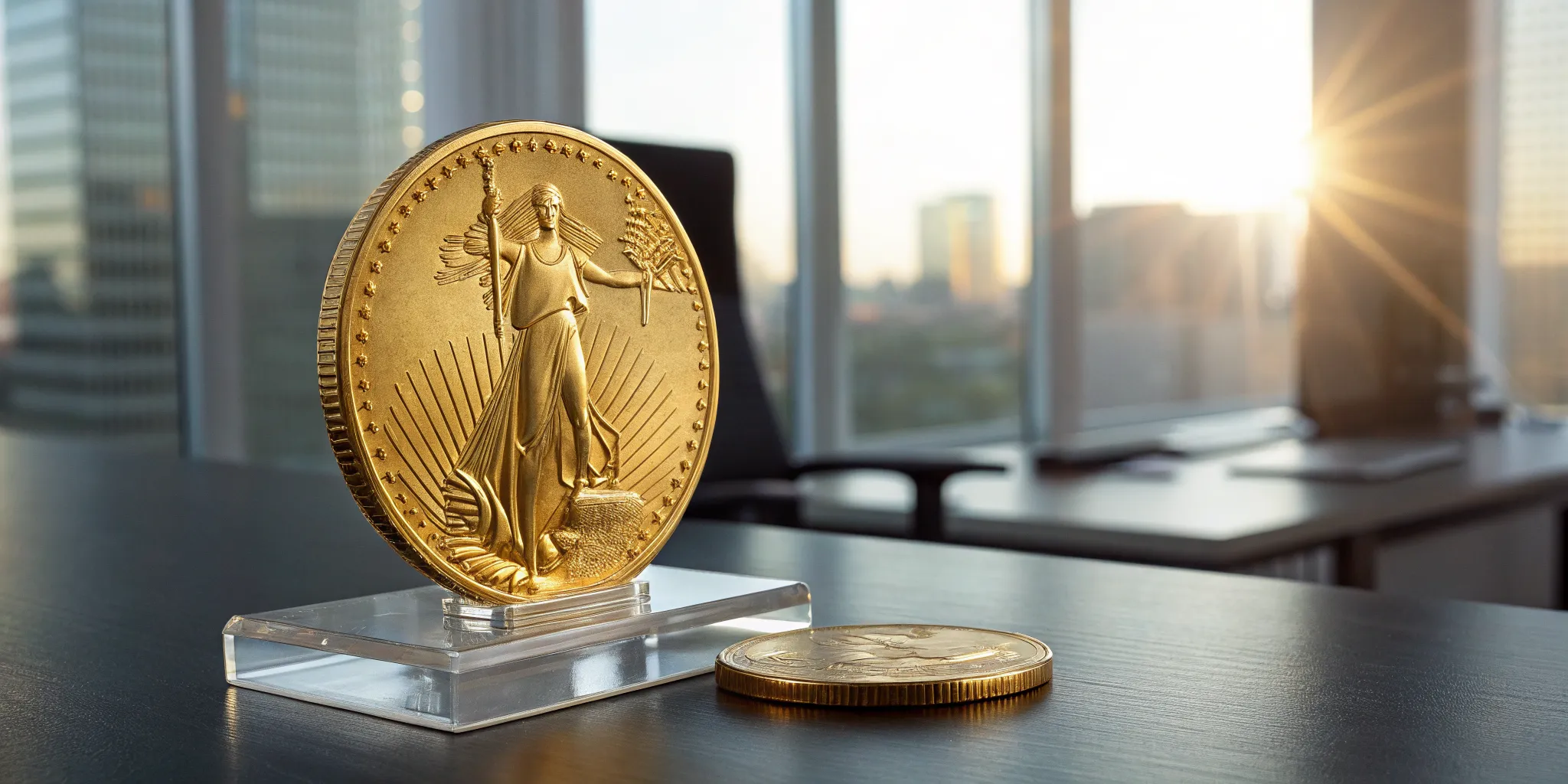
Historic $20 gold coins are more than just investments; they are tangible pieces of American history. Minted from the California Gold Rush through the early 20th century, these coins circulated during a transformative era of expansion and industry. Today, that rich past adds a layer of collector demand that goes far beyond their gold content. Understanding the $20 dollar gold coin value today means appreciating this story. It requires looking at the coin's mint mark, its grade, and its specific date to uncover its rarity and desirability. This article will walk you through that process, connecting each coin's history to its modern market price.
Key Takeaways
- Assess the four key value factors: A coin's worth is a combination of gold's spot price, its physical grade, its rarity (identified by the mint mark), and overall collector demand.
- Prioritize grade and mint mark for higher value: A coin's professional grade and its mint mark are the biggest drivers of its numismatic premium; a higher grade or a scarcer mint can increase a coin's value by thousands.
- Protect your investment by choosing the right source: Buying from an unverified seller is a significant risk, so always partner with an established dealer who offers authentication, transparent pricing, and a secure transaction.
What Determines a $20 Gold Coin's Value?
Figuring out the value of a $20 gold coin goes far beyond its simple weight in gold. While the gold content provides a solid price floor, the true market value is a blend of several important factors. Think of it as a formula where each element adds another layer of value. The four key components you need to understand are the current spot price of gold, the coin's physical condition (or grade), its rarity, and the historical context that drives collector demand. Each of these plays a critical role in shaping the final price, turning a piece of precious metal into a prized numismatic treasure. By looking at these factors together, you can get a complete picture of what your coin is truly worth.
The Impact of Gold's Spot Price
The most straightforward factor in a $20 gold coin's value is its melt value, which is tied directly to the daily spot price of gold. This is the baseline value of the gold content itself. For example, historic coins like the Liberty Head and Saint-Gaudens Double Eagles, minted between 1849 and 1933, contain nearly a full ounce of gold. Because of this, their base value will fluctuate with the market, often trading for $2,000 or more based on their gold bullion content alone. However, it's crucial to remember that this is just the starting point. Nearly all historic $20 gold coins carry a numismatic premium, meaning their collector value makes them worth more than their weight in gold.
Why Condition and Grade Matter
The physical condition of a coin is one of the most significant drivers of its value. A coin that has been well-preserved, with sharp details and minimal wear, will always command a higher price than one that is scratched or worn down. This is where professional grading comes in. Grading services assess a coin on a scale, and even a small difference in grade can lead to a huge price jump. For instance, a $20 Saint-Gaudens coin graded MS-62 might sell for around $4,500, while the same coin in MS-66 condition could fetch over $5,700. This is why you'll see condition and grade prominently featured on any listing for rare coins for sale.
The Role of Rarity and Mint Marks
Like any collectible, rarity plays a massive role in a gold coin's value. The fewer there are of a particular coin, the more collectors are willing to pay for it. Rarity is often determined by the coin's mintage (how many were originally produced) and its survival rate over the years. You can often identify a rarer coin by its mint mark, a small letter indicating where it was made. For $20 gold coins, those with mint marks from Carson City ('CC'), New Orleans ('O'), or Denver ('D') are often scarcer and more valuable than their Philadelphia counterparts (which have no mint mark). Some of these rare examples can even be worth six figures, making the mint mark a tiny detail with a huge impact.
How History and Demand Drive Value
A coin's story and the economic climate can also shape its worth. Many investors turn to gold during times of economic uncertainty to protect their wealth, which increases demand and can drive up prices. This is why many people choose to diversify their portfolios with a Gold IRA Starter Kit. Beyond its investment appeal, the historical significance of a $20 gold coin adds to its desirability. These coins represent a tangible piece of American history, from the California Gold Rush to the pre-1933 era when gold freely circulated. This rich history creates a strong, consistent demand from collectors who appreciate the story behind the gold.
Get to Know the Types of $20 Gold Coins
When you start exploring the world of $20 gold coins, you’ll quickly find two major historical types that dominate the market. Each has a unique story, design, and appeal for collectors and investors. Understanding the difference between the Liberty Head and the Saint-Gaudens Double Eagles is the first step in appreciating their true value. Both coins played a significant role in American history and represent a tangible piece of the nation's economic past.
Liberty Head Double Eagles (1849-1907)
The Liberty Head Double Eagle is one of the most classic and recognized American gold coins. Minted for nearly 60 years, it was a workhorse of American currency during the latter half of the 19th century. The design is iconic, featuring a Greco-Roman inspired profile of Lady Liberty on the front and a powerful heraldic eagle on the back. These coins carry immense historical weight, having circulated during a transformative period of American expansion. For many, owning a Liberty Head is like holding a piece of that history. These rare US and world coins are a cornerstone for any serious collection.
Saint-Gaudens Double Eagles (1907-1933)
Often called the most beautiful coin ever produced in the United States, the Saint-Gaudens Double Eagle is a true masterpiece of numismatic art. President Theodore Roosevelt commissioned renowned sculptor Augustus Saint-Gaudens to redesign the nation's coinage, and the result was breathtaking. The obverse shows a powerful image of Lady Liberty striding forward, torch in hand, while the reverse features a majestic eagle in full flight. The sheer artistry and striking high-relief design of the early issues make the Saint-Gaudens a favorite among collectors and a top-tier investment piece.
Understanding Their Value and Premiums
The value of a $20 gold coin isn't just about the gold inside it. Prices can range dramatically, from around $2,500 for a common, circulated coin to well over $100,000 for a rare, high-grade specimen. This huge variation comes down to a few key factors: the coin's type, its condition (or grade), and its rarity, which is often tied to the mint mark. A common-date coin in average condition will trade closer to its gold value, while a pristine example from a low-mintage year can command a significant premium. Understanding these nuances is essential when assessing its worth and making smart additions to your portfolio.
How Much Are $20 Gold Coins Worth?
When you're looking at a $20 U.S. gold coin, you're holding a piece of history with significant value. These coins, mainly the Liberty Head and Saint-Gaudens Double Eagles minted from 1849 to 1933, are highly sought after by collectors and investors alike. Their worth isn't just tied to the gold they contain; it's a blend of their gold melt value, physical condition, and overall rarity. Generally, you can expect these coins to trade anywhere from $2,000 to well over $5,000. Even the most common, circulated examples often command prices between $2,500 and $3,500, showing just how much their numismatic appeal adds to their base value.
The final price tag depends on a careful evaluation of these factors. A coin that looks ordinary at first glance could be a rare variety worth a small fortune, while another might be valued closer to its gold content. Understanding what makes one coin more valuable than another is the key to making a smart purchase or sale. Let's break down the pricing for different types of $20 gold coins.
Pricing for Common Date Coins
Common date coins are the perfect entry point for many collectors. These are coins minted in years with high production numbers, making them more widely available today. While they don't have the extreme rarity of key date coins, they are still historic U.S. gold pieces that carry a premium over their melt value. A circulated, common date $20 gold coin typically sells in the $2,500 to $3,500 range. Their value is primarily driven by the spot price of gold and their overall condition. For many, these coins represent an accessible way to own a tangible piece of American financial history and are a cornerstone of many rare coin collections.
The Value of Investment-Grade Coins
Once you move into higher-quality, uncirculated coins, you enter the realm of investment-grade pieces. These coins have been professionally graded, often on the Mint State (MS) scale, and their value climbs sharply with each grade point. For example, a $20 Saint-Gaudens coin graded MS-62 might be worth around $4,500, but that same coin in a stunning MS-66 grade could jump to over $5,700. This price difference reflects the scarcity of coins that have survived in near-perfect condition. Investors often seek out these high-grade coins because they combine the security of gold bullion with the potential for significant numismatic appreciation over time.
Premiums for Key Dates and Rarities
This is where coin collecting gets truly exciting. Certain years and mint marks are exceptionally rare, creating what are known as "key dates." These coins command enormous premiums far beyond their gold content. For instance, coins from the New Orleans ('O'), Carson City ('CC'), and Denver ('D') mints are often rarer and more valuable. Specific dates like the 1854-O, 1856-O, 1870-CC, and 1927-D are legendary among collectors for their scarcity. Depending on their condition, these rarities can be worth tens of thousands, with some pristine examples fetching over $100,000 at auction. Identifying and valuing these coins requires deep expertise, which is why working with a trusted dealer is so important.
How to Evaluate a $20 Gold Coin
Determining the true worth of a $20 gold coin goes far beyond its gold content. To accurately assess its value, you need to look at it through the eyes of a numismatist, considering its condition, origin, and authenticity. These three factors work together to tell the coin's story and establish its place in the market. Taking the time to understand them will help you make informed decisions, whether you're looking to buy, sell, or simply appreciate the piece of history in your hands.
Check for Professional Grading
The physical condition of your coin is one of the most significant factors in its valuation. In the world of numismatics, this is known as the coin’s grade. Coins are professionally graded on the Sheldon Scale, which runs from 1 (Poor) to 70 (Mint State Perfect). A higher grade indicates a better-preserved coin with sharp details and original luster, which almost always translates to a higher value. Getting a coin professionally graded by a reputable service provides a standardized, objective assessment that collectors and investors trust. Many of the beautiful rare coins for sale you'll see have been graded, giving buyers complete confidence in their quality.
Identify the Mint Mark and Its Significance
Next, you’ll want to find the coin's mint mark. This small letter indicates which U.S. Mint facility produced the coin. For example, "S" stands for San Francisco, "CC" for Carson City, and "D" for Denver. Why does this tiny letter matter so much? Because some mints produced far fewer coins than others in certain years, making those specific coins much rarer and more sought-after by collectors. A $20 Liberty Head from the Carson City mint, for instance, is often more valuable than one from the more prolific Philadelphia mint (which used no mint mark). Knowing the mint mark is a key piece of the puzzle in uncovering your coin's history and rarity.
Authenticate Your Coin and Spot Fakes
Finally, it's essential to confirm your coin is authentic. The market for valuable coins unfortunately attracts counterfeiters, but fakes often have tell-tale signs. Look closely for blurry or indistinct details, an incorrect weight, or an unusual surface texture. Counterfeits may also lack the fine, intricate design elements of a genuine coin. While you can perform a preliminary check yourself, the best way to be certain is to have your coin examined by a trusted professional. With over 35 years of experience, our team has the expertise to authenticate gold bullion and rare coins, ensuring you know exactly what you have.
Avoid These Costly Mistakes When Buying Gold Coins
Investing in $20 gold coins is an exciting way to own a piece of American history and diversify your portfolio. But like any significant purchase, it comes with potential pitfalls. A simple oversight can turn a promising investment into a costly lesson. By understanding a few common mistakes, you can protect your investment and build a collection with confidence. Whether you're buying your first Double Eagle or you're a seasoned collector, keeping these key points in mind will help you make smarter, more secure purchases every time.
Confusing Spot Price with Total Value
One of the first things new investors learn is to check the spot price of gold. While this is a great starting point, a common mistake is assuming the spot price is what you should pay for a coin. The spot price reflects the value of raw, unrefined gold on the open market. A minted coin, especially a historic one, has additional value built in. This added cost, known as a premium, covers everything from the minting process and dealer costs to the coin's condition and rarity. Thinking you can buy a beautiful Saint-Gaudens Double Eagle for its melt value alone will leave you unprepared for the real market. Always use the spot price as a baseline, but expect to pay a premium for any authentic gold bullion coin.
Buying from Unverified Sources
In the world of rare coins, who you buy from is just as important as what you buy. Many buyers fall into common traps like overpaying due to hidden fees or, even worse, purchasing counterfeit coins from unverified sources. The internet is filled with sellers, but not all of them are reputable. A deal that seems too good to be true often is. To protect yourself, it's essential to work with established dealers who have a long track record of integrity and expertise. A trustworthy dealer will be transparent about pricing, provide authentication, and stand behind the coins they sell. Before making a purchase, research the seller's history, check for professional affiliations, and read customer reviews. Your peace of mind is worth it.
Overlooking Proper Grading and Premiums
Two $20 gold coins from the same year can have vastly different values, and the reason often comes down to their condition. This is where professional grading comes in. Reputable services like PCGS and NGC assess a coin's physical state on a 70-point scale, and this grade is a primary driver of its numismatic value. Overlooking the importance of grading can lead to significant financial loss. You might overpay for a coin that has been cleaned or damaged, or you might underestimate the value of a pristine, high-grade specimen. When you invest in rare coins for sale, always prioritize those that have been professionally graded. This third-party verification ensures you know exactly what you're getting and provides a solid foundation for the coin's long-term value.
Where Can You Safely Buy $20 Gold Coins?
Once you’ve decided to add a $20 gold coin to your collection or portfolio, the next critical step is choosing where to buy it. The source you select is just as important as the coin itself, as it determines the authenticity of your purchase, the fairness of the price, and the security of your investment. The market is vast, with options ranging from online auction sites to local coin shops and established numismatic firms. Navigating these choices can feel overwhelming, but by focusing on a few key principles, you can confidently find a trustworthy partner for your acquisition. The right dealer not only sells you a coin but also provides the expertise and peace of mind that should accompany any significant investment. A great partner will help you understand the nuances of grading, rarity, and market value, ensuring you make an informed decision. Let's walk through the essential steps to ensure your buying experience is smooth, secure, and successful. This approach will help you avoid common pitfalls, like overpaying or buying from unverified sources, and connect you with genuine, high-quality coins that you can be proud to own.
Find a Reputable Precious Metals Dealer
Your first line of defense against a bad purchase is to work exclusively with a reputable dealer. A trustworthy seller provides genuine coins at fair market prices and offers the expertise needed to guide your decision. Look for dealers with a long history in the industry, transparent business practices, and positive customer reviews. Professional affiliations and a strong rating from the Better Business Bureau are also excellent indicators of reliability. An established dealer has a reputation to uphold and is invested in building long-term relationships with clients. This is why it's so important to learn about us and our commitment to collectors and investors before making a purchase.
Look for Secure Online Platforms
Buying precious metals online offers convenience and access to a wider inventory, but it also requires extra diligence. Many buyers fall into common traps like overpaying due to hidden fees or purchasing from unverified sources. When you're evaluating an online dealer, confirm their platform is secure. Look for "https" in the web address, which indicates an encrypted connection that protects your personal and financial information. A professional website should also have clear contact information, detailed product descriptions, and high-quality images. A trustworthy online presence reflects a commitment to customer security and transparency. You should feel confident browsing their selection of rare coins for sale and completing your transaction.
Ensure Your Transaction is Protected
A secure purchase goes beyond a safe website. You need to ensure the entire transaction is protected from payment to delivery. Use payment methods that offer buyer protection, such as credit cards, which often allow you to dispute fraudulent charges. Before finalizing your purchase, ask for complete documentation, including a detailed invoice. A reputable dealer will also provide fully insured shipping to protect your investment while it’s in transit. Always review the dealer’s policies on returns and authenticity guarantees. Knowing you have recourse if something goes wrong provides an essential layer of security. This level of protection is standard when you purchase gold bullion or any other valuable asset from a trusted source.
How Does the Market Impact Gold Coin Investments?
The value of a $20 gold coin isn't set in stone. It moves with the rhythm of the global economy, influenced by factors far beyond the world of coin collecting. Both the coin's base metal value, tied to the spot price of gold, and its numismatic or collector value can shift with market trends. Understanding these forces is key to making smart investment decisions. When you know what drives demand, you can better anticipate how your gold coins might perform as part of your larger financial strategy.
Economic Factors Driving Demand for Gold
Several key economic indicators can signal a rise in gold's value. Inflation is a major one. As the cost of living goes up and the purchasing power of currency goes down, many investors turn to gold to preserve their wealth. This increased demand often pushes prices higher. Similarly, a volatile stock market can send people looking for more stable assets. During periods of economic uncertainty, diversifying a portfolio with tangible assets like gold bullion can help protect against currency devaluation and unpredictable equity markets, making gold a popular choice.
Gold's Appeal in a Volatile Market
Gold has long been considered a "safe-haven" asset, and for good reason. During times of widespread economic instability or geopolitical tension, gold tends to hold its value or even increase. Persistent inflation, fluctuating markets, and changing government policies all contribute to renewed attention on gold as a financial anchor. Investors often use gold to shield their wealth from the unpredictable tides of the global economy. For those looking to secure their retirement savings, a Gold IRA Starter Kit can be a practical way to incorporate this stability into a long-term plan.
Current Trends and Future Projections
The outlook for gold remains strong, with robust demand from both individual investors and central banks. The global gold bullion market is projected to expand significantly in the coming years, reflecting its growing role in modern investment strategies. Many financial analysts remain optimistic about gold's performance, with some predicting continued price appreciation. While no investment is guaranteed, the consistent demand for physical gold suggests it will continue to be a vital component of diversified portfolios. Exploring high-quality rare coins for sale can be a great starting point for anyone looking to invest.
Should You Add $20 Gold Coins to Your Portfolio?
Deciding where to put your money is a big decision, and for many savvy investors, physical assets play a crucial role. Historic gold coins, like the $20 Liberty Head and Saint-Gaudens Double Eagles, offer a unique combination of intrinsic bullion value and numismatic appeal. They aren't just pieces of metal; they are tangible assets with a rich history that can add a layer of security and potential growth to your financial strategy. If you're looking to strengthen your portfolio beyond traditional stocks and bonds, understanding the benefits of these coins is a great place to start.
The Benefits of Diversifying with Gold
One of the most time-tested strategies for protecting your wealth is diversification, and gold has long been a cornerstone of this approach. When economic uncertainty rises or inflation puts pressure on currency, investors often turn to precious metals. Gold is widely seen as a reliable store of value because its worth isn't directly tied to the policies of any single government or central bank. This independence helps it act as a hedge, often holding its value or even appreciating when other assets may be struggling.
Many financial experts suggest allocating a portion of your portfolio to precious metals to balance risk. Adding gold bullion can provide stability and peace of mind. For those planning for the long term, incorporating gold into a retirement account is also a powerful option. You can even get a Gold IRA Starter Kit to see how it fits into your retirement goals. Ultimately, gold offers a solid foundation that can help safeguard your portfolio against market volatility.
Is Now the Right Time to Invest?
While no one can perfectly time the market, current economic indicators and forecasts suggest a strong outlook for gold. Global demand continues to be robust, driven by both individual investors and central banks looking to solidify their holdings. The market for gold bullion is projected to see significant growth in the coming years, reflecting a broader confidence in its long-term stability and potential for appreciation.
This positive sentiment makes it an interesting time to consider adding $20 gold coins to your collection or investment portfolio. These coins carry the dual benefit of their gold content and their numismatic, or collectible, value. As interest in tangible assets grows, the demand for high-quality, historic rare coins for sale is likely to follow suit. For investors focused on long-term value, the current climate presents a compelling opportunity to acquire these classic American treasures.
Related Articles
- $20 Liberty U.S. Gold PCGS-60
- $20 U.S. Gold Saint PCGS65
- $20 U.S. Gold Liberty PCGS63
- $20 U.S. Gold Liberty NGC62
- $20 U.S. Gold Saint PCGS61
Frequently Asked Questions
Why is a $20 gold coin worth more than just its weight in gold? While the gold content gives the coin a solid base value, known as its melt value, nearly all historic $20 gold coins sell for more. This extra value is called a numismatic premium. It comes from factors like the coin's historical importance, its rarity, its physical condition, and overall collector demand. Think of it as the difference between owning a block of raw material and owning a finished piece of art; the history and craftsmanship add significant worth.
What makes one $20 gold coin more valuable than another? Several key details create huge differences in value. The coin's physical condition, or grade, is a major factor; a pristine, uncirculated coin will always be worth more than a worn one. Rarity also plays a huge role. This is often determined by the year it was made and its mint mark, which is a small letter indicating where it was produced. Some mints made far fewer coins in certain years, making those specific coins highly sought after by collectors.
How can I tell if a coin is authentic? Confirming a coin's authenticity is crucial. While you can look for obvious red flags like blurry details or an incorrect weight, the most reliable method is to have it examined by a professional. An experienced numismatist can spot the subtle signs of a counterfeit that an untrained eye might miss. For complete confidence, it's always best to buy from a reputable dealer who guarantees the authenticity of their coins.
What's the first step I should take if I want to buy a $20 gold coin? Your first step should be to find a trustworthy dealer. A reputable expert will not only sell you a genuine coin but will also help you understand its value and history. Look for a company with a long, established history, positive reviews, and professional credentials. Working with a trusted source protects you from common mistakes like overpaying or accidentally buying a counterfeit coin.
Are these coins a good way to protect my savings? Many people use gold to diversify their financial portfolios and protect their wealth, especially during times of economic uncertainty. Historic gold coins offer a unique advantage because they have two layers of value: the intrinsic worth of the gold itself and the numismatic value from their collector appeal. This combination can make them a stable asset that holds its value well over the long term.





