
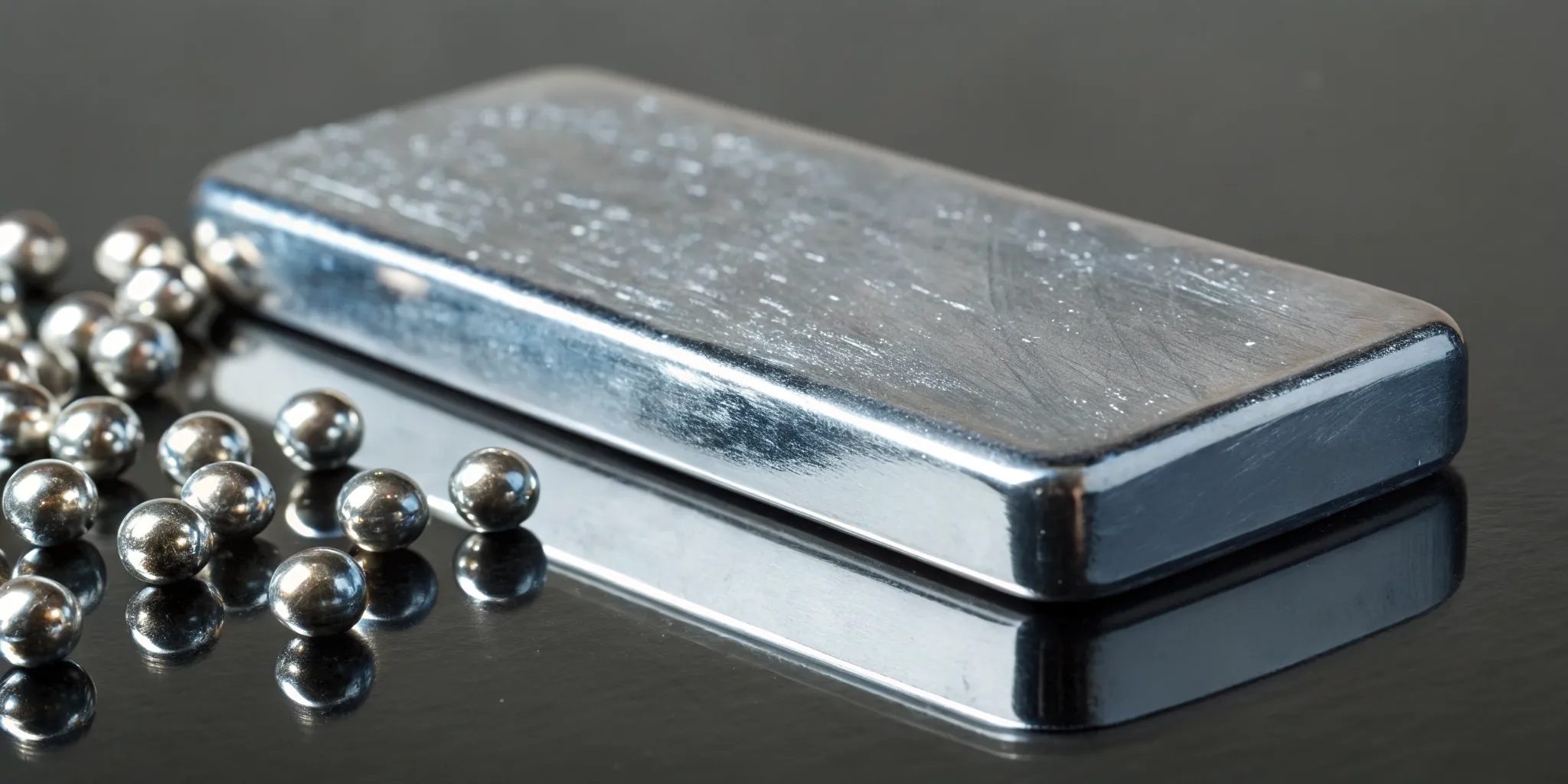
 The device that cleans the exhaust from your car’s engine relies on a rare precious metal to function. That metal is palladium, and its role as a critical component in catalytic converters makes it one of the most important industrial commodities on the planet. Unlike gold, which is primarily a monetary and jewelry metal, palladium’s value is directly linked to the pulse of the global economy. This connection to innovation and manufacturing provides a powerful foundation for its long-term worth. For investors, owning a palladium bar 1 oz is like holding a piece of the engine that drives modern industry forward.
Key Takeaways
- Industrial Demand Drives Its Value: Palladium's price is closely linked to its use in the automotive industry, not just investment trends. This connection to real-world manufacturing makes it a unique asset that can perform differently than gold, offering a smart way to diversify.
- Prioritize Purity and Reputable Mints: When you buy, look for a .9995 fine palladium bar from a trusted mint like PAMP Suisse or Valcambi. Make sure it comes in a sealed assay card, as this certification confirms its authenticity and makes it much easier to sell later.
- Think Long-Term for Strategic Diversification: Palladium is best for investors with a long-term outlook who understand its price can be volatile. Use it to complement other precious metals like gold and silver, creating a more balanced portfolio with different market drivers.
What Exactly Is a 1 oz Palladium Bar?
If you're exploring precious metals, you've likely heard about palladium's rising star. A 1 oz palladium bar is exactly what it sounds like: a solid, one-ounce bar made of this rare, silvery-white metal. As a member of the platinum group metals, palladium shares many of platinum's valuable properties but has its own unique supply and demand dynamics. These bars are a straightforward way to own physical palladium, offering a tangible asset that is becoming increasingly popular with savvy investors. Before you add one to your collection, let's break down what you're actually getting.
What Are Its Purity and Weight Standards?
When you buy a 1 oz palladium bar, you're getting a product held to strict international standards. Reputable bars are marked as ".9995 fine," which means they consist of 99.95% pure palladium. This high level of purity is essential for investment-grade bullion. The "1 oz" refers to one troy ounce, the standard unit of weight for precious metals. It's important to know that a troy ounce is slightly heavier than a standard (avoirdupois) ounce, weighing about 31.1 grams instead of 28.35. This distinction is crucial for accurately calculating the value of your holdings.
What Makes Palladium So Rare and Valuable?
Palladium's value comes from a simple economic principle: scarcity plus demand. This metal is significantly rarer than gold or silver. In fact, palladium is considered about 15 times rarer than its sister metal, platinum. The vast majority of the world's palladium is mined in just a few countries, making its supply chain vulnerable to disruption. This natural rarity, combined with its critical role in industrial applications, creates a compelling case for its long-term value. Exploring the different palladium bullion options can give you a better sense of what's available on the market.
Clearing Up Common Myths About Palladium
One of the biggest myths about precious metals is that you have to be a billionaire to invest in them. That simply isn't true. While palladium has a high value per ounce, the 1 oz bar format makes it an accessible asset for serious investors looking to diversify their portfolios. It’s not just for speculation; many people use palladium for long-term wealth preservation. Adding a tangible asset like a palladium bar can provide a sense of security and balance to a portfolio that might be heavy in stocks and bonds. It's a practical way to own a piece of one of the world's most sought-after metals.
Why Invest in a 1 oz Palladium Bar?
Investing in a 1 oz palladium bar is a move that goes beyond traditional precious metals. While it shares the tangible, intrinsic value of gold and silver, palladium has a unique identity rooted in modern industry. Its price and performance are driven by a distinct set of factors, making it a compelling option for savvy investors looking to add depth and resilience to their portfolios. Understanding these drivers, from its critical role in manufacturing to its remarkable scarcity, is the first step in seeing why palladium deserves a closer look.
How Industrial Demand Creates Value
Palladium’s value is deeply connected to its real-world applications. A staggering amount of the world's palladium supply is used to create catalytic converters, the devices in gasoline-powered cars that reduce harmful emissions. This makes the metal an essential component for the global automotive industry. Beyond the garage, palladium is also a key material in medical instruments, dental equipment, and even consumer electronics like smartphones. This consistent and widespread industrial demand, combined with the metal's inherent rarity, creates a strong and stable foundation for its value. When you buy palladium bullion, you're investing in a commodity that keeps modern industry running.
How It Can Diversify Your Portfolio
Adding a 1 oz palladium bar to your portfolio is a strategic way to practice diversification. The goal of diversification is to spread your investments across different assets to reduce overall risk, and palladium is excellent for this. Its price is influenced by different market forces than gold or stocks. While gold often performs well during times of economic uncertainty, palladium’s value is more closely tied to industrial production and consumer demand, particularly in the auto sector. This means it can perform well even when other parts of your portfolio are lagging. By including an asset with a different set of drivers, you create a more balanced and resilient investment strategy, which is a core principle of building a precious metals IRA.
How Palladium Stacks Up Against Other Precious Metals
When it comes to rarity, palladium is in a class of its own. It is significantly scarcer than gold or silver, and by some estimates, it is about 15 times rarer than even platinum. This extreme rarity is a fundamental component of its value proposition. Unlike gold, which has been mined and stockpiled for centuries, palladium is a relatively new industrial metal with much smaller above-ground reserves. This limited supply, paired with its high demand, creates a unique dynamic in the precious metals market. While all precious metals offer a hedge against inflation, investing in palladium gives you exposure to one of the rarest and most industrially critical elements on Earth, distinct from even platinum bullion.
What Drives the Price of Palladium?
Understanding what moves the price of palladium is key to making a smart investment. Unlike gold, which is primarily driven by monetary and investment demand, palladium's value is tied closely to industrial applications. This creates a unique set of factors that can cause its price to swing. From the factory floor to the geopolitical stage, several key forces are at play. Let's look at what you need to watch.
Spot Price vs. Premium: What's the Difference?
When you look up the price of palladium, you're likely seeing the "spot price." Think of this as the baseline cost for one troy ounce of the raw metal on the open market. But when you buy a physical 1 oz palladium bar, you'll pay the spot price plus a "premium." This premium covers the costs of turning that raw metal into a beautiful, refined bar, including minting, certification, and dealer costs. Reputable dealers make it easy to purchase investment-grade metal, and the premium is simply part of the process of acquiring a tangible, high-quality asset.
The Role of the Automotive Industry
The single biggest factor influencing palladium's price is the automotive industry. This precious metal is a critical component in catalytic converters for gasoline and hybrid vehicles, where it helps neutralize harmful pollutants. As countries around the world tighten their emissions standards, car manufacturers are required to use more palladium in each vehicle to comply. This creates a direct link between industrial demand and price. Therefore, when global car sales are strong, the consumption of catalyst converters rises, pushing palladium's value higher. It's a classic case of supply and demand in action.
How Geopolitics and Supply Issues Affect Price
Palladium's supply chain is surprisingly concentrated. The vast majority of the world's palladium is mined in just two countries: Russia and South Africa. This limited sourcing makes its price highly sensitive to any disruptions in those regions. Geopolitical tensions, trade sanctions, labor strikes, or even energy shortages can quickly squeeze the global supply and cause prices to climb. Because of this, savvy investors keep a close eye on factors like mining output and trade policies, as these can be leading indicators of future price movements. A disruption in a single major mine can have ripple effects across the entire market.
Will Electric Vehicles Change the Game for Palladium?
With the rise of electric vehicles (EVs), many investors wonder about palladium's long-term future. Since EVs don't have exhaust systems, they don't need catalytic converters. While this will certainly shift demand over the coming decades, the story isn't that simple. The global transition to an all-EV fleet will take time. In the interim, hybrid vehicles still require palladium. Furthermore, as emission standards tighten for the remaining gasoline-powered cars, manufacturers may need to use even more palladium per vehicle, which could help sustain demand for years to come.
Who Makes the Best 1 oz Palladium Bars?
When you decide to buy a 1 oz palladium bar, the manufacturer matters just as much as the metal itself. Choosing a bar from a reputable mint ensures you’re getting a product with guaranteed weight and purity. These globally recognized brands produce palladium bullion that is trusted by dealers and investors everywhere, which makes it much easier to sell when the time comes. Think of the mint’s stamp as a seal of quality that gives you peace of mind. A well-known bar is highly liquid, meaning you can convert it to cash quickly and at a fair price because buyers and dealers instantly recognize its value. While many refineries produce excellent products, a few names consistently stand out for their craftsmanship, security features, and stellar reputations. Let’s look at the top players in the industry.
PAMP Suisse
PAMP Suisse is one of the most respected names in precious metals, and for good reason. Based in Switzerland, this refinery is famous for its exceptional craftsmanship and beautiful designs. Their most iconic product is the Fortuna bar, which features a stunning depiction of the Roman goddess of fortune. This artistic touch makes their bars popular with both investors and collectors. Every PAMP Suisse bar is sealed in a tamper-evident assay card that certifies its weight and purity, and many include Veriscan technology, which helps verify the bar’s authenticity. This combination of beauty and security makes PAMP Suisse a top choice.
Valcambi
Another Swiss powerhouse, Valcambi is a leading refiner known for its clean, minimalist aesthetic and incredibly high production standards. Investors who prioritize purity and precision often gravitate toward Valcambi’s products. Their bars are sleek, simple, and stamped with the Valcambi logo, weight, purity, and a unique serial number. Valcambi is also known for its innovation, like the CombiBar, which can be broken into smaller, fractional pieces. This commitment to quality and functionality has made Valcambi a go-to refiner for serious investors looking for reliable and easily tradable palladium bars. Their reputation for excellence is recognized worldwide.
Credit Suisse
Credit Suisse isn’t a refiner, but as a world-renowned Swiss bank, its name on a palladium bar carries immense weight and trust. These bars are produced by other leading refiners, like Valcambi, but are branded with the trusted Credit Suisse logo. For many investors, this banking institution's backing provides an extra layer of confidence in the bar’s quality and authenticity. The design is typically straightforward and classic, clearly displaying the Credit Suisse name, the bar’s weight, its .9995 purity, and a unique serial number. These bars are highly sought after and are a very liquid investment in the precious metals market.
Argor-Heraeus
Argor-Heraeus is a premier global refinery, co-owned by the German Heraeus technology group and the Austrian Mint. This Swiss-based company is celebrated for its high-quality production and innovative security features. Many investors favor Argor-Heraeus bars for their reliability and purity. One of their standout features is the Kinegram, a holographic element embedded on the bar’s surface that is incredibly difficult to replicate, offering an extra layer of protection against counterfeiting. This focus on security, combined with a long-standing reputation for excellence, makes Argor-Heraeus a top-tier choice for anyone looking to add secure and trusted palladium to their portfolio.
How to Compare 1 oz Palladium Bars
When you’re ready to buy, you’ll notice that not all 1 oz palladium bars are identical. While they share the same weight, key differences in their production, certification, and branding can affect their value and how easily you can sell them later. Paying attention to these details is the best way to ensure you’re making a sound investment. Think of it as doing your due diligence before any major purchase; a little research now protects your asset for the future. It helps you move forward with confidence, knowing you’ve selected a high-quality piece that will hold its value and be recognized by dealers and investors alike. Here’s what you need to look for when comparing your options.
Check for Purity and Assay Certification
First and foremost, confirm the bar’s purity. Investment-grade palladium bars should be marked as .9995 fine, which means they contain 99.95% pure palladium. This is the industry standard you should always look for. Just as important is the assay certification. Most reputable bars come sealed in a tamper-proof card from the mint, which lists the bar’s weight, purity, and a unique serial number. This card is your proof of authenticity and quality. A bar that comes with a matching assay certificate is a hallmark of a legitimate product and will be much easier to verify and sell down the road.
Verify the Mint's Reputation
The mint that produced the bar matters a great deal. Think of it like a brand name; a trusted mint guarantees quality and authenticity. Mints like PAMP Suisse, Valcambi, and Argor-Heraeus have built global reputations for their strict standards and beautiful craftsmanship. Buying a bar from a well-known mint provides peace of mind and adds to the bar’s liquidity, as dealers and other investors instantly recognize its quality. At Park Avenue Numismatics, our team of experts carefully selects products from the world’s most respected mints, so you can be confident in the origin and quality of your purchase.
Inspect the Security Features and Packaging
Modern palladium bullion bars often include advanced security features to protect against counterfeiting. These can range from intricate designs and micro-engraving to unique serial numbers that can be verified with the mint. The packaging itself is also a critical security feature. Most 1 oz bars are sealed in a protective case, often the assay card itself, which prevents damage and shows if the bar has been tampered with. A bar in its original, intact packaging is always more desirable and will command a better price upon resale. Always inspect the packaging for any signs of damage or tampering before you buy.
Consider Liquidity and Resale Value
Liquidity refers to how quickly and easily you can convert your palladium bar back into cash. This is where all the previous points come together. A 1 oz palladium bar from a reputable mint, with a clear .9995 purity stamp and sealed in its original assay card, will have excellent liquidity. It’s a standardized, recognized product that dealers worldwide are happy to purchase. While palladium’s industrial demand supports its base value, the specific features of your bar determine its resale potential. Choosing a high-quality, certified bar ensures you won’t face difficulties when it’s time to sell, making it a more flexible part of your long-term investment strategy.
What's the Real Cost of a 1 oz Palladium Bar?
When you decide to buy a 1 oz palladium bar, one of the first things you'll notice is that there isn't one single, fixed price. The amount you'll pay is a combination of the metal's base market value and other costs that can vary quite a bit. Understanding these components is the key to making a smart purchase and knowing you're getting a fair deal.
The final price tag on a palladium bar is influenced by the live market, the dealer you choose, and the specific bar you're buying. Let's break down what you can expect to pay and the factors that determine that final number.
What Is a Typical Price Range?
The price for a 1 oz palladium bar fluctuates with the market, but you can generally expect it to fall within a certain range. Many 1 oz bars are priced somewhere between $1,000 and $2,500, depending on daily market shifts and product availability. It’s a wide range because palladium is a volatile metal, and its price can change quickly based on industrial demand and supply chain news.
To get a real-time sense of the market, it's always a good idea to check the current listings from trusted sellers. You can see how different mints and bar conditions are priced by looking at a curated selection of palladium bullion. This will give you a practical baseline as you begin your search.
Don't Forget About Additional Costs
The price you see listed for a palladium bar isn't just the raw value of the metal. That base value is called the "spot price," which is the price palladium trades for on the open market. However, you will always pay a "premium" over the spot price. This premium is an additional charge that covers the costs of fabricating the bar, verifying its purity, and handling its distribution, plus the dealer's margin.
Think of the spot price as the wholesale cost and the premium as the markup that turns it into a retail product. Understanding this distinction is fundamental to investing in any precious metal. These additional costs are a standard part of acquiring physical assets for your portfolio, whether you're buying bars, coins, or setting up a Gold IRA Starter Kit.
Why Premiums Vary From Dealer to Dealer
Not all premiums are created equal. You'll find that the premium on a 1 oz palladium bar can differ significantly from one dealer to another. This variation happens for a few reasons. First, the type of product matters; for example, palladium coins often carry higher premiums than bars because of their intricate designs and status as legal tender.
A dealer's reputation and the purity of their products also play a role. Reputable dealers typically sell high-purity palladium bars, often .9995-fine, which can influence pricing. A dealer with decades of experience and a solid history may have different premium structures than a newer online seller. It's always wise to compare options to ensure you're working with a transparent and fair partner.
Is a 1 oz Palladium Bar Right for Your Portfolio?
Deciding to add a 1 oz palladium bar to your holdings is a significant move. Palladium has a unique profile driven by intense industrial demand and profound rarity, making it a powerful tool for diversification. However, its price can also be volatile. Before you buy, it’s important to assess your investment strategy and risk tolerance. Let's walk through what you need to consider to determine if palladium is the right fit for you.
Are You the Right Kind of Investor?
A 1 oz palladium bar is best suited for someone with a long-term investment horizon. If you're looking for an asset to preserve wealth over years, not months, palladium is an excellent candidate. Think of it as a strategic holding rather than a speculative play. Its value is rooted in its physical scarcity and essential industrial applications, making it a tangible asset for a durable portfolio. Investors who prioritize bulk value and are patient enough to ride out market cycles will find that palladium bullion aligns well with their goals. It’s less about chasing quick profits and more about securing a piece of a rare and indispensable resource.
How to Handle Price Volatility
There’s no sugarcoating it: palladium’s price can be volatile. This is largely because its supply is concentrated in a few countries and its demand is heavily tied to the automotive industry for catalytic converters. Global economic shifts, supply chain disruptions, and even vehicle electrification trends can cause significant price swings. The key is to understand these factors, not fear them. For a well-rounded investor, this volatility is a calculated risk. Its scarcity provides a strong foundation for long-term value appreciation. By including palladium in a diversified retirement account, such as a precious metals IRA, you can balance this volatility against more stable assets.
How to Pair Palladium With Other Precious Metals
Palladium shines brightest when it’s not the only metal in your portfolio. It works as a fantastic diversifier alongside gold and silver. While gold bullion is often seen as a safe-haven asset that performs well during economic uncertainty, palladium’s value is more closely linked to industrial growth and innovation. This contrast means they can balance each other out. Adding palladium introduces a different set of market drivers to your holdings. For a cost-effective entry, 1 oz bars are the way to go. Unlike palladium coins, which often carry higher premiums over the spot price, bars allow you to acquire more metal for your money, making them a practical choice for serious investors.
How to Store and Protect Your Investment
Once you've invested in a 1 oz palladium bar, the next crucial step is figuring out how to keep it safe. Palladium is a durable metal that doesn't rust, which simplifies storage, but its value means you can't just tuck it away in a drawer. Protecting your investment involves choosing the right storage method and understanding the financial safeguards you need to have in place. Thinking through these details now will give you peace of mind for years to come.
What Are Your Storage Options?
For many investors, a high-quality, fireproof home safe is the first line of defense. This gives you direct access to your assets whenever you need it. However, for larger collections, you might want to consider a more secure option. Professional third-party depositories offer specialized, high-security vaults designed specifically for precious metals. These facilities are insured, audited, and climate-controlled, providing maximum protection. While there are fees for this service, it’s often the preferred choice for serious investors who want to ensure their palladium bullion is protected against theft, loss, or damage. The right choice depends on your comfort level and the size of your investment.
What to Know About Insurance and Taxes
Your standard homeowner's insurance policy likely has a limit on coverage for valuables, which may not be enough to cover the full value of your palladium. It's a good idea to review your policy and speak with your insurance agent about adding a specific rider for your precious metals. For larger holdings, specialized insurance is a must. On the tax side, remember that when you sell your palladium for a profit, you may owe capital gains taxes. The rules can be complex, so consulting with a tax professional is always a smart move. For those interested in long-term, tax-advantaged investing, holding precious metals within a Gold IRA comes with its own set of storage and tax rules worth exploring.
Where to Buy a 1 oz Palladium Bar
Finding the right palladium bar is only half the equation; choosing a trustworthy dealer to buy it from is just as important. Think of your dealer as a partner in this process. Their reputation, transparency, and expertise directly affect the security of your investment and your peace of mind. Taking the time to find the right one is a crucial step you won't regret.
How to Find a Reputable Dealer
When you're ready to purchase a palladium bar, it's essential to do your homework on potential dealers. A great first step is to check for affiliations with respected industry organizations, like the American Numismatic Association (ANA). Membership often indicates a dealer's commitment to a strict code of ethics. Next, look into their history. A reputable dealer will have a long track record of positive customer reviews and a clear, transparent return policy. You should be able to easily find what other investors are saying about their experiences. A dealer with nothing to hide will make this information readily available.
Why Choose Park Avenue Numismatics?
At Park Avenue Numismatics, we pride ourselves on being more than just a dealer; we aim to be your trusted partner in precious metals. With over 35 years of experience and an A+ rating from the Better Business Bureau, our reputation is built on a foundation of expertise and integrity. We offer a carefully curated selection of high-purity palladium bullion sourced directly from the world’s most respected mints. Our team is committed to educating our clients, ensuring you have the information you need to make confident decisions. We believe an informed investor is a successful one, and we’re here to provide the personalized guidance you deserve.
Related Articles
- 1 oz Palladium Bars (Generic Brands) | Precious Metals & Rare Coins Dealer | Antique Coins - Park Ave Numismatics
- 1 oz PAMP Suisse Palladium Bars - Park Ave Numismatics
- Buy & Sell Rare Palladium Bullion Online | Palladium Bullion for Sale
- Buy & Sell Rare Palladium Bars Online | Palladium Bars for Sale
- Precious Metals Glossary | Precious Metals & Rare Coins Dealer
Frequently Asked Questions
Is a 1 oz palladium bar a better investment than a palladium coin? This really depends on your goals. If your main objective is to own as much palladium as possible for your money, a 1 oz bar is often the more efficient choice. Bars typically have lower premiums over the spot price compared to coins because their production costs are lower. However, some investors prefer coins for their collectibility, historical significance, or status as legal tender. A bar is a straightforward, practical way to invest in the metal itself.
How can I be sure I’m paying a fair price for palladium? A fair price is a combination of the metal's live market value, called the spot price, and a reasonable dealer premium. Before you buy, you should check the current spot price of palladium, which is widely available online. A reputable dealer will be transparent about their premium, which covers the costs of minting and handling the bar. Comparing the all-in price from a few trusted dealers will give you a good sense of the market and help you feel confident in your purchase.
What is the best way to sell my palladium bar later on? The easiest way to sell is to work with a reputable precious metals dealer, like the one you bought from. Because you chose a bar from a well-known mint with its assay card intact, its value is easy to verify. This makes it highly liquid, meaning dealers are ready and willing to buy it back at a fair market price. Avoid trying to sell to individuals or pawn shops, as you are unlikely to receive a price that reflects the bar's true value.
Why is palladium sometimes more expensive than platinum if they are similar? While both are platinum group metals, their prices are driven by different industrial demands. Palladium is essential for catalytic converters in gasoline-powered cars, which make up the majority of the global auto market. Platinum is used more in diesel engines. As global emissions standards for gasoline cars have tightened, the demand for palladium has grown significantly, often pushing its price above platinum's based on these specific market forces.
Can I hold a 1 oz palladium bar in my retirement account? Yes, you can. You are able to hold certain physical precious metals, including investment-grade palladium bars, in a self-directed IRA, often called a precious metals IRA. To qualify, the bar must meet specific purity standards, such as .9995 fineness. This is a great way to diversify your retirement savings with a tangible asset, but it requires working with a specialized custodian. Consulting with a precious metals expert can help you understand the process.





