
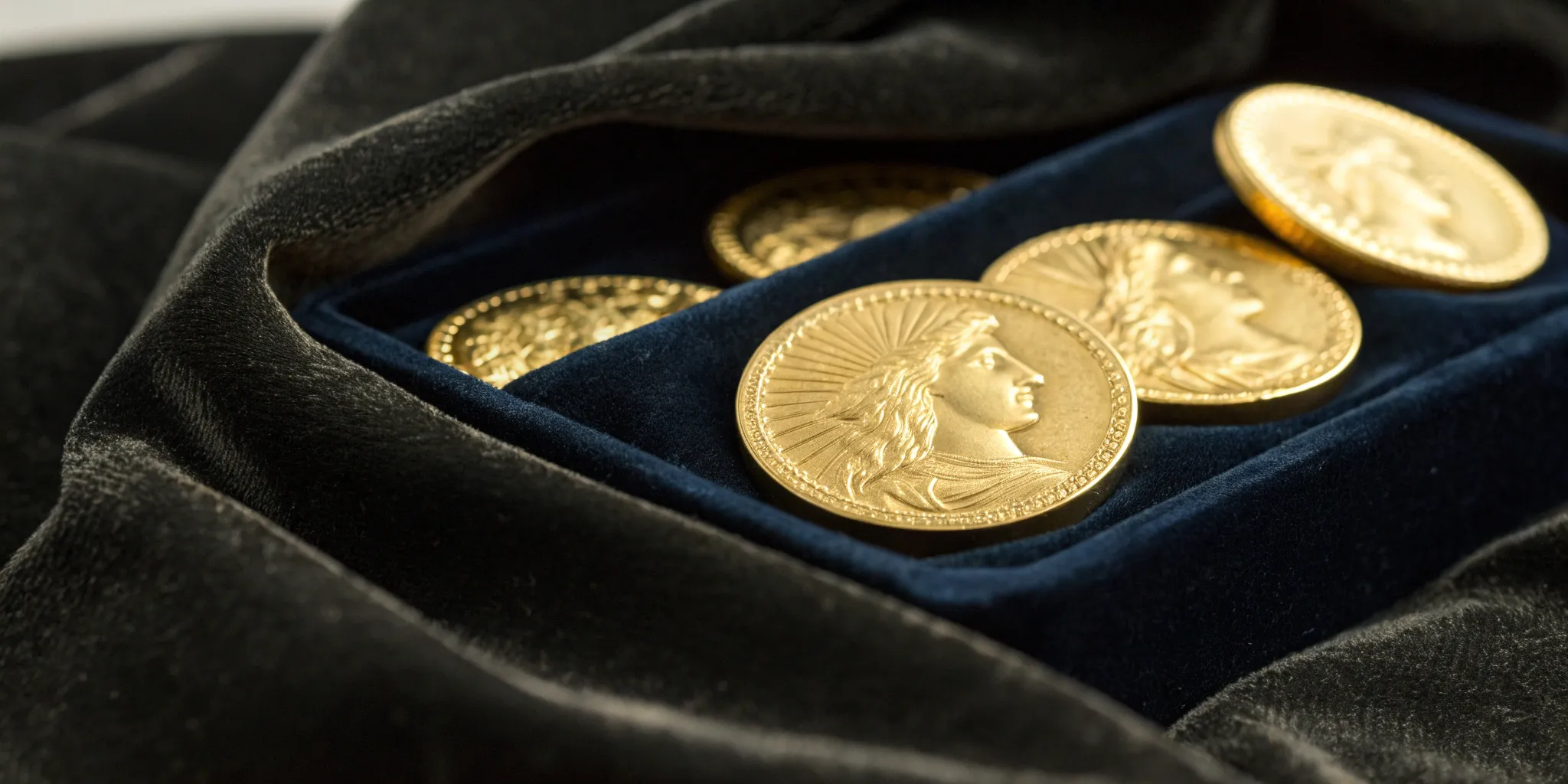
For many, the appeal of a gold coin is twofold: it's both a beautiful, historical artifact and a solid financial asset. A coin like the Austrian Philharmonic is a piece of art you can hold, while its .9999 purity makes it a serious investment. This unique blend of numismatic and intrinsic value is what makes pure gold so compelling. Whether you are a seasoned collector drawn to design or an investor focused on wealth preservation, understanding these assets is key. This article breaks down the top coins, explains the factors that determine their value beyond just weight, and provides actionable advice for anyone browsing 24k gold coins for sale with an eye for both quality and long-term growth.
Key Takeaways
- Prioritize Globally Recognized Coins: Stick to 24k gold coins from sovereign mints like the American Gold Buffalo and Canadian Gold Maple Leaf. Their guaranteed purity and worldwide acceptance make them highly liquid and secure investments.
- Vet Your Dealer Thoroughly: Your investment is only as secure as your dealer. Protect yourself by choosing an established company with a long history, professional affiliations, and transparent pricing to ensure you receive authentic, fairly priced coins.
- Build a Strategy Beyond the Purchase: A smart investment involves more than just buying a coin. Understand how pricing works, define your long-term goals, and have a solid plan for secure storage and insurance to protect your assets.
What Is a 24k Gold Coin?
When you hear the term "24k gold," it refers to the purest form of gold you can own. Think of the "karat" as a measure of purity, not weight. A 24-karat gold coin is made of 24 out of 24 parts gold, giving it a fineness of .999 or .9999. This exceptional purity is what makes these coins a top choice for investors and collectors who want to hold gold in its most unadulterated state.
Unlike most gold jewelry, which is often alloyed with other metals to increase its hardness, 24k gold coins are valued for their intrinsic gold content. When you’re looking to add tangible assets to your portfolio, understanding the composition of what you're buying is the first step. Pure gold coins offer a direct way to own the precious metal, with their value closely tracking the market price of gold. This makes them a straightforward and transparent addition to any investment strategy.
What Do Gold Purity and Weight Mean?
Gold purity is measured on the karat scale, where 24k represents the highest possible rating. It signifies that the item is at least 99.9% pure gold, with no other metals intentionally mixed in. This is the global standard for investment-grade gold bullion. While this purity is highly desirable for investors, it also means the coins are softer and more susceptible to scratches or damage compared to alloyed gold. That’s why careful handling and proper storage are so important. The weight, typically measured in troy ounces, determines the amount of gold you own, while the purity confirms its quality. For serious collectors, both factors are critical in assessing a coin's value.
How Do 24k Gold Coins Compare to Other Gold Coins?
The main difference between 24k gold coins and others, like the popular 22k American Gold Eagle, comes down to durability. A 22k coin contains small amounts of copper and silver, making it harder and more resistant to wear. It's important to know that a one-ounce 22k coin still contains a full troy ounce of gold—the alloy metals just add to the coin's total weight. While some believe 24k gold is too soft, it’s perfectly suitable for investment purposes where coins are handled infrequently and stored securely. The key is to purchase from a trusted source. Because of their high value, the market can have counterfeits, so working with a reputable dealer ensures the rare coins for sale you acquire are authentic and accurately represented.
What Are the Top 24k Gold Coins to Buy?
When you're ready to add 24k gold to your portfolio, you’ll find several excellent government-minted coins to choose from. Each has a unique history, design, and appeal for different types of buyers. While there are many options on the market, four coins consistently stand out for their purity, global recognition, and strong track record with both collectors and investors. Getting to know these top contenders is a great first step in building your collection.
American Gold Buffalo
The American Gold Buffalo made history as the U.S. Mint’s very first 24-karat gold coin. First released in 2006, it contains 99.99% pure gold, making it a top choice for investors who want the highest purity from a U.S. government-backed coin. The design is a beautiful tribute to the classic 1913 Buffalo Nickel, featuring a Native American profile on one side and the iconic American bison on the other. Because of its purity and backing, the Gold Buffalo is a reliable and highly liquid asset. Its value can be further secured through expert certification, solidifying its status as a cornerstone for any serious gold bullion collection.
Canadian Gold Maple Leaf
Instantly recognizable by its signature maple leaf design, the Canadian Gold Maple Leaf is one of the most popular pure gold coins in the world. Struck by the Royal Canadian Mint, it’s renowned for its .9999 gold purity and advanced security features, which include radial lines and a micro-engraved maple leaf. This global recognition makes it incredibly easy to trade. The Maple Leaf also offers great flexibility, as it’s available in various sizes, from 1 oz down to 1/10 oz, allowing you to invest at different price points. Its blend of beauty, security, and purity makes it a favorite among new and seasoned investors alike.
Austrian Gold Philharmonic
If you appreciate artistry, the Austrian Gold Philharmonic is an exceptional choice. As Europe’s leading gold bullion coin, it celebrates the world-famous Vienna Philharmonic Orchestra with a stunning and intricate design. The obverse features the Great Organ of the Golden Hall in Vienna, while the reverse showcases a collection of orchestral instruments. Struck in .9999 fine gold, the Philharmonic is a beautiful piece of cultural heritage you can hold in your hand. It’s primarily available in a 1 oz size, and its unique, artistic appeal combined with high purity makes it a popular addition to collections of rare coins for sale.
Chinese Gold Panda
The Chinese Gold Panda is a standout for its unique appeal to collectors. What makes this .999 pure gold coin so special is that its reverse design changes every year, always featuring a new, endearing portrait of a giant panda. This annual design change, combined with a limited mintage, creates strong collector demand and gives the coin numismatic value beyond its gold content. While its weight specifications have varied over the years (switching from troy ounces to grams in 2016), its combination of investment-grade gold and captivating, ever-changing artistry makes the Gold Panda a compelling choice for anyone looking to diversify their holdings.
Where Can You Safely Buy 24k Gold Coins?
When you’re ready to add 24k gold coins to your portfolio, the most important decision you'll make is not what you buy, but where you buy it. The right dealer provides security, authenticity, and expert guidance, turning a simple transaction into a confident investment. The wrong one can introduce unnecessary risk. Let’s walk through how to find a source you can trust.
Why Choose a Trusted Dealer?
Working with a trusted dealer is the single best way to protect your investment. A reputable seller guarantees the authenticity, weight, and purity of every coin, removing any guesswork from your purchase. They build their business on a foundation of trust and transparency, offering fair pricing based on current market values. With over 35 years of experience, established dealers like Park Avenue Numismatics have a long track record of satisfying clients and a deep understanding of the market. This expertise is invaluable, whether you're making your first purchase or are a seasoned collector. A trusted dealer isn't just a vendor; they are a long-term partner in building your collection and securing your wealth.
What Are the Benefits of an Established Online Dealer?
Buying gold from an established online dealer offers a unique combination of convenience, privacy, and security. Unlike walking into a local shop, online transactions protect your identity as an investor. Your purchases are shipped directly to you in discreet, tamper-proof packaging, eliminating the risk of carrying valuable assets yourself. Furthermore, reputable online dealers typically offer a much larger selection than a brick-and-mortar store. You can browse a vast inventory of coins from around the world from the comfort of your home, comparing prices and finding the exact pieces that fit your investment strategy. This access and discretion make online purchasing a preferred method for many serious collectors.
Should You Buy from a Local Shop or Online?
While some collectors enjoy the hands-on experience of a local coin shop, it’s crucial to weigh the pros and cons. A local shop might not have the specific coins you’re looking for or the pricing transparency of a major online dealer. The key factor, whether online or local, is reputation. However, established online dealers often provide a higher level of security and privacy. For investors who prioritize a wide selection and confidential transactions, a vetted online source is often the better choice. You can confidently purchase pure gold bullion knowing it has been sourced, verified, and handled by experts dedicated to upholding the highest industry standards.
How to Vet a Reputable Gold Coin Dealer
Finding the right dealer is just as important as choosing the right coin. A reputable dealer acts as your partner, offering expertise, fair pricing, and access to quality inventory. They provide the confidence you need to build a strong collection or investment portfolio. But with so many options available, how do you separate the experts from the opportunists? It comes down to knowing what credentials to look for, what red flags to avoid, and what questions to ask before you commit to a purchase. Taking the time to properly vet a dealer is a critical step in protecting your investment and ensuring a positive experience.
Look for Key Credentials and Certifications
A trustworthy dealer’s reputation is built on a foundation of experience and professional recognition. Start by looking for affiliations with major numismatic organizations like the Professional Numismatists Guild (PNG) or the American Numismatic Association (ANA). Membership in these groups means the dealer adheres to a strict code of ethics. Check their Better Business Bureau (BBB) rating; an A+ rating indicates a long history of customer satisfaction. An established dealer will also be transparent about their history and expertise. Learning about a company’s background can tell you a lot about their commitment to quality and service. A dealer with decades of experience brings a level of knowledge that is invaluable for both new and seasoned collectors.
Spot the Red Flags When Shopping for Gold
Knowing what to avoid is key to protecting yourself. Be cautious of high-pressure sales tactics that rush you into a decision or deals that seem too good to be true—they usually are. A common myth is that all gold coins are the same, but a reputable dealer will take the time to explain the differences in purity, weight, and numismatic value that affect price. Another red flag is a lack of transparency about pricing, including premiums and other fees. While buying gold online is convenient, it requires extra diligence. Stick to dealers with a secure, professional website and a clear, verifiable physical address. A quality dealer will always prioritize secure transactions and the authenticity of their rare coins for sale.
Ask These Questions Before You Buy
Before you finalize any purchase, a good dealer should be able to answer your questions clearly and thoroughly. Don’t hesitate to ask about the specifics of the coin you’re considering. Inquire about its exact purity and weight to ensure it meets investment-grade standards. Ask about the dealer’s policies on returns and buy-backs, as this demonstrates their confidence in the products they sell. It’s also fair to ask how they determine the premium over the spot price. A transparent dealer will explain the factors that contribute to the final cost. Finally, discuss your goals. A conversation about your investment strategy helps a good advisor recommend the right gold bullion or numismatic coins for your portfolio.
How to Judge a Coin's Design and Quality
Not all gold coins are created equal, even if they have the same weight and purity. The physical characteristics of a coin—its artistry, strike quality, and condition—play a significant role in its overall value, both for collectors and investors. For a collector, the beauty of the design is often the primary draw, a miniature piece of art to be appreciated. For an investor, a high-quality, well-struck coin is easier to verify, value, and ultimately sell. A coin with a sharp, clear design from a reputable mint signals authenticity and craftsmanship, making it a more liquid and desirable asset in the long run.
Understanding how to assess a coin's quality is a fundamental skill for anyone serious about buying gold. It helps you appreciate the piece you're acquiring and ensures you're paying a fair price for its specific condition and type. When you browse collections of gold bullion, you'll notice subtle but important variations in finish and detail. Learning to spot these differences will make you a more confident and discerning buyer. It’s the difference between simply owning gold and curating a collection of valuable assets. In this section, we'll look at three key areas to help you sharpen your eye: the design details, the minting quality, and the factors that make a coin a sound investment.
Examine the Design Details
The first thing you’ll notice about a coin is its design. When you're assessing its quality, you need to look closer. Pay attention to the sharpness of the images and lettering. Visual cues are essential, so look for crisp design details, sharp edges on the rim, and clear, correctly placed fonts. These elements are hallmarks of a well-executed strike from an authentic die. A coin with soft, blurry, or indistinct features might be a counterfeit, or it could be a genuine coin that has seen significant wear. The intricate artwork on many rare coins for sale is a major part of their numismatic value, and that value is best preserved in a coin with pristine details.
Know the Difference: Proof vs. Standard Quality
You’ll often see coins described as "proof" or "bullion." It’s important to know that these terms refer to the method of manufacturing, not the coin's condition or grade. A proof coin represents the highest minting quality. These coins are struck multiple times with specially polished dies, giving them a sharp, detailed design with a mirror-like background. They are produced in limited quantities specifically for collectors. Standard or "bullion" quality coins, on the other hand, are struck once and are intended for investors. They have a more uniform, satin-like finish and are produced in much larger numbers. While both are valuable, proof coins typically carry a higher premium due to their beauty and relative scarcity.
What Makes a Coin Investment-Grade?
When you’re buying a gold coin as an investment, you want to be sure it’s "investment-grade." This means the coin is of high enough quality and purity to be easily recognized and valued in the global market. For 24k gold coins, this starts with .9999 fine gold from a sovereign mint, like the American Gold Buffalo or Canadian Gold Maple Leaf. These coins have government backing for their weight and purity, which makes them highly trusted and liquid. An investment-grade coin is one you can sell without hassle, anywhere in the world. It’s a tangible asset that holds its value and is a cornerstone for a diversified portfolio, including a Gold IRA.
How Are 24k Gold Coins Priced?
Understanding the price of a 24k gold coin goes beyond simply knowing the value of gold. The final price you pay is a combination of the raw metal's market value, the costs of production and distribution, and the dealer's markup. When you see a price tag on a coin, you're looking at a figure built on these key components. Getting familiar with them will help you make smarter, more confident purchasing decisions and recognize a fair deal when you see one. Let's break down exactly what goes into pricing these beautiful pieces of pure gold.
What Is the Gold Spot Price?
The foundation of any gold coin's price is the gold spot price. Think of this as the live, up-to-the-minute market price for one troy ounce of pure gold before it's been minted into a coin or shaped into a bar. This price is a global standard, quoted in U.S. dollars, and it fluctuates throughout the day based on supply and demand, economic news, and world events. When you look at gold bullion products, their base value is directly tied to this spot price. It’s the starting point from which all other costs are added.
How Do Premiums and Markups Work?
A 24k gold coin will always cost more than its spot price, and that additional cost is called the premium. This premium isn't just random; it covers several real-world costs. These include the expenses of fabricating and minting the coin, secure transportation, and the dealer's operational costs and profit margin. You'll often hear the terms "ask price" (what a dealer sells for) and "bid price" (what a dealer will buy for). The difference between these two is the "spread," which is how a dealer makes money. A reputable dealer is transparent about these factors, ensuring you understand the value you're receiving.
How to Time Your Purchase for the Best Value
While it’s tempting to try and time the market perfectly, it's nearly impossible to predict gold's short-term movements. A more practical approach is to stay informed. Pay attention to market trends and economic news, as these factors directly influence the spot price. Rather than trying to buy at the absolute bottom, focus on your long-term goals. Many successful investors build their positions over time, which can average out the cost and reduce the risk of making a single large purchase at a market peak. A consistent strategy, like contributing to a Gold IRA, often proves more effective than trying to outsmart the market.
Avoid These Common Gold Coin Misconceptions
When you're ready to invest in gold, it's easy to get tripped up by misinformation. Believing a few common myths can lead to costly mistakes or prevent you from starting at all. Let's clear the air and debunk some of the most persistent misconceptions about buying gold coins so you can move forward with confidence. Understanding these distinctions is key to building a strategy that aligns with your financial goals and protects your assets for the long term.
"All Gold Coins Have the Same Resale Value"
This is one of the most frequent misunderstandings. The idea that an ounce of gold is an ounce of gold, regardless of its form, overlooks several critical factors that determine a coin's true market value. While the spot price of gold sets a baseline, the resale value of a rare coin is also influenced by its rarity, historical significance, condition, and collector demand. For example, a one-ounce American Gold Buffalo will have a different value than a rare, one-ounce Saint-Gaudens Double Eagle from the early 20th century. The latter carries a significant numismatic premium that far exceeds its melt value.
"Gold Investing Requires a Lot of Capital"
Many people assume that you need a substantial amount of money to even think about buying gold, but that’s simply not the case. While some investors do make large purchases, the market is accessible to everyone. You can start building a collection with fractional coins, such as 1/10, 1/4, or 1/2 ounce options. These smaller denominations of popular gold bullion coins offer a much lower entry point, allowing you to invest at a pace that feels comfortable for your budget. This approach lets you accumulate a valuable physical asset over time without needing a large initial investment.
"Physical Gold Is the Same as ETFs and Bars"
It's crucial to understand the difference between owning physical gold and investing in gold-backed financial products like Exchange-Traded Funds (ETFs). When you buy a gold coin, you own a tangible asset that you can hold in your hand. It is yours, and you have direct control over it. An ETF, on the other hand, is a share in a fund that holds gold; you own a piece of paper representing the gold, but not the metal itself. While ETFs offer liquidity, they don't provide the same security as direct ownership. A Gold IRA, for instance, allows you to hold physical, tangible gold coins within a retirement account, combining the benefits of a tangible asset with tax advantages.
Why Add 24k Gold Coins to Your Portfolio?
Beyond their stunning beauty and historical significance, 24k gold coins offer tangible benefits for any serious investor. They aren't just collector's items; they are strategic assets that can strengthen your financial position. Whether you're looking to safeguard your wealth against economic uncertainty or add a stable, physical asset to your holdings, pure gold coins provide a unique combination of security, growth potential, and accessibility. Let's look at a few key reasons why they deserve a place in your portfolio.
Diversify Your Portfolio and Protect Your Wealth
One of the most compelling reasons to own physical gold is for diversification. While stocks and bonds can be volatile, gold often moves independently of the market, acting as a stabilizing force. It’s a tangible asset that has historically held its value, making it a reliable way to protect your wealth during economic downturns. With a history of steady long-term growth, gold bullion can help balance your portfolio and mitigate risk, ensuring you have a solid foundation no matter what the market is doing. This makes it an essential component for a well-rounded investment strategy.
The Advantage of Liquidity
In investment terms, liquidity simply means how easily you can convert an asset into cash. Gold coins are highly liquid, making them easy to buy and sell when you need to. Working with a trusted dealer ensures you can transact quickly and at fair market prices. Unlike dealing with pawn shops or unvetted sellers, an established dealer provides a secure and private process. At Park Avenue Numismatics, we prioritize your privacy, shipping every purchase in discreet, tamper-proof packaging so you can invest with confidence and peace of mind.
What Are the Tax Implications?
Understanding the tax landscape for precious metals is an important part of your investment strategy. When you buy and sell gold, taxes can apply, but there can also be certain advantages depending on how you structure your investment. For instance, holding gold within a self-directed IRA can offer tax benefits. We always recommend speaking with a financial advisor or accountant who is familiar with precious metals to get personalized advice. They can help you understand your specific obligations and explore options like our Gold IRA Starter Kit.
How to Store and Protect Your Gold Coins
Once you’ve acquired your gold coins, your next priority is to protect them. Proper storage and handling are just as important as making a smart purchase, as they preserve the coin's condition and, by extension, its value. A solid protection plan ensures your investment remains secure and pristine for years to come, whether you plan to hold it for the long term or eventually sell. It’s about safeguarding not just the physical gold but also its numismatic worth. Taking a few careful steps now will give you peace of mind and protect the future of your collection.
Choose Your Storage: At Home vs. Professional Vaults
Your first decision is where to keep your coins. You can either store them at home or use a professional, third-party vault. Storing gold at home in a high-quality, fireproof safe gives you direct access to your assets, which many investors prefer. However, this option places the full responsibility for security on you. For larger collections, a professional depository offers benefits like advanced security systems, climate control, and insurance. Many investors find that using a trusted third party is an essential part of a sound investment strategy. The right choice depends on the size of your collection, your home security setup, and your personal comfort level.
Insure and Document Your Investment
Regardless of where you store your coins, proper insurance is non-negotiable. A standard homeowner's policy often has limits on valuable items like precious metals, so you may need a separate rider or a specialized policy to cover the full value of your collection. To make this possible, you need meticulous records. Keep a detailed inventory with photos, purchase receipts, and any grading certificates. It’s also wise to periodically get an expert appraisal to update your documentation for insurance purposes, as market values can change. This paperwork is your best friend in the unfortunate event of theft or damage.
Tips for Preserving Your Coins
The physical condition of your coins is paramount to their value. To maintain their quality, always handle them with care. Hold them by the edges, preferably while wearing soft cotton gloves, to avoid transferring oils and dirt from your fingers onto the surfaces. This helps preserve the crisp design details and lustrous fields that define a coin’s appeal. Store each coin in an inert, protective holder, like an airtight plastic capsule or a slab from a grading service. This is especially critical for coins with a "proof" finish—the highest minting quality—as their mirror-like surfaces are easily scratched. Never, ever clean your rare coins, as this can cause microscopic abrasions and drastically reduce their value.
How to Build Your Gold Coin Investment Strategy
Acquiring beautiful 24k gold coins is exciting, but turning those acquisitions into a successful investment requires a plan. A thoughtful strategy will guide your decisions, helping you choose the right coins at the right time to meet your financial goals. Whether you're just starting or refining an existing collection, these foundational principles will help you build a solid approach to investing in gold.
Define Your Approach: Long-Term vs. Short-Term
First, decide on your timeline. Are you investing for retirement decades from now, or are you looking to capitalize on market movements in the coming months? Gold’s stability and liquidity make it suitable for both. A long-term strategy involves holding gold as a store of value to protect your wealth against inflation and economic downturns. This approach focuses on steady, patient growth.
A short-term strategy, on the other hand, involves more active trading to profit from price fluctuations. Because gold is easy to buy and sell, this can be a viable path, but it requires closer attention to the market. For those focused on the long game, you might even explore a Gold IRA to incorporate physical gold into your retirement planning.
Create a Balanced Precious Metals Portfolio
Diversification is a core principle of smart investing, and it applies even within your precious metals holdings. Gold is an excellent way to spread out your investments because its price often moves independently of stocks and bonds. You can take this a step further by building a portfolio that includes other metals. Adding silver bullion or even platinum and palladium can create a more resilient collection that isn't tied to the performance of a single commodity.
When you’re starting to build your gold position, many investors prefer 1 oz gold coins. They typically carry lower premiums over the spot price compared to smaller fractional coins, making them a cost-effective way to accumulate weight.
Consider Market Timing and Economic Factors
While gold is a reliable long-term asset, its price is not static. Several global factors can influence its value, including economic health, political instability, the strength of the US dollar, and central bank policies. Supply, demand, and overall investor sentiment also play significant roles in day-to-day price movements.
Staying informed is key to making smart decisions about when to buy or sell. It’s wise to keep an eye on financial news and track how different events affect the market. By understanding these dynamics, you can better time your purchases and sales. A good first step is to regularly review the prices of popular gold bullion coins to get a feel for current market conditions.
Related Articles
- Blog | Precious Metals & Rare Coins Dealer | Antique Coins - Park Ave Numismatics
- Gold Coins for Sale | Golden Eagle Coins | Park Ave Numismatics | Precious Metals & Rare Coins Dealer | Antique Coins - Park Ave Numismatics
- Buy Gold in Miami, FL | Park Avenue Numismatics | Precious Metals & Rare Coins Dealer | Antique Coins - Park Ave Numismatics
- Blog | Park Avenue Numismatics: 38+ Yrs Trusted Coin Dealers
- News Archive | Precious Metals & Rare Coins Dealer | Antique Coins - Park Ave Numismatics
Frequently Asked Questions
Is a 24k gold coin a better investment than a 22k coin? The idea of "better" really depends on your personal goals. A 24k coin, like the American Gold Buffalo, is pure gold, which many investors prefer for its direct connection to the gold market. A 22k coin, like the American Gold Eagle, is alloyed with other metals for durability. It's important to remember that a one-ounce 22k coin still contains a full troy ounce of gold. If you prioritize holding gold in its purest form for investment, 24k is an excellent choice. If you anticipate more frequent handling or simply prefer the classic, harder alloy, a 22k coin is just as valid.
How do I know if I'm paying a fair price for a gold coin? A fair price is based on the current spot price of gold plus a reasonable premium to cover minting, distribution, and dealer costs. The key to ensuring you're not overpaying is to work with a transparent and reputable dealer. They should be able to clearly explain their pricing and the factors contributing to the premium. You can always check the live gold spot price yourself to have a baseline, but a trustworthy partner will provide confidence that the price you're paying is aligned with the market.
What's the difference between buying a 24k gold coin and a gold bar? While both are excellent ways to own physical gold, they serve slightly different purposes. Gold bars are typically valued solely on their weight and purity, and they often have lower premiums, making them a cost-effective way to accumulate a large amount of gold. Gold coins, on the other hand, have the advantage of being government-issued legal tender, which makes them easily recognizable and trusted worldwide. They also possess numismatic or collector value based on their design, rarity, and condition, which can add to their worth beyond the gold content.
Can I really start investing in gold if I don't have a lot of money? Absolutely. You don't need thousands of dollars to begin. Many of the world's most popular gold coins, like the Canadian Gold Maple Leaf, are available in smaller, fractional sizes such as 1/10, 1/4, and 1/2 ounce. This allows you to buy physical gold at a much lower price point. Starting with smaller coins is a fantastic strategy for building a valuable position over time without a large initial outlay.
Besides storage, what's the biggest mistake new gold coin buyers make? The most common and costly mistake is choosing the wrong dealer. New buyers sometimes focus so much on the coin itself that they overlook the importance of where they're buying it from. Purchasing from an unvetted source like an online auction site or an unknown local shop introduces risks of overpaying, receiving a counterfeit coin, or getting poor advice. Your first and most important decision is to find an established, reputable dealer with a long track record of customer satisfaction.





