
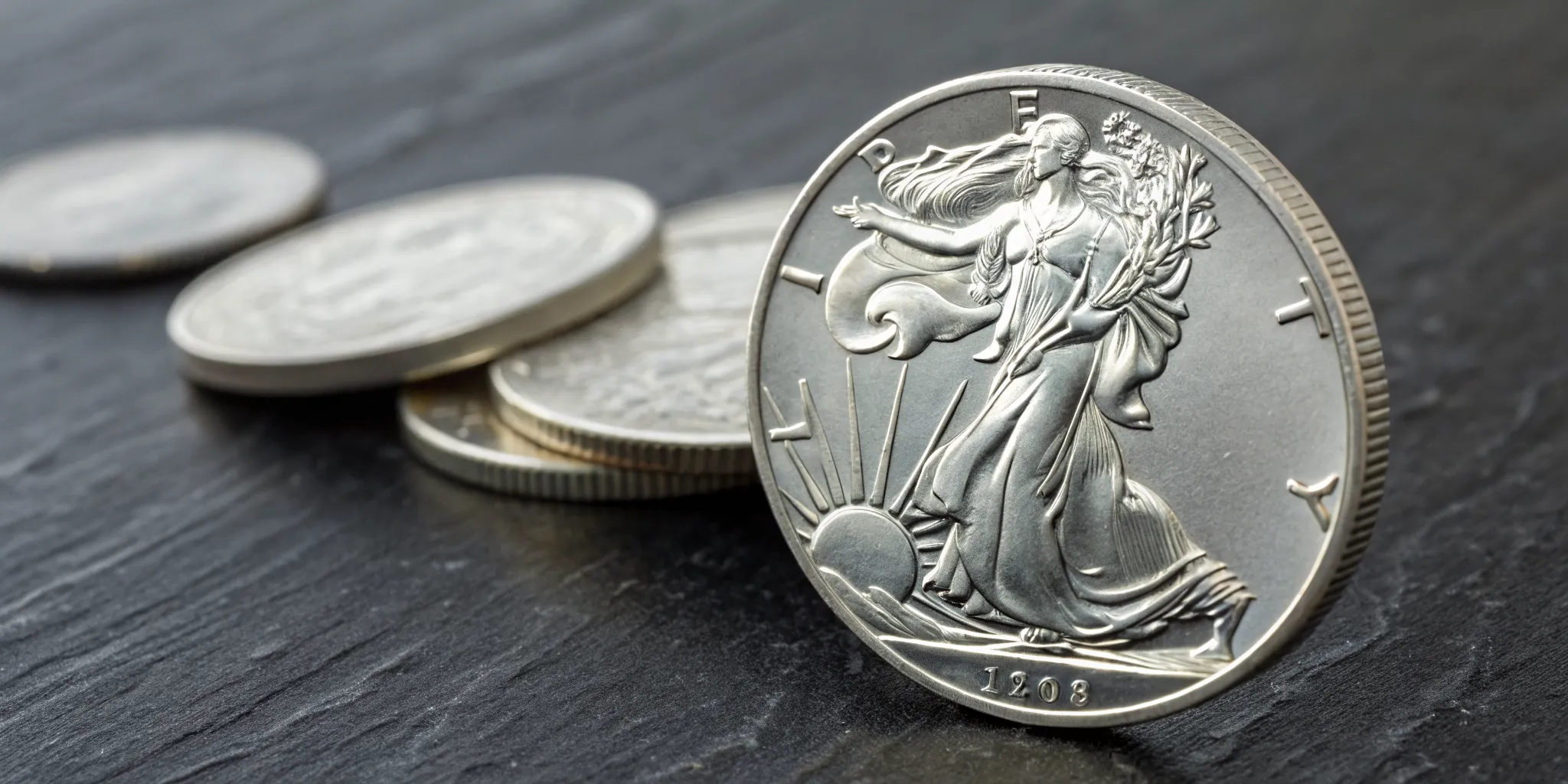
Many investors are surprised to learn how much a common-date coin can be worth. The 1987 Silver Eagle is a perfect example. While millions were produced, the vast majority have been handled, stored improperly, or show minor imperfections. This makes a flawless, perfectly graded specimen exceptionally rare and highly sought after. The difference in the 1987 Silver Eagle value between a near-perfect MS69 grade and a perfect MS70 grade can be staggering. It’s this pursuit of perfection that drives the collector market and creates significant opportunities for those who know what to look for when buying or selling.
Key Takeaways
- Look beyond the silver price: A 1987 Silver Eagle's value is primarily driven by its condition, not just its silver content. A perfect MS70 grade can make this common coin worth over a thousand dollars, demonstrating the huge premium collectors place on quality.
- Assess the coin's visual appeal: To estimate your coin's value, carefully inspect its surface for a bright, original luster and sharp design details. Flaws like scratches or milky spots can significantly reduce its worth to collectors, so a close look is essential.
- Treat common dates with a collector's eye: With a mintage over 11 million, the 1987 coin is not rare, so its investment potential lies in its grade. Building a collection with professionally certified, high-grade coins is the best strategy for turning a common piece into a valuable asset.
What Determines the Value of a 1987 Silver Eagle?
Figuring out the value of a 1987 American Silver Eagle goes beyond simply checking the daily price of silver. While its one troy ounce of .999 fine silver gives it a solid baseline value, several other factors can add a significant premium, turning a common bullion coin into a sought-after collectible. For both seasoned investors and new collectors, understanding these nuances is the key to making smart decisions. The coin's journey from the U.S. Mint to the present day, its physical condition, and the current market appetite all play a role in its final price tag.
The primary drivers of its value are its physical condition, or grade, the fluctuating spot price of silver, the level of collector demand, and whether it has been professionally certified. A 1987 Silver Eagle that looks perfect to the naked eye might have microscopic flaws that a professional grader would spot, placing it in a lower grade and, therefore, a lower price bracket. Conversely, a perfectly preserved specimen can be worth many times its silver content. The market for rare coins is dynamic, and knowing what to look for will help you accurately assess what your coin is truly worth.
Check the Coin's Condition and Grade
The physical condition of your 1987 Silver Eagle is one of the most critical factors in determining its value. A coin that has been handled frequently or stored improperly may have scratches, dings, or a loss of original mint luster, which will lower its worth. In the world of numismatics, condition is formally assessed through a process called grading, typically on a 70-point scale. An ungraded coin in average condition will likely trade for a small premium over its silver melt value. However, a coin graded in near-perfect condition, like Mint State 69 (MS69), can be worth considerably more. Even the slightest imperfection can be the difference between a standard bullion piece and a valuable collectible.
Factor in Silver's Spot Price
At its core, the 1987 Silver Eagle is a bullion coin, meaning its foundational value is tied directly to the market price of silver. This is known as the "spot price," which fluctuates throughout the day based on global supply and demand. You can think of the spot price as the starting point for the coin's value. Typically, a standard, ungraded 1987 Silver Eagle will sell for a few dollars over the current spot price of silver. This additional amount is called the premium. Because the silver bullion market is always moving, the base value of your coin can change from one day to the next, making it important to check current prices when you're looking to buy or sell.
Gauge Current Collector Demand
With a mintage of over 11.4 million, the 1987 American Silver Eagle is not a rare coin. This high number means there are plenty of examples available, which generally keeps the premium for average-condition coins modest. However, collector demand can still have a major impact on value, especially for top-grade specimens. The American Silver Eagle series is one of the most popular coin collections in the world, so there is always a steady stream of buyers looking to complete their sets. This consistent demand ensures the 1987 coin always has a market. While its high mintage prevents it from being a key date, high-quality examples are always sought after by discerning collectors.
Verify Professional Certification
Having your 1987 Silver Eagle professionally graded and encapsulated, or "slabbed," by a reputable third-party service like PCGS or NGC can dramatically increase its value and liquidity. Certification provides an unbiased, expert opinion on the coin's grade, removing any guesswork for both buyers and sellers. This is especially important for high-grade coins. For instance, the price difference between an MS69 and a flawless MS70 grade can be substantial. An MS70 grade signifies a perfect coin with no visible imperfections, a true rarity that commands a significant premium on the market. For many serious collectors, a professional certification is non-negotiable.
How Much Is a 1987 Silver Eagle Worth?
The value of a 1987 American Silver Eagle goes far beyond its one ounce of silver content. While the spot price of silver provides a baseline, the coin's actual worth is shaped by its condition, finish, and professional grade. As the second year of issue in the popular American Silver Eagle series, the 1987 coin holds a special place for collectors building a complete set. A common, circulated coin might trade closer to its melt value, but a pristine, perfectly preserved example can be worth hundreds, or even thousands, of dollars. This is where the distinction between a simple piece of silver bullion and a true collector's item becomes clear.
For the 1987 issue, you'll encounter two main types: the standard Brilliant Uncirculated (BU) version and the collectible Proof version, struck at the San Francisco Mint. Each has its own market and valuation standards. Furthermore, the grade assigned by a third-party service like PCGS or NGC can cause the price to skyrocket. A single point difference on the grading scale, especially at the highest levels, can mean the difference between a modest premium and a significant investment return. Understanding these nuances is key to accurately assessing what your 1987 Silver Eagle is truly worth and making informed decisions when buying or selling.
Pricing for Brilliant Uncirculated Coins
The Brilliant Uncirculated (BU) 1987 Silver Eagle is the standard bullion version of the coin. These coins were not intended for circulation but were sold to investors and collectors. While they don't have the special mirrored finish of a proof coin, a BU example should still have its original mint luster and sharp details. Depending on the specific condition and current dealer premiums, a typical 1987 BU Silver Eagle trades for a notable premium over its silver melt value. You can generally expect these coins to sell in the $95 to $105 range, though market fluctuations can always influence pricing. This premium reflects its status as a collectible from the early years of the series.
The Premium Value of Proof Coins
Proof coins are the top-tier offerings from the U.S. Mint, and the 1987-S Proof Silver Eagle is no exception. Struck at the San Francisco Mint (indicated by the "S" mint mark), these coins are made with specially polished dies and planchets to create a stunning cameo effect: frosted designs against a mirror-like background. Because they are produced for collectors, they are handled with care from the start. A 1987-S Proof Silver Eagle typically sells in the $100 to $210 range. Examples that are in pristine condition and come with their original government packaging often command prices at the higher end of that spectrum, making them sought-after rare coins for sale.
How MS69 vs. MS70 Grades Affect Price
Professional grading is where the value of a 1987 Silver Eagle can truly multiply. Coins certified by top-tier services like PCGS or NGC are assigned a grade on a 70-point scale. For modern coins, the most desirable grades are Mint State 69 (MS69) and the perfect Mint State 70 (MS70). The price difference between these two grades is dramatic. A 1987 Silver Eagle graded MS69 is a near-perfect coin and is typically valued between $50 and $120. However, a coin graded MS70, meaning it has no visible imperfections even under magnification, can command prices exceeding $1,200. This huge jump reflects the extreme rarity of a flawless coin from that year.
Understand Recent Market Trends
Like any collectible, the value of a 1987 Silver Eagle is subject to market trends influenced by silver prices and collector demand. Staying informed about current pricing is essential whether you're buying or selling. As of now, an ungraded 1987 Silver Eagle in good condition is valued around $90. Certified coins show a wide range, with an MS69 grade fetching between $60 and $120, while the elusive MS70 can reach $1,200 or more. Because these values can shift, it's always a good idea to consult a reliable price guide or speak with a numismatic expert. Working with a trusted dealer can give you confidence that you're getting a fair and accurate valuation based on the latest market activity.
How to Assess Your 1987 Silver Eagle
When you have a 1987 Silver Eagle in hand, a careful assessment is the first step toward understanding its true value. This goes beyond simply checking the price of silver. You’ll want to become a bit of a detective, examining the coin’s physical characteristics with a keen eye. Key factors like the coin’s surface condition, the sharpness of its design, and even its original packaging can significantly influence its worth to collectors.
Think of it as building a complete profile of your coin. Is it a brilliant, eye-catching piece, or does it show signs of wear and tear? Are the details on Lady Liberty and the heraldic eagle crisp and clear? For proof versions, is the original government packaging still intact? Answering these questions will help you determine if you have a common bullion coin or a premium numismatic piece. Finally, knowing how to spot the warning signs of a counterfeit is crucial for protecting your investment. By looking at these elements together, you can get a much more accurate picture of what your 1987 Silver Eagle is really worth.
Inspect Its Surface and Luster
The first thing you’ll notice about a coin is its visual appeal, which is why inspecting its surface is so important. Look closely for any imperfections like scratches, dings, or distracting marks. One of the most common issues with Silver Eagles is "milk spotting," which appears as milky-white blemishes on the coin's surface. While they don’t damage the silver content, these spots can detract from the coin's beauty and may lower its value for collectors seeking pristine examples.
Equally important is the coin's luster, or its original mint shine. A high-quality, uncirculated coin should have a brilliant, cartwheel-like sheen that moves across the surface as you tilt it under a light. A coin with strong, unbroken luster is always more desirable than one that appears dull or has been cleaned, as cleaning can leave behind hairline scratches and strip the coin of its original finish.
Examine the Strike Quality and Detail
The sharpness of the design, known as the strike, is a critical factor in a coin’s grade and value. When the U.S. Mint strikes a coin, the pressure applied determines how clearly the details are transferred from the die to the coin. A well-struck coin will show crisp, full details across its entire surface. For the 1987 Silver Eagle, pay close attention to the high points of the design, such as the strands of Lady Liberty’s hair and the feathers on the eagle’s chest and wings.
Coins with weak or mushy details are less appealing to serious collectors. The difference between a common coin and a top-grade specimen often comes down to these fine points. This is why professionally graded MS70 coins command such high premiums; they represent a virtually perfect strike. The combination of pristine condition and sharp detail is what elevates a coin from simple silver bullion to a valuable collectible.
Check for Original Packaging
While it may seem secondary, the original government packaging (OGP) can play a surprising role in a coin’s value, especially for proof issues. The 1987-S Proof Silver Eagle was originally sold by the U.S. Mint in a protective plastic capsule housed inside a velvet presentation case, accompanied by a Certificate of Authenticity (COA). Having this complete, well-preserved set adds to the coin’s provenance and collector appeal.
For collectors who value authenticity and a complete story, a coin in its OGP is often preferred. It shows the coin has been cared for since it was first issued. While the coin itself is the main event, the original box and COA can add a modest premium to the sale price and make it easier to sell. It’s a small detail that can make a big difference in a competitive market.
Spot the Red Flags of a Fake
As with any popular and valuable coin, counterfeits are a real concern. Knowing how to spot a fake 1987 Silver Eagle is essential for any buyer or seller. Start with the basics: a genuine Silver Eagle weighs 31.103 grams and has a diameter of 40.6 mm. Counterfeits are often off-weight or the wrong size. You can also perform a magnet test; since silver is not magnetic, the coin should not stick to a magnet.
Look closely at the design details. Fakes often have a mushy, indistinct appearance, lacking the sharp relief of a genuine coin. The font used for the date and lettering may also look incorrect. The best way to avoid counterfeit coins is to work with a trusted dealer with a long history of expertise and a solid reputation. Conducting thorough research and buying from a reliable source is your best defense against fraud.
How the 1987 Coin Compares to Other Silver Eagles
When you’re building a collection, it’s helpful to see how one coin stacks up against the others in its series. The 1987 American Silver Eagle isn’t just a standalone piece; its story and value are deeply connected to the coins that came before and after it. While it may not be the rarest of the bunch, its position as an early issue gives it a special status that collectors appreciate. Understanding its mintage, its role in the series’ history, and how its value shifts compared to key-date coins will give you a much clearer picture of its place in the numismatic world.
This context is key to making smart decisions, whether you're looking to buy your first Silver Eagle or complete a multi-decade set. Let's look at how the 1987 coin fits into the broader American Silver Eagle family.
Understanding Mintage and Rarity
The number of coins produced in a given year, or mintage, is a huge factor in determining rarity. For the 1987 Silver Eagle, the mintage was quite high. In fact, the 11,442,335 bullion coins sold that year set a record that stood for over two decades. This high number means the 1987 coin is relatively common and accessible, making it a fantastic entry point for new collectors and a staple for established ones. While it isn't considered a key date due to its availability, its significance as an early issue keeps it in steady demand among those looking to assemble a complete collection of American Silver Eagles.
Its Place in the American Silver Eagle Series
The American Silver Eagle program kicked off in 1986, and as the second coin in the series, the 1987 issue carries a unique historical weight. The program was an instant hit with both investors and collectors, and as APMEX notes, "It quickly became very popular." The 1987 coin rode this initial wave of excitement, helping to solidify the series as a cornerstone of modern coin collecting. Owning a 1987 Silver Eagle means holding a piece of that foundational period. It represents the early momentum of what would become the world's most collected silver bullion coin, making it a must-have for anyone who appreciates the series' history and legacy.
Comparing Its Value to Other Key Dates
While the 1987 Silver Eagle’s high mintage makes it affordable in lower grades, its value story changes dramatically at the top end. According to CoinWeek, a 1987 coin in perfect MS70 condition "exerts a significant market premium." This means a flawless specimen is far more valuable than one graded just slightly lower at MS69. This is where condition truly becomes king. Compared to a key-date coin like the low-mintage 1996 Silver Eagle, a standard 1987 coin is much more common. However, a perfect 1987 coin can still be a prized and valuable asset, proving that even common dates can become rare treasures when preserved in pristine condition.
Where to Buy or Sell a 1987 Silver Eagle
Once you know your coin's value, the next step is finding the right place to buy or sell. The venue you choose can significantly impact your final price and the security of your transaction. Whether you prefer the hands-on guidance of an expert or the wide reach of an online marketplace, it’s essential to approach the process with a clear strategy. Knowing the pros and cons of each option helps you protect your investment and ensure you get a fair deal.
Why Work With a Trusted Dealer
Partnering with a reputable coin dealer is often the safest and most straightforward way to buy or sell a 1987 Silver Eagle. Experts can offer on-the-spot appraisals, answer your questions, and provide immediate payment. This approach eliminates the guesswork and risks that come with private sales, where counterfeit coins and scams can be a real concern. A trusted dealer provides a secure environment for your transaction and helps you build a relationship you can rely on for future investments. Our team at Park Avenue Numismatics has over 35 years of experience offering transparent appraisals for collectors and investors.
Using Online Marketplaces and Auctions
Online marketplaces and auction sites give you access to a global network of buyers and sellers. Because more than 11 million 1987 Silver Eagles were originally minted, you will likely find many listings on these platforms. However, this convenience comes with risks. It’s crucial to carefully vet sellers’ reputations, scrutinize photos, and read descriptions thoroughly. For a more secure online experience, consider purchasing directly from an established dealer’s inventory of rare coins for sale. This approach guarantees authenticity and quality, giving you peace of mind with your purchase.
Find Reliable Valuation Resources
Before you enter any negotiation, you need a clear idea of what your coin is worth. The value of a 1987 Silver Eagle depends heavily on its condition; a professionally graded MS69 coin is worth significantly more than an ungraded one. Getting your coin certified by a top-tier grading service like PCGS or NGC provides an objective assessment of its quality. This certification not only helps you set a fair price but also gives potential buyers confidence. Understanding the coin's value based on its grade and the current price of silver bullion is key to a successful transaction.
Tips for a Secure Transaction
A secure transaction starts with solid research. A common mistake collectors make is not doing their homework before buying or selling. Always verify the reputation of the person or company you're dealing with. For online purchases, use secure payment methods that offer buyer protection and confirm the return policy before you commit. When selling, be clear about the coin’s grade and condition. Clear communication and documentation will help you avoid misunderstandings and ensure a smooth process. This diligence is a cornerstone of any sound investment strategy, including building a precious metals IRA.
How to Maximize Your Silver Eagle Investment
Turning your 1987 Silver Eagle from a simple holding into a strategic asset involves more than just buying and waiting. A smart approach can help you get the most value from your coin, whether you’re a seasoned collector or a new investor. By paying attention to market timing, proper care, and long-term strategy, you can make informed decisions that protect and grow your investment. It’s about understanding the factors that influence your coin’s worth and using that knowledge to your advantage. Let’s walk through the key steps to making your Silver Eagle work for you.
Time Your Purchase or Sale
The value of a 1987 Silver Eagle is closely tied to the fluctuating spot price of silver. Bullion versions of this coin typically trade for a small premium just above the current market price of one ounce of silver. To make the most of this, keep a close eye on market trends. If you’re looking to buy, watch for dips in the silver price to get a better entry point. When you’re ready to sell, timing your transaction with a market peak can help you secure a higher return. You can monitor daily prices for silver bullion to stay informed and make your move when the moment is right.
Properly Store and Preserve Your Coin
How you store your 1987 Silver Eagle directly impacts its long-term value. Made of .999 fine silver, these coins are susceptible to scratches, toning, and environmental damage if not handled correctly. Always hold the coin by its edges and consider wearing soft cotton gloves to prevent oils from your skin from damaging its surface. For storage, use inert, acid-free holders or capsules specifically designed for coins. Keep it in a cool, dry, and stable environment, like a safe or a dedicated cabinet. Proper preservation ensures the iconic Walking Liberty design and the coin’s brilliant luster remain intact for years, safeguarding its condition and appeal to other collectors.
Understand IRA Eligibility and Tax Rules
One of the biggest advantages of the American Silver Eagle is its eligibility for inclusion in a self-directed Precious Metals IRA. This allows you to hold physical silver as part of your retirement portfolio, offering potential tax benefits and diversification away from traditional stocks and bonds. Adding assets like Silver Eagles to an IRA can be a powerful strategy for long-term wealth preservation. To learn more about how this works, it’s wise to explore resources like a Gold IRA Starter Kit and consult with a financial advisor to ensure it aligns with your personal retirement goals.
Build a Strategic Silver Eagle Collection
While the 1987 Silver Eagle had a high mintage of over 11 million bullion coins, its role in a larger collection is where its value can truly shine. Many collectors aim to assemble a complete date-and-mintmark set of the entire American Silver Eagle series. For the 1987 coin, grade is everything. While coins graded MS69 are common, a perfect MS70 specimen carries a significant premium due to its rarity. Focusing on acquiring high-grade, certified coins can transform your holdings from a simple stack of silver into a curated collection of rare coins for sale with greater numismatic worth.
Related Articles
- 1987 Silver Eagle MS69 NGC | Precious Metals & Rare Coins Dealer | Antique Coins - Park Ave Numismatics
- 1987 Silver Eagle MS68 PCGS Toned | Precious Metals & Rare Coins Dealer | Antique Coins - Park Ave Numismatics
- 1987-S Proof Silver Eagle 1 oz TD Rogers MS70 PCGS | Precious Metals & Rare Coins Dealer | Antique Coins - Park Ave Numismatics
- 1990 Silver Eagle MS69 NGC | Precious Metals & Rare Coins Dealer | Antique Coins - Park Ave Numismatics
- 1989 Silver Eagle MS69 ICG | Precious Metals & Rare Coins Dealer | Antique Coins - Park Ave Numismatics
Frequently Asked Questions
Is my 1987 Silver Eagle considered a rare coin? Not in the traditional sense. The U.S. Mint produced over 11 million of the standard bullion versions in 1987, so it's one of the more common dates in the series. However, its rarity truly depends on its condition. While a typical, ungraded coin is easy to find, a specimen that has been perfectly preserved and earns a flawless MS70 grade from a service like PCGS or NGC is exceptionally rare and valuable.
What's the difference between a regular 1987 Silver Eagle and a Proof version? The main differences are their appearance and purpose. The standard Brilliant Uncirculated (BU) coin has a consistent, brilliant shine and was intended for investors. The Proof version, struck at the San Francisco Mint and bearing an "S" mint mark, was made specifically for collectors. It features a beautiful contrast between frosted designs and a mirror-like background, created using specially polished dies.
Why is a professionally graded MS70 coin so much more valuable than an MS69? The price jump between these two grades reflects a huge leap in rarity. An MS69 grade means the coin is nearly perfect, with only tiny imperfections that are invisible to the naked eye. An MS70 grade, however, signifies a technically perfect coin with absolutely no visible flaws, even under magnification. Achieving and preserving this level of perfection is incredibly difficult, making an MS70 coin a true prize for serious collectors who will pay a significant premium for it.
Besides its condition, what else determines my coin's base value? At its heart, the 1987 Silver Eagle is one troy ounce of .999 fine silver. Its foundational value is directly tied to the daily market price of silver, often called the "spot price." You can think of the spot price as the starting point. The final value is typically the spot price plus an additional amount, or premium, which is determined by the coin's condition, collector demand, and whether it has been professionally certified.
How can I safely store my 1987 Silver Eagle to protect its value? Proper storage is key to preserving your coin's condition and worth. The best practice is to place it in an inert, acid-free plastic holder or capsule designed for its size. This protects it from scratches, fingerprints, and environmental factors that can cause toning or milk spots. Always handle your coin by its edges, and store it in a cool, dry place with a stable temperature.





