
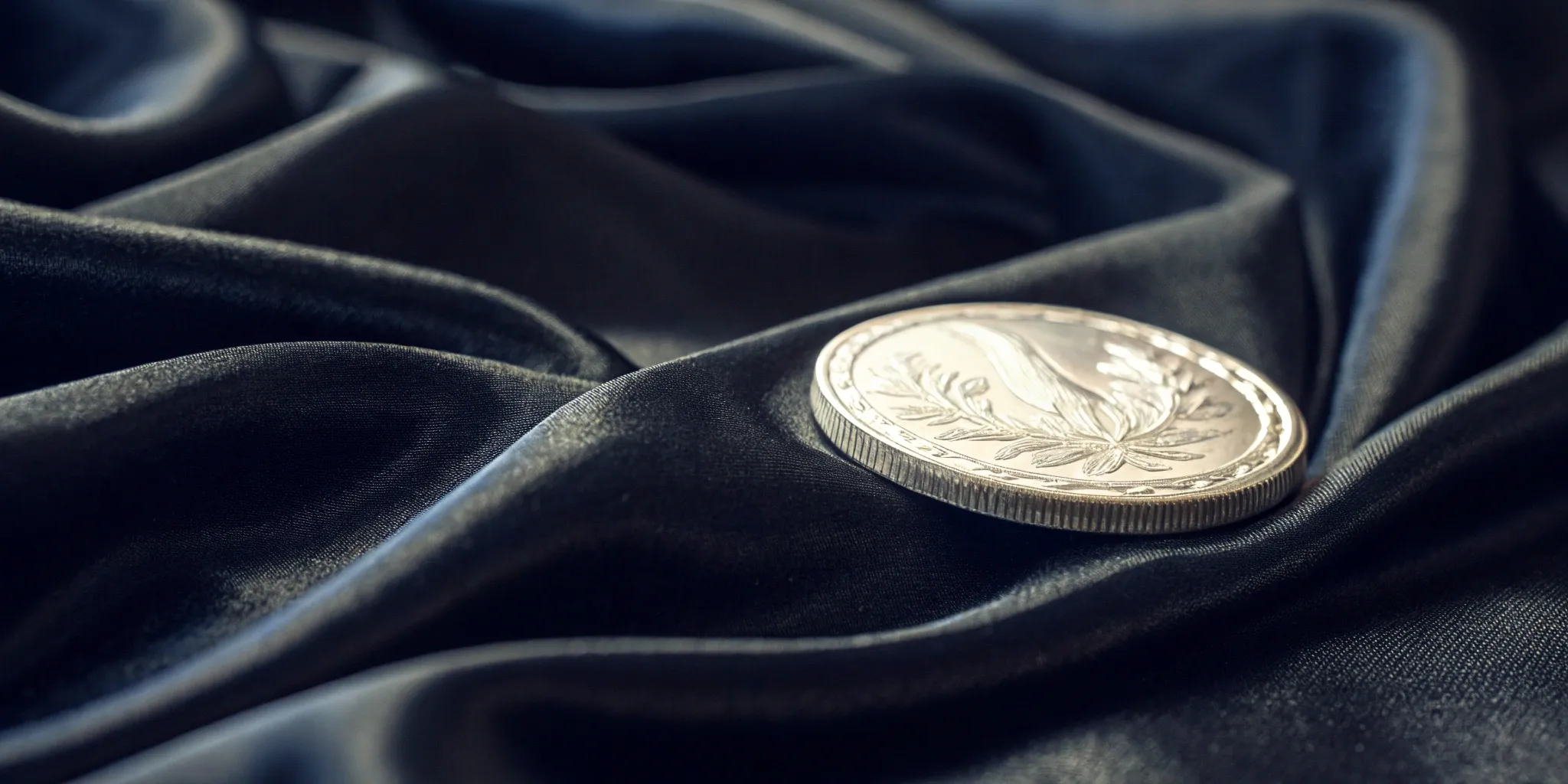
The 1 oz silver price is more than just a number that flickers on a screen; it’s a direct reflection of the global economy. Every shift tells a story about industrial demand, investor confidence, and even geopolitical events. To truly invest in silver, you need to understand these forces. It’s not about trying to time the market perfectly, but about recognizing the factors that drive long-term value. In this article, we’ll go beyond the numbers to explore what really influences silver’s price. You’ll learn about the roles of supply and demand, key economic indicators, and how these elements come together to shape the market.
Key Takeaways
- Understand the Premium: The price you pay for a silver coin or bar will always be higher than the spot price. This added cost, or premium, covers everything from minting and shipping to dealer services, and it varies by product.
- Choose Products That Fit Your Purpose: If your goal is to accumulate the most silver for your investment, focus on low-premium bars and rounds. If you value government backing and collectibility, sovereign coins like the American Silver Eagle are a better fit.
- Invest Consistently, Not Impulsively: Use a dollar-cost averaging strategy—investing a set amount regularly—to build your silver position over time. This removes the stress of trying to time market lows and helps you acquire more ounces when prices are down.
What is the 1 oz Silver Spot Price?
When you first look into buying silver, you'll immediately encounter the term "spot price." Think of the spot price as the baseline cost for one troy ounce of raw, unrefined silver that's ready for immediate delivery. It’s the price large financial institutions and dealers use when trading massive quantities of the metal on commodity exchanges. This price is in constant motion, fluctuating every few seconds during market hours as buyers and sellers trade silver across the globe.
It’s crucial to understand that the spot price is not what you’ll pay for a 1 oz silver coin or bar. The price you pay as a collector or investor will always be higher than the spot price. This is because the final cost includes other factors like fabrication, distribution, dealer overhead, and a small profit margin, which are collectively known as the "premium." The spot price is simply the starting point—the live market value of the raw metal itself before it's transformed into a beautiful piece of silver bullion for your collection or portfolio. Understanding this distinction is the first step to making informed purchasing decisions.
What Determines the Spot Price?
The silver spot price is a direct reflection of supply and demand in the global marketplace. It’s not set by a single entity but is instead determined by the continuous buying and selling activity on commodity exchanges worldwide. Several key factors influence this dynamic. Industrial demand plays a massive role, as silver is essential in manufacturing everything from solar panels to electronics. A surge in production in these sectors can increase demand and push the price up.
Broader economic conditions are also powerful drivers. Factors like inflation rates, interest rate decisions by central banks, and currency strength all affect investor behavior. During times of economic uncertainty, many investors turn to precious metals as a safe-haven asset, which can also drive up demand and, consequently, the spot price.
How Markets Calculate Spot Prices
The spot price you see on charts is derived from the futures market, primarily the COMEX (Commodity Exchange Inc.), which is part of the Chicago Mercantile Exchange. A silver futures contract is an agreement to buy or sell silver at a predetermined price on a specific future date. The contract with the highest trading volume closest to its expiration date is typically used as the benchmark for the current spot price.
This calculation is influenced by real-time global events, economic data releases, and overall investor sentiment. For example, geopolitical instability might cause a flight to safety, increasing demand for silver futures and raising the spot price. Conversely, strong economic reports might lead investors toward other assets, causing the price to dip. It’s a dynamic process that reflects the collective outlook of traders around the world.
Tools for Monitoring Real-Time Prices
Staying on top of the silver spot price is simple, thanks to a variety of accessible tools. Most major financial news outlets and precious metals dealers provide live price charts on their websites. These charts are indispensable, allowing you to track silver's performance by the minute, hour, day, or even over several years. You can typically view prices per ounce, gram, and kilogram, giving you a comprehensive market overview.
Many dealer websites, including our own, also show the current spot price alongside the prices for specific products like American Silver Eagles or 1 oz silver bars. This makes it easy to see the premium you’re paying over spot at a glance. Setting up price alerts through financial apps or websites is another great way to stay informed, notifying you when silver hits a specific price target you’ve set for buying or selling.
What Influences the Price of 1 oz Silver?
The spot price of silver isn't set in stone; it’s a dynamic figure that shifts based on a complex web of global activities. From the decisions made by central banks to the production of a new smartphone, numerous factors can influence its value. Understanding these key drivers is essential for any investor looking to add silver to their portfolio. By getting a handle on what makes the silver market tick, you can make more informed decisions about when to buy and sell.
Supply and Demand Dynamics
At its core, the price of silver is governed by the classic principle of supply and demand. When demand outstrips supply, prices tend to rise, and when supply exceeds demand, prices typically fall. Silver’s supply comes from mine production, recycling, and occasional sales from government stockpiles. On the other side, demand is split between industrial applications and investment. Investor sentiment plays a huge role here; when global economic trends point toward uncertainty, many people purchase silver bullion as a safe-haven asset, which can significantly drive up demand and, consequently, the price.
Economic Indicators and Inflation
Broader economic health has a direct impact on silver prices. Key indicators like inflation rates, interest rates, and currency strength are constantly shaping the market. During periods of high inflation, the purchasing power of fiat currency decreases, leading many investors to buy silver to preserve their wealth. Interest rates also play a part; when rates are low, non-yielding assets like silver become more attractive than savings accounts or bonds. Because silver is priced in U.S. dollars, the strength of the dollar also matters. A weaker dollar makes silver cheaper for foreign investors, which can increase demand and push the price higher.
Industrial Demand from Sectors Like Renewable Energy
Silver isn't just a precious metal; it's a critical industrial commodity. In fact, industrial use now accounts for more than half of all silver demand annually. Its superior electrical and thermal conductivity makes it essential in electronics, from smartphones to circuit boards. More importantly, the growing renewable energy sector is a massive driver of demand. Silver is a key component in the manufacturing of solar panels, and as the world continues to shift toward green energy, the need for silver is expected to keep growing. This strong industrial demand provides a solid floor for silver's value.
Geopolitical Events and Market Uncertainty
When the world feels unstable, investors often seek stability in tangible assets. Geopolitical events like international conflicts, trade disputes, or major political shifts create market uncertainty, prompting a "flight to safety." During these times, precious metals like silver and gold are seen as reliable stores of value. This sudden surge in investment demand can cause prices to climb rapidly. Even regulatory changes within financial markets can create ripples that affect silver's price, highlighting just how sensitive precious metals can be to global events and the overall feeling of market stability.
Why Does 1 oz Silver Cost More Than Spot Price?
If you’ve ever checked the spot price of silver and then looked at the retail price of a 1 oz coin, you might have noticed a gap. This is completely normal. The spot price you see on financial news sites is the baseline cost for raw, unfabricated silver traded on major commodity exchanges. When you purchase physical silver, however, you’re buying a finished, tangible product. The final price reflects the journey that metal took to get into your hands, which includes several necessary costs beyond the raw material itself. These costs are bundled into what’s known as a premium, which covers everything from minting the coin to securely delivering it to you. Let's break down exactly what goes into that final price.
Breaking Down Dealer Premiums
The difference between the spot price and the final retail price is known as the "premium." Think of it as the all-in cost of transforming raw silver into a physical investment product. It’s not just dealer profit; it’s a comprehensive charge that includes the cost of manufacturing, secure shipping, insurance, and the dealer’s operational expenses for sourcing and verifying the products. Premiums can range from a few percentage points to over 15% above the spot price. The exact amount depends on the specific type of silver bullion you're buying and the current market demand. Understanding this premium is the first step to knowing the true cost of your investment.
Manufacturing and Distribution Costs
A large portion of the premium is tied directly to manufacturing and distribution. Silver doesn't come out of the ground as a perfectly formed coin or bar. It must be mined, refined to a high purity, and then sent to a mint. At the mint, it’s melted, cast, and struck into its final form—a process that requires specialized equipment, skilled labor, and strict quality control. Once the product is created, it must be securely packaged and transported to distributors and then to dealers. Each step in this supply chain adds a layer of cost that is ultimately reflected in the final price you pay for the finished product.
Factors in Market Liquidity
Premiums are not static; they fluctuate with market conditions, particularly supply and demand. During periods of high demand or economic uncertainty, more people rush to buy physical silver. This can strain the available supply of minted products, causing premiums to rise as dealers compete to acquire inventory. Geopolitical events, inflation concerns, and shifts in industrial usage can all trigger these surges. A dealer with deep market experience can help you make sense of these changes. With over 35 years in the industry, we help our clients understand the factors influencing premiums so they can make well-timed and informed purchasing decisions.
What Are the Different Types of 1 oz Silver?
When you decide to buy 1 oz of silver, you’ll quickly find it comes in several different forms. The three main categories you'll encounter are coins, bars, and rounds. While they all contain one troy ounce of .999 fine silver, their form factor, origin, and premium over spot price can vary significantly. Understanding these differences is the first step to building a collection or investment portfolio that truly aligns with your goals.
Choosing between them depends on what you value most: the lowest possible price, government backing and recognizability, or unique, collectible designs. Let's break down what makes each type distinct so you can make an informed decision.
Coins vs. Bars vs. Rounds
Think of these as three different packages for the same product. Coins are government-minted pieces that carry a legal tender face value, like the American Silver Eagle. Bars are simple, rectangular blocks of silver stamped with their weight and purity, produced by private or government mints. They are valued purely for their metal content. Rounds look like coins but are produced by private mints and have no face value, meaning they are not legal tender. Each type serves a different purpose for buyers, from pure bullion stacking to collecting items with numismatic appeal.
Government-Minted Coins and Their Premiums
Sovereign coins are produced by government mints, such as the U.S. Mint or the Royal Canadian Mint. These coins, like the American Silver Eagle or Canadian Maple Leaf, are backed by their respective governments for weight and purity. This official guarantee makes them highly liquid and globally recognized. Because of their production quality, government backing, and potential to gain numismatic value, these coins carry a higher premium over the spot price. For many, the added cost is a worthwhile trade-off for the trust and security that comes with owning official silver bullion.
Private Mint Products and Collectible Rounds
Silver bars and rounds are produced by private mints and refineries. Because they don't have the status of legal tender, their value is tied almost exclusively to their silver content. This results in much lower premiums, making them a favorite for investors who want to acquire the most silver for their money. These products, often called "generic silver," are perfect for stacking weight. While most are simple in design, some private mints also produce beautiful, collectible rounds with intricate artwork, offering a middle ground between low-premium bullion and higher-premium rare coins for sale.
What Affects the Premium You Pay for Silver?
When you buy physical silver, you’ll notice the price per ounce is always higher than the spot price you see on market charts. This added cost, known as the premium, isn’t just an arbitrary markup. It’s a necessary component of the final price that covers all the costs associated with getting that piece of silver from a raw state into your hands. Understanding what drives these premiums is key to making smart purchasing decisions.
Several factors come into play, from the type of silver product you choose to the dealer you buy from. The premium can fluctuate based on manufacturing complexity, brand recognition, market demand, and even the quantity you purchase. Think of it this way: the spot price is the baseline value of the metal itself, while the premium reflects the real-world costs and market dynamics of producing and selling a tangible asset. By learning to identify these factors, you can better assess the value of a potential purchase and find the right products for your collection or investment portfolio.
Product Type and Popularity
Not all silver is created equal, and the form it takes has a major impact on its premium. Government-minted coins, like the American Silver Eagle or Canadian Maple Leaf, typically carry higher premiums. This is because of their recognizability, government guarantee of weight and purity, and potential for numismatic or collectible value. On the other hand, generic silver bullion rounds and bars from private mints usually have lower premiums. Their value is tied almost exclusively to their silver content, making them a straightforward way to acquire the metal itself without paying extra for collectibility or legal tender status.
Dealer Overhead Costs
Every business has operating expenses, and precious metals dealers are no exception. The premium you pay helps cover the dealer’s costs for things like secure storage, insurance, employee salaries, and marketing. A brick-and-mortar shop with a physical storefront will have different overhead costs than an online-only dealer. While online dealers may sometimes offer lower premiums due to reduced overhead, working with an established dealer provides invaluable expertise and security. A reputable company’s long-standing experience ensures you’re getting authentic products and reliable service, which is a crucial part of the value equation.
Current Market Conditions and Availability
Premiums are highly sensitive to supply and demand. During times of economic uncertainty or high inflation, many people turn to precious metals as a safe-haven asset. This surge in demand for physical silver can strain the available supply from mints and refineries, causing premiums to rise significantly. We saw this happen during the 2008 financial crisis and again in recent years. Conversely, when demand is stable or low, premiums tend to be more modest. Production delays, supply chain issues, or changes in industrial demand can also affect availability and, in turn, influence the premium you’ll pay.
Considerations for Buying in Bulk
Just like at a warehouse store, buying in larger quantities can often save you money on a per-unit basis. The same principle applies to silver. Purchasing a single 1 oz silver coin will almost always have a higher premium per ounce than buying a 10 oz or 100 oz silver bar. This is because the fixed costs of manufacturing and handling are spread out over more ounces. For investors looking to acquire a significant amount of silver, buying larger bars or full mint tubes of coins is one of the most effective ways to lower the average premium per ounce and maximize the amount of metal you get for your money.
Where Can You Buy 1 oz Silver at a Competitive Price?
Finding a trustworthy source for your silver is just as important as finding a good price. When you’re ready to buy, you have a few primary options: established dealers, online retailers, and local coin shops. The key is to look for a competitive price, which means finding a fair premium over the spot price from a seller you can depend on. While a low price is attractive, it’s not the only factor to consider.
For serious investors and collectors, the value of working with an experienced dealer goes far beyond a single transaction. A reputable seller provides transparency, guarantees the authenticity of their products, and offers expert guidance to help you make informed decisions. They understand market fluctuations and can help you identify the right products to meet your specific goals, whether you’re buying a few ounces of silver bullion or acquiring a rare, graded coin. Ultimately, the best place to buy silver combines a competitive price with reliability and expert service.
The Park Avenue Numismatics Advantage
When you’re building a portfolio of precious metals, working with a trusted partner is essential. With over 35 years in the industry and an A+ rating from the Better Business Bureau, Park Avenue Numismatics offers a level of expertise and reliability that gives investors peace of mind. We provide a vast and expertly curated inventory of silver bullion and rare coins, ensuring you have access to high-quality products. Our team is dedicated to more than just selling precious metals; we focus on building long-term relationships and providing the personalized guidance you need to navigate the market with confidence. We help you find the right assets to align with your financial objectives.
Online Dealers vs. Local Coin Shops
Deciding between an online dealer and a local coin shop often comes down to balancing price with personal preference. Online dealers typically have lower overhead costs, which can translate into more competitive premiums for you. They also tend to offer a much wider selection of products than a typical brick-and-mortar store. The trade-off is that you can’t physically inspect the silver before buying. Local coin shops offer the benefit of seeing products firsthand and taking immediate possession. You can also build a face-to-face relationship with the owner. However, their smaller scale often means higher premiums and a more limited inventory.
Authorized Dealers and Direct Mint Purchases
Working with an authorized dealer is one of the surest ways to guarantee you’re buying authentic, high-quality silver. These dealers have established relationships with major government and private mints, and they are held to high standards of practice. While it might seem logical to buy directly from a government source like the U.S. Mint, it’s often not the most practical option for investors. Mints typically focus on selling collectible proof coins at a significant markup or require very large minimum orders for bullion products. For most investors looking to acquire bullion coins at a fair price, an authorized dealer is the most efficient and cost-effective channel.
Debunking Common Silver Investing Myths
When you’re building a precious metals portfolio, it’s easy to get tripped up by persistent myths. Misinformation can cloud your judgment and steer you away from sound investment decisions. Let’s clear the air and tackle some of the most common misconceptions about investing in silver, so you can move forward with confidence.
Myth: Silver is "Poor Man's Gold"
This is one of the most common and misleading phrases in the precious metals world. While silver is more accessible from a price-per-ounce standpoint, calling it "poor man's gold" completely misses the point of its value. Silver has its own unique supply and demand dynamics, driven heavily by its dual role as both an investment asset and a critical industrial metal. Its use in solar panels, electronics, and medical devices gives it a fundamental value that is distinct from gold. Thinking of silver bullion as a lesser version of gold overlooks its individual strengths and potential as a core holding in a diversified portfolio.
Myth: The Silver Market is Easily Manipulated
Concerns about market manipulation can make any investor hesitant, but the idea that the silver market is uniquely and easily controlled is overblown. Like any global commodity, silver's price fluctuates based on complex factors, including supply, demand, economic data, and investor sentiment. While short-term volatility is a reality for all precious metals, including gold bullion, these movements are typically driven by legitimate market forces. The silver market is vast and liquid, making it difficult for any single entity to control prices over the long term. It operates on the same economic principles as other major financial markets.
Myth: Silver is Difficult to Store and Sell
If you’re new to physical assets, the logistics of storage and selling can seem daunting. However, the process is more straightforward than you might think. Physical silver, whether in coins or bars, is easy to store securely in a home safe, a safe deposit box, or a specialized depository. When it comes time to sell, you’ll find a highly liquid market. Reputable dealers are always looking to acquire popular silver products, ensuring you can convert your assets to cash when needed. Working with an established company you trust is key to a smooth and transparent process, which is a commitment we’ve stood by for over 35 years. You can learn more about our history and our dedication to client success.
How to Find the Best Deals on 1 oz Silver
Finding a great deal on silver isn't just about hunting for the lowest price tag. It’s about smart, strategic buying. While no one has a crystal ball to predict market movements perfectly, you can use proven methods to build your silver holdings thoughtfully and cost-effectively. By understanding market dynamics, comparing your options, and adopting a disciplined purchasing strategy, you can acquire silver at favorable prices over time. This approach helps you avoid the stress of trying to time the market and instead focuses on making consistent, well-informed decisions that align with your long-term financial goals. Let’s walk through three practical strategies you can start using right away.
How to Time Your Purchases
While trying to perfectly time the market is a recipe for anxiety, staying informed is just smart investing. Silver prices fluctuate based on global economic trends, investor sentiment, and geopolitical events. Keeping an eye on the live silver spot price and understanding the factors that influence it can help you identify better buying opportunities. For instance, you might notice prices dip during periods of economic stability or rise during times of uncertainty. The goal isn’t to buy at the absolute bottom every single time, but to make educated purchases based on current conditions. This awareness allows you to act with confidence when you feel the price is advantageous for your long-term strategy.
Compare Premiums Across Different Product Types
The price you pay for a 1 oz silver product is always the spot price plus a premium. This premium varies widely depending on the type of silver you buy, and understanding this difference is key to finding the best value. Generic silver rounds and bars typically have the lowest premiums, making them an excellent choice if your main goal is to accumulate as much physical silver as possible for your investment dollars. In contrast, government-minted coins like American Silver Eagles or collectible pieces will carry higher premiums due to their recognizability, collectibility, and production costs. You can explore a variety of silver bullion products to see how these premiums differ firsthand.
Use a Dollar-Cost Averaging Strategy
One of the most effective ways to invest in silver without the stress of market timing is through dollar-cost averaging. This strategy involves investing a fixed amount of money at regular intervals—say, monthly or quarterly—regardless of the price. When the price is lower, your fixed investment buys more silver; when it's higher, it buys less. Over time, this averages out your cost per ounce and reduces the risk of making a single large purchase at a market peak. This disciplined approach is perfect for building a long-term position in precious metals and fits well within a diversified portfolio. Many experts suggest allocating 5% to 15% of your portfolio to assets like silver and gold to hedge against inflation and market volatility.
How to Diversify Your Portfolio with Silver
Adding silver to your investment portfolio is a classic strategy for building resilience. Because its value often moves independently of stocks and bonds, silver can act as a powerful hedge against market volatility and inflation. It’s a tangible asset you can hold, offering a sense of security that paper assets can’t always provide. By strategically incorporating silver, you can create a more balanced and robust portfolio designed to weather economic shifts. The key is to approach it with a clear plan, understanding how much to own and how it fits with your other investments.
How Much Silver Should You Own?
Deciding on the right allocation is a personal choice, but a common guideline can help you get started. Many financial experts suggest allocating between 5% and 15% of your total investment portfolio to precious metals. This range helps you benefit from silver's potential without overexposing your portfolio to a single asset class. Your ideal percentage will depend on your personal risk tolerance, financial goals, and overall market outlook. If you're more conservative, you might stick closer to 5%, while those with a higher risk appetite might lean toward 15%. It’s about finding a balance that feels right for your long-term strategy.
Mix Physical Silver with Other Precious Metals
Diversification doesn't stop with just adding silver. A truly robust strategy involves diversifying within your precious metals holdings. This means investing in different forms of bullion, such as gold bullion, platinum, and palladium, alongside your silver. Each metal has unique market drivers. Gold is the traditional safe-haven asset, while platinum and palladium have significant industrial applications that influence their value. By holding a mix, you spread your risk even further, as different metals may perform better under different economic conditions. This approach creates a more stable foundation for your precious metals allocation.
Decide on a Long-Term vs. Short-Term Approach
For most investors, precious metals play a valuable role in a well-diversified, long-term strategy. Silver is not typically an asset for short-term gains; its real strength is its historical ability to preserve wealth over decades. It shines during periods of economic uncertainty, inflation, or market volatility, acting as a reliable store of value when other assets falter. Approaching your silver investments with a long-term mindset allows you to ride out market fluctuations and benefit from its role as a diversification tool. This patient approach helps protect your purchasing power and provides stability to your overall financial plan.
How to Choose the Right Silver Products for You
With so many options available, selecting the right silver products can feel like a big decision. The best choice for you comes down to your personal goals, your storage plans, and how you want to protect your assets. Are you looking to preserve wealth, build a collection with historical significance, or a bit of both? Answering this question is the first step. From there, you can think through the practical side of ownership, like where you’ll keep your silver and how you’ll ensure it’s safe. Thinking about these factors ahead of time will help you build a portfolio that truly fits your needs. Whether you're interested in coins, bars, or rounds, our extensive collection of silver bullion has something for every strategy. Let’s walk through the key considerations to help you make a confident choice.
Align with Your Investment vs. Collecting Goals
First, clarify your primary reason for buying silver. If your goal is purely investment—to protect your wealth against inflation or stock market fluctuations—then your focus should be on acquiring the most silver for your money. This usually means choosing products with the lowest premiums over the spot price, such as silver bars or generic silver rounds. These items are valued almost exclusively for their silver content.
On the other hand, if you are a collector, you’re likely interested in more than just melt value. Collectors are drawn to the history, artistry, and rarity of an item. For this approach, government-minted rare coins are often the preferred choice. These coins carry a numismatic value that can far exceed their silver content, offering a different potential for appreciation.
Plan for Storage and Security
Once you decide what to buy, you need a plan for where to keep it. When you purchase physical silver, you take direct possession of the asset, unlike "paper silver" products like ETFs. This control comes with the responsibility of secure storage. For smaller quantities, a well-hidden, high-quality home safe may be sufficient. For larger holdings, you might consider a bank’s safe deposit box or a third-party depository that specializes in storing precious metals. These facilities offer advanced security and are fully insured. When choosing a product, think about its form. Silver coins and small bars are generally easier to store, transport, and sell in smaller increments than large, heavy silver bars.
Don't Forget to Consider Insurance
Protecting your silver goes beyond a strong safe. If you store your silver at home, review your homeowner's insurance policy. Many standard policies have strict limits on coverage for precious metals, and you may need to add a separate rider to fully insure your holdings. This is a critical step in safeguarding your investment against theft or damage. When you use a professional depository, insurance is typically included in the storage fee, offering a straightforward way to get peace of mind. Finally, remember to account for taxes. Depending on your location, you may pay sales tax at the time of purchase. When you eventually sell, you will also need to plan for capital gains tax on any profit you realize.
Related Articles
- Precious Metals Glossary | Precious Metals & Rare Coins Dealer | Antique Coins - Park Ave Numismatics
- Buy & Sell Rare Silver Dollars Online - Park Avenue Numismatics | Precious Metals & Rare Coins Dealer | Antique Coins - Park Ave Numismatics
- LIBERTY SEATED DOLLARS WITH MOTTO (1866-73) | Precious Metals & Rare Coins Dealer | Antique Coins - Park Ave Numismatics
Frequently Asked Questions
Why can't I buy silver at the spot price? Think of the spot price as the wholesale cost for raw, unrefined silver traded in massive quantities on commodity exchanges. The price you pay for a 1 oz coin or bar includes the costs of transforming that raw metal into a finished product you can hold. This added cost, called a premium, covers everything from minting and fabrication to secure shipping, insurance, and the dealer's operational expenses.
Is it better to buy silver coins or silver bars? This really comes down to your personal goals. If your main objective is to acquire the most silver for your money, then bars and generic rounds are often the best choice because they have lower premiums. If you value government backing, global recognizability, and the potential for collectible value down the road, then government-minted coins like the American Silver Eagle are an excellent option, even with their slightly higher premiums.
Is there a "best" time to buy silver? Trying to perfectly time the market is nearly impossible and can be incredibly stressful. A more effective and less anxious approach is dollar-cost averaging. This means you invest a fixed amount of money at regular intervals, like once a month. This strategy allows you to buy more silver when prices are low and less when they are high, averaging out your cost per ounce over the long term and removing the guesswork.
How much of my portfolio should I allocate to silver? While there's no single answer for everyone, a common guideline from many financial experts is to allocate between 5% and 15% of your total investment portfolio to precious metals. This range is generally considered enough to provide a meaningful hedge against inflation and market volatility without overexposing you to one asset class. Your ideal percentage will depend on your personal risk tolerance and financial goals.
What's the safest way to store my physical silver? You have a few excellent options for keeping your silver secure. For smaller collections, a high-quality, well-hidden home safe can be a practical solution. For larger holdings, many investors prefer the security of a bank's safe deposit box or a specialized third-party depository. These professional storage facilities offer advanced security systems and are fully insured, giving you complete peace of mind.





