
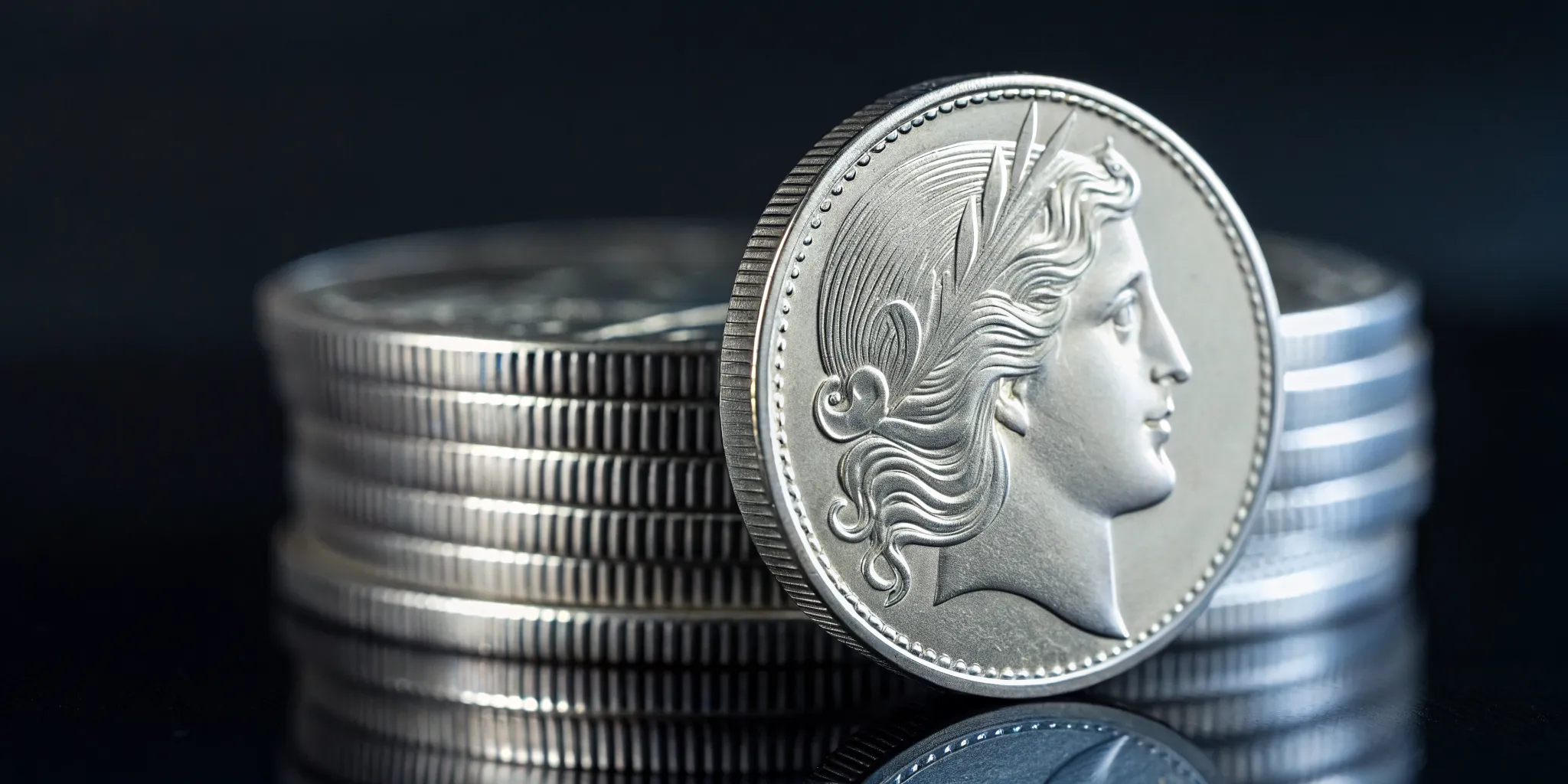
What gives a precious metal its value? For palladium, the answer is rooted in modern industry. While gold is prized for jewelry and as a store of wealth, palladium is a workhorse. Roughly 80% of the global supply is used in catalytic converters, a critical component in gasoline-powered vehicles that reduces harmful emissions. This constant, high-stakes industrial demand creates a strong and direct influence on its price. When you invest in a 1 oz palladium coin, you are not just buying a rare metal; you are owning an asset tied directly to global manufacturing, technological advancement, and tightening environmental regulations.
Key Takeaways
- Understand what drives palladium's value: The price of a 1 oz palladium coin is tied to its extreme rarity and its critical role in the automotive industry. This strong industrial demand creates a unique investment case that behaves differently from gold or silver.
- Use palladium as a strategic diversification tool: Because its price often moves independently of stocks and other precious metals, palladium can add balance to your portfolio. You can also hold qualifying coins in a tax-advantaged Precious Metals IRA to support your retirement goals.
- Prioritize a secure investment process: Protecting your asset starts with a smart purchase. Always work with a reputable dealer, verify your coins with professional grading services, and establish a plan for secure, insured storage before you buy.
What Is a 1 oz Palladium Coin?
If you’re looking to diversify your precious metals portfolio, you’ve likely come across palladium. While it may not be as well-known as gold or silver, this lustrous, silvery-white metal holds significant value for both industrial applications and investors. A 1 oz palladium coin is a tangible, government-minted piece of bullion that offers a unique opportunity to own one of the world's rarest metals. These coins are prized not just for their metal content but also for their craftsmanship, purity, and official status, making them a compelling choice for serious collectors and investors.
Understanding what makes these coins special starts with their composition and rarity. Unlike other assets, the value of palladium bullion is tied to a fascinating mix of limited supply, high industrial demand, and geopolitical factors. Let's break down the key characteristics of a 1 oz palladium coin so you can make an informed decision for your collection or portfolio.
Understanding Its Purity and Legal Tender Status
When you buy a 1 oz palladium coin, you are acquiring a highly refined asset. Most government-minted palladium coins contain 99.95% pure palladium, a standard that assures you of their quality and intrinsic value. This high purity is a key reason why investors trust them as a store of wealth.
Beyond their metal content, many palladium coins are also recognized as legal tender in their country of origin. For example, the American Palladium Eagle has a face value of $25, while the Canadian Palladium Maple Leaf carries a face value of $50 CAD. While these face values are largely symbolic and far below the coin's actual market value, they provide an official government guarantee of the coin's weight and purity. This adds an extra layer of security and legitimacy to your investment.
How Palladium Compares to Other Precious Metals
Palladium’s primary appeal lies in its incredible rarity. It is estimated to be about 30 times rarer than gold, which is a staggering figure when you consider the long history of gold mining and investment. This scarcity is a fundamental driver of its value. While gold bullion has been a cornerstone of investment portfolios for centuries, palladium offers a modern alternative with a different set of market dynamics.
The limited supply of palladium means that even small shifts in demand can have a significant impact on its price. For investors, this creates both opportunity and risk. Its rarity makes it a unique diversification tool, as its price movements don't always mirror those of gold or silver. Owning palladium provides a way to spread your assets across different metals, each with its own supply and demand story.
Why Is Palladium So Rare?
Palladium's rarity isn't just a talking point; it's a geological and industrial reality. The vast majority of the world's palladium supply comes from just two countries: Russia and South Africa. This geographic concentration makes the supply chain vulnerable to political and economic instability in those regions. Annually, only about 200 to 230 tons of palladium are mined, a fraction of the amount of gold extracted each year.
What makes the investment-grade supply even tighter is palladium's critical role in industry. A remarkable 80% of all palladium is used to create catalytic converters for gasoline-powered vehicles, which are essential for reducing harmful emissions. This consistent industrial demand consumes most of the newly mined metal, leaving very little for the production of coins and bars. This dynamic creates a constant tension between industrial needs and investor demand, underpinning palladium's value.
Popular 1 oz Palladium Coins
While palladium is one of the rarest precious metals, several world-renowned government mints produce beautiful 1 oz coins. This makes it easier for collectors and investors to add physical palladium to their portfolios. These coins are not just valued for their metal content; they often feature stunning designs and are backed by sovereign governments, adding a layer of trust and collectibility. Knowing the most popular options is a great first step in deciding which coin is the right fit for your collection or investment strategy. Each coin has a unique history and design, appealing to different tastes, but all offer a tangible way to own this valuable metal.
American Palladium Eagle
The American Palladium Eagle is a standout choice for those who appreciate classic American coin design and high purity. Struck by the U.S. Mint, these coins are made from .9995 fine palladium, guaranteeing their quality. Many of these coins feature the iconic "Winged Liberty" design, originally created by the famous sculptor Adolph A. Weinman for the Mercury Dime. This artistic heritage makes the Palladium Eagle a favorite among numismatists who value both the metal and the history behind the coin. As an official product of the United States, it carries a weight of authenticity and recognition that is trusted worldwide.
Canadian Palladium Maple Leaf
Issued by the Royal Canadian Mint, the Canadian Palladium Maple Leaf is another top-tier option for investors. Instantly recognizable by its detailed maple leaf design, this coin is known for its exceptional quality and purity. It is legal tender in Canada with a face value of $50 CAD for the one-ounce version, and its weight and purity are backed by the Canadian government. This sovereign guarantee provides a strong sense of security, making the Palladium Maple Leaf a reliable and highly sought-after choice for anyone looking to add government-minted palladium bullion to their holdings.
Other Notable World Coins
Beyond North America, other mints have also produced palladium coins, though they can be harder to find. Regardless of their origin, palladium coins are considered liquid assets, which means they can be bought and sold with relative ease. Their value is directly tied to the market price of palladium, making them a straightforward investment. Whether you are interested in the American Eagle, the Canadian Maple Leaf, or other world issues, the key is working with a trusted dealer. At Park Avenue Numismatics, our experts can help you buy and sell rare palladium coins and find the perfect addition to your portfolio.
What Drives the Value of Palladium Coins?
The value of a palladium coin is influenced by a unique set of factors that set it apart from other precious metals like gold or silver. While all precious metals are subject to market fluctuations, palladium's price is heavily tied to its critical role in modern industry. This connection to manufacturing, combined with a very concentrated supply chain, creates a dynamic environment for investors. Understanding these key drivers, from industrial demand and geopolitics to overall market volatility, is essential for anyone looking to add palladium to their portfolio. These elements work together to determine the daily spot price and the long-term value of your investment.
The Role of Industrial Demand
Palladium's primary value driver is its extensive use in the automotive industry. Roughly 80% of the world's palladium supply is used to create catalytic converters for gasoline-powered vehicles. These devices are crucial for converting toxic pollutants in exhaust fumes into less harmful emissions like carbon dioxide and water vapor. As countries around the world implement stricter environmental regulations to combat air pollution, the demand for more effective catalytic converters grows. This consistent and increasing industrial need places direct upward pressure on the price of palladium bullion, making it a key factor for investors to watch.
How Supply and Geopolitics Affect Price
The global supply of palladium is highly concentrated, with the vast majority mined in just two countries: Russia and South Africa. This limited number of sources makes the palladium market particularly sensitive to geopolitical events and regional instability. Any mining disruptions, trade disputes, or political tensions in these key regions can quickly constrain the available supply, causing significant price spikes. Because the world relies so heavily on a small number of producers, any uncertainty in the supply chain can have an immediate and powerful effect on the metal's market value, creating both risk and opportunity for investors.
Understanding Market Volatility
Palladium is known for its price volatility. This is a direct result of the tight balance between its high industrial demand and its limited, easily disrupted supply. On top of this fundamental tension, speculative trading by investors can also lead to rapid price movements. Broader economic factors, including central bank policies, inflation rates, and the overall health of the stock market, also play a significant role. For investors, this means that palladium's price can change quickly. Staying informed about these market forces is key to making sound decisions when buying or selling palladium coins.
Where to Buy 1 oz Palladium Coins
Once you’ve decided to add a 1 oz palladium coin to your portfolio, the next critical step is finding the right place to purchase it. The source of your coin is just as important as the coin itself. A trustworthy seller ensures you receive an authentic product at a fair price, while a questionable one can introduce unnecessary risk. When you’re ready to buy, focus on three key areas: the dealer’s reputation, their pricing transparency, and their commitment to authentication. Getting these three things right will help you make a confident and secure purchase, protecting your investment from the very beginning.
How to Find a Reputable Dealer
Finding a dealer you can trust is the cornerstone of a successful purchase. Look for established companies with a long history in the precious metals industry. A dealer’s experience and industry standing, like an A+ rating from the BBB, speak volumes about their reliability and customer service. Many reputable dealers sell their inventory online, giving you access to a wide selection of coins from the comfort of your home. A quality dealer will not only offer a diverse inventory of palladium bullion but will also provide expert guidance to help you make an informed decision. They should be willing to answer your questions and build a long-term relationship based on trust.
Why Pricing Transparency Matters
The palladium market can be fast-moving. Prices often change quickly due to shifts in industrial demand, supply chain disruptions, and investor activity. Because of this volatility, it’s essential to work with a dealer who offers complete pricing transparency. A trustworthy seller will display clear, up-to-date prices that reflect the current market. This allows you to make timely and informed decisions without worrying about hidden fees or surprise charges. Before committing to a purchase, make sure you understand the total cost, including any premiums over the spot price. A dealer who is upfront about their pricing structure demonstrates integrity and helps you feel confident in your investment.
The Importance of Authentication
When you buy a palladium coin, you are investing in a rare and valuable asset. Authentication ensures that what you’re buying is genuine. For numismatic or collectible coins, look for products that have been graded and certified by trusted third-party services like the Professional Coin Grading Service (PCGS) or the Numismatic Guaranty Company (NGC). These organizations verify a coin's authenticity and condition, which protects its value. Certified rare coins for sale are highly sought after because palladium is not often used for official coinage, making certified examples even more desirable. An authenticated coin gives you peace of mind, knowing your investment is secure and accurately valued.
How Do Palladium Coin Prices Compare?
When you start looking at palladium coins, you'll notice the price isn't as straightforward as checking a stock ticker. The final price you pay is influenced by several factors, from the raw metal's market value to the costs of turning it into a beautiful coin. Understanding these components is key to making a smart purchase. Let's break down what goes into the price of a 1 oz palladium coin so you can feel confident about what you're paying.
Understand Premiums Over Spot Price
The first thing to know is that you'll always pay more than the base market price for palladium. This added cost is called a "premium." For palladium, premiums can be significant because the metal is so rare and its supply can be unpredictable. High demand from the automotive industry for catalytic converters often creates supply shortages, pushing premiums higher. The premium covers the costs of minting, distribution, and the dealer's overhead. Think of it as the price for transforming raw palladium into a collectible, government-backed coin and getting it into your hands. Other costs like shipping and insurance will also be factored into your final price.
Spot Price vs. Retail Price
You'll often hear the term "spot price" when discussing precious metals. The spot price is the current market value for one ounce of a raw metal, and it can change every few seconds during market hours. However, you can't buy a coin at the spot price. The price you actually pay a dealer is the retail price. The retail price is a combination of the live spot price plus the premium we just discussed. A reputable dealer is transparent about how they arrive at their pricing, ensuring you understand exactly what you're paying for. When you see a price listed for a palladium coin, it's the retail price.
How to Find a Fair Price
So, how do you know if you're getting a fair deal? The best approach is to work with a dealer you trust. A fair price will accurately reflect the coin's market value, condition, and rarity. Look for dealers with a long-standing reputation and positive reviews who are transparent about their pricing. An established company with decades of experience can provide expert guidance and help you find a coin that fits your goals and budget. Don't hesitate to ask questions. A good dealer will be happy to explain their pricing and help you understand the value of your investment.
Why Invest in 1 oz Palladium Coins?
Adding palladium to your holdings is a strategic move for any serious investor. As one of the rarest precious metals, it offers a unique combination of industrial utility and investment appeal that sets it apart from gold and silver. Its value is driven by a distinct set of market forces, primarily its critical role in the automotive industry for catalytic converters. This creates an opportunity for investors looking to add a tangible asset with strong fundamentals to their portfolio. Whether you're aiming to diversify, plan for retirement, or protect your wealth, palladium bullion presents a compelling case.
Diversify Your Investment Portfolio
A well-rounded portfolio is your best defense against market swings. Because palladium's price often moves independently of stocks, bonds, and even other precious metals, it can provide a stabilizing effect. Palladium coins are an excellent investment because of their numismatic value, industrial demand, and potential for profit. Unlike gold, which is primarily used for jewelry and investment, palladium is a workhorse metal. Its heavy use in automotive and electronics industries means its value is tied to global economic growth and technological innovation. This unique demand structure helps insulate it from some of the factors that affect other assets, making it a powerful tool for true diversification.
Add Palladium to a Precious Metals IRA
You can also use palladium to build a more secure retirement. Certain high-purity palladium coins and bars are eligible for inclusion in a self-directed Individual Retirement Account (IRA). To qualify, the palladium must meet a minimum purity of 99.95% and be produced by an IRS-approved refiner. Coins like the American Palladium Eagle are specifically designed to meet these requirements. Holding physical palladium in an IRA allows you to enjoy the tax advantages of a retirement account while owning a tangible asset. A precious metals IRA can be a smart way to prepare for the future with an asset that has a proven history of value.
Hedge Against Inflation
When the value of currency declines, tangible assets often shine. Palladium, like other precious metals, serves as a reliable hedge against inflation. Its intrinsic value isn't tied to any government's fiscal policy, so it can help preserve your purchasing power over the long term. Precious metals are a valuable buffer against riskier traditional investments like equities and bonds, especially during times of economic volatility. As central banks print more money, the fixed and finite supply of palladium becomes more attractive. Holding a physical asset like a 1 oz palladium coin means you own something real that can’t be devalued in the same way paper currency can.
What Are the Risks to Consider?
Every investment comes with its own set of considerations, and palladium is no different. Understanding the potential risks is a key part of making a smart, confident decision for your portfolio. While palladium offers exciting opportunities, being aware of its market dynamics, liquidity, and ownership costs will help you prepare a solid strategy. Think of it not as a list of reasons to worry, but as a guide to help you invest wisely and protect your assets for the long term. Let's walk through the main points you'll want to keep in mind.
Be Aware of Price Volatility
Palladium's price can be more volatile than that of other precious metals. Its value is heavily tied to industrial demand, particularly from the automotive sector where it's a critical component in catalytic converters. When car manufacturing slows down or new technologies emerge, demand can shift. Likewise, supply can be tight, as most of the world's palladium comes from just a few countries. This combination of concentrated supply and fluctuating industrial demand can lead to significant price swings. Staying informed on these market trends is essential for any palladium bullion investor.
Understand the Coin's Liquidity
Compared to gold or silver, the market for palladium is smaller and less liquid. In simple terms, this means it might take a bit more time to find a buyer when you decide to sell your coins. While gold and silver have massive, global markets with constant trading, the pool of active palladium buyers and sellers is more limited. This doesn't mean you can't sell your investment; it just means the process might not be as instantaneous. Working with an established dealer is a great way to address this, as they have a broad network to facilitate transactions smoothly.
Factor in Storage and Insurance Costs
When you own a physical asset as valuable as a 1 oz palladium coin, you need a plan to keep it safe. Secure storage is not just a suggestion, it's a necessity. This could mean investing in a high-quality home safe or using a professional third-party depository, which is often a requirement for a Precious Metals IRA. Both options come with costs. Additionally, you'll want to insure your collection against theft or damage. These storage and insurance fees are ongoing costs of ownership, so be sure to factor them into your overall investment budget.
How to Protect Your Palladium Investment
Once you’ve purchased your palladium coin, the next step is making sure it stays safe. Protecting your investment is just as important as making a smart purchase in the first place. A clear plan for security and verification will help you preserve the coin’s value and condition for years to come. Taking a few straightforward measures can provide significant peace of mind, ensuring your asset is shielded from damage, loss, or theft. Think of it as the final, crucial step in your acquisition process.
Verify Your Coins with Professional Grading
The best way to confirm your palladium coin’s authenticity and condition is through professional grading. Independent services like the Professional Coin Grading Service (PCGS) and the Numismatic Guaranty Company (NGC) specialize in this. They encapsulate the coin in a protective, tamper-evident holder and assign it a grade that becomes its official quality standard. This certification not only verifies that your coin is genuine but also makes it much easier to sell in the future, as buyers have complete confidence in what they’re getting. When you buy rare coins, always look for ones that have been professionally graded.
Choose a Secure Storage Option
You have a few choices when it comes to storing your palladium, and the right one depends on your goals. For some, a high-quality, fireproof safe at home is enough. Others prefer the security of a safe deposit box at a bank. However, if you plan to include palladium in a Precious Metals IRA, you are required by the IRS to store it in an approved third-party depository. These specialized facilities offer advanced security, are fully insured, and provide regular audits, making them an excellent option for any serious investor, whether the metal is in an IRA or not.
Insure Your Collection
Don’t assume your standard homeowner’s or renter’s insurance policy will cover the full value of your palladium coin. Many policies have strict limits on valuable items like precious metals, often capping coverage at a surprisingly low amount. Review your policy carefully and speak with your insurance agent about adding a rider or a separate policy to cover your collection. This ensures you are financially protected against theft or damage. If you choose to store your coins in a professional depository, insurance is typically included in their storage fees, adding another layer of security.
What Should First-Time Buyers Know?
Making your first investment in palladium is an exciting step. Like any new venture, it comes with questions, but getting the basics right from the start will set you up for success. Thinking through your entry point, tax strategy, and purchase timing will help you move forward with confidence. Here are three key areas to consider before you buy your first 1 oz palladium coin.
Is There a Minimum Investment?
One of the most common questions is about how much you need to get started. The good news is there’s no formal minimum investment required to buy palladium. You can begin your collection or investment portfolio by purchasing a single 1 oz coin. Palladium bullion is a great way to own investment-grade metal because it is relatively easy to obtain from reputable dealers. This accessibility means you can start at a level that feels comfortable for you. Your initial investment is simply the cost of the palladium bullion you choose to buy, allowing you to scale your holdings over time as your budget and strategy evolve.
Understand the Tax Implications
It’s smart to think about taxes before you invest. When you sell your palladium coins for a profit, that gain may be subject to capital gains taxes. The specifics can depend on how long you held the investment and your income level, so it’s always a good idea to consult with a tax professional. For long-term planning, you might consider a Precious Metals IRA, a special retirement account that lets you hold physical precious metals instead of just stocks or bonds. The IRS has strict rules about which metals are allowed, but this can be a tax-advantaged way to save for the future. A Precious Metals IRA can be a powerful tool for diversifying your retirement portfolio.
Decide When to Buy
Trying to time the market perfectly is a challenge, even for seasoned investors. Palladium prices can change very quickly because of supply shortages, high demand from car companies, and market speculation. Instead of waiting for the "perfect" moment, it’s often better to focus on your long-term goals. Some investors use a dollar-cost averaging strategy, buying a consistent amount over time to smooth out price fluctuations. Others watch for market dips that present a good buying opportunity. Ultimately, the best time to buy is when you’ve done your research and feel ready to add high-quality rare coins or bullion to your portfolio as part of a disciplined investment strategy.
Related Articles
- 1 oz Palladium Bars (Generic Brands)
- 1 oz Palladium Maple Leaf (Common Date)
- 2020-W Palladium Eagle 1 oz Burnished Palladium Label MS70 NGC
- 2021-W Palladium Eagle 1 oz MS70 PCGS
- 1 oz PAMP Suisse Palladium Bars
Frequently Asked Questions
Is palladium a better investment than gold? One isn't necessarily better than the other; they just play different roles in a portfolio. Gold is a classic safe-haven asset, valued for its long history as a store of wealth. Palladium's value is more closely tied to industrial demand, especially from the auto industry. This gives it a different risk and growth profile. Many investors choose to hold both, using gold for stability and palladium for its unique connection to industrial and technological growth.
If electric cars don't use catalytic converters, will my palladium lose value? That's a great question and something savvy investors think about. While the automotive industry is palladium's biggest consumer, the global transition to electric vehicles will take many years. In the meantime, hybrid vehicles, which still require catalytic converters, are becoming more popular. Furthermore, palladium is also used in other growing sectors like electronics, dentistry, and even jewelry. Its value is not tied to a single application, which helps support its long-term demand.
Should I buy palladium coins or palladium bars? The choice between coins and bars really comes down to your personal investment goals. Government-minted coins like the American Eagle or Canadian Maple Leaf are easily recognizable, simple to trade, and carry a collectible or numismatic value beyond their metal content. Bars are a more direct way to invest in pure palladium weight and often have slightly lower premiums. If you appreciate the artistry and government guarantee of a coin, that's your best bet. If you're focused purely on accumulating the metal itself, bars can be a great option.
Why is the premium on palladium coins often higher than for gold or silver? The higher premium comes down to simple rarity and market size. The palladium market is significantly smaller than the gold or silver markets. With so much of the annual supply consumed by industrial applications, very little is left for minting investment-grade coins. This tight supply, combined with the specialized costs of minting a harder metal like palladium, results in higher production and distribution costs, which are reflected in the premium.
How do I sell my palladium coins when I'm ready? Selling your palladium coins is a straightforward process when you work with a reputable dealer. An established company will provide you with a current buy-back price based on the live market value. The process typically involves securely shipping your coins to the dealer for verification, after which they will issue your payment. Because the market is smaller than gold's, partnering with a trusted dealer ensures you get a fair price and a smooth transaction.





